The Best Korean Sun Serums That Don't Feel Like Sunscreen
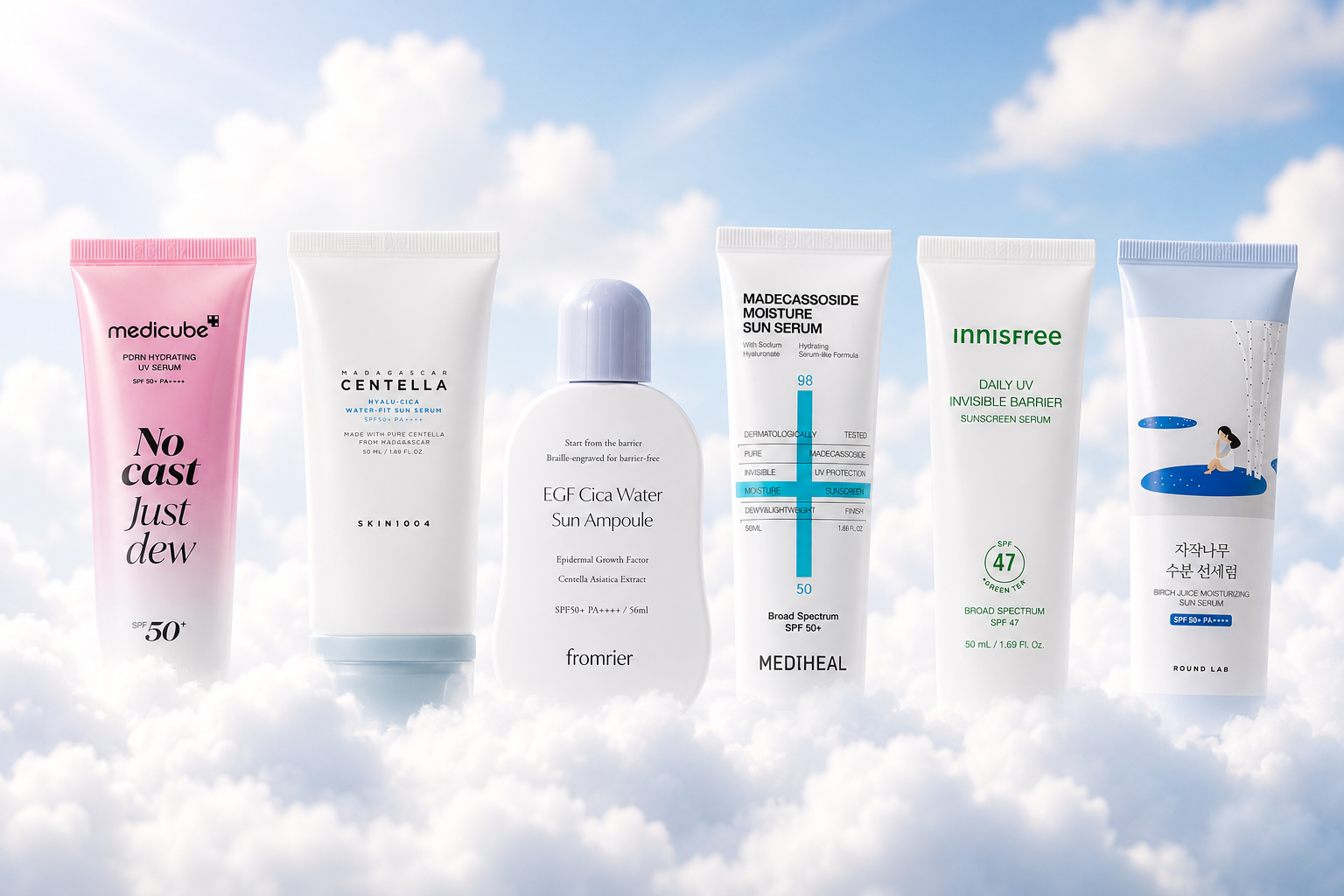
The best Korean sun serums combine high-level UV protection with the lightweight texture of a serum, making daily sunscreen much easier to wear. They are designed to feel less heavy, greasy, or occlusive than traditional sunscreens while still providing broad-spectrum protection.
In this guide, I’ll compare the Korean sun serums that stand out most for their UV filters, texture, supporting skincare ingredients, and overall formulation, so you can choose one that actually suits your skin.
Quick Picks
Best Overall
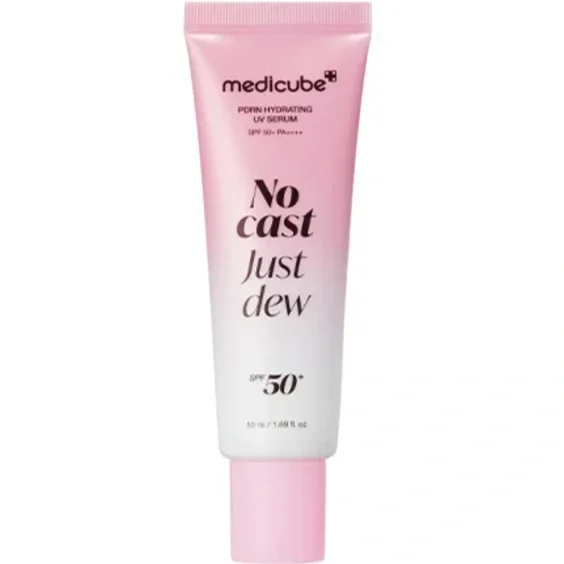
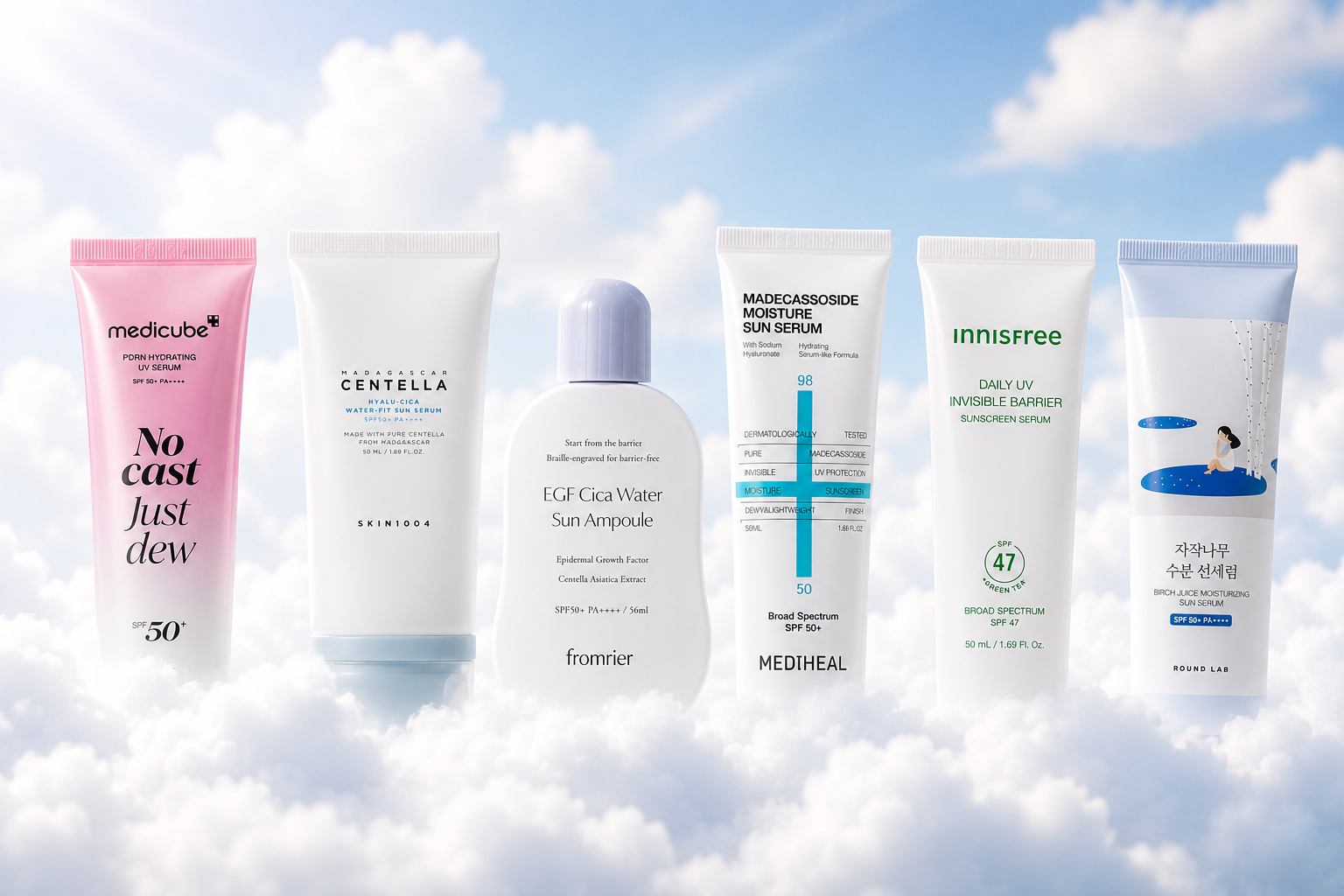
Medicube No Cast Just Dew PDRN Hydrating UV Sun Serum
Best for Oily Skin
Fromrier EGF Cica Water Sun Ampoule
Best for Sensitive or Redness-Prone Skin
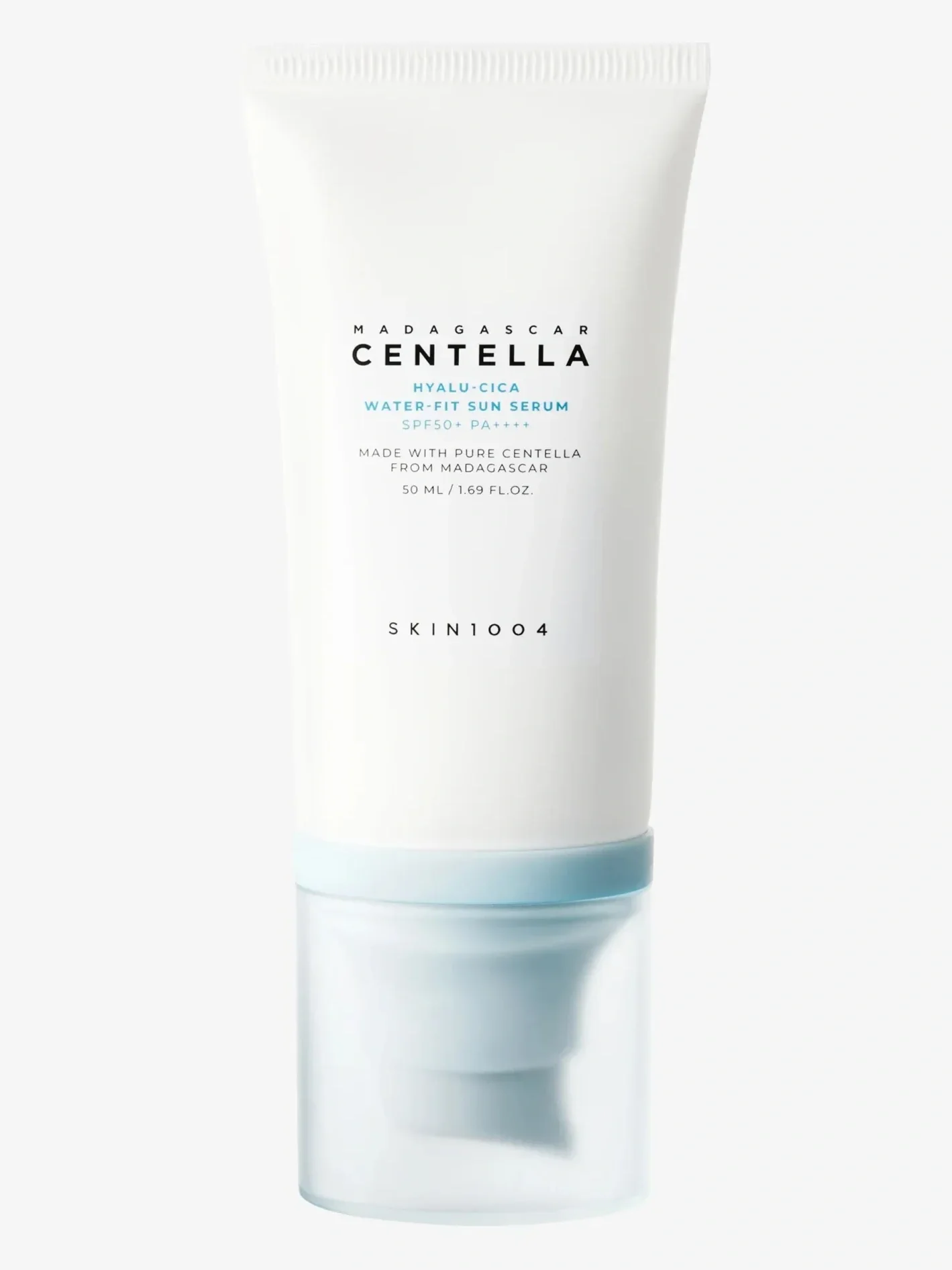
SKIN1004 Madagascar Centella Hyalu-Cica Water-Fit Sun Serum
Best for Dry and Dehydrated Skin
Round Lab Birch Juice Moisturizing Sun Serum
Best for Normal to Dry Skin
Mediheal Madecassoside Moisture Sun Serum
Best for a Refreshing Finish
Innisfree Daily UV Dewy Barrier Sun Serum
In This Article
If You Still Hate Wearing Sunscreen, Read This First
If you avoid sunscreen because it feels heavy, greasy, or uncomfortable, newer Korean sun serums are designed to solve exactly that problem. They combine high UV protection with much lighter textures that often feel closer to a hydrating serum than a traditional sunscreen.
At the same time, sunscreen misinformation is becoming a real problem. The American Academy of Dermatology’s 2026 Practice Safe Sun Survey found that more than 16 million Americans had reduced or stopped using sunscreen because of misleading claims they saw online. Nearly half of adults, and almost two-thirds of Gen Z, reported seeing sunscreen misinformation on social media.
That matters because regular UV exposure contributes to sunburn, premature skin aging, and skin cancer risk. The good news is that sunscreen formulas have changed a lot, and you no longer have to choose between protection and comfort.
This guide focuses on Korean sun serums that offer strong UV protection in lightweight, skincare-like formulas. If traditional sunscreen has always felt unpleasant on your skin, these are the products most likely to change how you feel about wearing it every day.
Some links are affiliate links. If you choose to purchase through them, it helps support my work at no extra cost to you.
What Is the Difference Between a Sunscreen and a Sun Serum?
A sun serum is still a sunscreen. The main difference is the texture and overall formulation, not the level of UV protection it can provide. If properly formulated and tested, a lightweight serum-style sunscreen can offer the same high SPF and UVA protection as a richer cream.
Traditional sunscreen creams often use more emollients, waxes, or richer film-forming ingredients, while sun serums are designed with lighter, more fluid bases. Many also include humectants, antioxidants, peptides, or soothing ingredients, so they feel closer to skincare during application. A 2026 review of sunscreen formulation highlights how much the final performance of a sunscreen depends on the complete formula, including the UV filters, stability, and how evenly the protective film forms on the skin.
Despite the name, most sun serums are not as watery as a typical facial serum. They usually have a light milky or fluid texture that spreads easily and feels less heavy than a traditional sunscreen cream.
This can make them particularly appealing for oily, combination, or acne-prone skin, as well as for warm or humid weather. But the texture alone does not make a sun serum more protective. You still need to apply enough product to get close to the protection shown on the label, because sunscreen protection drops when too little is applied.
Discover My eBook
Whether you're just starting out or want to deepen your skincare knowledge, this practical guide helps you understand your skin and build a routine with confidence.
See What's Inside →Medicube No Cast Just Dew PDRN Hydrating UV Sun Serum
Where to buy
⭐ Key Formula Highlights
- PDRN (Sodium DNA)
- 5% niacinamide
- Ceramide NP + cholesterol + hydrogenated lecithin
⚠️ Keep in Mind
- Not fungal acne safe
- Not vegan
This year, Medicube launched two new sunscreens: No Cast Just Dew PDRN Hydrating UV Sun Serum and No Cast Just Glow Collagen Glow Sunscreen. After trying both, the Hydrating UV Sun Serum is easily my favorite. I expected it to be lightweight, but I didn't expect it to feel this lightweight.
Medicube puts a lot of emphasis on PDRN, but I actually think that's the least interesting part of the formula. PDRN (listed as Sodium DNA) sits quite low on the ingredient list, so I wouldn't choose this sunscreen because of that. What makes it worth buying is everything else.
The formula combines 5% niacinamide with ceramide NP, cholesterol, and hydrogenated lecithin, making it a great option if you want a sunscreen that does more than just provide UV protection. The niacinamide is particularly nice if you're dealing with excess sebum, enlarged pores, post-acne marks, or uneven skin tone.
I also appreciate that Medicube skipped the fragrance and essential oils. Combined with the incredibly lightweight texture, it's a sunscreen I'd happily recommend for all skin types, including sensitive skin.
SKIN1004 Madagascar Centella Hyalu-Cica Water-Fit Sun Serum
Where to buy
⭐ Key Formula Highlights
- 9,800 ppm Centella asiatica extract
- Hyalu-Cica complex
- Botanical antioxidant complex
⚠️ Keep in Mind
- Not fungal acne safe
SKIN1004's Madagascar Centella Hyalu-Cica Water-Fit Sun Serum has consistently been one of the most popular Korean sunscreens, especially among people with oily and combination skin. After trying it, I completely understand why. The texture is exceptionally lightweight and comfortable, making it one of those sunscreens that's easy to wear every single day.
The formula is built around Centella asiatica and a blend of botanical antioxidants, including green tea, ginkgo, birch bark, and several plant extracts that help protect the skin from environmental stress. It also contains multiple forms of hyaluronic acid, making it a great choice if your skin tends to become dehydrated, even if it's oily.
I recommend this sunscreen for skin that becomes easily flushed or uncomfortable during the summer. If you have redness, spend a lot of time outdoors, or are already noticing the first signs of sun damage and premature aging, the high concentration of centella makes this an easy recommendation. It's also fragrance-free and essential oil-free, making it another excellent option for sensitive skin.
Round Lab Birch Juice Moisturizing Sun Serum
Where to buy
⭐ Key Formula Highlights
- Birch sap as the second ingredient
- Multi-weight hyaluronic acid complex
- Betulin
⚠️ Keep in Mind
- Contains essential oils
- Not fungal acne safe
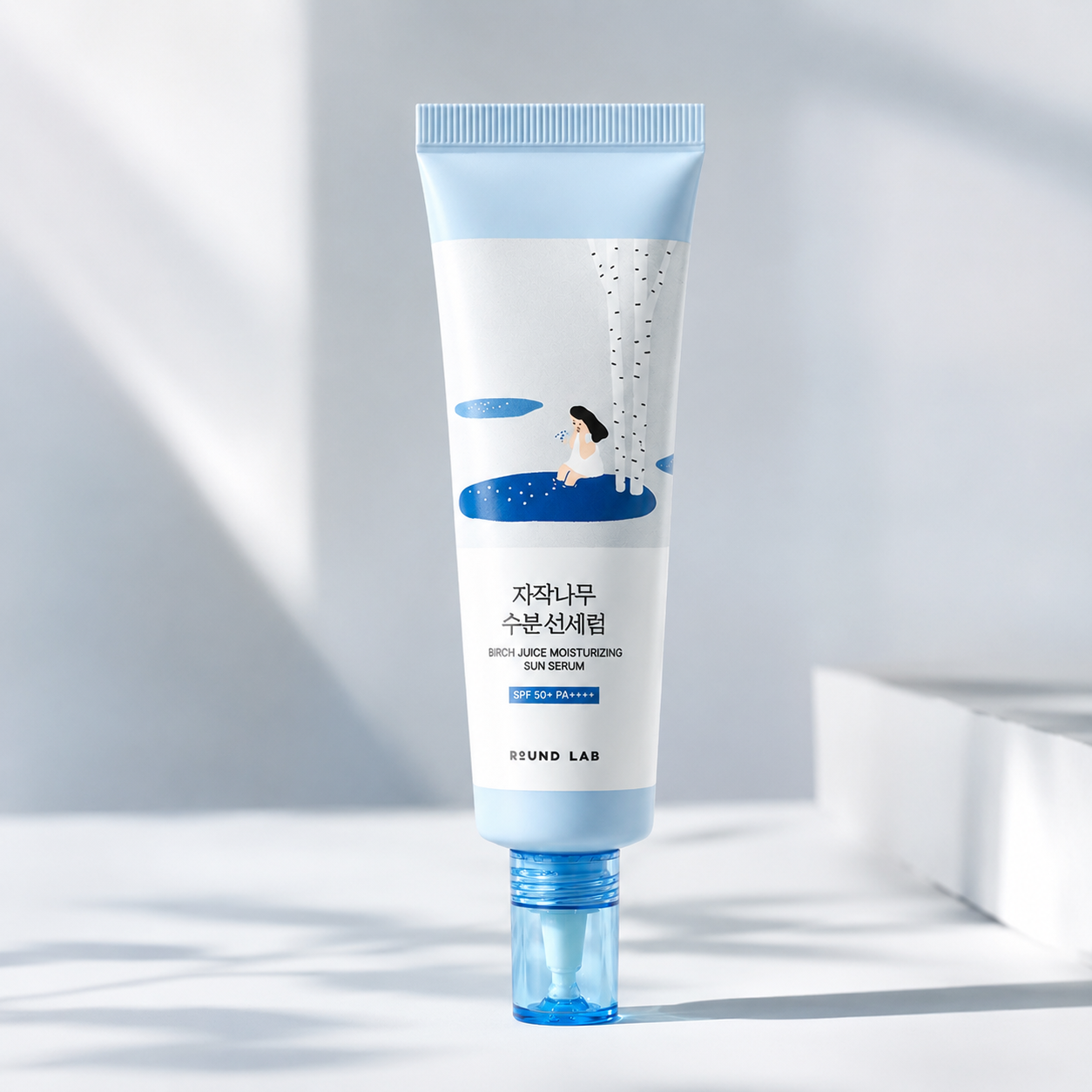
Round Lab also launched two sun serums this spring. While the Camellia Deep Collagen Firming Sun Serum is aimed more at firming and anti-aging, the Birch Juice Moisturizing Sun Serum focuses on deep, long-lasting hydration. If your skin often feels dehydrated, this is the one I'd reach for.
The formula is built around birch sap instead of plain water and combines it with multiple forms of hyaluronic acid, hydroxyethyl urea, glyceryl glucoside, and amino acids to help keep the skin hydrated throughout the day. It also contains niacinamide and betulin, alongside several soothing plant extracts, making it a nice option if you're looking for a sunscreen that does more than just provide UV protection.
Compared with the Medicube and SKIN1004 sun serums, this one has a slightly richer texture. It's still lightweight by sunscreen standards, but I think it suits normal, combination, and slightly drier skin better than very oily skin. The only thing I'd keep in mind is that it contains essential oils, so if your skin is highly sensitive or easily irritated, I'd probably choose one of the fragrance- and essential oil-free formulas instead.
Fromrier EGF Cica Water Sun Ampoule
Where to buy
⭐ Key Formula Highlights
- EGF (sh-Oligopeptide-1)
- Beta-glucan
- Centella asiatica
⚠️ Keep in Mind
- Not fungal acne safe
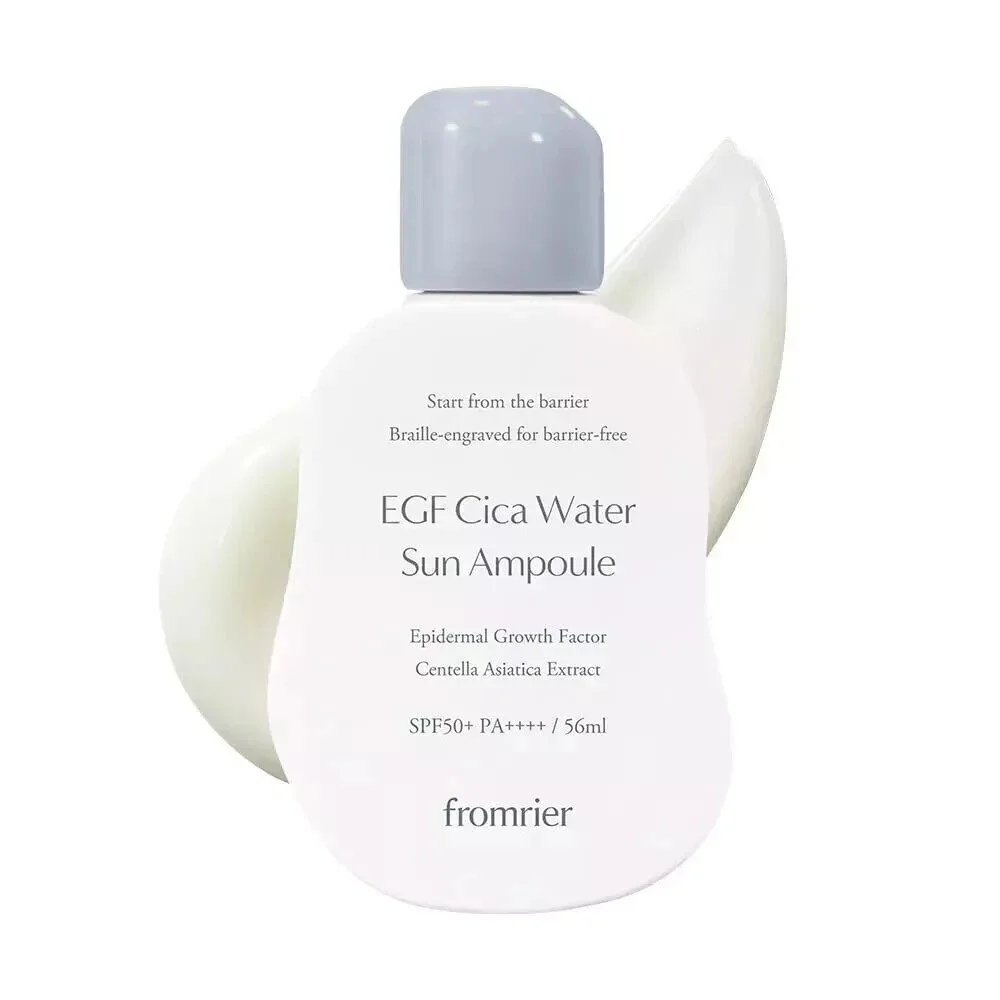
If texture is your top priority, Fromrier is the clear winner on my list. It has the most fluid texture of all the products featured here, almost completely runny, which explains why the brand calls it a sun ampoule rather than a sun serum. If you dislike the feeling of multiple skincare layers on your face, this formula is hard to beat.
The name puts a lot of emphasis on EGF, but that's mostly marketing. The growth factor (sh-Oligopeptide-1) is present at just 0.01 ppm, so if you're looking for the benefits of growth factors, you're much better off choosing a dedicated EGF serum with a meaningful concentration.
Instead, I'd choose this sunscreen because of its exceptionally lightweight texture and well-balanced formula. It also contains niacinamide, beta-glucan, hydrolyzed hyaluronic acid, hydrogenated lecithin, and several soothing botanical extracts. While these ingredients appear lower on the ingredient list, that has no impact on the sunscreen's UV protection.
If you have oily skin, live in a humid climate, or simply prefer sunscreens that feel almost weightless, this is one of the best choices on this list.
Mediheal Madecassoside Moisture Sun Serum
Where to buy
⭐ Key Formula Highlights
- Complete Centella complex (madecassoside, asiaticoside, madecassic acid, asiatic acid)
- Saccharomyces ferment filtrate
- Hydroxyethyl urea
⚠️ Keep in Mind
- Contains fragrance and essential oils
- Not fungal acne safe
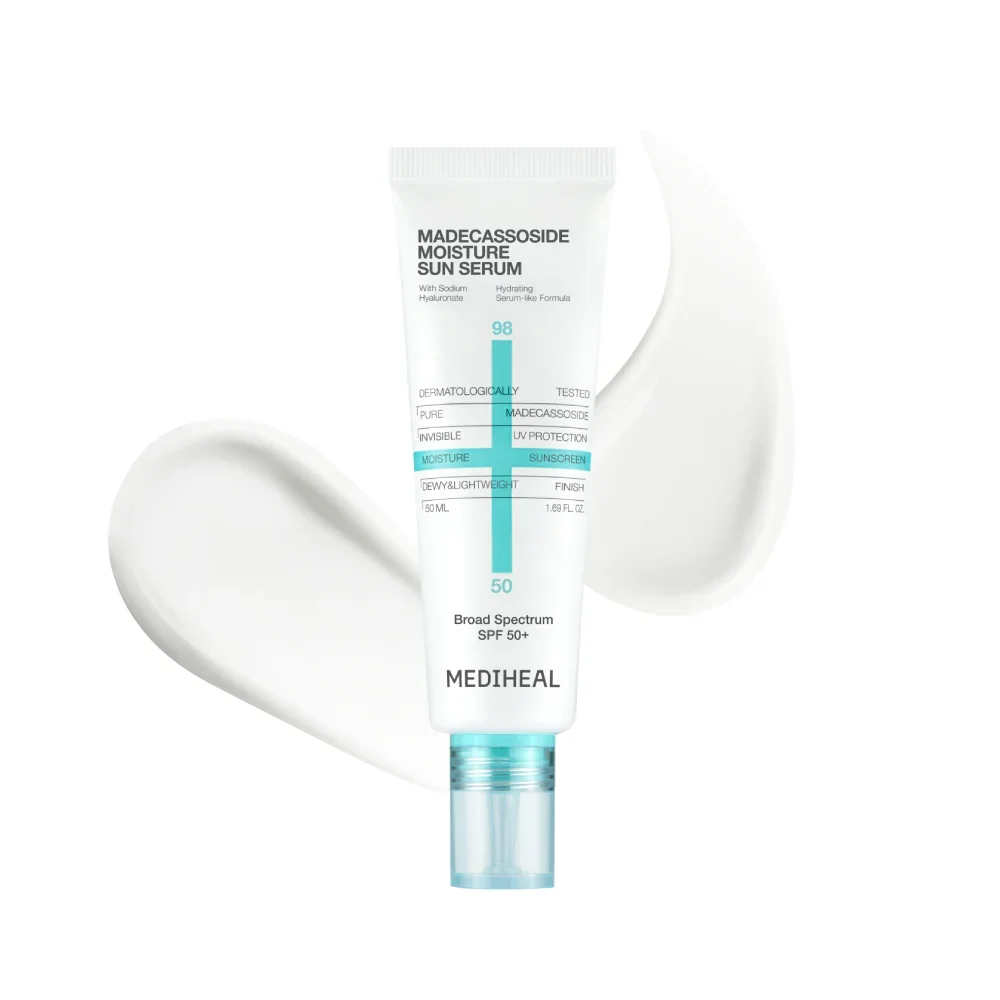
Mediheal is probably best known for its Madecassoside line, which includes several excellent products, so it makes perfect sense to see a sunscreen join the collection. The formula starts with a solid base of niacinamide and arginine, then builds on that with multiple Centella-derived ingredients, including madecassoside, madecassic acid, asiatic acid, and asiaticoside. I also like the addition of Sphingomonas Ferment Extract, which is becoming an increasingly popular ingredient in barrier-supporting skincare.
Compared with the previous sun serums on this list, this formula feels slightly more nourishing. Ingredients like jojoba oil, hydroxyethyl urea, and several humectants make it a better fit for normal to dry skin, or for anyone looking for a more comfortable sunscreen during the colder months.
The only thing that disappoints me is the amount of fragrance and essential oils. They're not the citrus oils that tend to be the most sensitizing, but if your skin is highly reactive, I'd still be inclined to choose one of the fragrance-free options instead. That's a shame because the rest of the formula is genuinely well designed.
Innisfree Daily UV Dewy Barrier Sun Serum
Where to buy
⭐ Key Formula Highlights
- Ceramide NP
- Multi-weight hyaluronic acid complex
- Allantoin
⚠️ Keep in Mind
- Contains fragrance and essential oils
- Not fungal acne safe
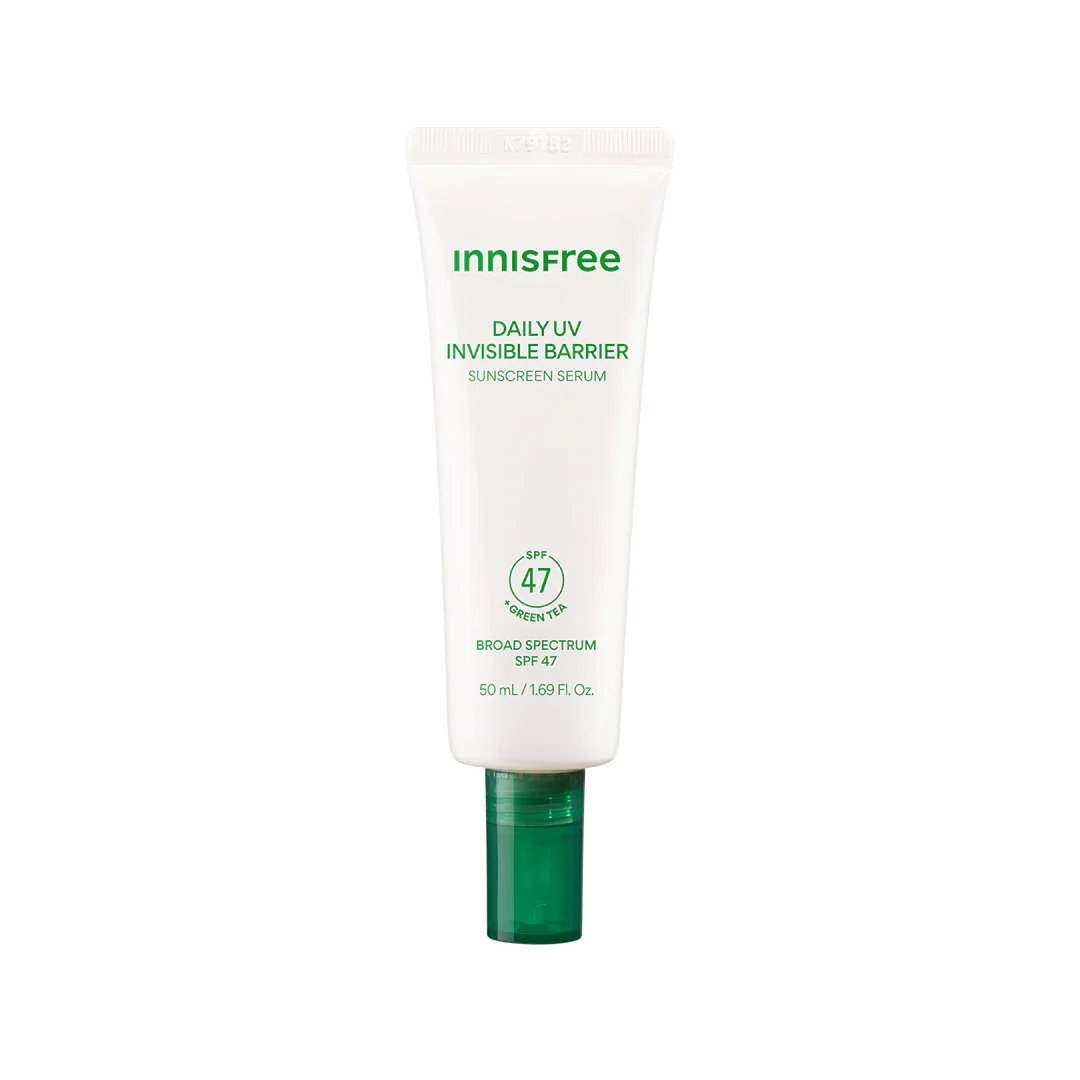
When I think of Innisfree, one ingredient immediately comes to mind: green tea. It's one of the brand's signatures, and I'm glad to see it included here alongside multiple forms of hyaluronic acid, ceramide NP, and allantoin. Together, they help support hydration and the skin barrier, making this a well-rounded everyday sunscreen.
What really sets this formula apart from the others on this list is the amount of essential oils. It contains lemon peel, spearmint, citronella, cardamom, and galbanum oils, giving it a noticeably fresh and refreshing feel on the skin. If you enjoy that sensory experience and your skin tolerates essential oils well, I think this is a lovely sunscreen to wear.
On the other hand, if your skin is very sensitive, easily irritated, or you're dealing with an active acne flare-up, I'd probably choose one of the fragrance- and essential oil-free options instead. That doesn't make this a bad sunscreen—it simply means it's not the most universal formula in this roundup.
Which Korean Sun Serum Is Right for You?
🥇 My overall favorite: Medicube No Cast Just Dew
If you're looking for one sunscreen that works well for almost every skin type, this would be my first recommendation. The combination of an ultra-lightweight texture, 5% niacinamide, and a barrier-supporting formula makes it the most well-rounded option on this list.
💧 For dehydrated skin: Round Lab Birch Juice
The most hydrating formula thanks to birch sap, multiple forms of hyaluronic acid, and additional moisturizing ingredients. Best if your skin often feels tight or dehydrated.
🌿 For redness-prone or sensitive skin: SKIN1004 Hyalu-Cica
A lightweight formula with a high concentration of centella, multiple antioxidants, and no fragrance or essential oils.
🌡️ For oily skin or humid weather: Fromrier EGF Cica
The most fluid texture on this list. If you hate feeling sunscreen on your face, this is probably the closest you'll get.
❄️ For normal to dry skin: Mediheal Madecassoside
A slightly more nourishing formula with several Centella-derived ingredients. Just keep in mind that it contains fragrance and essential oils.
🍃 If you enjoy fresh botanical formulas: Innisfree Daily UV Dewy Barrier
A refreshing sunscreen with green tea, ceramides, and hyaluronic acid. Best suited for skin that tolerates essential oils well.
Frequently Asked Questions
How Much Sun Serum Should I Apply?
A sun serum needs to be applied generously, just like any other sunscreen. The commonly used two-finger method can be a useful practical guide, although the exact amount depends on the size of your face and whether you are also covering your neck. With very fluid formulas, applying two thinner layers can make it easier to spread the product evenly.
Do I Still Need to Reapply a Sun Serum?
Yes. A sun serum follows the same reapplication rules as other sunscreens. Reapply during prolonged sun exposure, especially after swimming, heavy sweating, or towel drying.
Can I Skip Moisturizer If I Use a Sun Serum?
Sometimes. Many sun serums contain enough humectants and emollients to feel moisturizing on oily or combination skin, particularly in humid weather. Dry or dehydrated skin may still feel more comfortable with a moisturizer underneath.
Can I Apply Makeup Over a Sun Serum?
Yes. One advantage of lightweight sun serums is that they often sit well underneath makeup. Give the sunscreen a little time to settle before applying foundation or other complexion products, and avoid rubbing the skin excessively so you do not disturb the sunscreen layer.
How Do I Reapply a Sun Serum Over Makeup?
Reapplying a liquid sunscreen over makeup can be awkward. If possible, gently press or spread a thin layer over the skin rather than rubbing aggressively, although it may still affect your makeup. For days with significant outdoor exposure, reliable reapplication is more important than keeping makeup completely untouched.
Do I Need a Sun Serum on Cloudy or Indoor Days?
Clouds do not block all UV radiation, and UVA can also pass through ordinary window glass. If you spend much of the day near windows, driving, or going outside, daily sunscreen still makes sense even when it does not feel particularly sunny.
Keep Exploring Korean Skincare
I hope this guide helped you find a Korean sun serum you'll actually enjoy wearing every day. But sunscreen is only one piece of a good skincare routine.
Whether you're dealing with acne, hyperpigmentation, redness, dehydration, or healthy aging, you'll find more evidence-based skincare guides throughout my blog, along with carefully selected product recommendations for different skin concerns and skin types.
Not sure where to start? Take my Skin Type Quiz to discover your skin type and get personalized product recommendations in just a few minutes.
Looking for more personalized advice? Explore my Personalized Skincare Consultation options, where I'll create a routine tailored to your skin, concerns, budget, and goals.




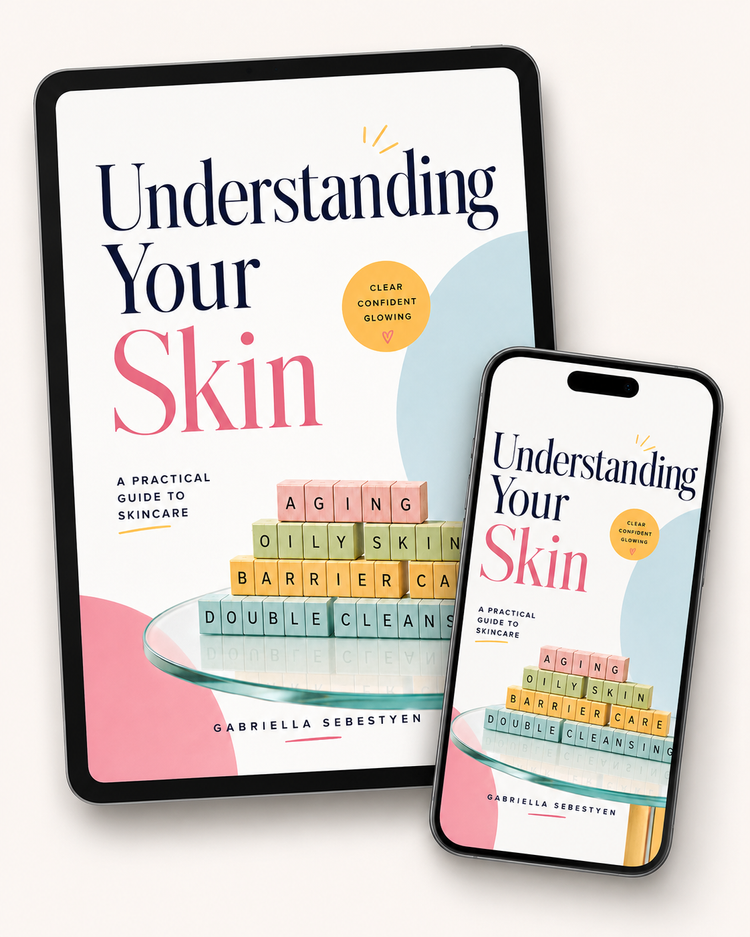
Understanding Your Skin
A Practical Guide to Skincare
I wrote Understanding Your Skin to help you build an effective skincare routine with confidence. This illustrated guide explains skin types, ingredients, and routines in a practical, evidence-based way that's easy to understand and apply.
- Written by a physician
- 120-page illustrated guide
- Evidence-based skincare guidance
- Sample routines & product recommendations

Why does your vitamin C serum sting? Learn the most common causes, how to make vitamin C easier to tolerate, and which gentler Korean serums may be worth trying.