Face Oils for Skin: Benefits, How to Use Them, and 6 Best Picks in 2026
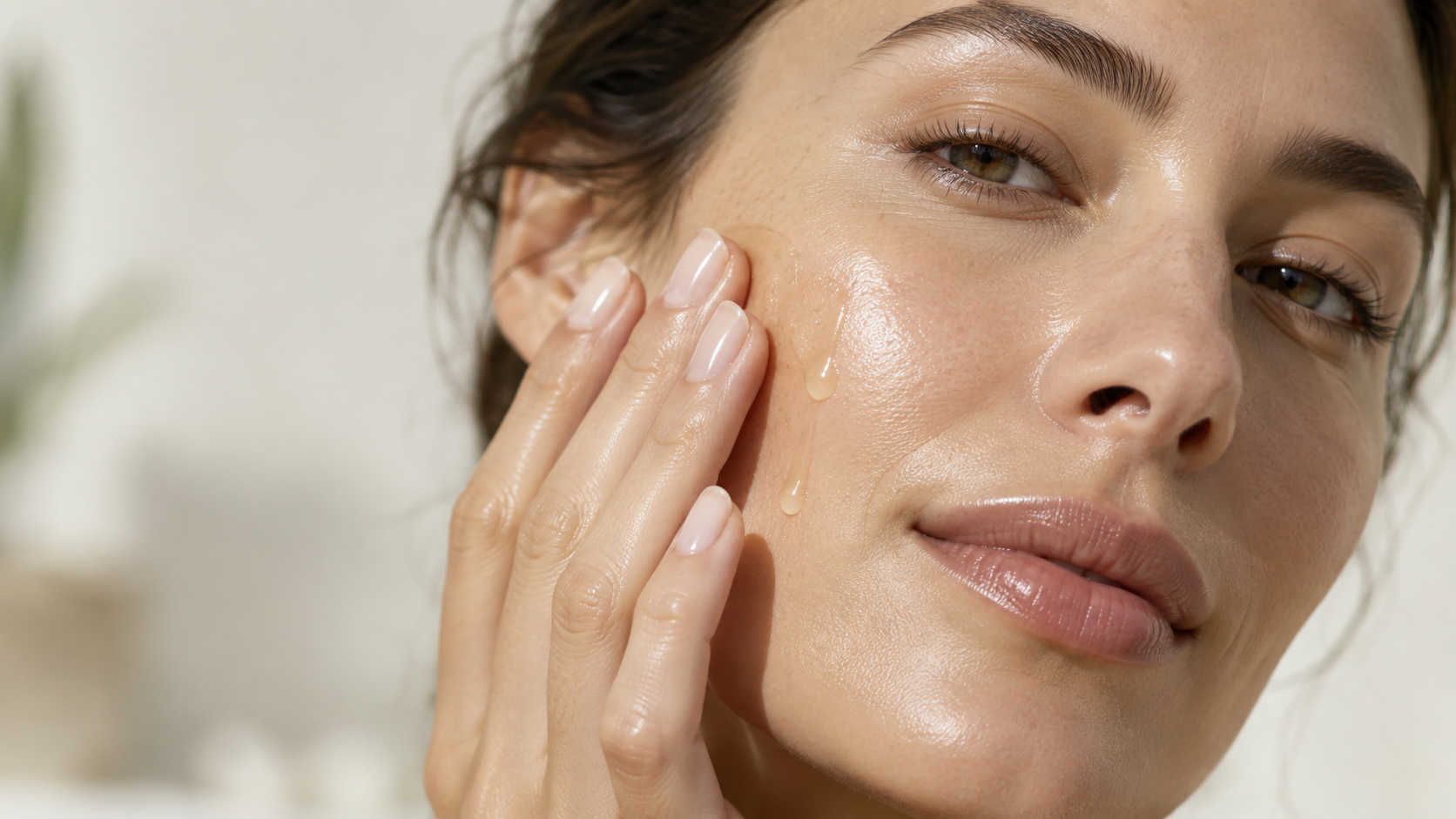
Face oils are most useful when your skincare routine already works but your skin needs a little more softness, richness, or protection from moisture loss. They are not essential for everyone, and the best choice depends on your skin type, the texture you prefer, and whether you want a simple emollient oil or a formula with added ingredients such as vitamin C or bakuchiol.
This guide explains when a face oil is worth adding, how to choose and use one, and which six products I selected for different skin needs.
Key Takeaways
Face oils mainly add emollience and help reduce moisture loss. They are best used as an extra lipid rich step, not as a replacement for a complete moisturizer.
The best face oil depends on your skin and the formula. Dry or sensitive skin may benefit from linoleic rich oils, while squalane and jojoba can feel lighter and suit combination or oilier skin more easily.
Face oils are especially useful when your moisturizer is almost enough. A few drops can add extra comfort during colder weather, seasonal dryness, or periods when skin feels tighter or rougher.
Simple, well formulated oils are often better than complicated botanical blends. Look at the first few ingredients, avoid unnecessary fragrance, and choose a formula that matches what your skin actually needs.
You do not need to use face oil every day. It can be a flexible step that you add, reduce, or stop depending on your skin, climate, and routine.
Some links are affiliate links. If you choose to purchase through them, it helps support my work at no extra cost to you.
What Are the Benefits of Using a Face Oil?
Face oils are water-free, lipid-based skincare products designed mainly to add emollience and improve how the skin feels and looks. Their oils and oil-soluble emollients spread across the surface of the stratum corneum, helping skin feel softer, smoother, and more flexible. They can also provide a semi-occlusive effect that helps reduce water loss from the skin.
Unlike a moisturizer, however, a facial oil contains little or no water and usually lacks humectants such as glycerin. That means it is best viewed as an extra lipid and emollient step rather than a complete moisturizer.
A well-formulated facial oil can be especially useful when you want to:
add extra softness and emollience without switching to a heavier cream
reduce the appearance of dry, flaky texture
give the skin more slip and a supple feel
add a subtle surface glow
customize your routine with a few drops when your skin feels drier than usual
The exact benefits also depend on the oils used. Plant oils can behave very differently depending on their fatty-acid composition, so they should not all be treated as interchangeable or universally “barrier repairing.” This is one reason a thoughtfully formulated facial-oil blend can make more sense than simply applying any single plant oil to the skin.
Which Face Oils Are Best for Your Skin?
Not all facial oils are interchangeable. Their fatty-acid composition, stability, texture, and the other emollients used in the formula can all influence how they behave on the skin. In particular, oils rich in linoleic acid tend to be more attractive for dry, sensitive, or barrier-compromised skin, while repeatedly applying oils dominated by oleic acid may be less suitable when the skin barrier is already impaired.
Here is a quick overview of some of the most useful oils to look for:
| Face oil | May be particularly useful for | Why it is interesting |
|---|---|---|
| Sunflower seed oil | Dry, sensitive, barrier-compromised skin | Linoleic-rich, with good evidence for hydration and barrier support |
| Safflower oil | Dry, sensitive, combination or acne-prone skin | Often very high in linoleic acid, although direct facial-skincare research is more limited |
| Squalane | Normal, combination and oily skin | Lightweight, stable and highly effective as a cosmetic emollient |
| Jojoba oil | Normal, combination and oily skin | Technically a liquid wax rich in wax esters, with good stability and a lighter skin feel |
| Argan oil | Dry or mature skin | Emollient oil with some human evidence for hydration and skin elasticity |
| Coconut oil | Very dry or atopic skin | Has meaningful clinical evidence for improving hydration and reducing water loss, although it has a richer feel |
| Rosehip oil | Dry skin or formulas aimed at scars and uneven-looking texture | Rich in polyunsaturated fatty acids, but clinical evidence for its famous scar benefits remains limited |
| Borage oil | Dry or reactive skin | Rich in gamma-linolenic acid, but evidence for meaningful skin benefits is mixed |
Sunflower and Safflower Oil: Great Choices for Dry or Sensitive Skin
If your skin often feels dry, tight, or easily irritated, high-linoleic sunflower oil is one of the plant oils I would be happiest to find near the top of an ingredient list. It gives you that soft, cushioned skin feel you want from an oil, while sunflower seed oil has also performed well for skin hydration and barrier integrity.
Safflower oil is a close relative in practical terms. High-linoleic versions are especially interesting, and they often work nicely in lighter oil blends. I particularly like the idea of sunflower + safflower combined with a more stable, silky emollient such as squalane rather than relying on one plant oil alone.
Squalane and Jojoba: Best If You Hate Heavy Oils
If the phrase face oil immediately makes you imagine a greasy film, these are the two I would look at first.
Squalane is lightweight, silky, and very stable, so it works particularly well when you want softness and slip without making your routine feel dramatically richer. It can be a good fit for normal, combination, and even oily skin.
Jojoba has a similarly elegant feel. It is actually made mostly of wax esters rather than the triglycerides found in most plant oils, which helps give it its characteristic texture and stability.
Just don't buy jojoba because a label promises to “balance sebum” or clear acne. I would choose it because it is a pleasant, stable emollient, not because I expect it to act like an acne ingredient.
Argan and Coconut Oil: Better for Richer Skin Needs
Argan oil makes the most sense to me for dry or mature skin, especially if you enjoy a slightly richer, more traditional oil feel. It has even shown improvements in skin elasticity in human research, although I would still think of it as a supportive emollient rather than an anti-aging powerhouse.
Coconut oil sits at the richer end of the spectrum. It has surprisingly respectable evidence for very dry and atopic skin, but that does not automatically make it the best everyday face oil. If your skin already feels oily or you dislike richer textures, there are usually more elegant options.
Rosehip and Borage Oil: Nice Extras, Not Miracle Oils
Rosehip oil is probably the most over-romanticized oil in skincare. It can absolutely be a lovely ingredient: it is rich in polyunsaturated fatty acids and works well in blends aimed at dryness, softness, and improving the look of rough texture.
What I would not do is buy it because of dramatic promises about acne scars. The clinical evidence for rosehip oil specifically improving scars is still limited.
Borage oil is another interesting supporting oil, particularly in formulas for dry or reactive skin because of its gamma-linolenic acid content. But again, I see it more as a good supporting ingredient in a blend than the star ingredient that should determine your purchase.
Is Olive Oil Good for Your Face?
Olive oil is where the simple “natural oils are good for skin” story starts to fall apart.
It is rich in oleic acid, and repeated use has been shown to impair skin-barrier integrity in some circumstances. That does not mean a drop of olive oil will suddenly ruin healthy skin, but if your face is already dry, irritated, or barrier-compromised, I would rather choose a high-linoleic oil such as sunflower or safflower.
And forget the internet charts that give every oil a “comedogenic rating” from 0 to 5. They are far too simplistic to tell you whether a finished facial oil will clog your pores.
If you are acne-prone, I would pay much more attention to the whole formula: keep it lightweight, relatively simple, fragrance-free, and stable—and then see how your own skin responds.
Who Benefits Most From Using a Face Oil?
You do not necessarily need a face oil just because you have dry skin. The real question is whether your current routine could use a little more emollience without switching to a heavier moisturizer.
Face oils can be particularly useful for:
Naturally dry skin: An oil can add softness, reduce roughness, and help skin feel more comfortable.
Seasonally dry skin: If your moisturizer works perfectly in summer but feels slightly insufficient in winter, adding a few drops of oil may be easier than replacing it completely.
Mature skin: Skin often becomes drier with age, so an oil can add softness and suppleness. It will not replace proven anti-aging ingredients, but it can make dry skin feel much more comfortable.
Skin feeling dry from active ingredients: Retinoids, exfoliating acids, and benzoyl peroxide can make a routine more drying. A facial oil can add extra comfort when needed, although it is not a fix for significant irritation.
Anyone whose moisturizer is almost enough: Instead of jumping from a lightweight cream to a rich winter moisturizer, a few drops of oil can make the routine just a little richer.
Face Oils Can Be Especially Useful in Winter
Cold weather and lower humidity can leave skin less hydrated and more prone to dryness, which is why a moisturizer that feels perfect in summer may suddenly stop feeling sufficient.
Indoor heating can add to the problem. Even short-term exposure to a heated indoor environment during winter produced measurable changes in skin roughness, redness, and other skin parameters.
This makes face oil an easy seasonal adjustment:
Summer: your usual moisturizer may be enough.
Fall and winter: add 1–3 drops of oil when your skin starts feeling drier.
Spring: reduce or stop using it if you no longer need the extra richness.
You do not need to make face oil a mandatory nightly step. Use it when your skin actually needs it.
Who May Not Need a Face Oil?
If your skin is very oily, comfortable, and not experiencing dryness, adding another layer of oil may not give you much extra benefit.
And if you are acne-prone, ignore the popular idea that applying oil will somehow make your skin produce less sebum. A facial oil is best viewed as an optional emollient step, not a way to control oil production or clear acne.
How to Choose a Good Face Oil
A good face oil does not need 15 rare botanicals or a luxury price tag. What matters more is whether the formula has a sensible base, suits your skin, stays reasonably stable, and avoids ingredients you do not actually need.
Start With the First Few Ingredients
The first 3–5 ingredients usually tell you much more than the marketing on the front of the bottle.
Look for a formula built around stable emollients and well-chosen plant oils rather than a long list of exotic oils added mainly for label appeal. Squalane, jojoba, sunflower, safflower, argan, and caprylic/capric triglyceride can all make perfectly sensible building blocks depending on your skin type.
If your skin is dry or sensitive, I would particularly like to see linoleic-rich oils rather than a formula dominated by oleic-rich oils. If you prefer something lighter, a squalane- or jojoba-heavy formula may feel much more comfortable.
A simple combination such as squalane + sunflower or safflower + jojoba + tocopherol can make far more formulation sense than a bottle advertising 20 different botanical oils.
Fragrance Is One Extra I Would Happily Skip
Lavender, bergamot, citrus peel, geranium, ylang-ylang and other essential oils may make a facial oil smell luxurious, but they do not add meaningful emollient benefit.
Fragrance ingredients and essential oils can also be sources of allergic contact dermatitis, so for sensitive or reactive skin I would choose fragrance-free and essential-oil-free whenever possible.
That does not mean everyone will react to fragrance. It simply means that when I am choosing between two otherwise good oils, the unscented one usually wins.
Pay Attention to the Bottle, Too
Plant oils rich in unsaturated fatty acids are more vulnerable to oxidation, and light and oxygen can speed up oil deterioration.
So I prefer a dark or opaque bottle, sensible packaging, and a size that you can realistically finish rather than an enormous bottle that stays open for years.
And use your nose. If an oil that originally smelled neutral begins smelling stale, paint-like, or simply wrong, I would replace it even if the printed expiration date has not arrived yet.
Don't Let the Marketing Choose for You
Words such as cold-pressed, virgin, organic, natural, detoxifying, regenerating, or botanical elixir may sound impressive, but they do not automatically tell you that the product will work better on your skin.
The same goes for online comedogenic ratings. A number from 0 to 5 cannot reliably tell you whether a finished formula will clog your pores.
And more oils do not automatically make a better product. If rosehip, marula, borage, sea buckthorn, chia, pomegranate, and ten other oils are all squeezed into one ingredient list, many may be present only in tiny amounts.
I would rather buy a short, purposeful formula where every ingredient has a clear job.
My Quick Face-Oil Shopping Check
Before buying, ask yourself:
Does the base make sense for my skin type?
Is the formula relatively simple and fragrance-free?
Does the packaging protect the oil reasonably well?
Am I paying for useful ingredients—or mostly for an exotic story?
Do I actually need extra emollience in my routine?
And remember: a good face oil does not have to be expensive. A thoughtfully formulated $20 bottle can make much more sense than a $120 “rare botanical” blend.
6 Best Face Oils for Different Skin Needs
For this list, I selected six face oils that offer genuinely different options for different skin needs. Some keep things very simple, while others combine emollient oils with ingredients such as vitamin C or bakuchiol. The goal is not to find one face oil that suits everyone, but to make it easier to choose one that fits your skin and your routine.
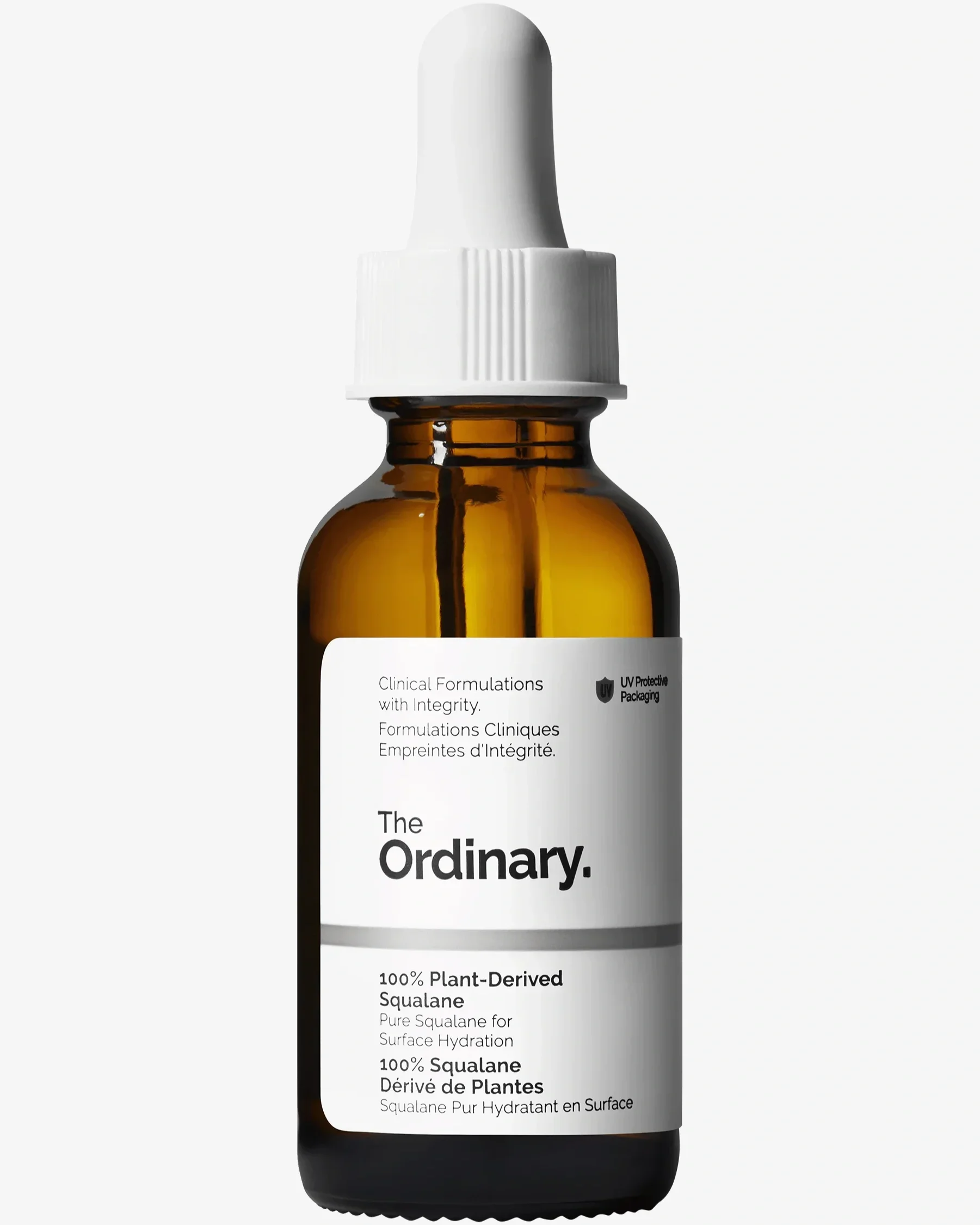
The Ordinary 100% Plant-Derived Squalane
Where to buy
If you want extra softness without the richer feel of many plant oils, this is a very simple option. The formula contains only plant derived squalane.
Its lightweight, silky texture can work particularly well for normal, combination, or mildly dry skin, or when your regular moisturizer needs just a little extra help during colder weather.
Because there are no botanical blends or added active ingredients, it also makes sense if you simply want an uncomplicated emollient step.
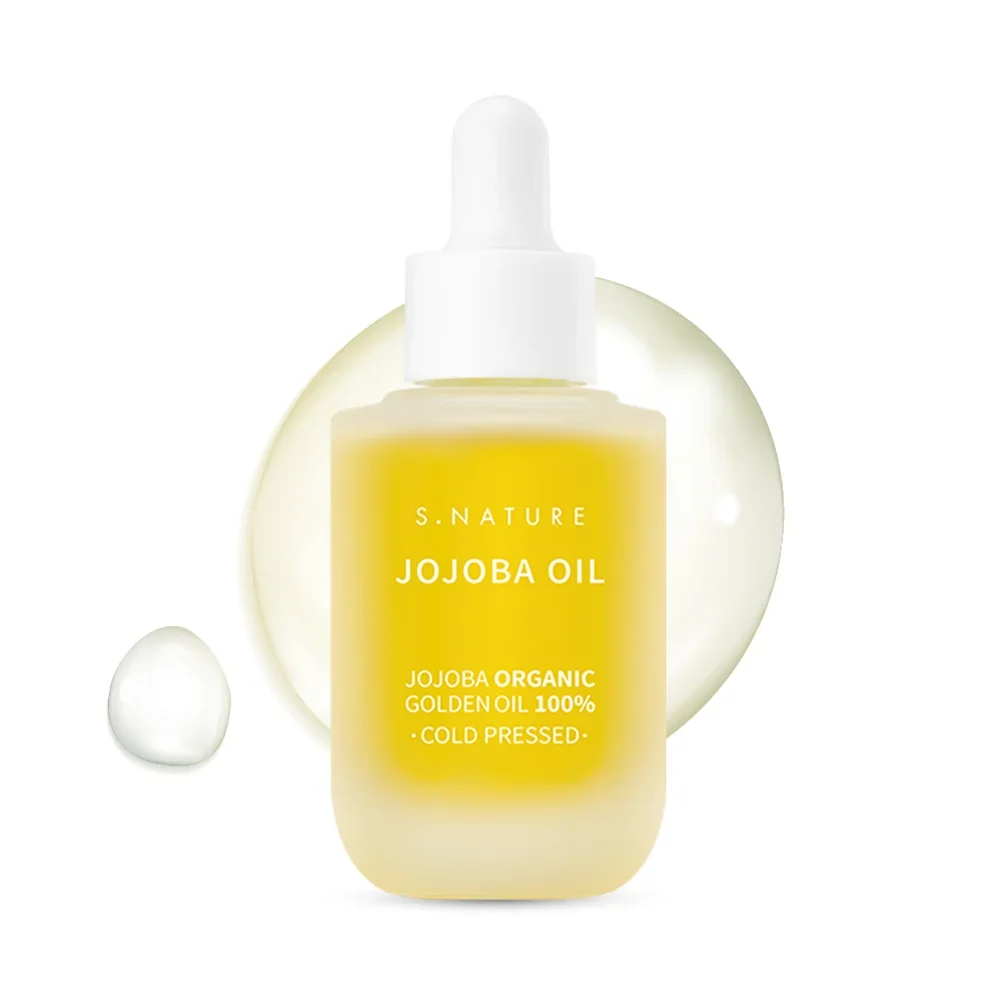
S.NATURE Jojoba Oil
Where to buy
S.NATURE is another minimalist option, this time based on 100% jojoba oil. Its ingredient list contains only Simmondsia Chinensis (Jojoba) Seed Oil.
Jojoba is composed mainly of wax esters, which gives it good stability and a relatively elegant skin feel. It can suit normal, combination, and slightly dry skin, especially if you prefer a simple botanical option.
It is also versatile enough to use on dry cuticles, body, or hair ends. I would not choose it specifically to control sebum or acne, since those popular claims are much less convincing than its role as a stable emollient.
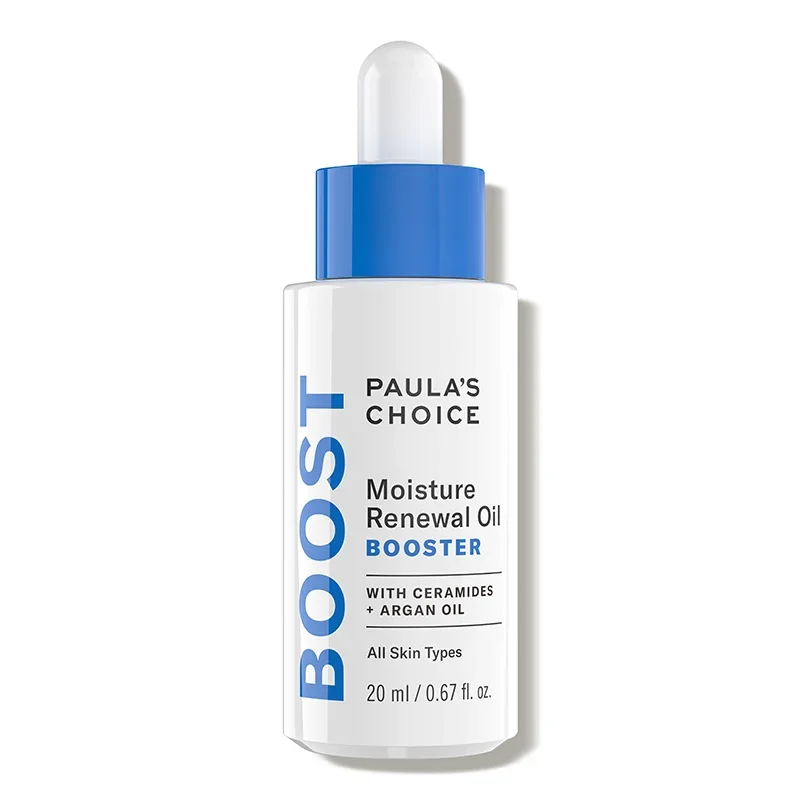
Paula’s Choice Moisture Renewal Oil Booster
Where to buy
This is the richer option in the selection. The formula combines jojoba, safflower, apricot, sunflower, cranberry, argan, borage, evening primrose, and echium oils with ceramide NS and cholesterol.
It is particularly suited to dry, flaky, or seasonally very dry skin when a few drops of a simple oil do not feel quite enough. It can also be useful when you want to make an existing moisturizer feel more nourishing without replacing it with a much heavier cream.
For already oily and comfortable skin, this richer formula is less likely to be necessary.
The Ordinary Ascorbyl Tetraisopalmitate Solution 20% in Vitamin F

Where to buy
This one offers something different because it combines the feel of an oil serum with a vitamin C derivative.
The formula contains 20% tetrahexyldecyl ascorbate together with ethyl linoleate, jojoba oil, and squalane. It can be particularly appealing for dry skin concerned with dullness or uneven looking tone that does not enjoy traditional acidic L ascorbic acid serums.
Keep in mind that 20% of a vitamin C derivative is not equivalent to 20% pure L ascorbic acid. The appeal here is the combination of vitamin C and an emollient oil format, rather than the percentage alone.
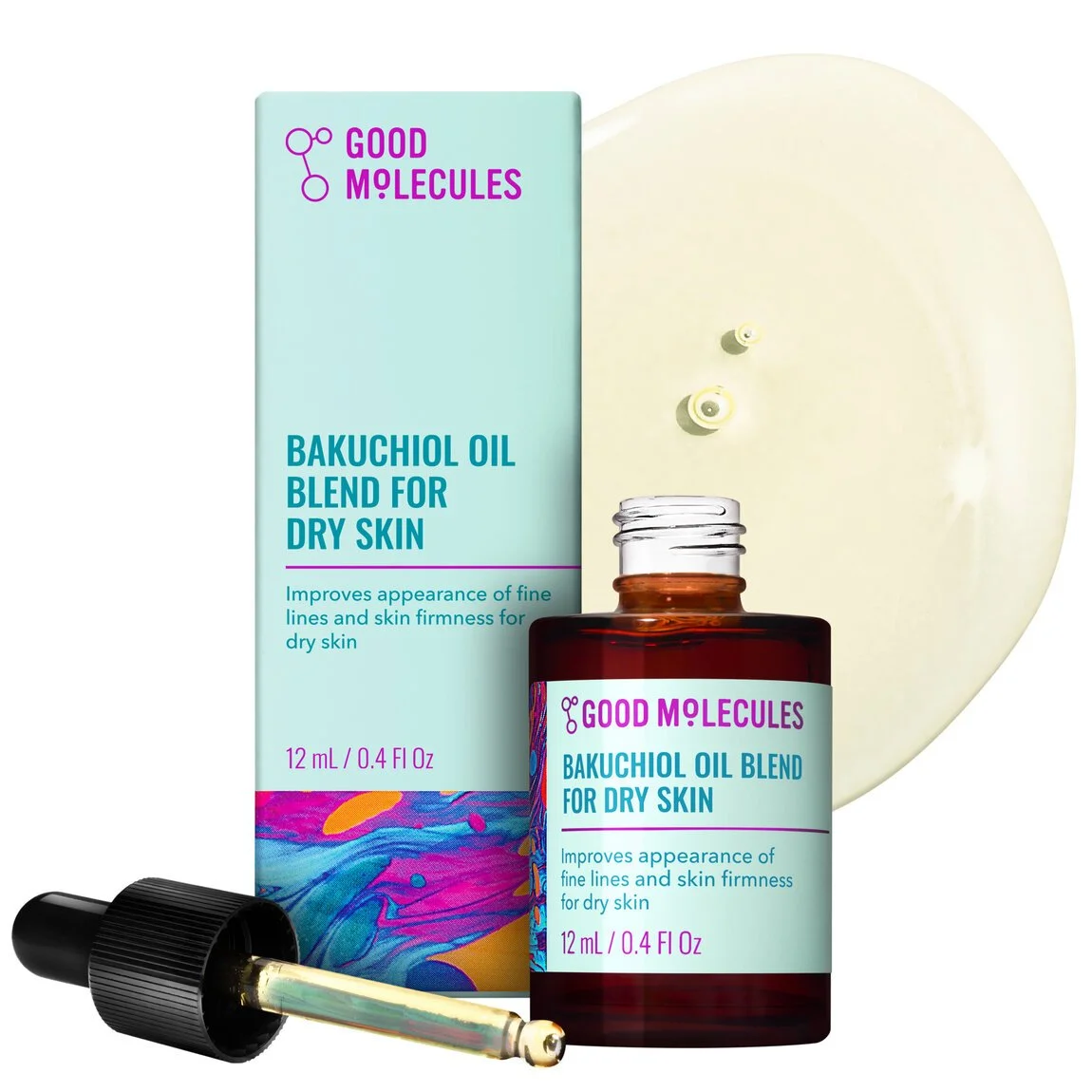
Good Molecules Bakuchiol Oil Blend for Dry Skin
Where to buy
This is one of the more interesting options if you want a face oil that offers more than basic emollience. Contains 79% rosehip seed oil, 20% chia seed oil, and 1% bakuchiol.
Bakuchiol has been studied for improving visible signs of skin aging, including fine lines and uneven pigmentation, so its inclusion gives this otherwise very simple oil blend an additional skincare purpose.
The rosehip and chia oils provide a rich source of plant lipids, making this especially appealing for dry skin that wants both extra softness and the added benefits of bakuchiol. It is also fragrance free and has a remarkably short ingredient list, which I particularly like here.
The compact 12 mL bottle also suits this type of formula well. Store it away from direct sunlight and heat to help keep the oils in good condition.
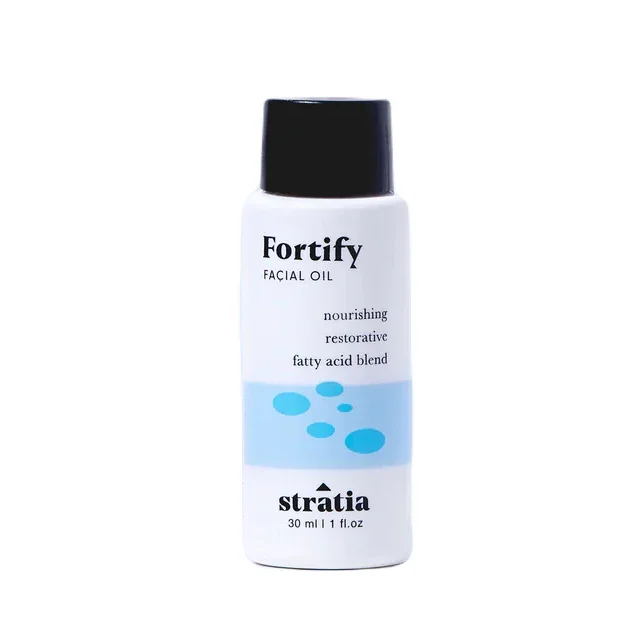
Stratia Fortify Facial Oil
Where to buy
Stratia Fortify is the more complex botanical blend in the selection. It combines camellia, borage, perilla, squalane, jojoba, marula, tamanu, cranberry, and vitamin E.
The combination gives you both lighter, stable emollients and several fatty acid rich plant oils. It is also free from fragrance and essential oils.
This can work well for dry, dehydrated, combination, or sensitive skin that wants something more substantial than a single oil without moving all the way to a very rich formula. A few drops can also be an easy way to adjust your existing routine when your skin starts feeling drier.
Frequently Asked Questions
Should Face Oil Go Before or After Moisturizer?
In most routines, apply face oil after your moisturizer. Water based products and moisturizers can go on first, while the oil works well as the final emollient layer.
You do not need to wait until every previous product is completely dry. Once your moisturizer has settled comfortably on the skin, you can gently press the oil over it.
How Many Drops of Face Oil Should You Use?
Usually, 2 to 3 drops for the entire face is enough. Start with less than you think you need. You can always add another drop to particularly dry areas.
Using more does not necessarily give you more benefit. It usually just leaves more oil sitting on the surface of the skin.
Can You Mix Face Oil With Moisturizer?
Yes. Mixing one or two drops into your moisturizer can be an easy way to make it feel slightly richer, particularly in winter.
I prefer this approach when someone likes their existing moisturizer but occasionally needs more emollience. You can also apply the two products separately if you want more control over where you use the oil.
Can You Use Face Oil in the Morning?
You can, but you may not need to. A lightweight oil can work well in the morning if your skin is very dry, especially during winter.
If you use sunscreen, sunscreen should still be the final skincare step. Avoid leaving a heavy layer of oil underneath it, since you want your sunscreen to form an even film on the skin.
For many people, face oil is simply easier to use at night.
Can You Use Face Oil Every Day?
Yes, if your skin likes it, but there is no reason you have to.
Face oil can be used daily, only at night, a few times a week, or just during colder months. I actually prefer thinking of it as an adjustable part of your routine rather than something that needs to be used according to a fixed schedule.
What Is the Difference Between a Face Oil and an Oil Serum?
There is no strict cosmetic rule that makes every product called an “oil serum” fundamentally different from a face oil. The name often depends on how the brand positions the product.
Some oil serums contain additional active ingredients, such as vitamin C derivatives or bakuchiol, while a simple face oil may consist mainly or entirely of emollient oils. The ingredient list tells you much more than the word serum on the bottle.
Face Oils Can Be Simple
Face oils are not essential, but they can be a useful way to add extra softness, emollience, and comfort when your skin needs it. The key is choosing a formula that suits your skin and using only as much as you need.
If you want to explore skincare further, you can browse more articles on the blog for practical guides on ingredients, skin concerns, and building a routine. If you are not sure what your skin actually needs, start with my Skin Type Quiz. And if you would rather have everything selected for you, you can explore my personalized skincare consultation options for a routine built around your skin, concerns, preferences, and current products.









Understanding Your Skin
A Practical Guide to Skincare
I wrote Understanding Your Skin to help you build an effective skincare routine with confidence. This illustrated guide explains skin types, ingredients, and routines in a practical, evidence-based way that's easy to understand and apply.
- Written by a physician
- 120-page illustrated guide
- Evidence-based skincare guidance
- Sample routines & product recommendations

Face oils are a simple way to give your skin a little extra softness and comfort when it needs it. Here’s how to choose the right one, plus six thoughtful picks for different skin needs.