Exosomes vs Growth Factors vs PDRN: What They Do and How They Compare
Exosomes, growth factors, and PDRN have become some of the most talked-about ingredients in advanced Korean skincare. Although all three are associated with skin regeneration and repair, they work through very different mechanisms and are best suited to different skin concerns, from wrinkles and loss of firmness to sensitivity, dehydration, and barrier damage.
Key Takeaways
✓ Exosomes support skin renewal, barrier function, and overall skin vitality through bioactive signalling molecules.
✓ Growth factors are most closely associated with collagen production, skin firmness, and elasticity.
✓ PDRN focuses primarily on hydration, soothing, and barrier support rather than dramatic anti-aging effects.
✓ Exosomes and growth factors are often better suited to aging concerns, while PDRN is ideal for sensitive or stressed skin.
✓ The best regenerative skincare ingredient depends on whether your goal is rejuvenation, firming, or recovery.
Some links are affiliate links. If you choose to purchase through them, it helps support my work at no extra cost to you.
What Are Exosomes? How They Work and Why They’re Trending
Exosomes are tiny, membrane-bound particles that cells naturally release. What makes them special is what they carry inside. Each exosome contains a concentrated blend of peptides, proteins, amino acids, lipids and different types of RNA.
These are all components that play a role in repair, regeneration and maintaining healthy skin function.

Because exosomes naturally transport these molecules in the body, skincare uses them as a way to deliver this “cargo” more efficiently to the skin’s surface.
How exosomes work
When you apply exosomes to your skin, they act as delivery capsules. Their membrane protects the active ingredients inside and helps them settle into the upper layers of the skin. Once they open, they release their cargo of peptides, proteins and other bioactive molecules, where they can support processes linked to renewal, calming and strengthening.
This gentle, multi-pathway support is why exosomes are becoming a trending ingredient in regenerative skincare.
What exosomes can do for your skin
Deliver peptides and proteins that support repair
Help refine texture and smoothness
Improve radiance and overall vitality
Soothe irritation and strengthen the skin barrier
Support the environment needed for collagen production
If you want to learn more about exosomes and see which products I personally recommend, you can read my full article dedicated to this topic.
What Are Growth Factors? How They Support Skin Renewal
Growth factors are naturally occurring signalling proteins found throughout the skin, blood and connective tissues. Their primary role is to coordinate tissue repair. They do this by activating fibroblasts — the cells responsible for producing collagen, elastin and other structural components that keep your skin firm, smooth and resilient.
Because of their central role in regeneration, growth factors are considered one of the most effective technologies in advanced skincare.
How growth factors work
As your skin ages, its natural supply of growth factors declines, slowing the repair cycle. When applied topically, growth factors help support this process by:
initiating tissue-repair signals at the cellular level
stimulating fibroblasts to increase collagen and elastin synthesis
promoting a more efficient renewal cycle
The result is a gradual improvement in firmness, elasticity and overall skin quality.
What growth factors can do for your skin
Support collagen and elastin production for visibly firmer skin
Enhance recovery after environmental stress or cosmetic treatments
Improve texture, tone and early signs of aging
Strengthen long-term resilience and barrier function
What Is PDRN? Benefits, Uses, and Results
PDRN (Polydeoxyribonucleotide) is a DNA fragment most commonly derived from salmon, known for its ability to support tissue repair and calm stressed skin.
In medical settings, PDRN has long been used to aid wound healing. In skincare, its role is gentler: it helps improve hydration, comfort and skin resilience.

How PDRN works
PDRN supports the skin by influencing cellular repair processes and helping maintain a healthier environment for regeneration. However, the molecule itself is quite large, which limits how deeply it can penetrate in topical formulas.
This means that in everyday skincare, PDRN works mainly at a surface level, contributing to hydration, soothing and improved skin comfort rather than dramatic structural changes.
Benefits you may notice with topical PDRN
Increased hydration and improved moisture retention
Calmer, less reactive skin
Support for mild repair and recovery
Enhanced softness and overall skin comfort
Why realistic expectations matter
Over the past year, many brands have released PDRN products or full lines, often with very low concentrations. This is why it’s helpful to check the ingredient list and understand that topical PDRN provides subtle, comforting benefits rather than results comparable to injectable PDRN used in clinics.
If you’d like a deeper explanation and a comparison between topical and injectable PDRN, you can read my full PDRN review.
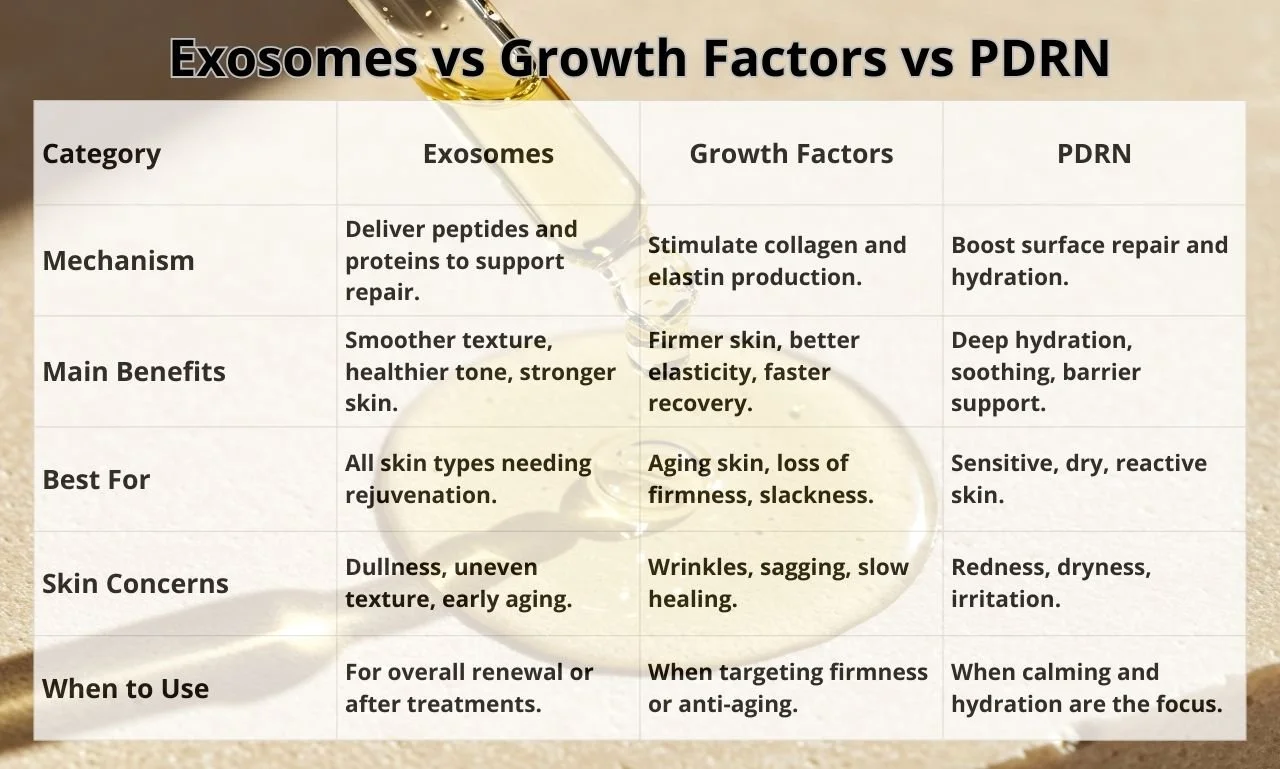
Exosomes vs Growth Factors vs PDRN: Key Differences at a Glance
Although exosomes, growth factors and PDRN all belong to the regenerative skincare category, they work in different ways and are suited to different skin needs. Understanding their mechanisms and strengths can help you decide which one fits best into your routine.
How to Know Which One You Need
So, which one is right for you?
It depends on what your skin is asking for, whether that’s repair, hydration, firmness, or just a little extra support. Here's a simple way to decide:
1. If you're dealing with...
Dullness, rough texture, or early signs of aging →
Exosomes are a great fit. They help refresh, smooth, and energize skin.Wrinkles, sagging, or loss of firmness →
Go with Growth Factors. These target deeper aging and support skin structure.Dryness, redness, or sensitivity →
PDRN is best. It hydrates, calms, and strengthens the skin barrier.
2. If your routine looks like this...
You’re investing in advanced or in-clinic treatments →
Exosomes or Growth Factors are often used alongside professional care.You’re building a calming, barrier-focused routine →
PDRN is gentle, affordable, and easy to layer into daily skincare.You’re recovering from treatments (like microneedling or lasers) →
Exosomes help with repair, while Growth Factors boost recovery and results.
3. If your skin feels like this right now...
Stressed, tired, or unbalanced →
Try Exosomes for overall renewal.Reactive or easily irritated →
Go for PDRN, it's gentle and restorative.Mature, with visible aging →
Growth Factors offer strong support for firmness and elasticity.
Can You Combine Exosomes, Growth Factors and PDRN?
Yes, in many cases, these ingredients can work beautifully together. But combining them thoughtfully is key. Here’s what to keep in mind:
1. Which combinations make sense
Exosomes + Growth Factors
A powerful duo for skin regeneration and anti-aging. Exosomes enhance delivery, while growth factors directly stimulate collagen and elastin.PDRN + Growth Factors
Ideal post-treatment combo. PDRN soothes and hydrates, while growth factors support deeper structural repair.Exosomes + PDRN
Great for sensitive or recovering skin that still needs rejuvenation. Exosomes promote cellular communication; PDRN keeps things calm and hydrated.
2. When it becomes redundant
Using multiple products with overlapping functions (e.g. two growth factor serums) can be unnecessary and possibly irritating.
If your skin is already responding well to one of these ingredients, adding more may not improve results, and may just complicate your routine.
3. How to layer or incorporate them
Start with lightest textures first (like ampoules or essences).
General layering order:
→ Exosomes → Growth Factors → PDRN
This allows for active repair first, followed by calming and barrier support.Give each step a moment to absorb before applying the next.
4. When to avoid combining
If your skin is highly reactive, start with PDRN alone. Adding too many actives at once can overwhelm compromised skin.
Post-procedure? Stick to one active (often PDRN or Exosomes) for the first few days before layering more.
K-Beauty Formulations Worth Exploring
I always recommend choosing transparent brands, the kind that clearly list their active ingredient concentrations, explain their formulation choices, and don’t just follow trends for the sake of marketing.
In today’s skincare market, many products carry buzzwords like “Exosomes” or “Growth Factors” without offering real results or proper formulations.
To avoid disappointment (and wasted money), always look for brands that:
Share the exact % or IU of key ingredients
Explain how the ingredient works in their product
Are honest about results, and don’t overpromise
Top Exosome Products Worth Trying
What to look for:
Exosomes are powerful, but only if they’re used correctly. Look for clearly labeled exosome sources (e.g. stem cell-derived, plant-based, etc.), and avoid products that don’t specify the concentration or use vague terms like “exosome technology.”
Ideally, you want products that combine exosomes with soothing or barrier-repairing ingredients to support delivery and effectiveness.
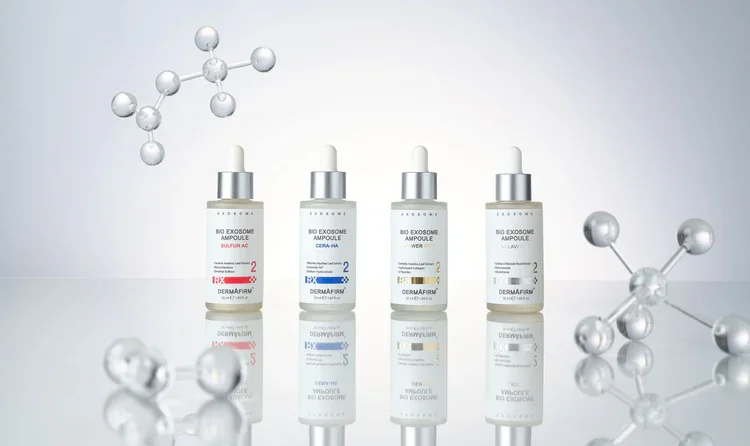
1. Dermafirm Bio Exosome Ampoule Line
Where to buy
From one of Korea’s premium dermocosmetic brands, Dermafirm’s Bio Exosome Ampoule line offers high-performance, at-home treatments powered by advanced exosome and peptide technology. While these ampoules come at a higher price point, they’re formulated with clinical-grade ingredients, developed through the brand’s own R&D labs, and are trusted in professional skin clinics.
Each formula in the line is centered around a proprietary blend of plant-derived exosomes, including:
Centella Exosome™ – for anti-inflammatory and barrier-strengthening benefits
Lotus Exosome™ – for deep hydration and moisture retention
Makino Exosome™ – for brightening, regeneration, and pigmentation care
Here’s a quick breakdown of each:
Cera-HA
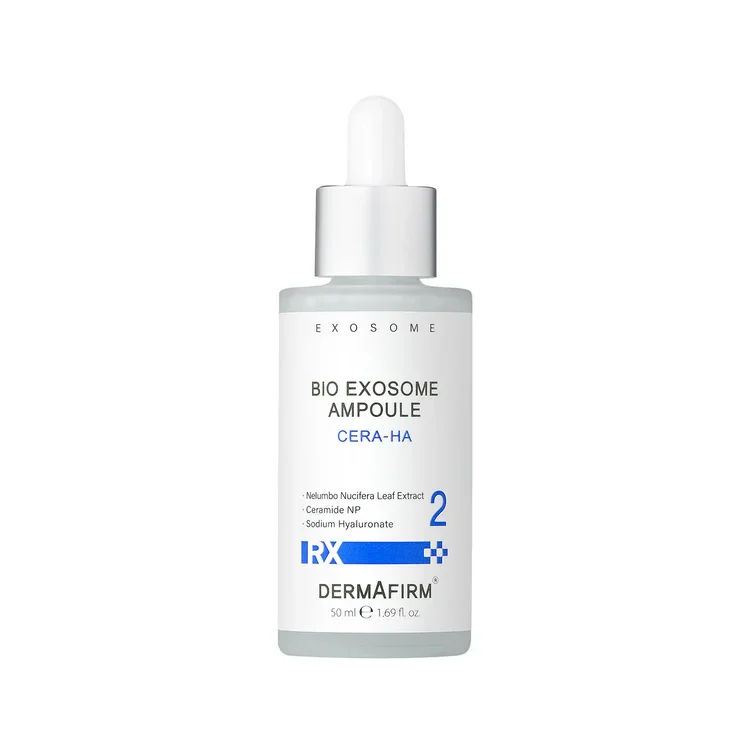
Key Benefit: Deep hydration + barrier repair
Lotus Exosome™ 10,000 ppm + CeraDrop® Liposome
Strengthens dry, damaged, or weakened skin
Best for: Dry, rough, or dehydrated skin
Power-Pep
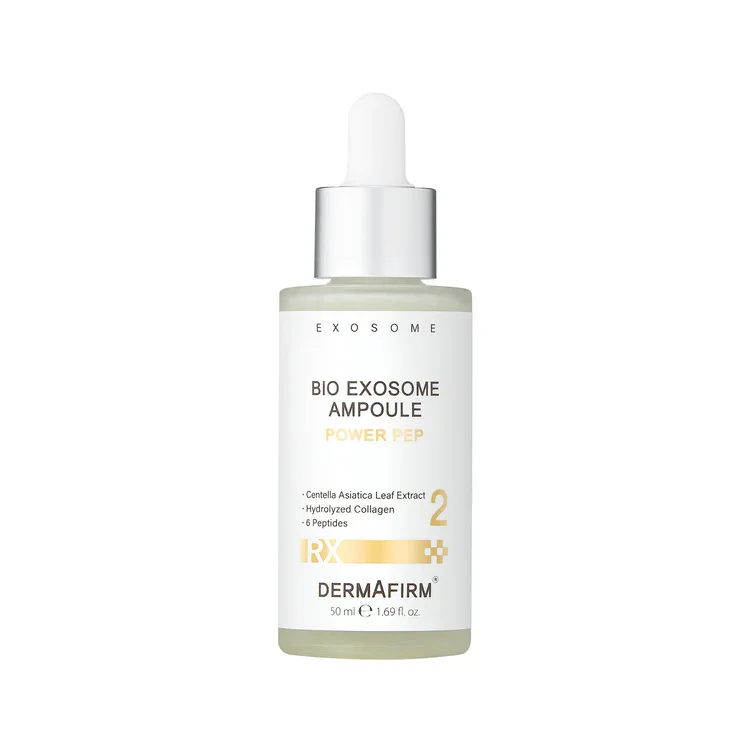
Key Benefit: Firming + anti-aging
Centella Exosome™ 10,000 ppm + PDRN + 6 Peptides
Improves elasticity, reduces fine lines
Best for: Aging skin with wrinkles or sagging
Sulfur-AC
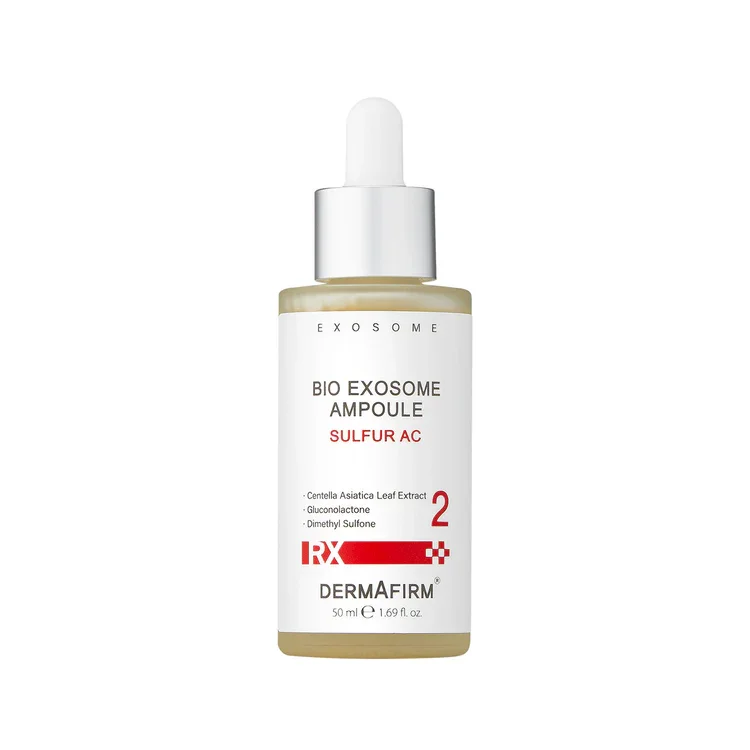
Key Benefit: Soothing + oil control
Centella Exosome™ 10,000 ppm + MSM + PHA
Calms irritation, balances oily or acne-prone skin
Best for: Sensitive, acne-prone, or inflamed skin
Melavita-C
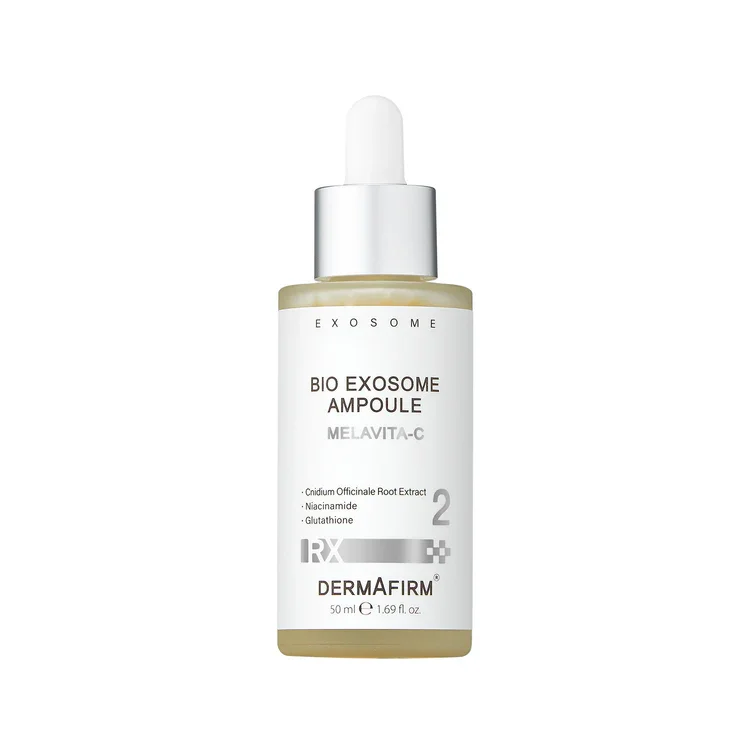
Key Benefit: Brightening + discoloration care
Makino Exosome™ 1% + Melavita-C Liposome
Targets pigmentation, boosts skin radiance
Best for: Dull or uneven skin tone with spots or freckles
Recommended Growth Factor Serums & Creams
What to look for:
Not all growth factors are created equal. The best formulas use stable, bioavailable forms and are often backed by clinical studies or professional use. Check for naming transparency (like EGF, TGF-β, IGF-1) and make sure they're not buried at the end of the ingredient list.
Bonus points for products that include supportive peptides or delivery systems to enhance penetration.
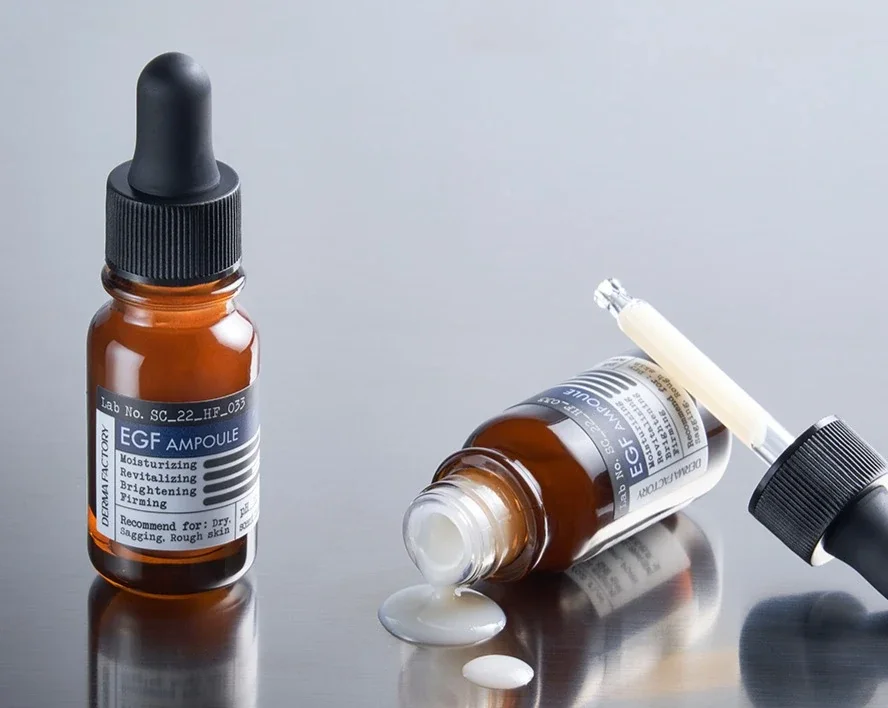
1. Derma Factory EGF Ampoule
Where to buy
Derma Factory is a Korean brand I genuinely respect for its ingredient transparency. Every product clearly lists the exact percentages or ppm of its active ingredients — which is something I always look for when recommending skincare.
This ampoule focuses on skin renewal, hydration, and mild firming, using a combination of EGF (Epidermal Growth Factor) and supportive ingredients that work well even for sensitive or beginner skin.
Key Growth Factor:
sh-Oligopeptide-1 (EGF) – 50 ppm
EGF is a lab-made protein that helps signal skin cells to regenerate and repair, supporting collagen production and improving skin texture.
At 50 ppm, this is a low concentration, typical for cosmetic products. You won’t get dramatic lifting effects, but with consistent use, it can help with smoothness and overall skin resilience.
It’s delivered through an 18% liposome complex, which helps the EGF stay stable and absorb better.
Supporting Actives:
PDRN (1%): While not a high dose, topical PDRN at this level is mainly used for hydration and mild barrier support, rather than deep regeneration
Panthenol: Soothing and hydrating
Betaine: Helps the skin retain moisture and feel comfortable
Niacinamide: Brightening and barrier-repair
Adenosine: Smooths and softens the look of fine lines
Best for: Those looking for an honest, beginner-friendly growth factor serum to support hydration, early signs of aging, or to help the skin recover more smoothly after stress or treatments.
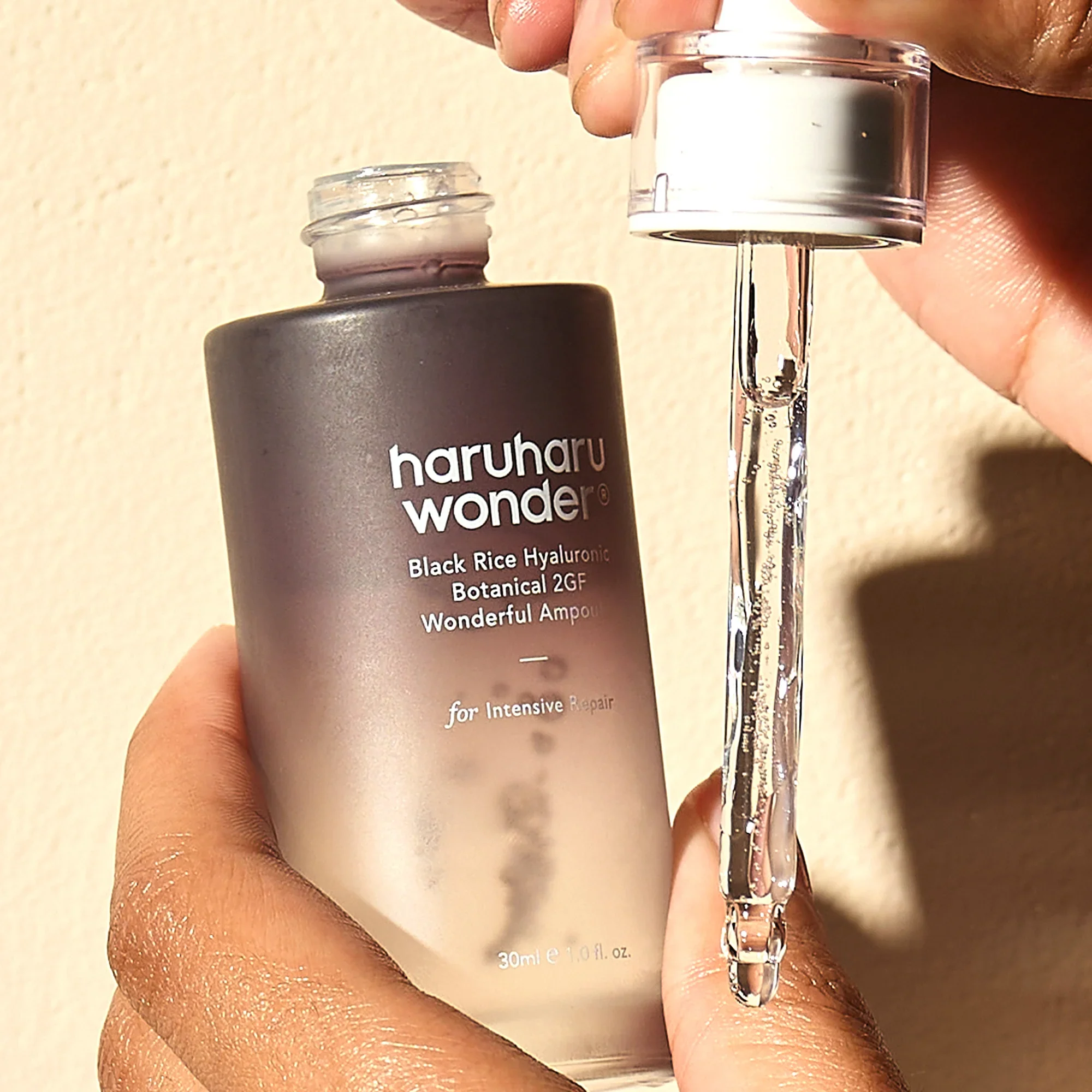
2. Haruharu Wonder Black Rice Hyaluronic Botanical 2GF Wonderful Ampoule
Where to buy
This ampoule combines fermented black rice extract with two well-known growth factors — EGF and FGF — to support skin regeneration and resilience in a gentle, antioxidant-rich formula. The brand refers to them as "rice-derived," but based on the ingredient list, these are most likely lab-made (biotech) growth factors, as is standard in cosmetics.
Key Growth Factors:
sh-Oligopeptide-1 (EGF) – 10 ppm
sh-Polypeptide-1 (FGF) – 10 ppm
Both are present in low concentrations, so results will be gradual and best suited for maintaining healthy skin or supporting mild texture improvement over time. While marketed as "rice-derived," the growth factors themselves are most likely synthetically produced via biotechnology, with fermented black rice acting as the antioxidant base.
Supporting Actives:
Fermented black rice extract (2,000 ppm): rich in polyphenols and flavonoids, helps protect the skin against oxidative stress
Panax ginseng + madecassoside: support skin vitality and calm sensitivity
Hyaluronic acid + glycerin: boost hydration without heaviness
Botanical preservation system: plant-derived antimicrobial extracts to avoid synthetic preservatives
Best for: Those looking for a gentle, antioxidant-rich ampoule that blends hydration, mild regeneration, and calming care, especially suitable for sensitive skin, or anyone just starting out with growth factor products.
Best PDRN Products for Repair & Hydration
What to look for:
PDRN (polydeoxyribonucleotide) is often used in post-procedure skincare for a reason, it’s deeply hydrating and supports repair. Look for products that state the PDRN concentration (usually in mg or %) and specify the source (like salmon DNA).
It's often paired with soothing agents like panthenol or madecassoside, which enhance its calming effects.
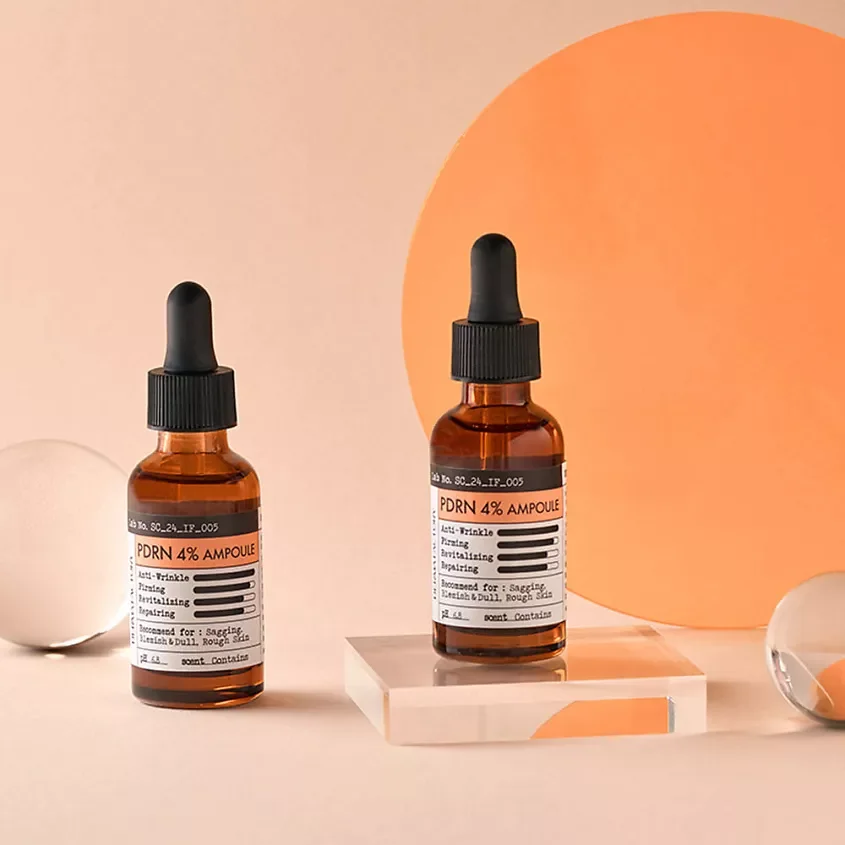
1. Derma Factory PDRN 4% Ampoule
Where to buy
If you're looking for a potent, well-formulated PDRN serum, this one from Derma Factory is a standout.
Key Active:
PDRN (Sodium DNA) – 4%
That’s a relatively high concentration for a topical product, especially for home use. It’s sourced from salmon DNA, the most common and well-researched type of PDRN in skincare.
At this level, it can help support skin recovery, hydration, and barrier function, especially for skin that’s been sensitized or is showing signs of aging or environmental stress.
Supporting Actives:
Panthenol 1%: Deeply hydrating and calming, great for sensitive or post-treatment skin
Hydrolyzed wheat protein 1,000 ppm: Helps to soften and condition the skin, supports elasticity
Proteoglycan 100 ppm: An anti-aging ingredient that supports firmness and skin structure
Niacinamide + betaine + adenosine: brighten, soothe, and smooth
Best for: Skin in need of hydration, recovery, or barrier repair, especially if you're looking for a high-concentration PDRN product you can confidently use at home. Ideal for post-procedure care, sensitive skin, or those starting to notice signs of aging.
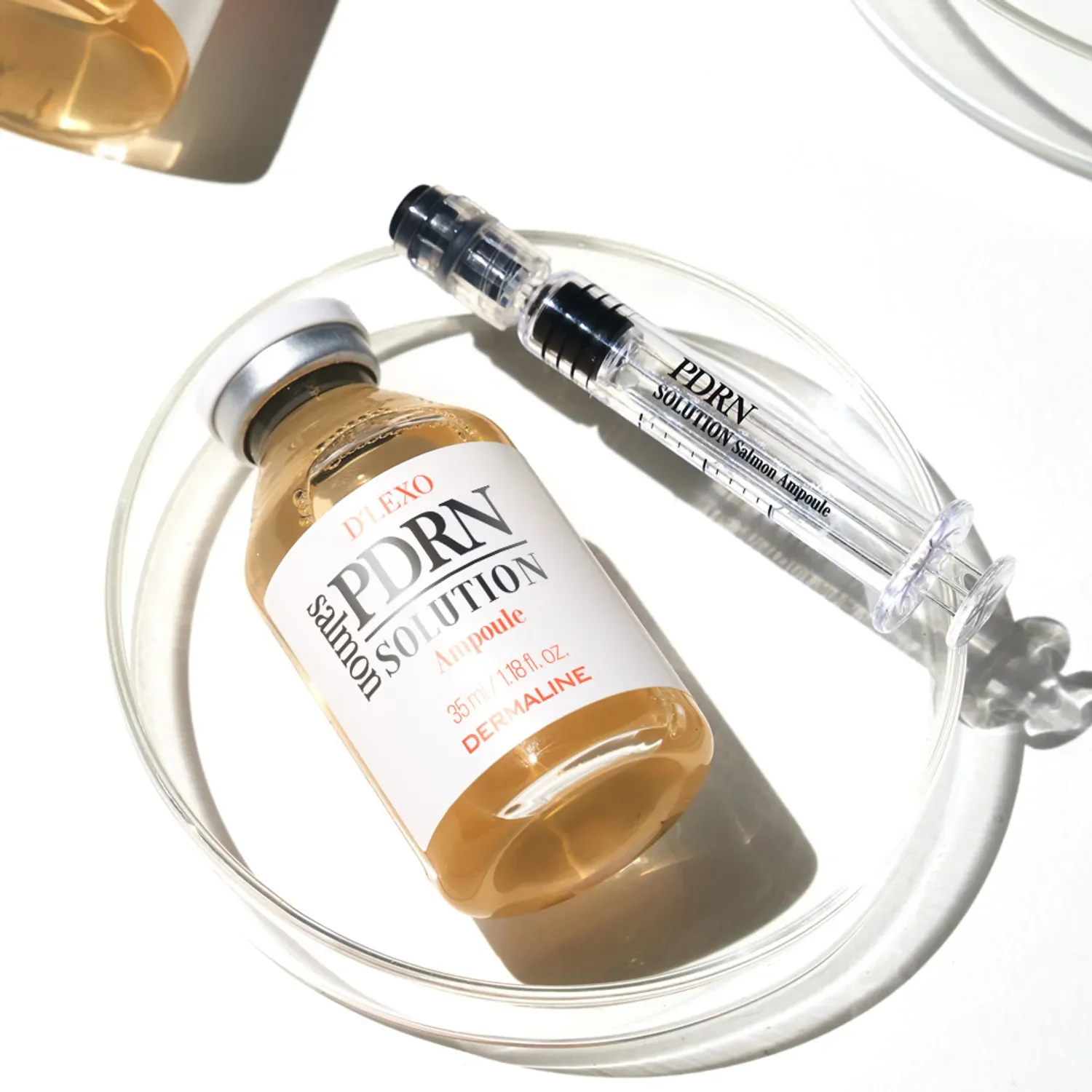
2. DERMALINE D’LEXO PDRN Solution Salmon Ampoule
Where to buy
If you're looking for another at-home PDRN option with a clearly stated concentration, this ampoule from Dermaline is worth noting.
While the brand isn’t as mainstream as some others, it is gaining popularity in the professional and cosmeceutical space, and the formula is both hydrating and supportive for sensitive or aging skin.
Key Active:
PDRN (Sodium DNA) – 10,000 ppm (1%)
Salmon-derived PDRN helps support cell regeneration, repair, and hydration. This is a respectable concentration for a topical product, ideal for barrier support and mild rejuvenation.
Supporting Actives:
Niacinamide: brightens and strengthens skin
Centella Asiatica extract + Asiaticoside: soothes and calms
Panthenol & Betaine: hydrates and protects the barrier
Ceramide NP + Hyaluronic Acid Complex: helps restore skin barrier and moisture levels
Plant antioxidants (green tea, licorice, rosemary, jasmine, etc.): added skin protection
Best for: Skin that feels dehydrated, irritated, or needs gentle regeneration. A good option for those wanting barrier repair with extra hydration, and a softer alternative to more intensive actives.
Final Thoughts: Choosing the Right Regenerative Ingredient for Your Skin
Exosomes, growth factors, and PDRN each have their strength: exosomes for overall rejuvenation, growth factors for firming and repair, and PDRN for hydration and calming. You don’t need to use them all — choose based on what your skin needs most right now.
Start slow, listen to your skin, and keep it simple. Powerful actives work best when used intentionally.
For more ingredient deep-dives, product picks, skin concerns, or to get a personalized skincare routine, explore my other blogs, ebooks, and guides. Your skincare journey can be both smart and soothing, and I’m here to support that.




Understanding Your Skin
A Practical Guide to Skincare
I wrote Understanding Your Skin to help you build an effective skincare routine with confidence. This illustrated guide explains skin types, ingredients, and routines in a practical, evidence-based way that's easy to understand and apply.
- Written by a physician
- 120-page illustrated guide
- Evidence-based skincare guidance
- Sample routines & product recommendations

Think you know The Ordinary? These five lesser-known formulas might surprise you. Discover intriguing ingredients, unexpected benefits, and products you may have overlooked.