Hypoallergenic Korean Skincare: How to Build a Low-Irritation Routine

“Hypoallergenic” does not guarantee that a skincare product will be suitable for every sensitive skin type. The label can be useful, but the complete formula still matters much more.
In this guide, I’ll explain what hypoallergenic skincare really means, which ingredients are worth looking for or approaching cautiously, and how to build a simple Korean skincare routine that minimizes unnecessary irritation.
Key Takeaways
✓ A hypoallergenic label does not guarantee a product will suit your skin.
✓ Fragrance, essential oils, and drying alcohols are common triggers for sensitive skin.
✓ Barrier-supportive ingredients often matter more than marketing claims.
✓ Simple, well-formulated routines are usually easier for reactive skin to tolerate.
✓ The best hypoallergenic product is the one your skin consistently tolerates.
In This Article
Some links are affiliate links. If you choose to purchase through them, it helps support my work at no extra cost to you.
What Does “Hypoallergenic” Actually Mean In Skincare?
“Hypoallergenic” generally suggests that a product is designed to be less likely to cause an allergic reaction, but the term does not guarantee that a product will be suitable for every sensitive skin type.
There are a few important limitations:
There is no universal standard. In the US, the FDA does not define or set specific standards for the term “hypoallergenic”.
It does not mean allergy-proof or irritation-proof. Someone can still react to an individual ingredient in an otherwise gentle formula.
Testing methods vary. Some brands use patch or repeat-insult testing to support hypoallergenic claims, but this still cannot predict how every individual will react.
This is not just theoretical. In one analysis of 208 skincare and personal-care products marketed as hypoallergenic, almost three-quarters contained at least one potential contact allergen or related ingredient.
So the label can be a useful starting point, but the complete formula matters much more. For sensitive skin, I would look at the ingredient list, fragrance and essential-oil content, the type of active ingredients included, and your own history of reactions rather than relying on “hypoallergenic” alone.
What Makes A Product Truly Low-Irritating?
Choosing products for reactive skin becomes easier once you stop relying only on labels and start looking at the overall formulation. A low-irritation product usually minimizes common triggers while supporting hydration and the skin barrier.
1. Fragrance and Essential Oils
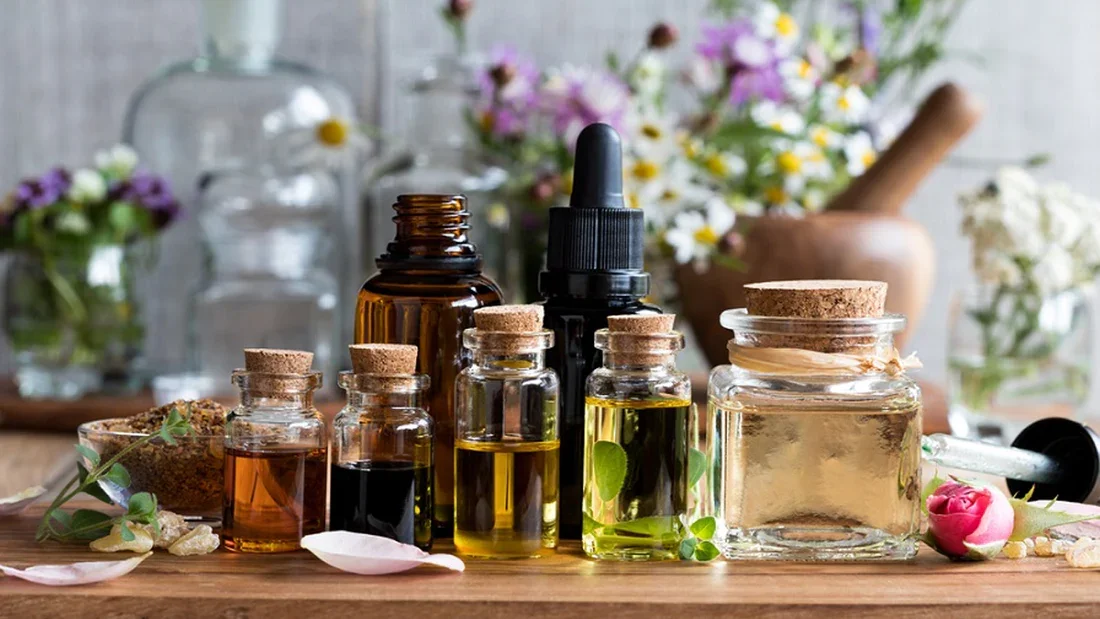
Fragrance is one of the more common causes of allergic contact dermatitis, and natural fragrance materials can be sensitizing too. A 2024 review of fragrance allergy confirms that both individual fragrance chemicals and natural fragrance mixtures can trigger contact allergy.
If your skin is very reactive, fragrance-free and essential oil-free formulas are often the simplest place to start.
2. Alcohol: The Type Matters
Not all alcohols behave the same way.
Fatty alcohols, such as cetearyl alcohol, cetyl alcohol, and behenyl alcohol, are commonly used as emollients and texture-enhancing ingredients and are generally well tolerated.
Ethanol and Alcohol Denat. can feel drying or sting on compromised skin, particularly in formulas where they are used more heavily. That does not automatically make the product irritating, but very sensitive or barrier-damaged skin may tolerate alcohol-rich formulas less comfortably.
3. Cleansing Agents: Look at the Whole System
Surfactants are necessary for cleansing, but they can also interact with proteins and lipids in the stratum corneum. Research on cleanser formulation shows that irritation depends heavily on how the surfactant system is designed, not simply on whether one particular cleansing ingredient appears on the label.
For sensitive skin, the best clue is often practical: your cleanser should remove sunscreen and buildup without leaving your skin tight, squeaky, or uncomfortable afterward.
4. Barrier-Supportive Ingredients
Ingredients such as glycerin, ceramides, panthenol, beta-glucan, and niacinamide can help support hydration and barrier function. Centella asiatica and allantoin are also common additions to sensitive-skin formulas.
The goal is not to find as many calming ingredients as possible, but to choose a formula that keeps the skin comfortable and reduces unnecessary irritation.
5. Simpler Can Be Easier to Troubleshoot
A long ingredient list is not automatically irritating, and a short one is not automatically safer. However, if your skin reacts easily, a more focused formula can make it easier to identify what your skin does and does not tolerate.
When choosing a low-irritation product, focus on three things:
unnecessary fragrance or other known personal triggers
adequate hydration and barrier support
a formula your skin can use consistently without burning, persistent redness, or tightness
Who Should Use Hypoallergenic Skincare?
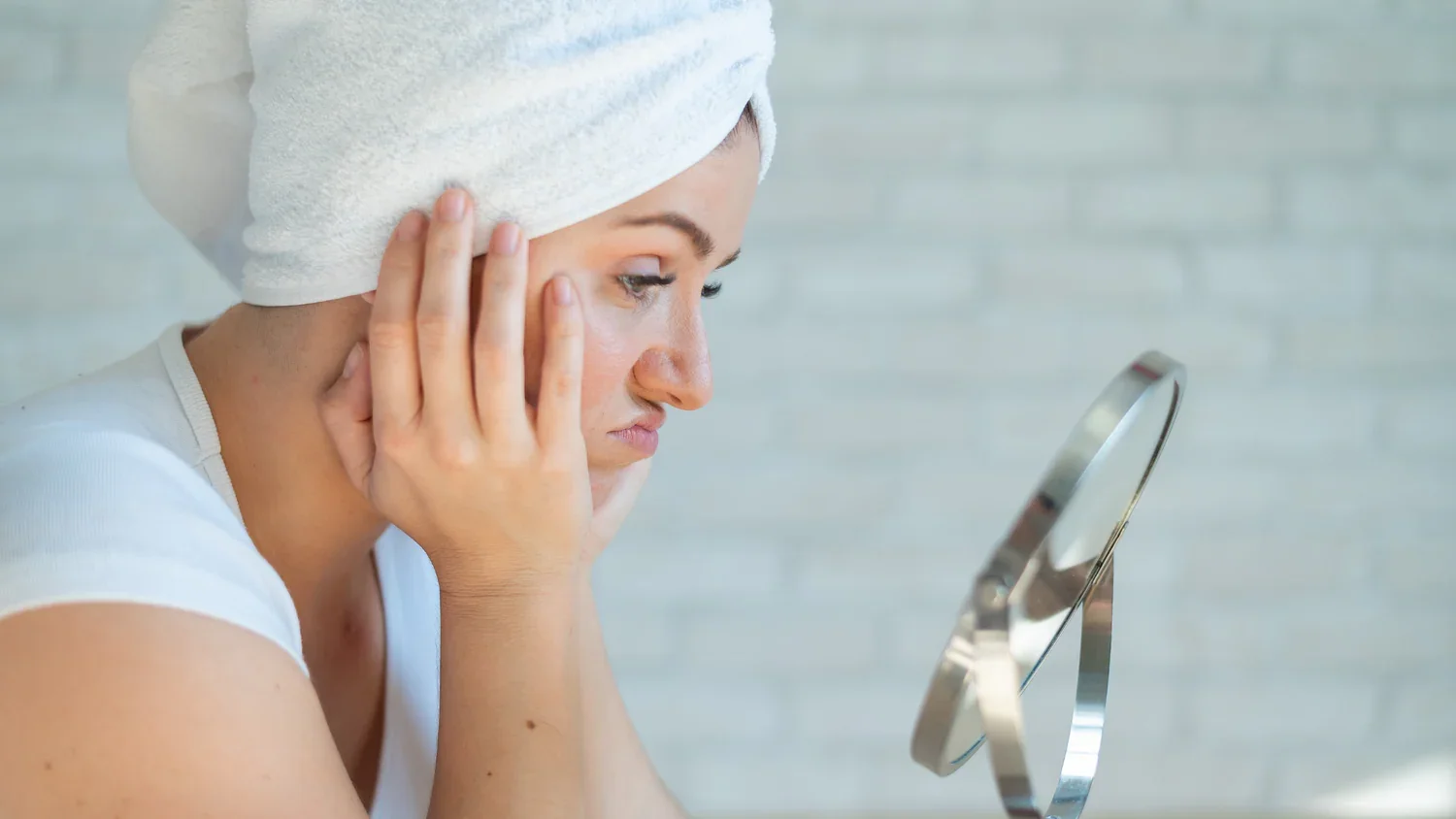
A strictly hypoallergenic routine is not necessary for everyone, but a simple, low-irritation approach can be especially useful when your skin is already reactive or your barrier is under stress.
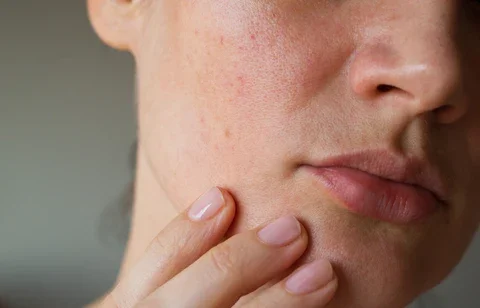
Sensitive or Reactive Skin: If your skin frequently stings, burns, itches, or becomes red after new products. Sensitive skin is often associated with changes in epidermal barrier function.
Compromised Skin Barrier: Useful when over-exfoliation, frequent actives, or a newly introduced retinoid has left the skin unusually dry or reactive.
Acne-Prone but Irritated Skin: A gentler routine can make it easier to continue necessary acne ingredients without adding unnecessary irritation.
After Professional Procedures: Following lasers, peels, or other procedures that temporarily disrupt the barrier, post-procedure skincare generally focuses on minimizing further irritation and supporting barrier recovery. Always follow the specific aftercare instructions from your provider.
Even if your skin is normally resilient, you may still prefer low-irritation formulas during periods when it feels more sensitive than usual.



How To Build A Low-Irritation Skincare Routine
Building a routine is not about using as many “gentle” products as possible. It is about choosing a few core steps your skin can tolerate consistently.
Step 1: Choose A Gentle Cleanser
Irritation often starts with cleansing. The goal is to remove sunscreen, makeup, oil, and buildup without leaving the skin tight or uncomfortable. Mild cleanser formulations can reduce disruption of skin proteins and lipids, which is especially important for reactive skin.
If you wear makeup or a water-resistant sunscreen, an oil or balm cleanser can make removal easier without aggressive rubbing. In one small study, cleansing oil removed water-resistant sunscreen more effectively than a regular cleanser.
However, double cleansing is not necessary for everyone. If a single gentle cleanser removes your daily sunscreen comfortably, there is no benefit in adding another cleansing step simply for the sake of it.
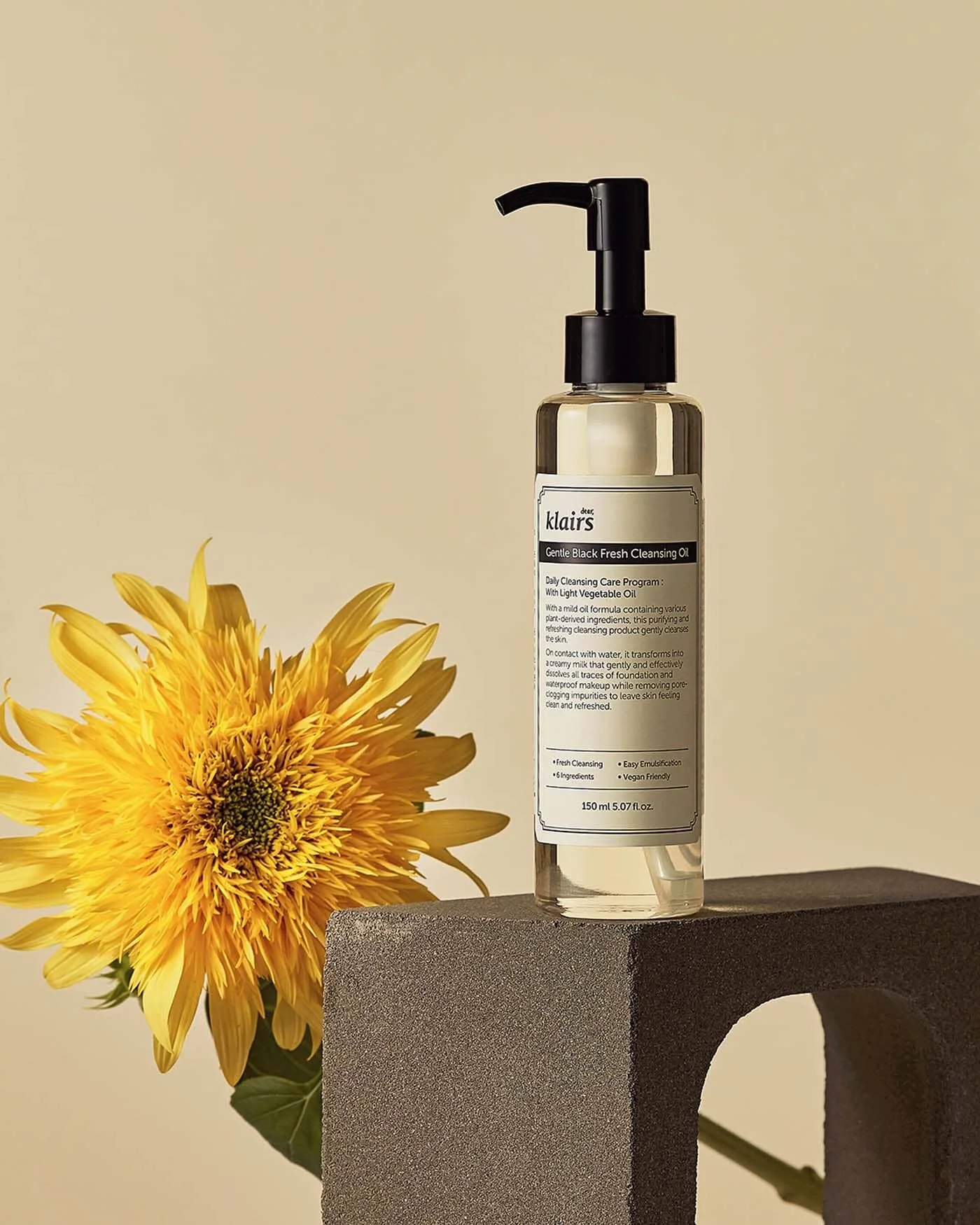
Dear, Klairs Gentle Black Fresh Cleansing Oil
Where to buy
This is a purposeful, low-irritation formula that prioritizes skin physiology over marketing claims.
Minimal Formula: Focused on lightweight plant oils like sunflower, grape seed, and jojoba rather than complex botanical extracts.
Barrier-Friendly: Jojoba oil mimics the skin’s natural sebum to support the barrier during the wash.
Total Safety: Completely free from synthetic fragrance and essential oils to prevent stinging or redness.
Clean Rinse: Emulsifies quickly with water, rinsing away without leaving a heavy residue.
Texture: Lightweight oil that spreads easily and rinses clean.
Best suited for: All skin types, particularly reactive or combination skin needing a non-stripping evening cleanse.
After using an oil to dissolve sunscreen and makeup, a water-based cleanser removes any remaining residue.
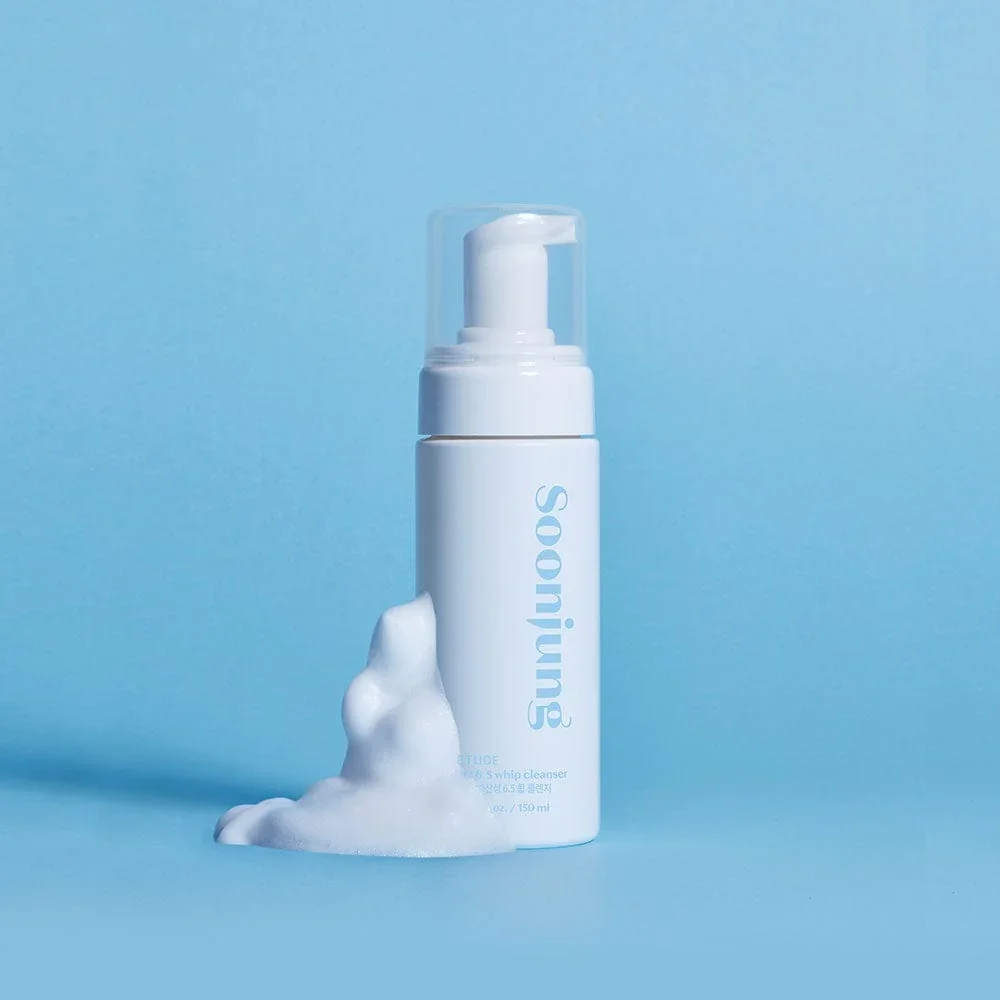
ETUDE House SoonJung pH 6.5 Whip Cleanser
The Gentle All-Rounder
Where to buy
What makes this formula stand out is its very short ingredient list, which helps keep the risk of a reaction as low as possible.
Gentle Cleansing: It uses mild surfactants like Lauryl Glucoside instead of harsh sulfates to clean without stripping the skin.
Hydration First: A high concentration of Glycerine and Sorbitol prevents that tight, dry feeling after washing.
Calming Ingredients: Madecassoside and Green Tea Extract help reduce visible redness while you cleanse.
Barrier Support: Panthenol helps the skin stay resilient and recover from irritation.
Safety: It contains no synthetic fragrance or essential oils, making it safe for reactive skin.
Texture: A pre-pumped, airy foam that reduces the need for rubbing or friction.
Best suited for: All sensitive skin types, especially those with normal to combination skin who prefer a lightweight, fresh finish.
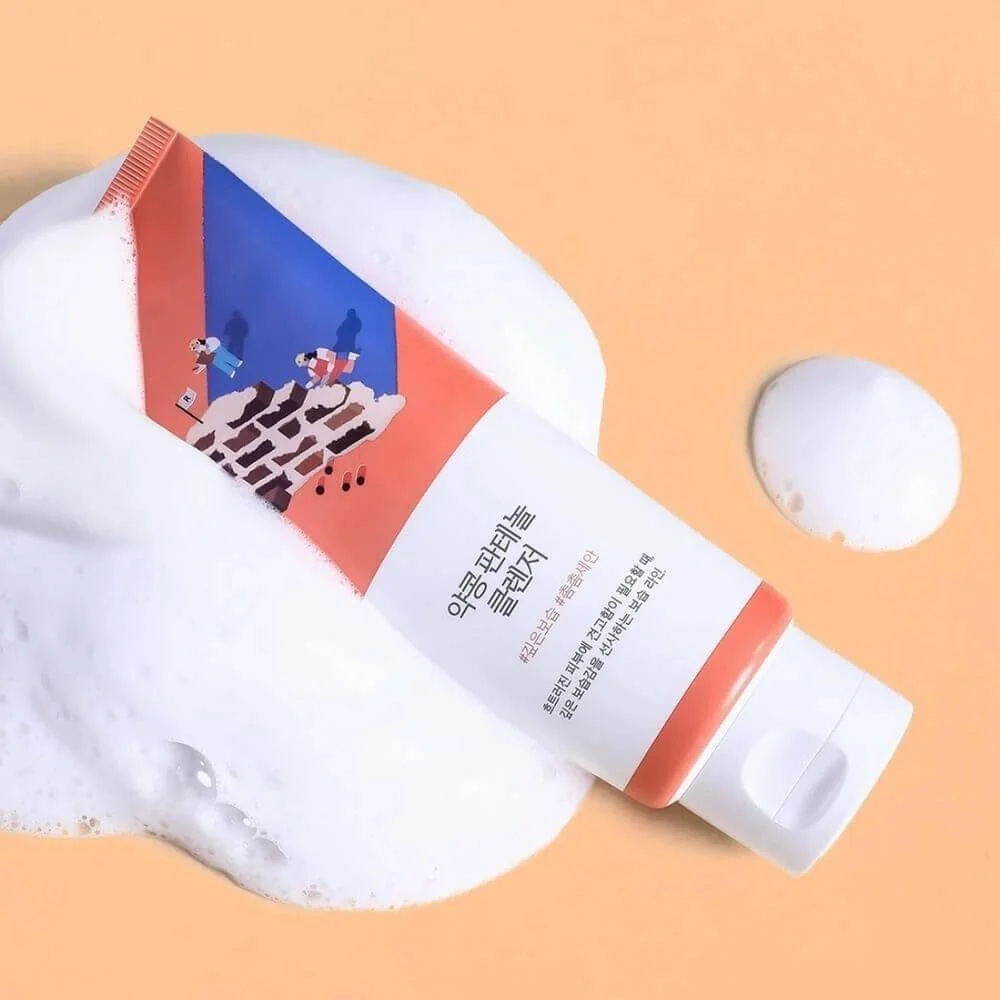
ROUND LAB Soybean Panthenol Cleanser
The Choice for Dry or Stressed Skin
Where to buy
This formula is designed to act almost like a liquid moisturizer, cleaning the skin while leaving its protective oils intact.
Creamy Cleansing: It uses Sodium Cocoyl Isethionate, a very mild surfactant known as "baby foam," to clean without any harshness.
Rich Barrier Support: It contains Ceramide NP, Cholesterol, and Stearic Acid—the three essential lipids your skin needs to stay strong and resilient.
Deep Hydration: A high concentration of Glycerin and Panthenol helps the skin stay soft and prevents the tight feeling often caused by washing.
Nutrition: Soybean Seed Extract provides extra conditioning, while Hydrogenated Lecithin helps smooth the skin surface.
Safety: The formula is free from fragrance and essential oils, making it a reliable choice for very reactive or dry skin.
Texture: A rich, creamy consistency that feels cushioned on the skin and doesn't produce an aggressive foam.
Best suited for: Dry, dehydrated, or compromised skin types that need extra comfort during the evening cleanse.
Step 2: Moisturize to Support the Skin Barrier
A good moisturizer helps reduce water loss and keep reactive skin more comfortable. Ingredients such as ceramides, glycerin, panthenol, and fatty acids can all support hydration and barrier function.
The best texture depends on your skin:
Oily or combination skin: lightweight lotions or gel-creams
Dry or barrier-damaged skin: richer creams with more emollients and barrier lipids
For sensitive skin, the goal is simple: choose a moisturizer that keeps the skin comfortable without stinging, heaviness, or unnecessary fragrance.
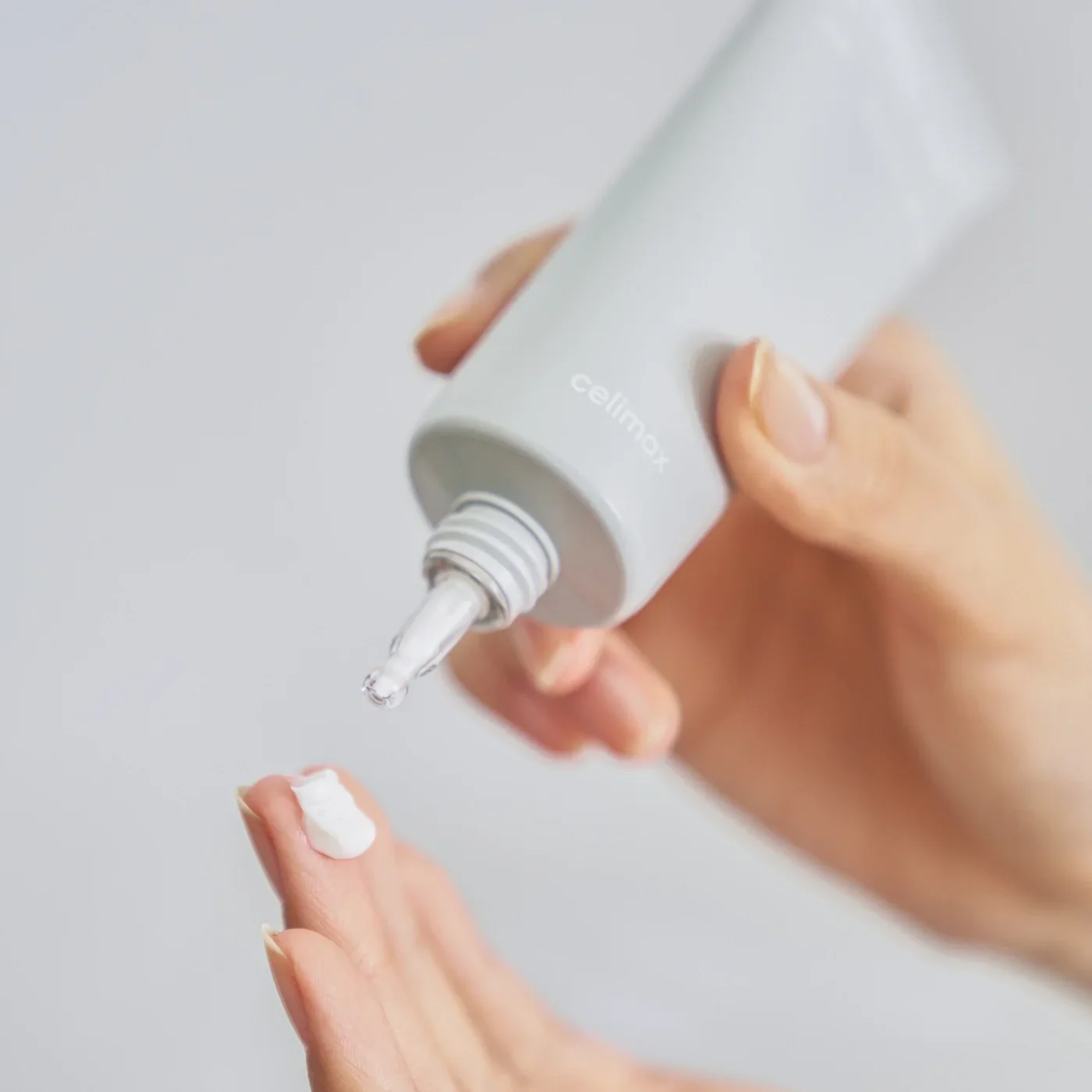
Celimax Dual Barrier Wearable Cream
The Barrier Reinforcement
Where to buy
This moisturizer is specifically engineered to support skin that feels "leaky" or chronically tight due to a weakened natural defense system.
Five-Ceramide Complex: Contains a full spectrum of Ceramides (EOP, NS, NP, AS, AP) to fill in the gaps between skin cells, helping to lock in moisture.
Essential Lipid Blend: Uses Cholesterol, Phytosphingosine, and Fatty Acids to mimic the skin’s own natural composition for better resilience.
Deep Recovery: A high percentage of Panthenol and Allantoin works to quiet irritation and support the skin's recovery process.
Smart Hydration: Combines Sodium Hyaluronate with Glycerin to pull moisture into the skin without a heavy or suffocating feel.
Clean Formulation: Just like the previous steps, this is free from added fragrance and essential oils to ensure it remains safe for reactive types.
Texture: A supple, "wearable" cream that sinks in comfortably. However, due to the rich lipid content, it may feel too heavy for those with oily skin.
Best suited for: Dry and sensitive skin types dealing with a damaged barrier that needs structural support.
Pyunkang Yul Moisture Cream
The Minimalist Hydrator
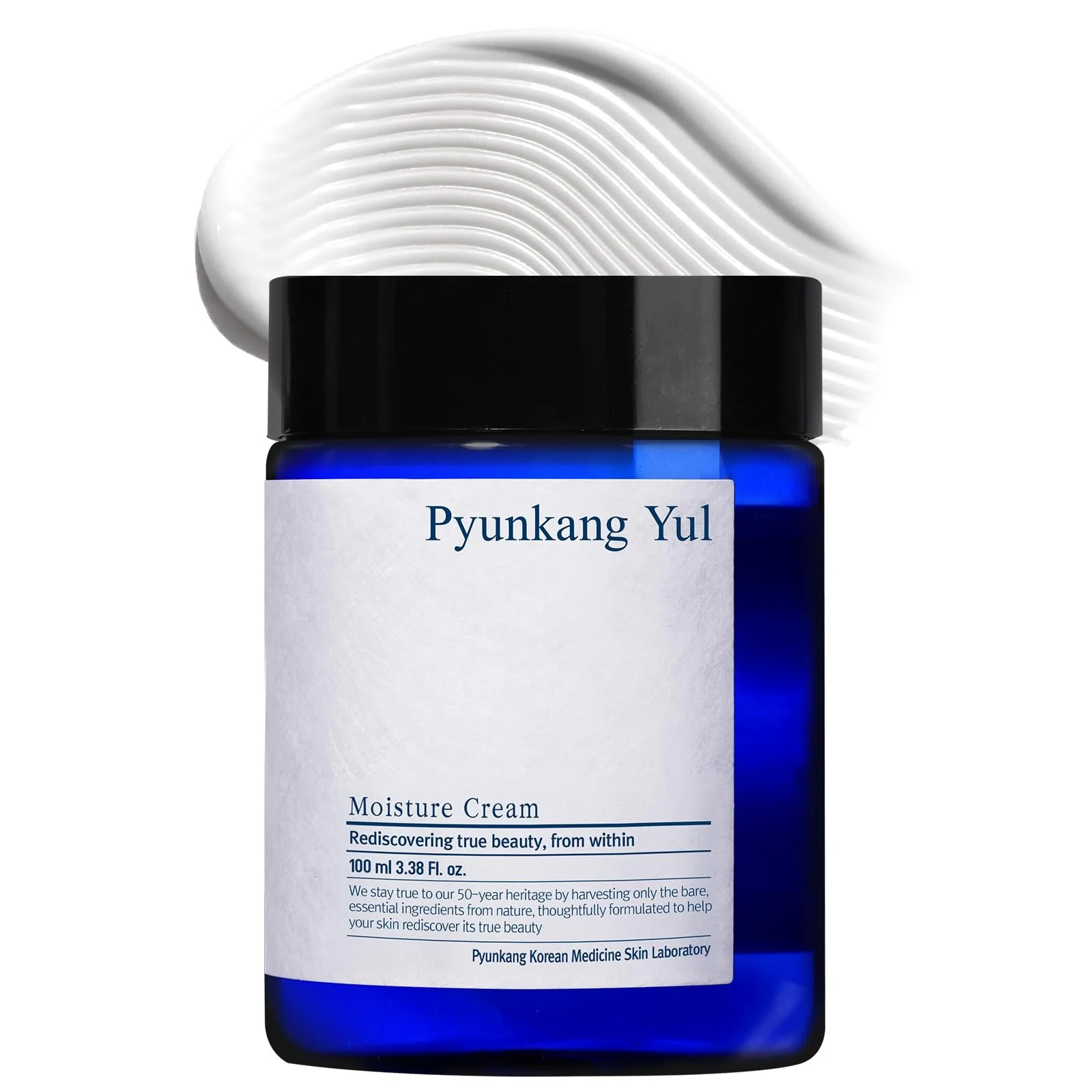
This formula adheres to a "less is more" philosophy, focusing on a very short list of ingredients to minimize the potential for irritation while providing essential moisture.
Soothing Base: Uses Coptis Japonica Root Extract as the primary ingredient instead of water, providing antioxidant and cooling benefits to calm heat-related redness.
Balanced Emollients: Combines Jojoba Seed Oil and Shea Butter to soften the skin surface without the heavy, occlusive feel of a traditional thick cream.
Friction-Free Texture: Designed to spread very easily, which is crucial for sensitive skin that reacts poorly to excessive rubbing or tugging.
Simple Composition: By excluding common triggers like fragrance, essential oils, and complex botanical blends, it offers a "safe haven" for reactive skin types.
Lightweight Moisture: It focuses on maintaining water-oil balance rather than heavy barrier repair, making it feel breathable throughout the day.
Texture: A creamy yet lightweight consistency that melts into the skin quickly. However, because it contains Shea Butter, I don't recommend this for acne-prone skin as it may feel too rich or congesting.
Best suited for: Normal to combination skin and slightly sensitive types looking for a simple, calming daily moisturizer.
Axis-Y Panthenol 10 Skin Smoothing Shield Cream
The Recovery Shield
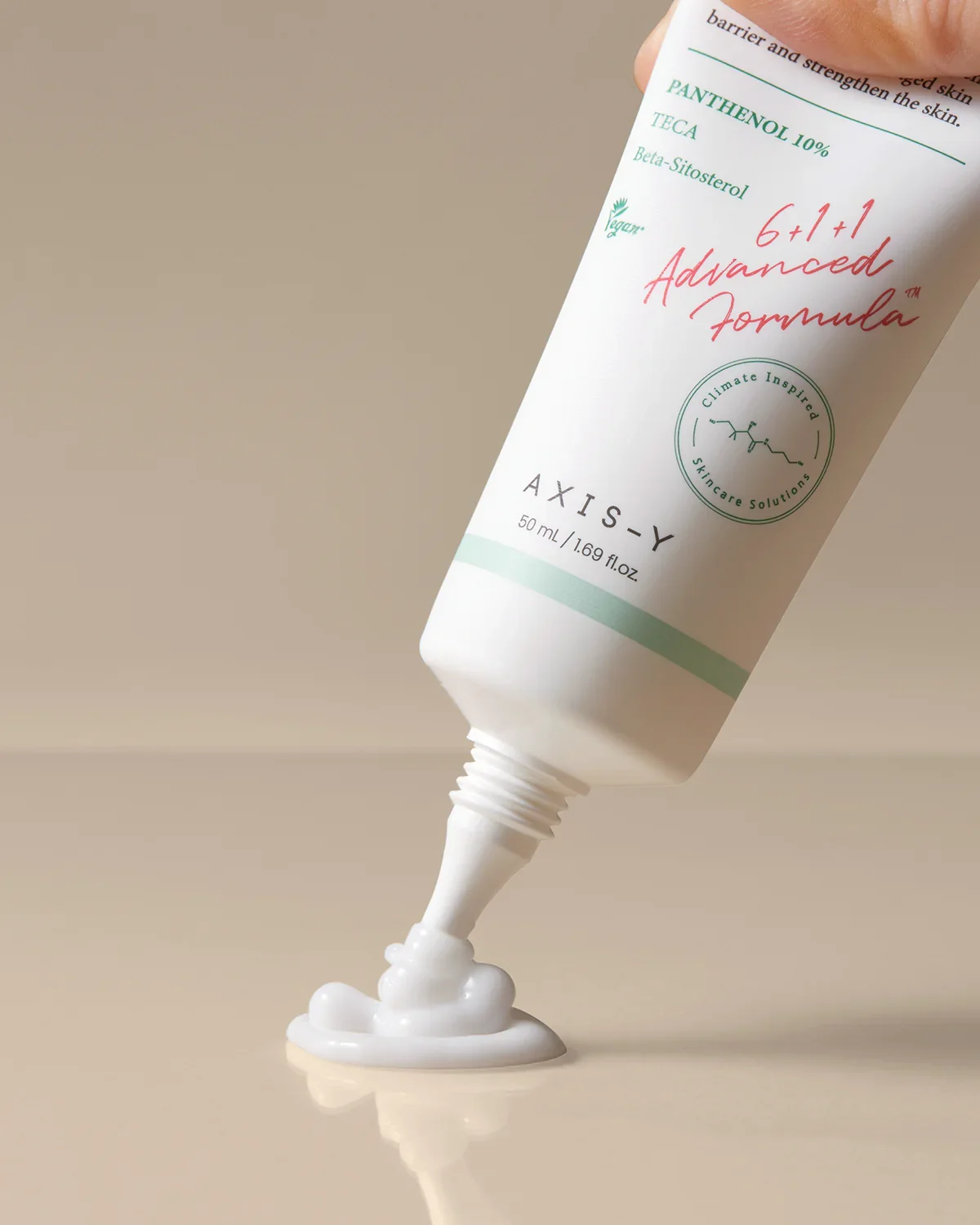
This formula acts as a high-performance repair cream, specifically designed for skin that is currently red, inflamed, or struggling to recover from environmental stress.
High-Concentration Panthenol: Contains 10% Panthenol (Vitamin B5) to pull moisture deep into the skin while significantly speeding up the repair of a damaged barrier.
Full-Spectrum Centella: Uses a comprehensive blend of Centella Asiatica extract, root, and leaf, along with pure actives like Madecassoside and Asiatic Acid to quiet active inflammation.
Advanced Lipid Support: Combines Squalane, Ceramide NP, and Cholesterol to mimic the skin's natural protective layer, ensuring long-lasting moisture retention.
Cooling & Soothing: Xylitol and Erythritol provide a subtle cooling effect on contact, which is excellent for taking the "heat" out of irritated or post-treatment skin.
Resilience Boost: Includes Beta-Sitosterol and Arginine to strengthen the skin’s defenses against external triggers and improve overall texture.
Texture: A smooth, "shield-like" cream that provides a protective layer without feeling heavy. Because it is a more complex formula with many active botanicals, it may not be the best fit for those who prefer ultra-simple, minimalist ingredient lists.
Best suited for: Irritated, inflamed, or barrier-damaged skin needing intensive recovery and soothing support.
COSRX Hydrium Green Tea Aqua Soothing Gel Cream
The Lightweight Hydrator
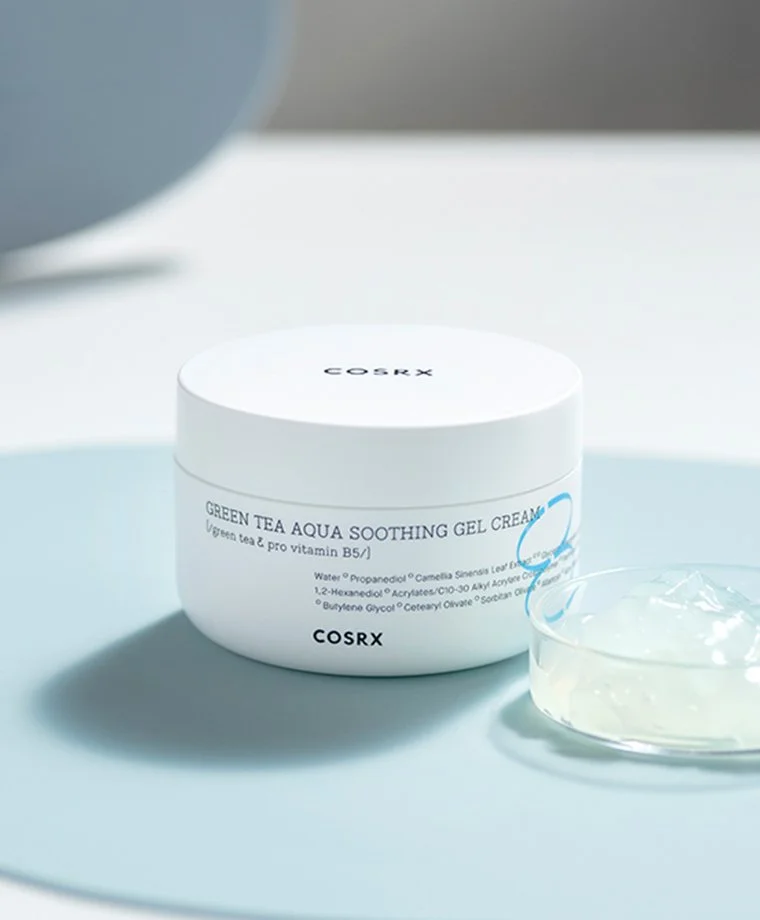
This oil-free gel delivers water-based moisture quickly, making it a good choice for those who dislike the weight of a standard cream.
Antioxidant Base: Uses Green Tea Leaf Extract as a primary ingredient to provide a calming effect while protecting against environmental stressors.
Rapid Absorption: Formulated with Propanediol and Glycerin to pull moisture into the skin quickly, leaving a weightless, fresh finish.
Simple Soothing: Allantoin works to quiet minor surface irritation and keep the skin feeling soft and comfortable throughout the day.
Botanical Extracts: Includes Hibiscus and Moringa extracts to provide light conditioning without clogging pores.
Fresh Finish: The oil-free gel texture is perfect for balancing water levels in the skin without adding unnecessary shine.
Texture: A watery, non-greasy gel that melts into the skin instantly.
Best suited for: Oily or combination skin types and anyone who prefers a breathable, lightweight texture for daily hydration. However, I don’t recommend this for dry or barrier-damaged skin as it lacks essential lipids like ceramides and cholesterol needed for structural repair.
Step 3: Choose a Sunscreen Your Skin Tolerates
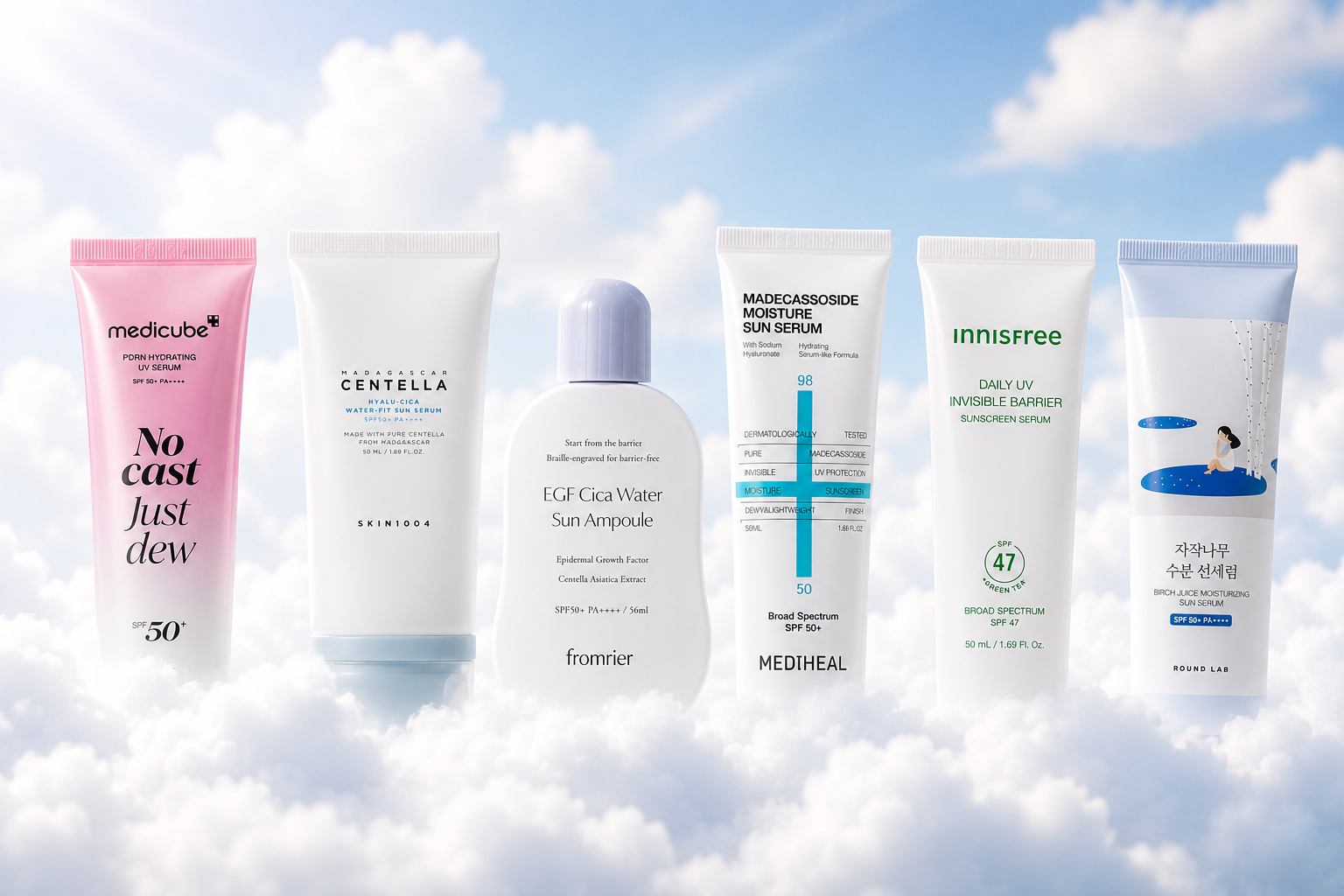
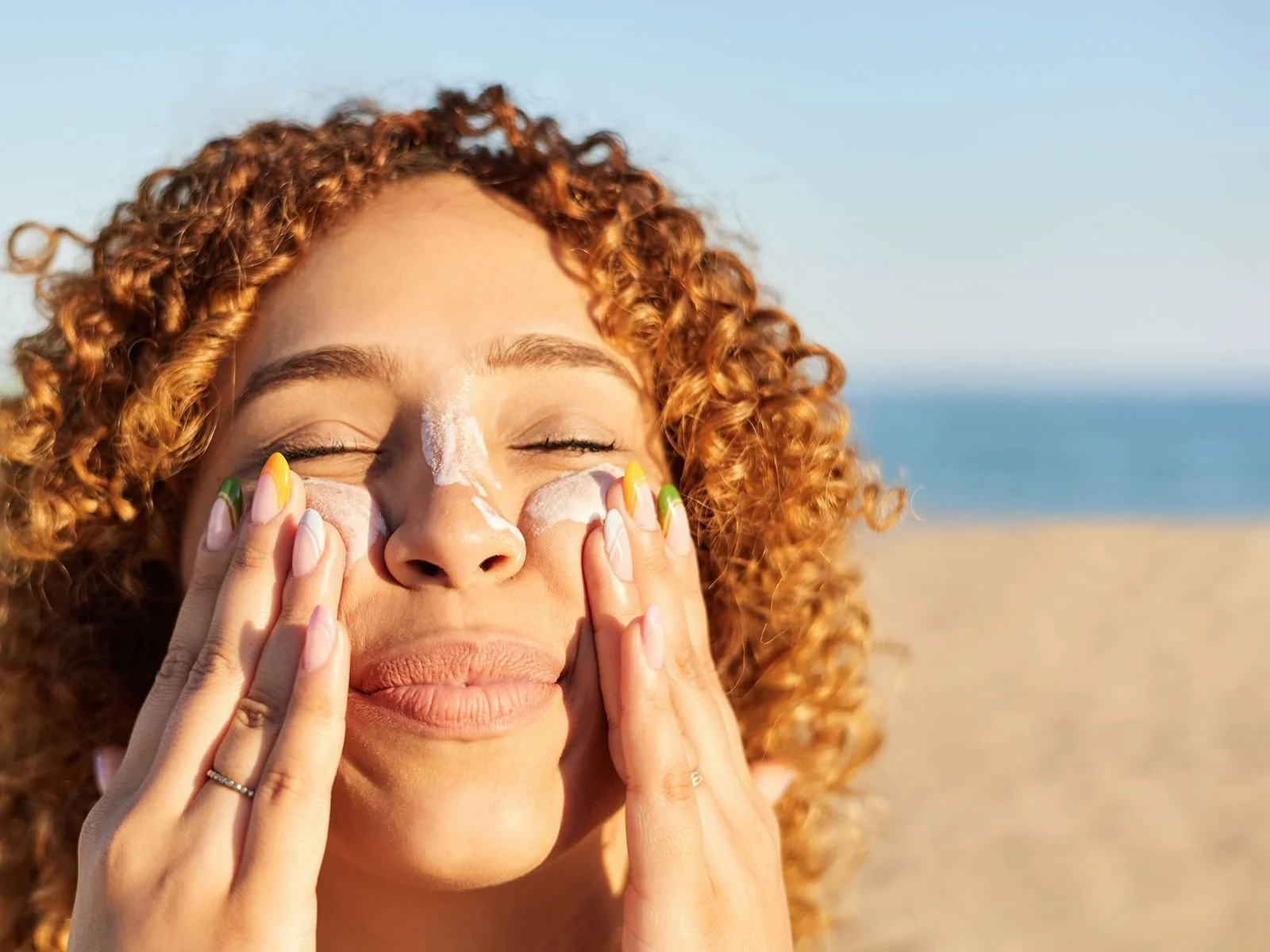
Daily sunscreen is an essential part of a low-irritation routine, but sensitive skin does not automatically require a mineral formula.
If you react easily to sunscreens, zinc oxide and titanium dioxide can be useful options because allergic contact reactions to inorganic filters are rarely reported. However, fragrance, preservatives, alcohol, and other parts of the formula can still affect tolerability.
The most important thing is to choose a broad-spectrum sunscreen that feels comfortable enough to apply generously every day.
If you'd like help choosing one, take a look at the related sunscreen guides below.
Optional Steps: Adding Extra Care Without Overloading Your Skin
Once your core routine is stable, you can introduce additional steps to target specific concerns.
Soothing Toners and Essences
A soothing toner or essence can be useful if your skin still feels tight or dehydrated after cleansing, but it is optional.
Look for ingredients such as centella asiatica, allantoin, beta-glucan, panthenol, or glycerin to add lightweight hydration and comfort without introducing stronger actives.
For reactive skin, more layers are not necessarily better. One simple, well-tolerated hydrating product is usually enough before moisturizer.
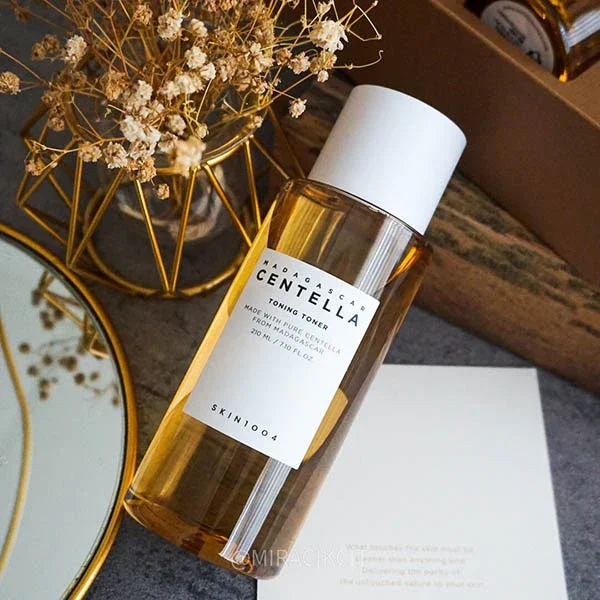
Skin1004 Madagascar Centella Toning Toner
The Gentle Daily Refiner
Where to buy
By using a high concentration of Centella as the foundation, this formula keeps things simple so your skin can benefit from the soothing properties without being overwhelmed.
Soothing Foundation: Contains 84% Centella Asiatica Extract as the main ingredient to help calm your skin and reduce visible irritation.
Minimalist Approach: A short list of ingredients reduces the chance of your skin reacting to a complex blend of extracts.
Mild Refinement: Uses Gluconolactone (a PHA) to gently clear dead skin cells. Because PHA molecules are larger than traditional AHAs, they work on the surface and are less likely to cause you any stinging.
Skin Brightening: Includes Niacinamide to help even out your complexion and support your natural moisture barrier.
Hydration Support: Hyaluronate and Betaine work together to pull moisture into your skin, preventing the dryness often associated with exfoliating products.
Texture: A thin, watery liquid that absorbs instantly. It leaves a fresh finish that layers easily under your serums or moisturizers.
Best suited for: All skin types, especially if your skin is sensitive or dull and you need very gentle daily resurfacing.
If you’re considering adding a serum alongside this toner, I’ve covered how to choose the right SKIN1004 serum based on your skin type and concerns in this guide.
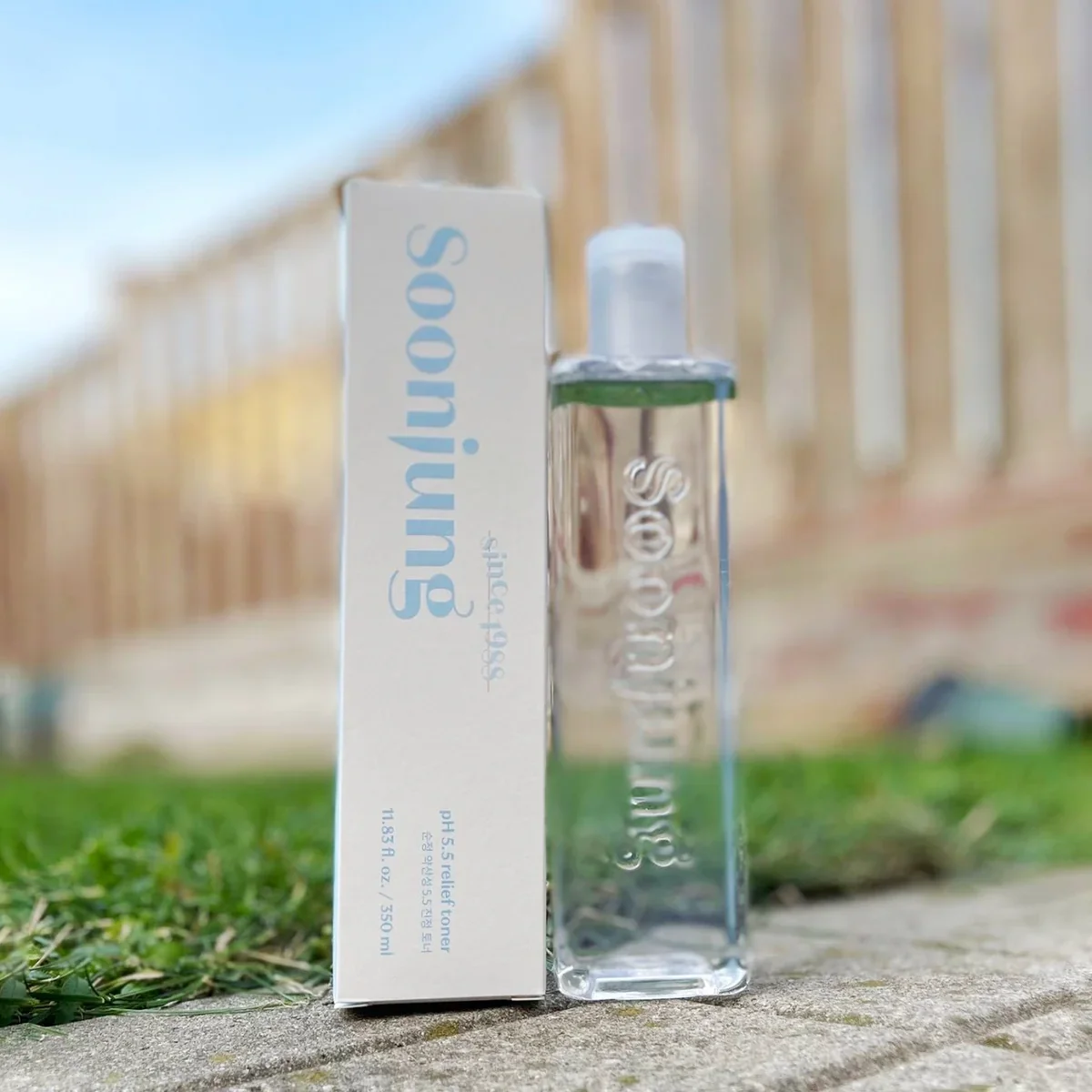
ETUDE House SoonJung pH 5.5 Relief Toner
The Barrier-First Hydrator
Where to buy
This formula centers on calming your skin and providing immediate hydration, making it a reliable foundation for any routine that prioritizes skin comfort.
High-Purity Madecassoside: Derived from Centella Asiatica, this specific active helps to quiet visible redness and support your skin’s natural recovery process.
Optimal pH Balance: Formulated at a slightly acidic pH of 5.5 to mimic your skin’s natural surface, which helps keep your moisture barrier resilient and healthy.
Deep Soothing Blend: Panthenol works with Green Tea and Scutellaria root extract to provide antioxidant protection while keeping your skin calm throughout the day.
Simple Hydration: Focused on water-based moisture that sinks in without the risk of clogging your pores or causing a heavy film.
Texture: A lightweight, watery liquid that absorbs almost instantly. Because it is so thin, it layers beautifully and won't leave your skin feeling sticky.
Best suited for: All skin types, especially if your skin is sensitive, reactive, or currently dealing with a compromised barrier.
Pyunkang Yul Mist Toner
The Minimalist Calmer
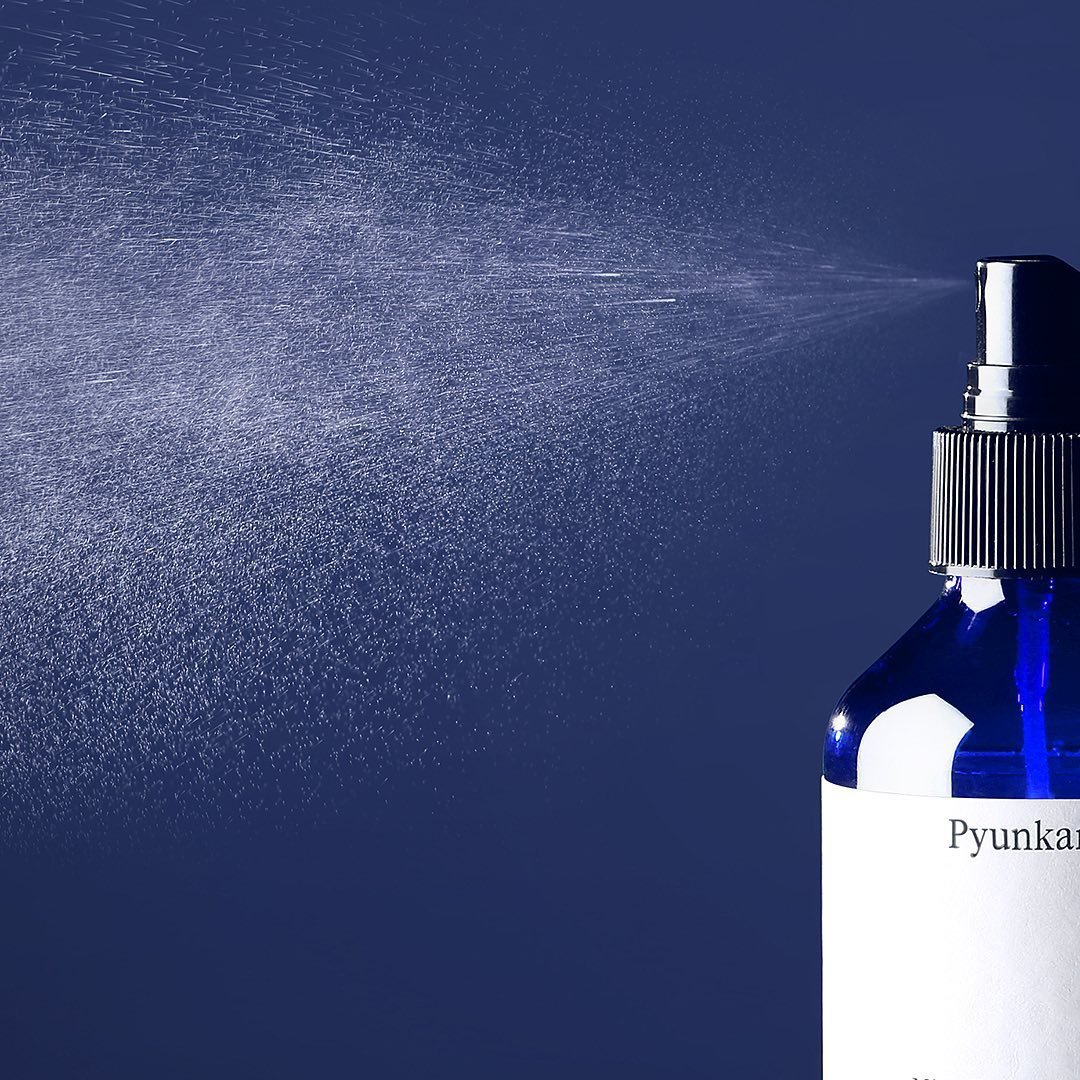
This ultra-minimal formula centers on skin tolerance, making it a reliable choice if your skin is easily overwhelmed by complex ingredient blends.
Anti-Inflammatory Base: Uses Coptis Japonica Root Extract instead of water to help take the heat out of your skin and reduce visible redness.
Lightweight Humectants: Glycerin and Hyaluronic Acid work together to pull moisture into your skin without leaving any heavy or sticky residue.
Streamlined Hydration: By focusing on only a few high-quality ingredients, it provides your skin with exactly what it needs for daily comfort.
Layering Versatility: The simple composition means it won't clash with your other serums or treatments, fitting easily into any routine.
Texture: A very lightweight, watery mist that absorbs quickly. Since it’s so thin, you can easily layer it multiple times if your skin is feeling particularly dehydrated.
Best suited for: Sensitive, reactive, and dehydrated skin types, especially if you prefer a minimalist approach to your routine.
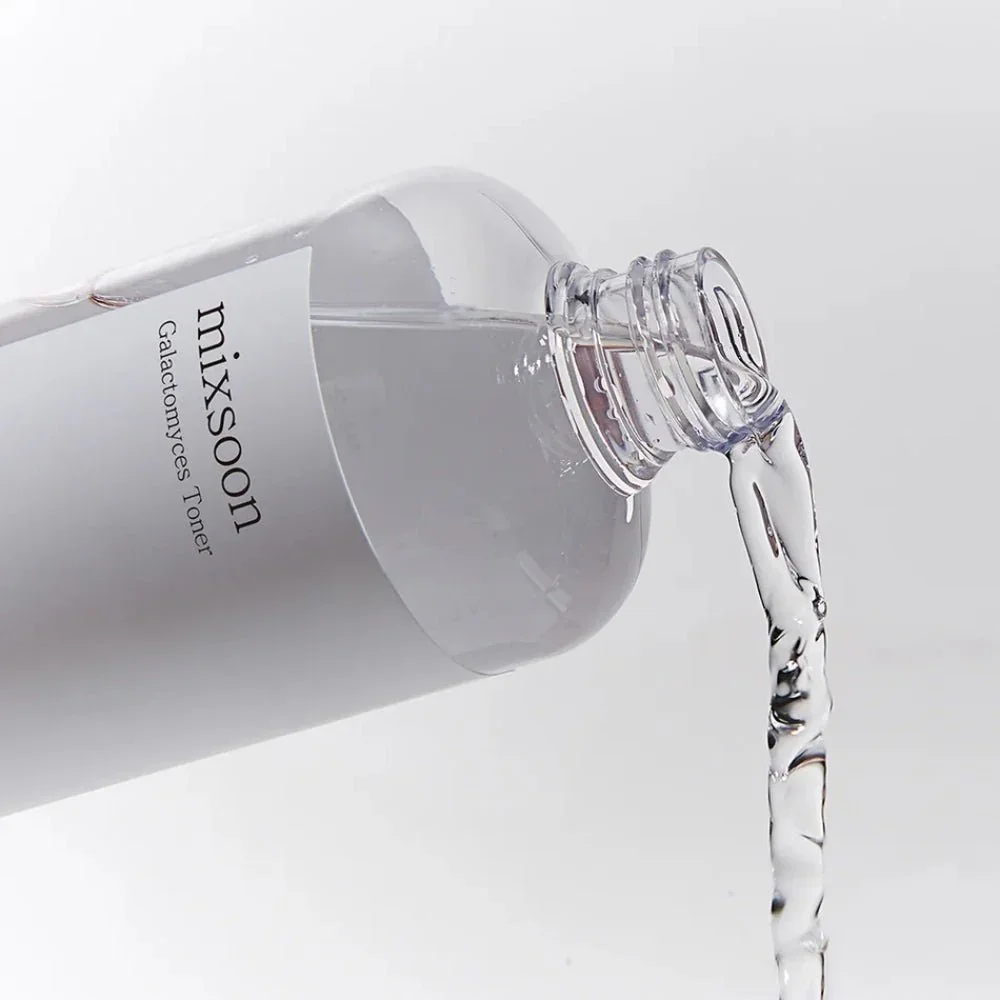
Mixsoon Galactomyces Toner
The Clarity Booster
Where to buy
This two-ingredient formula focuses entirely on the benefits of fermentation, giving your skin a direct dose of active nutrients without any unnecessary additives.
Pure Ferment Filtrate: Uses Galactomyces Ferment Filtrate to help balance your oil production and naturally brighten your complexion.
Nutrient-Rich Hydration: Naturally high in vitamins and amino acids, this toner works to smooth your skin surface and provide deep, watery moisture.
Essential Simplicity: By excluding fragrance, essential oils, and fillers, it delivers the active benefit directly to your skin with minimal risk of irritation from secondary ingredients.
Effortless Layering: The formula sinks in instantly, allowing you to build up your hydration levels without any heaviness or stickiness.
Texture: A very lightweight, watery liquid that feels like an essence. While fermented ingredients are excellent for radiance, your skin’s tolerance can vary; if you have a known sensitivity to fermented yeast, you may prefer a non-fermented option like the SoonJung toner instead.
Best suited for: Normal, combination, and slightly sensitive skin, especially if you are looking to improve your overall radiance and skin texture.
Want to know more? I wrote a deeper dive into why these specific fermented ingredients are such a game-changer for Korean skincare. You can find that here: Fermentation in Skincare: Why K-Beauty’s Fermented Ingredients Are Transforming Skin Health.
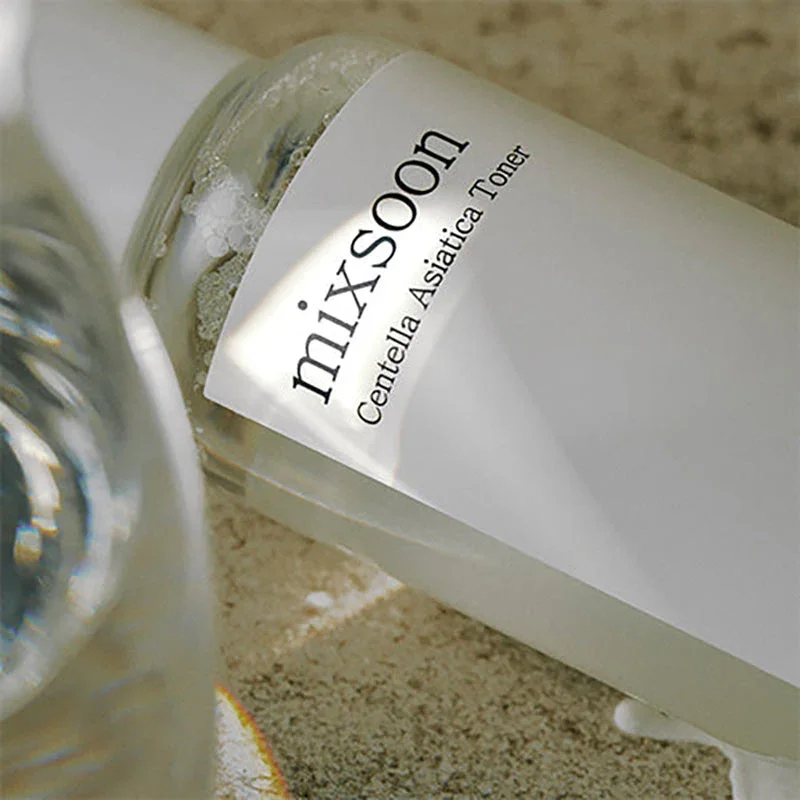
Mixsoon Centella Asiatica Toner
The Pure Soothing Treatment
Where to buy
This single-extract formula centers entirely on calming your skin, making it a reliable choice when you want to address irritation without any hidden complexity.
Undiluted Centella Focus: Uses Centella Asiatica Extract as the primary driver to help quiet visible redness and ease the feeling of tightness.
Predictable Recovery: By removing the long list of botanical blends found in typical toners, it gives your reactive skin a much-needed break from potential triggers.
Skin Repair Support: The natural components of the plant help your skin’s own repair process, making your surface feel less vulnerable over time.
Texture: A lightweight, watery liquid that absorbs quickly and feels very fresh. Since it lacks oil or heavy humectants, you can layer it as many times as your skin needs to feel hydrated.
Best suited for: Sensitive, reactive, and irritated skin, especially when your main goal is to reduce redness and support a compromised barrier.
Serums and Gentle Actives
Sensitive skin can still use targeted actives, but the goal is to choose ingredients and concentrations your skin can tolerate consistently.
Niacinamide: Around 2% to 5% can support the skin barrier and help with uneven tone without relying on very high concentrations.
Peptides: Usually easy to incorporate into sensitive-skin routines and can provide supportive anti-aging benefits without exfoliation or increased cell turnover.
Bakuchiol: A possible option if retinoids are difficult to tolerate. In one 12-week clinical comparison, 0.5% bakuchiol improved photoaging with less scaling and stinging than 0.5% retinol, although the evidence is much smaller than for retinoids.
Vitamin C Derivatives: Often more stable and can be formulated at a less acidic pH than L-ascorbic acid, which may make some formulas more comfortable for sensitive skin.
Azelaic Acid: Useful for redness, breakouts, and uneven pigmentation, with good clinical evidence across acne, rosacea, and melasma. It can still cause temporary stinging or dryness, so introduce it gradually if your skin is reactive.
If your sensitivity is related to rosacea, I also have a detailed guide on which skincare actives you can use with rosacea and how to introduce them more carefully.
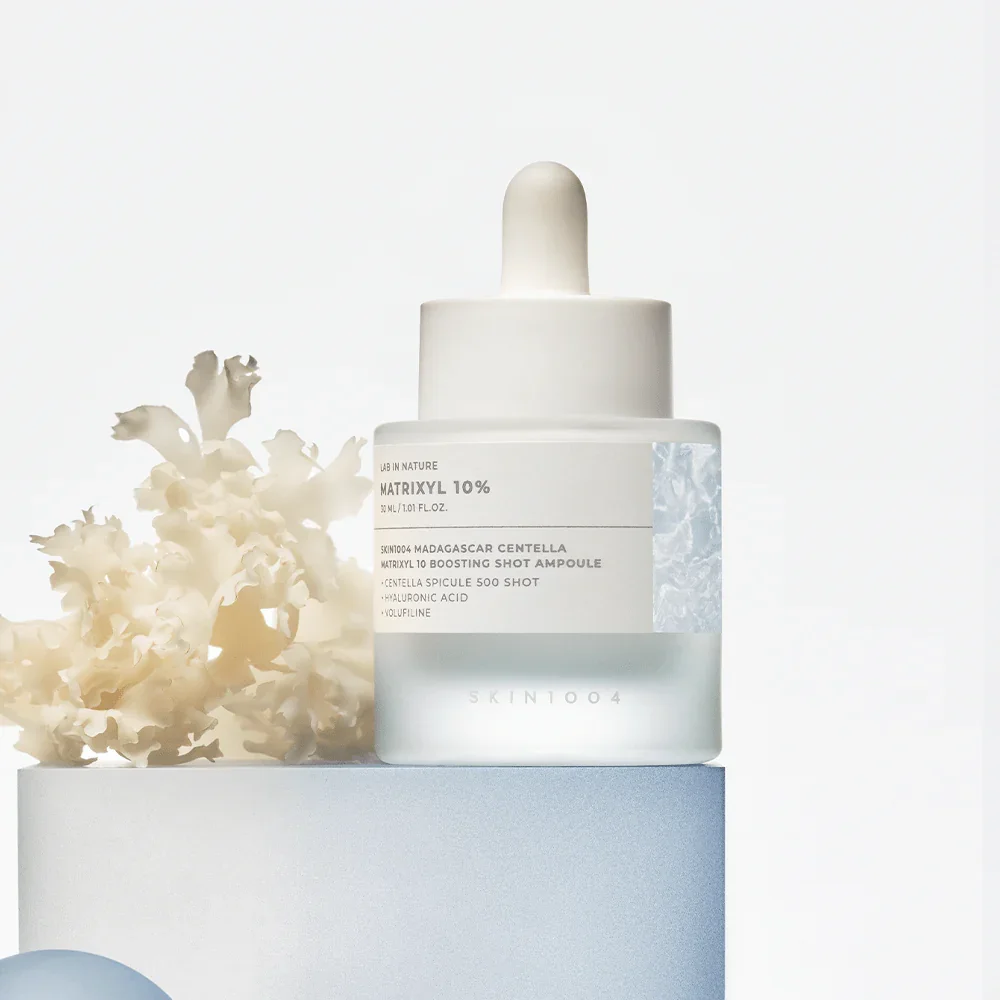
SKIN1004 Matrixyl 10 Boosting Shot Ampoule
Low-irritation firming support
Where to buy
Contains Matrixyl peptides (Palmitoyl Tripeptide-1, Palmitoyl Tetrapeptide-7) to support skin firmness and smoothness over time
Includes panthenol, madecassoside, and centella to help maintain skin comfort and reduce potential irritation
Hydrating base with glycerin and hyaluronic acid supports overall skin balance
Free from fragrance and essential oils, making it suitable for sensitive skin routines
Texture: Lightweight emulsion-serum with a slightly cushioned, hydrating finish
Best suited for: Sensitive skin, early signs of aging, and those looking for a gentle alternative to stronger anti-aging actives
If you’re interested in how peptides can fit into a low-irritation routine, I’ve explored their benefits and how to introduce them properly in this guide: Peptides in Skincare: Benefits for Your Skin and How to Add Them to Your Routine.
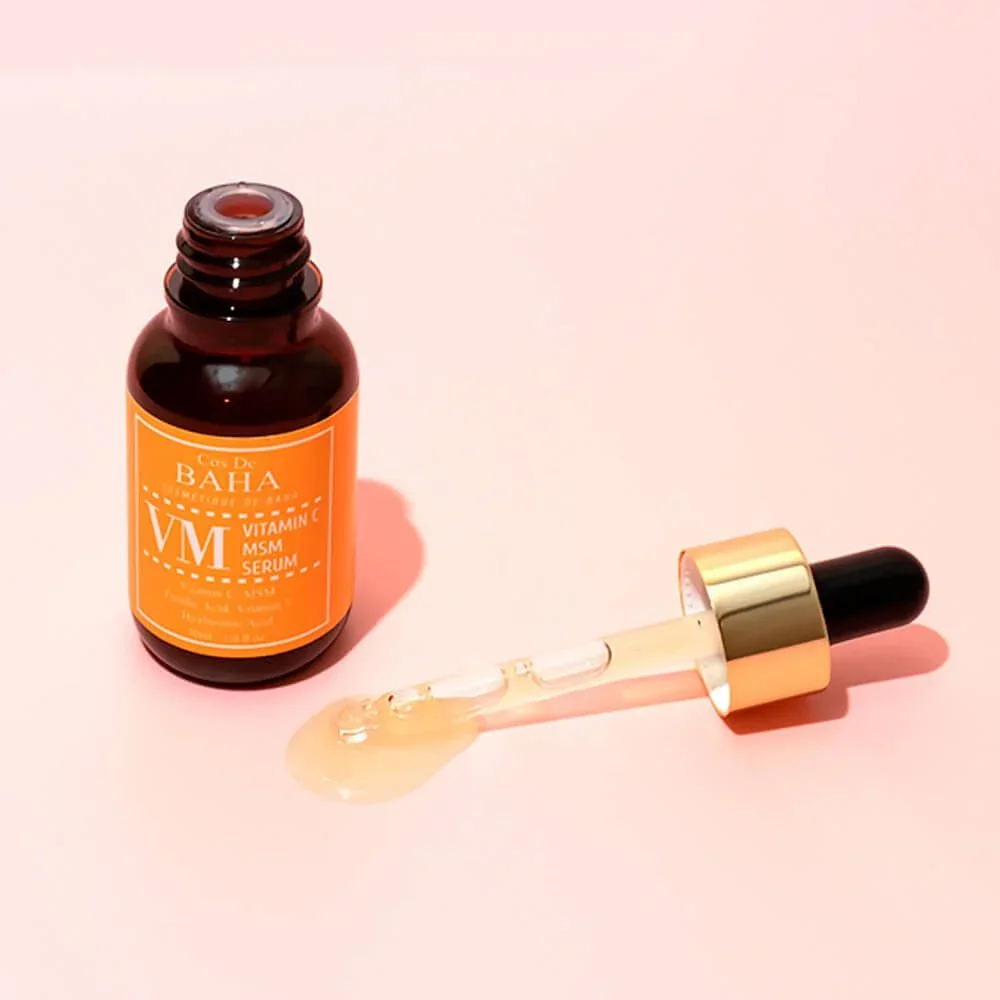
Cos De BAHA Vitamin C MSM Serum
Gentle brightening with antioxidant support
Where to buy
Uses Sodium Ascorbyl Phosphate, a stable and low-irritation vitamin C derivative
Helps improve uneven tone while supporting the skin barrier
Includes MSM (dimethyl sulfone) and allantoin for additional soothing support
Antioxidant blend with vitamin E and ferulic acid enhances overall skin protection
Texture: Lightweight, slightly hydrating serum that layers easily without stickiness
Best suited for: Uneven skin tone, dull skin, and sensitive skin looking for a gentle brightening option
Since vitamin C derivatives can vary significantly in strength and stability, it can be helpful to understand how each type behaves on the skin. I’ve broken this down in detail in this guide.
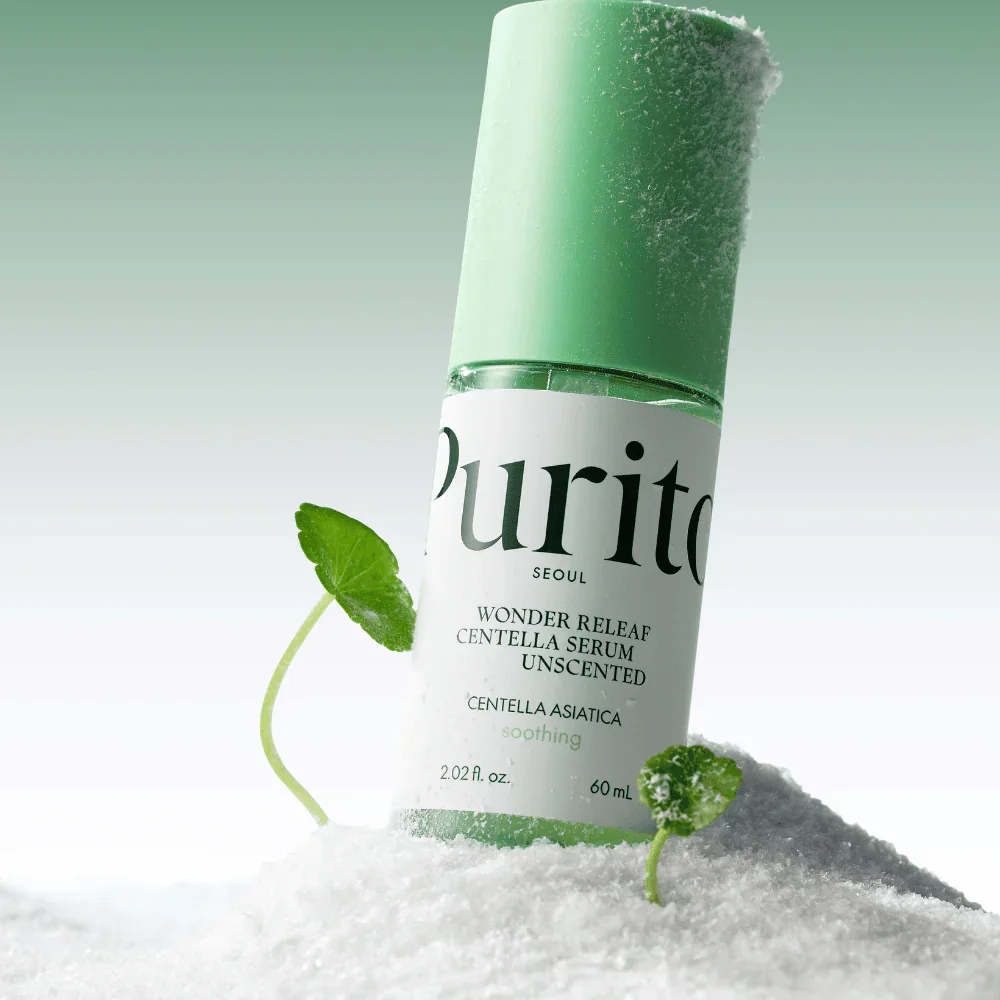
Purito Wonder Releaf Centella Serum Unscented
Calming barrier support with gentle brightening
Where to buy
High centella content with a full Centella complex (madecassoside, asiaticoside, madecassic and asiatic acid) to help reduce redness and support skin recovery
Includes niacinamide for tone improvement and barrier support without relying on stronger actives
Peptides and ceramide NP provide additional support for skin structure and resilience
Hydrating base with glycerin, panthenol, and hyaluronic acid helps maintain skin comfort
Fragrance-free and designed specifically for sensitive skin
Texture: Lightweight gel-serum with a soft, slightly hydrating finish
Best suited for: Normal to dry and sensitive skin, as well as combination skin experiencing dehydration or redness. It may feel slightly rich for very oily skin that prefers ultra-light textures.
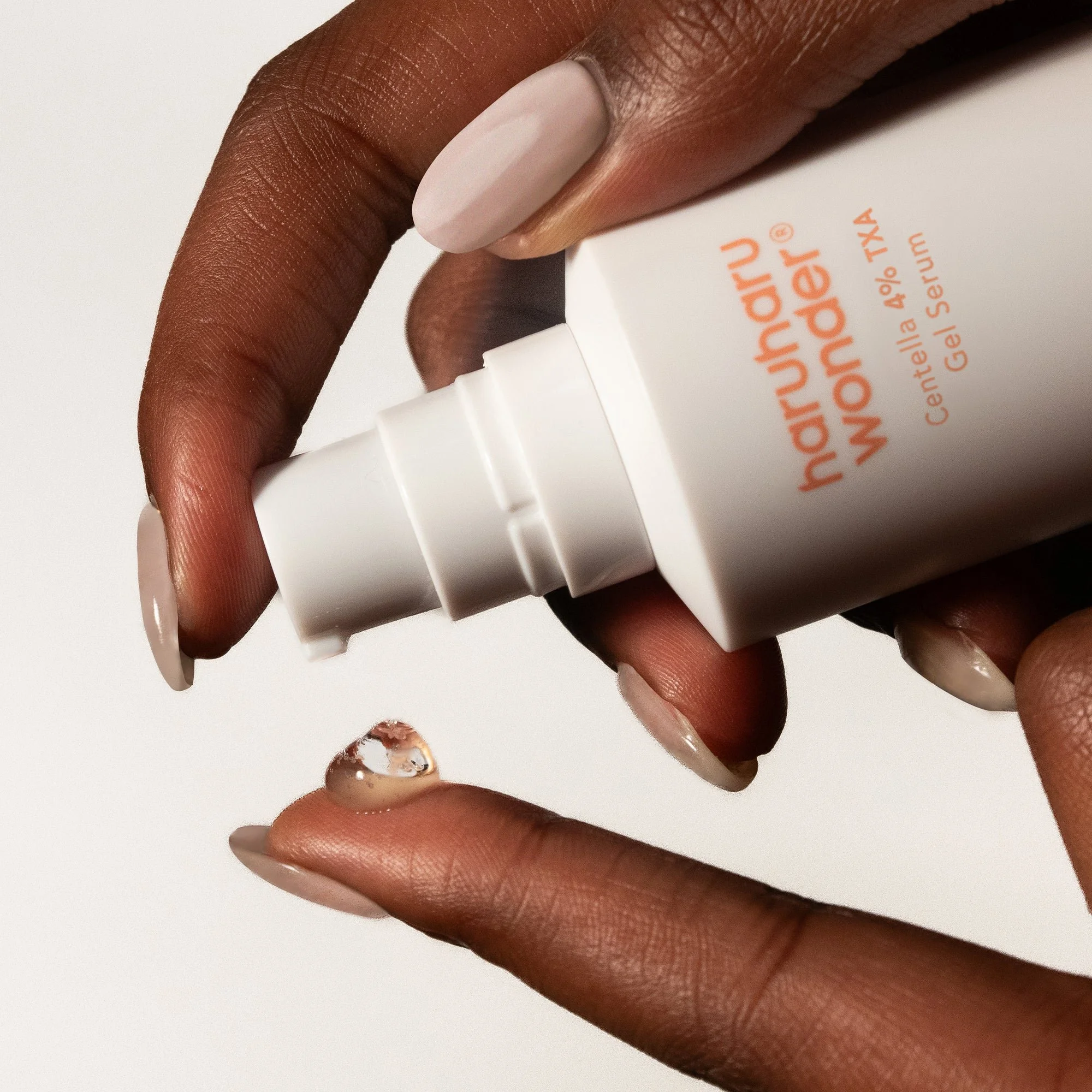
Haruharu WONDER Centella 4% TXA Gel Serum
Targeted brightening with calming support
Where to buy
Combines tranexamic acid (4%) and niacinamide to help improve uneven skin tone and reduce pigmentation
Supported by centella components (madecassoside, asiaticoside, asiatic and madecassic acid) to maintain skin comfort
Includes vitamin C derivatives and tocopherol for additional antioxidant support
Gel-based formula keeps the texture lightweight while delivering functional ingredients
Fragrance-free and formulated without essential oils
Texture: Lightweight gel-serum that absorbs quickly without heaviness
Best suited for: Normal, combination, and oily skin dealing with pigmentation or uneven tone, including sensitive skin that cannot tolerate stronger brightening actives. It may be less suitable for very reactive or barrier-damaged skin in the acute phase.
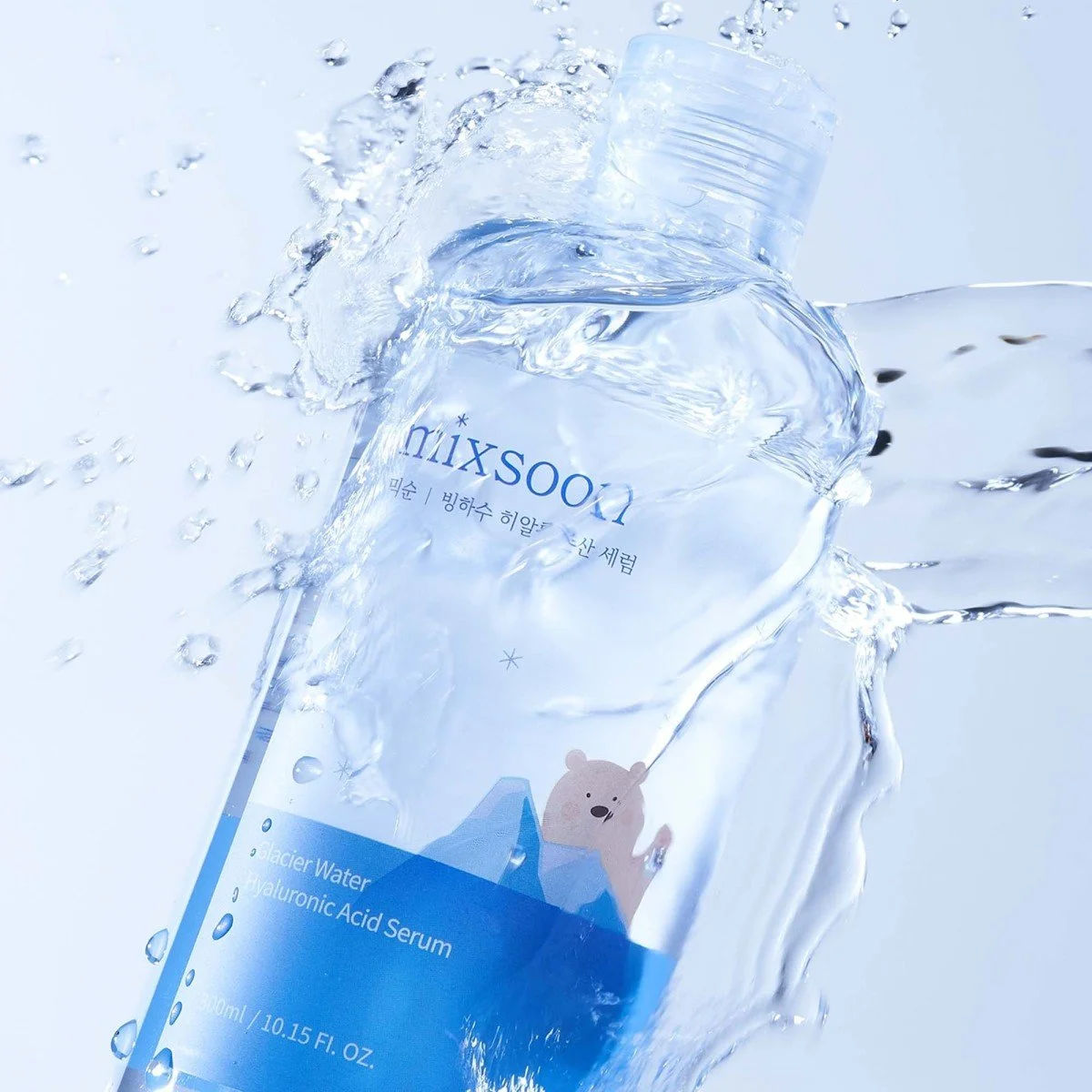
Mixsoon Glacier Water Hyaluronic Acid Serum
Pure hydration, minimal approach
Where to buy
Ultra-minimal formula focused on simple, effective hydration
Uses hyaluronic acid to help attract and retain moisture in the skin
Free from fragrance, essential oils, and active ingredients that may increase irritation risk
Designed to support skin comfort without adding complexity to the routine
Texture: Lightweight, watery serum that absorbs quickly and layers easily
Best suited for: All skin types, including sensitive and reactive skin, especially when dehydration is the main concern. It is also ideal for oily skin that prefers very lightweight, non-greasy hydration.
Genabelle PDRN 3% Hyper Boost Ampoule
Advanced skin recovery and resilience support
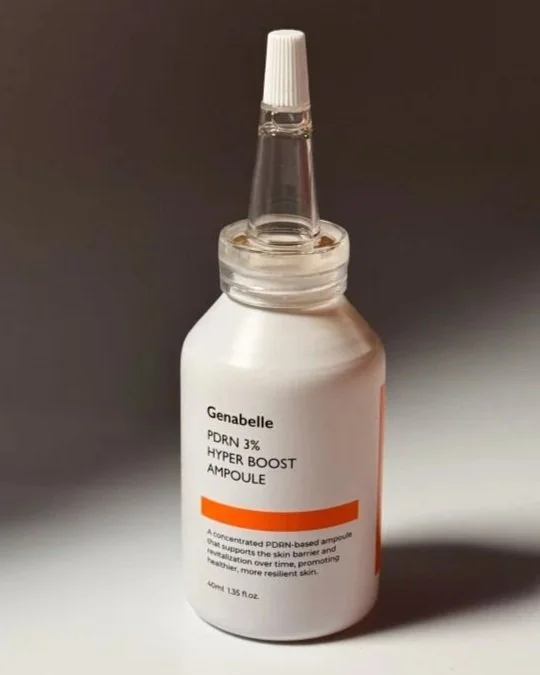
Contains PDRN (Sodium DNA) to support skin repair and improve overall skin resilience
Includes niacinamide and panthenol to strengthen the barrier and enhance skin comfort
Hydrating base with glycerin and hyaluronic acid helps maintain moisture balance
Peptides and adenosine provide additional support for smoother, healthier-looking skin
Fragrance-free and formulated without essential oils
Texture: Lightweight, slightly viscous ampoule that absorbs smoothly without heaviness
Best suited for: Normal, dry, and sensitive skin, especially when the focus is on skin recovery, dullness, or early signs of aging. It may feel slightly rich for very oily skin that prefers ultra-light textures.
Introducing Actives Safely
To keep your skin safe, introduce only one active at a time, starting just two or three times a week. If you notice persistent stinging or redness, simplify your routine and allow your skin time to recover.
Can Hypoallergenic Skincare Address All Skin Concerns?
Low-irritation skincare can address many common concerns, but gentle does not have to mean avoiding effective active ingredients altogether. The goal is to choose treatments your skin can tolerate and introduce them at a sensible pace.
Hydration: Humectants and moisturizers can improve dryness and tightness relatively quickly.
Barrier Support: Gentle cleansing, adequate hydration, and barrier lipids can help compromised skin become more comfortable and resilient.
Acne: Ingredients such as azelaic acid can target breakouts while fitting well into many sensitive-skin routines.
Aging and Pigmentation: Peptides, niacinamide, vitamin C, and bakuchiol can provide useful support, but sensitive skin does not necessarily need to avoid retinoids. A lower-strength retinoid introduced gradually may still be the better option when stronger anti-aging results are the goal.
So a hypoallergenic routine does not need to be passive. It is about finding the most effective approach your skin can use consistently without ongoing irritation.
Frequently Asked Questions
Is Fragrance-Free the Same as Hypoallergenic?
No. Fragrance-free simply means the formula does not contain added fragrance, while “hypoallergenic” is a broader claim suggesting a lower likelihood of allergic reactions. Neither guarantees that your skin will tolerate the product.
Does Natural Skincare Mean It Is Better for Sensitive Skin?
Not necessarily. Natural ingredients can still cause irritation or allergy, and essential oils are a good example. Sensitive skin usually benefits more from a well-balanced formula than from choosing products based on whether ingredients are natural or synthetic.
Do You Need to Use Only Hypoallergenic Products If You Have Sensitive Skin?
No. The label matters much less than how your skin responds to the actual formula. Many fragrance-free, barrier-supportive products can work very well for sensitive skin even if they are not marketed as hypoallergenic.
Can You Use More Than One Active Ingredient With Sensitive Skin?
Yes, but introduce them gradually rather than starting several new actives at once. This makes irritation less likely and also makes it much easier to identify which product caused a problem if your skin reacts.
What Should You Do If a Hypoallergenic Product Still Stings?
Stop using it if the stinging is persistent or accompanied by increasing redness or irritation. “Hypoallergenic” does not mean reaction-proof, so your own skin response is more important than the label.
Does a Sensitive-Skin Routine Have to Stay Minimal Forever?
No. A simple routine is especially useful while your skin is reactive, but once it feels stable, you can gradually add serums or targeted actives according to your concerns and tolerance.
Final Thoughts: Hypoallergenic Is A Starting Point, Not A Guarantee
The term hypoallergenic is a helpful signal, especially when you're trying to make safer choices for reactive skin. It points you in the right direction, but it should never be the only thing you rely on.
What actually matters for your skin:
The specific formulation and how it balances support vs. triggers
How that product interacts with the rest of your routine
The physiological "feedback" your skin gives you after 48 hours
A well-built routine isn't about chasing labels. It’s about understanding what your skin actually needs and choosing products that support its function consistently.
If you want to dive deeper, I have more ingredient breakdowns and guides here on the blog. For a more tailored approach, you can also book a consultation with me. We’ll look at your specific concerns and build a routine step by step based on your skin's actual tolerance.
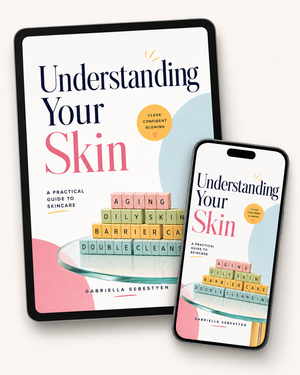
Understanding Your Skin
A Practical Guide to Skincare
I wrote Understanding Your Skin to help you build an effective skincare routine with confidence. This illustrated guide explains skin types, ingredients, and routines in a practical, evidence-based way that's easy to understand and apply.
- Written by a physician
- 120-page illustrated guide
- Evidence-based skincare guidance
- Sample routines & product recommendations

Having rosacea does not mean giving up every active ingredient. This guide looks at which actives can still fit into your routine, where the evidence is strongest, and which ones need more caution.