
Niacinamide is one of the most versatile and widely used ingredients in Korean skincare. Found in everything from toners and essences to serums and moisturizers, this form of vitamin B3 has earned its reputation by supporting multiple skin concerns at once, including pigmentation, excess oil, enlarged pores, barrier damage, and redness.
Key Takeaways
✓ Niacinamide is a form of vitamin B3 that supports the skin barrier, pigmentation, oil control, and overall skin health.
✓ Most niacinamide benefits are supported by concentrations between 2% and 10%, not 20% or higher.
✓ Niacinamide can help improve dark spots, post-acne marks, enlarged pores, and uneven skin tone.
✓ Niacinamide works well alongside vitamin C, retinoids, and exfoliating acids when used correctly.
✓ The ideal niacinamide concentration depends on your skin concerns, tolerance, and routine goals.
Some links are affiliate links. If you choose to purchase through them, it helps support my work at no extra cost to you.
What Is Niacinamide?
Niacinamide is a form of vitamin B3, a well-researched and highly trusted ingredient in skincare. It’s water-soluble, which allows it to blend seamlessly into lightweight, fluid formulas, exactly the kind of textures Korean skincare is known for. This makes it easy to layer, gentle on the skin, and suitable even for combination or oily skin types.
Niacinamide is loved because it supports the skin in many ways at once.
Some of its most notable properties include:
Strengthening the skin barrier
Reducing the look of fine lines and uneven tone
Helping fade dark spots and post-acne marks
Supporting oil and moisture balance
Calming redness and inflammation
Helping improve the appearance of acne-prone skin
Thanks to this combination of benefits, niacinamide appears in a wide range of Korean skincare formulas. Let’s explore why it has become such a staple and how it works on your skin.
Key Benefits of Niacinamide
1. Supports Collagen Production and Reduces the Appearance of Fine Lines
From our mid-twenties onward, collagen production naturally begins to slow. A common misconception is that using collagen-containing creams can replenish your skin’s collagen. In reality, topical collagen cannot integrate into the deeper layers of your skin, so it won’t make your skin firmer, it can only provide temporary hydration.
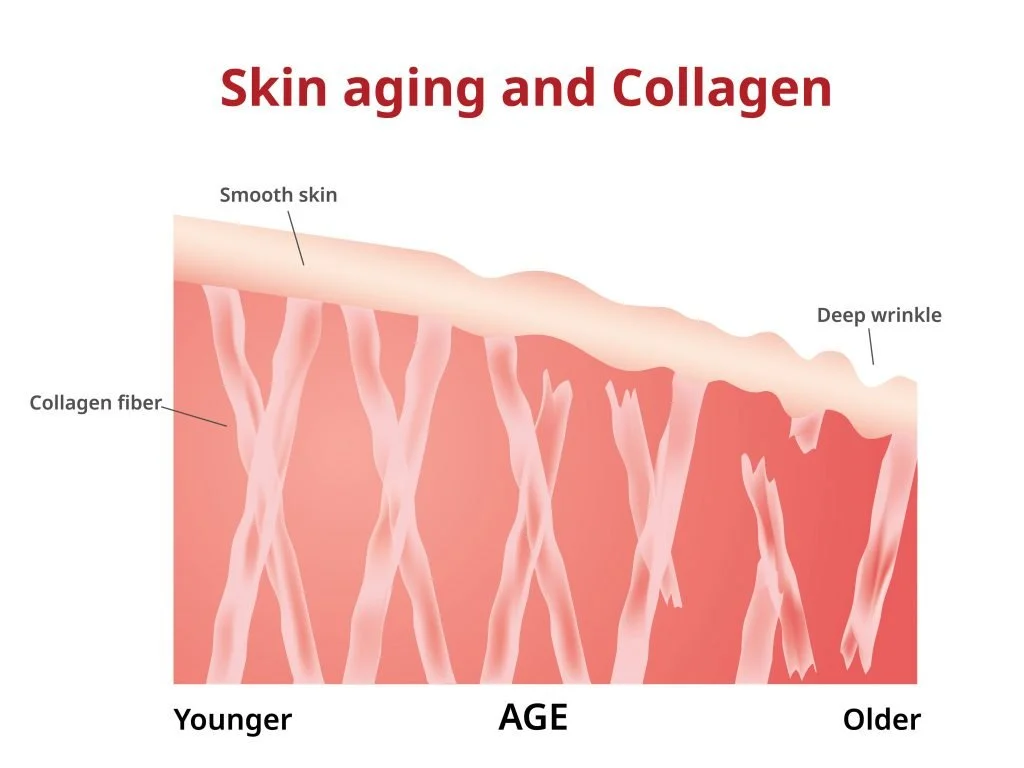
What niacinamide can do is help support your skin’s own collagen production over time. Research suggests that concentrations around 4 to 5% may help support natural collagen synthesis, encourage the production of other structural proteins, and improve the skin’s overall resilience and strength.
Used consistently, niacinamide becomes a valuable part of any anti-aging routine. While retinoids are still the gold standard, niacinamide works beautifully alongside them, adding extra support and reducing potential irritation.
2. Helps Fade Dark Spots and Post-Inflammatory Hyperpigmentation
Pigmentation is one of the most persistent skin concerns, and effective treatment requires a multi-step approach. Niacinamide plays an important role by helping limit the transfer of pigment to the skin’s surface.
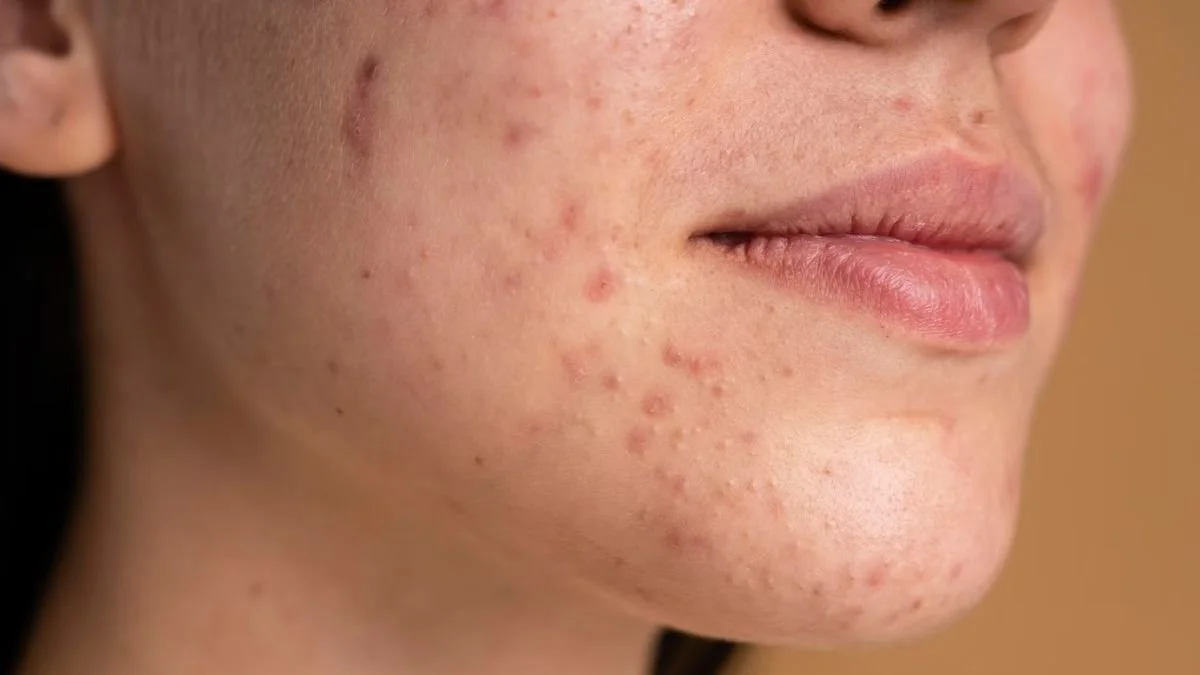
Research shows that daily use of 2 to 5% niacinamide for at least eight weeks can help visibly brighten dark spots, post acne marks, and uneven skin tone. Its brightening effects can become even more noticeable when combined with complementary ingredients commonly used in Korean skincare formulations.
3. Supports Acne-Prone Skin
While niacinamide isn’t a standalone acne treatment, it’s a powerful supporting ingredient in a well-built routine. Its benefits come from two key actions:
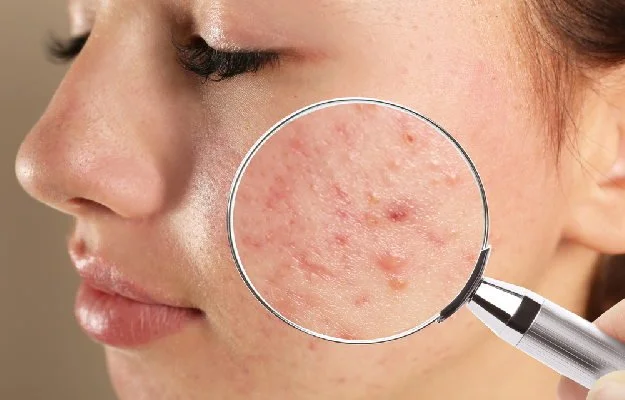
Helping regulate excess oil production
Reducing inflammation in the skin
Studies show that at around 4% concentration, used consistently, niacinamide can lead to visible improvements in acne-prone skin over time. It’s gentle, compatible with many routines, and pairs well with other clarifying ingredients.
4. Minimizes the Look of Enlarged Pores
Enlarged pores can become more visible when the pore walls weaken due to congestion, UV exposure, or loss of skin firmness. Niacinamide helps by strengthening and smoothing the surrounding skin, which can make pores appear smaller and more refined.

Its benefits include:
Improving the elasticity around the pore
Supporting a smoother, firmer skin surface
Helping balance oil to prevent further stretching
Over time, this combination helps pores look more refined and less noticeable.
5. Strengthens the Skin Barrier
Your skin barrier plays a crucial role in keeping moisture in and irritants out. When it’s weakened, you may notice dryness, redness, sensitivity, or rough texture. Niacinamide helps rebuild and reinforce this protective layer.
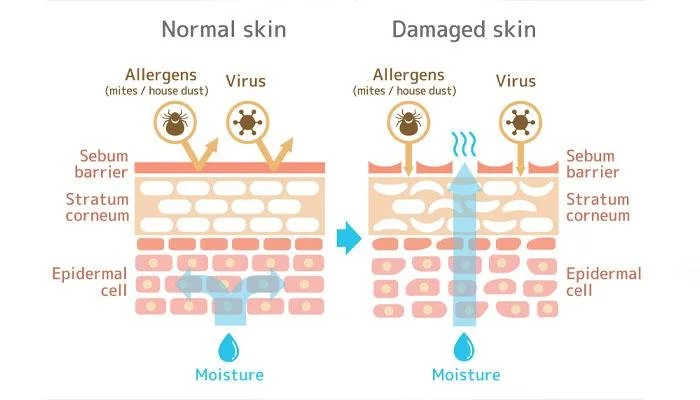
Even at concentrations as low as 2%, research suggests niacinamide can help support the production of fatty acids, cholesterol, and ceramides, all of which are essential components of a healthy skin barrier. As barrier function improves, the skin often becomes softer, better hydrated, less reactive, and more resilient against environmental stressors.
6. Additional Benefits
Beyond its major functions, niacinamide offers several “bonus” benefits that make it even more versatile:
Antibacterial properties, which can support acne-prone skin
Enhances the skin’s natural defense against UV exposure (not a replacement for SPF, but helpful)
Can be beneficial for redness-prone or sensitive skin, including those dealing with rosacea or eczema
Provides a gentle hydration boost through improved barrier function
If you have sensitive skin, it’s best to start with a lower concentration and increase gradually. Niacinamide is generally very well tolerated, especially when introduced slowly.
How to Use Niacinamide in Your Routine
Niacinamide appears in toners, serums, and moisturizers. How and when you use it depends on your skin’s needs and goals.
1. Consider the Concentration
Start by thinking about how much niacinamide your skin can handle. For most beginners and people with sensitive or reactive skin, a 5% concentration is gentle yet effective. It helps improve texture, minimize pores, regulate oil, fade minor pigmentation, and strengthen your moisture barrier, all without irritating the skin.
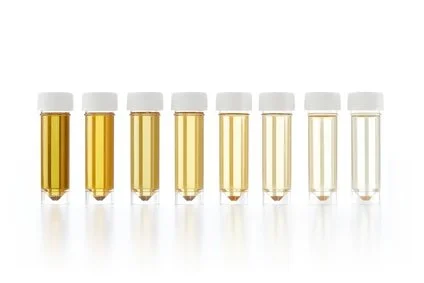
Once your skin builds tolerance, you can move to 10% for a more potent effect. This higher concentration delivers faster and more noticeable results for concerns like stubborn hyperpigmentation, fine lines, or acne marks. The right percentage depends on your skin type, sensitivity, and the results you’re aiming for.
Key points:
5% niacinamide: gentle, beginner-friendly, suitable for sensitive skin, works well in layered routines.
10% niacinamide: more potent, faster results, ideal for targeted treatment of pigmentation, fine lines, or acne marks, but should be used carefully if your skin is reactive.
2. Match It to Your Skin Goals
After selecting the right concentration, the next factor to consider is your specific skin concern:
Next, focus on what you want to achieve with niacinamide. Different skin concerns may require different formulations or concentrations:
Balancing oily or combination skin: lower concentrations in toners or lightweight serums help regulate sebum without irritation.
Targeting acne-prone skin: a higher concentration combined with sebum-regulating actives (like zinc or sarcosine) can support clearer skin.
Anti-aging: 5–10% niacinamide can support collagen production, reduce fine lines, and improve overall skin texture.
Hyperpigmentation: 10% formulas tend to deliver more pronounced brightening effects, but 5% is sufficient for maintenance or prevention.
3. Timing in Your Routine
Niacinamide works best applied in the serum step—after cleansing and toning but before heavier creams or oils. Adjust whether you use it in the morning or evening based on your other actives and skin goals.
5% niacinamide: can be safely used morning and evening and pairs well with most other ingredients.
10% niacinamide: to avoid overstimulation, limit use to once daily at night and avoid layering with strong acids or retinoids until your skin adapts.
4. Frequency of Use
Most skin types can tolerate daily use, but sensitive skin may benefit from starting with once a day and gradually increasing to twice daily. Consistency is key, noticeable improvements typically appear after several weeks.
5. Patience and Expected Results
Niacinamide is gentle yet effective. With consistent use, you may notice:
Smoother texture and minimized pores
Brighter, more even tone
Calmer, less inflamed skin
Strengthened moisture barrier
Using the right concentration at the right time helps you maximize these benefits without irritation.
Do You Really Need 20% Niacinamide?
High concentration niacinamide products often sound more powerful, but higher percentages do not automatically mean better results. Most research on niacinamide’s brightening, oil regulating, and barrier supporting effects focuses on concentrations between 2 and 5%, with some studies extending up to 10%. Beyond that range, the added benefits become far less clear for most skin concerns.
At very high concentrations, niacinamide is also more likely to cause redness, stinging, irritation, or general barrier discomfort, especially in sensitive or reactive skin. In some formulations, extremely high percentages can also create stability and absorption challenges, particularly when combined with strong acids or other active ingredients.
For most people, a well formulated niacinamide product in the moderate range is more than enough to deliver visible results while remaining comfortable and easy to use consistently.
How to Combine Niacinamide With Other Active Ingredients
Niacinamide works well with most actives, making it a great multitasker in your routine. Here’s how to pair it safely and effectively with other popular ingredients:
1. Vitamin C
Can you use them together? Yes!

There’s a common misconception that niacinamide and pure vitamin C (ascorbic acid) neutralize each other or cause irritation. In reality, these concerns come from two very specific scenarios:
First, in theory, acids could convert niacinamide to niacin under extreme conditions ( very high heat or prolonged exposure). In practical use on your skin, this almost never happens, so it’s not something to worry about.
Second, at very low pH (around 3.8), niacinamide and vitamin C can form a complex, sometimes causing a yellow tint in a formula. On your skin, which has a natural pH around 5.5, this “sticking together” is extremely unlikely, and even if it happens, it’s harmless and may still help with pigmentation.
Niacinamide is very stable and rarely converts to niacin under normal use.
If it does convert, niacin is still beneficial to the skin, though it may cause slight redness or tingling for sensitive skin.
pH matters: most skincare products (and your skin’s natural pH ~5.5) prevent the “sticking together” reaction that forms the niacinamide–ascorbate complex.
But you might wonder — what about products that combine vitamin C with niacinamide in one bottle? It’s actually fine. The main challenge is for cosmetic chemists formulating a single product with both ingredients, but such products do exist and are safe to use.
Practical tip: If you prefer extra caution, apply vitamin C in the morning and niacinamide in the evening, or layer them in separate steps with a few minutes in between.
2. Retinoids (Retinol, Retinoic Acid)
Can you use them together? Absolutely!
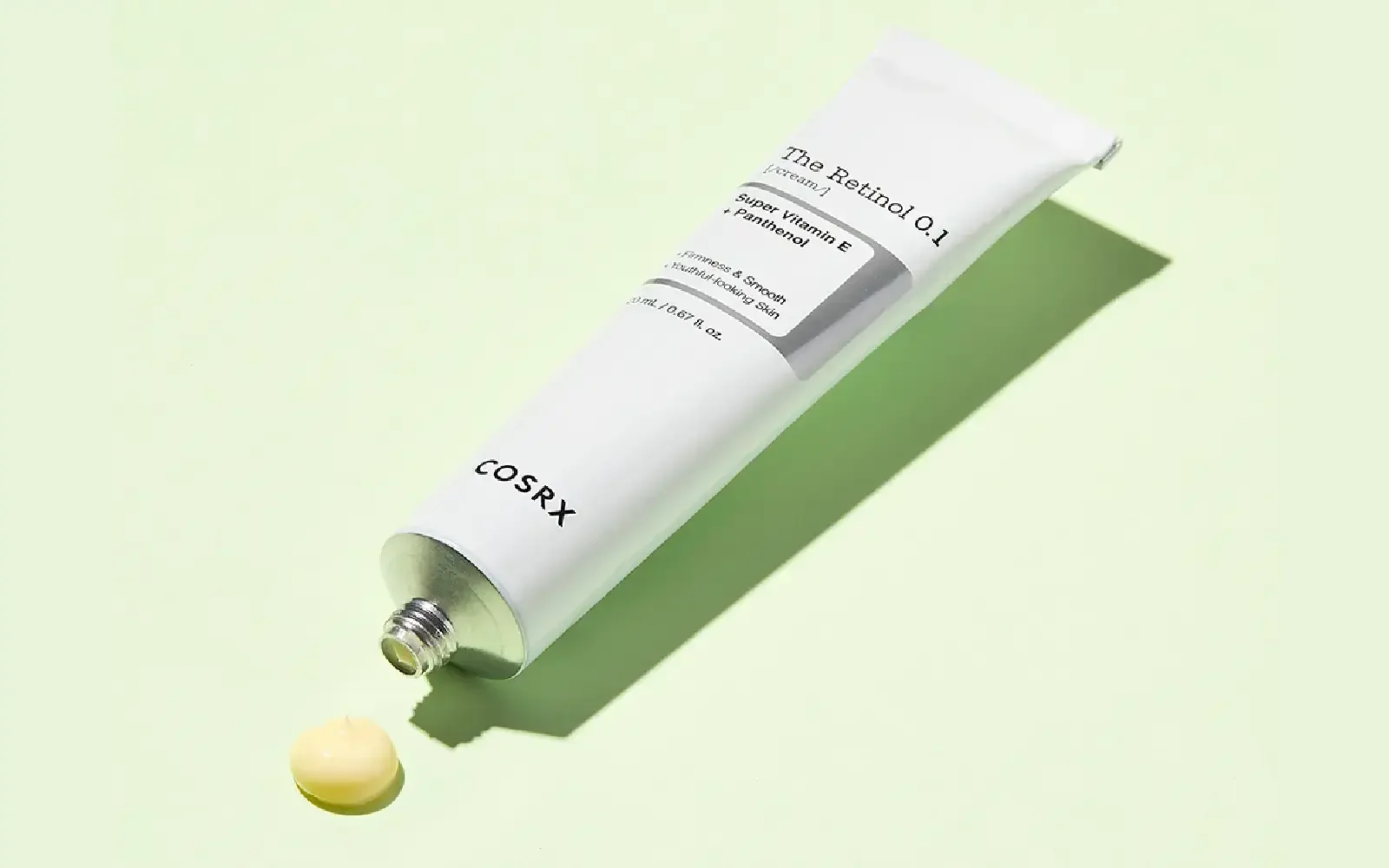
Retinoids can temporarily disrupt the skin barrier and reduce ceramide synthesis, especially when you first start using them.
Niacinamide helps counter these side effects by supporting the barrier, reducing irritation, and providing hydration.
This combination allows you to enjoy retinoid benefits while minimizing redness or flaking.
Pro tip: Start with a niacinamide serum alongside retinol, especially in the early weeks of your retinoid routine.
3. AHA/BHA (Exfoliating Acids)
Niacinamide can help reduce irritation from chemical exfoliants.
Apply acids first, wait for them to absorb, then follow with niacinamide to support barrier health.
Avoid using very harsh routines that combine multiple strong actives at once.
Best Korean Niacinamide Products to Try
Here are some Korean products I trust, with clear niacinamide percentages and formulas that are actually gentle on the skin. I’ve picked ones that give visible results without causing irritation, so you can see what works for you.
1. Medicube PDRN Pink Niacinamide Milky Toner
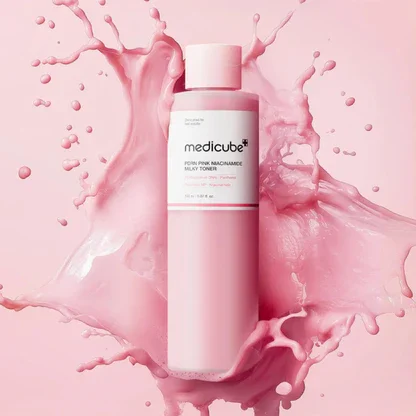
Niacinamide: 50,000 ppm (5%), a solid concentration for brightening, barrier support, and soothing inflammation.
Key Features:
Milky, hydrating texture, great for dry or dehydrated skin.
Contains PDRN (polydeoxyribonucleotide) for skin repair and regeneration.
Ceramides + peptides help strengthen the skin barrier.
Botanical extracts like Centella Asiatica, rice bran, and mushroom extract provide calming and antioxidant support.
Panthenol and hyaluronic acid give an extra hydration boost.
Best For:Dry, normal, or combination skin, especially in colder months when extra moisture and barrier support are needed.
2. Purito SEOUL Galacto Niacin 97 Power Essence
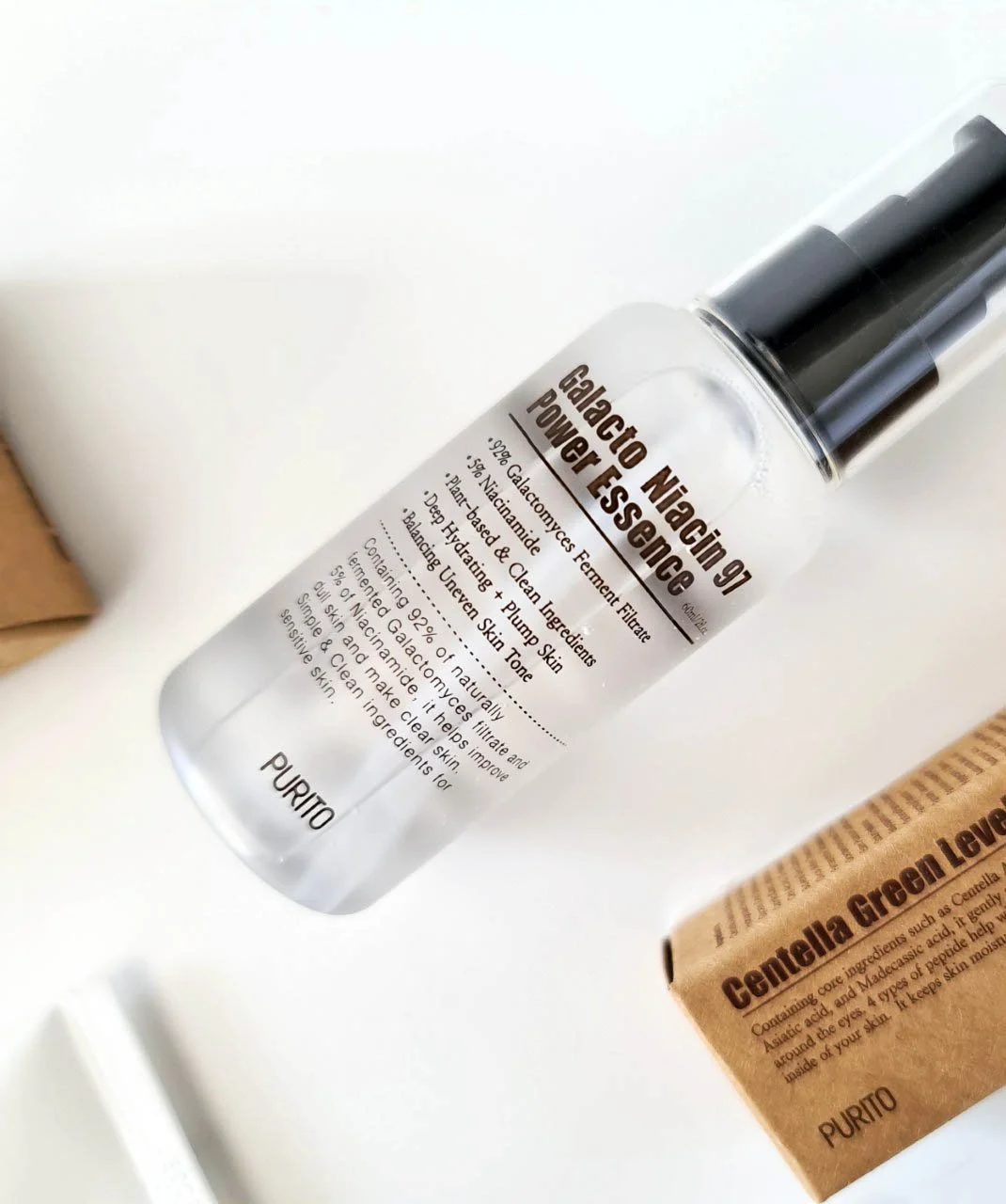
Niacinamide: 5%, supports brightening, barrier health, and overall skin clarity.
Key Features:
Contains 92% galactomyces ferment filtrate for radiant, revitalized, and more elastic skin.
Gentle, preservative-free formula suitable for sensitive skin.
Bifida ferment lysate and Lactobacillus ferment help strengthen the skin barrier.
Soothing ingredients like allantoin and dipotassium glycyrrhizate calm irritation.
Lightweight, essence texture that layers well under moisturizers.
Best For: Sensitive, dull, or dehydrated skin that needs brightening and barrier support.
3. NINELESS B-Boost 10% Niacinamide Serum

Where to buy
Niacinamide: 10%, brightens, smooths texture, and minimizes enlarged pores.
Key Features:
Contains tranexamic acid and ascorbyl glucoside to target hyperpigmentation and provide antioxidant protection.
Hydrating base with glycerin, panthenol, and sodium hyaluronate for moisture and barrier support.
Peptide complex (Palmitoyl Pentapeptide-4, Hexapeptide-9, Acetyl Hexapeptide-8) helps improve skin elasticity and firmness.
Lightweight, fast-absorbing serum suitable for layering in both AM and PM routines (use sunscreen in the morning).
Best For: Dull, uneven, or tired-looking skin; enlarged pores; pigmentation concerns; all skin types looking for brightening and revitalization.
4. Mary&May Niacinamide + Chaenomeles Sinensis Serum

Where to buy
Niacinamide: 2%, gentle support for the skin barrier and overall skin resilience.
Key Features:
Contains 93% Chaenomeles Sinensis Fruit Extract, rich in Vitamin C and flavonoids, for antioxidant support and radiant skin.
Lightweight, minimalist formula with EWG green-grade ingredients.
Free from parabens, fragrances, colorants, alcohol, mineral oils, surfactants, and allergens.
Cruelty-free.
Best For: Very sensitive or reactive skin; strengthening the skin barrier; antioxidant support; maintaining healthy, resilient skin.
5. COSRX The Niacinamide 15 Serum

Where to buy
Niacinamide: 15%, high-strength serum to control sebum, calm inflammation, and improve post-acne marks.
Key Features:
N-Acetylglucosamine works with niacinamide to fade hyperpigmentation.
Zinc PCA reduces inflammation and supports skin recovery.
Allantoin promotes collagen synthesis and skin regeneration.
Lightweight, fast-absorbing texture suitable for layering.
Best For: Oily, combination, or acne-prone skin; excess sebum with enlarged pores; post-acne marks.
Final Thoughts
Niacinamide is a true multitasker in skincare. Whether you are looking to brighten your complexion, calm redness, or strengthen your skin barrier, there is a concentration that fits your specific needs. In Korean skincare, it is a staple ingredient in toners, essences, and serums; when used consistently, it delivers visible results without the irritation often associated with active ingredients, making it a perfect choice even for sensitive skin.
Finding the right products starts with understanding your skin's unique needs. If you aren’t 100% sure of yours, take my Skin Type Quiz to get instant clarity and start your journey on the right track.
For more expert guides, deep dives into Korean beauty ingredients, and curated product recommendations, explore my blog. If you’re ready for a complete transformation, you can also book a custom skincare routine designed specifically for your skin’s goals.






Why does your vitamin C serum sting? Learn the most common causes, how to make vitamin C easier to tolerate, and which gentler Korean serums may be worth trying.