Korean Clinical Grade Skincare in 2026: Advanced Brands and Technologies You May Not Know Yet
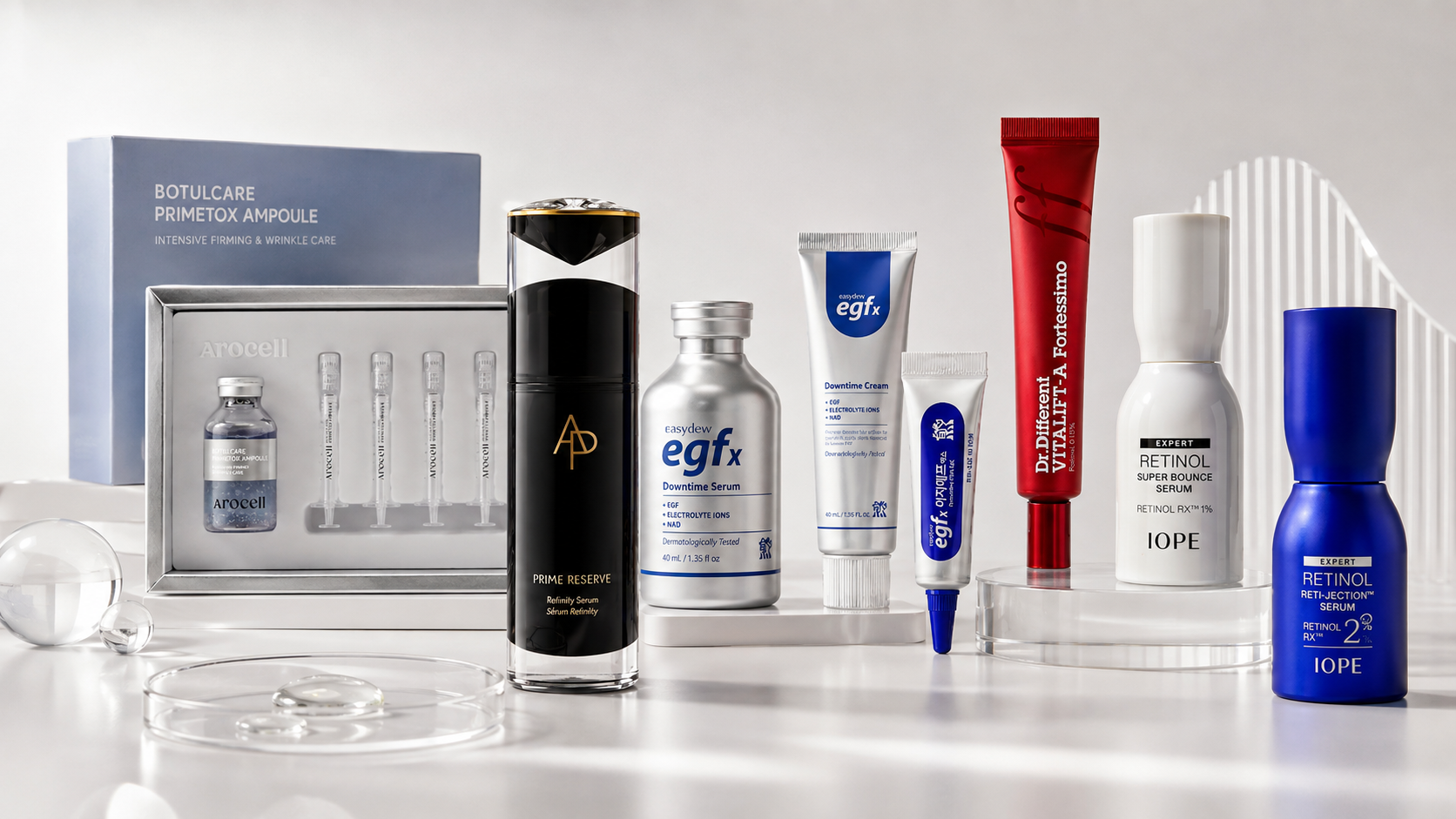
If you are looking for the most advanced clinical grade Korean skincare in 2026, the interesting part is no longer just finding the highest percentage of a familiar active. Some of the newest Korean skincare formulas use advanced delivery systems, stabilized retinoids, growth factors, engineered peptides and other technologies designed to improve how ingredients perform in the skin.
Here, I explore the latest Korean skincare innovations and the products already using them, with a focus on modern formulas, meaningful testing and technologies that go beyond basic marketing claims.
Key Takeaways
✓ “Clinical grade” is not an official skincare category in Korea or the US. In Korea, functional cosmetics are the legally recognized category for specific claims such as wrinkle improvement, brightening and UV protection
✓ Some of the newest Korean skincare innovation is not about discovering new ingredients, but finding better ways to keep familiar actives stable and deliver them into the skin
✓ The next step in retinoid skincare is not necessarily a higher percentage. Newer formulas are using liposomes and other delivery systems to keep retinol and retinal more stable and improve how effectively they reach the skin
✓ Spicules are becoming more than tiny penetration enhancers. Newer systems can carry the active itself, including retinoids and peptides
✓ Most of these technologies are already in finished Korean skincare, not just research labs. Products using LNP delivery, active loaded spicules, stabilized retinal, recombinant human EGF, engineered proteins and brand developed bioactive systems are already on the market
✓ Skin longevity may be the next step. Korean ingredient developers are now looking at senescent “zombie” cells and regenerative signalling, although this is still an emerging area rather than mainstream finished skincare
In This Article
Some links are affiliate links. If you choose to purchase through them, it helps support my work at no extra cost to you.
Where Does Clinical Grade Skincare Fit in the Skincare World?
Before talking about clinical grade skincare, it helps to separate real regulatory categories from the language brands use to position their products. They are not the same thing, and this is where terms such as clinical grade and medical grade can become confusing.
In South Korea, cosmetics are legally divided more clearly than these marketing terms might suggest. At the simplest level, there are regular cosmetics and a legally recognized category called functional cosmetics.
A regular cosmetic includes the everyday products we normally think of as skincare, such as cleansers, toners, moisturizers and serums. Functional cosmetics, on the other hand, are products making certain defined claims that fall under the Korean Ministry of Food and Drug Safety (MFDS) framework. These include functions such as wrinkle improvement, skin brightening and UV protection, along with several other specified categories.
Once we move beyond cosmetics and into products intended to medically treat disease or alter physiological function, we enter a different regulatory world. A prescription tretinoin cream, for example, is not simply a stronger or higher grade cosmetic. It is a drug.
The same distinction exists in the United States, although the regulatory system is organized differently. According to the US Food and Drug Administration, whether a product is considered a cosmetic or a drug depends largely on its intended use and the claims being made.
Sunscreen is a good example of how these classifications can even change between countries. In Korea, UV protection belongs to the functional cosmetic system, while in the US, sunscreens are regulated as drugs.
So there is no official ladder that looks like:
normal skincare → clinical grade → medical grade → prescription skincare.
The real regulatory jump is much more fundamental:
cosmetic → drug
Terms such as “clinical grade”, “professional grade” and “medical grade” mostly exist in a separate world of brand positioning.
The Skincare Categories You Actually See on the Market
Once we leave legal classifications behind, skincare becomes much less tidy. Brands tend to position themselves according to their formulation philosophy, target customer, distribution channel or level of scientific testing.
| Positioning | What it generally means |
|---|---|
| Mainstream or conventional skincare | Standard consumer skincare sold through normal retail channels. |
| Natural or botanical skincare | Emphasis on plant-derived, naturally sourced or traditionally used ingredients. |
| Active-led skincare | Formulas built around recognizable actives such as retinoids, exfoliating acids, vitamin C, peptides or azelaic acid. |
| Dermocosmetic skincare | Dermatology-inspired skincare often developed for sensitive, reactive or problem-prone skin. |
| Clinical grade or clinical skincare | Strong emphasis on R&D, quantified active ingredients, delivery technologies, instrumental testing and clinical studies. |
| Professional or clinic skincare | Products developed for, originally distributed through or strongly associated with dermatologists, aesthetic clinics and professional practices. |
| Medical grade skincare | Usually a marketing or professional positioning term rather than a separate legal class of cosmetics. |
| Prescription dermatology | Actual medicines regulated as drugs rather than a higher tier of cosmetic skincare. |
These groups overlap considerably. A formula can be botanical and clinically tested, active led and dermocosmetic, or professional and still legally classified as an ordinary cosmetic.
Price is not what determines the category either. A luxury moisturizer can contain relatively conventional ingredients, while a much less expensive formula may use patented delivery systems, recombinant proteins or unusually well studied active ingredients.
“Clinical Grade” vs “Medical Grade”
This is where skincare terminology becomes much messier.
Medical grade skincare sounds as though it is an officially regulated quality level, similar to pharmaceutical grade. In cosmetics, generally it is not. In the US, for example, the FDA recognizes cosmetics and drugs, but even the commonly used term “cosmeceutical” has no legal meaning.
Clinical grade is not an official regulatory category either. But it can still be a useful descriptive term when a brand genuinely builds its identity and product development around things such as:
clinical or instrumental testing
clearly stated active concentrations
proprietary delivery systems
biomarker or laboratory testing
published research
patented technologies
dedicated R&D laboratories
In this sense, clinical grade does not mean that a product is automatically stronger, safer or more effective than conventional skincare. It describes the way a brand chooses to position itself, with scientific research, measurable actives, formulation technology and clinical validation playing a particularly visible role.
Medical grade skincare is often used somewhat differently. Brands using this term are frequently associated with dermatologists, aesthetic clinics, professional practices or physician-dispensed skincare. But this still does not automatically make the products medicines. A cosmetic remains a cosmetic unless its intended use, claims and regulatory status place it into a drug category.
So while clinical grade and medical grade can tell us something about a brand’s positioning, neither term should be treated as an official guarantee of quality or efficacy. What matters much more is what sits behind the label: the formulation, active concentrations, delivery technology, testing and quality of the evidence.
What Are the Newest Korean Skincare Delivery Technologies in 2026?
The newest “clinical grade” Korean skincare innovation is increasingly not about discovering a completely new ingredient. It is about getting known actives into the skin differently, stabilizing difficult molecules, combining multiple biological targets, and borrowing concepts from pharmaceutical delivery and aesthetic procedures.
I would almost think of modern Korean clinical grade innovation as four layers:
PDRN, retinal, peptides, EGF, antioxidants, longevity-related molecules
Liposomes, lipid nanoparticles, encapsulation, active-loaded spicules, stabilization
Collagen, pigmentation, barrier function, cellular signalling, senescence and longevity pathways
Instrumental measurements, human studies, procedure comparison studies and longer-term skin data
And the second layer is where some of the most interesting movement is happening right now.
We are reaching a point where asking “What is the newest Korean skincare ingredient?” may actually be the wrong question. Many of the actives themselves are already familiar. What is changing much faster is how they are protected, delivered and made biologically useful once they reach the skin.
The better question may be:
What are the newest Korean skincare delivery technologies?
1. Drug Delivery Inspired Systems
One of the biggest areas of innovation in Korean clinical skincare is the move toward delivery systems inspired by pharmaceutical research. Liposomes are not new, but brands are now working with more sophisticated technologies such as nano liposomes, lipid nanoparticles (LNPs) and microfluidic manufacturing.
But what does that actually mean? In skincare, these delivery systems can help to:
protect unstable active ingredients
improve how effectively they are delivered into the skin
control or prolong their release
A 2024 review of lipid nanoparticles in cosmetic and dermatological applications discusses exactly these advantages in topical formulations.
Sound familiar? LNP technology became widely known during the COVID-19 pandemic because lipid nanoparticles were used to deliver mRNA in some vaccines. Cosmetic LNPs obviously do not turn a serum into a pharmaceutical, but the underlying idea is similar: protect a difficult molecule and help deliver it more effectively.
The lipid carrier itself can also have an effect on the skin. In one NLC study, transepidermal water loss decreased by more than 60% over seven days, while skin hydration also improved. That does not prove better delivery of an active ingredient, but it shows that these lipid systems can contribute something of their own to the finished formula.
DERMAFIRM and LNP Delivery
A Korean brand already using this approach in finished skincare is DERMAFIRM.
In its Glutathione Nano Brightening™ system, glutathione is encapsulated in lipid nanoparticles to improve its stability and delivery. Glutathione is an antioxidant commonly used in skincare for dullness and pigmentation support.
According to the brand, the particles are around 1/1,000 the size of a skin pore and show greater absorption than conventional glutathione, although these figures come from company data rather than independent clinical research.
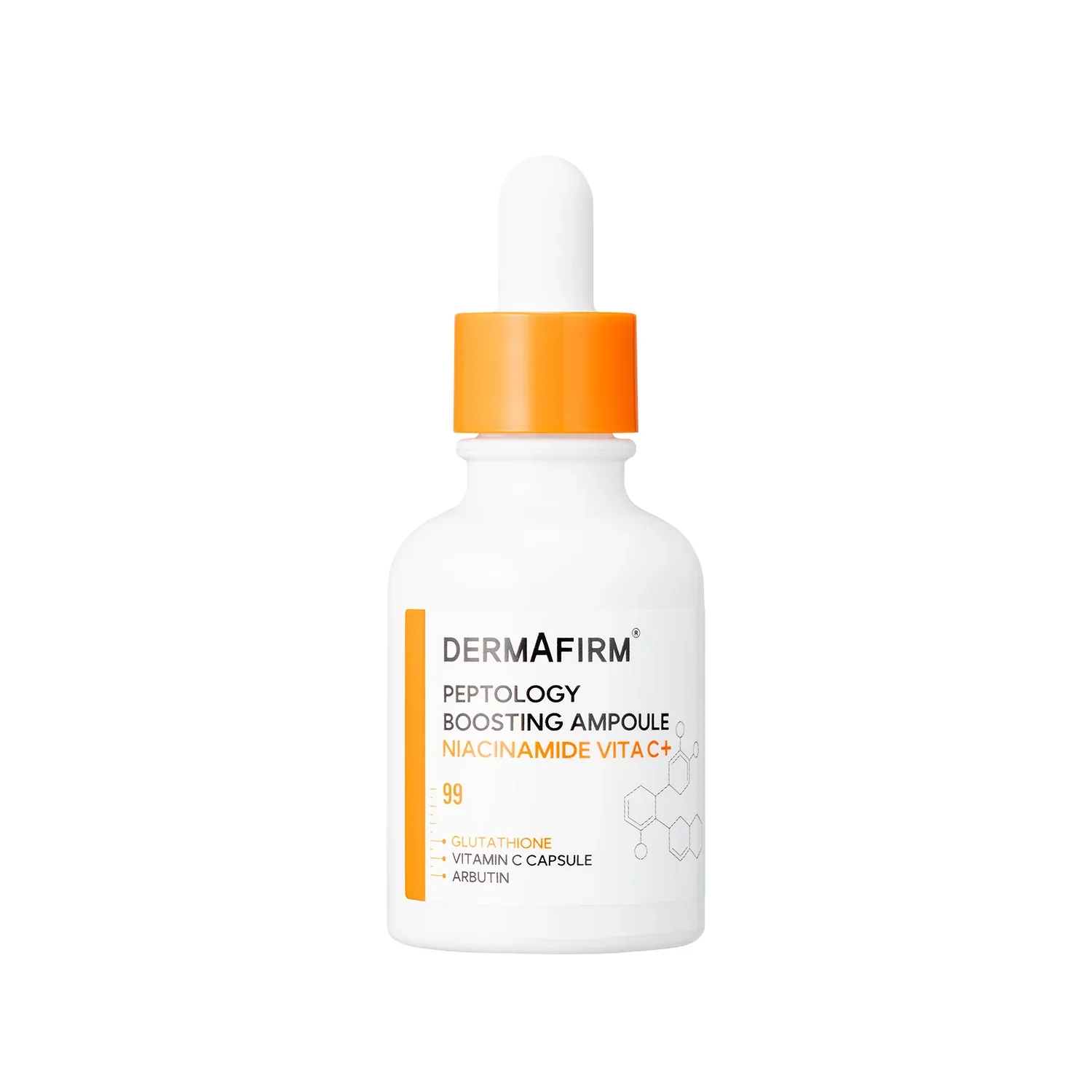
DERMAFIRM Peptology Boosting Ampoule Niacinamide Vita+
Where to buy
This is a clear finished example of the technology, designed for dark spots, uneven tone and dullness.
The formula combines the nano glutathione system with 15% niacinamide, arbutin and alpha arbutin, giving it a multi-active approach to pigmentation. In the brand’s own testing, it showed an 11.21% reduction in melanin, 6.48% improvement in radiance and 5.64% reduction in darkness, with additional improvements reported in redness, texture and tone evenness.
Formula notes
Best for: dark spots, uneven tone, dullness
Main actives: 15% niacinamide, glutathione, arbutin, alpha arbutin
Alcohol Denat. / ethanol: No
Essential oils: No
Fragrance: No
Fungal acne safe: No
2. Active Loaded Spicules
Spicules are already familiar in Korean skincare, but the technology is becoming much more interesting than simply using tiny needle like particles to create temporary pathways in the skin.
The newer idea is to make the spicule itself carry the active ingredient.
Traditionally, the spicule and the active are essentially separate: the spicule helps create a pathway, while the active is applied around it. With active loaded spicules, the ingredient can instead be loaded inside the spicule or attached directly to its surface, turning the spicule into a delivery system.
There is already good laboratory evidence that loading the active onto the spicule can improve delivery. In a 2026 study, GHK attached directly to sponge spicules delivered more than five times as much peptide into an artificial human skin model as simply mixing free GHK with ordinary spicules. This was not a study on living human skin, but it shows that the carrier + active concept can work.
And the technology is already moving beyond the laboratory. IOPE now uses retinol infused spicules in a finished serum and reports human clinical testing of the product, including 46% greater absorption compared with a spicule free formula.
IOPE and Retinol Infused Spicules
IOPE takes this carrier + active idea into a real product with its Reti-jection™ technology. Here, Retinol RX™ is infused directly into the spicules, instead of simply mixing retinoids and spicules together in the same serum. Retinol RX™ is IOPE’s retinoid complex; in this formula, it includes retinol and hydroxypinacolone retinoate (HPR).
According to IOPE, a 30 mL bottle contains around 3 million retinol infused spicules, and the formula showed 46% higher absorption than a spicule free version.
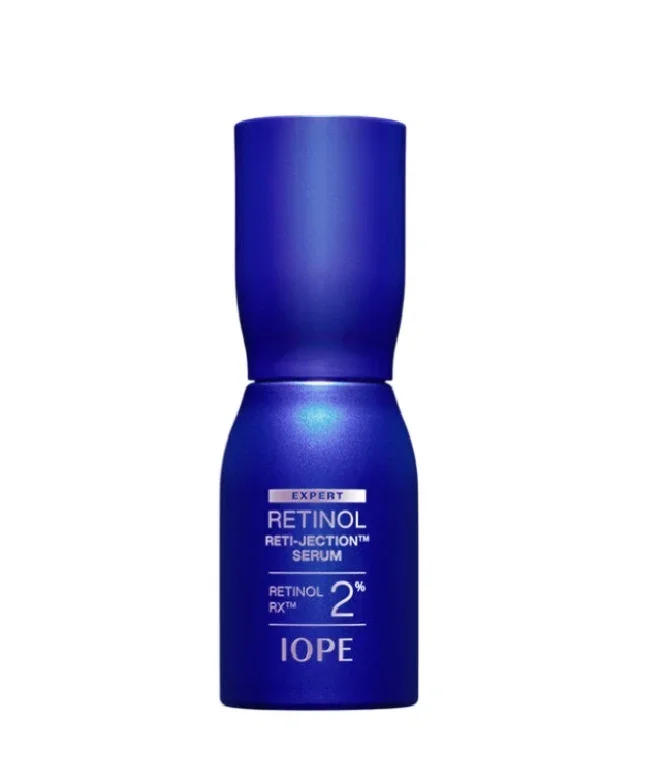
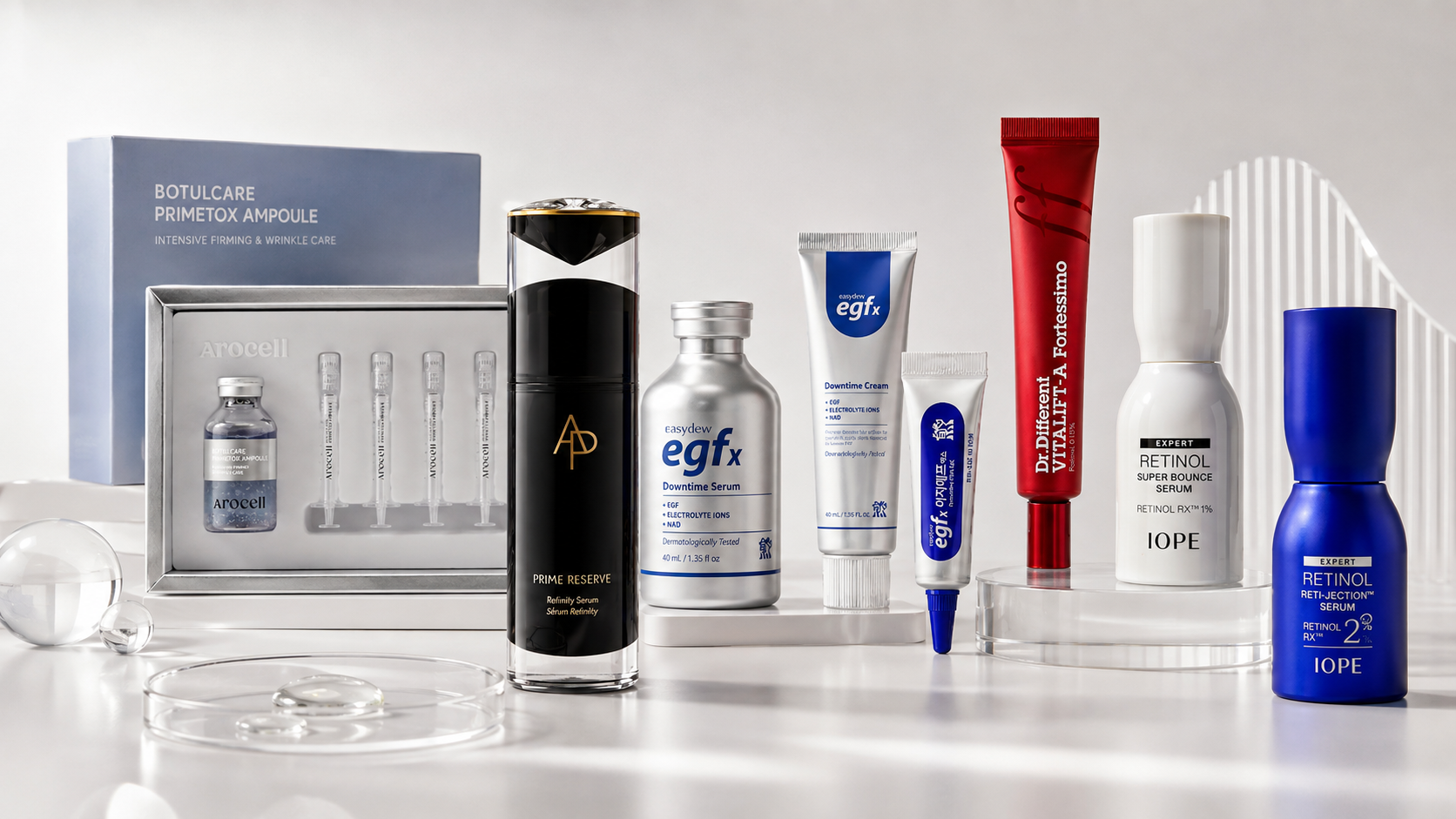
IOPE Expert Retinol RX 2% Reti-jection Serum
Where to buy
This is an anti aging retinoid serum aimed mainly at wrinkles, visible pores, loss of firmness and dullness. IOPE also positions the formula as inspired by professional collagen booster treatments and tested it in a 32 participant split face study against a professional collagen booster procedure.
One important detail: 2% does not mean 2% pure retinol. It refers to the brand's 2% Retinol RX™ system.
Formula notes
Best for: wrinkles, visible pores, firmness, uneven texture, dullness
Retinoids: 2% Retinol RX™ complex, including retinol and HPR
Alcohol Denat. / ethanol: No
Essential oils: No
Fragrance: No
Fungal acne safe: No
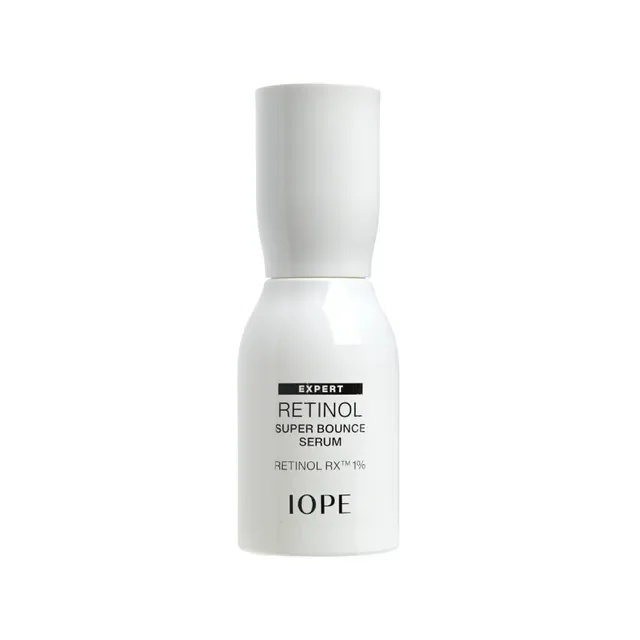
A quick note: IOPE also makes the Expert Retinol RX™ 1% Super Bounce Serum. It uses 1% Retinol RX™ and does not use the spicule technology. The 1% serum is suitable for beginners, while the 2% Reti-jection™ Serum is for more experienced retinoid users.
Where to buy
3. Stabilized Retinoids at Meaningful Concentrations
I say this all the time: check the ingredient list, and look for brands that clearly tell you how much of the active you are actually getting. That is especially important with retinoids. A product that simply says “retinol complex” tells you much less than one that clearly discloses the retinoid concentration.
But concentration is only half of the story. Retinol and retinal are notoriously difficult to stabilize, so even a high percentage is not very useful if much of the ingredient breaks down before it can do its job.
This is where newer liposome systems come in. They can help protect the retinoid and also improve how it is delivered. In a 2026 study on retinol loaded nanoliposomes, researchers encapsulated about 86% of the retinol and increased skin penetration from 18.4% with conventional liposomes to 29.0%.
And importantly, “liposomal retinol” is not one standardized technology. In this study, changing the composition and flexibility of the liposome itself improved how well the retinol moved through the skin barrier.
Dr.Different and Stabilized Retinal
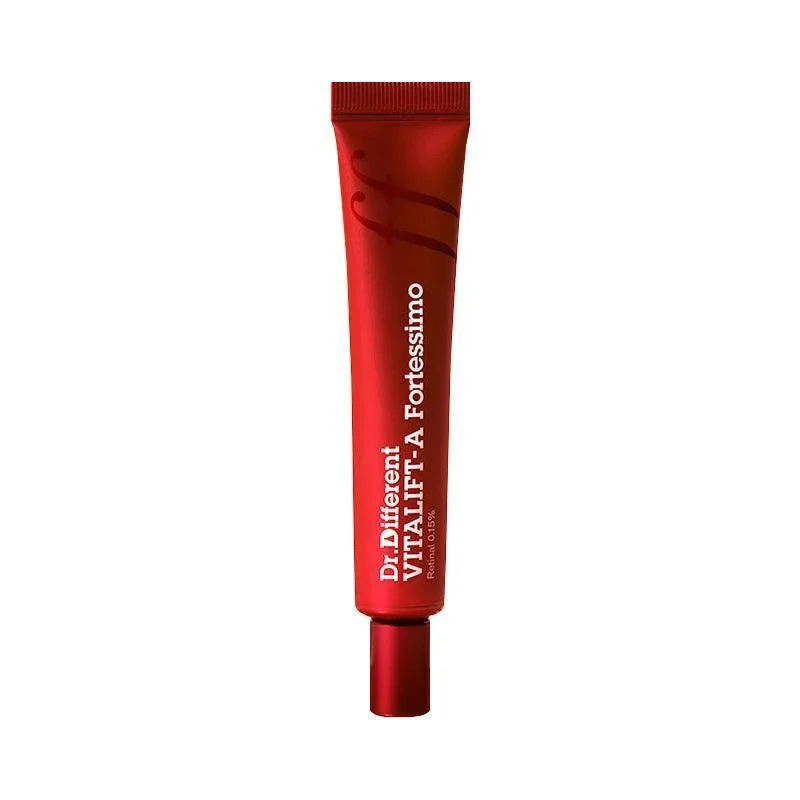
Dr.Different is a particularly good Korean example because the company does not just talk about a vague “retinoid complex.” Its strongest retinal cream contains a clearly disclosed 0.15% retinal, stabilized with lipid based technology.
The company behind Dr.Different, Dareun Cosmetics, also holds a Korean patent for a retinal containing multilamellar vesicle designed to keep retinal stable and deliver it efficiently into the skin.
And this patent is unusually interesting when you compare it with the actual ingredient list. The patented vesicle uses lipids including rapeseed sterol, cholesterol, hydrogenated lecithin, ceramide and polyglyceryl 10 oleate, all of which also appear in the finished cream. That makes the liposome story much more concrete than simply seeing the word “encapsulated” on a product page.
Dr.Different VitaLift-A Fortessimo
Where to buy
The main attraction here is the 0.15% retinal concentration, aimed at wrinkles, loss of firmness and uneven skin texture. Retinal requires one fewer conversion step than retinol before becoming retinoic acid in the skin, which is one reason it has become such an interesting cosmetic retinoid. The formula also contains retinol and retinyl palmitate, but the clearly disclosed 0.15% refers specifically to retinal.
Formula notes
Best for: wrinkles, firmness, uneven texture, advanced retinoid care
Main retinoids: 0.15% retinal, retinol, retinyl palmitate
Alcohol Denat. / ethanol: No
Essential oils: No
Fragrance: No
Fungal acne safe: No
4. Recombinant Human Identical Growth Factors
Growth factors sound complicated, but EGF (epidermal growth factor / sh-Oligopeptide-1) is basically a messenger protein naturally found in the body. It sends signals involved in skin cell growth and repair. Recombinant EGF means scientists make the protein in the laboratory using genetically engineered cells, creating a version designed to match human EGF.
The challenge is that EGF is a large, delicate protein, so it is difficult to deliver through the skin without it breaking down. In a 2024 study, putting recombinant EGF into flexible lipid carriers improved its skin delivery and helped release it gradually over 24 hours.
So here again, the interesting part is not necessarily discovering a new active. It is taking a biologically active protein and finding a better way to keep it stable and get it where it needs to go.
Easydew and DW-EGF
Easydew is a particularly interesting Korean example because its DW-EGF is recombinant human EGF with roots in Daewoong Pharmaceutical's pharmaceutical EGF research, rather than a newly created cosmetic peptide. Daewoong has worked with recombinant EGF since the 1990s and launched an rhEGF pharmaceutical in 2001.
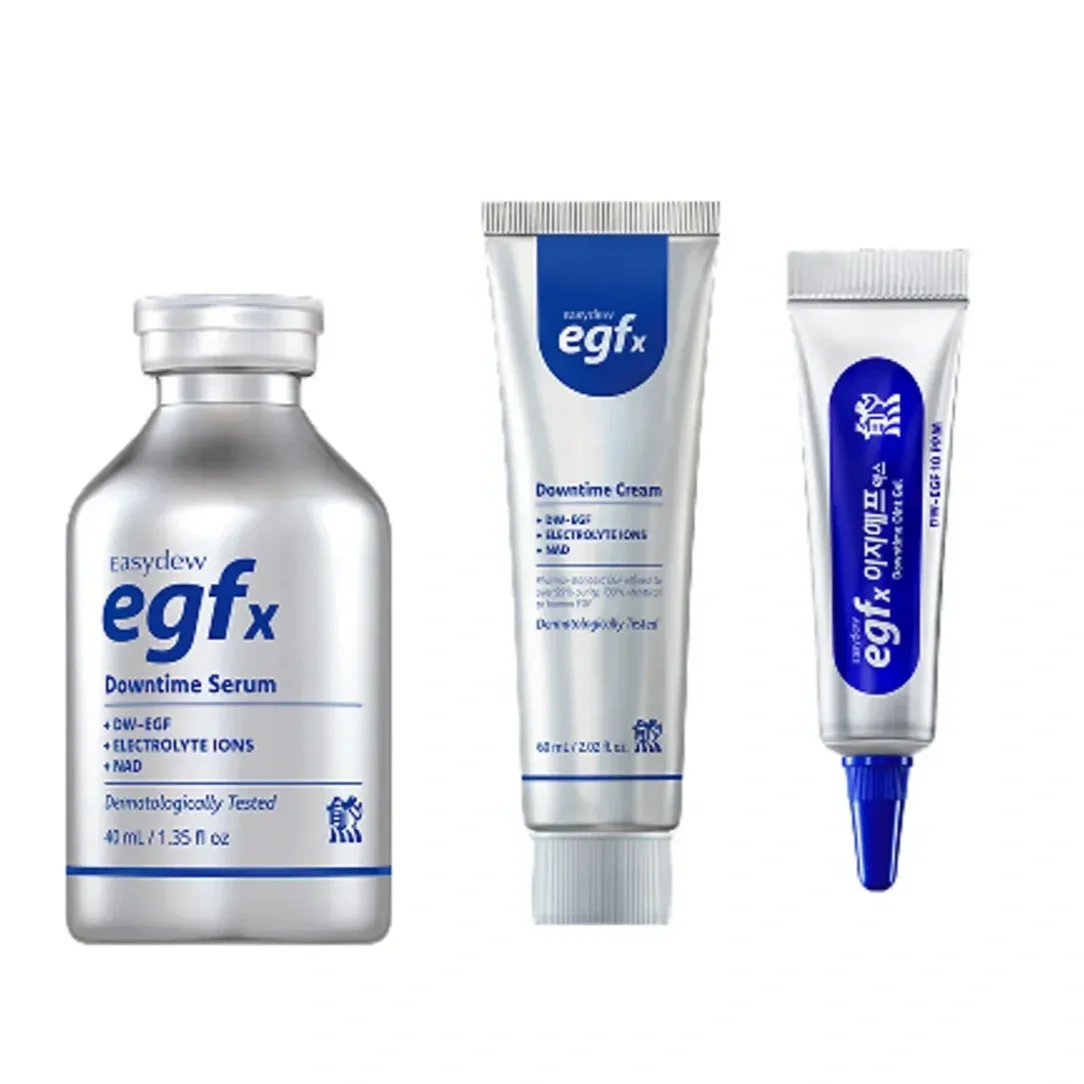
Easydew EGFx Downtime
Where to buy
This is where Easydew makes the technology especially relevant to skincare. The EGFx Downtime range was developed specifically for skin after dermatological procedures or other situations that leave the barrier irritated and stressed. In fact, “downtime” refers to that recovery period when skin may be red, sensitive and more vulnerable after professional treatments. Easydew describes the line as combining its human-identical DW-EGF with barrier and soothing support. The range launched in March 2026.
The core products are easy to understand:
EGFx Downtime Serum is the lighter, concentrated step for soothing and barrier support after procedures.
EGFx Downtime Cream adds richer moisturization and barrier care when skin feels dry or compromised.
EGFx Downtime Oint Gel is the most concentrated EGF product of the three, with 10 ppm sh-Oligopeptide-1, and is designed more as an intensive SOS step for particularly stressed areas after professional skin treatments.
Formula note: All three contain ethanol. In the Cream and Oint Gel, it appears near the end of the ingredient list, while in the Serum it appears higher up, so the Serum may be less suitable for very sensitive or freshly treated skin. The Serum and Oint Gel have no listed fragrance or essential oils, while the Cream contains several essential oils. Unfortunately, none of the three are fungal acne safe.
They are also sold together as an EGFx Downtime three-product set, so the concept is really a small post-procedure routine rather than a single hero serum. Easydew’s current Downtime family has expanded further into masks, sunscreen and BB cream, but I think these three are the most relevant products.
6. Brand Developed Bioactive Molecules
Some Korean skincare companies are going beyond familiar ingredients like niacinamide or vitamin C and developing their own bioactive molecules or ingredient systems, often around a specific biological target.
That can sound impressive, but a trademarked name alone does not make an ingredient better. What matters is what the molecule actually targets and whether there is research behind it.
A good example is AP BEAUTY’s Flavonoid 228K™. Flavonoids are naturally occurring plant compounds, many of which are studied for antioxidant and other biological effects in the skin. Despite the name, Flavonoid 228K™ is not one newly invented flavonoid. It is a three-part complex combining 228K Plant extract, RE.D Flavonoid™ and Black Yeast Booster, the latter made using what the brand calls “diamond fermentation.”
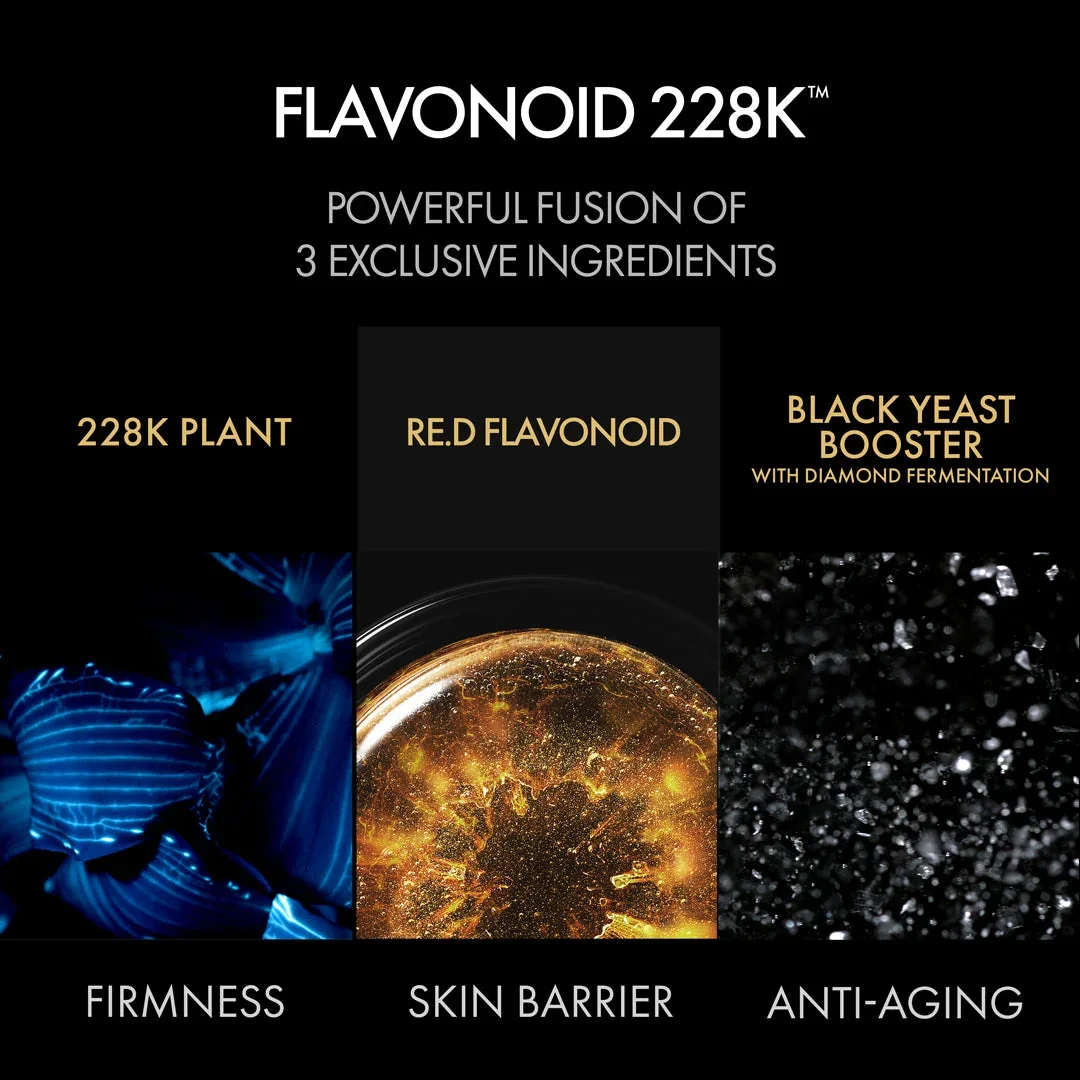
The most interesting part is RE.D Flavonoid™, made from camellia seeds and rich in kaempferol compounds. Researchers at Amorepacific studied these compounds for their effect on PDK1, an enzyme involved in how skin cells respond to aging and stress. In a 2022 study, they found that the compounds reduced signs of cellular senescence, meaning the build-up of older, poorly functioning cells. They also saw improvements in collagen-related processes, with the research including lab models as well as a small human study.
So this is quite different from simply launching another serum with a familiar active at a higher percentage. The brand has developed its own ingredient system around a specific aging-related biological pathway.
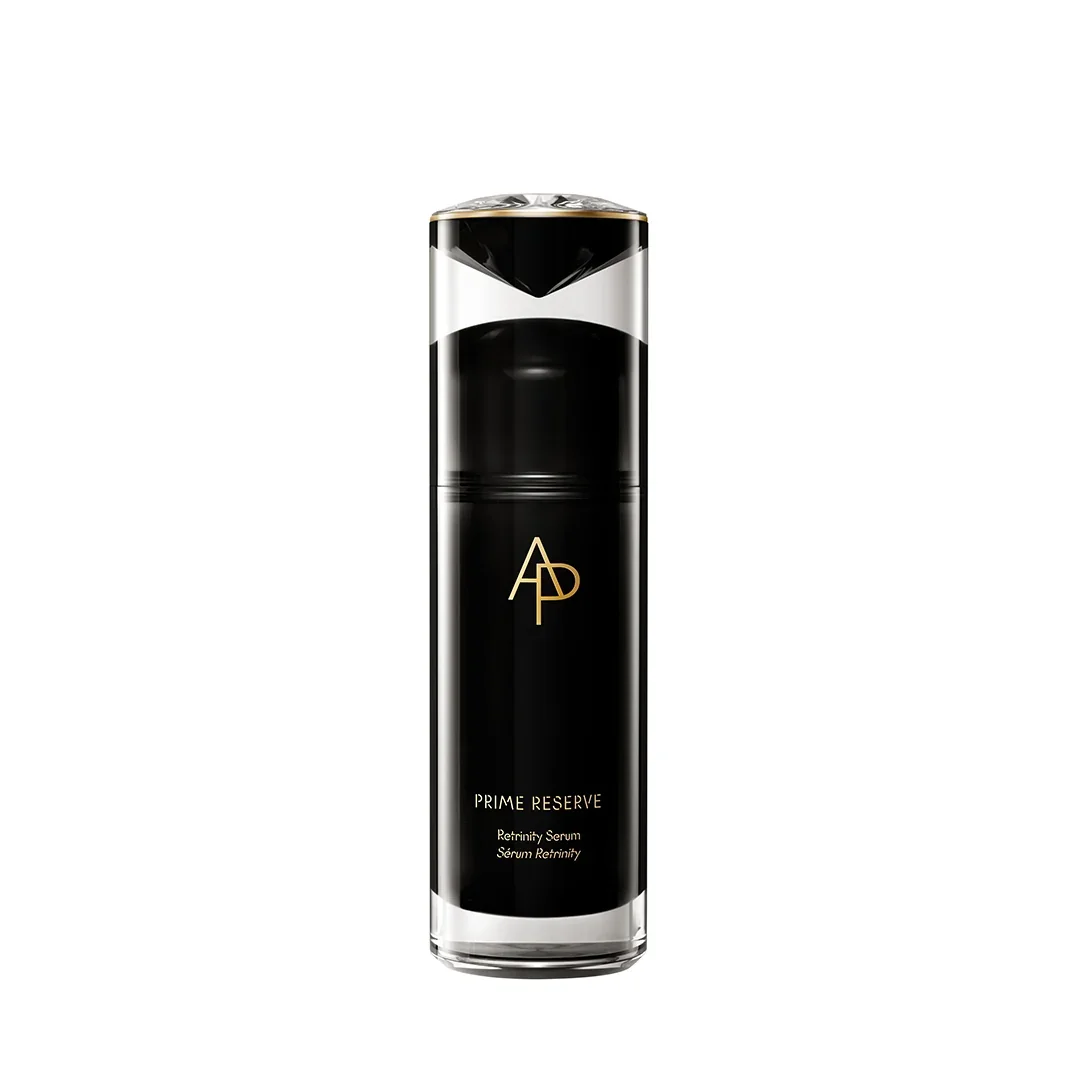
AP BEAUTY PRIME RESERVE Retrinity Serum
Where to buy
This is the main serum built around Flavonoid 228K™, with AP BEAUTY describing it as a high-concentration formula for firmness, smoother texture, wrinkles and skin clarity. The brand also reports that the active-containing formula remained in the skin barrier for more than four hours after application, based on instrumental and tape-stripping testing in 32 women.
But unfortunately, there is one obvious downside: the price. The 30 mL serum currently sells for $600 in the US, so this is very firmly in luxury clinical skincare territory.
Formula notes
Best for: firmness, wrinkles, uneven texture, dullness
Fragrance: Yes
Essential oils: No
Alcohol: Yes, listed around the middle of the INCI
Fungal acne safe: No
Is it worth $600? This is definitely a splurge, but the technology behind it is more substantial than the usual luxury skincare story. There is real research behind the key flavonoid technology, and the finished formula is unusually sophisticated. I would see it as a luxury option for someone who wants advanced anti-aging skincare and is comfortable paying for the R&D behind it.
7. Peptide and Protein Engineering
Peptides in skincare are getting much more specific. Instead of simply advertising “9 peptides” or “a peptide complex,” researchers can now modify a peptide or protein to solve a particular problem, such as poor stability or difficulty getting through the skin. They might change the amino acid sequence, add a lipid part, or attach a separate peptide that acts almost like a delivery tag. Recent cosmetic peptide research is increasingly using this kind of deliberate molecular design.
AROCELL and Skin Permeable Botulinum Derived Protein
AROCELL’s Botulcare technology is probably the most unusual example in this article. (Personal note: this one is my favourite.) Its key ingredient has the rather terrifying INCI name Methionyl r-Clostridium Botulinum Polypeptide-1 Hexapeptide-40, but the basic idea is surprisingly easy to understand.
This is not the full botulinum toxin used for injections. Researchers took a botulinum-derived active protein region and attached it to a specially designed cell-penetrating peptide. In simple terms, they gave the larger protein its own delivery part to help it cross skin and cell barriers. The underlying technology is covered by an international patent for a cell-penetrating peptide fused with a botulinum toxin light-chain-derived protein.
Why is that interesting?
Injected botulinum toxin is placed close to the nerve endings where it needs to work. A topical version has a much harder journey: it first has to cross the skin, travel far enough into the tissue and then enter the relevant cells. The engineered delivery peptide is designed to help with exactly that problem.
The ingredient developer, BPMed, has also published laboratory testing of the engineered protein. In these experiments, it entered lab-grown human nerve-cell models and was still able to break down SNAP-25, a protein nerve cells need to send the signal that makes muscles contract.
In simple terms, the engineering did not just help the protein get into the cell; the botulinum-derived part still appeared to remain active once it got there.
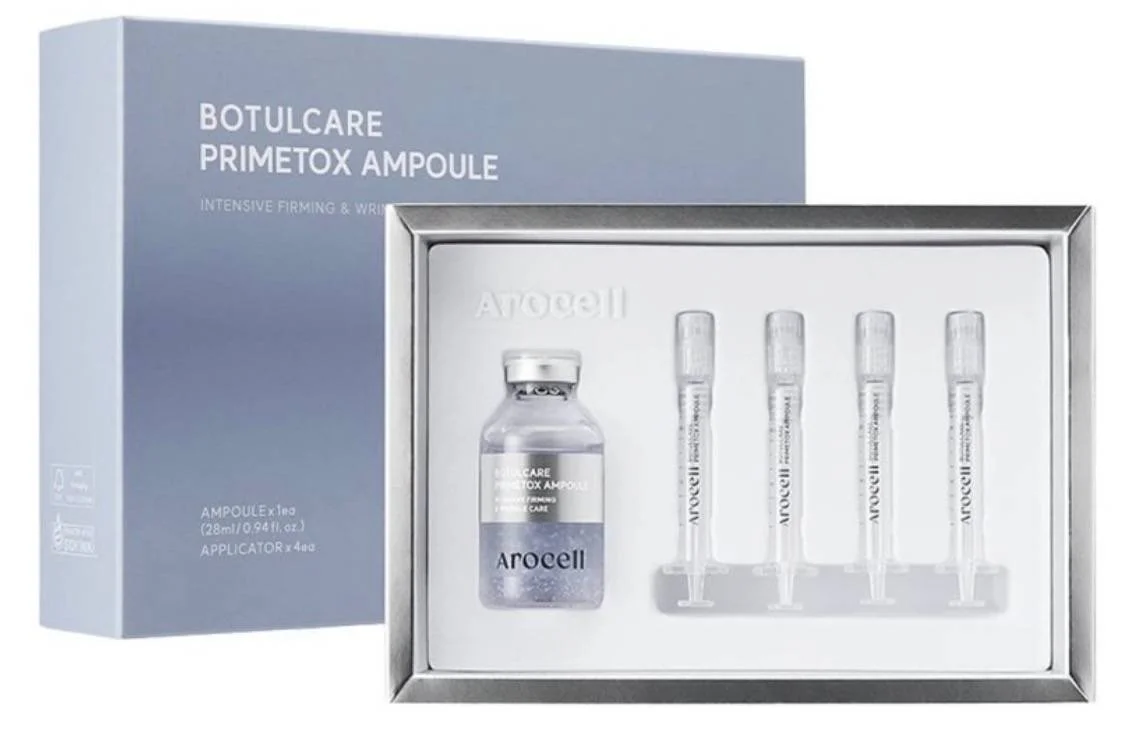
AROCELL Botulcare PrimeTox Ampoule
Where to buy
The PrimeTox Ampoule is the current product I would use to show this technology. It is part of AROCELL’s Botulcare anti-wrinkle line and contains the engineered botulinum-derived protein together with niacinamide, adenosine, bakuchiol and a long list of other peptides, including copper tripeptide-1 and acetyl hexapeptide-8. AROCELL also sells PrimeTox as part of a 28-day wrinkle-care program.
Formula notes
Best for: expression lines, wrinkles, loss of firmness
Alcohol Denat. / ethanol: No
Fragrance: No
Essential oils: No
Fungal acne safe: No
8. Cell Longevity and Senescence Biology
This last one is not really mainstream skincare yet, but it is the direction I am watching most closely.
One of the most interesting launches at in-cosmetics Korea 2026 was LABIO’s BIO-Placenta target, which won the new K-Innovative Ingredient Award. Despite the name, there is actually no placenta in it. The system combines five recombinant growth factors with ingredients including NMN and carnosine, all inside a lipid-based carrier.
But the really new part is the target: senescent cells, sometimes called “zombie cells.” These are older, dysfunctional cells that stop dividing but remain in the tissue and can release inflammatory signals that affect the cells around them. Their accumulation is now an active area of skin-aging research, including the development of senolytics, compounds designed to selectively remove senescent cells. A 2026 dermatology review discusses this emerging approach in detail.
LABIO’s concept is essentially a two-step strategy:
reduce the burden of senescent cells → then support healthier cells with regenerative growth-factor signals
The company describes BIO-Placenta target as combining these senolytic and regenerative approaches in one system. It has already been tested in laboratory skin-cell models and in a 3% test cream, although this is still company-generated evidence rather than an established finished skincare technology.
At the moment, BIO-Placenta target is being offered as an ingredient for cosmetic formulators, rather than a finished product I can recommend. But I am genuinely curious to see where this goes. If the next wave of Korean clinical skincare moves beyond simply stimulating collagen and starts targeting cellular aging itself, this may be an early sign of what is coming next.
What Comes Next for Clinical Grade Korean Skincare?
After looking at all of these technologies, I think the most interesting change is clear: Korean skincare innovation is becoming less about finding the next trendy ingredient and more about what scientists can do with the ingredients we already have. How can retinoids be kept stable? Can growth factors be protected long enough to reach the skin? Can spicules carry an active instead of simply creating tiny pathways? Can peptides and proteins be engineered to reach a specific target?
But none of this means that a complicated formula is automatically better. Some of the best skincare is actually very simple. A well-formulated moisturizer, sunscreen or serum with familiar ingredients can be exactly what your skin needs, without patented molecules or advanced delivery systems.
For me, the fundamentals still come first: a good overall formula, useful ingredients at appropriate concentrations, as few unnecessary irritants as possible, and claims that actually make sense. New technologies are exciting, but they should never distract us from reading the ingredient list and staying sceptical of marketing language.
That is also why I find this new generation of Korean clinical skincare so interesting. Not because “clinical grade” automatically means better, but because when the research, formulation and testing genuinely support the technology, there is much more to explore than another trending ingredient.
Frequently Asked Questions
Can clinical grade Korean skincare be too strong for sensitive skin?
Yes. Advanced delivery does not automatically mean gentler delivery. Retinoids, spicules, acids and highly active formulas can still irritate sensitive or compromised skin. If your skin is reactive, the full ingredient list and irritation potential matter more than how advanced the technology sounds.
Can I use several of these advanced products in the same routine?
You can, but I would not build a routine around collecting as many technologies as possible. A stabilized retinal, spicule serum and strong brightening ampoule may each be interesting on their own, but combining everything at once can increase irritation without necessarily improving results. Choose products based on your skin concerns first, then the technology.
Do active loaded spicules hurt?
They can cause a tingling, prickling or slightly rough sensation, depending on the type and amount of spicules in the formula. That sensation does not mean the product is working better, and stronger tingling is not something you need to chase.
Are growth factor skincare products safe to use at home?
Cosmetic growth factor products such as recombinant EGF are designed for topical use, but they are not the same as prescription wound-healing products or injected growth factors. I would pay particular attention to the concentration, delivery system, intended use and the rest of the formula, especially when using them after procedures.
Do I need expensive clinical skincare to get good anti-aging results?
No. Sunscreen, retinoids, moisturization and well-chosen actives can already do a lot. More expensive clinical skincare becomes interesting when you specifically want a patented delivery system, unusual bioactive technology or a formula that is difficult to find elsewhere.
How can I tell whether an impressive skincare technology is real or just marketing?
Look beyond the trademarked name. Check whether the brand explains what the technology actually is, what ingredient it contains, how much is used when relevant, what problem it is supposed to solve, and whether there are patents, published studies or properly described human tests behind the claims.
Should I choose the newest technology or the most proven ingredient?
Usually, start with what your skin actually needs. A newer delivery system can make an established ingredient more interesting, but newer does not automatically mean better. For most people, the strongest combination is a proven active in a well-formulated product that their skin can tolerate consistently.
Want to Keep Exploring?
If you want to learn more, you can explore my other guides on skincare ingredients, Korean skincare products and specific skin concerns.
If you are not sure where to start, take my Skin Type Quiz to better understand what your skin may need.
Or, if you would like a routine built specifically around your skin, you can book a personalized consultation with me, and I will create a Korean skincare routine based on your skin type, concerns, current products and tolerance.



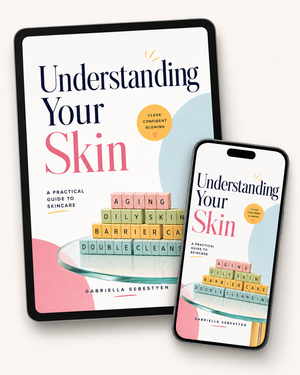
Understanding Your Skin
A Practical Guide to Skincare
I wrote Understanding Your Skin to help you build an effective skincare routine with confidence. This illustrated guide explains skin types, ingredients, and routines in a practical, evidence-based way that's easy to understand and apply.
- Written by a physician
- 120-page illustrated guide
- Evidence-based skincare guidance
- Sample routines & product recommendations

Face oils are a simple way to give your skin a little extra softness and comfort when it needs it. Here’s how to choose the right one, plus six thoughtful picks for different skin needs.