
Adult acne can persist, return, or appear for the first time well into your 30s and 40s. The basic acne mechanisms are still the same, but your skin may no longer be as oily or resilient as it was during your teenage years.
That is why adult acne often needs a slightly different skincare strategy. Instead of focusing only on oil control and stronger acne products, the goal is to keep follicles clear, reduce inflammation and prevent new breakouts while maintaining enough hydration and barrier support for long-term use.
In this guide, I’ll explain why adult acne happens, how it differs from teenage acne, and which Korean skincare products and ingredients make the most sense for acne-prone adult skin, from gentle cleansers and retinoids to azelaic acid and moisturizers.
Key Takeaways
✓ Adult acne is still acne vulgaris, driven by follicular plugging, sebaceous activity, androgen responsiveness and inflammation rather than a completely different disease
✓ Adult acne is not always hormonal acne, and many adults with acne have normal circulating androgen levels
✓ Adult acne can occur even when your skin is normal, dehydrated or relatively dry so aggressively removing oil is not always the right approach
✓ Retinoids and azelaic acid are two of the most useful long-term skincare ingredients, helping address clogged follicles, inflammation and post-acne marks
✓ A simple, consistent routine usually makes more sense than stacking acne products, with gentle cleansing, effective actives, adequate moisturizer and daily sunscreen
In This Article
Some links are affiliate links. If you choose to purchase through them, it helps support my work at no extra cost to you.
What Is Adult Acne?
Adult acne is acne that persists, returns, or appears for the first time after adolescence, commonly after the age of 25. It is still acne vulgaris, not a completely separate skin condition. The same core processes are involved: the follicle becomes plugged, sebum collects inside it, Cutibacterium acnes interacts with the follicular environment, and inflammation develops.
Adult acne is usually described in three patterns:
Persistent adult acne starts during adolescence and continues into adulthood
Recurrent adult acne improves or disappears after adolescence but later returns
Late-onset adult acne appears for the first time in adulthood
What changes with age is not necessarily the basic acne mechanism, but the environment around it. Adult skin may produce less overall sebum, yet individual pilosebaceous follicles can still remain acne-prone. This is why someone in their late 30s or 40s can have relatively dry or dehydrated skin and still develop clogged pores and inflammatory breakouts.
At the follicular level, acne still involves abnormal keratinization, sebaceous gland activity and inflammation. Changes in sebum composition and the way the immune system responds to C. acnes also appear to matter. C. acnes itself is not simply an “acne bacteria” that needs to be eliminated; it normally lives on healthy skin too. Acne is more closely linked to changes in the follicular environment, microbial balance and inflammatory response than to simply having too much bacteria.
So adult acne is not a completely different disease from teenage acne. It is the same acne machinery continuing, returning or becoming active later in life. What becomes more complicated in adulthood is understanding why that machinery is still being triggered.
Why Do Adults Still Get Acne in Their 30s and 40s?
Adult acne usually develops from a combination of genetic susceptibility, androgen responsiveness, follicular plugging, sebaceous activity and inflammation. Hormones matter, but adult acne should not automatically be interpreted as a hormonal imbalance.
Genetics appears to be one of the strongest underlying factors. In a large twin study of adult women, around 81% of the variation in acne susceptibility was attributed to genetic factors, which helps explain why some people remain acne-prone long after adolescence.
Androgen signaling is another major part of acne biology because androgens influence sebaceous gland activity and sebum production. But many adult women with acne do not have abnormally high testosterone. Their sebaceous glands may simply remain more responsive to normal androgen levels, and local androgen metabolism in the skin may also play a role.
This is why “adult acne is hormonal acne” is too simplistic. Conditions such as PCOS can clearly contribute in some women, especially when acne appears together with irregular periods, increased facial or body hair, or androgen-related hair loss, but they explain only a subset of cases.
Hormonal transitions such as perimenopause may also influence acne by changing the relative balance between estrogen and androgen signaling, but they do not explain every new breakout in the late 30s or 40s. Other factors such as high-glycemic diets, stress, sleep disruption, cosmetics, friction and sweating are better thought of as possible aggravating factors rather than universal root causes. The overall causes of adult acne are still not completely understood.
How Is Adult Acne Different From Teenage Acne?
Adult acne is not fundamentally different from teenage acne at the level of the acne lesion, but its clinical pattern and the skin surrounding it can be quite different. Adult acne is often more persistent, may occur without pronounced oiliness, and frequently has to be managed alongside concerns such as dehydration, post-acne pigmentation and age-related skin changes.
| Adult acne | Adolescent acne | |
|---|---|---|
| Course | Often persistent or recurrent | Often improves after adolescence |
| Sebum | Can occur with oily, combination, normal or relatively dry skin | High sebum production is very common |
| Lesions | Often mild–moderate and persistent; inflammatory or mixed patterns are common | Frequently a mixture of comedones and inflammatory lesions |
| Distribution | May involve the lower face, but often affects multiple facial areas | Forehead, nose and cheeks are common; trunk involvement may also occur |
| Hormonal context | Androgen responsiveness can persist despite normal circulating hormones | Pubertal androgen increase is a major trigger |
| Other skin concerns | Dehydration, irritation and post-acne pigmentation may coexist | Usually fewer age-related skincare concerns |
The classic image of adult acne is a few stubborn inflammatory breakouts around the chin and jawline. That pattern is common, especially in women, but adult acne can also appear on the cheeks, forehead and temples. In one study of 374 women over 25, almost 90% had acne across several areas of the face rather than only along the jawline.
Another difference is that adult acne does not always come with the very oily, heavily congested skin we associate with teenage acne. You may have normal, combination or even relatively dry skin and still keep getting breakouts, because individual follicles can remain acne-prone even as overall sebum production changes with age.
The hormonal background is different too. Teenage acne is strongly tied to the androgen surge of puberty. In adults, there is usually no second puberty-like surge. Instead, some follicles may simply remain more responsive to androgen signaling, even when circulating hormone levels are normal.
Adult acne is also often less dramatic but more persistent. Rather than one major acne phase, it can be mild to moderate but recurrent: a few inflamed spots clear, then another few appear weeks later.
That difference matters for skincare. Adult acne still needs effective acne actives, but the goal is not to strip away as much oil as possible. The routine has to control breakouts while still working with adult skin that may also be dehydrated, pigmented or using retinoids.
Does Adult Acne Need a Different Skincare Approach?
Not completely. Adult acne involves the same basic acne mechanisms as teenage acne, but the skincare strategy often needs more emphasis on long-term prevention, tolerability and barrier support rather than simply removing as much oil as possible.
The core goals are still familiar: prevent clogged follicles, reduce inflammation and keep new lesions from forming. Retinoids, benzoyl peroxide and azelaic acid remain among the evidence-based topical options used for acne. What changes is how they fit into the rest of the routine.
A teenager with very oily, resilient skin may tolerate a strong foaming cleanser and several acne treatments quite comfortably. At 35 or 45, you may be dealing with acne alongside dehydration, dryness, post-acne marks or early signs of photoaging. Adult-acne literature also highlights dryness and irritation as important practical limitations of some acne therapies, particularly benzoyl peroxide at higher concentrations. Barrier tolerance therefore becomes an important part of the strategy.
For skincare, I would focus on four things:
Cleanse without stripping. Your cleanser does not need to be another acne treatment.
Use one main acne active consistently.Retinoids are especially useful for preventing microcomedones, while azelaic acid can address both acne and post-acne pigmentation.
Keep the skin well moisturized. Acne-prone skin does not automatically need an oil-free gel; the moisturizer should match your actual skin type.
Add stronger or extra actives only when there is a reason. Benzoyl peroxide can be useful for inflammatory breakouts, but more acids, clay masks and “deep cleansing” do not automatically mean better acne control.
This is why adult acne skincare should not simply copy a teenage oil-control routine. The goal is to control follicular clogging and inflammation without unnecessarily stripping adult skin.
And if acne suddenly becomes severe, starts scarring, or looks different from your usual breakouts, skincare alone may not be the right answer. Rosacea, perioral dermatitis, folliculitis and acneiform eruptions can sometimes resemble acne in adults.
What Should an Adult Acne Skincare Routine Focus On?
A good adult acne routine does not need many products. The goal is to choose a few effective steps that help control breakouts while keeping your skin comfortable enough to tolerate them consistently.
A simple routine can focus on:
Gentle cleansing without leaving your skin tight or stripped
A retinoid to help prevent clogged follicles and support long-term acne control
Azelaic acid for breakouts, inflammation and post-acne marks
A moisturizer that suits your skin type, especially when you are using active ingredients
Daily sunscreen in a texture you actually enjoy wearing
You also do not need to introduce every active at once. Start with the basics and build around what your skin actually needs. If your skin is already doing well with a retinoid, for example, there is no reason to add three different exfoliating acids simply because they are marketed for acne.
Strong acne cleansers, frequent clay masks, alcohol-heavy oil-control products and layers of exfoliating treatments are rarely necessary just because you still get breakouts as an adult.
What Type of Cleanser Is Best for Adult Acne?
The cleanser does not need to treat your acne. Its main job is to remove sunscreen, makeup, excess sebum and daily buildup without leaving your skin tight or stripped.
For adult acne, I would usually look for a mild surfactant system and enough humectants to keep cleansing comfortable. Ingredients such as glycerin, betaine and panthenol are useful additions, while strong soap-based foams and heavily fragranced “deep cleansing” formulas are usually unnecessary.
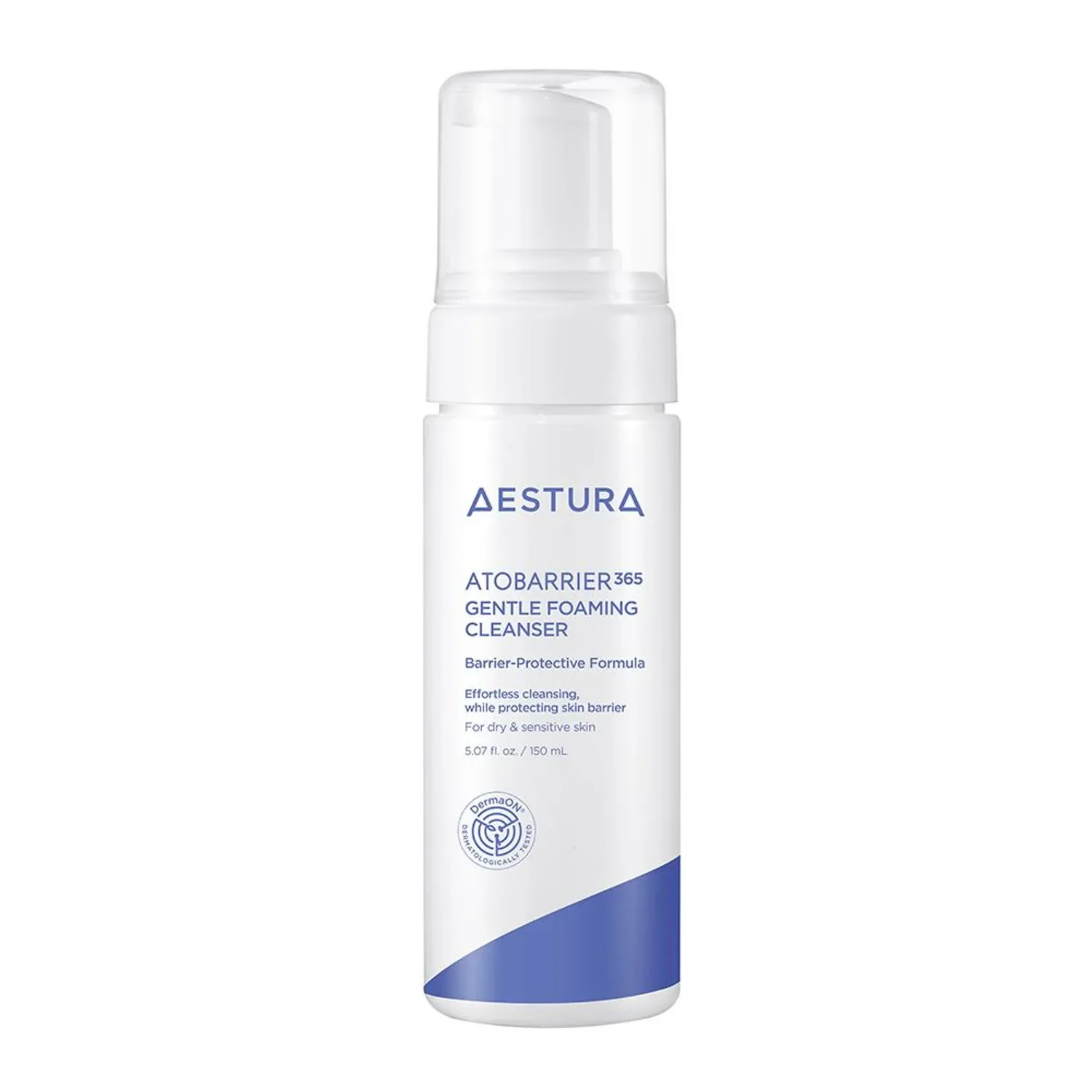
AESTURA Atobarrier 365 Foaming Cleanser
Where to buy
This is a gentle foaming cleanser built around mild glucoside, amphoteric and amino-acid surfactants rather than a traditional soap base. Glycerin, sorbitol, propanediol, betaine and panthenol give it a more hydrating feel, while ceramide NP, cholesterol and other lipids are nice supportive extras.
I especially like it if you want a cleanser that still foams properly but does not feel like a typical oil-stripping acne wash.
Key ingredients: Glycerin, sorbitol, betaine, panthenol, ceramide NP, cholesterol
Best for: Normal, combination, dehydrated or drier acne-prone skin
Essential oils: No
Fragrance: No
JUMISO Waterfull Hyaluronic Acid Cleansing Foam
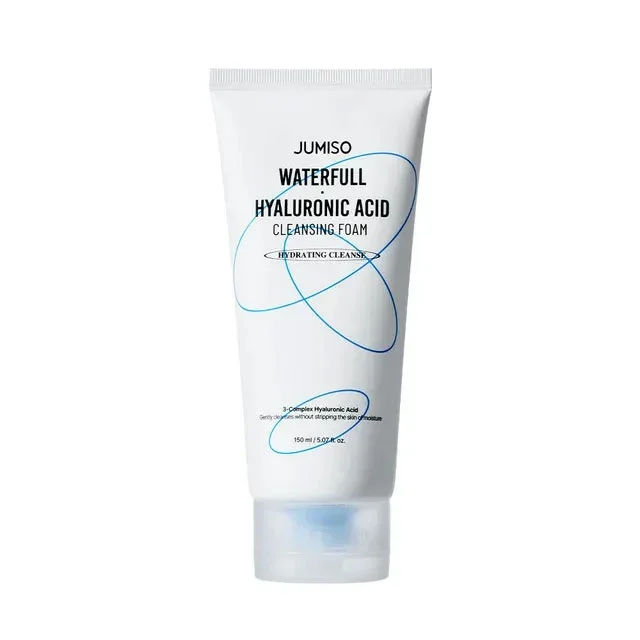
JUMISO uses a mild cleansing system based on sodium cocoyl glycinate, sodium lauroyl glutamate, lauryl betaine and decyl glucoside. Glycerin is the first ingredient, followed by several other humectants, so it is another good option if your skin tends to feel dry after cleansing.
It also contains a small amount of LHA, but because this is a rinse-off product and the ingredient appears quite low in the formula, I would not treat it as your exfoliating or acne-treatment step. The shea butter and olive oil are also present low in the formula and are not a reason to avoid it simply because you have acne-prone skin.
Key ingredients: Glycerin, betaine, panthenol, hyaluronic acid, ceramide NP, LHA
Best for: Normal, combination, dehydrated or slightly dry acne-prone skin
Essential oils: No
Fragrance: No
Which Retinoid Is Best for Adult Acne Skincare?
Retinoids are one of the most useful long-term ingredients for acne-prone adult skin because they help prevent the follicular plugging that leads to new breakouts. Prescription retinoids such as adapalene and tretinoin have much stronger direct evidence for acne and are strongly recommended in current acne guidelines. However, in Korea, adapalene 0.1% products such as Differin are classified as prescription medicines rather than regular OTC skincare.
If you are choosing from cosmetic skincare, I would look mainly at retinal and retinol. Retinol has to convert to retinal and then retinoic acid in the skin, while retinal is already one step closer:
retinol → retinal → retinoic acid
That makes retinal particularly interesting, but there is no reliable rule saying that a certain percentage of retinal equals a specific percentage of retinol. Concentration, formulation and stability all matter.
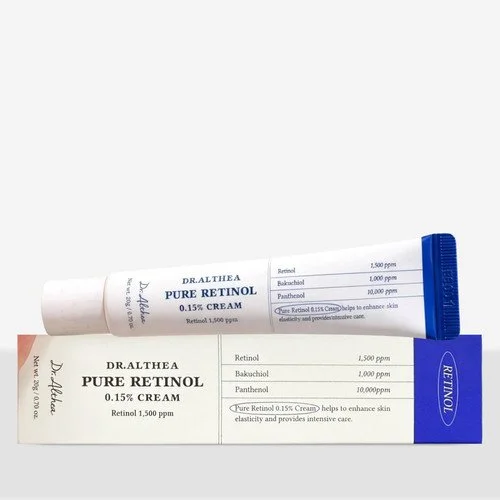
Dr. Althea Pure Retinol 0.15% Cream
Where to buy
If you are new to retinoids, 0.15% retinol is a much more approachable starting point. The formula also includes glycerin, panthenol, betaine, ceramide NP, cholesterol and madecassoside, which makes sense when your goal is to use a retinoid consistently without making the rest of your routine unnecessarily harsh.
It is also a nice option if acne is only one of your concerns and you are equally interested in texture, pigmentation and early signs of skin aging.
Key actives: 0.15% retinol, bakuchiol, panthenol, madecassoside, ceramide NP
Best for: Retinoid beginners, normal to dry or dehydrated acne-prone skin
Essential oils: No
Fragrance: No
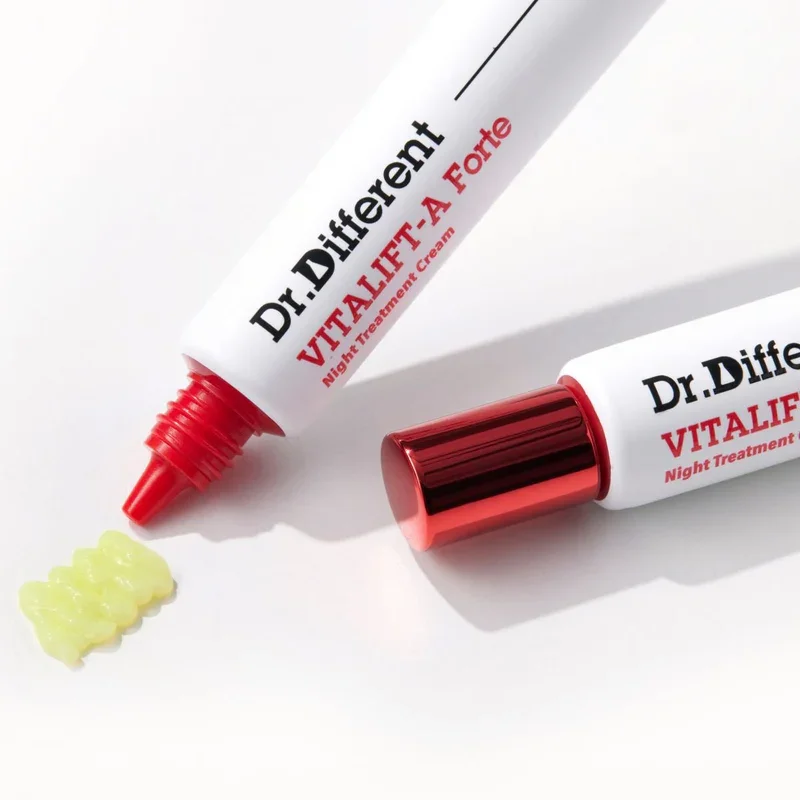
Dr.Different VITALIFT-A Forte Night Treatment Cream
Where to buy
For someone already comfortable with retinoids, Dr.Different is my strongest straightforward retinal pick here because it contains a clearly disclosed 0.1% retinal. It pairs that with squalane, safflower oil, cholesterol, ceramide NP and hydrogenated lecithin in a rich cream base.
I particularly like this for adult skin because you get a meaningful retinal concentration without adding exfoliating acids or other aggressive acne actives into the same product. The main consideration is texture: the formula is quite emollient, so very oily skin may simply prefer something lighter.
Key actives: 0.1% retinal, ceramide NP, cholesterol, squalane, adenosine
Best for: Experienced retinoid users, normal, combination-dehydrated or dry acne-prone skin
Essential oils: No
Fragrance: No
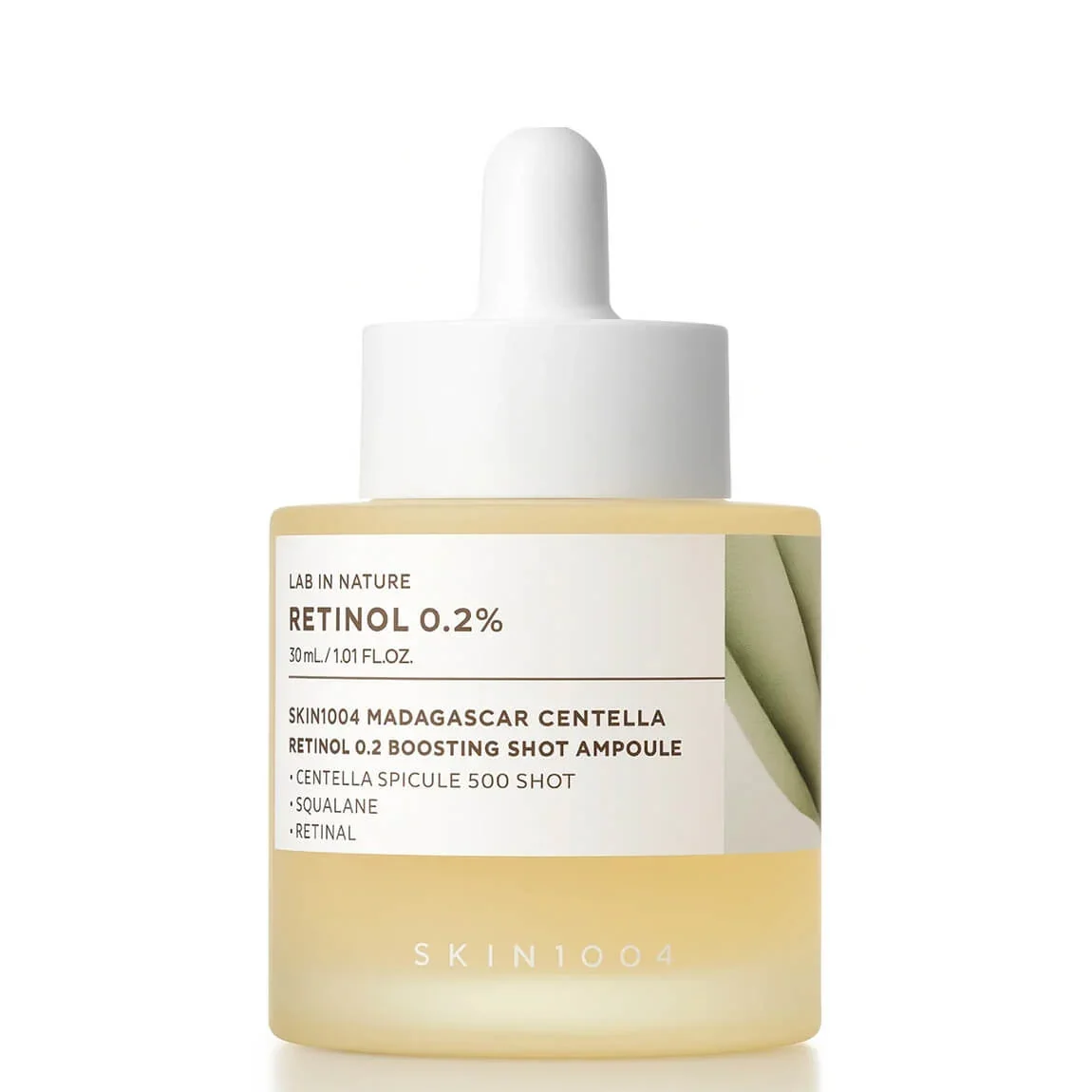
SKIN1004 Madagascar Centella Retinol 0.2 Boosting Shot Ampoule
Where to buy
This is the more intensive option. It contains 0.2% retinol plus retinal, although the amount of retinal is not disclosed. It also uses hydrolyzed sponge spicules, microscopic needle-like structures designed to enhance ingredient delivery. The brand recommends beginning only a few times per week while your skin adjusts. The official formula combines 0.2% retinol, retinal, squalane, panthenol, Centella and spicules.
I would choose this if your skin already handles retinoids well and you want something more intensive for breakouts, texture and signs of skin aging. The spicules are not necessary for acne itself, but they are not a reason to avoid the product if your skin is resilient and you tolerate this type of formula comfortably.
Key actives: 0.2% retinol, retinal, spicules, squalane, panthenol, madecassoside
Best for: Experienced retinoid users with resilient, normal to combination acne-prone skin
Essential oils: No
Fragrance: No
Whichever option you choose, start slowly rather than trying to use a retinoid every night immediately. Consistent use that your skin tolerates is much more useful than repeatedly irritating your skin and having to stop.
Is Azelaic Acid Good for Adult Acne?
Yes. Azelaic acid is especially useful for adult acne because it can target both breakouts and the marks they leave behind. It helps reduce inflammation, supports more normal follicular keratinization and can improve post-inflammatory hyperpigmentation, making it a practical choice if you are dealing with acne and uneven tone at the same time.
Most of the stronger clinical acne evidence comes from 15–20% azelaic acid. For example, 15% azelaic acid has been shown to reduce inflammatory acne lesions and work as long-term maintenance, while 20% formulations also have established evidence for both inflammatory and comedonal acne. Cosmetic 10% formulas are less studied, but they are a useful OTC option if you want something easier to incorporate into a regular skincare routine.
SKIN1004 Azelaic Acid 10 Ampoule
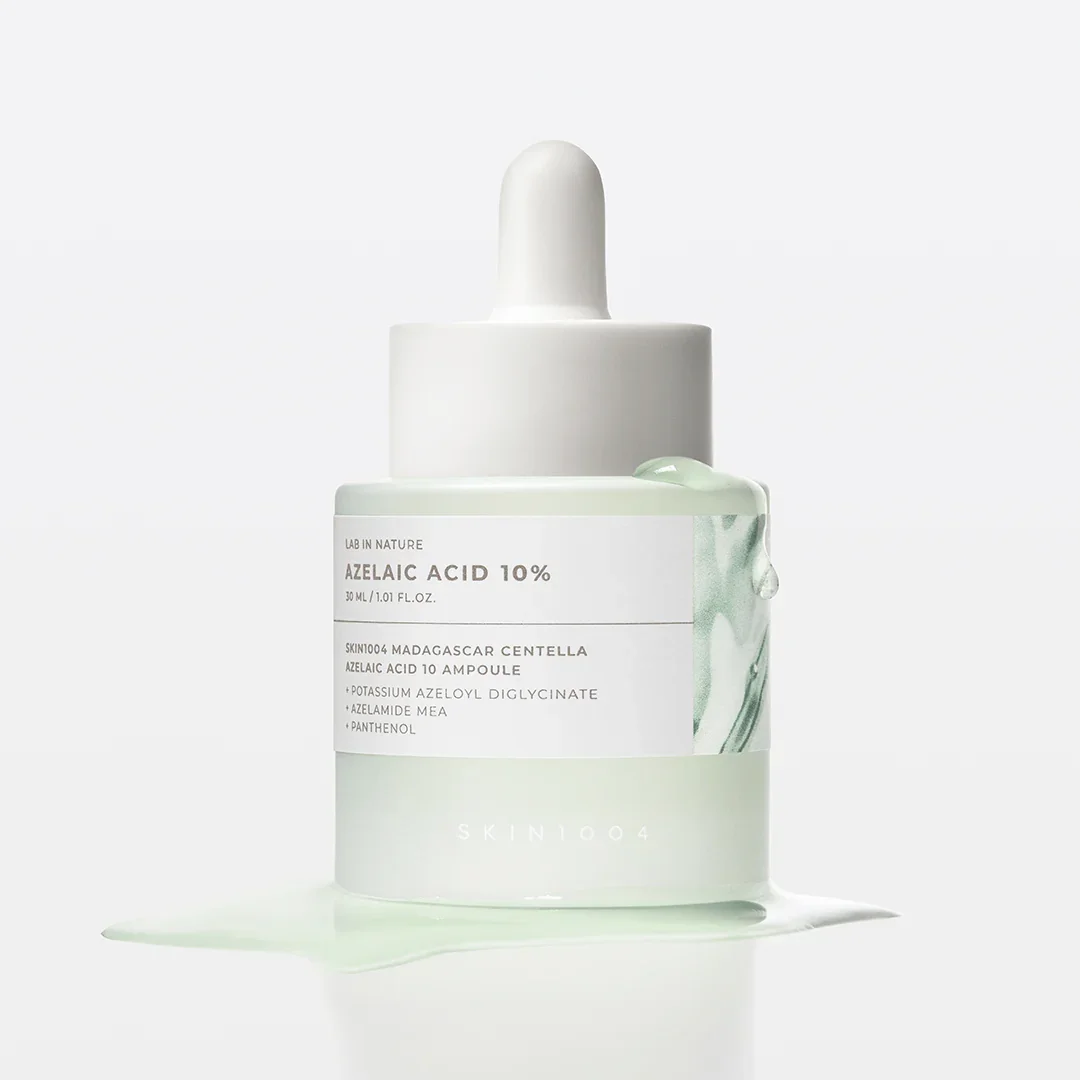
This is more than an azelaic derivative serum: it contains 10% pure azelaic acid, alongside 1% potassium azeloyl diglycinate and 0.5% azelamide MEA. Together, SKIN1004 calls this its 11.5% 3X Azelaic Active Formula.
Panthenol, allantoin, beta-glucan and Centella help keep it comfortable, while licorice adds extra support for uneven tone. The texture is lightweight, so this is an easy option if you do not want another rich treatment layer.
Key actives: 10% azelaic acid, 1% potassium azeloyl diglycinate, 0.5% azelamide MEA, panthenol, Centella
Best for: Breakouts, post-acne marks, redness, combination or oily-dehydrated skin
Essential oils: No
Fragrance: No
NINELESS A-Control 10% Azelaic Acid Serum
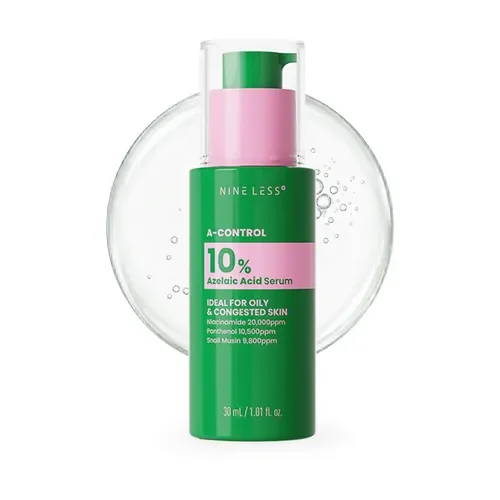
The NINELESS A-Control serum takes a simpler approach: 10% azelaic acid + 2% niacinamide + 1.05% panthenol.
The combination is simple and practical for recurrent adult acne: 10% azelaic acid handles the main acne and pigmentation work, while 2% niacinamide adds modest support for sebum balance, barrier function and uneven tone. Panthenol helps with tolerability, and there are no extra exfoliating acids competing for space in the formula.
Key actives: 10% azelaic acid, 2% niacinamide, 1.05% panthenol, hyaluronic acid
Best for: Recurrent breakouts, post-acne marks, normal, combination or oilier acne-prone skin
Essential oils: No
Fragrance: No
You do not necessarily need azelaic acid and a retinoid from day one. If you want to use both, introduce them gradually and build the routine around what your skin actually tolerates.
What Type of Moisturizer Is Best for Adult Acne?
Acne-prone skin does not automatically need an oil-free gel moisturizer. Your moisturizer should match your overall skin type and help keep the rest of your routine comfortable, especially if you are using retinal, retinol or azelaic acid.
For adult acne, I would look for a balance of humectants, emollients and barrier-supporting ingredients rather than another product trying to control oil or exfoliate the skin. A lightweight gel may work beautifully if you are oily, while normal or drier skin may do better with squalane, ceramides, cholesterol or other lipids.
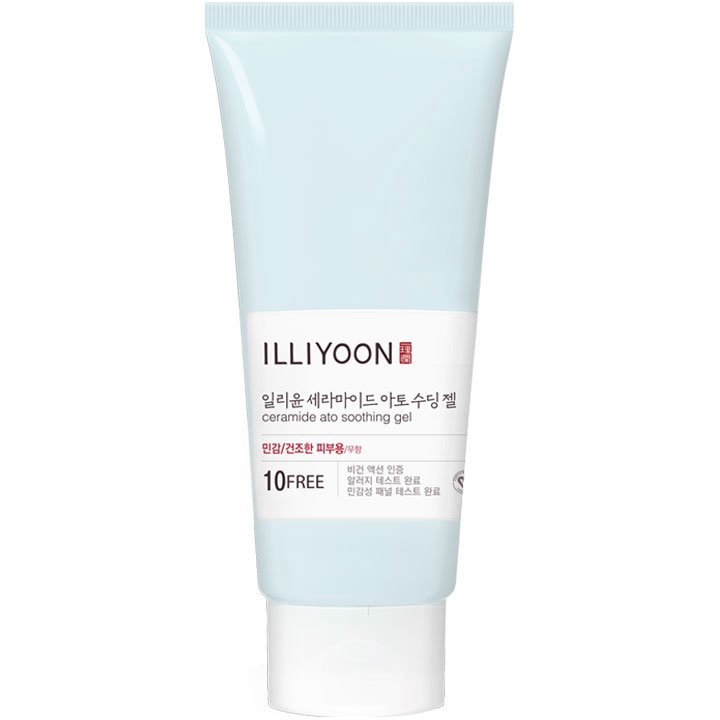
ILLIYOON Ceramide Ato Soothing Gel
Where to buy
Despite the gel texture, this is more than a simple watery moisturizer. Glycerin and propanediol provide hydration, while squalane, ceramide NP, phytosphingosine and hydrogenated lecithin add some lipid support. Madecassoside and dipotassium glycyrrhizate are useful additions if your skin becomes a little irritated from active ingredients.
It is the lightest option of the three, although ethylhexyl stearate and several plant oils give it more emollience than the name “soothing gel” might suggest.
Key ingredients: Glycerin, ceramide NP, phytosphingosine, squalane, madecassoside
Best for: Normal, combination or dehydrated acne-prone skin that prefers a lighter texture
Essential oils: No
Fragrance: No
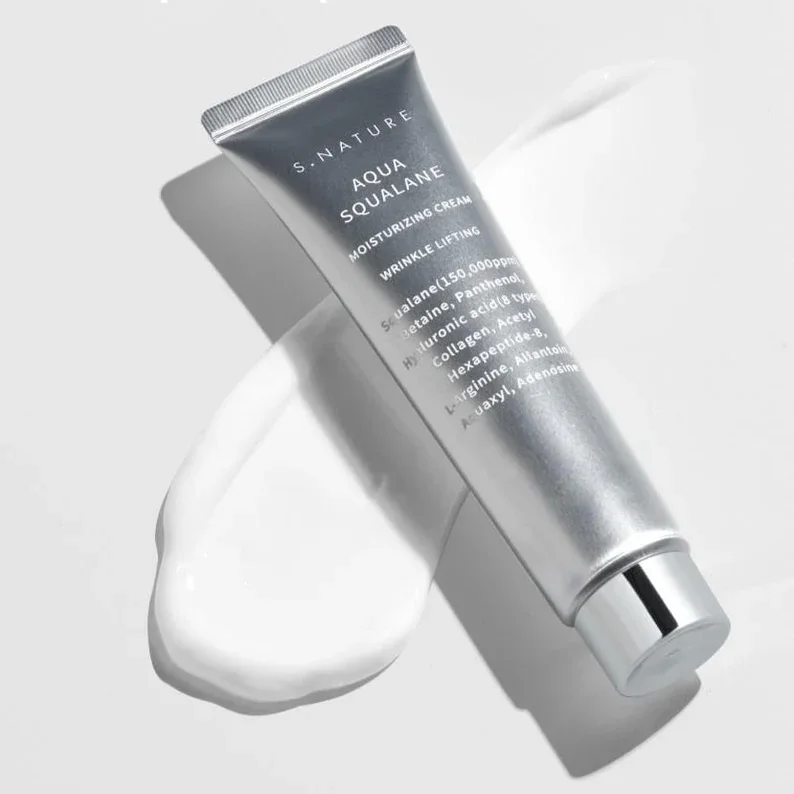
S.NATURE Aqua Squalane Moisturizing Cream
Where to buy
The main feature here is 15% squalane, paired with glycerin, betaine, panthenol and several forms of hyaluronic acid. It gives the skin more emollience without turning the moisturizer into another active-heavy step.
This is a useful middle-ground option if your skin needs more than a gel but you do not necessarily want a rich barrier cream. The formula does not contain ceramides or cholesterol, so I would think of it mainly as a hydrating and emollient moisturizer rather than a dedicated barrier-repair formula.
Key ingredients: 15% squalane, glycerin, betaine, panthenol, hyaluronic acid
Best for: Normal, dehydrated, combination-to-dry acne-prone skin
Essential oils: No
Fragrance: No
Dr.Reju-All Advanced LC-Ceramide Barrier Cream
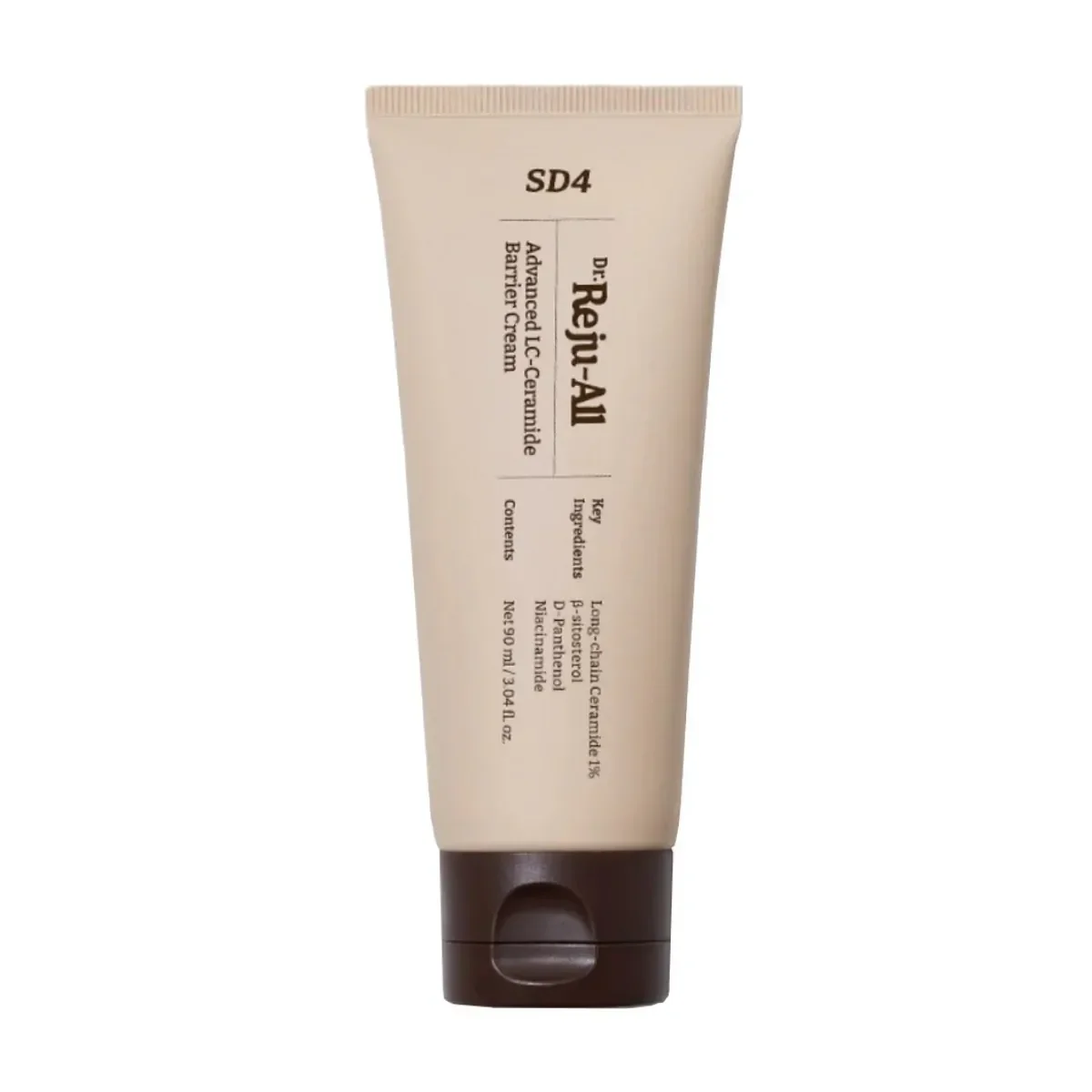
This is the richest option and makes the most sense when your acne routine is also making your skin dry or uncomfortable. Dimethicone, squalane and hydrogenated polydecene create a more protective emollient layer, while glycerin, panthenol, propanediol, sorbitol and trehalose support hydration.
It also contains niacinamide, Ceramide NP, phytosterols and several plant lipids. The ceramide itself appears quite low in the ingredient list, so the barrier support comes more from the whole combination of silicones, humectants and lipids than from a particularly high ceramide concentration.
Key ingredients: Squalane, niacinamide, panthenol, Ceramide NP, phytosterols, dimethicone
Best for: Normal-to-dry, dehydrated or retinoid-treated acne-prone skin
Essential oils: No
Fragrance: No
The important point is that richer does not automatically mean pore-clogging, and lighter does not automatically mean better for acne. Choose the texture according to how your skin actually behaves, not simply because the label says “acne-prone.”
Do You Need a Special Sunscreen for Adult Acne?
No. You do not need a sunscreen specifically marketed for acne-prone skin. Look for broad-spectrum protection with at least SPF 30 and, just as importantly, a texture that works with your skin type and the rest of your routine. Daily sunscreen also helps reduce the risk of dark spots becoming more noticeable after acne clears.
If you are oily, a lightweight fluid or gel may feel more comfortable. If retinal or other actives leave your skin drier, you may prefer something a little more moisturizing. The best option is ultimately one you can apply generously without feeling that it makes your skin greasy, heavy or uncomfortable.
If sunscreen texture is usually the difficult part for you, I have a separate guide to lightweight Korean sunscreens with more options for different skin types.
Frequently Asked Questions
Can Adult Acne Start for the First Time in Your 30s or 40s?
Yes. Late-onset adult acne can appear even if you had little or no acne during your teenage years. Genetics, androgen responsiveness, hormonal changes and other factors may contribute, although it is not always possible to identify exactly why acne becomes active at a particular age.
Can You Use Retinal and Azelaic Acid Together?
Yes, retinal and azelaic acid can be used in the same skincare routine. You do not have to start both at the same time, though. If you are new to either ingredient, introduce one first and give your skin time to adjust before adding the second.
You can also separate them, for example azelaic acid in the morning and retinal at night, if that feels more comfortable.
Should You Exfoliate Adult Acne?
Not necessarily. If your routine already includes a retinoid and azelaic acid, you may not need an additional exfoliating acid at all.
Salicylic acid can still be useful if blackheads, closed comedones or oily congestion are a major concern, but adding AHA, BHA and exfoliating toners simply because you have acne can make the routine harder to tolerate.
Can Moisturizer Make Adult Acne Worse?
A moisturizer can feel too heavy for your skin, but acne-prone skin does not automatically need to avoid oils, squalane, ceramides or richer creams. Finished formulas cannot be reliably judged as pore-clogging from one ingredient alone.
Choose the texture according to your skin. Oily skin may prefer a lighter gel-cream, while dry or retinoid-treated skin may need considerably more emollience.
How Long Does Adult Acne Last?
There is no specific age when adult acne has to stop. It can be persistent or recurrent for years, particularly when the underlying tendency to form acne-prone follicles remains.
That is why long-term maintenance matters. Once your skin improves, keeping one well-tolerated acne active in your routine often makes more sense than stopping everything and restarting only when another breakout appears.
Build an Adult Acne Routine That Works for Your Skin
Adult acne does not mean you need an aggressive acne routine. A gentle cleanser, one or two well-chosen actives, enough moisturizer and daily sunscreen can be a much better long-term strategy than constantly trying to dry out every breakout.
Your routine should also reflect the skin you have now. If you are oily and congested, you may want lighter textures and more focus on clogged pores. If your skin is becoming drier or you are using retinal, supporting hydration and your skin barrier becomes just as important.
For more skincare guides, practical tips, ingredient deep dives and Korean skincare recommendations, you can explore the rest of my blog.
Not sure what your skin actually needs? Take my Skin Type Quiz to get a better starting point for building your routine.
And if you are still struggling with acne in your 30s, 40s or beyond and choosing products feels overwhelming, you can contact me for a personalized skincare routine. I can help you put together a routine based on your skin type, current products, breakouts and other skincare goals.

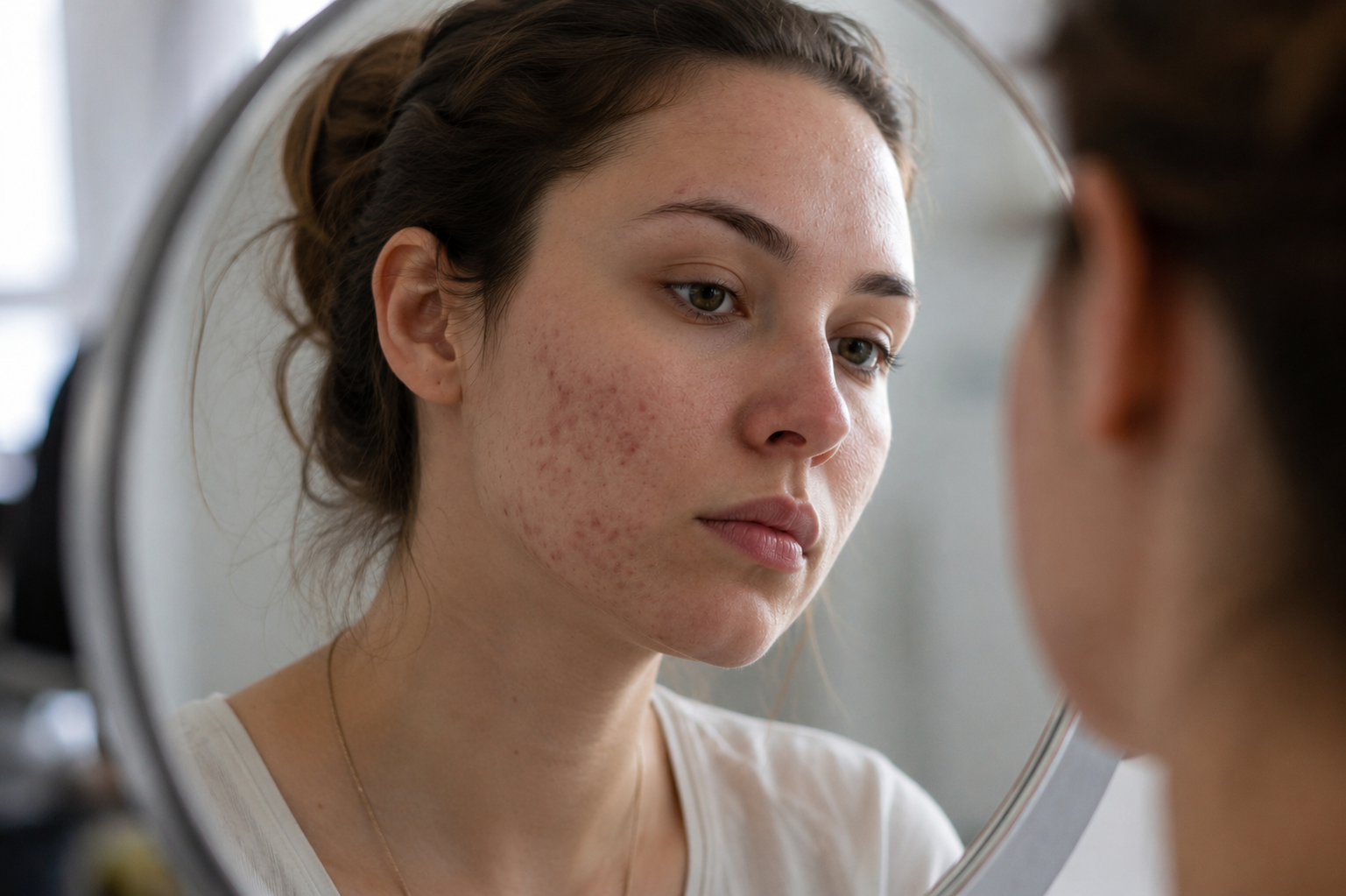
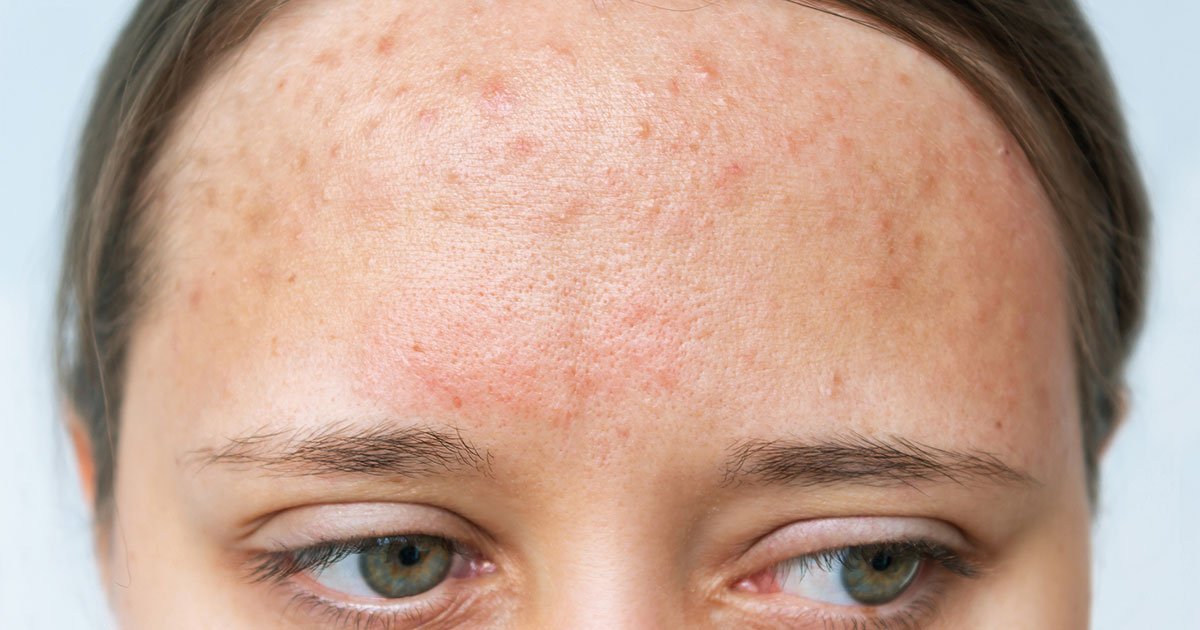
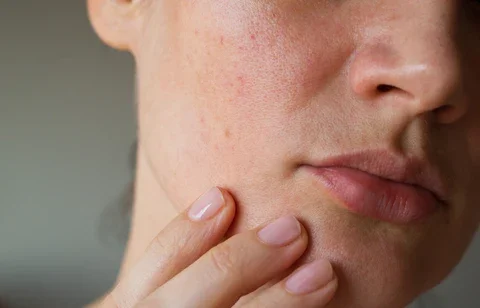

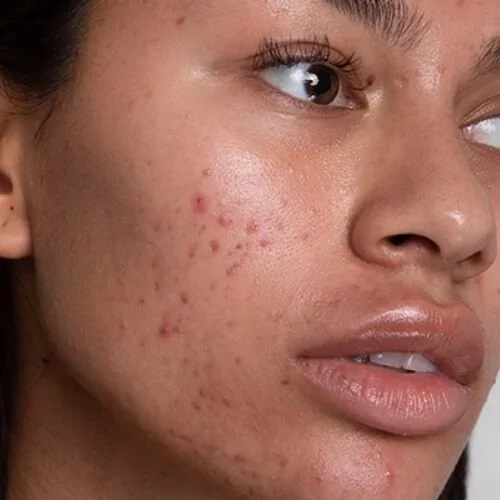


Adult acne in your 30s and 40s: what causes it, how it differs from teenage acne, and how to build a practical Korean skincare routine.