Korean Skincare for Melasma: What Actually Works
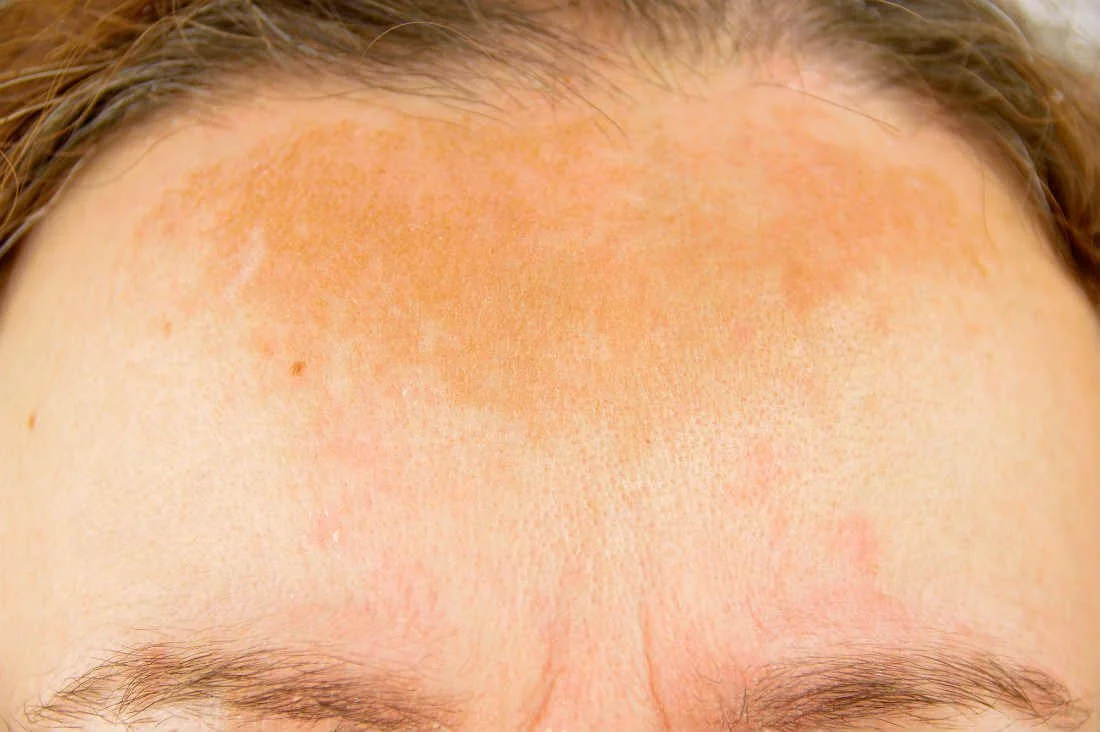
Korean skincare can help support a melasma routine, but not every brightening ingredient has the same level of evidence. Ingredients such as tranexamic acid, azelaic acid, retinoids and certain pigment-targeting actives are much better supported than many of the ingredients commonly marketed for “brightening.”
Melasma is also difficult because it tends to fade slowly and can return even after improvement. In this guide, I’ll look at the ingredients with the strongest evidence and the Korean skincare products that use them in formulas that make sense for everyday routines.
Key Takeaways
✓ Melasma is a long-term skin concern, so the goal is usually to fade existing pigmentation and help prevent it from becoming more noticeable again.
✓ Hydroquinone has the strongest clinical evidence, but azelaic acid and topical tranexamic acid are among the best-supported non-hydroquinone ingredients for melasma.
✓ No single ingredient works for everyone. Combining evidence-based ingredients in a well-planned routine often provides better results than relying on one product alone.
✓ Consistency matters more than quick fixes. Most people need at least 8–12 weeks of regular use before noticing visible improvement.
✓ Daily sun protection is essential. A broad-spectrum SPF 50+ sunscreen—and ideally one containing iron oxides if you have melasma—helps protect against both UV and visible light.
✓ Choose products based on their formulation, not marketing claims. Ingredient quality, concentrations, and how well products work together are far more important than trendy packaging or viral popularity.
Some links are affiliate links. If you choose to purchase through them, it helps support my work at no extra cost to you.
Why Is Melasma So Persistent?
Melasma is persistent because it is not simply a patch of excess pigment. The melanocytes that produce melanin become overactive, but changes in the surrounding skin also seem to help maintain that pigment-producing environment.
Research now links melasma with UV damage, visible light, hormonal influences, inflammation, vascular changes and alterations deeper in the skin. A 2025 overview of melasma pathogenesis describes changes involving the basement membrane, mast cells, blood vessels and senescent fibroblasts, helping explain why targeting melanin alone does not always give lasting results.
Several factors can trigger or reactivate melasma:
Hormonal changes, including pregnancy, hormonal contraceptives and hormone replacement therapy.
UV radiation, one of the most important environmental triggers.
Visible light, which can also stimulate pigmentation and appears particularly relevant in medium to darker skin tones.
Inflammation and repeated skin irritation, which may contribute to continued pigment production.
Genetics, since some people are naturally more susceptible to developing melasma.
Because many of these influences remain even after the pigmentation fades, melasma has a strong tendency to return. It is therefore considered a chronic, relapsing condition, which is why maintaining improvement is just as important as fading the pigment in the first place.
Which Ingredients Actually Help Melasma?
The best-supported topical ingredients for melasma include hydroquinone and azelaic acid, while tranexamic acid is increasingly well supported as an alternative or complementary option. Vitamin C, niacinamide and arbutin can also contribute, but the evidence for using them alone is generally weaker.
| Ingredient | Evidence | Best for |
|---|---|---|
| Hydroquinone | ★★★★★ | Moderate to severe melasma |
| Azelaic acid | ★★★★☆ | Melasma, PIH |
| Tranexamic acid | ★★★☆☆ | Melasma |
| Vitamin C | ★★★☆☆ | Uneven skin tone, maintenance |
| Niacinamide | ★★☆☆☆ | Maintenance, prevention |
| Arbutin | ★★☆☆☆ | Mild pigmentation |
Hydroquinone remains the gold-standard topical treatment for melasma and still has some of the strongest clinical evidence. It can be very effective, but irritation is also more common than with many cosmetic brightening ingredients, particularly at higher concentrations or with prolonged use.
If hydroquinone is not suitable, azelaic acid is one of the better-supported alternatives. A 2023 meta-analysis comparing azelaic acid with hydroquinone found that azelaic acid performed at least comparably across several outcomes, with some results favouring azelaic acid for melasma severity.
Tranexamic acid has become one of the most interesting newer options for melasma. Evidence now includes topical, oral and intradermal use, although for a skincare routine the topical form is obviously the most relevant. Results are encouraging, but the strength and consistency of evidence still vary between formulations and concentrations.
Vitamin C, niacinamide and arbutin can also play a role, especially as part of a broader pigmentation routine or for maintenance. They can support a more even skin tone, but I would not expect them to match the results of better-established melasma treatments when used alone.
The Best Korean Products for Melasma
The best Korean skincare products for melasma are the ones that use evidence-based pigmentation ingredients in formulas you can realistically keep using long term. For this article, I focused on products built around ingredients such as azelaic acid, tranexamic acid, niacinamide and vitamin C rather than choosing products simply because they are marketed as “brightening.”
Korean skincare offers a huge number of pigmentation-focused serums, creams and treatments, but the formulas vary a lot in how meaningful their active ingredients actually are. The products below are the ones I think make the most sense for melasma based on their ingredient combinations, formulation quality and how easily they can fit into an everyday routine.
Dr.Reju-All Advanced Retino-Mela Serum
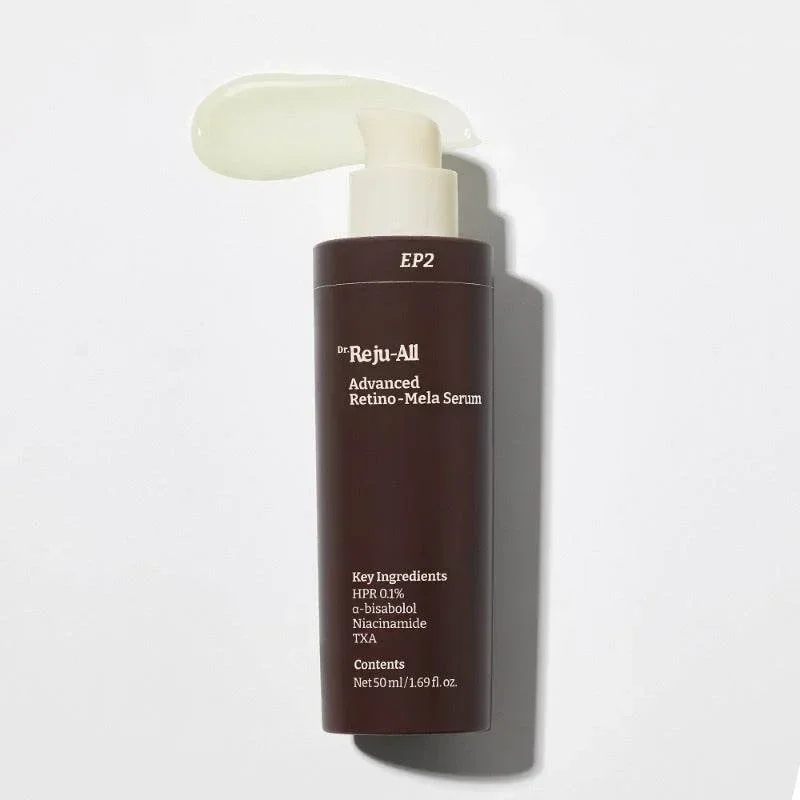
The ingredient list leaves little doubt about the purpose of this serum. It combines 4% tranexamic acid, 10% niacinamide, and 0.1% hydroxypinacolone retinoate (HPR), with all three concentrations fully disclosed. For anyone looking for a pigment-focused formula, it's one of the most transparent ingredient lists currently available from a Korean brand.
At a Glance
Key ingredients: 4% tranexamic acid, 10% niacinamide, 0.1% HPR, squalane, panthenol, bisabolol
Best for: Melasma, post-inflammatory hyperpigmentation, uneven skin tone
Texture: Lightweight serum
Fragrance: No
Essential oils: No
Alcohol Denat.: No
The formula doesn't rely solely on its three headline actives. Squalane, panthenol, beta-glucan, sodium hyaluronate, bisabolol, and SymSitive® help support the skin barrier, making the serum easier to tolerate despite the high concentration of niacinamide and the inclusion of a retinoid.
Another strength is the lack of unnecessary extras. The ingredient list is relatively focused, with each major ingredient serving a clear purpose instead of adding a long list of botanical extracts for marketing appeal.
Nineless A-Control 10% Azelaic Acid Serum
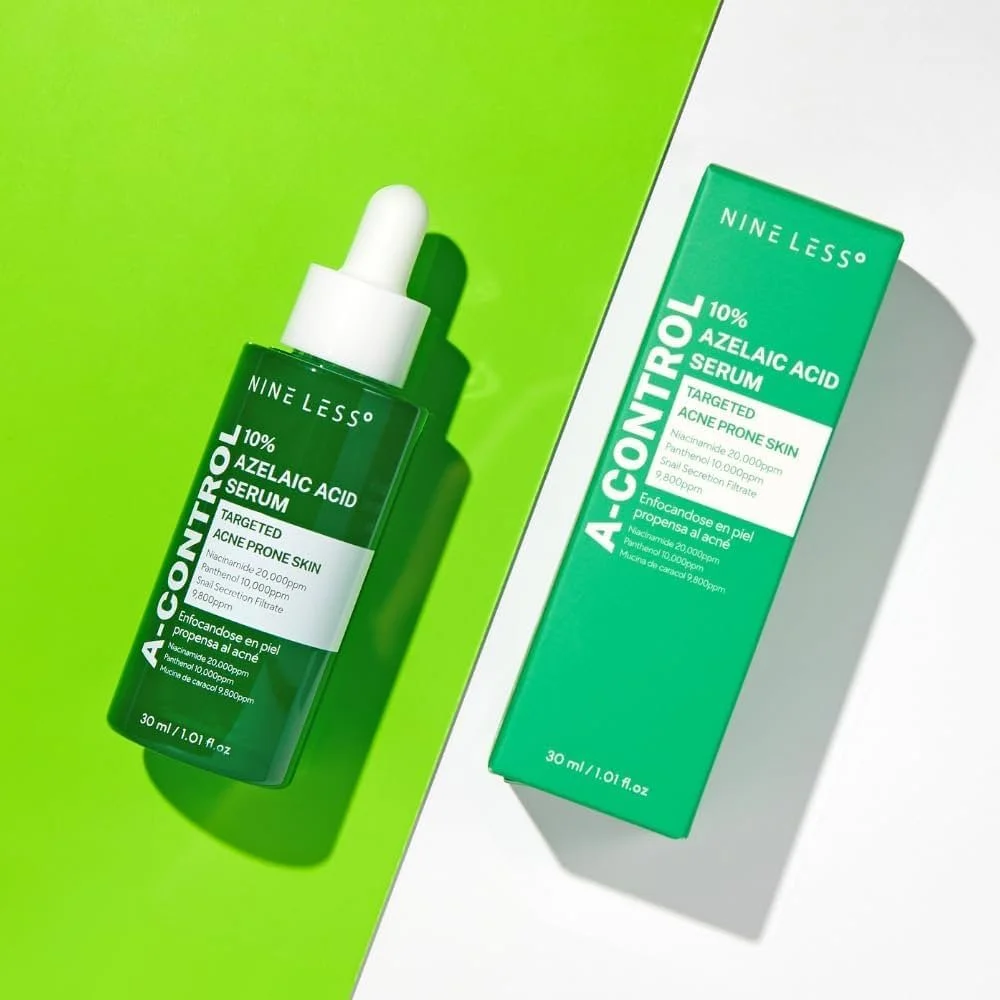
First of all, this isn't a dedicated brightening serum. The formula is built around 10% azelaic acid, while the remaining ingredients mainly help keep the skin comfortable during long-term use. Since chronic inflammation plays an important role in the development and persistence of melasma, that supportive approach makes sense. Pair it with a dedicated tranexamic acid serum and you have a simple, evidence-based routine built around two of the best-supported topical ingredients for melasma.
At a Glance
Key ingredients: 10% azelaic acid, 2% niacinamide, panthenol, snail secretion filtrate, hyaluronic acid complex
Best for: Melasma, post-inflammatory hyperpigmentation, acne-prone skin, redness-prone skin
Texture: Lightweight serum
Fragrance: No
Essential oils: No
Alcohol Denat.: No
The relatively minimalist formula is one of this serum's biggest advantages. It leaves plenty of room to customise the rest of your routine instead of locking you into a fixed combination of brightening ingredients. That's particularly useful for melasma, where different people often respond best to different combinations of topical actives.
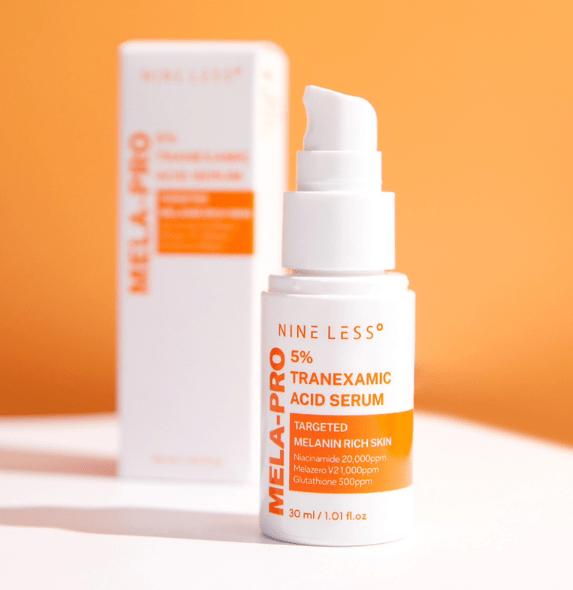
Nineless MELA-PRO 5% TXA Serum
Where to buy
If you're looking for a dedicated tranexamic acid serum to pair with azelaic acid, this is exactly the kind of formula worth considering. The combination of tranexamic acid and niacinamide brings together two evidence-based ingredients for melasma, while vitamin C and glutathione provide additional antioxidant support.
At a Glance
Key ingredients: 5% tranexamic acid, 2% niacinamide, glutathione, vitamin C, hyaluronic acid complex
Best for: Melasma, post-inflammatory hyperpigmentation, uneven skin tone
Texture: Milky serum
Fragrance: No
Essential oils: Spearmint extract
Alcohol Denat.: No
The milky texture feels more nourishing than many lightweight brightening serums, making it a better choice for normal to dry skin. If you have very oily skin, you may prefer a lighter tranexamic acid serum, especially in hot or humid weather.
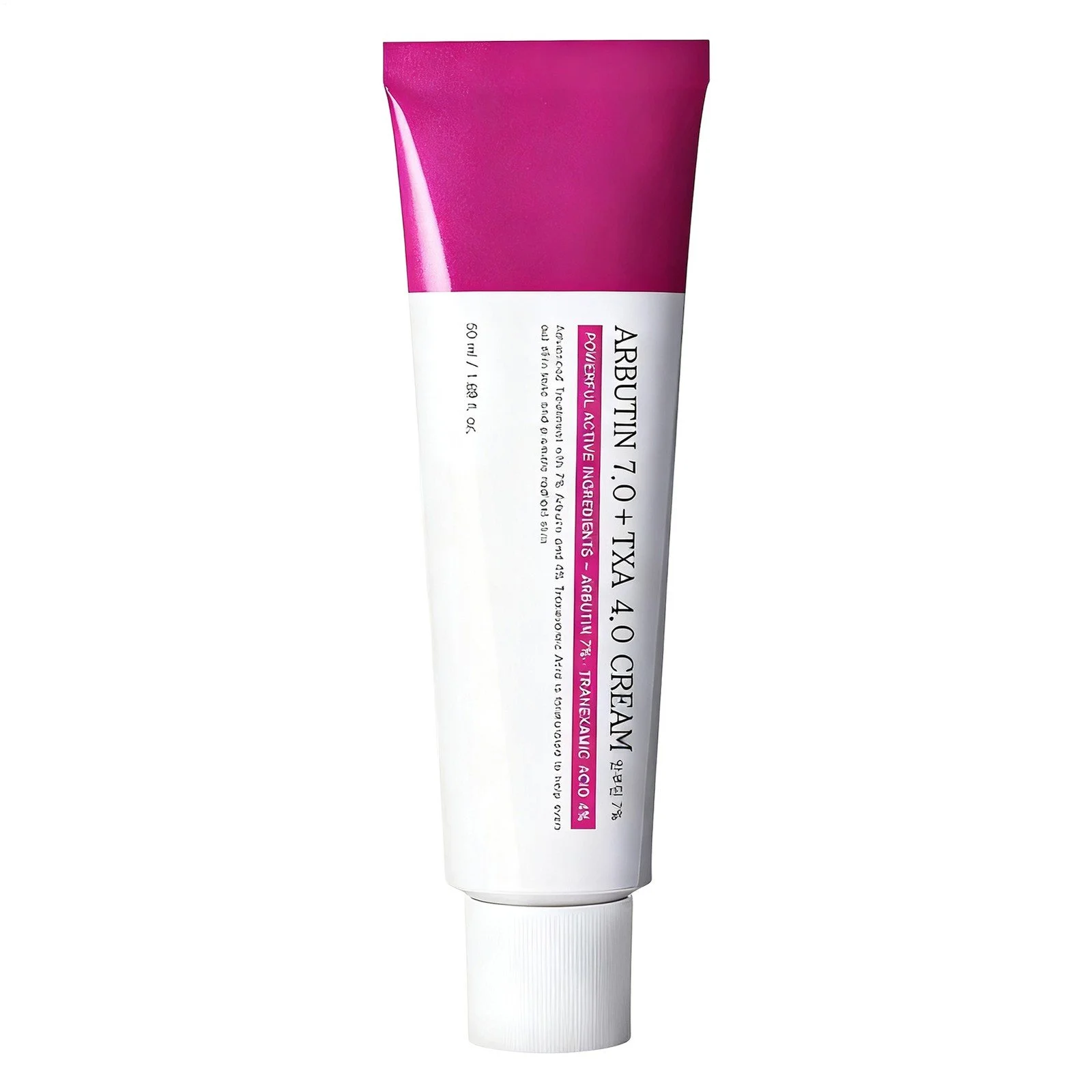
Tosowoong Arbutin 7% + Tranexamic Acid 4% Cream
Where to buy
If you're looking for a cream instead of another treatment serum, this is well worth considering. It combines 7% arbutin with 4% tranexamic acid, alongside niacinamide, ceramide NP, squalane, and other skin-conditioning ingredients. Sodium ascorbyl phosphate (SAP) is another thoughtful addition. Besides functioning as a stable vitamin C derivative, it has proven antibacterial activity against Cutibacterium acnes, making this formula a particularly good option if you're dealing with both melasma and acne-prone skin.
At a Glance
Key ingredients: 7% arbutin, 4% tranexamic acid, niacinamide, ceramide NP, sodium ascorbyl phosphate, glutathione
Best for: Melasma, post-inflammatory hyperpigmentation
Texture: Lightweight cream
Fragrance: No
Essential oils: Spearmint extract
Alcohol Denat.: No
The lightweight texture makes it easy to layer without feeling heavy, while ceramide NP, squalane, hydrogenated lecithin, and other moisturizing ingredients provide additional barrier support. If your skin tends to become dry while using multiple pigment-correcting products, this formula offers a good balance between active treatment and moisturization.
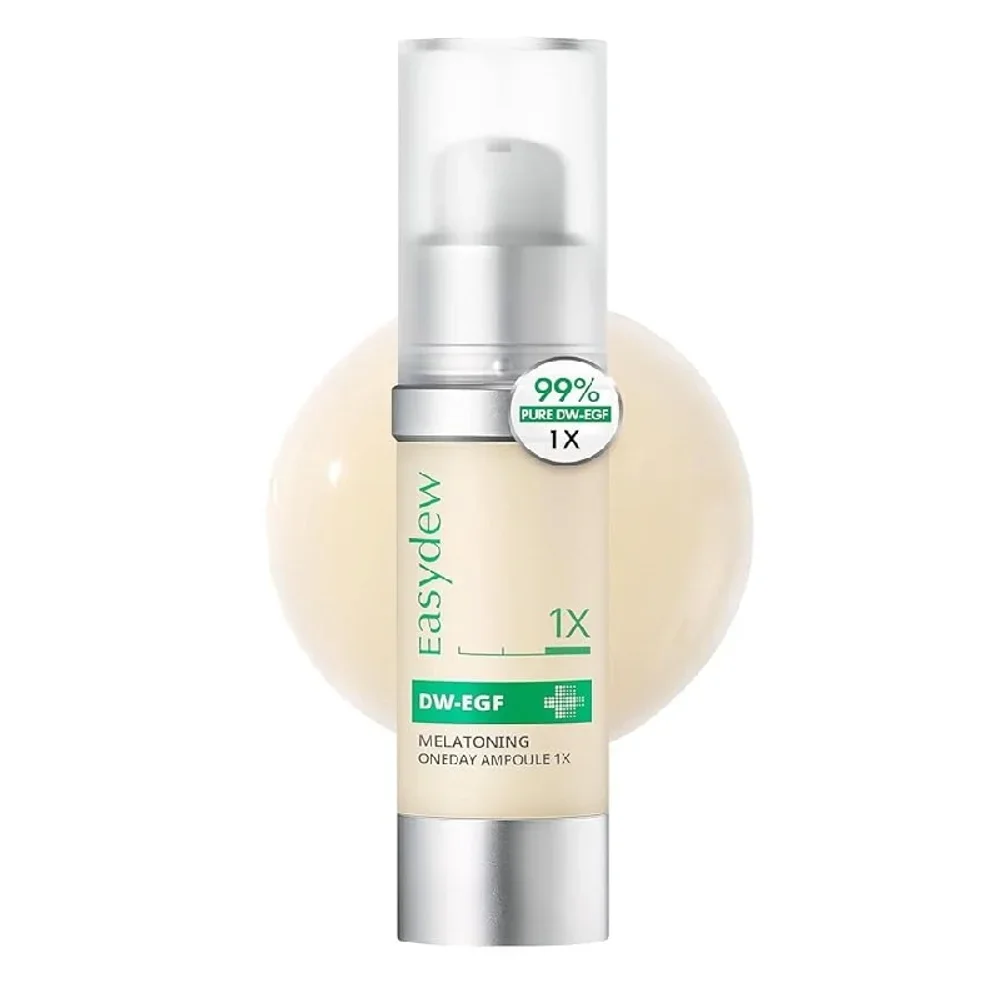
Easydew DW-EGF Melatoning Oneday Ampoule
Where to buy
Easydew is the flagship skincare brand of Daewoong Pharmaceutical, one of South Korea's largest pharmaceutical companies. While many Korean skincare brands focus on botanical extracts, Easydew has built its reputation on biotechnology. The company spent years developing its own human-identical epidermal growth factor (DW-EGF), originally introduced as a prescription treatment for wound healing before being adapted for skincare.
If you don't want to layer several different brightening serums, this ampoule simplifies your routine by combiningniacinamide, tranexamic acid, alpha-arbutin, glutathione, multiple vitamin C derivatives, and Easydew's patented DW-EGF in a single formula. Ceramide NP, cholesterol, and bifida ferment lysate help reinforce the skin barrier, making the formula well suited to the consistent, long-term use that melasma usually requires. The main limitation is the inclusion of several essential oils, which may not be suitable for very sensitive skin.
At a Glance
Key ingredients: 5% niacinamide, tranexamic acid, alpha-arbutin, DW-EGF, glutathione, vitamin C derivatives, ceramide NP
Best for: Melasma, post-inflammatory hyperpigmentation, uneven skin tone
Texture: Lightweight ampoule
Fragrance: No
Essential oils: Yes
Alcohol Denat.: No
Easydew offers this ampoule in 1X, 3X, and 5X versions, each containing progressively higher concentrations of its patented DW-EGF. The 1X version is intended for daily use and milder pigmentation concerns, while the 3X and 5X versions are designed for those who want a higher concentration of DW-EGF without changing the rest of the formulation.
Choose the Right Sunscreen for Melasma
Daily sunscreen is one of the most effective ways to help prevent melasma from becoming darker and to maintain the results of your skincare routine. Without consistent sun protection, even the best brightening ingredients are unlikely to perform as well as they should.
When choosing a sunscreen for melasma, I recommend paying attention to three things:
Broad-spectrum protection against both UVA and UVB.
SPF 50+, or at least SPF 30 if SPF 50+ isn't available.
Iron oxides, which are found in most tinted sunscreens and provide additional protection against visible light.
Normally, choosing between a tinted and untinted sunscreen is largely a matter of personal preference. Melasma is an exception. Here, a tinted sunscreen containing iron oxides offers an additional benefit by helping protect against visible light, which is why it is consistently recommended in melasma management.
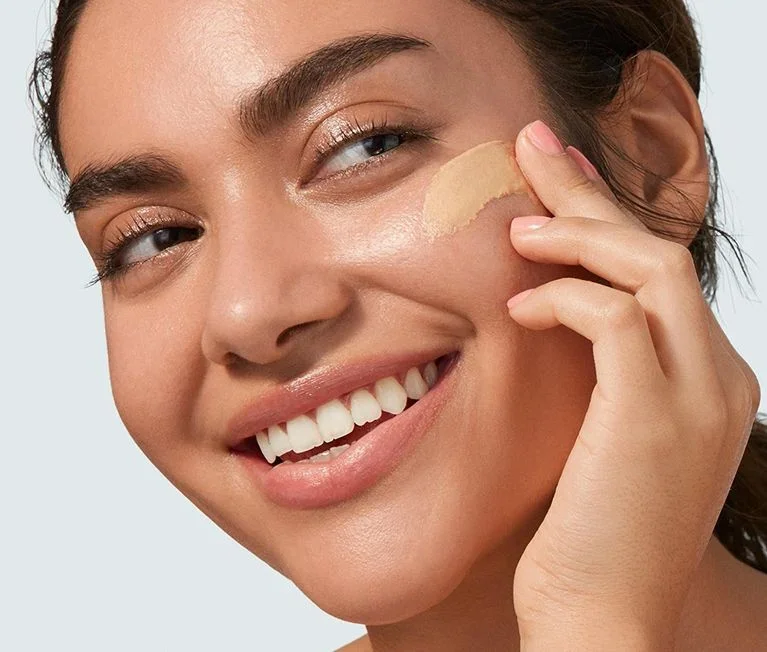
Need help choosing a tinted sunscreen? Learn how to apply it correctly and discover my favorite Korean tinted sunscreens for different skin tones.
Read: How to Use Tinted Sunscreen ProperlyOne practical tip: If you don't like tinted sunscreens, don't assume you need to change your entire routine. BB creams, cushions, and foundations already contain iron oxides. Applying one over your regular broad-spectrum sunscreen is an easy way to add visible light protection without buying another product.
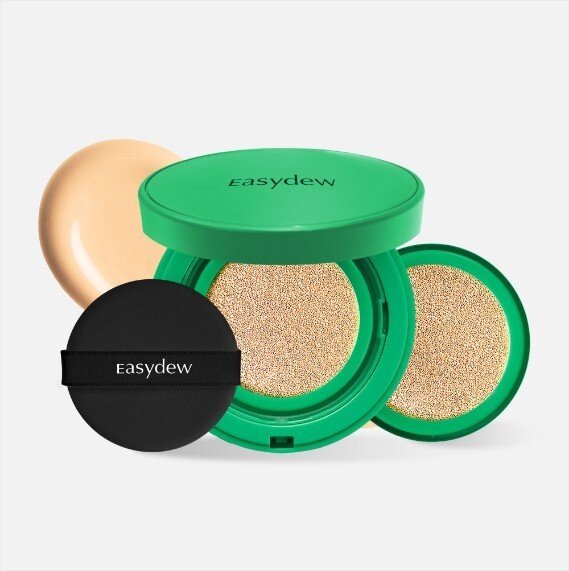
For example, the Easydew Mela B Toning Ampoule Cushion (3 shades) works particularly well in a melasma routine. It offers medium to high coverage to instantly camouflage pigmentation while providing the visible light protection associated with iron oxide-containing makeup. If you're already using the Easydew Melatoning Oneday Ampoule, the two products also complement each other nicely, as they share several brightening ingredients.
Where to buy
Frequently Asked Questions
Will my melasma disappear completely?
Melasma often becomes much less noticeable with the right skincare routine, but it can come back over time. Sun exposure, heat, and hormonal changes are common triggers. The goal is to keep your skin looking as even as possible for as long as possible, rather than expecting a permanent result.
How long does it take to see results?
Patience really matters with melasma. Most brightening ingredients need at least 8 to 12 weeks of consistent use before you'll notice visible improvement, and deeper pigmentation often takes longer. If you keep changing products every few weeks, it's difficult to know what's actually working.
Why did my melasma come back?
You're definitely not alone—this is one of the biggest frustrations with melasma. Even after your skin improves, pigmentation can gradually return after sun exposure, hot weather, hormonal changes, or simply because your routine was stopped too soon. A simple maintenance routine can help keep your results looking more consistent.
I'm pregnant or breastfeeding. Which ingredients can I use for melasma?
| Ingredient | Pregnancy & Breastfeeding |
|---|---|
| Azelaic acid | Generally considered compatible with pregnancy and breastfeeding. |
| Niacinamide | Generally considered compatible. |
| Vitamin C | Generally considered compatible. |
| Tranexamic acid | Limited pregnancy data. Many clinicians recommend avoiding it due to insufficient evidence. |
| Alpha-arbutin / Arbutin | Opinions are mixed. Because arbutin is structurally related to hydroquinone, many dermatologists recommend avoiding it during pregnancy despite the lack of evidence of harm. |
| Cysteamine | Limited human pregnancy data. Generally avoided as a precaution. |
| Glutathione | Very limited pregnancy safety data. |
| Retinoids | Avoid during pregnancy. |
| Hydroquinone | Generally avoided because of relatively high systemic absorption. |
I have sensitive skin. Where should I start?
Keep your routine simple at first. A gentle cleanser, moisturizer, sunscreen, and one evidence-based brightening ingredient—such as azelaic acid or tranexamic acid—is usually a much better starting point than using several active ingredients at once. Once your skin has adjusted, you can slowly build your routine if needed.
Can I use azelaic acid, tranexamic acid, niacinamide, retinoids, and vitamin C together?
Yes, many of these ingredients work well together because they support brighter, more even-looking skin in different ways. That doesn't mean you should start all of them on the same day. Adding one new product at a time makes it much easier to see how your skin responds.
Do I need to keep using brightening products after my skin improves?
Many people do. Once you're happy with your results, you may be able to simplify your routine rather than stopping everything completely. Using one or two well-tolerated brightening products as part of your regular skincare routine can often help keep pigmentation from becoming more noticeable again.
Can heat make melasma worse, even if I'm wearing sunscreen?
Yes. Heat itself may make melasma appear darker in some people, even when UV exposure is well controlled. If you notice your pigmentation becomes more noticeable during summer or after spending time in hot environments, heat could be one of the reasons.
When should I see a dermatologist?
If your pigmentation is spreading quickly, looks unusual, or hasn't improved after several months of a consistent skincare routine, it's a good idea to book an appointment. Not every dark patch is melasma, so getting the correct diagnosis is always the best place to start if you're unsure.
Ready to Build Your Routine?
Melasma can be frustrating, but a consistent routine built around evidence-based ingredients can make a real difference over time.
If you'd like to learn more, explore my other Korean skincare guides for in-depth ingredient reviews, product comparisons, and practical skincare advice backed by the latest research.
Not sure where to begin? Take my Skin Type Quiz for personalized product recommendations based on your skin's needs.
If you're looking for a routine tailored specifically to your skin concerns, you can also explore my personalized skincare consultations, where I'll create a complete Korean skincare routine just for you.
Learn more about the different types of hyperpigmentation.
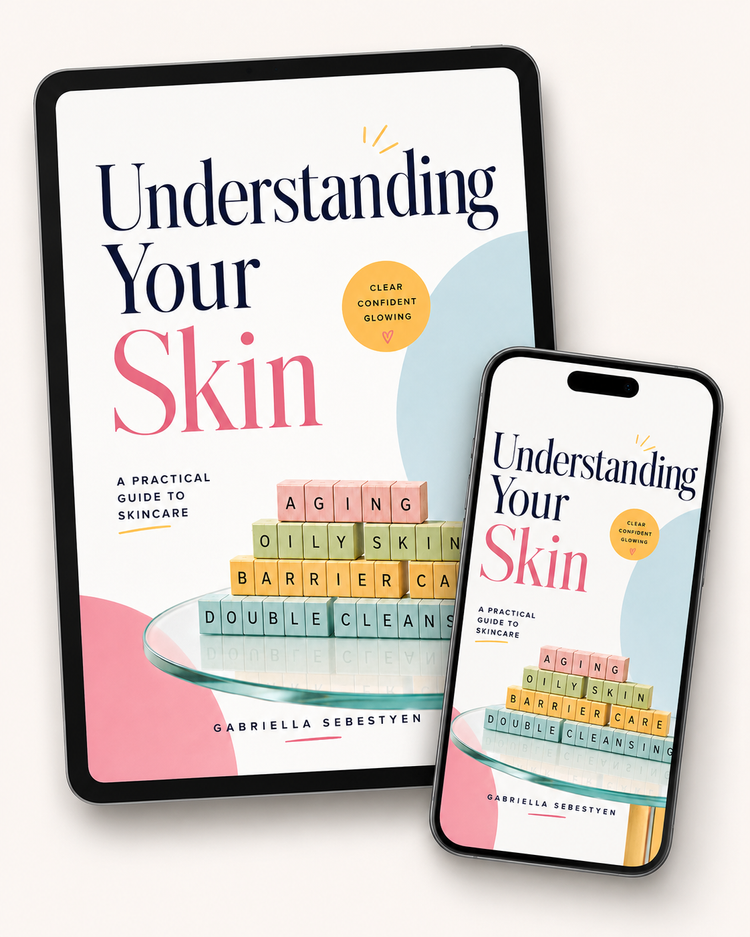
Understanding Your Skin
A Practical Guide to Skincare
I wrote Understanding Your Skin to help you build an effective skincare routine with confidence. This illustrated guide explains skin types, ingredients, and routines in a practical, evidence-based way that's easy to understand and apply.
- Written by a physician
- 120-page illustrated guide
- Evidence-based skincare guidance
- Sample routines & product recommendations

Still struggling with melasma? Here's what the science says about the ingredients that work, and the Korean skincare products built around them.