How to Fade Post-Acne Marks: Best Products and Ingredients
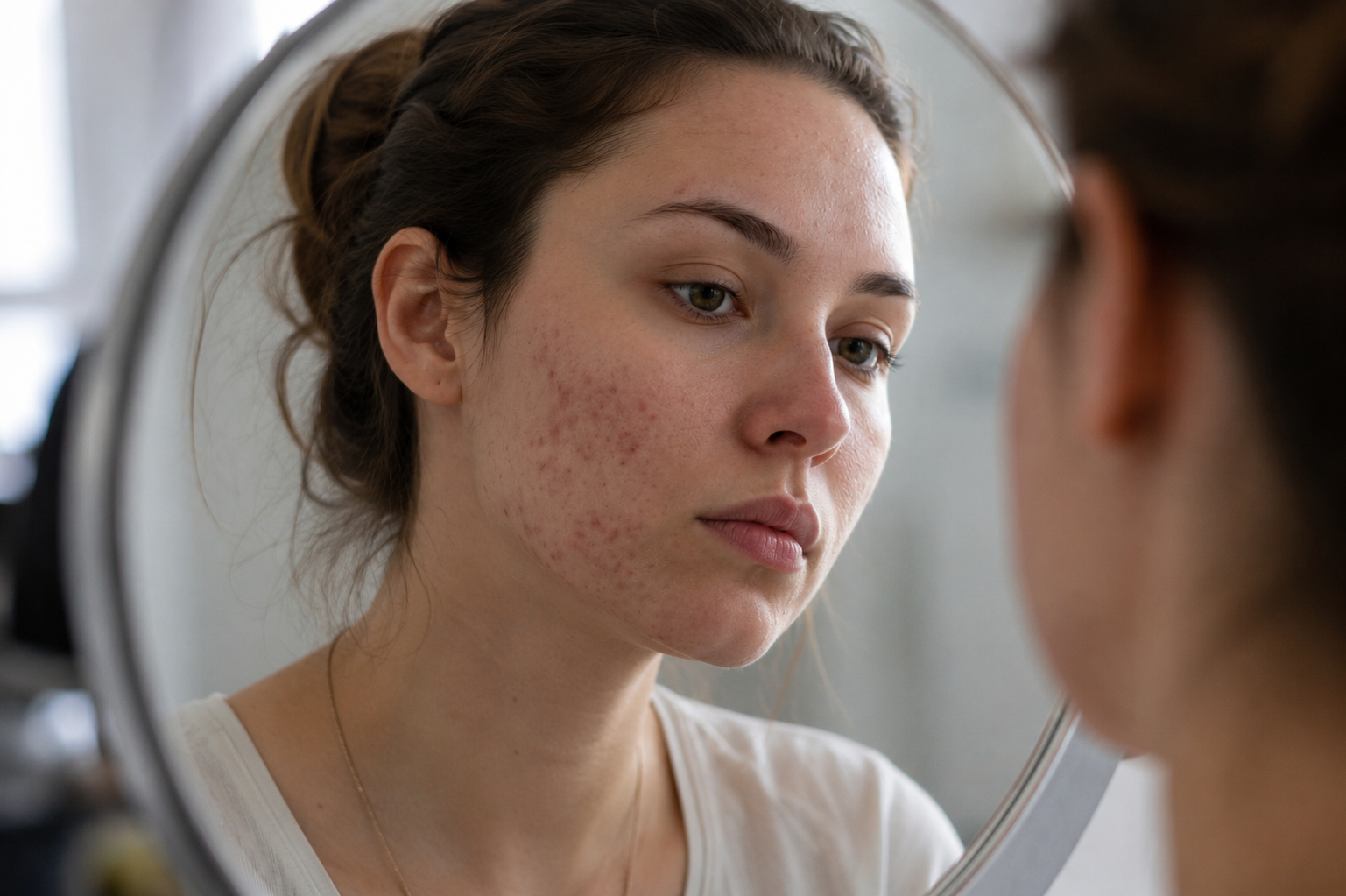
The best way to fade post-acne marks depends on whether you are dealing with post-inflammatory hyperpigmentation, post-inflammatory erythema, or true acne scarring. They can look similar at first, but they do not respond to exactly the same ingredients.
In this guide, I’ll explain how to tell the difference between PIE, PIH and acne scars, which ingredients have the best evidence for fading leftover marks, and which skincare products make the most sense for each type.
Key Takeaways
✓ Most post-acne marks are either post-inflammatory erythema (PIE) or post-inflammatory hyperpigmentation (PIH), not true acne scars.
✓ PIE appears as red or pink marks caused by damaged blood vessels, while PIH appears as brown or grey marks caused by excess melanin.
✓ Daily sunscreen is one of the most important steps for preventing post-acne marks from becoming more noticeable.
✓ Azelaic acid, tranexamic acid, retinoids, niacinamide, vitamin C, and alpha arbutin can help improve post-acne discoloration over time.
✓ True acne scars caused by collagen loss often require professional treatments such as microneedling, laser resurfacing, or TCA CROSS.
Some links are affiliate links. If you choose to purchase through them, it helps support my work at no extra cost to you.
What Are Post-Acne Marks?
Post-acne marks are flat areas of discoloration that remain after an acne lesion has healed. They can appear red, pink, purple, brown or grey depending on your skin tone and how the inflammation affected the skin.
They are not the same as true acne scars. Post-acne marks mainly affect skin colour, while acne scars involve a change in skin texture.
The main types of post-acne marks are PIE and PIH, which I’ll break down separately below.
Post-Inflammatory Erythema (PIE)
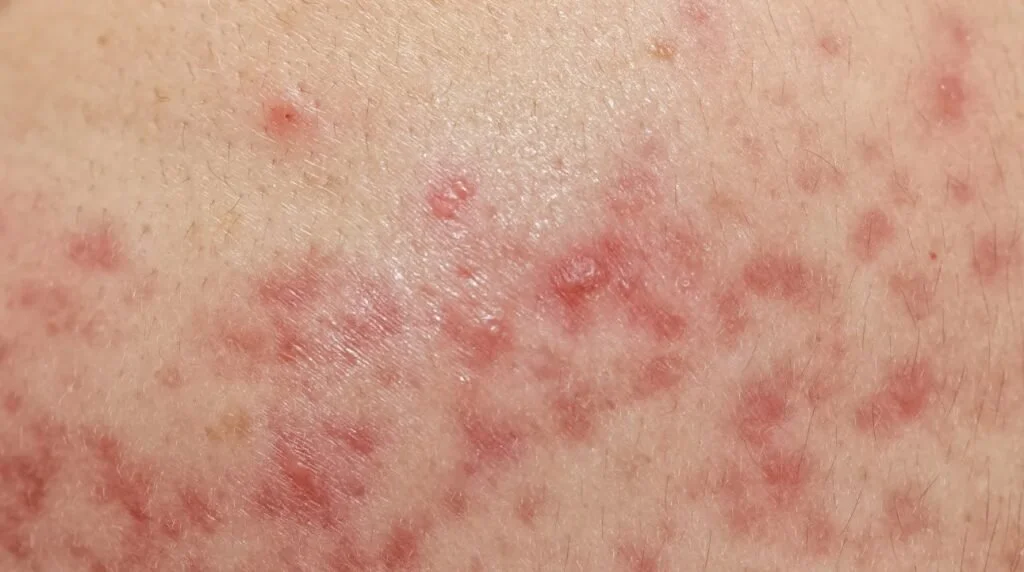
Post-inflammatory erythema, or PIE, is the red, pink, or purple discoloration that can remain after an inflammatory acne lesion has healed. Unlike PIH, it is mainly related to vascular changes rather than excess melanin. A 2026 review of acne-related pigmentation describes post-acne erythema as reflecting vascular alterations, while a clinical study links it with dilated microcapillaries and ongoing inflammatory changes in the skin.
PIE is often more noticeable in lighter skin tones and can persist for months after the acne itself has resolved.
Post-Inflammatory Hyperpigmentation (PIH)
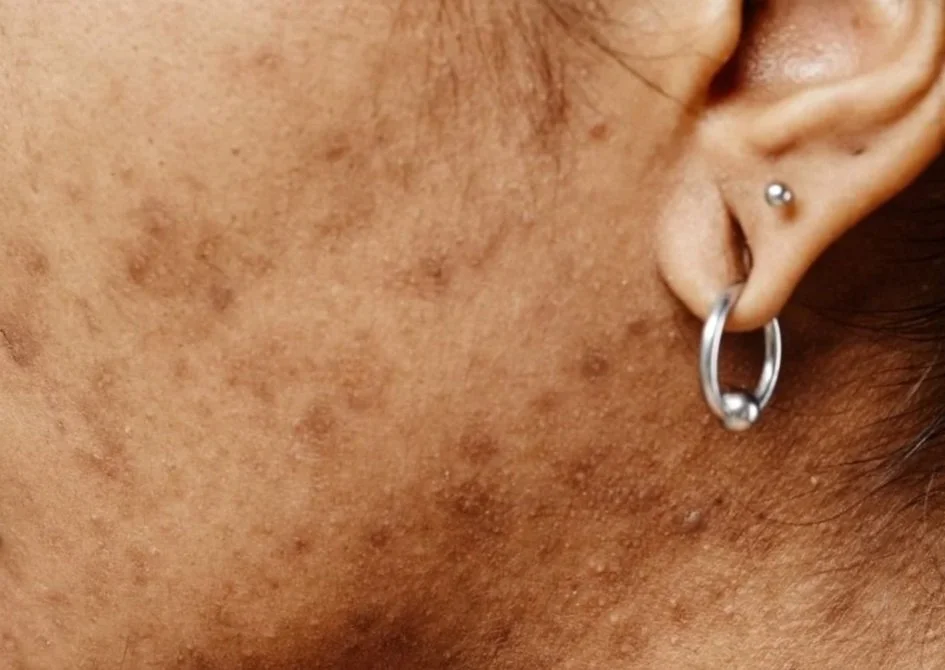
Post-inflammatory hyperpigmentation, or PIH, appears as brown, tan, dark brown, or sometimes gray marks caused by increased melanin production after inflammation. Acne is one of the most common triggers, and PIH is especially common in medium to deeper skin tones. A 2024 systematic review found that these marks are more common and can last longer in darker skin tones.
UV exposure can also make PIH harder to fade. Research on acne-related PIH also points to visible light and air pollution as factors that may contribute to darker, longer-lasting marks.
True Acne Scars
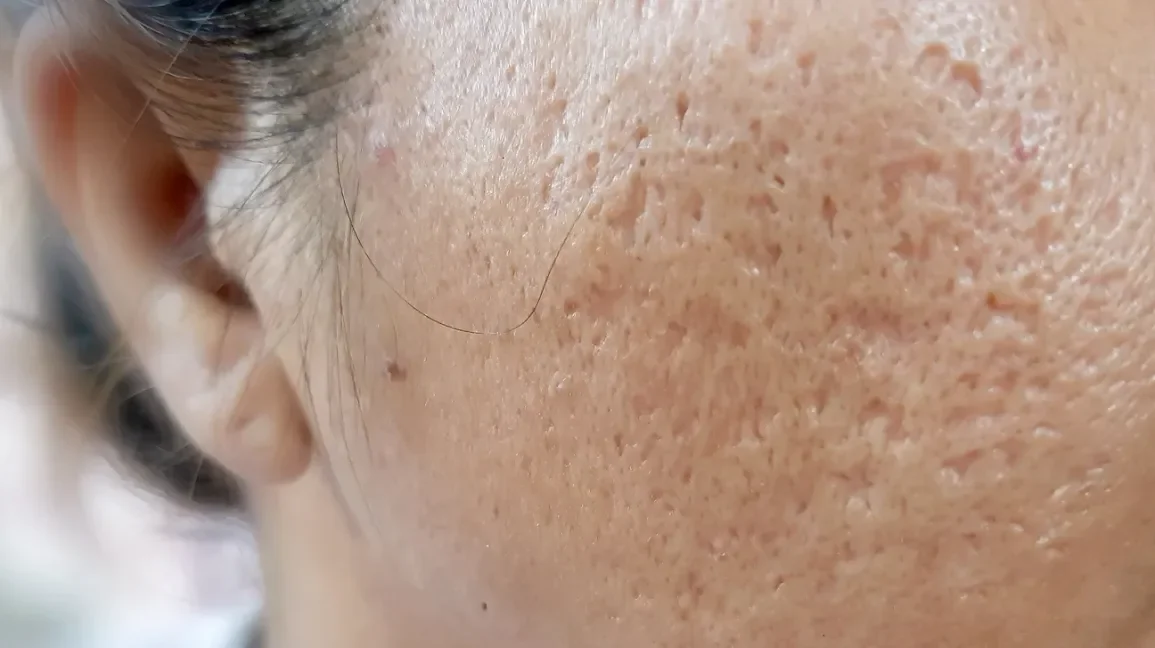
True acne scars involve a change in skin structure, not just leftover discoloration. They form when deeper inflammation disrupts normal collagen repair, leading to depressed scars such as ice pick, boxcar, or rolling scars, or sometimes raised scars. The American Academy of Dermatology explains that depressed scars form when the skin does not produce enough collagen during healing.
Skincare can help improve overall skin tone and texture, but significant acne scars usually respond better to professional procedures. Depending on the scar type, options may include microneedling, laser resurfacing, chemical peels, or other in-office treatments.
For deeper ice pick scars specifically, TCA CROSS has evidence as a targeted treatment, while rolling or boxcar scars may need a different approach.
Can You Have Both PIE and PIH at the Same Time?
Yes. PIE and PIH can exist at the same time because different acne lesions can leave behind different types of marks. Some may look red or pink because of vascular changes, while others appear brown or gray because of increased melanin.
This overlap is common enough that clinical research often evaluates both concerns together. For example, a 2024 randomized study looked at acne-related PIE and PIH in the same patient group and measured changes in both redness and pigmentation.
If you have both, it usually makes more sense to choose a routine that addresses inflammation and pigmentation without overloading the skin with too many strong actives.
Why Sunscreen Matters
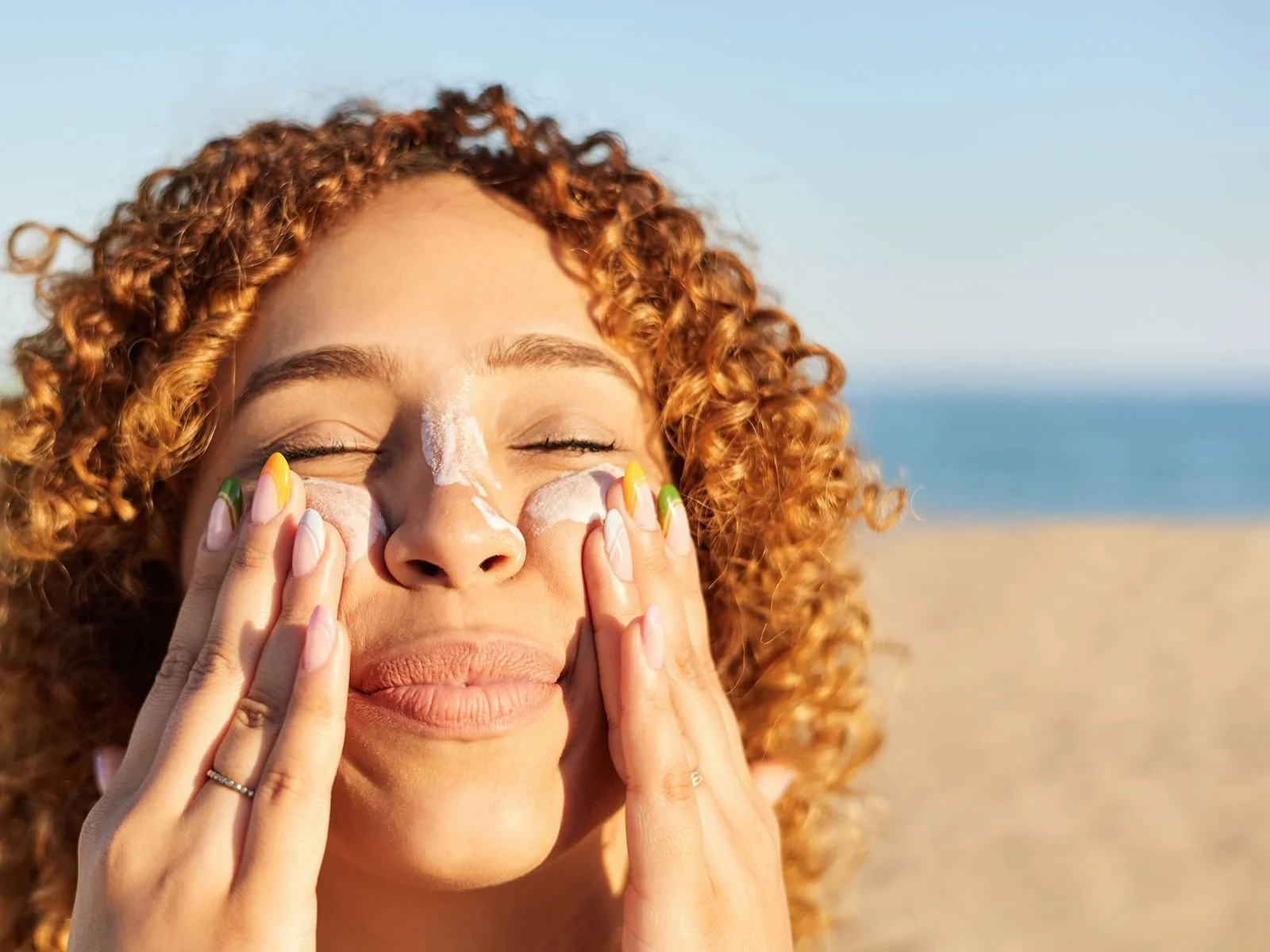
Sunscreen matters because UV exposure can darken post-acne pigmentation and make PIH take longer to fade. The American Academy of Dermatology specifically recommends sunscreen as part of preventing and clearing dark spots that remain after acne.
For most people, a broad-spectrum SPF 30 or higher is the minimum recommendation. If post-acne hyperpigmentation is one of your main concerns, consistent daily use matters more than relying on brightening serums alone.
There is also growing attention on visible light, especially for medium to deeper skin tones, because it can contribute to hyperpigmentation. A 2025 review of tinted sunscreens discusses this in more detail, and the AAD recommends considering tinted sunscreens with iron oxides when dark spots are a concern.

The Ingredients That Actually Help Post-Acne Marks
The best-supported ingredients for post-acne marks include retinoids and azelaic acid, while tranexamic acid and several brightening ingredients can also help, particularly with PIH. Which one makes the most sense depends on whether you are mainly dealing with red PIE, brown or gray PIH, ongoing acne, or a combination of these concerns.
Azelaic Acid
Azelaic acid is especially useful when acne and leftover marks occur together. It helps reduce acne-related inflammation while also interfering with melanin production, which makes it useful for PIH.
It also has some direct evidence for both PIH and PIE. A 2024 study of 15% azelaic acid found improvement in both types of post-acne marks, while a 2026 systematic review found consistent improvement in acne-induced pigmentation across several azelaic acid studies.
Tranexamic Acid
Tranexamic acid mainly targets excess pigment, so it is more relevant to PIH than red PIE. Evidence specifically for acne-related pigmentation is smaller than for azelaic acid or retinoids, but it is growing.
In one study included in the 2026 systematic review, a 5% topical tranexamic acid solution used for 12 weeks significantly improved acne-induced pigmentation and was generally well tolerated.
Retinoids
Retinoids are particularly useful when you still have active acne as well as PIH because they address both problems at the same time. They increase skin cell turnover and can gradually reduce uneven pigmentation while helping prevent new breakouts.
They also have some of the stronger direct evidence for acne-related PIH. The same 2026 systematic review found improvement with tretinoin, adapalene, tazarotene, and trifarotene, although irritation from retinoids can itself make pigmentation worse if the skin is pushed too hard.
Niacinamide
Niacinamide can support a more even skin tone while also helping with barrier function, which makes it easy to combine with stronger pigmentation ingredients.
The direct evidence for niacinamide alone in post-acne PIH is much more limited than for retinoids or azelaic acid. I would therefore think of it more as a supporting ingredient than the main treatment for stubborn marks.
Vitamin C
Vitamin C can help with uneven pigmentation while also providing antioxidant protection. Some acne-pigmentation studies have included vitamin C, but it is often part of a combination formula rather than tested on its own.
For that reason, vitamin C makes the most sense as part of a broader PIH routine rather than something I would rely on alone for persistent post-acne marks.
Alpha Arbutin
Alpha arbutin can help reduce excess melanin production and is widely used in pigmentation-focused skincare. However, direct clinical evidence specifically for acne-induced PIH is much thinner than for ingredients such as azelaic acid and retinoids.
Glutathione and Other Supporting Ingredients
Glutathione, licorice root extract, N-acetyl glucosamine, ferments, and antioxidant-rich botanical extracts are also common in brightening formulas.
They can contribute to a more even-looking complexion, but for post-acne PIH specifically, the evidence is stronger for retinoids and azelaic acid, with growing evidence for tranexamic acid.
The Best Products for Post-Acne Marks
The best products for post-acne marks are usually the ones that match the type of mark you have and combine effective ingredients without making the routine unnecessarily irritating.
For PIH, that may mean formulas built around ingredients such as azelaic acid, tranexamic acid, retinoids, niacinamide, or vitamin C. For PIE, the focus is often a little different because redness is not caused by excess melanin.
I generally prefer products that combine a few complementary ingredients in a well-balanced formula rather than relying on one heavily marketed “hero” ingredient. The goal is something effective enough to make a difference, but gentle enough to use consistently.
Best Serums for Fading Stubborn Post-Acne Marks
These are the products I would reach for when post-acne marks are particularly persistent. They typically combine multiple brightening ingredients, helping address both post-inflammatory erythema and post-inflammatory hyperpigmentation through several pathways at once.
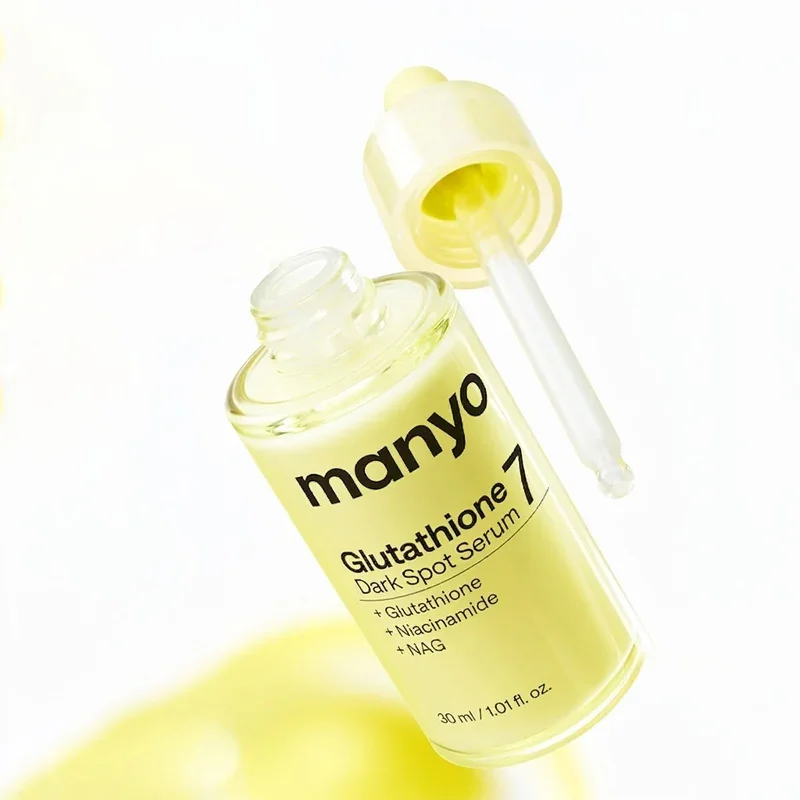
Manyo Glutathione 7 Dark Spot Serum
Where to buy
Probably the most comprehensive formula in this guide. It combines several of the ingredients most commonly used for post-acne marks, including niacinamide, tranexamic acid, alpha arbutin, glutathione, kojic acid, vitamin C, and N-acetyl glucosamine. If you prefer one powerful serum instead of layering multiple products, this is one of the strongest all-in-one options for stubborn discoloration.
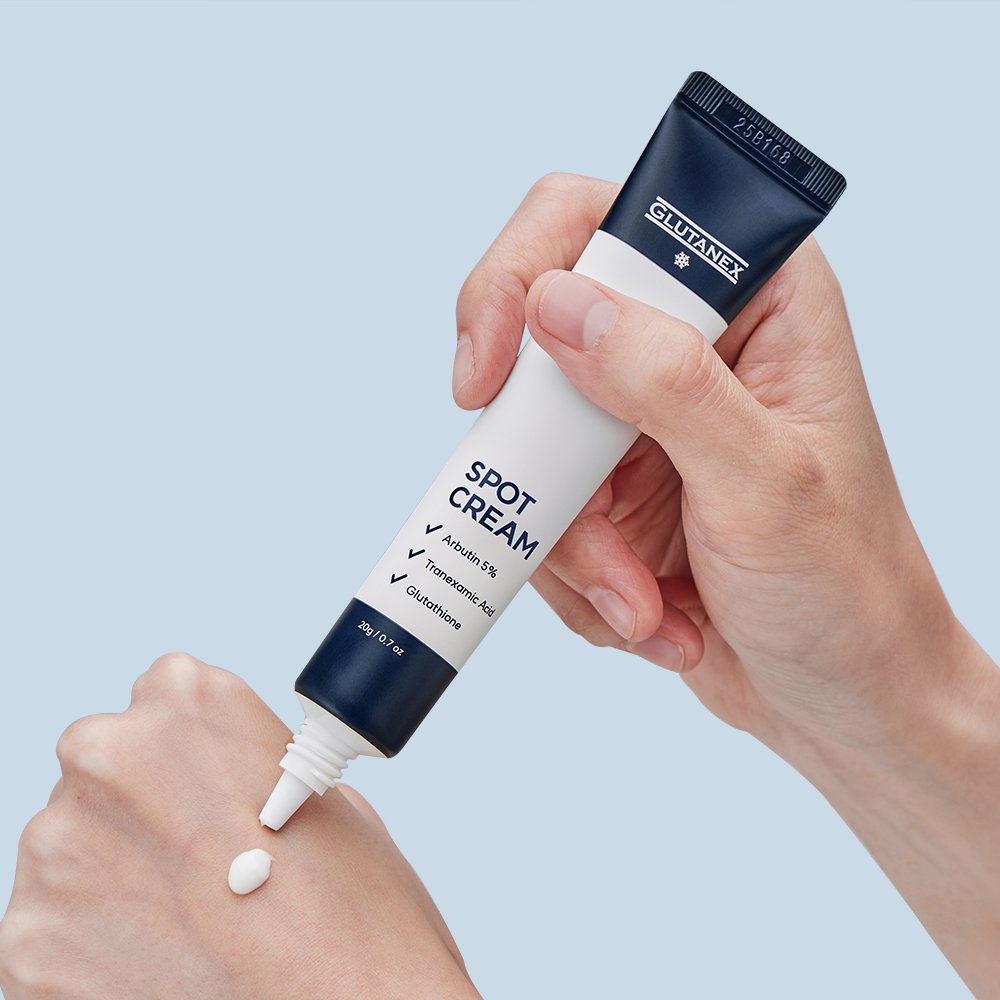
Glutanex Spot Cream
Where to buy
A richer alternative for those who prefer cream textures over lightweight serums. With 5% arbutin supported by tranexamic acid, niacinamide, glutathione, and a vitamin C derivative, it delivers serious brightening support while also feeling nourishing on the skin. Particularly appealing for dry or dehydrated skin types.
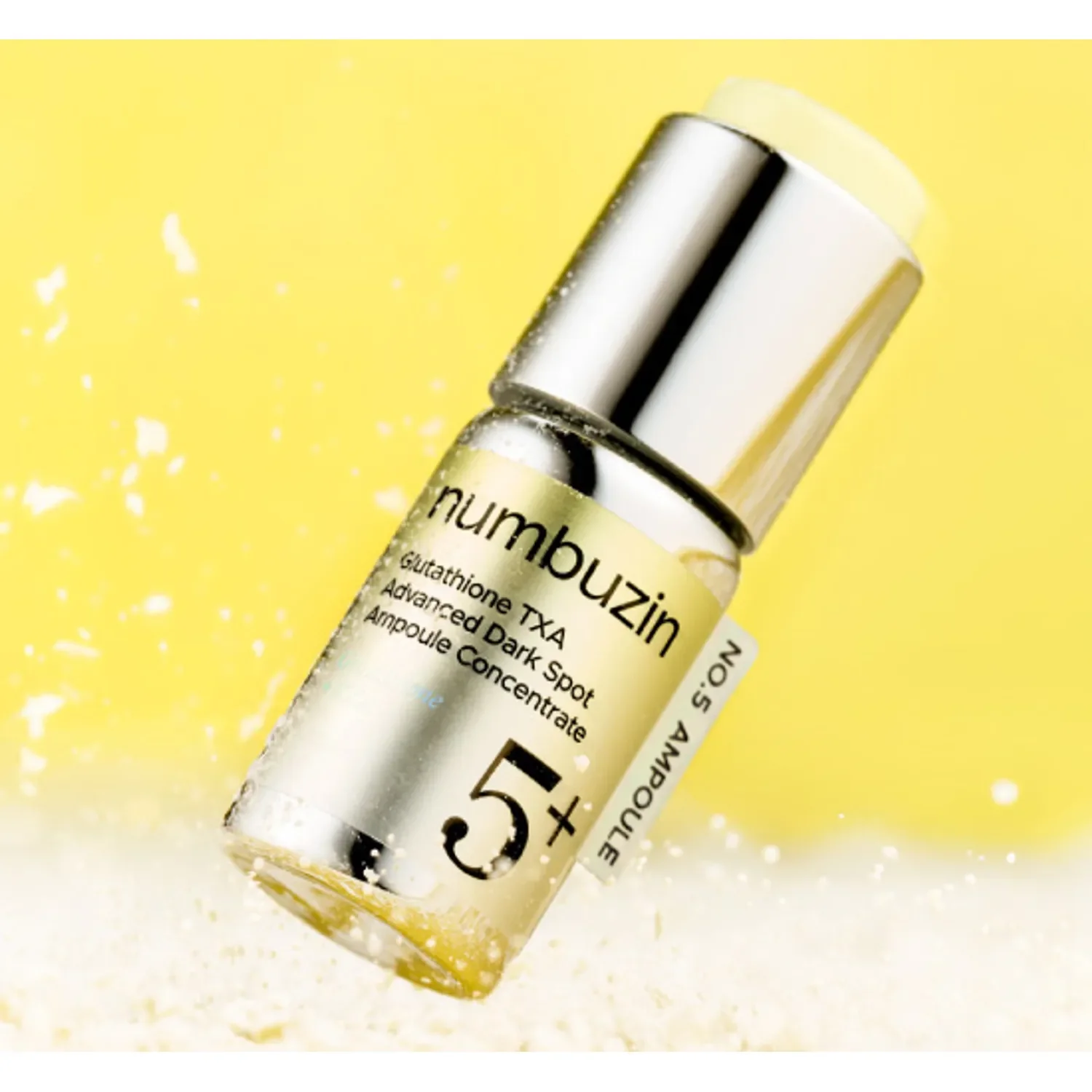
Numbuzin No.5 Glutathione TXA Advanced Dark Spot Ampoule Concentrate
Where to buy
This lightweight ampoule combines tranexamic acid and glutathione with niacinamide and vitamin C derivatives in a fast-absorbing formula. It feels less intensive than Manyo but still offers multiple brightening ingredients in a single step. A good choice for those who enjoy lightweight Korean-style ampoules.
Best Products for Acne-Prone Skin with Post-Acne Marks
These products are particularly useful for people who are still experiencing breakouts while trying to fade lingering discoloration. Ingredients such as azelaic acid can help address both concerns at the same time.
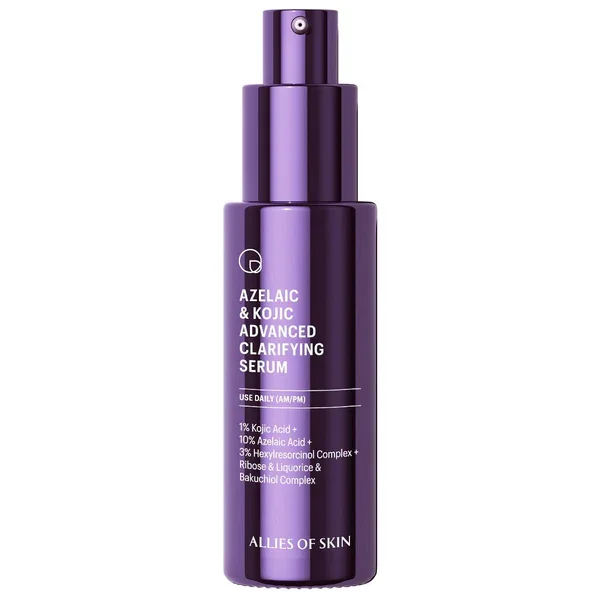
Allies of Skin Azelaic & Kojic Clarifying Face Serum
Where to buy
One of the strongest options for people dealing with both active acne and lingering marks. Azelaic acid is supported by kojic acid, hexylresorcinol, and licorice root extract, while soothing ingredients help keep the formula comfortable. Particularly useful when new breakouts are still creating fresh discoloration.
PURITO Azelaic Acid 10% + Kojic Acid + Tea Tree Facial Serum
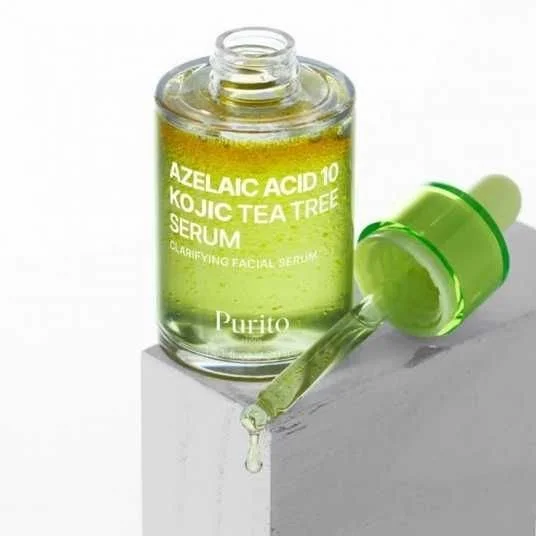
Built around 10% azelaic acid, this serum targets both blemishes and post-acne marks at the same time. Kojic acid, niacinamide, and tea tree complement the formula, making it especially relevant for acne-prone skin that still experiences occasional breakouts.
Best Retinoids for Faster Skin Renewal
Retinoids can support the skin's natural renewal process, making them a valuable option for improving the appearance of post-acne marks over time.
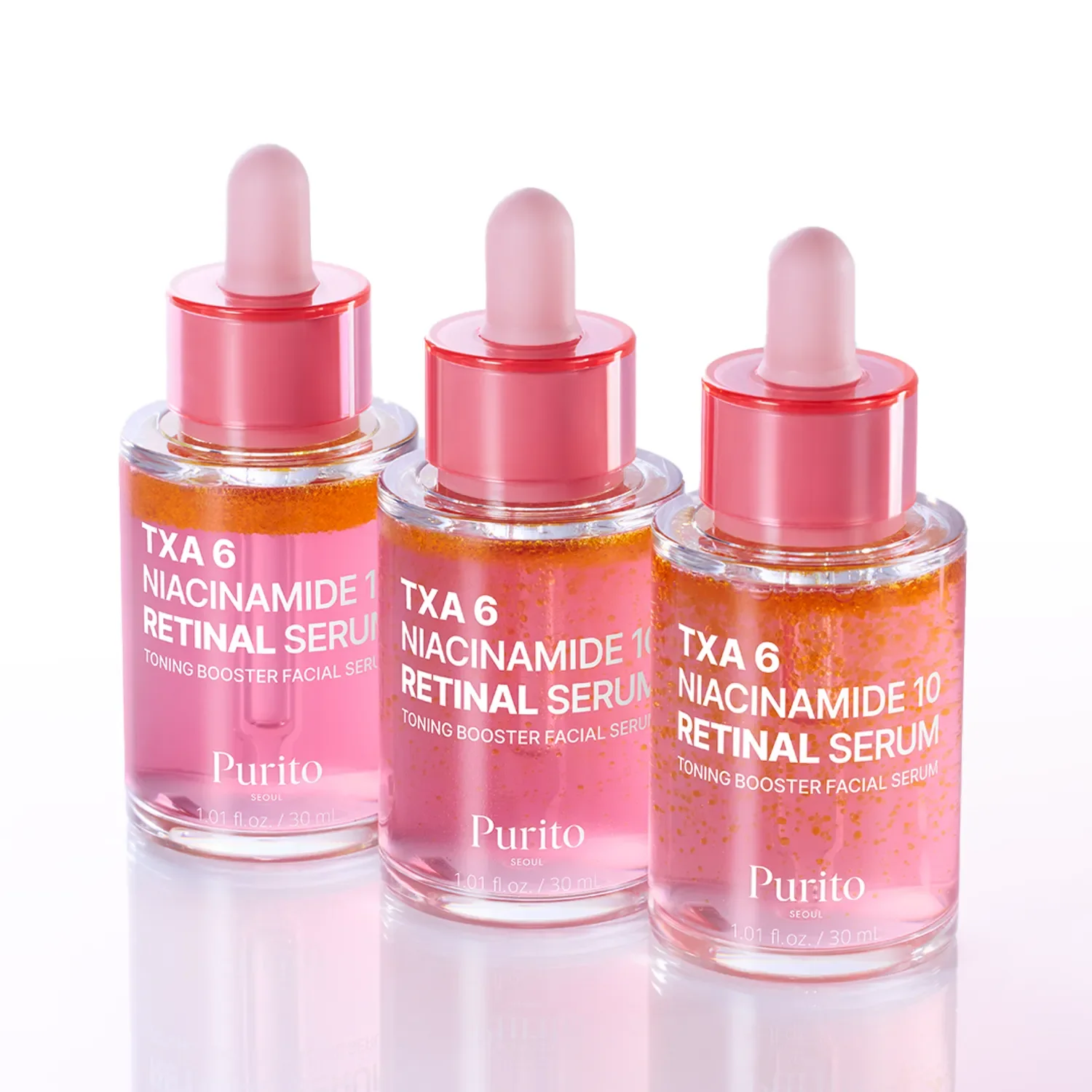
Purito Seoul TXA 6 Niacinamide 10 Retinal Serum
Where to buy
A unique combination of retinal, 6% tranexamic acid, and 10% niacinamide. Rather than focusing only on discoloration, it also supports faster skin renewal, making it a particularly interesting option for marks that have been slow to fade. Best suited for those already comfortable introducing a retinoid.
Dr.Reju-All Advanced Retino-Mela Serum
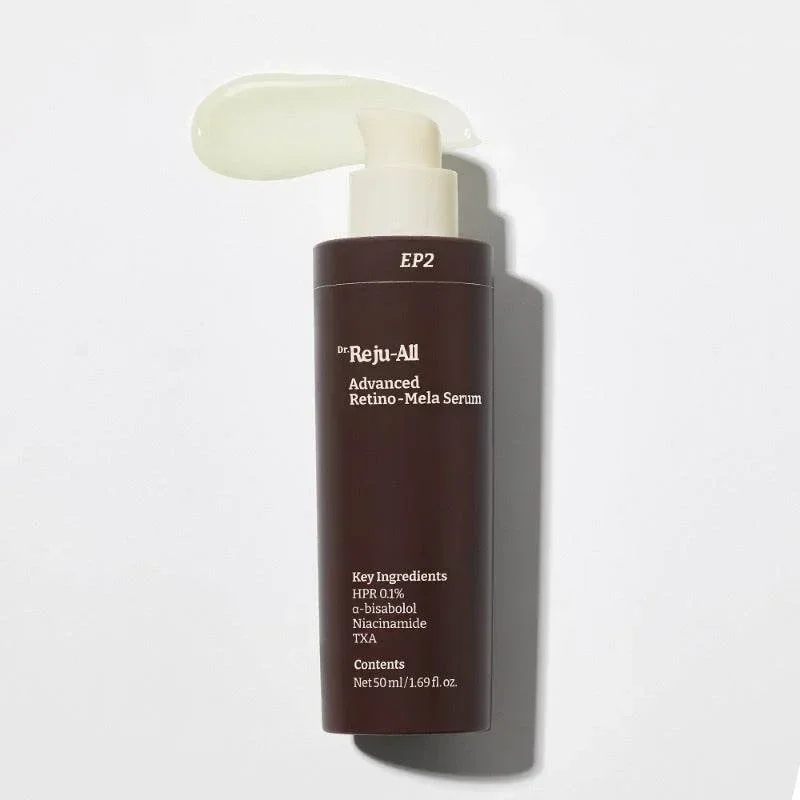
This formula combines HPR, a next-generation retinoid, with niacinamide and tranexamic acid. It feels more elegant and hydrating than many retinoid products, making it easier to use consistently. A good option if you want to address post-acne marks while also improving overall skin texture and early signs of aging.
Best Exfoliating Options for Uneven Skin Tone
Chemical exfoliants such as glycolic acid, lactic acid, mandelic acid, and salicylic acid can help accelerate the fading of post-acne marks by encouraging skin renewal.
While exfoliation can be helpful, more is not always better. Over-exfoliation may increase irritation and slow recovery.
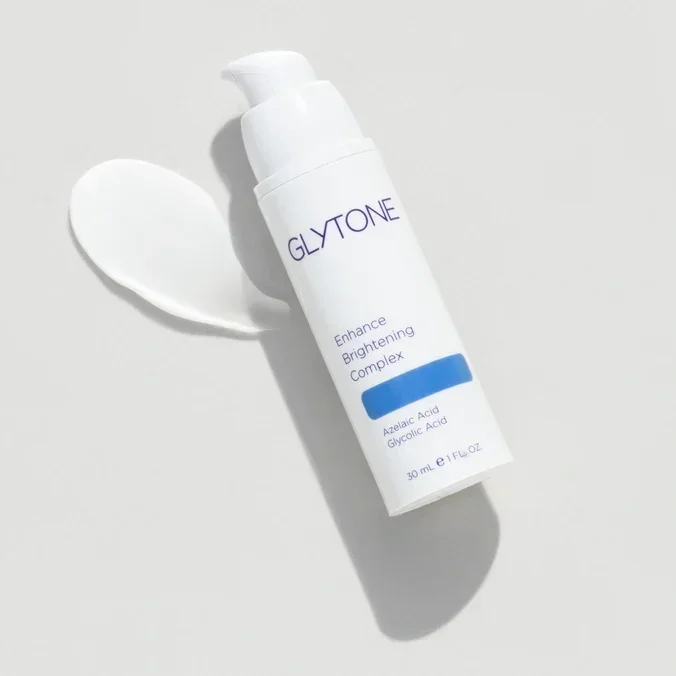
Glytone Enhance Brightening Complex
Where to buy
A treatment cream that combines 12% azelaic acid and 3% glycolic acid in one product. Instead of adding separate exfoliating and brightening treatments, this formula brings both approaches together. Ideal for those who prefer a streamlined routine with fewer products.
By Wishtrend 5% Mandelic Acid Dark Spot Correcting Serum

Where to buy
One of the gentlest exfoliating options in this guide. The formula combines 5% mandelic acid with niacinamide, glutathione, and a vitamin C derivative, helping improve uneven skin tone without the harsher feel often associated with stronger acids. A good starting point for sensitive skin or exfoliation beginners.
Best Brightening Serums for Dark Post-Acne Marks
These formulas often combine ingredients such as vitamin C, tranexamic acid, niacinamide, and alpha arbutin to target discoloration from multiple angles.
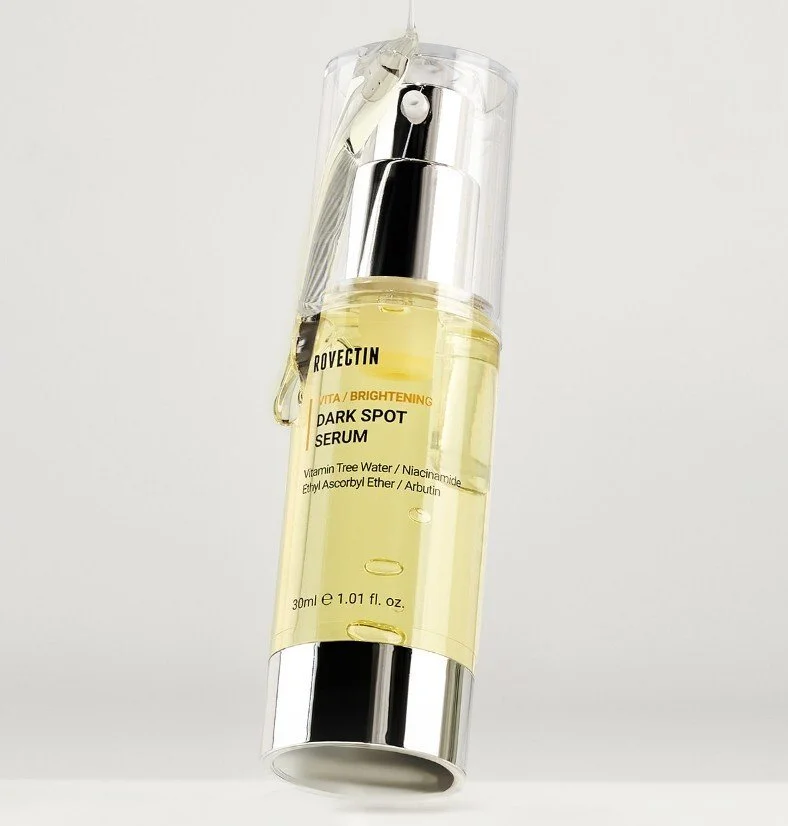
Rovectin Vita Brightening Dark Spot Serum
Where to buy
A well-rounded brightening serum featuring niacinamide, alpha arbutin, vitamin C derivatives, and 4-butylresorcinol. The lightweight texture layers easily with other treatments, making it particularly useful when dark marks are the main concern but your routine already contains stronger actives.
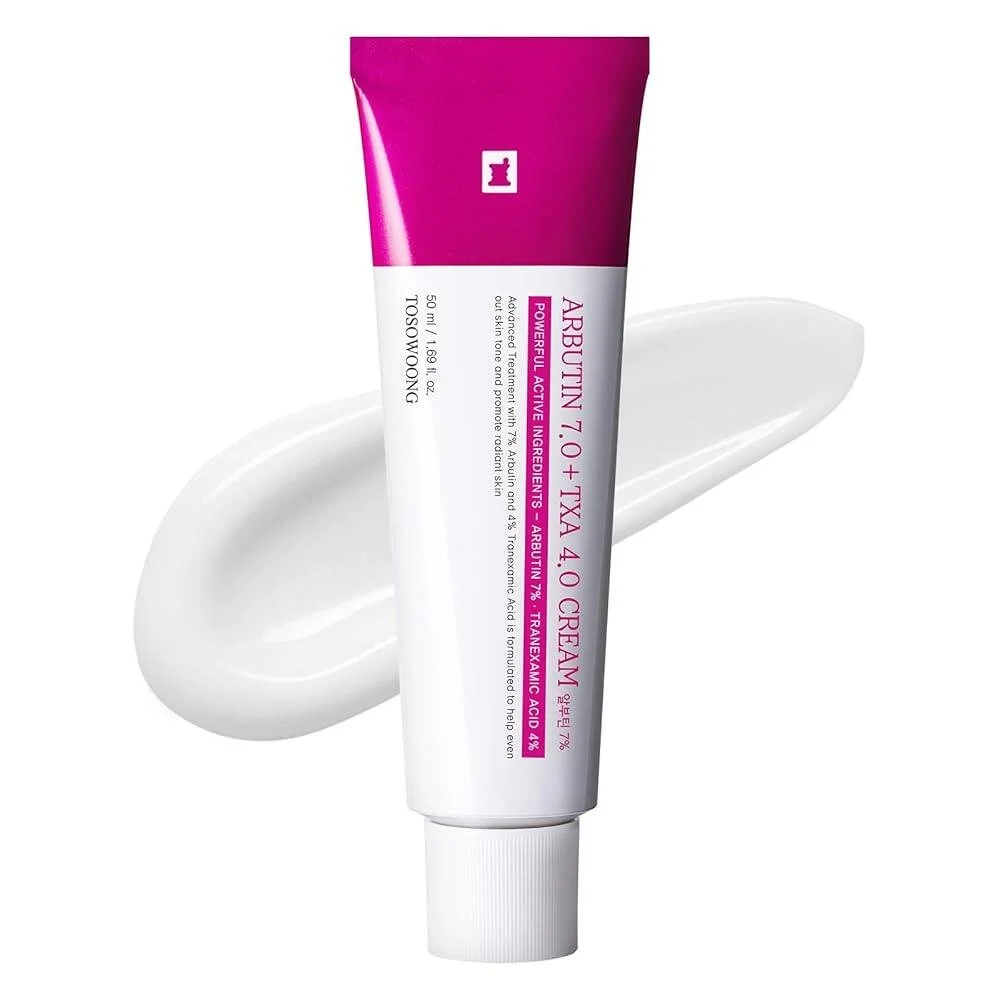
Tosowoong Arbutin 7.0 + Tranexamic Acid 4.0 Cream
Where to buy
With 7% arbutin and 4% tranexamic acid, this formula takes a direct approach to discoloration. The richer cream texture sets it apart from most brightening serums, making it especially appealing for normal, dry, or dehydrated skin types.
Best Gentle Options for Sensitive Skin
Sensitive skin often benefits from a slower, barrier-focused approach. These products prioritize soothing and brightening ingredients while minimizing the risk of irritation that could worsen post-acne marks.
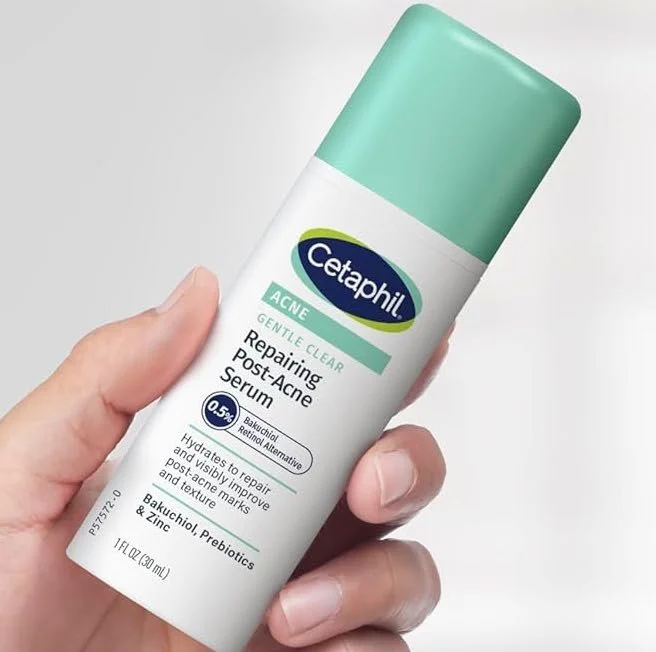
Cetaphil Gentle Clear Repairing Post-Acne Serum
Where to buy
A simple, beginner-friendly option that focuses on niacinamide, panthenol, zinc gluconate, and bakuchiol rather than stronger exfoliants or retinoids. If your skin reacts easily or you have struggled with irritation from active ingredients in the past, this is one of the safest places to start.
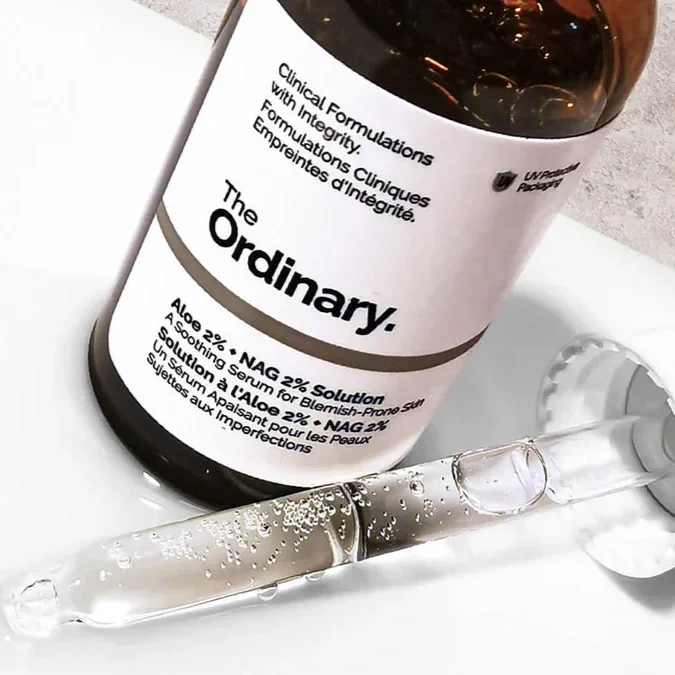
The Ordinary Aloe 2% + NAG 2% Solution
Where to buy
A minimalist formula built around aloe vera and 2% N-acetyl glucosamine. Lightweight, uncomplicated, and easy to combine with almost any routine, it is a sensible choice for sensitive skin or for those who prefer a more gentle approach to post-acne marks.
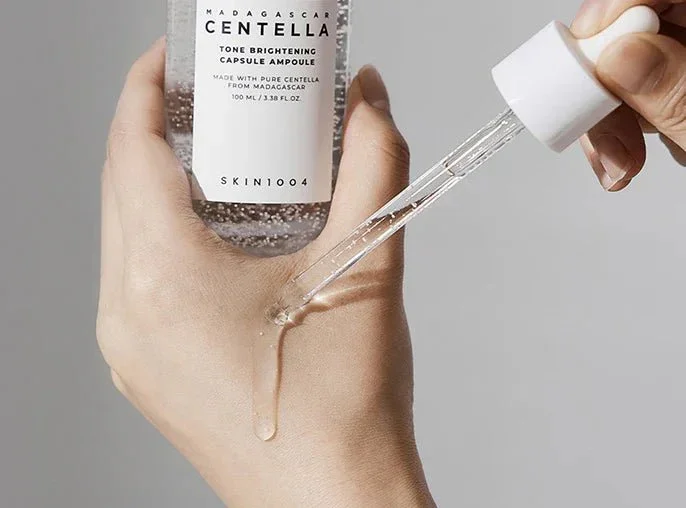
SKIN1004 Tone Brightening Capsule Ampoule
Where to buy
This formula takes a calming-first approach, combining 77% centella extract with niacinamide, tranexamic acid, and a vitamin C derivative. It is less aggressive than many dedicated brightening serums, making it a good fit for sensitive skin or for those recovering from acne treatments.
If You're Not Sure Where to Start
Still getting breakouts? → Start with azelaic acid.
Mostly dark brown marks? → Try a brightening serum with tranexamic acid and arbutin.
Mostly red marks? → Focus on sunscreen and barrier support, then consider azelaic acid.
Want one product that does a bit of everything? → Manyo Glutathione 7 Dark Spot Serum.
Sensitive skin? → Start with The Ordinary Aloe + NAG or SKIN1004 Tone Brightening Capsule Ampoule.
How Long Do Post-Acne Marks Take to Fade?
Post-acne marks can take anywhere from a few months to much longer to fade, depending on the type of mark, how deep the discoloration is, your skin tone, sun exposure, and whether new breakouts are still forming.
There is no single timeline that applies to everyone. For PIH, the American Academy of Dermatology notes that a spot only a few shades darker than your natural skin tone may take around 6 to 12 months to fade, while deeper pigmentation can take much longer. PIE can also persist for months, although some marks gradually improve on their own over time.
As a general guideline:
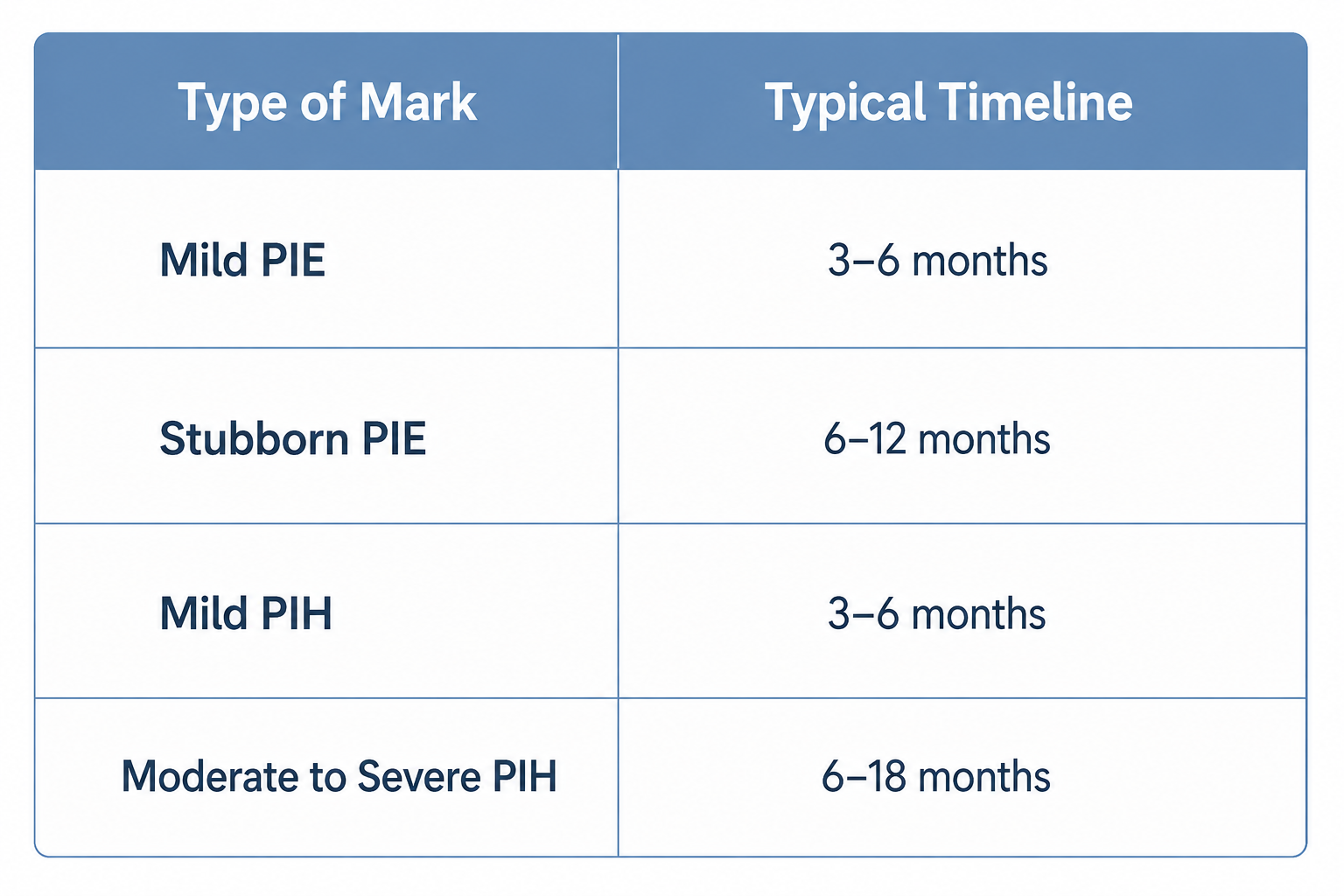
Most brightening ingredients require at least 8 to 12 weeks of consistent use before noticeable improvement becomes apparent.
It is also worth treating ongoing acne at the same time. New inflammation can keep creating fresh PIE and PIH, which makes progress feel much slower even when older marks are fading. The AAD also recommends controlling acne early to help prevent new dark spots from forming.
When Skincare Isn't Enough
Skincare can help with post-acne discoloration and mild uneven texture, but true acne scars often need professional treatment because they involve structural changes in the skin.
The best procedure depends on the type and depth of the scar. The American Academy of Dermatology notes that depressed scars may be treated with options such as microneedling, radiofrequency, laser resurfacing, chemical peels, fillers, or minor scar surgery.
Common options include:
Microneedling
Radiofrequency microneedling
Fractional laser treatments
TCA CROSS
Chemical peels
There is no single best procedure for every acne scar. Ice pick, boxcar, and rolling scars can respond differently, so a dermatologist can help choose the most appropriate treatment or combination of treatments for your scar pattern.
Frequently Asked Questions
Can I Use More Than One Ingredient for Post-Acne Marks?
Yes, but you do not need several strong actives at the same time. A simple combination such as one main brightening ingredient plus supportive ingredients like niacinamide can be enough, while layering multiple acids, retinoids, and brightening serums may increase irritation and make the routine harder to tolerate.
Should I Apply a Dark Spot Serum All Over My Face or Only on the Marks?
It depends on the product. Many lightweight brightening serums are designed for the whole face, which can be useful if you have several scattered marks or an uneven skin tone. Stronger formulas may be better used more selectively, so always follow the product instructions.
Can Picking a Pimple Make the Mark Worse?
Yes. Picking, squeezing, or repeatedly touching an inflamed spot can cause more inflammation and skin damage, which can increase the chance of lingering discoloration or scarring. Leaving the lesion alone as much as possible is one of the simplest ways to reduce new post-acne marks.
Can I Start Fading a Post-Acne Mark While the Pimple Is Still Healing?
Usually it is better to wait until the skin surface has healed before applying stronger brightening or exfoliating products directly over the area. If the spot is still open, crusted, or irritated, focus on gentle cleansing, moisturizing, and protecting the skin first.
What If My Post-Acne Marks Get Darker While I Am Using Brightening Products?
Look for signs of irritation before adding something stronger. Burning, persistent redness, peeling, or over-exfoliation can make pigmentation harder to manage, especially in skin that develops PIH easily. In that situation, simplifying the routine and allowing the skin barrier to recover may be more helpful than adding another brightening ingredient.
Final Thoughts
Most post-acne marks will fade with time, but the process is rarely overnight. The key is identifying whether you're dealing with PIE, PIH, or true acne scarring, then choosing ingredients and products that match your specific concern.
Consistent sunscreen use, a healthy skin barrier, and proven ingredients like azelaic acid, tranexamic acid, retinoids, niacinamide, and vitamin C can make a meaningful difference over time.
If you're looking for more skincare recommendations, product reviews, and ingredient guides, explore my blog.
For more personalized help:
Take the Skin Type Quiz for tailored product recommendations.
Build a customized skincare routine based on your skin's needs.
Dive into my skincare ebook to learn the skincare basics, understand key ingredients, and confidently build a routine from scratch.





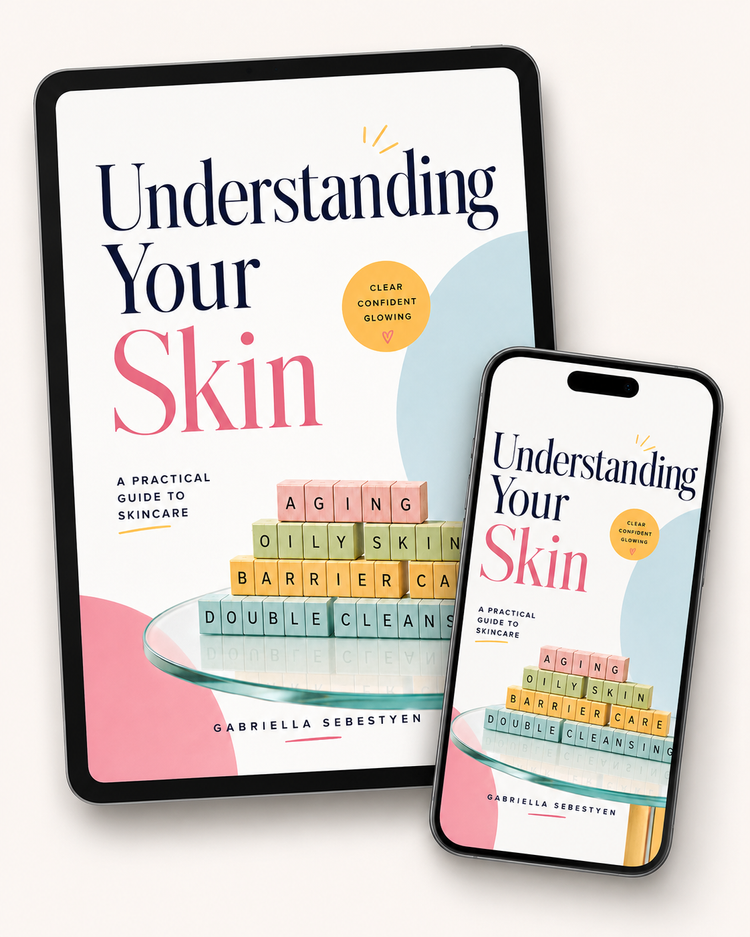
Understanding Your Skin
A Practical Guide to Skincare
I wrote Understanding Your Skin to help you build an effective skincare routine with confidence. This illustrated guide explains skin types, ingredients, and routines in a practical, evidence-based way that's easy to understand and apply.
- Written by a physician
- 120-page illustrated guide
- Evidence-based skincare guidance
- Sample routines & product recommendations

Modern Korean sun serums prove that daily SPF can be lightweight, hydrating, and genuinely enjoyable to wear.