5 The Ordinary Products That Deserve More Attention
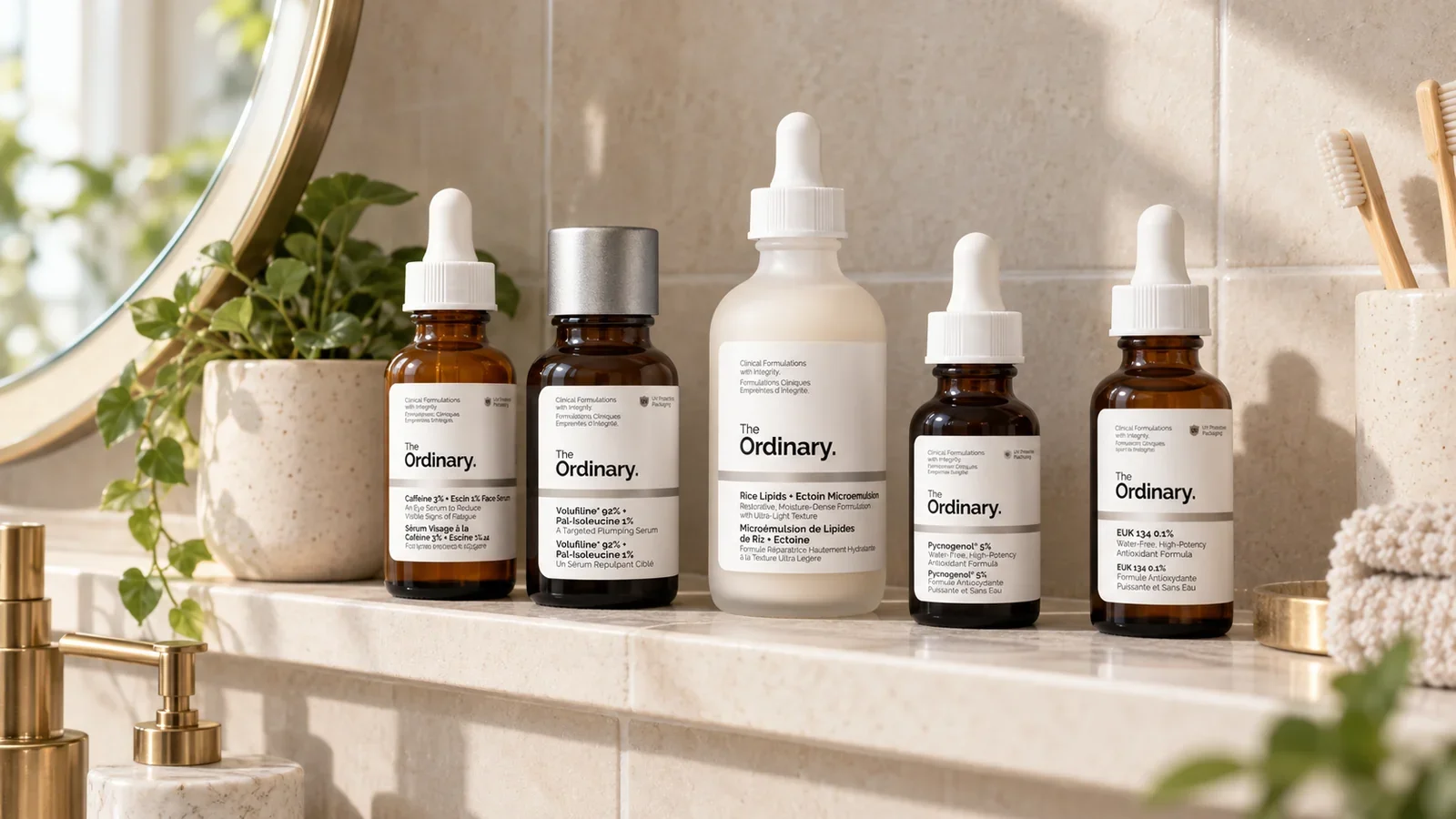
The Ordinary is known for its ingredient-focused formulations, but its skincare range goes far beyond familiar favorites like niacinamide and retinol. Have you heard of escin, Volufiline, Pycnogenol, or EUK 134? You might have spotted these products and wondered what they actually do—or how you're supposed to use them. Let's explore five lesser-known formulas that deserve a closer look.
Key Takeaways
Caffeine 3% + Escin 1% Energizing Face Serum: Helps reduce the appearance of temporary facial puffiness, particularly in the morning.
Volufiline 92% + Pal-Isoleucine 1% Plumping Serum: Targets areas that appear less full, such as the cheeks and temples, although evidence for actual facial volume restoration is limited.
Rice Lipids + Ectoin Microemulsion: Provides lightweight hydration and supports the skin barrier without the heavy feel of a traditional cream.
Pycnogenol 5% Antioxidant Serum: Uses antioxidant-rich French maritime pine bark extract to help protect against oxidative stress.
EUK 134 0.1% Antioxidant Serum: Features a synthetic antioxidant that mimics the activity of the skin's natural protective enzymes.
Some links are affiliate links. If you choose to purchase through them, it helps support my work at no extra cost to you.
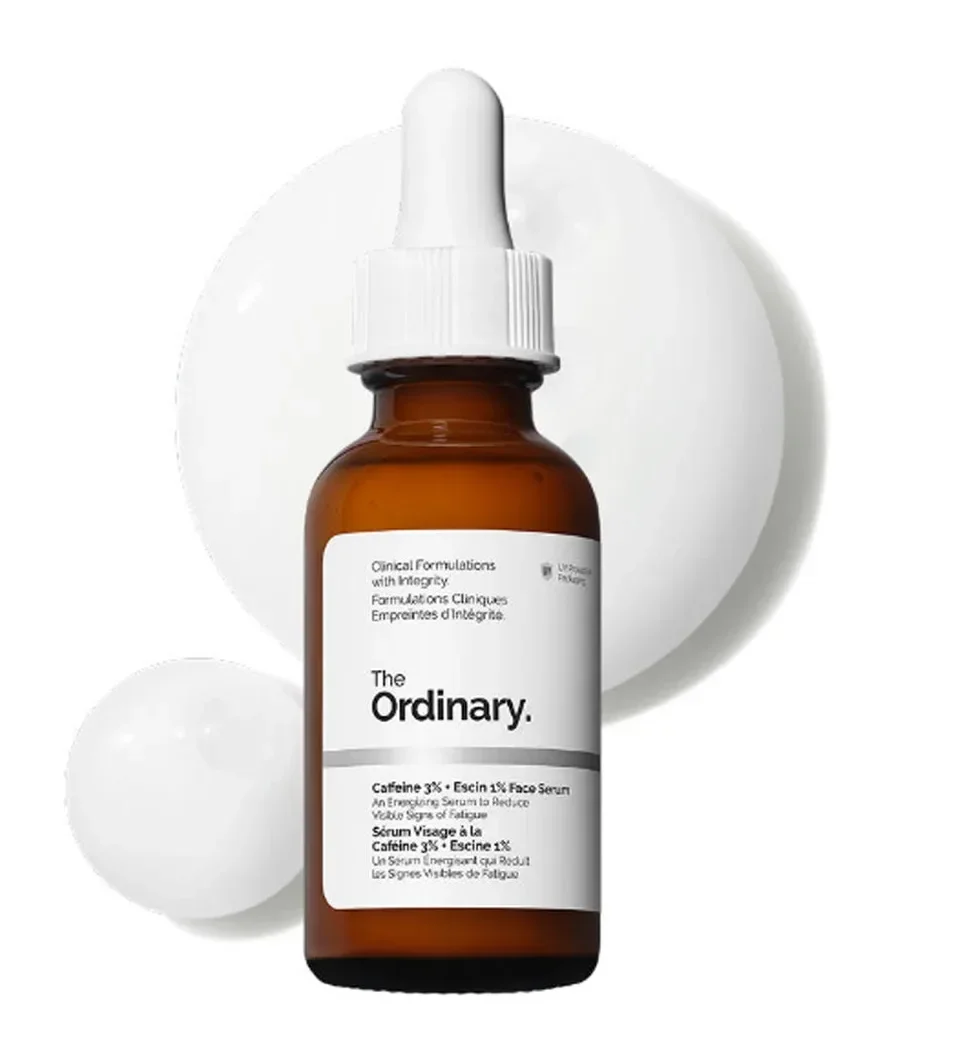
The Ordinary Caffeine 3% + Escin 1% Face Serum
Buy
This lightweight facial serum targets morning puffiness, tired-looking skin, and a temporarily less defined facial appearance. It combines 3% caffeine, known for its antioxidant and potential depuffing properties, with 1% escin, a horse chestnut-derived ingredient that may support blood flow in the skin. Together, they offer an interesting approach to refreshing the appearance of the entire face rather than just the under-eye area.
Glycerin and other moisturizing ingredients help keep the skin hydrated, while a gentle facial massage during application may temporarily improve the appearance of puffiness.
Texture: Lightweight, slightly creamy emulsion.
Fungal acne safe: No.
Important to know: This is a facial serum, not an eye serum, so avoid the eye contour. Its effects on puffiness are expected to be temporary rather than permanently changing facial contours.
Who I'd recommend it for: Someone who regularly wakes up with puffy cheeks or a slightly swollen-looking face, especially after poor sleep, and notices that their face naturally looks more defined later in the day.
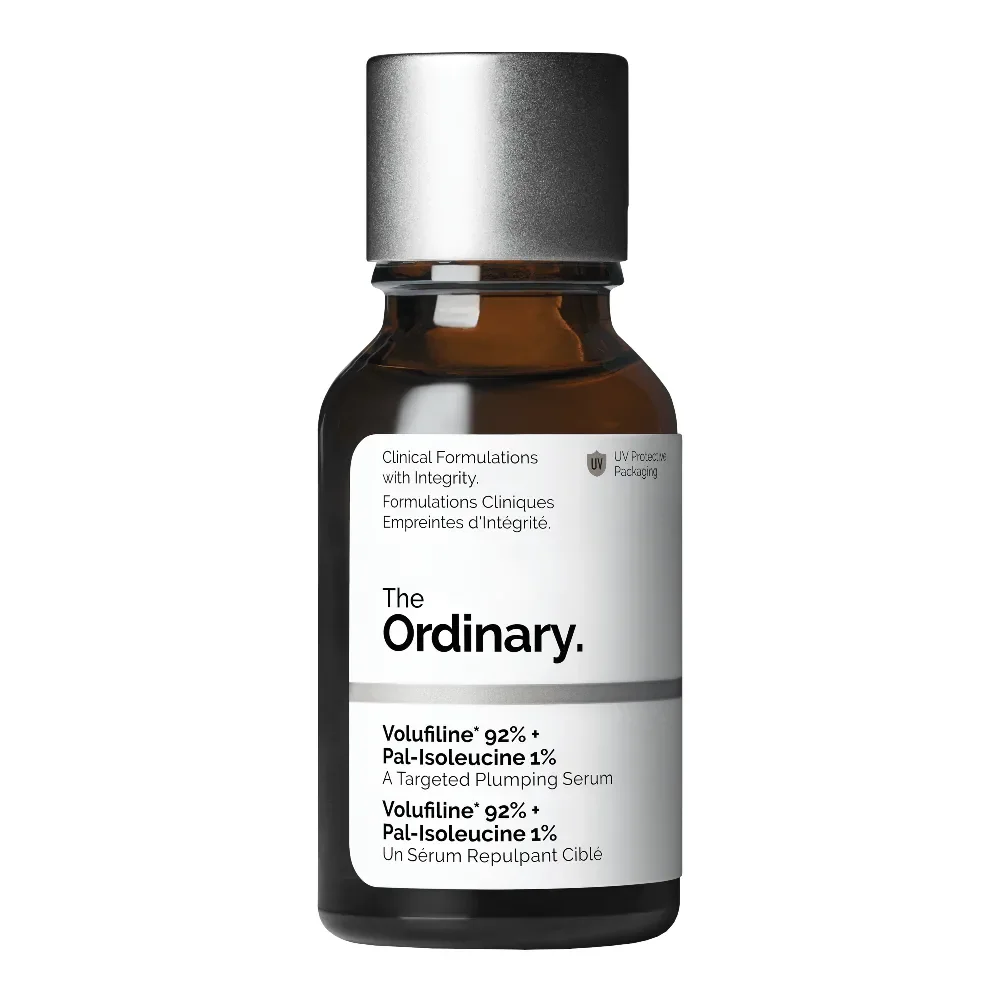
The Ordinary Volufiline 92% + Pal-Isoleucine 1%
Buy
This targeted plumping serum is designed to improve the appearance of facial volume loss, particularly around the cheeks, temples, and smile lines. Its main ingredient, Volufiline, contains Anemarrhena asphodeloides root extract, which provides sarsasapogenin, a compound investigated for its potential effects on fat-cell activity and lipid storage.
The formula also contains 1% palmitoyl isoleucine, a lipoamino acid used to support smoother, firmer-looking skin. Unlike traditional plumping serums that primarily rely on hydration, this formula explores a different approach to improving the appearance of facial fullness. It is intended for targeted application after moisturizer rather than use across the entire face.
Texture: Rich, slippery, oil-like serum.
Fungal acne safe: No.
Important to know: The 92% refers to the Volufiline ingredient blend, not pure plant extract. Actual restoration of lost facial fat has not been established in independent human clinical trials, so don't expect filler-like results.
Who I'd recommend it for: Someone noticing early hollowing around the upper cheeks or temples, or a slightly less full appearance around the smile lines, who wants to explore a non-invasive cosmetic option with realistic expectations.
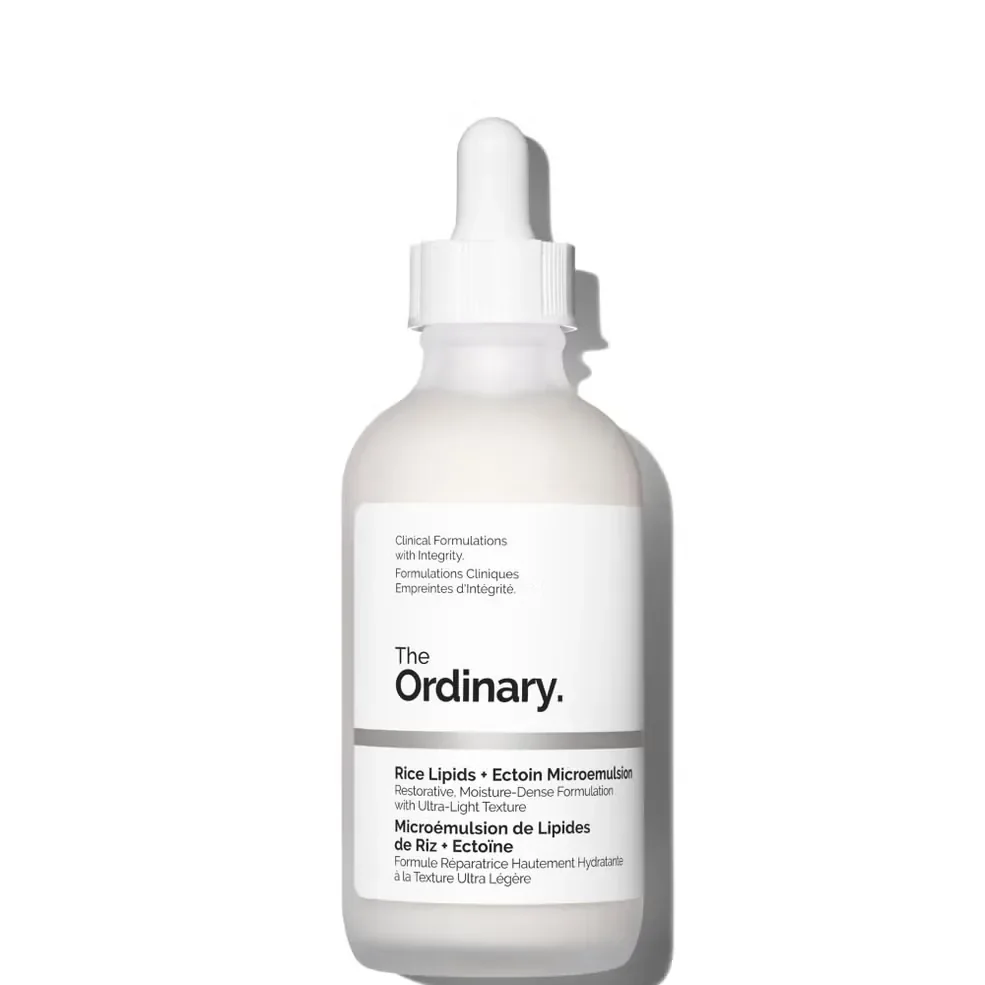
The Ordinary Rice Lipids + Ectoin Microemulsion
Buy
This lightweight moisturizer combines rice lipids, jojoba oil, and ectoin to hydrate the skin, reduce moisture loss, and support the skin barrier without the heavy finish of a traditional cream. Ectoin is particularly interesting for its ability to improve skin hydration and help reduce moisture loss, making it a useful ingredient for dehydrated or sensitive skin.
The formula also contains glycerin, urea, amino acids, sodium PCA, and several sugars that help the skin attract and retain water. High-pressure microfluidization technology creates a fine mixture of water and lipids, giving the moisturizer its unusually light, silky texture despite containing nourishing oils.
Texture: Thin, silky, milky emulsion with a lightweight, non-greasy finish.
Fungal acne safe: No.
Important to know: This is a moisturizer, not simply a hydrating serum. Very dry skin may still need a richer cream, particularly during winter.
Who I'd recommend it for: Someone with combination or oily-dehydrated skin who experiences tightness, occasional flaking, or redness but dislikes heavy creams, especially when layering skincare underneath sunscreen or makeup.
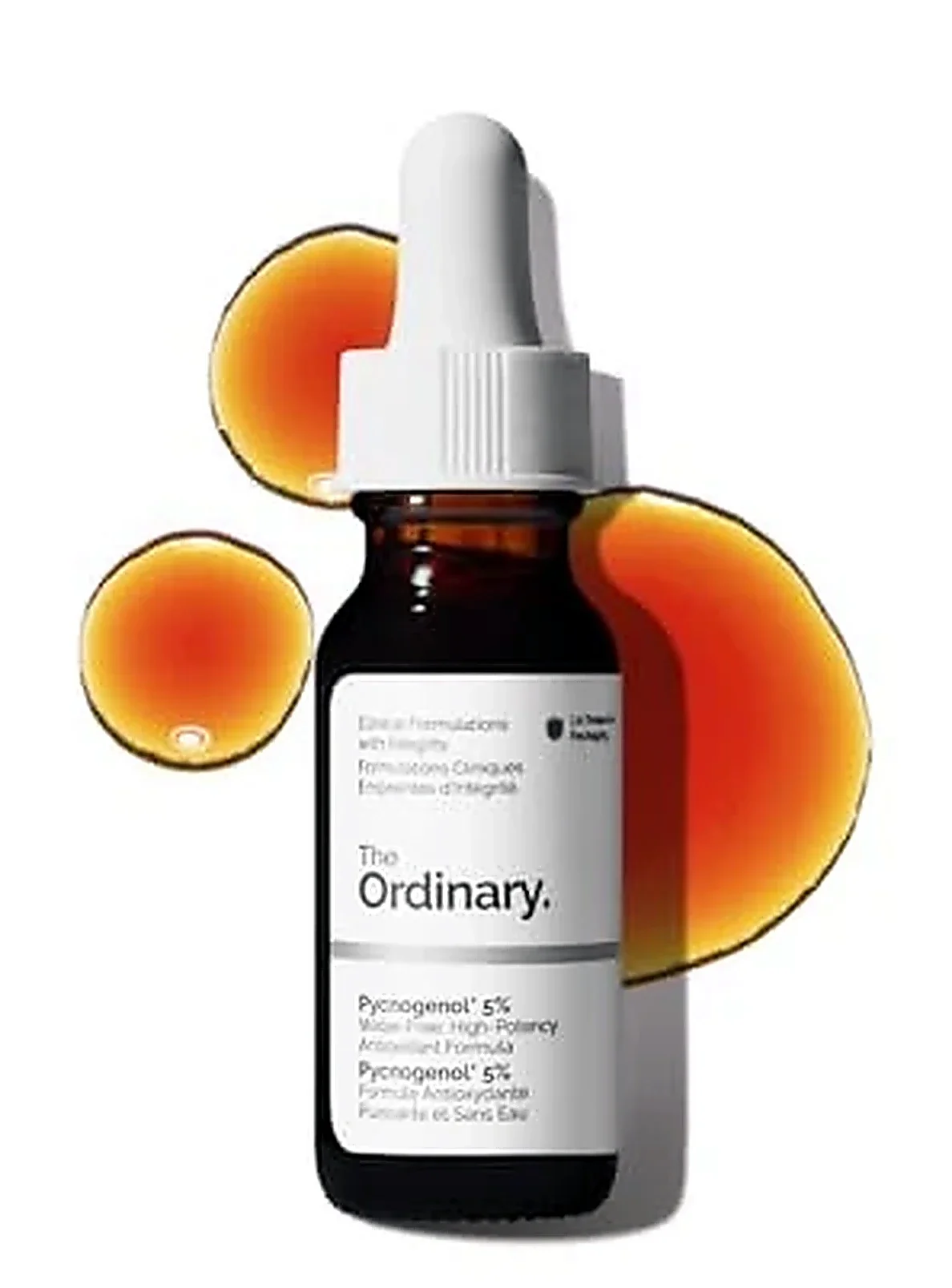
The Ordinary Pycnogenol 5%
Buy
This concentrated antioxidant serum contains 5% Pycnogenol, a standardized French maritime pine bark extract rich in polyphenols. These antioxidant compounds help protect skin components against oxidative stress, including pollution-related oxidative damage, which can contribute to premature skin aging.
The formula contains only two ingredients: Pycnogenol and propanediol. Its water-free, oil-free composition makes it a simple option for adding antioxidant protection to an existing skincare routine without introducing multiple additional active ingredients.
Texture: Lightweight, slightly oil-like liquid.
Fungal acne safe: Yes.
Important to know: The serum has a naturally deep reddish-brown color that may transfer onto light-colored fabrics. Its antioxidant properties complement daily sunscreen but don't replace it.
Who I'd recommend it for: Someone concerned about premature skin aging who regularly spends time outdoors or lives in a city with significant air pollution, already uses sunscreen consistently, and wants a simple antioxidant serum for daily use.
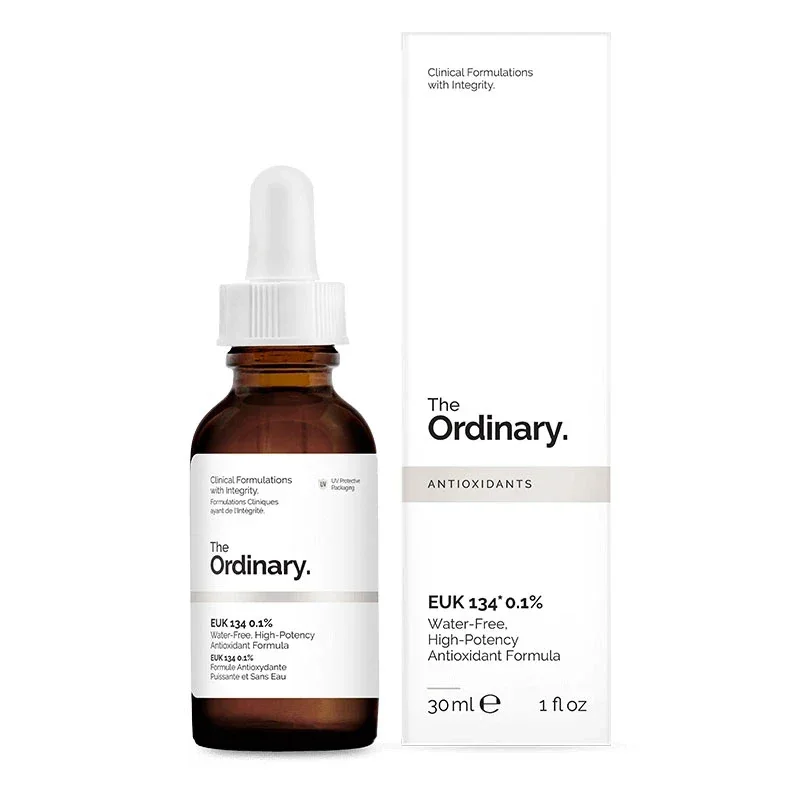
The Ordinary EUK 134 0.1%
Buy
This water-free antioxidant serum contains 0.1% EUK 134, a synthetic manganese-based ingredient that mimics the activity of two of the body's natural antioxidant enzymes. These enzymes help break down reactive oxygen compounds that can contribute to oxidative damage and premature skin aging.
Unlike conventional antioxidants, EUK 134 can participate in repeated antioxidant reactions, although its activity may decrease under certain conditions. The minimalist formula contains only propanediol and EUK 134, making it an unusual alternative to vitamin C-based antioxidant serums.
Texture: Lightweight, slightly slippery, oil-like liquid.
Fungal acne safe: Yes.
Important to know: Avoid combining it with direct acids, direct vitamin C, copper peptides, and certain other antioxidant formulations. If these are already part of your routine, use EUK 134 separately.
Who I'd recommend it for: Someone looking for an alternative to acidic vitamin C serums, particularly if their skin is easily irritated, and who prefers a simple routine without several potentially incompatible active ingredients.
Frequently Asked Questions
Does a higher ingredient percentage mean better skincare results?
Not necessarily. The effectiveness of an ingredient depends on its concentration, stability, formulation, and how well it reaches the skin. A higher percentage doesn't automatically mean better results, and some ingredients can be effective at very low concentrations.
Are water-free serums more effective than water-based serums?
Neither is automatically better. Water-free formulas can help stabilize certain ingredients that are sensitive to water, while water-based serums are often easier to layer and may feel lighter on the skin. The best formulation depends on the ingredient and its intended purpose.
Can antioxidant serums replace sunscreen?
No. Antioxidants can help limit certain types of oxidative damage, but they don't provide reliable protection against ultraviolet radiation. A broad-spectrum sunscreen with SPF 30 or higher remains essential for daytime skin protection.
Does skincare need to penetrate deeply to be effective?
No. Many skincare ingredients work primarily within the outer layers of the skin, where they can improve hydration, support the skin barrier, or help protect against environmental damage. Deeper penetration isn't always necessary or desirable.
Can skincare products permanently change facial structure?
No cosmetic serum has been shown to permanently reshape facial bones or reliably restore lost facial fat. Skincare can improve hydration, smoothness, and the appearance of fine lines, which may make the face look temporarily fuller or more refreshed, but these effects are different from structural changes.
Final Thoughts: Beyond the Familiar Ingredients
The Ordinary has much more to offer than its best-known serums. These five products show how different skincare ingredients can target specific concerns, from temporary facial puffiness and dehydration to antioxidant protection and the appearance of facial fullness. Not every formula will suit your skin, but understanding what each ingredient does can help you discover products you might otherwise overlook.
Want to explore more? Visit my blog for more articles about skincare ingredients, products, and skincare brands. Not sure where to start? Take my Skin Type Quiz to understand your skin better, or explore my personalized skincare consultations if you'd like help choosing products and building a routine that suits your skin.

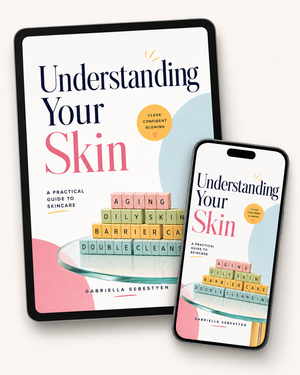
Understanding Your Skin
A Practical Guide to Skincare
I wrote Understanding Your Skin to help you build an effective skincare routine with confidence. This illustrated guide explains skin types, ingredients, and routines in a practical, evidence-based way that's easy to understand and apply.
- Written by a physician
- 120-page illustrated guide
- Evidence-based skincare guidance
- Sample routines & product recommendations

Think you know The Ordinary? These five lesser-known formulas might surprise you. Discover intriguing ingredients, unexpected benefits, and products you may have overlooked.