How to Prevent Razor Burn: Skincare Tips for Men Who Shave

Redness, burning and stinging after shaving usually mean razor burn. It often clears within a few hours to a few days, but if it keeps coming back, how you prepare your skin before shaving, the razor and technique you use, and what you apply afterward can all make a real difference.
Key Takeaways
✓ Razor burn is not the same as razor bumps: razor burn causes redness, burning and a raw feeling soon after shaving, while razor bumps are individual inflamed bumps caused by ingrown hairs
✓ Prepare your beard before shaving by wetting it for around 2 minutes, then use enough shaving gel, light pressure and as few passes as possible
✓ Your razor can make a difference: if a cartridge razor repeatedly causes irritation, a sharp single blade safety razor or an electric razor may be worth trying
✓ Keep post shave skincare simple with a gentle moisturizer containing ingredients such as glycerin, panthenol, ceramides, beta glucan, Centella asiatica or a moderate concentration of niacinamide
✓ Do not apply retinoids, exfoliating acids or highly concentrated active serums immediately after shaving, and skip traditional alcohol heavy aftershaves altogether
✓ If razor burn has already developed, take a short break from shaving, cool the area and focus on gentle hydration until the redness and burning settle
Some links are affiliate links. If you choose to purchase through them, it helps support my work at no extra cost to you.
Razor Burn or Razor Bumps?
Razor burn and razor bumps are often talked about together, and the terms are sometimes used as if they mean the same thing. They can definitely look similar, especially when your skin is red and irritated after shaving, but there are some clear differences.
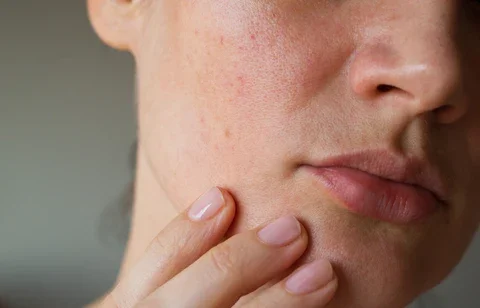
Razor burn usually shows up shortly after shaving. The skin may look red or blotchy and feel hot, stingy, tender or simply raw.
Razor bumps, also called pseudofolliculitis barbae (PFB), are different. They happen when shaved hairs curve back and grow into the skin, creating individual inflamed or pimple like bumps. They often appear a little later and are especially common with coarse or tightly curled beard hair.
Folliculitis can also look similar, but the inflammation starts around the hair follicles and may include pustules. If the area becomes increasingly painful, swollen, warm or starts producing pus, it is probably more than simple razor burn.
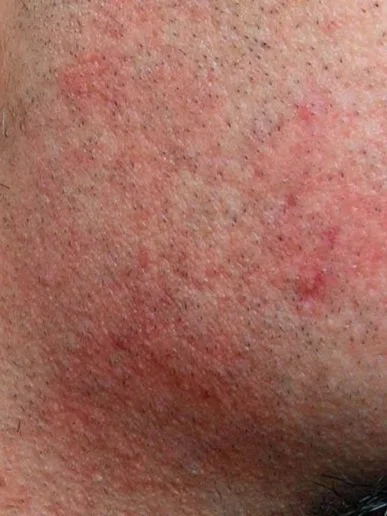
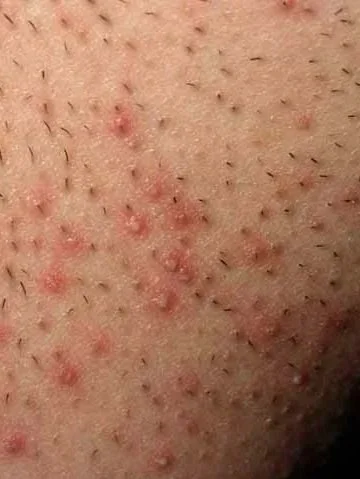
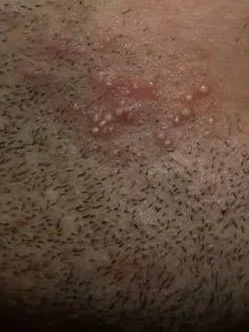
Knowing which one you are dealing with is worth a minute, because the best solution is not always the same. If your skin mainly feels red, hot and irritated straight after shaving, the advice below is for you. If ingrown hairs and recurring bumps are the bigger problem, razor bump prevention becomes much more important.
How to Soothe Irritated Skin After Shaving
If your skin is already red, hot or stinging after shaving, the goal is simple: stop adding more irritation and give the skin barrier a chance to recover.
What to do
✓ Take a short break from shaving
If you can, leave the area alone for a day or two. Going over already irritated skin usually just keeps the cycle going.
✓ Cool the skin down
Rinse with cool or lukewarm water, or hold a cool, damp washcloth over the area for a few minutes. Avoid very hot water, which can make the skin feel even more irritated.
✓ Apply a simple moisturizer
Choose something gentle and fragrance free, ideally with ingredients that help hydrate and support the skin barrier. Glycerin, panthenol, ceramides, beta glucan and niacinamide can all fit well here.
✓ Keep the rest of your routine minimal
For the next day or two, you do not need to do much. Gentle cleansing and a good moisturizer are usually enough while the skin settles. Click for some of the best Korean hypoallergenic skincare options.
Once the skin feels normal again, you can gradually return to your usual routine. But if this happens after almost every shave, the better solution is not just finding a stronger soothing product. It is figuring out what is causing so much irritation in the first place.
Before You Shave: Preparation Matters
Once your skin has settled, prevention starts before the razor even touches your face. Shaving creates friction and removes not only hair but also some surface skin cells, so the drier the hair and the more resistance the blade meets, the more irritation you are likely to create.
Soften your beard first
Wet the beard thoroughly before shaving. Research suggests that around 2 minutes of water contact can significantly reduce the force needed to cut beard hair, making it easier for the razor to move through it.
The easiest way to do this is to shave after a shower or wash your face with lukewarm water and give the beard a couple of minutes to soften before you start.
If you wash your face before shaving, choose a gentle cleanser that will not leave the skin feeling tight or stripped. The Anua 8 Hyaluronic Acid Hydrating Gentle Foaming Cleanser is a good option for easily irritated skin, with glycerin, betaine and panthenol in a simple fragrance free formula.
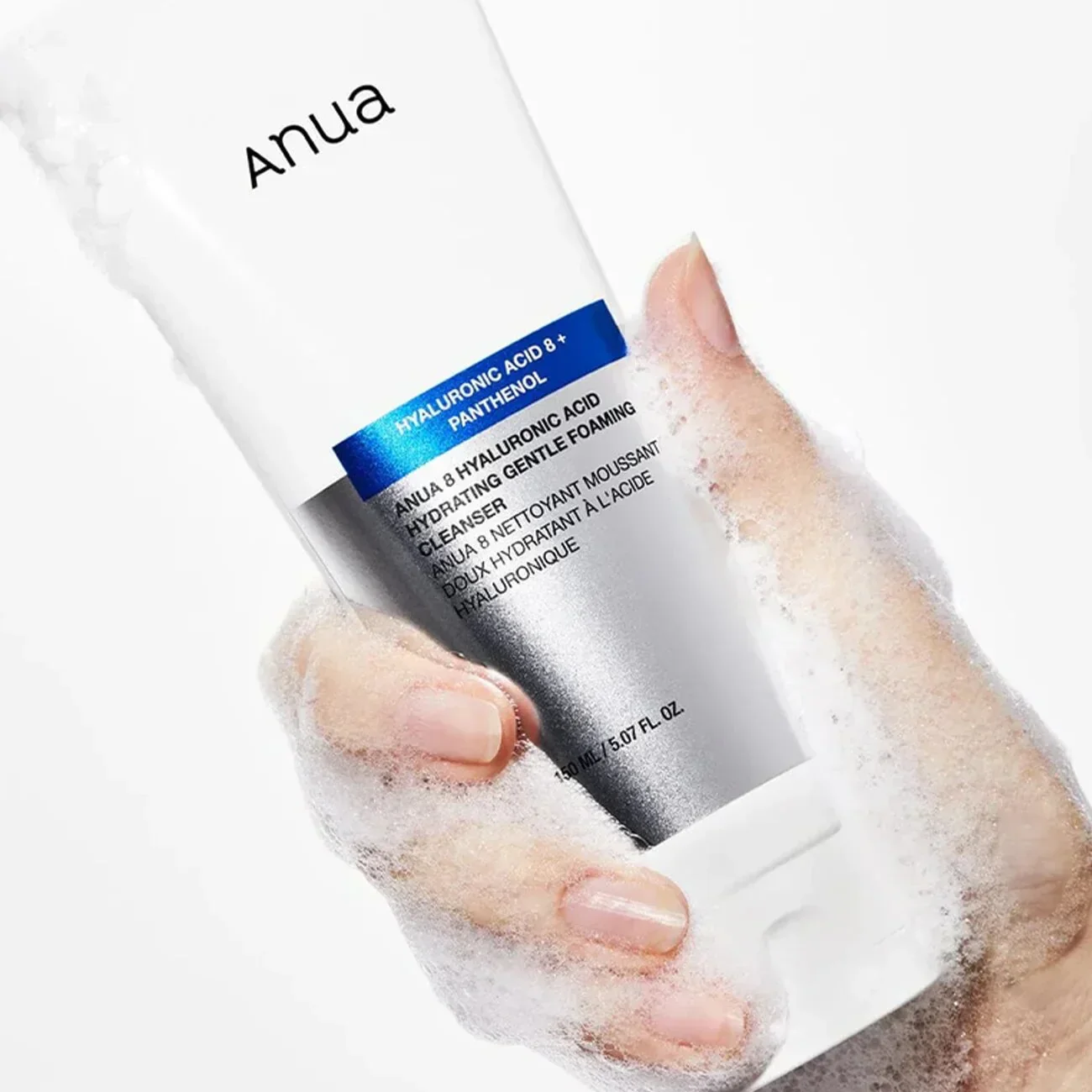
If your skin tends to feel drier, I would lean toward the Round Lab 1025 Dokdo Cleanser. It adds panthenol, allantoin, beta glucan and ceramide NP alongside glycerin, making it a nice option when you want a little more barrier support.
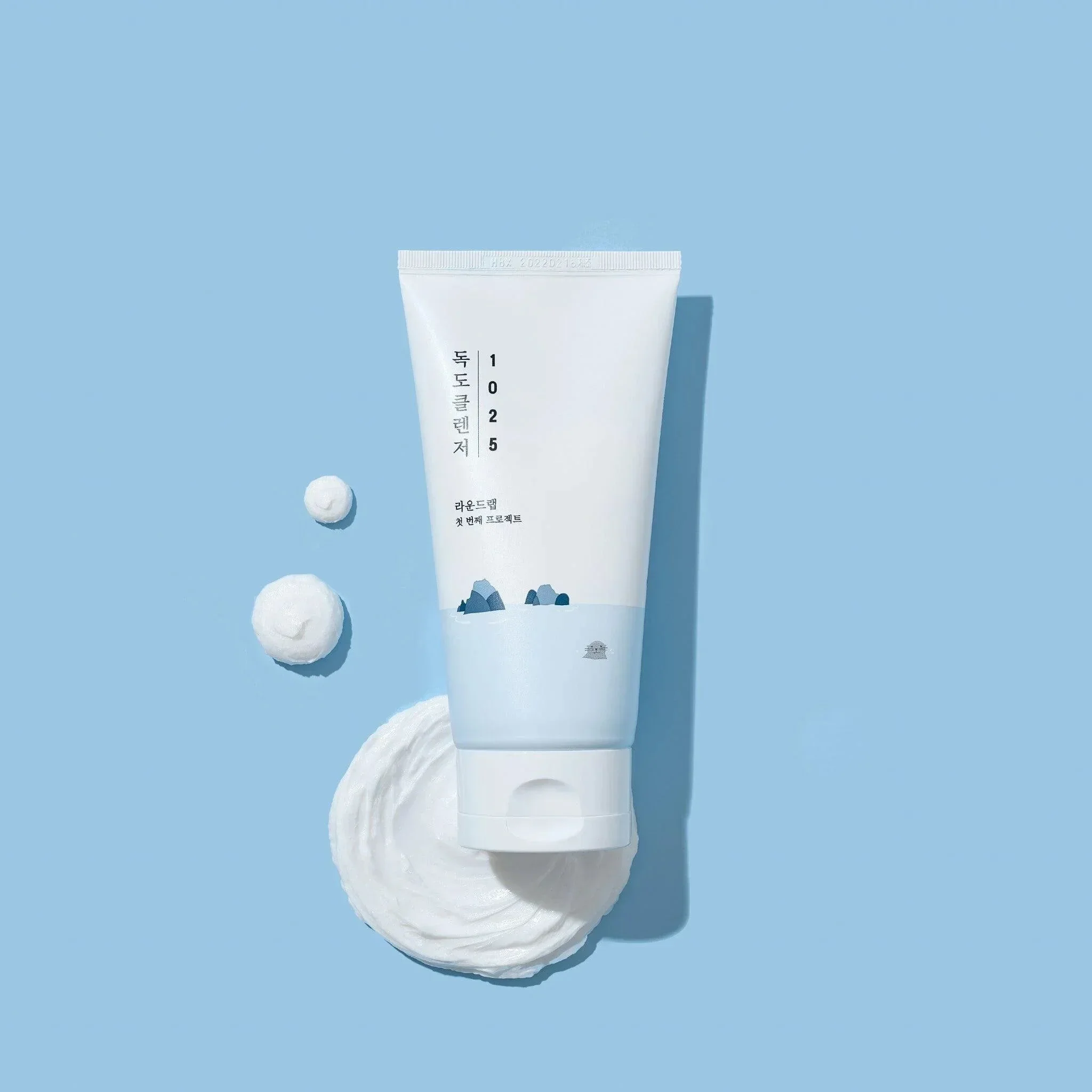
Round Lab 1025 Dokdo Cleanser
Then move on to your shaving gel or cream. A cleanser can help prepare and soften the beard, but it does not provide the same lubrication you need during shaving.
Use enough shaving gel or cream
Shaving gel is not just there to make shaving feel smoother. It creates lubrication between the blade and your skin, helping reduce friction and drag.
Apply enough to fully cover the area and give it a moment to spread through the beard before shaving.
Do not press harder than necessary
More pressure does not automatically give you a better shave. It increases contact between the blade and the skin and can create more microscopic irritation.
Let the razor do the work and use light, controlled strokes.
Avoid going over the same area repeatedly
Every additional pass creates more friction. If a patch of hair is difficult to catch, repeatedly scraping over it is one of the easiest ways to end up with redness and burning afterward.
Rinse the razor regularly, keep your strokes short and try to get the area clean with as few passes as possible.
Be extra careful around the neck
The neck is often the most difficult area to shave because hairs can grow flatter against the skin and in several different directions. This can make you instinctively press harder or go over the same area again and again.
Take a few seconds to look at how your neck hair actually grows and follow that direction as closely as you can.
Does Your Razor Type Matter?
Yes, but there is no single razor that is best for everyone.
One study found less immediate redness after shaving with a single blade safety razor compared with a three blade cartridge razor. A possible reason is that fewer blades mean less repeated contact with the skin during each stroke.
That does not mean multi blade razors are automatically bad. Blade sharpness, spacing, pressure, lubrication and shaving technique all affect how much irritation a razor creates.
If your current cartridge razor regularly leaves your skin red or burning, trying a sharp single blade safety razor may be worth it.
What about electric razors?
An electric razor can also be a good option if your skin gets irritated easily. It usually does not cut the hair quite as close to the skin, which can mean less scraping and less direct blade contact.
This can be especially useful if your neck is the area that gives you the most trouble, or if you are also prone to ingrown hairs.
The tradeoff is that the shave may not feel quite as close or smooth as a traditional razor. But if a very close shave consistently leaves your skin irritated, that may actually be a good compromise.
Whatever razor you choose, keep the blades clean and sharp. A dull blade creates more drag and usually makes you press harder or repeat the same area, which is exactly what you want to avoid.
Keep Your Post Shave Skincare Simple
After shaving, your skin does not need a complicated routine. The main goal is to replace lost moisture, support the skin barrier and avoid adding unnecessary irritation.

Discover My eBook
Whether you're just starting out or want to deepen your skincare knowledge, this practical guide helps you understand your skin and build a routine with confidence.
See What's Inside →What to apply after shaving
Start with a gentle moisturizer. Look for ingredients such as glycerin, panthenol, ceramides, beta glucan or Centella asiatica components, which can help hydrate and support the skin barrier without making the routine unnecessarily complicated.
Niacinamide can also be useful if you shave regularly. Research looking at post shave skin found that moisturizers improved hydration and barrier function, with an additional benefit when 5% niacinamide was used consistently. This does not make niacinamide a treatment for razor burn, but it can be a useful ingredient for supporting skin that is repeatedly exposed to shaving.
You do not necessarily need a separate aftershave, toner and serum. If one well formulated moisturizer gives your skin enough hydration and feels comfortable after shaving, that may be all you need.
If your razor burn tends to be mild but keeps coming back, the Haruharu wonder Centella 5% Niacinamide Radiance Gel Cream is a good option for ongoing post shave care. It contains 5% niacinamide together with glycerin, panthenol, squalane and Centella asiatica leaf water, making it a good fit when the goal is to support the barrier between shaves. I would save it for when the skin is not actively burning, as 5% niacinamide may sting on already irritated skin.
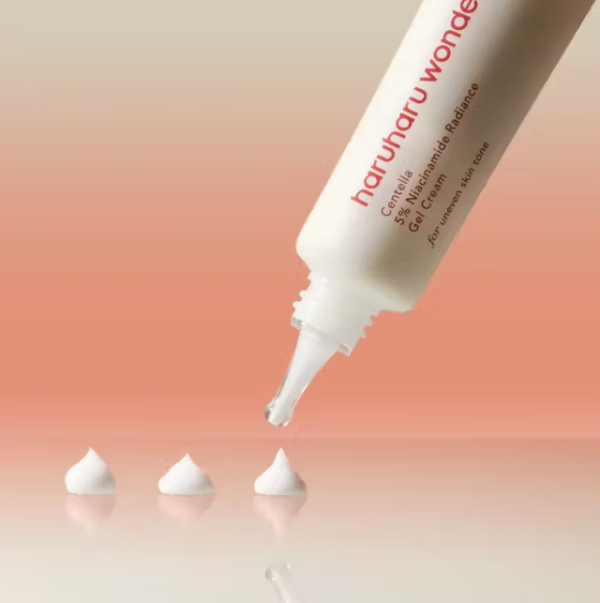
Haruharu wonder Centella 5% Niacinamide Radiance Gel Cream
If razor burn usually leaves your skin dry, tight and rough, the AESTURA Atobarrier 365 Hydro Soothing Cream is the better choice. Its ceramide NP, cholesterol, sphingolipids, beta glucan, glycerin and squalane make it the most barrier focused option of the three.
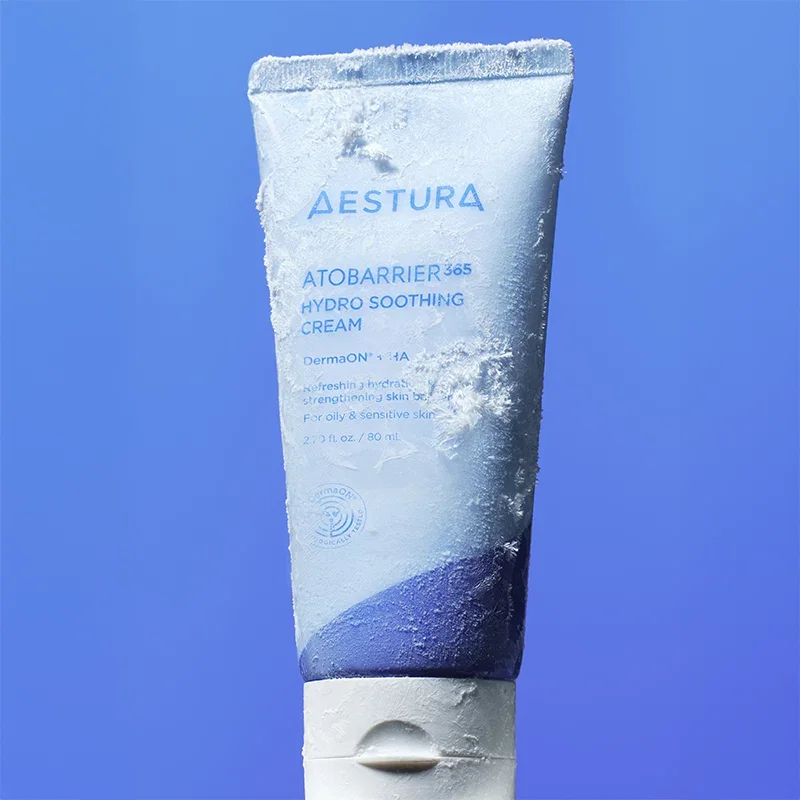
AESTURA Atobarrier 365 Hydro Soothing Cream
If your skin is currently red, hot or stinging, I would keep things simpler with the Purito Seoul Oat In Calming Gel Cream. It focuses on oat seed water, glycerin, squalane, panthenol and beta glucan without a high concentration of active ingredients, so it makes the most sense when soothing active razor burn is the immediate priority.

Purito Seoul Oat In Calming Gel Cream
What Not to Use Right After Shaving
Avoid using retinol, retinal, prescription retinoids, glycolic acid, salicylic acid and other exfoliating acids immediately after shaving. If these are part of your regular routine, use them at another time or on non shaving days instead.
If you are curious about how to exfoliate sensitive skin without overdoing it, check out my guide to gentle exfoliation for sensitive skin.
Also be careful with high concentrations of active ingredients, even ones that are usually well tolerated. Strong vitamin C serums, high percentage niacinamide products and other concentrated formulas can sting much more easily on freshly shaved skin.
I would also skip traditional alcohol heavy aftershaves altogether. The burning sensation they cause is irritation, not a sign that the product is working better.
Do Not Skip Sunscreen
Sunscreen should be part of your morning routine every day, including shaving days. If you are dealing with razor burn, choose a formula that feels comfortable and does not add more irritation.
For sensitive skin, a simple mineral sunscreen is often a good place to start, especially if chemical sunscreens tend to sting. The Haruharu Wonder Black Rice Pure Mineral Relief Daily Sunscreen is the more barrier focused option, with rice bran oil, ceramide NP and phytosphingosine. The AXIS-Y Complete No-Stress Physical Sunscreen leans more toward soothing support with allantoin, squalane, green tea and calendula.
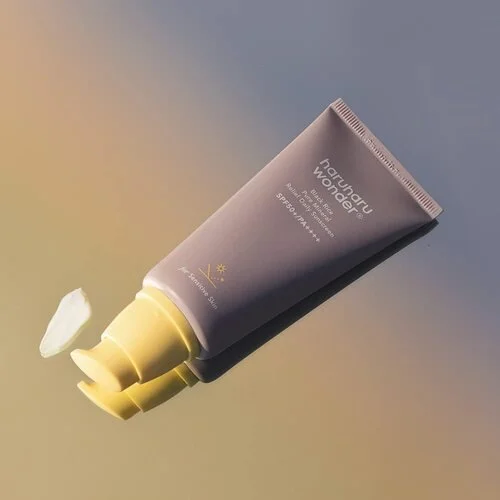
Haruharu Wonder Black Rice Pure Mineral Relief Daily Sunscreen
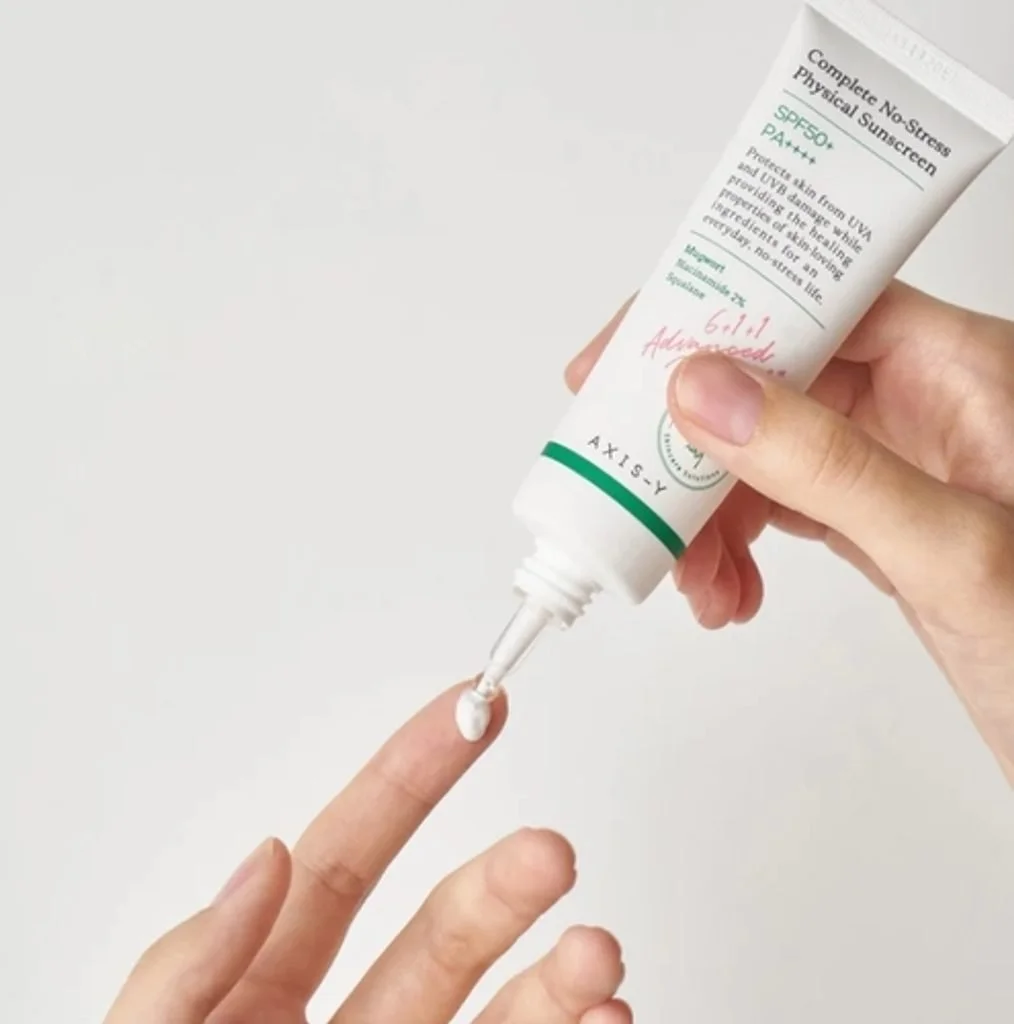
AXIS-Y Complete No-Stress Physical Sunscreen
For medium to deep skin tones, however, mineral sunscreens can leave a noticeable white or grey cast. In that case, a fragrance free chemical sunscreen is often the more practical choice. The P.Calm Water Barrier Moisturizing Sun Cream suits skin that feels dry or tight after shaving, while the SKIN1004 Madagascar Centella Hyalu-Cica Water-Fit Sun Serum is lighter and easier to wear if you prefer a more fluid texture.
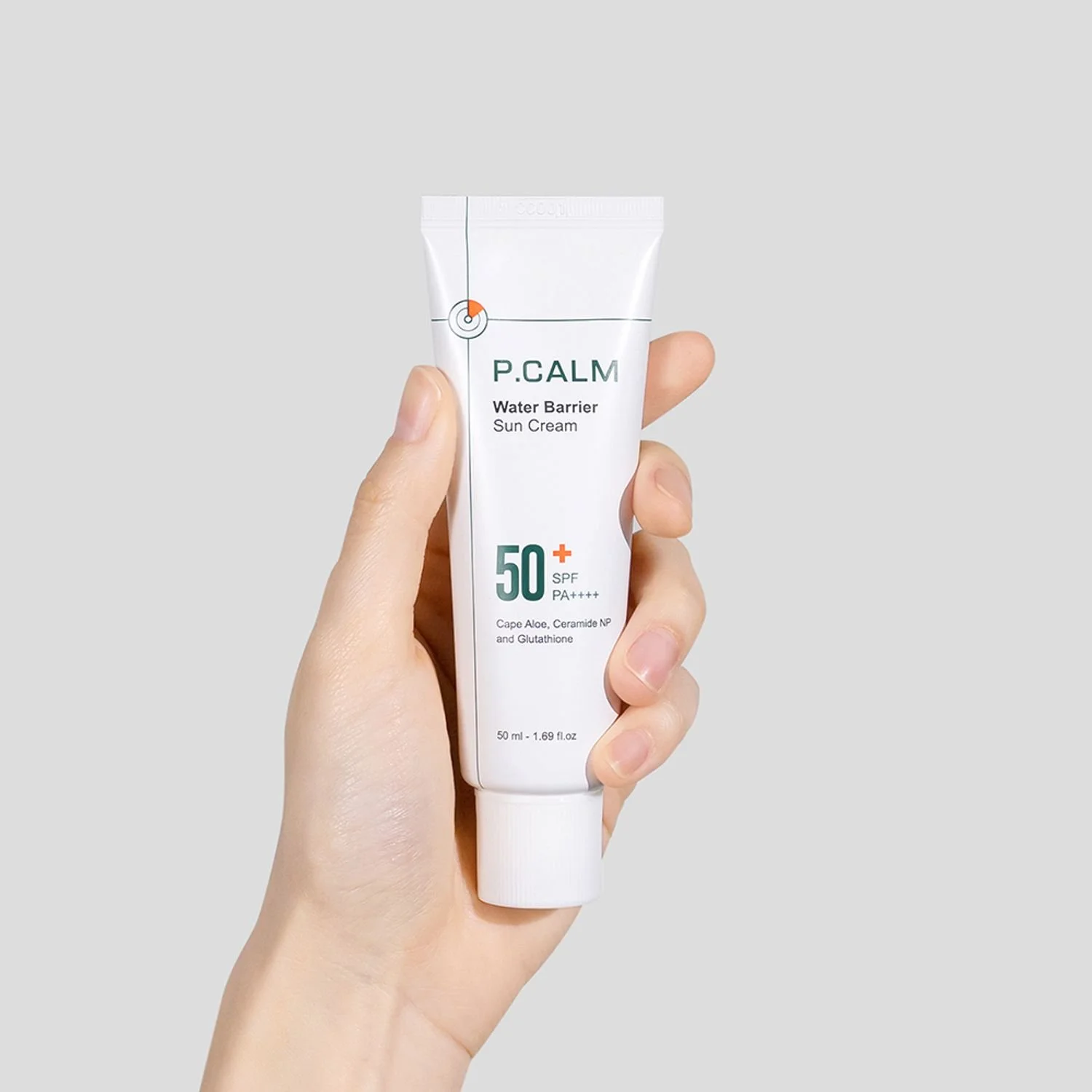
P.Calm Water Barrier Moisturizing Sun Cream
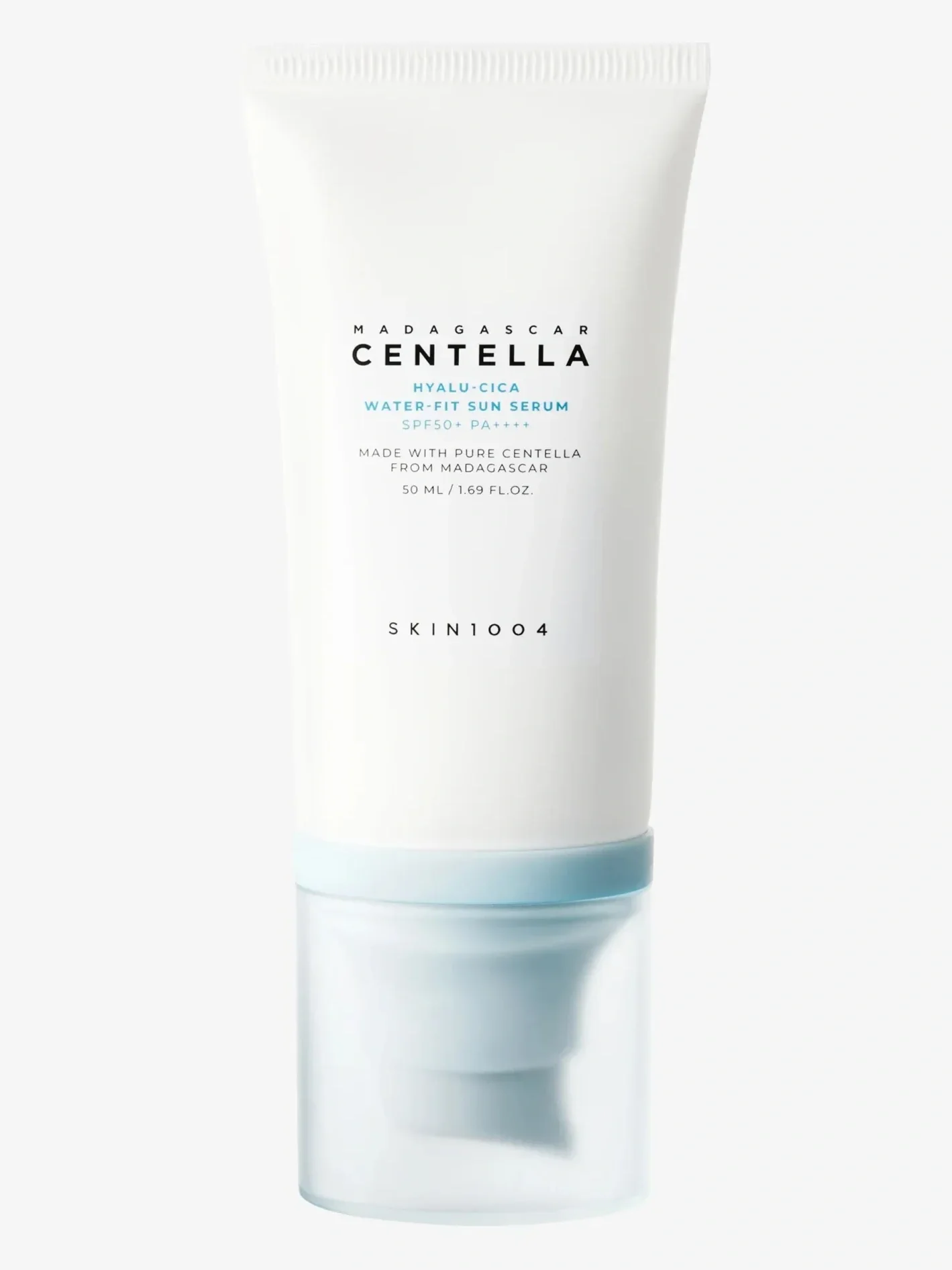
SKIN1004 Madagascar Centella Hyalu-Cica Water-Fit Sun Serum
And although this article focuses on razor burn, sunscreen matters even more if you also get razor bumps. These can leave dark marks and post inflammatory hyperpigmentation (PIH), particularly in deeper skin tones.
Frequently Asked Questions
How long does razor burn last?
Mild razor burn usually improves within a few hours to a few days. Avoid shaving the irritated area again until the redness, burning and tenderness have settled.
Can I shave every day if I get razor burn?
You can, but frequent razor burn is a sign that something in your routine needs adjusting. Better beard preparation, more lubrication, lighter pressure, fewer passes or a different razor can make daily shaving much easier on the skin.
Is an electric razor better for razor burn?
It can be. Electric razors usually do not shave quite as close as a traditional blade, which may reduce direct skin trauma. If cartridge razors repeatedly leave your face or neck irritated, an electric razor is worth trying.
Should I use aftershave after shaving?
You do not need a traditional alcohol based aftershave. A gentle moisturizer that provides hydration and barrier support is usually a better post shave option, particularly if razor burn is a recurring problem.
Why do I get more razor burn on my neck?
Neck hair often grows flatter against the skin and in several different directions, which makes it harder to shave cleanly. This can lead to more pressure, repeated passes and friction. Check the direction your neck hair actually grows rather than assuming it grows straight downward.
When should I see a dermatologist?
If the area becomes increasingly painful, swollen or warm, develops pus, or does not start improving after a few days, it is worth having it checked. At that point, you may be dealing with folliculitis, another inflammatory condition or an infection rather than simple razor burn.
Not Sure What Your Skin Needs Next?
If razor burn is not your only concern, you will find plenty more on the blog about acne, sensitivity, pigmentation, aging, ingredients, product choices and routines for different skin types.
If you are not even sure what your skin type is, start with my Skin Type Quiz. And if you would rather skip the trial and error, you can also check my Personalized Skincare Consultation options and get help putting together a routine that actually fits your skin.




Understanding Your Skin
A Practical Guide to Skincare
I wrote Understanding Your Skin to help you build an effective skincare routine with confidence. This illustrated guide explains skin types, ingredients, and routines in a practical, evidence-based way that's easy to understand and apply.
- Written by a physician
- 120-page illustrated guide
- Evidence-based skincare guidance
- Sample routines & product recommendations

Having rosacea does not mean giving up every active ingredient. This guide looks at which actives can still fit into your routine, where the evidence is strongest, and which ones need more caution.