The Best Korean Peptide Serums for Anti-Aging in 2026
The best Korean peptide serums do more than target fine lines. Newer formulas often combine different peptide types with ingredients such as ceramides, hyaluronic acid, niacinamide, growth-factor-inspired complexes, and antioxidants to support firmness, hydration, and overall skin resilience.
In this guide, I’ll compare the Korean peptide serums that stand out most in 2026, explain what their peptide blends are actually designed to do, and help you choose the right formula based on your skin type and main concerns.
Shop This Guide
Browse all of the Korean peptide serums featured in this guide in my curated Amazon collection.
Browse My Peptide Serum Collection →Key Takeaways
✓ Modern Korean peptide serums focus on skin health, not just wrinkles.
✓ Many formulas now combine peptides with PDRN, growth factors, ceramides, and barrier-supportive ingredients.
✓ Peptide serums are often easier to tolerate than stronger anti-aging actives.
✓ The best peptide serum depends on your skin type, concerns, and texture preferences.
✓ Today's peptide formulas often support hydration, recovery, and resilience alongside anti-aging goals.
In This Article
Some links on this page are affiliate links, which means I may earn a small commission at no extra cost to you.
How Is Anti-Aging Skincare Changing
Anti-aging skincare is becoming less about using as many strong actives as possible and more about combining proven ingredients with enough barrier support to use them consistently.
The basics have not suddenly changed. Daily sunscreen is still fundamental for preventing UV-related skin aging, while retinoids remain among the best-supported topical ingredients for wrinkles and photoaging. A recent 2025 analysis of topical treatments for facial photoaging also found strong evidence for retinol and prescription retinoids. Vitamin C still has an important place as an antioxidant, although its performance depends heavily on the form and formulation.
What has changed more is how these ingredients are used. Instead of building routines around constant exfoliation and irritation, there is much more emphasis on maintaining the skin barrier, keeping routines tolerable and thinking about long-term skin health. I discuss this approach in more detail in my guide to building a barrier-protective anti-aging routine.
Peptides fit naturally into this kind of routine because they can add another anti-aging step without necessarily adding the irritation associated with stronger retinoids or exfoliating acids. A 2026 peptide research found generally good tolerability and some improvements in hydration, brightness and wrinkles, although the evidence for topical peptides is still much smaller than the evidence for retinoids.
So I would think of peptides as supportive anti-aging ingredients rather than replacements for sunscreen or retinoids. Their advantage is that they are easy to combine with other ingredients and can help make a routine more multifunctional without automatically making it more aggressive.
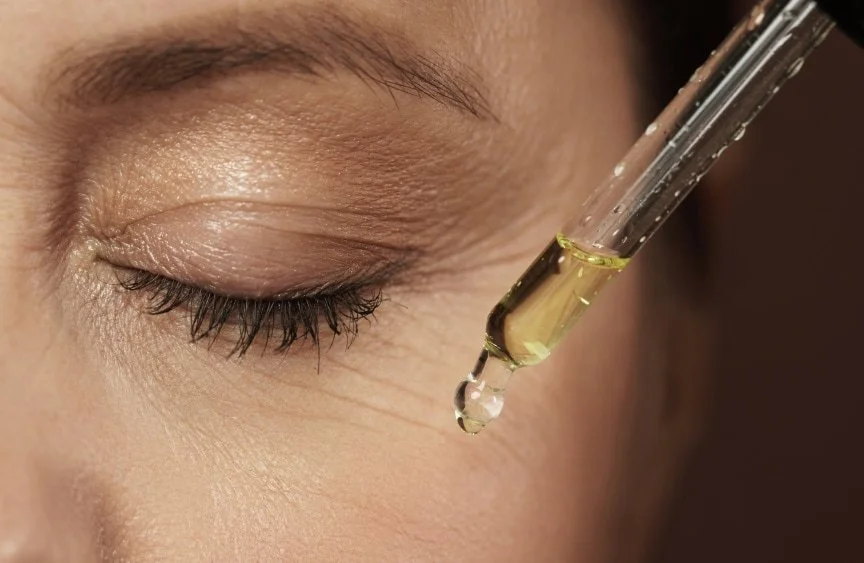
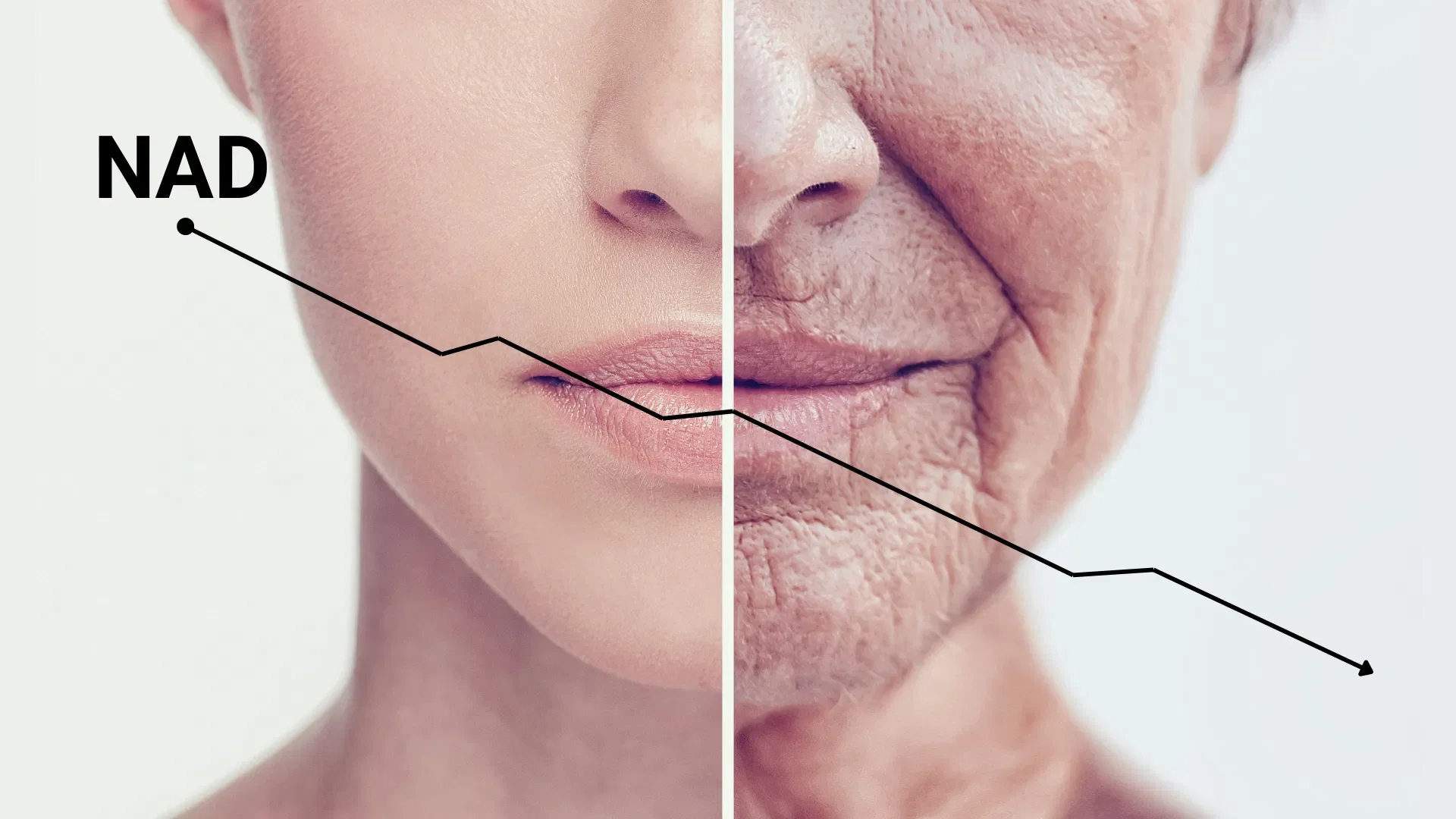



What Makes Modern Korean Peptide Serums Different?
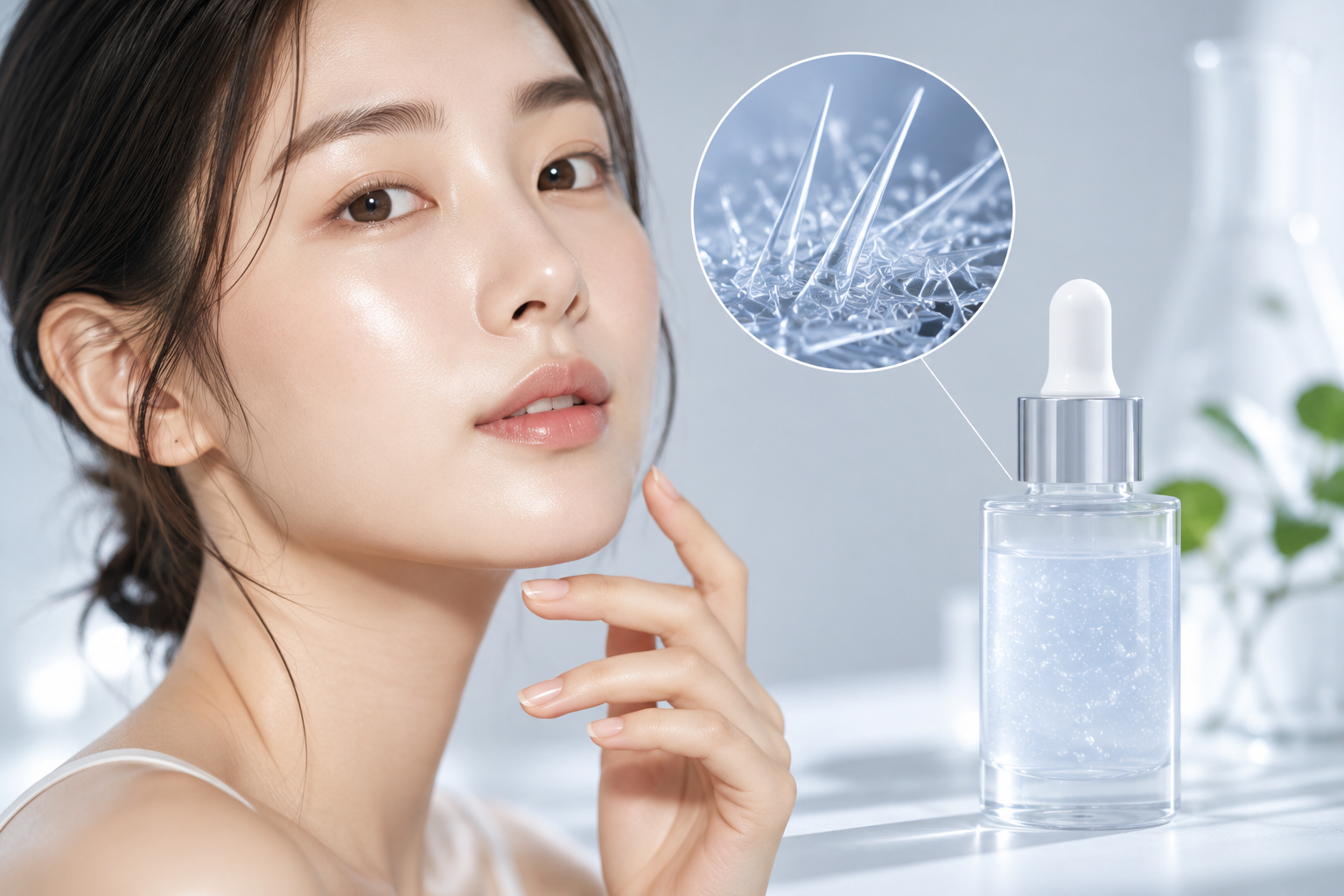
Many newer Korean peptide serums are no longer built around peptides alone. They combine peptide complexes with hydrating, barrier-supporting and other anti-aging ingredients, so one serum can address several parts of a routine at the same time.
If you look at current formulas, peptides are often paired with ingredients such as PDRN, growth factors, ceramides, ectoin, panthenol, ferments and more advanced hydration systems. This means a peptide serum may also help with hydration and barrier support instead of adding another step purely for wrinkles.
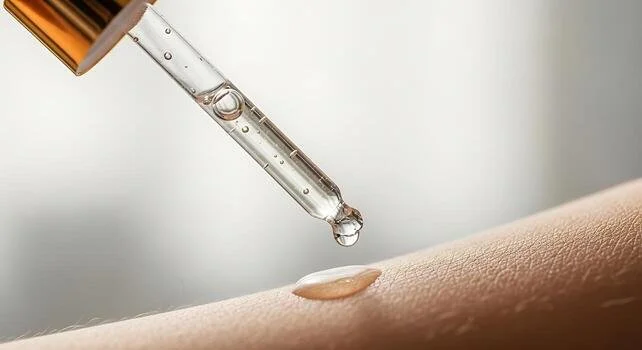
The peptides themselves are becoming more varied too. Current skincare uses signal peptides, carrier peptides, neurotransmitter-influencing peptides and biomimetic peptides, often with several included in the same formula. A 2025 review of biomimetic peptides also highlights an important point: getting peptides through the skin remains a challenge, so the formulation and delivery system can matter just as much as the peptide name on the ingredient list.
That does not mean newer peptide serums are automatically more effective. The same 2026 peptide research found promising results for hydration, brightness and wrinkles, but the evidence for topical peptides is still relatively limited and varies considerably between formulations.
So when choosing a Korean peptide serum, I would look beyond the number of peptides in the formula. Which peptides are included, what surrounds them, and whether the rest of the serum fits your skin and routine are much more useful questions.
If you want to understand the different peptide types in more detail, I explain them separately in my complete guide to peptides in skincare.
The Best Korean Peptide Serums for Anti-Aging
Since modern peptide serums can vary quite a lot in their overall approach and formulation style, I grouped the products below based on their main focus, texture, and the type of anti-aging support they are best suited for.
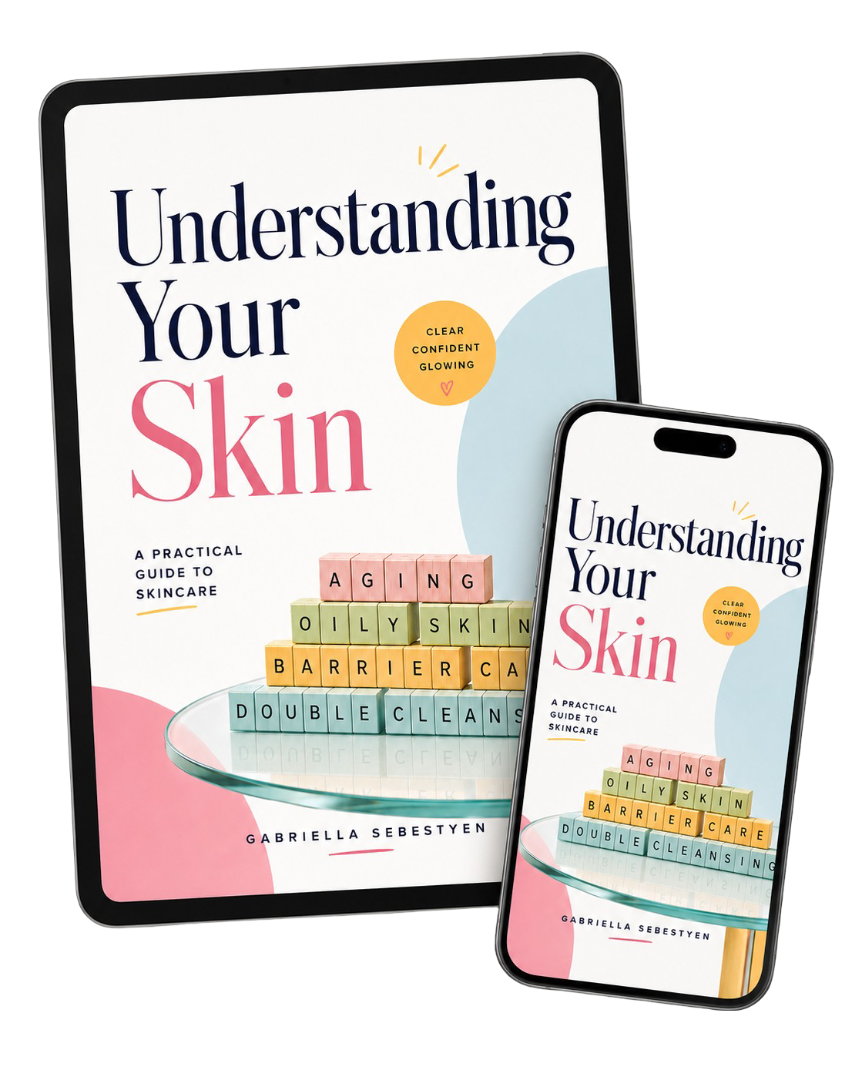
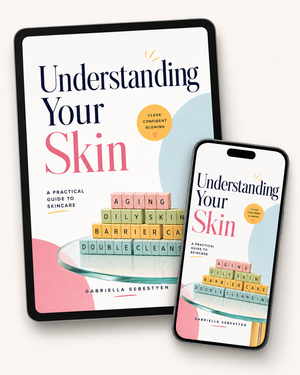
Discover My eBook
Whether you're just starting out or want to deepen your skincare knowledge, this practical guide helps you understand your skin and build a routine with confidence.
See What's Inside →For Beginners and Preventative Anti-Aging
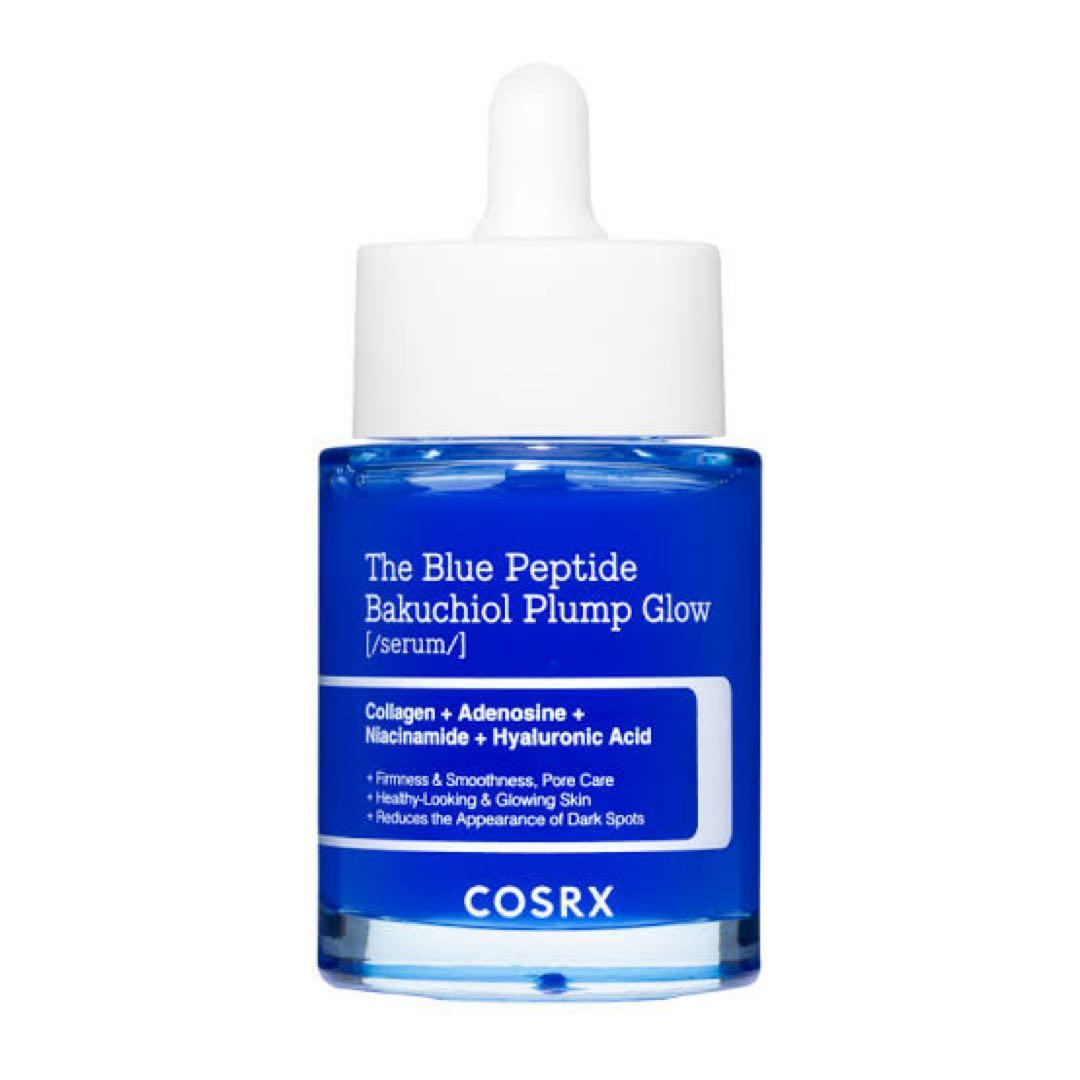
COSRX The Blue Peptide Bakuchiol Plump Glow Serum
Where to buy
This serum combines copper peptides with bakuchiol, two ingredients that have become increasingly popular in modern anti-aging skincare because they offer a gentler and more barrier-friendly approach compared to stronger active-focused routines. Copper peptides are especially interesting for their potential role in supporting skin repair and overall skin resilience, while bakuchiol is often used as a milder alternative to retinoids for targeting early signs of aging and uneven texture.
0.5% copper peptide + multiple peptide complex
Contains 0.25% bakuchiol for gentle preventative anti-aging support
Includes niacinamide, panthenol, beta-glucan, and several forms of hyaluronic acid for hydration and barrier support
Lightweight gel-serum texture with a slightly plumping finish
Fragrance-free
Best suited for: preventative anti-aging, dehydrated skin, beginners, and people looking for a gentler alternative to stronger retinoid-focused serums.
For Barrier Support and Repair
Beauty of Joseon Pore Firming Serum Red Bean PDRN + Peptide

Where to buy
This serum combines red bean-derived PDRN with a peptide designed to target expression lines by helping reduce repetitive facial muscle contractions associated with dynamic wrinkles. Compared to many richer regenerative-style products, the formula has a fresher gel-serum texture while still including supportive ingredients like ceramide NP, beta-glucan, niacinamide, and squalane for hydration and barrier support.
Uses plant-derived PDRN instead of traditional salmon-derived PDRN
Niacinamide and adenosine add additional brightening and anti-aging support
Lightweight gel-serum texture with a fresh finish
Fragrance-free
Fungal acne safe
Best suited for: all skin types, especially those looking for a lighter peptide serum focused on early signs of aging and smoother-looking skin.
For Firmness and Fine Lines
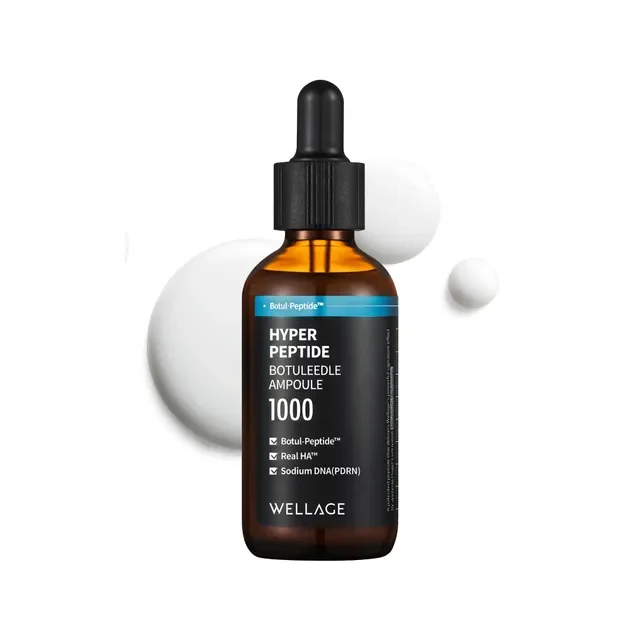
WELLAGE Hyper Peptide Botuleedle Ampoule
Where to buy
This ampoule combines several peptides that target different aspects of anti-aging at once. Acetyl Hexapeptide-8 and Clostridium Botulinum Oligopeptide-1 focus more on expression lines and smoother-looking skin, while Tripeptide-1 and Palmitoyl Pentapeptide-4 are more associated with firmness-supportive and collagen-focused care. The formula also uses hydrolyzed sponge technology designed to improve penetration of the active ingredients.
Includes panthenol, squalane, lecithin, and multiple forms of hyaluronic acid for additional hydration support
Lightweight watery-gel texture
Fragrance-free
May not be the best fit for very sensitive or highly reactive skin due to the spicule technology
Best suited for: people looking for a more intensive peptide product with additional delivery-focused technology.
Medicube EGF NAD+ Firming Serum
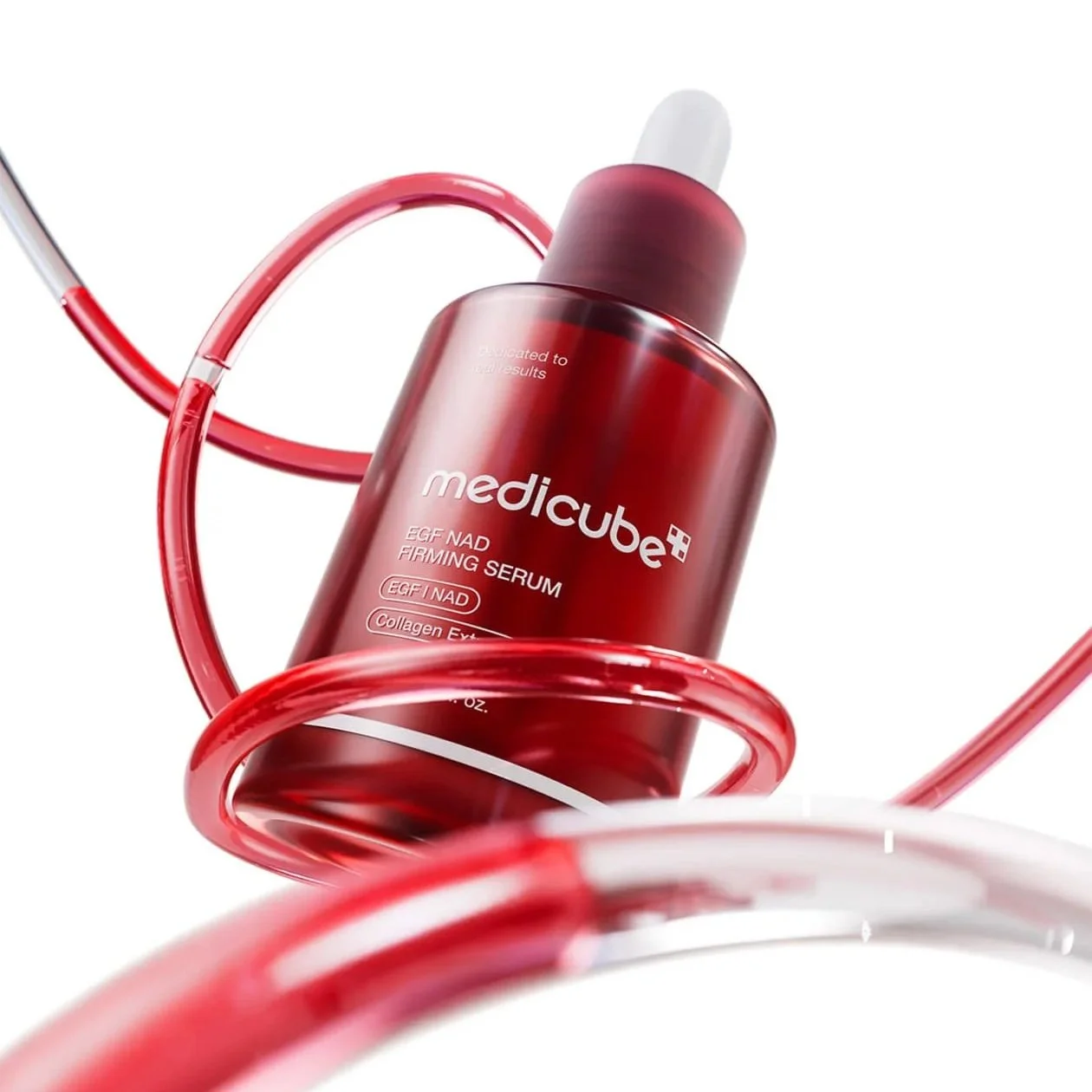
This serum combines several ingredients that support skin firmness and healthy aging, including EGF, NAD+, niacinamide, ectoin, and a diverse peptide complex. Rather than relying on a single hero ingredient, the formula pairs these with a well-designed hydrating base, making it a strong choice for skin showing early to moderate signs of aging. Copper Tripeptide-1 and several signal peptides further support the serum's firmness-focused approach.
Combines EGF, NAD+, and multiple peptides in one formula
Niacinamide and ectoin provide additional barrier and hydration support
Lightweight gel texture that layers well with the rest of a skincare routine
Fragrance-free, essential oil-free, and free of Alcohol Denat.
Not fungal acne safe
Best suited for: Normal, combination, oily, and mature skin looking to improve firmness, elasticity, and the appearance of fine lines.
Regenerative-Inspired Korean Peptide Serum
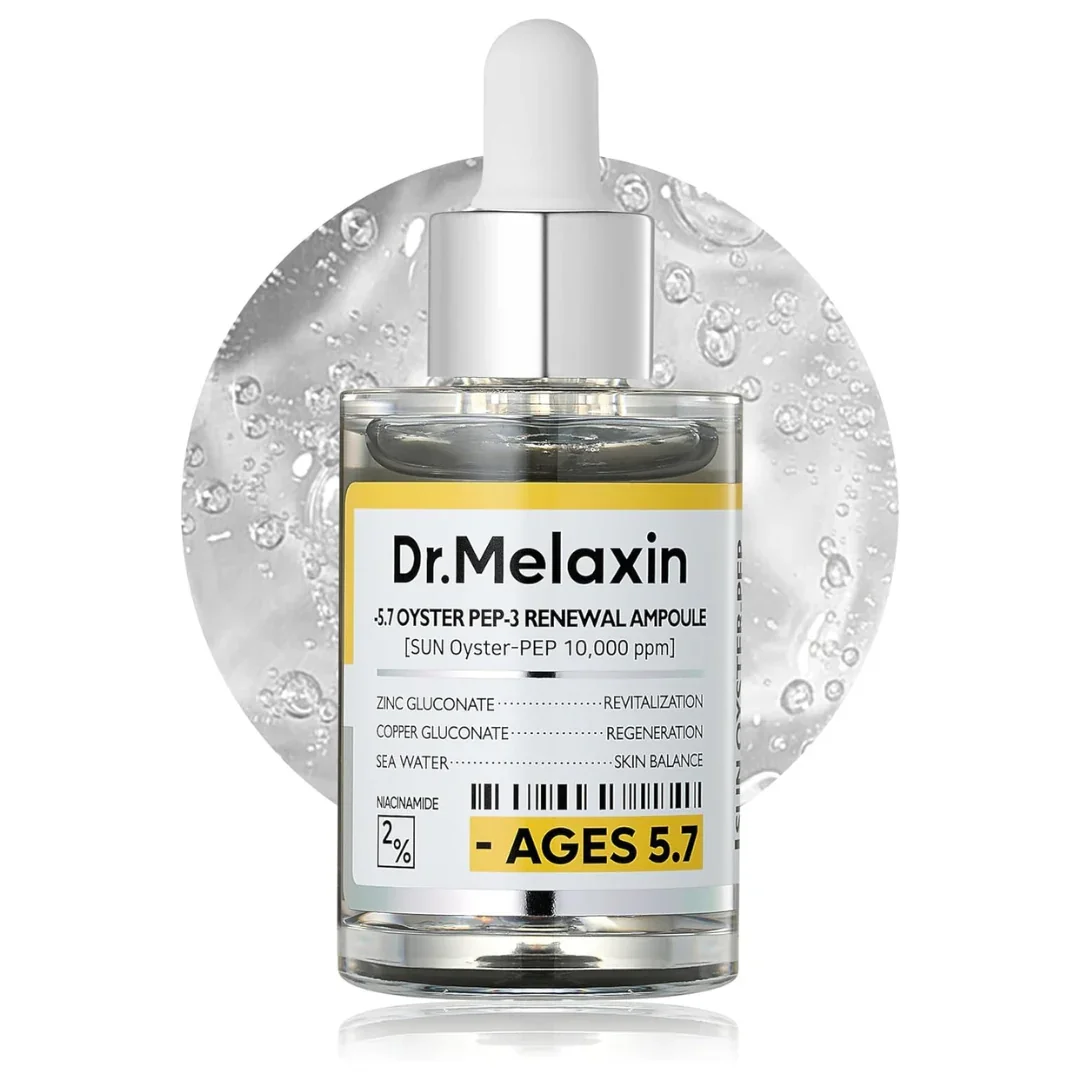
Dr.Melaxin Oyster Peptide Ampoule
Where to buy
This formula combines EGF, IGF, and bFGF growth factors with Oyster PEP, the main ingredient used throughout this particular line from Dr.Melaxin. Oyster extract is naturally rich in zinc, which supports antioxidant defense, skin repair, and collagen-focused care. The brand also highlights its potential role in helping inhibit collagenase, the enzyme involved in collagen breakdown over time.
Includes retinal, although likely not in a high enough amount to function as a primary retinal treatment product
Cholesterol, phospholipids, squalane, ferments, and multiple forms of hyaluronic acid support hydration and barrier function
Contains niacinamide together with multiple humectants for additional hydration support
Slightly richer milky-ampoule texture
Fragrance-free
Best suited for: normal to dry skin types, especially skin dealing with dryness, loss of elasticity, compromised barrier function, or post-procedure recovery alongside anti-aging concerns.
Lightweight Option for Oily Skin
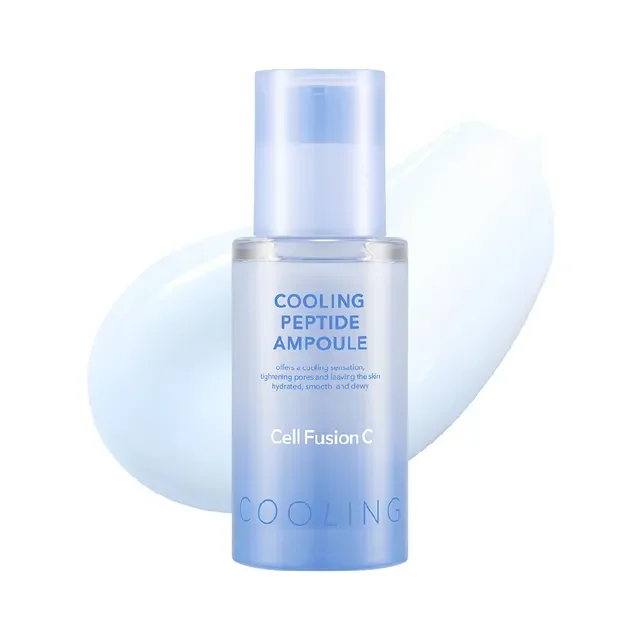
Cell Fusion C Cooling Peptide Ampoule
Where to buy
This is a very interesting modern peptide product, especially for oily or combination skin types that prefer lighter textures. The peptide blend combines Copper Tripeptide-1 with peptides targeting expression lines, firmness, and skin repair, while niacinamide, ceramides, ferments, and beta-glucan give the serum additional barrier-supportive benefits.
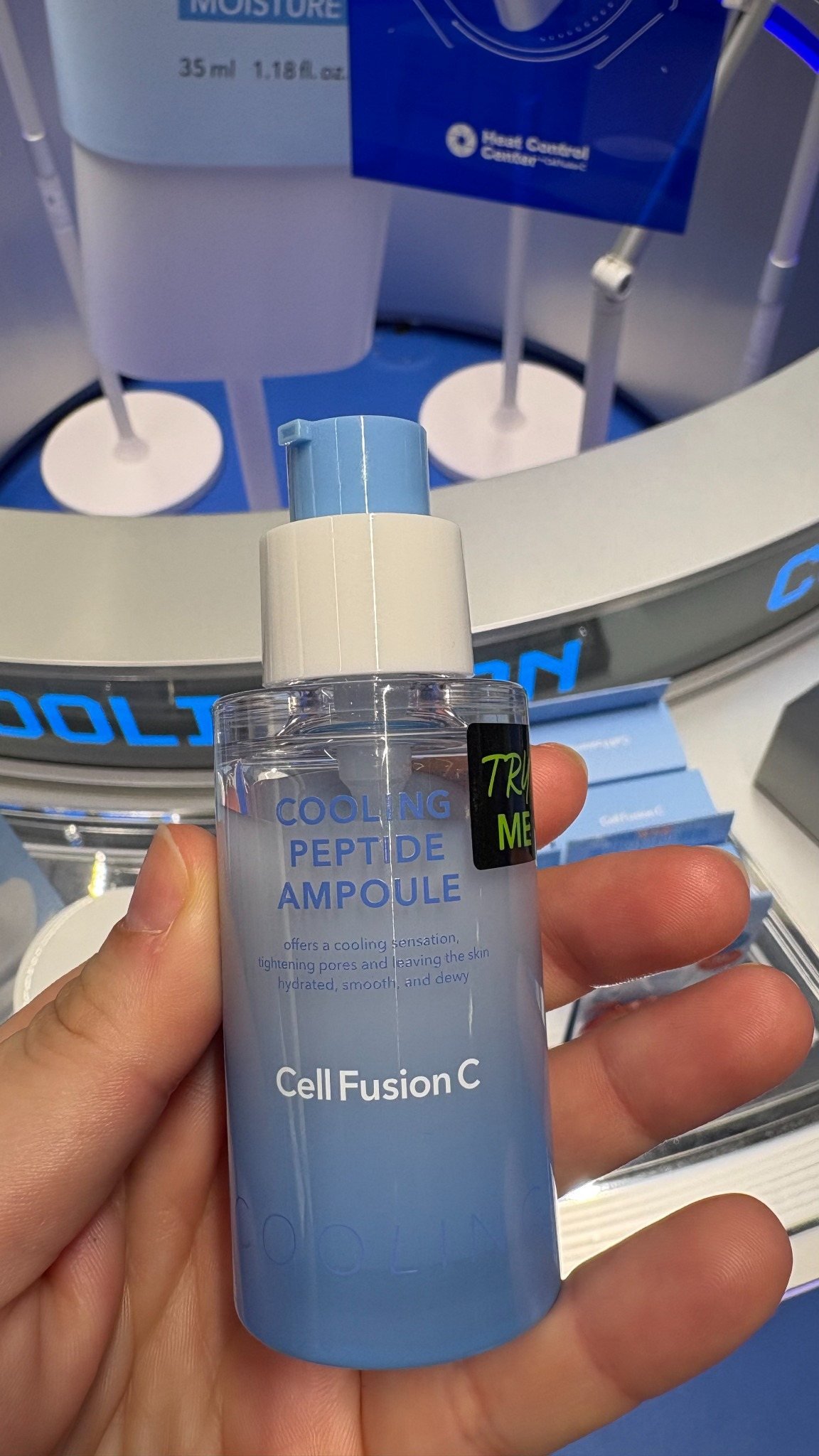
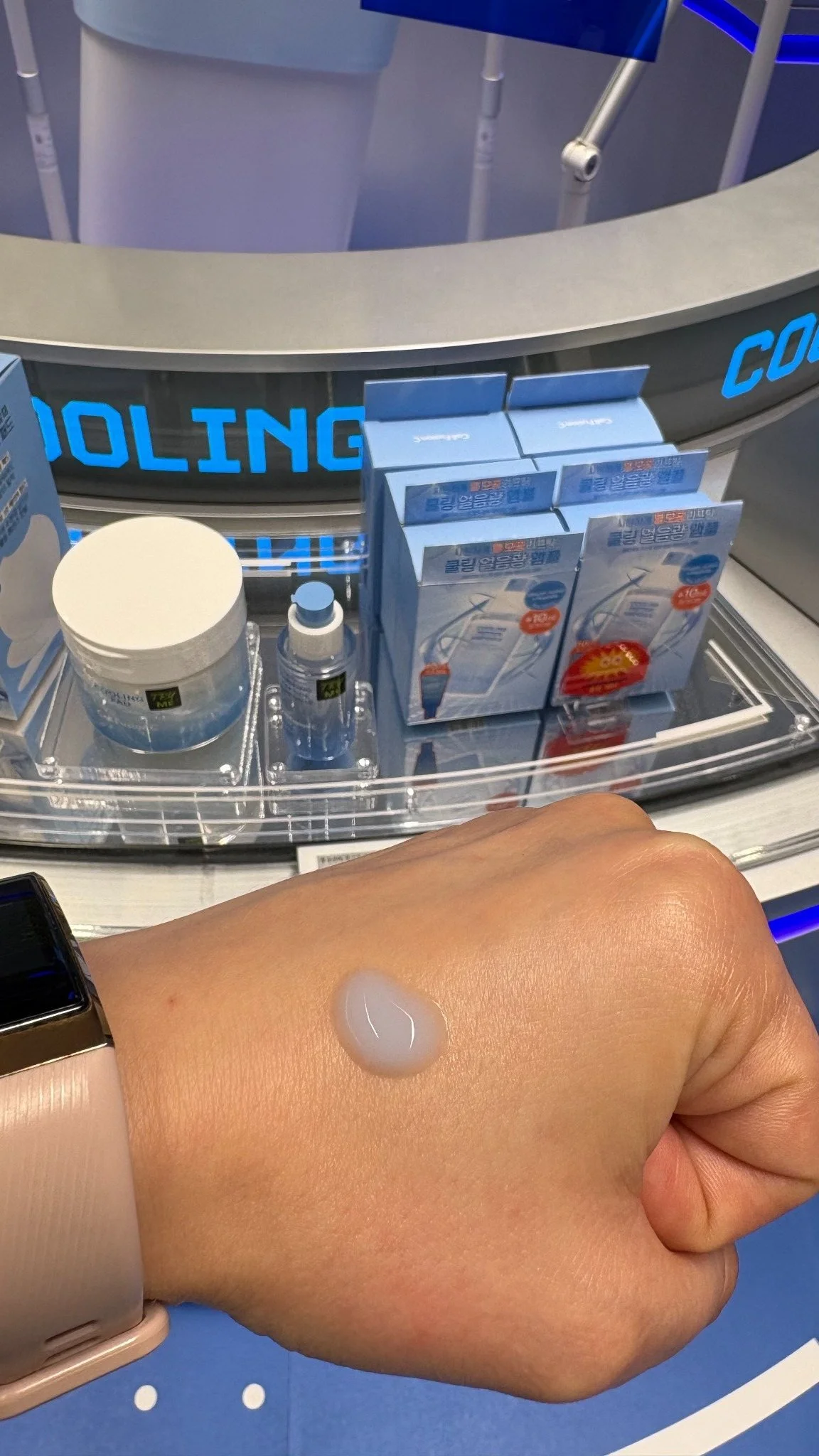
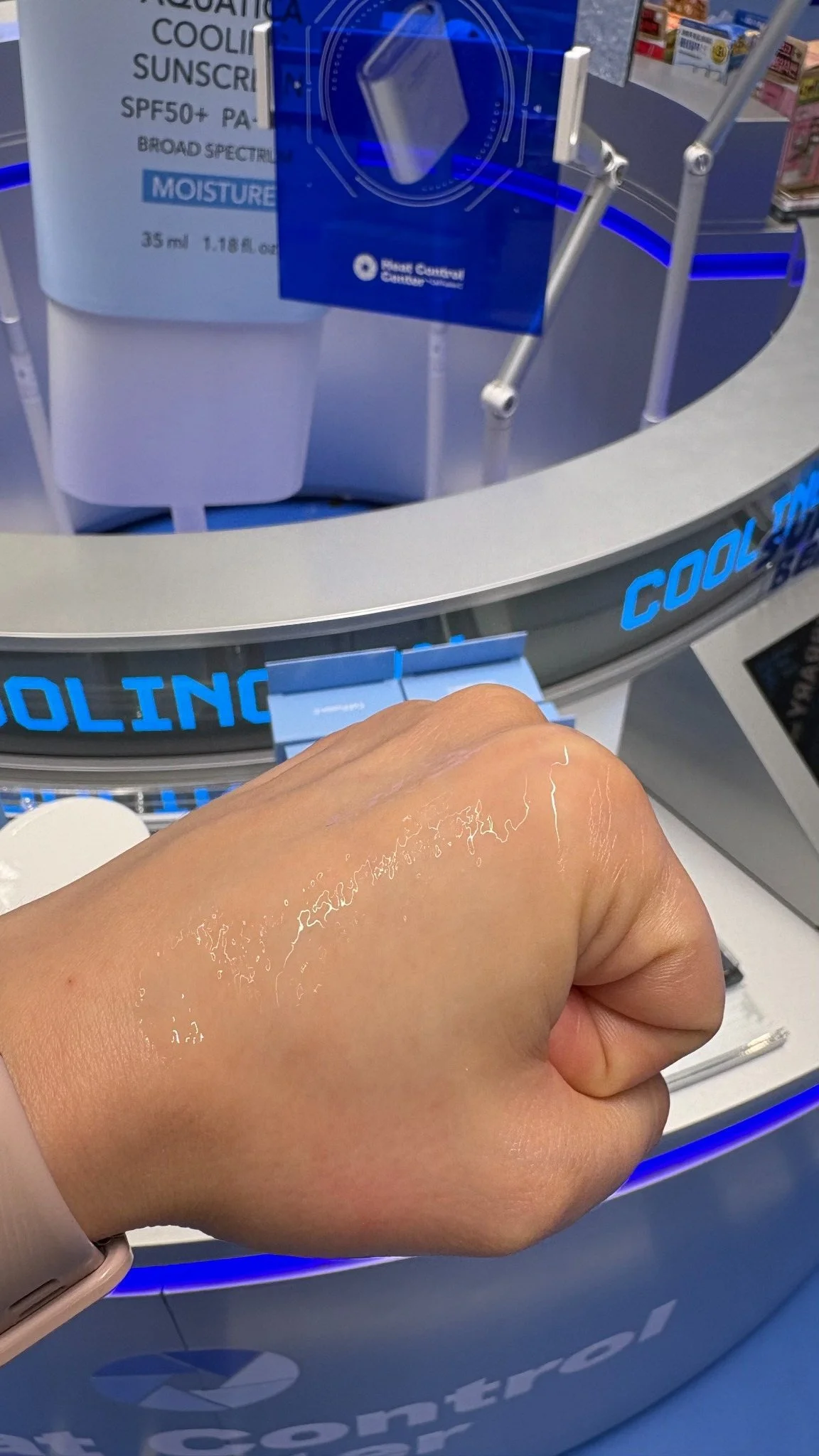
The cooling sensation comes from Methyl Diisopropyl Propionamide, a synthetic cooling agent that works similarly to menthol but tends to feel less irritating and without the typical minty effect.
Niacinamide, ceramide NP, beta-glucan, and Saccharomyces Ferment Filtrate help support hydration, barrier function, and overall skin resilience
Caffeine adds a slightly more refreshing and de-puffing feel to the formula
Lightweight gel-ampoule texture with a fresh finish
Fragrance-free
Fungal acne safe
Best suited for: oily or combination skin types, especially during warmer months or summer, when richer anti-aging serums can feel too heavy on the skin.
Medicube Ultra Light PDRN Pink Peptide Serum
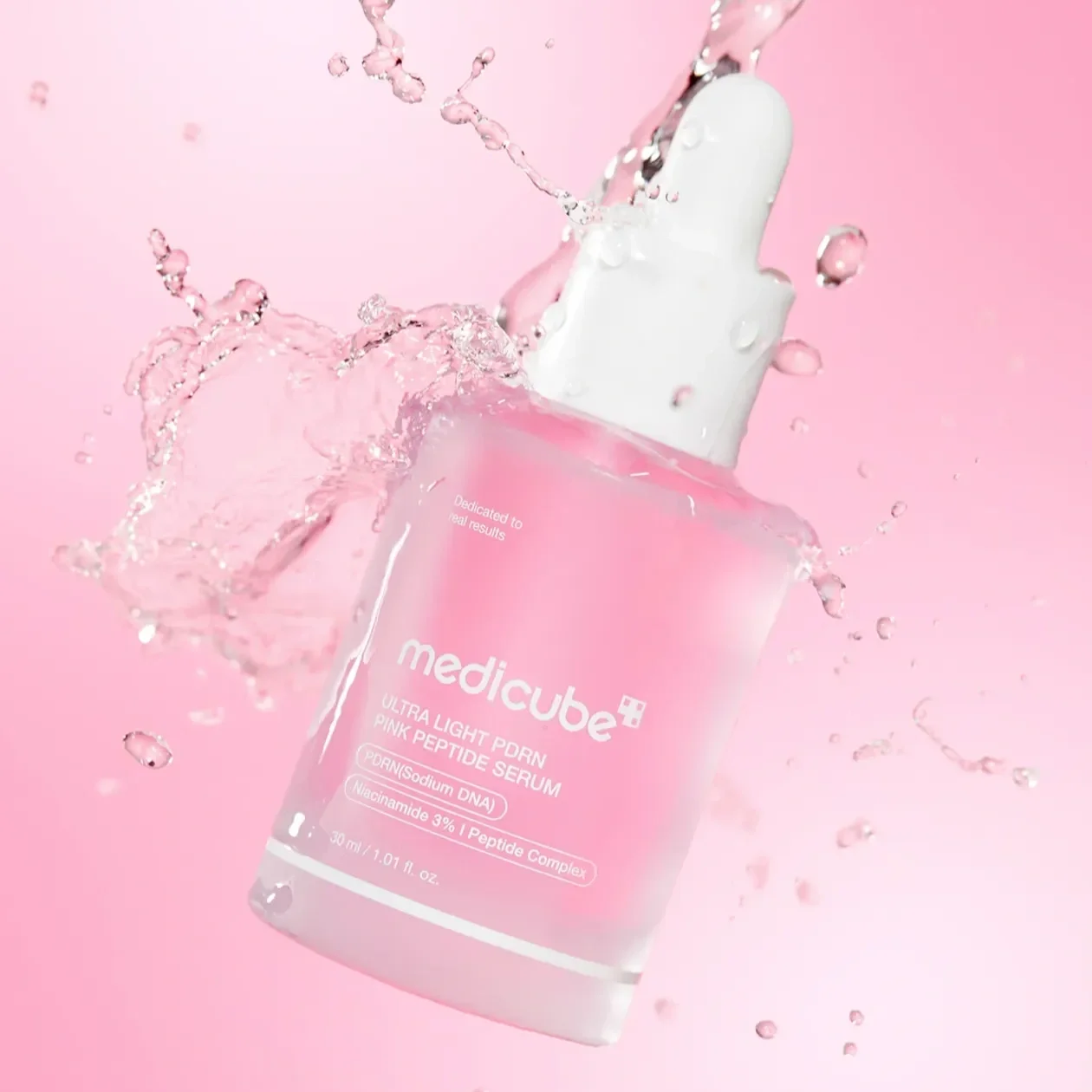
This serum is an excellent option for oily and combination skin types that want the benefits of peptides without the heavier feel of many anti-aging formulas. It combines PDRN (Sodium DNA), Copper Tripeptide-1, Palmitoyl Pentapeptide-4, and several additional peptides with 3% niacinamide, ceramide NP, and cholesterol to support skin firmness while helping maintain a healthy skin barrier. The lightweight, watery texture absorbs quickly and layers easily with the rest of a skincare routine.
Lightweight, runny serum with a fresh, weightless finish
Combines PDRN, Copper Tripeptide-1, and multiple signal peptides
Contains 3% niacinamide, ceramide NP, and cholesterol for additional barrier support
Fragrance-free and free of Alcohol Denat.
Not fungal acne safe
Best suited for: Normal, combination, oily, dehydrated, and mature skin, especially if you prefer lightweight anti-aging serums that absorb quickly without feeling heavy.
Frequently Asked Questions
Can You Use a Peptide Serum With Retinol?
Yes, most peptide serums can be used alongside retinoids. If your peptide product already contains retinal, retinol, spicules, or other stronger actives, however, check the complete formula before adding another retinoid.
Should You Use a Peptide Serum in the Morning or at Night?
Most peptide serums can be used either morning or evening. The better time usually depends on the other ingredients in the formula and where the serum fits most comfortably into your routine.
Do You Need a Peptide Serum If You Already Use Retinol?
No, but the two can complement each other. Retinoids have much stronger evidence for photoaging, while peptides can add hydration, barrier support, and additional firmness-focused care without necessarily making the routine more irritating.
Can Peptide Serums Cause Purging?
Peptides themselves should not cause a classic purge because they do not increase epidermal cell turnover. If breakouts appear after starting a peptide serum, look at the complete formula and any other active ingredients it contains.
How Long Does It Take for a Peptide Serum to Work?
Hydration and a plumper skin feel may appear relatively quickly, but changes in fine lines or firmness generally require consistent use over a longer period. There is no universal timeline because peptide type, concentration, delivery system, and the rest of the formula vary considerably between products.
Do Peptide Serums Need to Be Refrigerated?
Usually not. Most are formulated to remain stable under normal storage conditions, so keeping them away from excessive heat and direct sunlight is generally enough unless the brand specifically recommends refrigeration.
Choosing the Right Korean Peptide Serum
Modern peptide skincare has become far more sophisticated than the first generation of simple anti-aging serums. Many newer formulas now combine peptides with ingredients focused on barrier support, hydration, recovery, PDRN, growth factors, ferments, and even retinal, allowing products to target skin quality more holistically rather than focusing only on wrinkles alone.
At the same time, peptide serums are not all designed for the same skin needs. Some work better as lightweight everyday options, while others focus more on firmness, post-procedure support, or richer regenerative-style care. Choosing the right formula depends just as much on your skin type, barrier condition, texture preferences, and overall routine as on the peptide ingredients themselves.
If you want more practical guides on Korean skincare, ingredient breakdowns, and product recommendations, you can explore more articles on my blog. And if you are not sure where to start, you can also take my Skin Type Quiz for personalized product recommendations or check my online consultation options for a fully customized Korean skincare routine.
Here are some articles that may interest you



Understanding Your Skin
A Practical Guide to Skincare
I wrote Understanding Your Skin to help you build an effective skincare routine with confidence. This illustrated guide explains skin types, ingredients, and routines in a practical, evidence-based way that's easy to understand and apply.
- Written by a physician
- 120-page illustrated guide
- Evidence-based skincare guidance
- Sample routines & product recommendations

From pure vitamin C to gentle derivatives, compare the best vitamin C serums and choose the right formula for brighter, healthier-looking skin.