How to Build an Anti-Aging Routine That Protects Your Skin Barrier
A good anti-aging routine should improve visible signs of aging without leaving your skin constantly dry, irritated, or inflamed. Retinoids, vitamin C, exfoliants, and other active ingredients can all have a place, but they work best when your skin barrier is healthy enough to tolerate them consistently.
In this guide, I’ll show you how to build a barrier-protective anti-aging routine, which ingredients are worth prioritizing, how to balance stronger actives with hydration and barrier support, and what to change if your skin starts feeling overwhelmed.
Key Takeaways
✓ The best anti-aging routine is one your skin can tolerate consistently.
✓ Retinoids, vitamin C, and sunscreen remain the foundation of anti-aging skincare.
✓ Barrier damage can make even effective ingredients difficult to use long term.
✓ Modern anti-aging routines increasingly focus on resilience, recovery, and prevention.
✓ Peptides, growth factors, PDRN, and NAD+ work best as supportive additions, not replacements for the basics.
Some links on this page are affiliate links, which means I may earn a small commission at no extra cost to you.
Why the Skin Barrier Matters in Anti Aging
Your skin barrier is the outermost protective layer of the skin. It helps keep water in while limiting the entry of irritants and other environmental stressors. A healthy barrier also makes it much easier to use anti-aging ingredients consistently without your routine becoming a constant cycle of dryness and irritation.
This becomes increasingly relevant with age because the barrier itself changes over time. Research on age-related skin barrier dysfunction describes structural and functional changes that can make older skin more vulnerable to dryness, slower recovery, and irritation.
Strong anti-aging ingredients can add another challenge. Retinoids, for example, have excellent evidence for photoaging but can also cause dryness, burning, and irritation, particularly when they are introduced too aggressively. A 2024 review of retinoid irritation highlights hydration and barrier support as important ways to improve tolerability.
So protecting the barrier is not separate from anti-aging care. It is what makes it possible to use effective ingredients consistently enough to benefit from them over the long term.



The Gold Standard Trio of Anti Aging
Skincare trends change constantly, but a few ingredients still have much stronger evidence than most. Retinoids, vitamin C, and daily sunscreen remain some of the most useful tools for supporting collagen, reducing UV-related skin aging, and improving uneven pigmentation.
The real challenge is not simply choosing effective ingredients. It is using them in a way your skin can tolerate consistently.
Retinoids: Consistency Over Intensity
Retinoids have some of the strongest evidence for improving photoaging, including fine lines, uneven pigmentation, and skin texture. They work through retinoid receptors to influence epidermal differentiation and dermal remodeling, including collagen production. A recent review of cosmetic retinoids supports the use of retinol and retinaldehyde for photoaged skin, while prescription tretinoin remains the best-studied topical retinoid.
But stronger is not automatically better for your routine. Dryness, peeling, and irritation tend to increase with more intensive retinoid use, so a lower-strength product you can use consistently may be much more useful than a stronger one that repeatedly disrupts your barrier.
Retinol: Around 0.1% can already be a reasonable starting point, especially for beginners or sensitive skin. Clinical research with stabilized 0.1% retinol found improvements in several signs of photoaging with generally good tolerability.
Retinal: Often used at lower concentrations than retinol and can be a good option if you want a more direct cosmetic retinoid while still prioritizing tolerability.
HPR: Hydroxypinacolone retinoate is a newer cosmetic retinoid with good formulation stability, but the independent clinical evidence is still much smaller than for retinol, retinal, or tretinoin.
The strategy: Start with a few evenings per week, keep the rest of the routine simple, and increase frequency only if your skin remains comfortable.
The Korean retinoid products below are good examples of formulas that combine retinoids with hydration and barrier support rather than relying on strength alone.
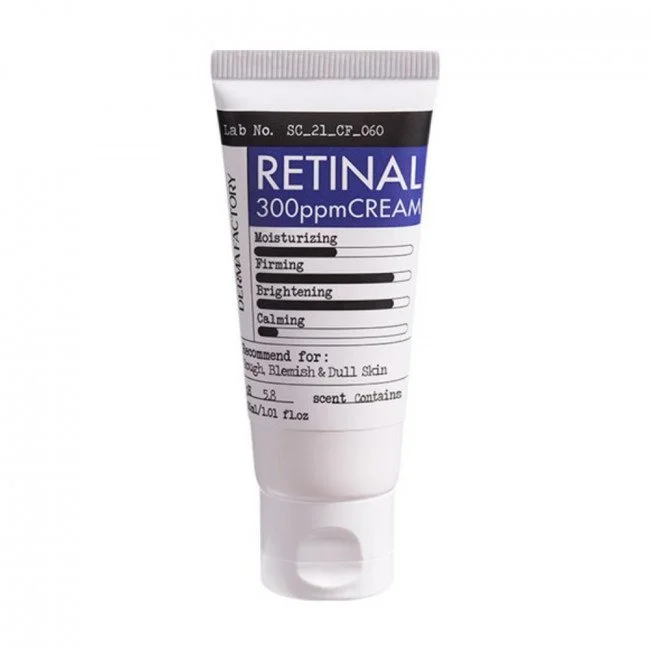
Derma Factory Retinal 300ppm Cream
Where to buy
This is a great example of a beginner-friendly retinal product that still feels properly retinoid-focused instead of hiding a small amount of retinol inside a general moisturizer formula. The 300 ppm retinal concentration (0.03%) fits very well into a slower, more skin barrier protective anti-aging routine, while ingredients like centella, panthenol, niacinamide, and cholesterol help make the formula noticeably more comfortable to tolerate.
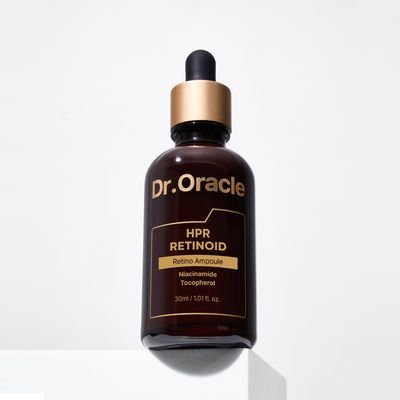
Dr. Oracle Retino Tightening Ampoule
Where to buy
Instead of relying on traditional retinol, this formula uses 1,000 ppm HPR (Hydroxypinacolone Retinoate), a newer-generation retinoid known for being gentler and more stable while still supporting visible anti-aging benefits. The formula also includes soothing and barrier-supportive ingredients like panthenol, centella asiatica, allantoin, and licorice root derivative, making it a good option for people who want a more comfortable retinoid experience without jumping immediately into stronger retinal or retinol formulas.
Vitamin C: Protective Antioxidant Support
Vitamin C helps protect the skin from oxidative stress while also supporting collagen synthesis and improving uneven pigmentation. A 2023 systematic review found improvements in photoaging and pigmentation with topical vitamin C, although noticeable results usually require consistent use over time.
For a barrier-protective routine, I would focus less on chasing the highest percentage and more on finding a formula your skin can use comfortably.
L-Ascorbic Acid: This is the best-studied form, but lower-pH formulas can feel irritating on sensitive skin.
Vitamin C Derivatives: These can offer better stability and sometimes gentler formulations, although clinical evidence is still more limited for many derivatives.
Antioxidant Combinations: Vitamin E can work particularly well alongside vitamin C, while ingredients such as ferulic acid are often added to improve antioxidant performance and formula stability.
The Strategy: Choose a vitamin C serum you can use consistently rather than assuming a stronger or more acidic formula will automatically give better results.
The products below are good examples of formulas that balance antioxidant support with everyday tolerability.
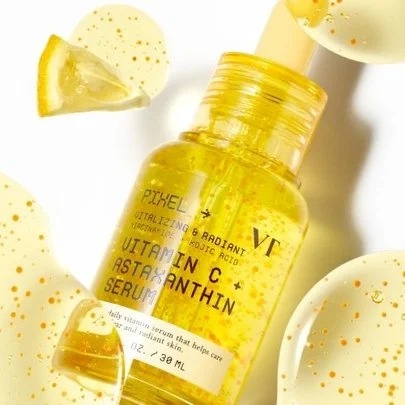
VT Vitamin C Astaxanthin Serum
Where to buy
This formula takes a much more balanced antioxidant-focused approach instead of relying purely on very high concentrations of pure vitamin C. It combines multiple vitamin C derivatives with antioxidants like astaxanthin, ferulic acid, glutathione, and vitamin E, while ingredients like panthenol, ceramides, centella, and multiple forms of hyaluronic acid help keep the formula more barrier friendly and comfortable for daily use.
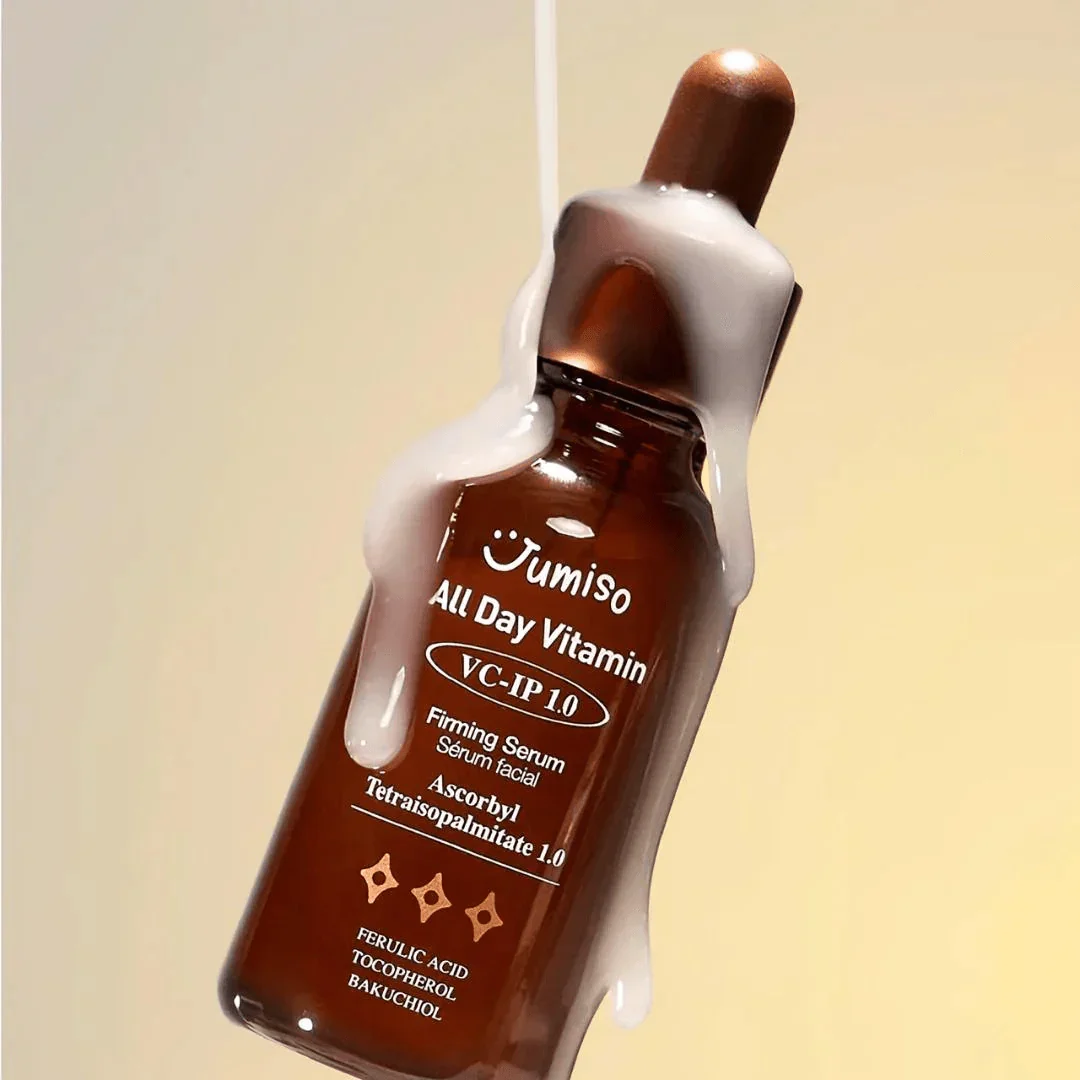
JUMISO All Day Vitamin VC-IP 10 Firming Serum
Where to buy
Compared to the previous antioxidant cocktail approach, this serum feels more focused and minimal, centering mainly around 10% Ascorbyl Tetraisopalmitate, a stable oil-soluble vitamin C derivative known for being gentler while still supporting brightness and antioxidant protection. The addition of ferulic acid, vitamin E, bakuchiol, panthenol, and niacinamide helps create a balanced anti-aging formula that remains comfortable enough for consistent daily use.
Sunscreen: The Foundation of Any Routine
If preventing premature skin aging is the goal, sunscreen is the most important daily step. Chronic UV exposure contributes to collagen breakdown, uneven pigmentation, wrinkles, and other visible signs of photoaging, while regular sunscreen use helps reduce that accumulated damage. A review of sunscreen and photoaging summarizes the evidence for its role in preventing UV-related skin aging.
For a barrier-protective routine, the best sunscreen is ultimately one you can apply generously and wear consistently.
Prioritize Wearability: Texture matters because an elegant sunscreen is much easier to use every day in the right amount.
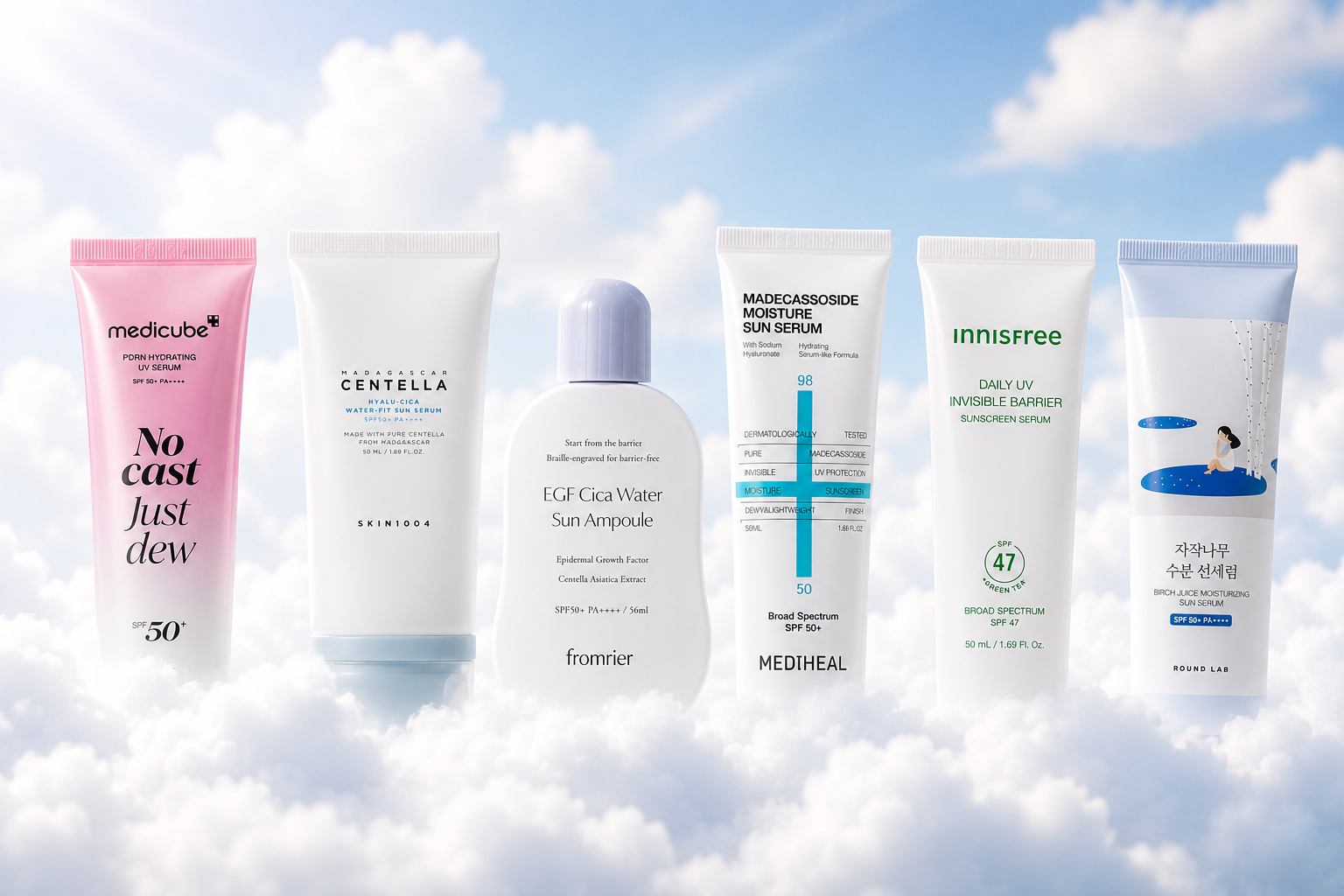
Modern Korean Formulas: Many newer Korean sunscreens and sun serums offer lightweight, hydrating textures that fit easily into a skincare routine without feeling heavy.
Mineral Sunscreens: These can be a good option if you prefer mineral filters or find certain chemical formulas irritating, although tolerability still depends on the complete formula.
I personally have a soft spot for mineral sunscreens, so I put together a separate guide to the best Korean mineral sunscreens if you want to compare formulas by skin type.
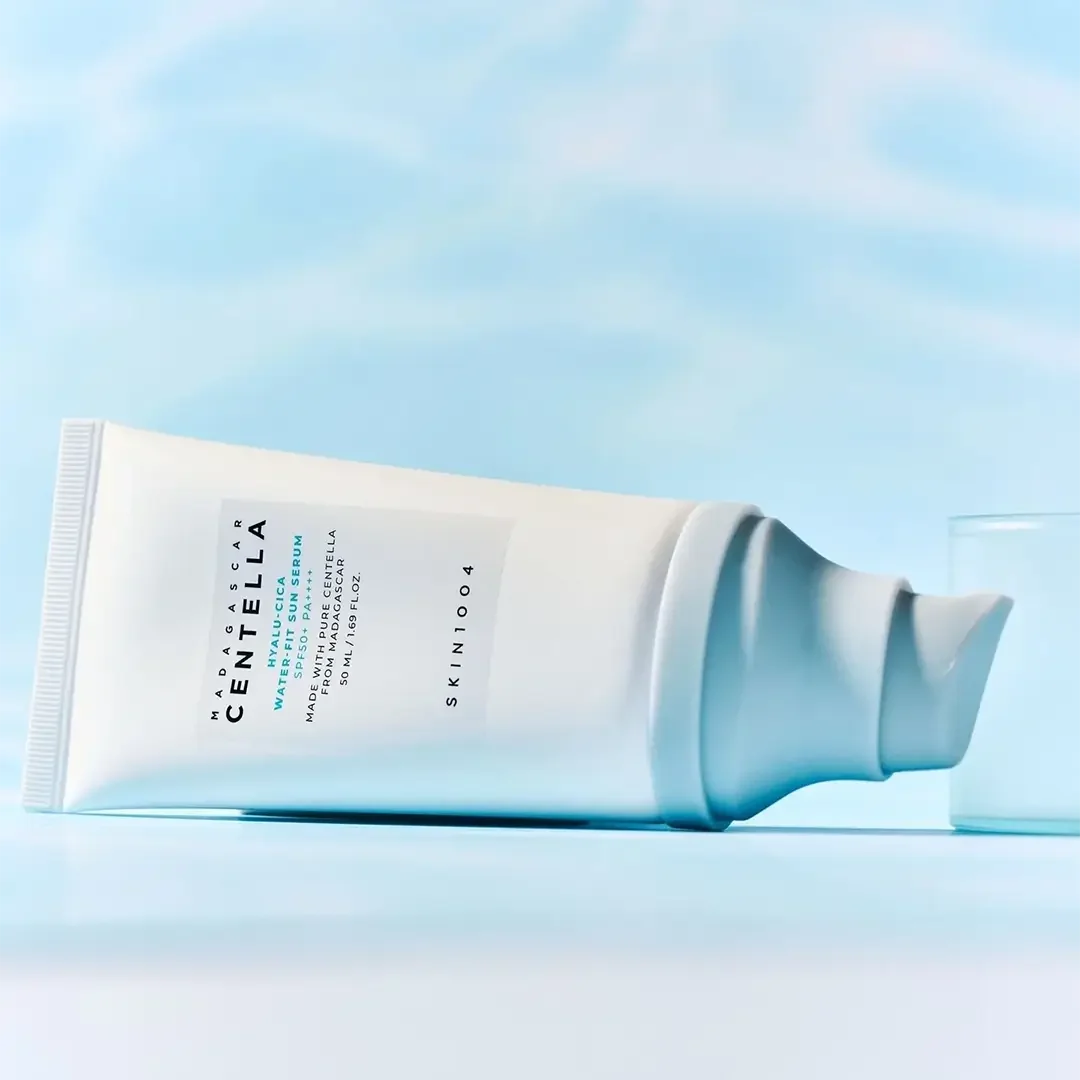
SKIN1004 Madagascar Centella Hyalu-Cica Water-Fit Sun Serum
Where to buy
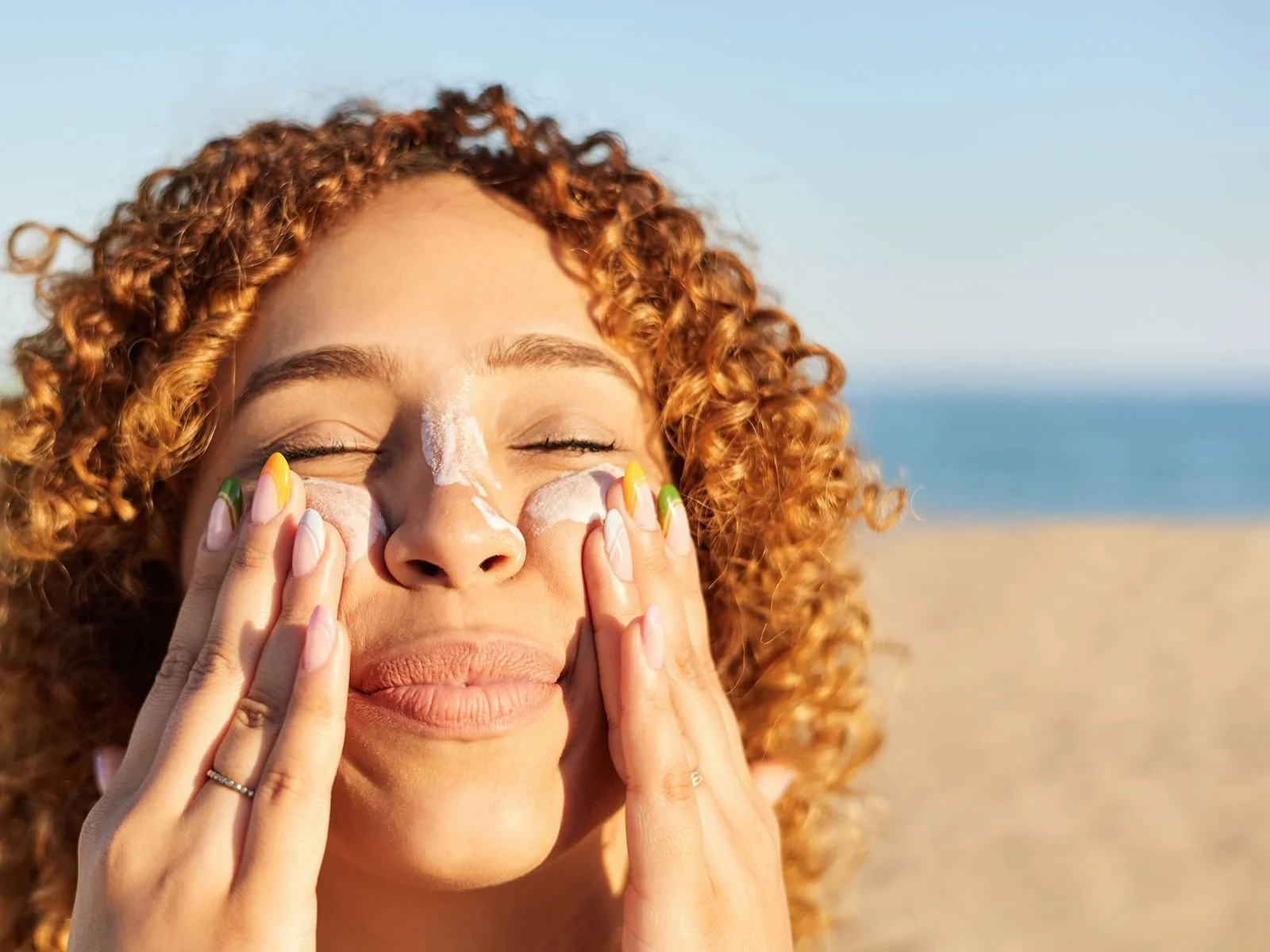
This sunscreen is a good example of how modern Korean SPF formulas have moved far beyond the heavy, sticky textures many people still associate with daily sun protection. The lightweight serum texture makes consistent sunscreen use much easier, while ingredients like centella asiatica, niacinamide, and hyaluronic acid help support hydration and overall skin comfort throughout the day.
Supportive Anti-Aging Ingredients Beyond the Basics
Retinoids, vitamin C, and sunscreen still do most of the heavy lifting in an anti-aging routine, but they are not the only ingredients that can be useful. Exfoliating acids, peptides, growth factors, NAD⁺, and regenerative-focused ingredients such as PDRN can all add something different, especially when the goal is improving overall skin quality without continuously increasing irritation.
The evidence behind these ingredients varies, so I would think of them as supportive additions rather than replacements for the basics.
Smart Exfoliation: Refining the Surface Without Stress
Exfoliation can improve rough texture, dullness, and uneven pigmentation, but more frequent exfoliation is not automatically better. A 2024 review of alpha-hydroxy acids (AHA) found benefits for skin texture and photoaging while also emphasizing that concentration and formulation influence irritation risk.
For a barrier-protective routine, I would choose the acid according to your skin rather than automatically reaching for the strongest option.
Glycolic Acid: One of the best-studied AHAs for photoaged skin. Even 5% glycolic acid has shown improvements in texture and discoloration.
Lactic Acid: Another well-studied AHA that can improve signs of photodamage while generally fitting well into more hydration-focused formulas.
PHA: A useful option when your skin is more sensitive. PHAs such as gluconolactone also have humectant properties and tend to cause less sensory irritation than traditional AHAs.
Mandelic Acid: A gentler-feeling AHA that can be useful when you want exfoliation without jumping straight to a stronger glycolic formula.
The Strategy: You do not need to exfoliate every day. If you already use a retinoid, one or two exfoliating nights per week may be plenty depending on your skin.
The products below are formulas I would consider when you want smoother, brighter-looking skin without making exfoliation the center of your entire anti-aging routine.
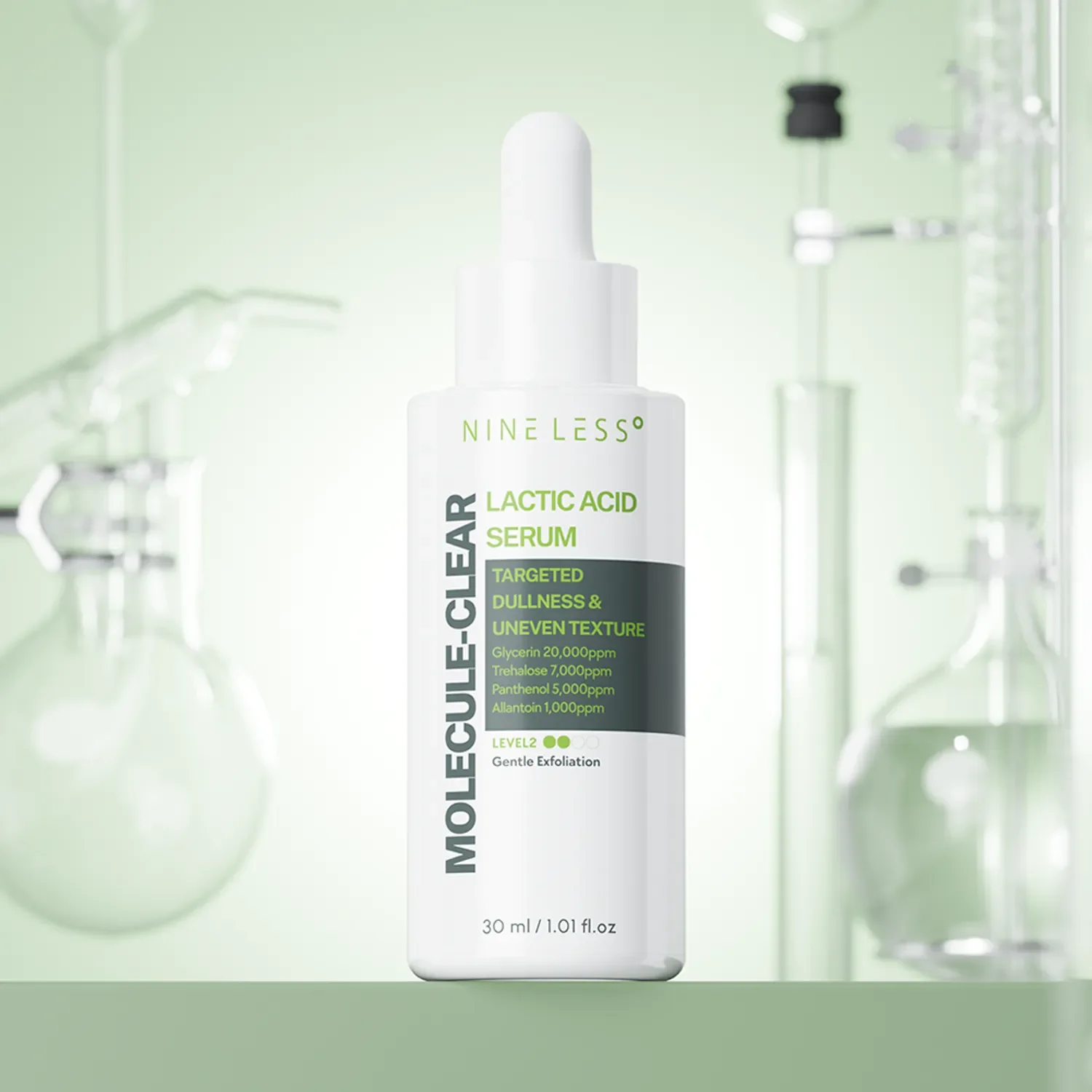
NINELESS Molecule-Clear Lactic Acid Serum
Where to buy
With a moderate 5.13% lactic acid concentration, this formula focuses more on gradual skin refinement than aggressive exfoliation. Alongside the exfoliating effect, ingredients like panthenol, hyaluronic acid, allantoin, and multiple peptides help keep the skin more comfortable and supported, making it a much better fit for a smarter long-term anti-aging routine than harsher daily acid products.
Haruharu Wonder Centella 3% PHA Gentle Liquid Exfoliating Serum
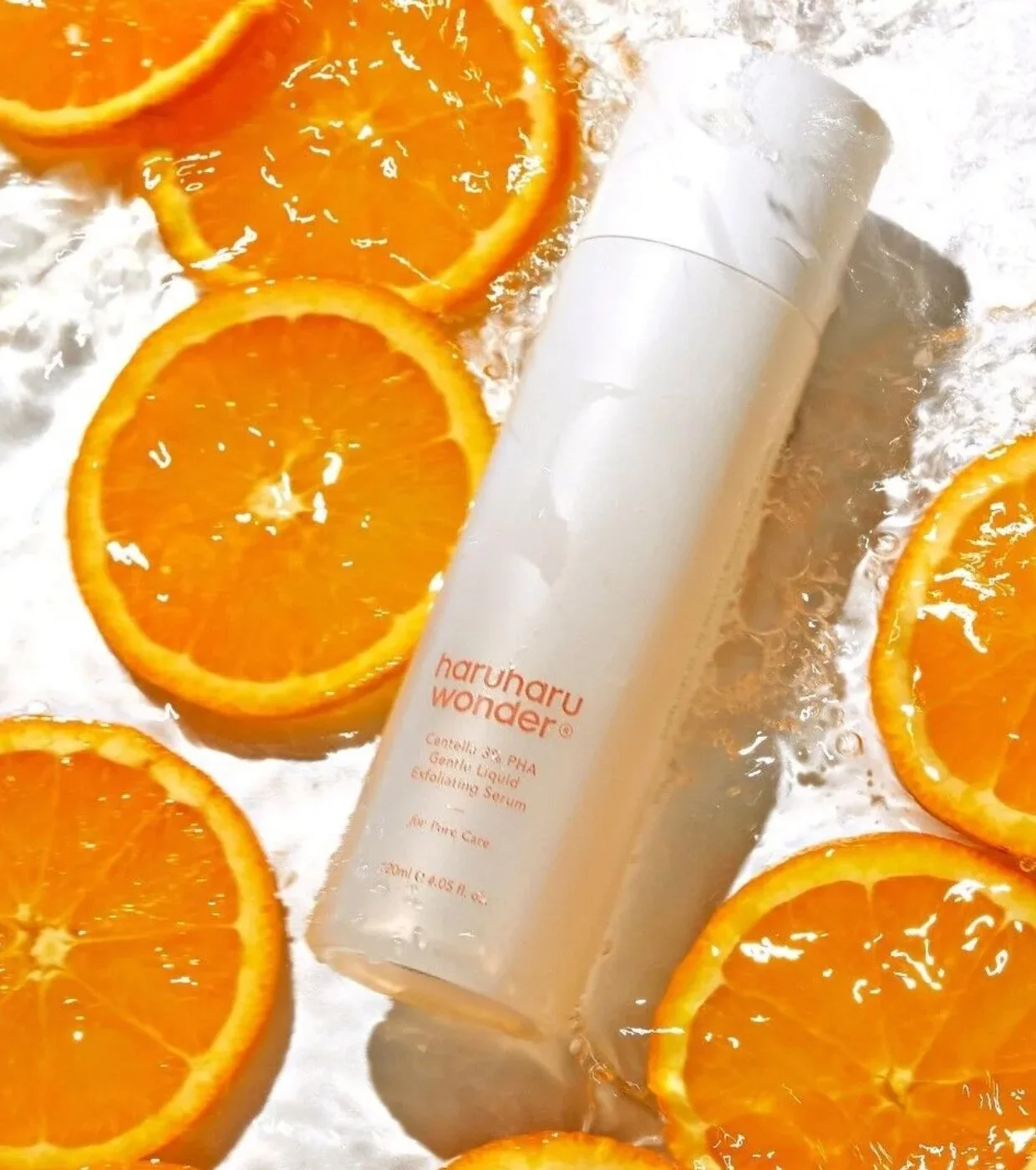
PHA is one of the gentlest exfoliating acid categories available, making it especially interesting for people who want smoother, brighter skin without constantly challenging their barrier. The 3% gluconolactone concentration here keeps the exfoliation very mild, while centella, ectoin, black tea ferment, and hydrating ingredients help maintain skin comfort and hydration at the same time.
Peptides: Effortless Support for Skin Density
Peptides are short chains of amino acids used in skincare for different purposes, from supporting collagen-related signaling to hydration and skin repair. Their biggest advantage in a barrier-protective routine is that they are generally easy to tolerate and can add another anti-aging step without the irritation often associated with stronger actives.
Good Tolerability: Peptide formulas are generally well tolerated, with relatively few adverse effects reported in clinical research.
Easy to Combine: Most peptide serums fit comfortably alongside retinoids, vitamin C, and exfoliating acids, although the complete formula still matters.
Different Peptides, Different Roles: Signal peptides, copper peptides, and neurotransmitter-influencing peptides do not all work in the same way, so the number of peptides on the label matters less than which ones are actually included.
A Supportive Role: A 2026 review of clinical peptide research found promising effects on hydration, brightness, and wrinkles, but results for elasticity and skin density were less consistent.
For me, peptides make the most sense as a low-irritation addition to an already well-built anti-aging routine, rather than a replacement for retinoids or sunscreen.
Below is one of my favorite Korean peptide-rich formulas for adding that extra layer of support.
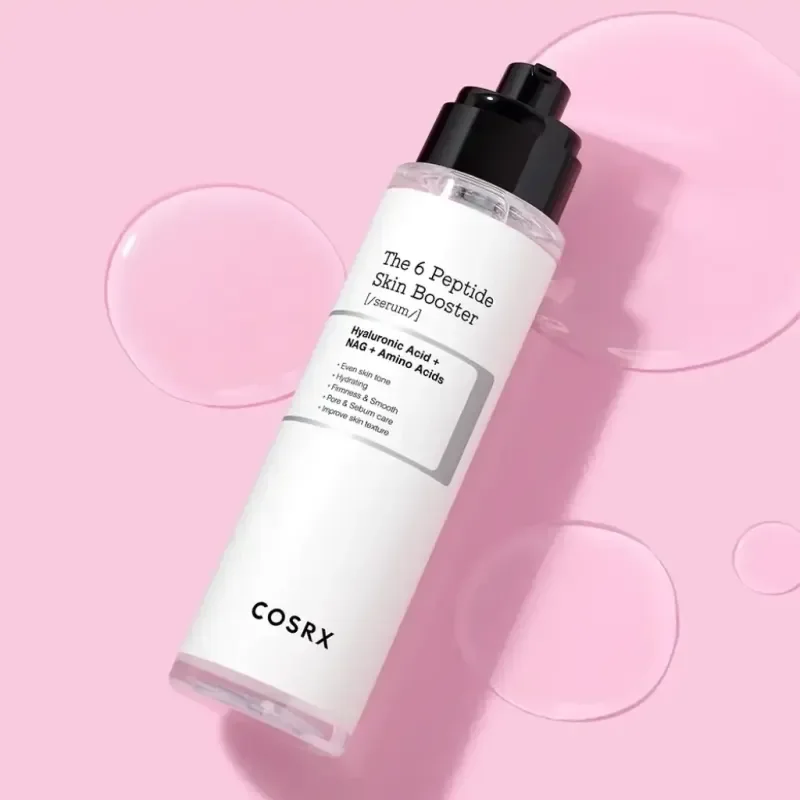
COSRX The 6 Peptide Skin Booster
Where to buy
Rather than focusing on aggressive resurfacing, this formula takes a more supportive anti-aging approach through a combination of multiple peptides, including copper peptide and acetyl hexapeptide-8. Humectants, amino acids, niacinamide, and soothing ingredients help keep the formula lightweight and easy to layer, making it especially suitable for people who want additional anti-aging support without significantly increasing irritation potential.
Growth Factors and NAD+: Emerging Technology for Skin Longevity
Ingredients such as growth factors, NAD⁺, and PDRN represent a newer direction in anti-aging skincare. They are interesting because they focus more on cellular signaling, repair, and skin resilience than traditional exfoliation or resurfacing.
Growth Factors: These signaling proteins are involved in processes such as cell communication and tissue repair. Human studies of topical growth-factor products have found modest improvements in fine lines, texture, and overall skin appearance, although formulas and study quality vary considerably.
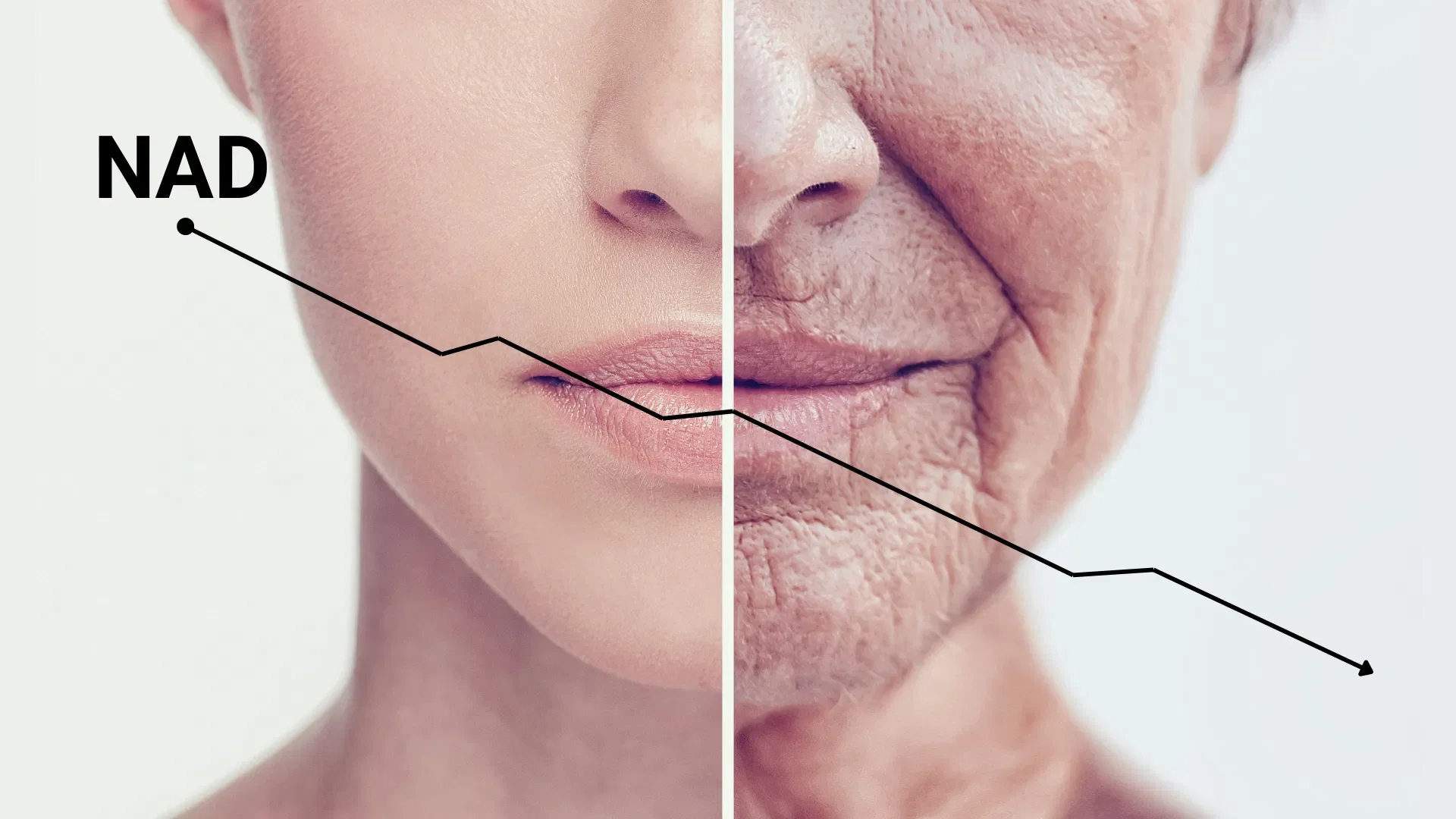
NAD⁺: NAD⁺ is essential for cellular energy metabolism and DNA repair, but translating that biology into a topical serum is much more complicated. I consider NAD-focused skincare promising, but still an emerging category rather than an established anti-aging essential.
PDRN: PDRN has attracted attention for its role in tissue repair and regenerative medicine, but much of the stronger evidence comes from medical and experimental applications rather than ordinary topical cosmetics.
The Strategy: These ingredients make the most sense as additions to an already solid routine, not as substitutes for sunscreen, retinoids, or other better-established anti-aging ingredients.
I find this category especially interesting if you already have the basics in place and want to explore newer Korean formulas focused on skin quality, resilience, and long-term healthy aging.
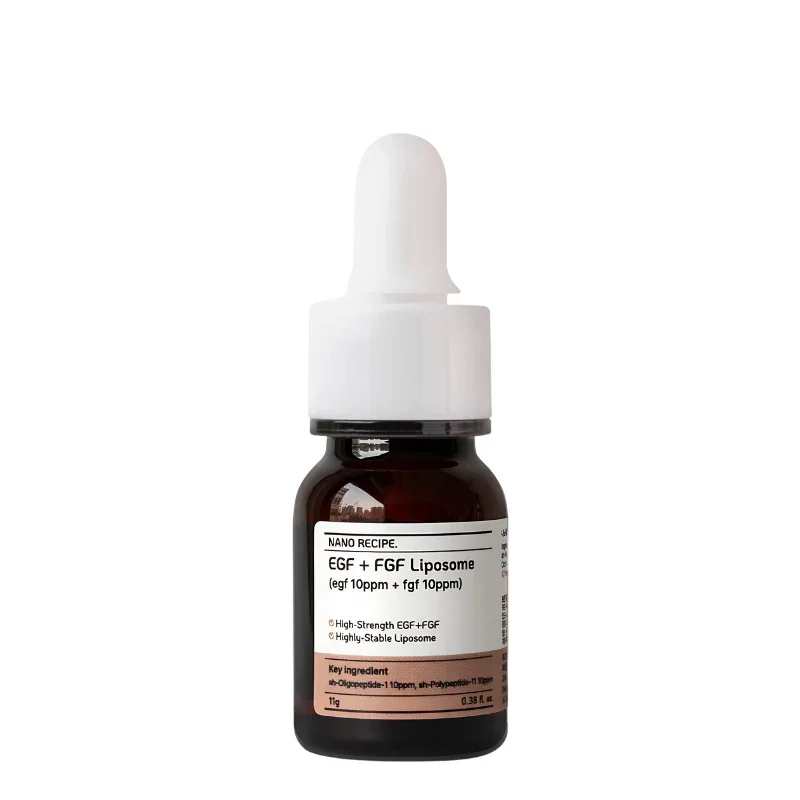
Nano Recipe EGF 10ppm + FGF 10ppm Liposome
Where to buy
A very minimal formula centered around EGF and FGF with liposome technology to support ingredient delivery and stability. Compared to many anti-aging formulas, the simplicity here makes it feel much more aligned with a skin barrier protective approach while still incorporating newer regenerative-focused technologies. I find this type of formula works best when mixed into your hydrating serum or moisturizer with just 1–2 drops instead of layering it as a separate heavy step.
The Foundation of Every Smart Aging Routine
Even the best anti-aging actives are harder to use consistently if your basic routine is leaving the skin dry or irritated. Cleansing and moisturizing are not just background steps; they help create the conditions that make stronger ingredients easier to tolerate long term.
Gentle Cleansing Prevents Unnecessary Irritation
The goal of cleansing is simple: remove sunscreen, makeup, sweat, and excess oil without stripping away too much of the skin’s natural lipids.
Harsh or overly frequent cleansing can increase dryness and barrier disruption, which may make the rest of your routine feel more irritating. A review of cleansing and skin barrier function highlights the importance of mild surfactants and well-balanced cleansers for maintaining skin comfort and barrier integrity.
For a barrier-protective routine, I would focus on a gentle, non-stripping cleanser that leaves the skin comfortable after rinsing, rather than chasing the strongest foam or deepest cleanse.
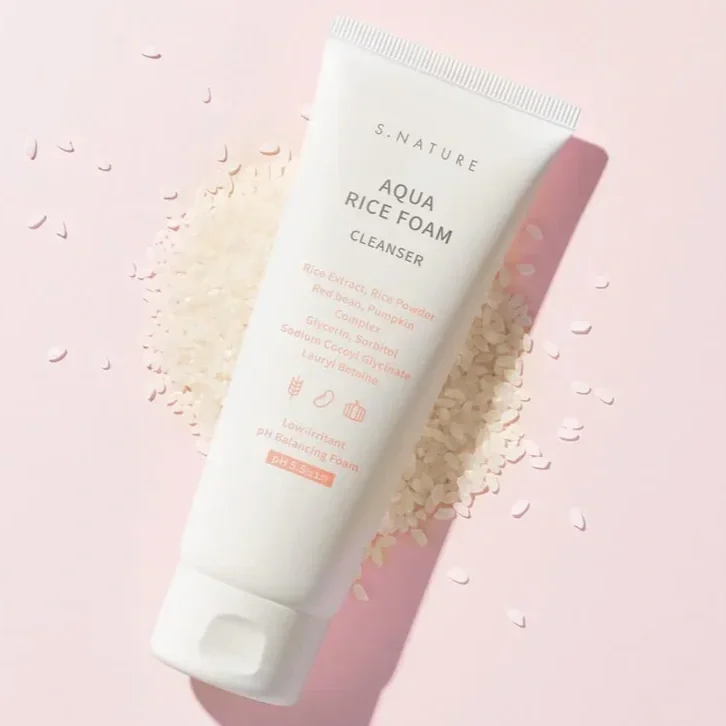
S.NATURE Aqua Rice Foam Cleanser
Where to buy
A good example of how a foaming cleanser does not necessarily have to feel stripping or overly aggressive on the skin. The formula uses gentler surfactants alongside glycerin, rice extract, and amino acid-based cleansing agents to remove sunscreen, oil, and buildup while still keeping the skin feeling comfortable and balanced afterward.
Hydration Maintains Skin Flexibility and Glow
Dehydrated skin can look duller, feel tighter, and make fine lines appear more noticeable. This becomes especially relevant with age, when the skin tends to retain water less efficiently and recover more slowly from environmental stress.
Heating, air conditioning, low humidity, and active-heavy routines can all increase water loss, so hydration needs to be maintained rather than treated as an occasional rescue step.
Humectants: Ingredients such as glycerin, hyaluronic acid, beta-glucan, and panthenol help attract and retain water in the skin.
Barrier Support: Hydration works best when paired with emollients and barrier lipids that help reduce water loss.
Lightweight Layers: Toners, essences, or serums can add extra hydration when your skin needs it without making the routine heavy.
Mists: A hydrating mist can feel refreshing in dry indoor environments, but it works best when followed by something that helps hold that moisture in rather than relying on repeated misting alone.
For anti-aging, the benefit is simple: well-hydrated skin looks smoother and more supple, while a comfortable barrier makes it easier to stay consistent with the rest of your routine.
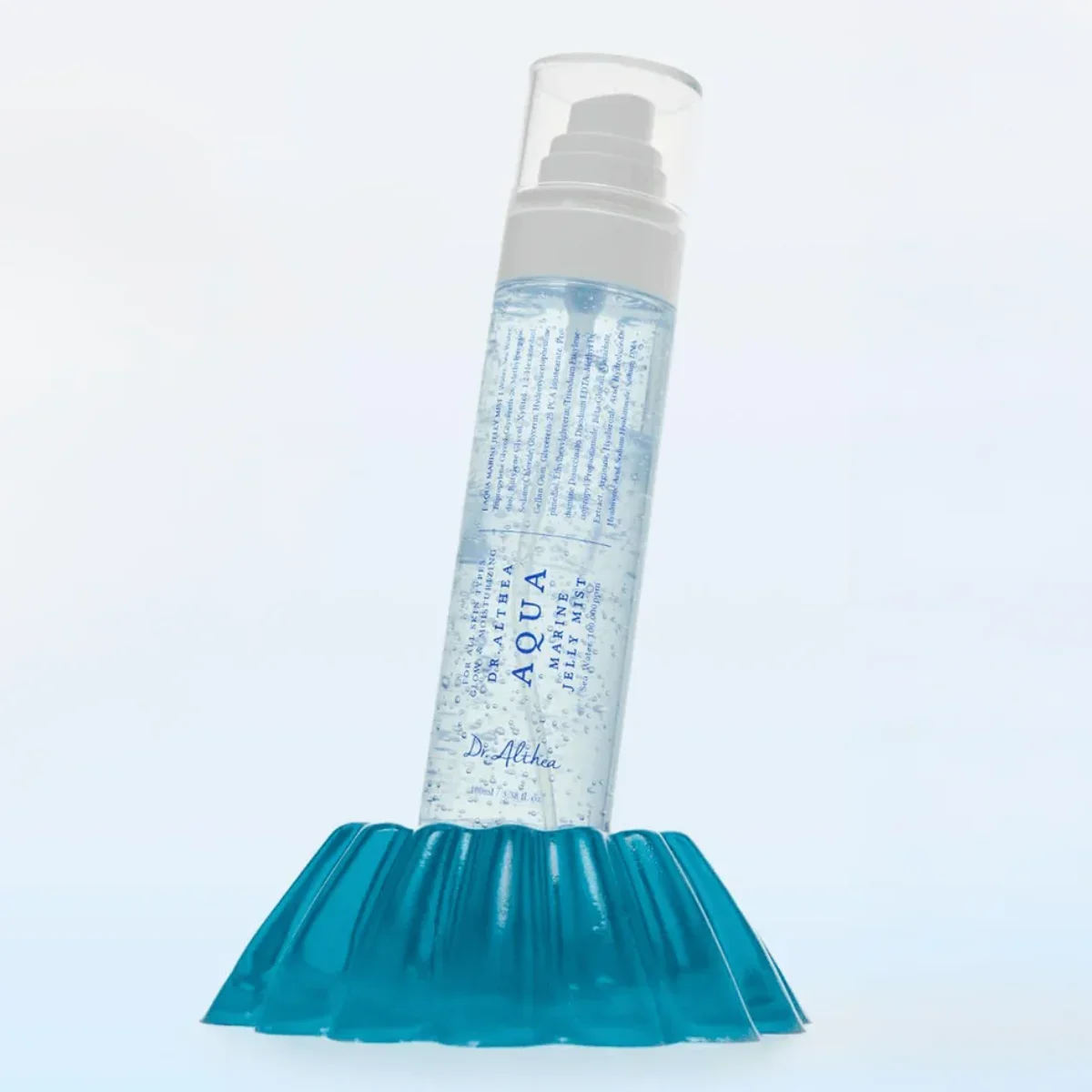
Dr. Althea Aqua Marine Jelly Mist
Where to buy
This formula focuses on lightweight hydration through ingredients like beta-glucan, sea water, and multiple forms of hyaluronic acid, while the slightly thicker jelly mist texture helps the hydration feel a bit longer-lasting on the skin compared to very watery facial mists.
Jelly mists are honestly becoming one of the most interesting newer texture trends in Korean skincare, and I also wrote a full article about how they work and which formulas are actually worth trying.
Barrier Support for Efficient Recovery
Barrier support becomes especially important when your routine includes retinoids, exfoliating acids, or other ingredients that can increase dryness and irritation. The goal is not to “repair” the skin after every active night, but to keep the barrier well supported so it can recover normally and remain comfortable over time.
Barrier Lipids: Ceramides work alongside cholesterol and fatty acids to help maintain the lipid structure of the stratum corneum and reduce water loss.
Calming Ingredients: Centella asiatica, panthenol, allantoin, and bisabolol can help support skin comfort when your routine starts feeling more demanding.
Moisturizer Matters: A well-formulated moisturizer can make strong actives much easier to tolerate, particularly if your skin is naturally dry or becoming drier with age.
The Strategy: If your skin starts feeling tight, stingy, or unusually reactive, reduce the intensity of your actives rather than simply adding more products on top.
This is what makes barrier care such an important part of anti-aging. The more comfortable your skin remains, the easier it is to use effective ingredients consistently without repeatedly pushing it into irritation.
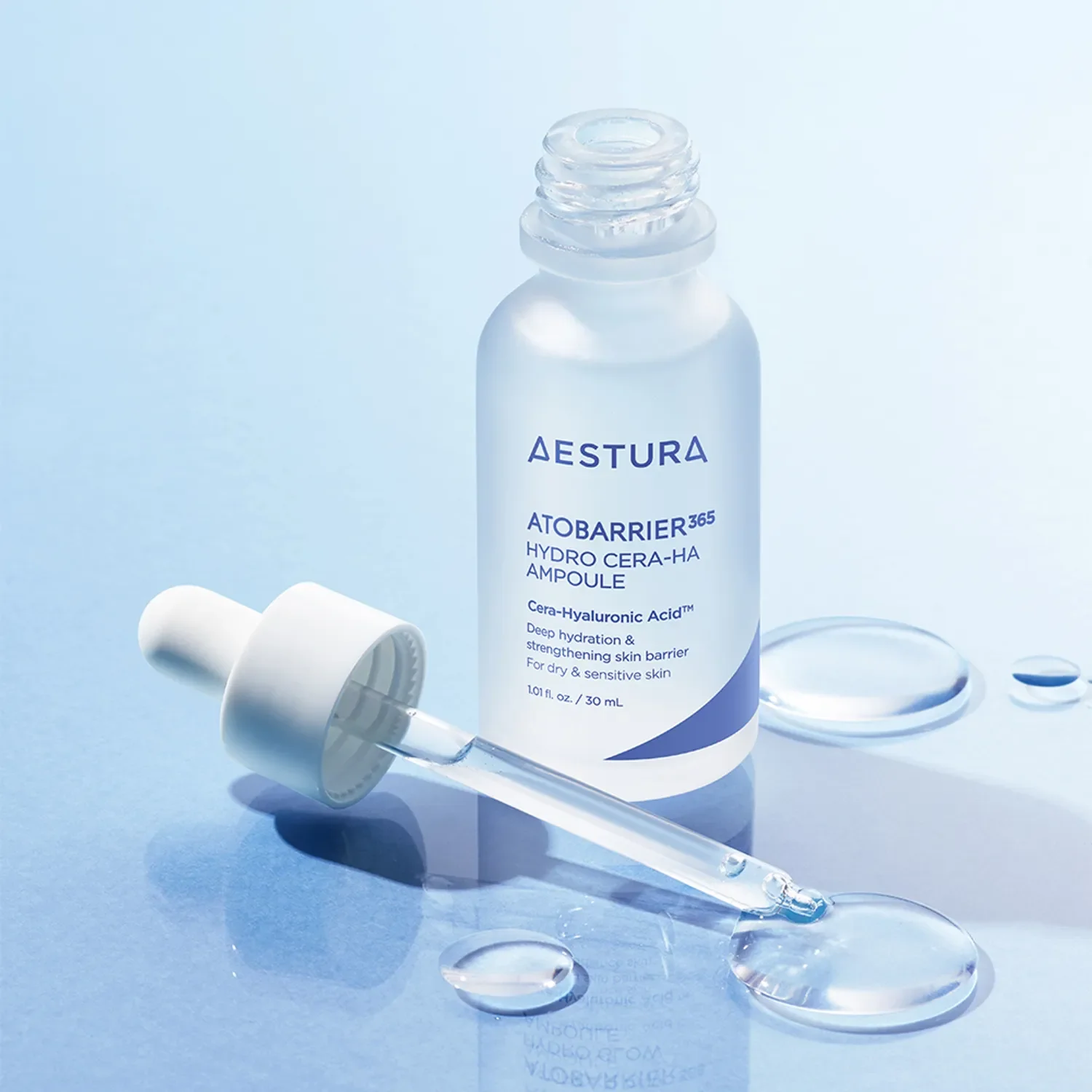
AESTURA Ato Barrier 365 Hydro Cera-Ha Serum
Where to buy
Barrier support products do not always need to feel heavy or overly occlusive to be effective. This formula combines ceramides, cholesterol, sphingolipids, panthenol, and multiple hydrating ingredients in a much lighter serum texture, making it especially useful for maintaining hydration and barrier resilience without overwhelming oilier or combination skin types.
Frequently Asked Questions
What Is the Simplest Barrier-Protective Anti-Aging Routine?
In the morning, use an antioxidant if you tolerate one, moisturizer as needed, and sunscreen. At night, cleanse gently, use a retinoid on selected evenings, and finish with moisturizer.
Should You Use Retinoids and Exfoliating Acids on the Same Night?
Usually no. Both can increase dryness and irritation, so using them on separate nights is a much better fit for a barrier-protective routine.
Can You Apply Moisturizer Before a Retinoid?
Yes. Applying moisturizer before your retinoid can reduce irritation, and very sensitive skin can also use moisturizer both before and after it.
What Should You Do If Your Anti-Aging Routine Starts Stinging?
Persistent stinging, unusual tightness, peeling, or sudden sensitivity are signs to reduce your stronger actives. Keep the routine gentle and barrier-focused until your skin feels comfortable again, then reintroduce them gradually.
How Many Anti-Aging Actives Do You Actually Need?
Not many. Sunscreen and a well-tolerated retinoid already provide a strong foundation, while vitamin C, peptides, exfoliants, PDRN, or other ingredients can be added according to your individual concerns rather than all at once.
Smart Aging: Prioritizing Skin Longevity
Effective anti-aging skincare is about consistency, not an aggressive race to the finish line. While retinoids and antioxidants are essential, the best results come from a barrier-first approach that focuses on health rather than intensity. By choosing evidence-based skincare and respecting your skin’s biological limits, you ensure a radiant, resilient complexion for the long term.
Optimize Your Routine
If you are ready to move away from trends and build a personalized skincare routine grounded in logic, here is how I can help:
Skin Type Quiz: Discover the specific ingredients and formulas that align with your skin's unique behavior.
Expert Blog: Access in-depth product analysis, ingredient deep-dives, and detailed guides for a smarter routine.
Professional Consultation: Book a skincare consultation for a custom, high-performance roadmap tailored to your specific goals.

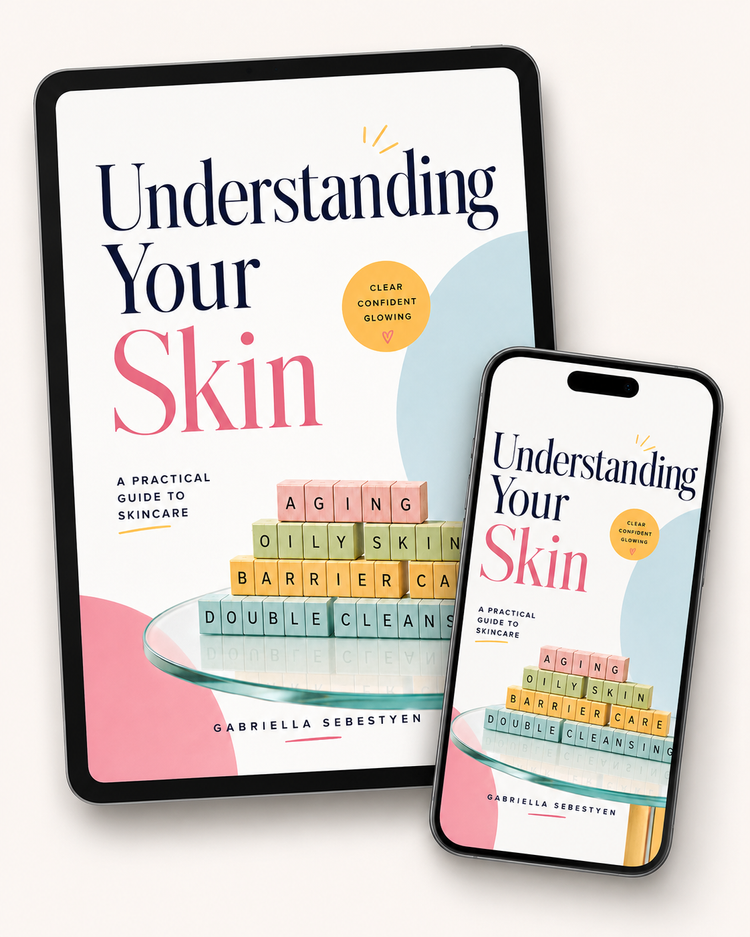
Understanding Your Skin
A Practical Guide to Skincare
I wrote Understanding Your Skin to help you build an effective skincare routine with confidence. This illustrated guide explains skin types, ingredients, and routines in a practical, evidence-based way that's easy to understand and apply.
- Written by a physician
- 120-page illustrated guide
- Evidence-based skincare guidance
- Sample routines & product recommendations

From pure vitamin C to gentle derivatives, compare the best vitamin C serums and choose the right formula for brighter, healthier-looking skin.