How to Choose a Moisturizer When You Have Dark Spots and Hyperpigmentation
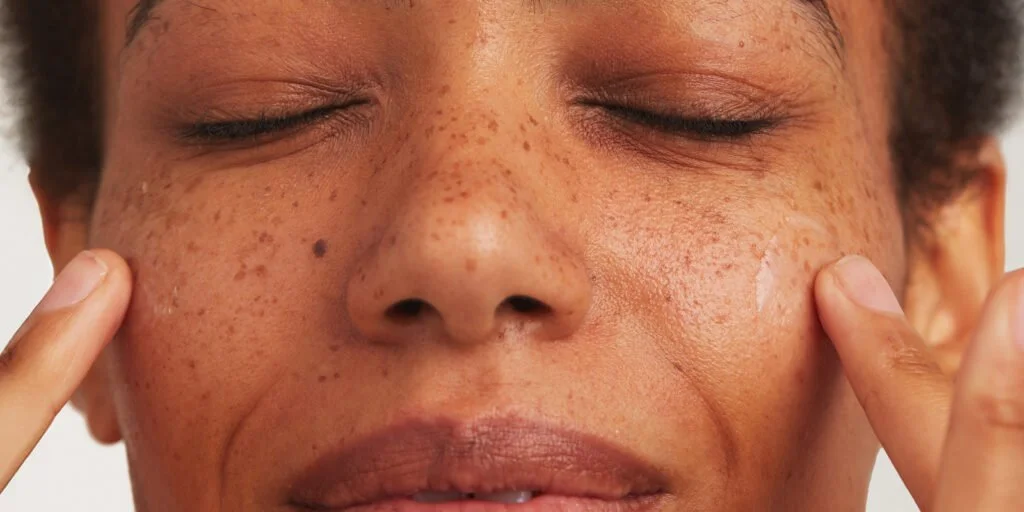
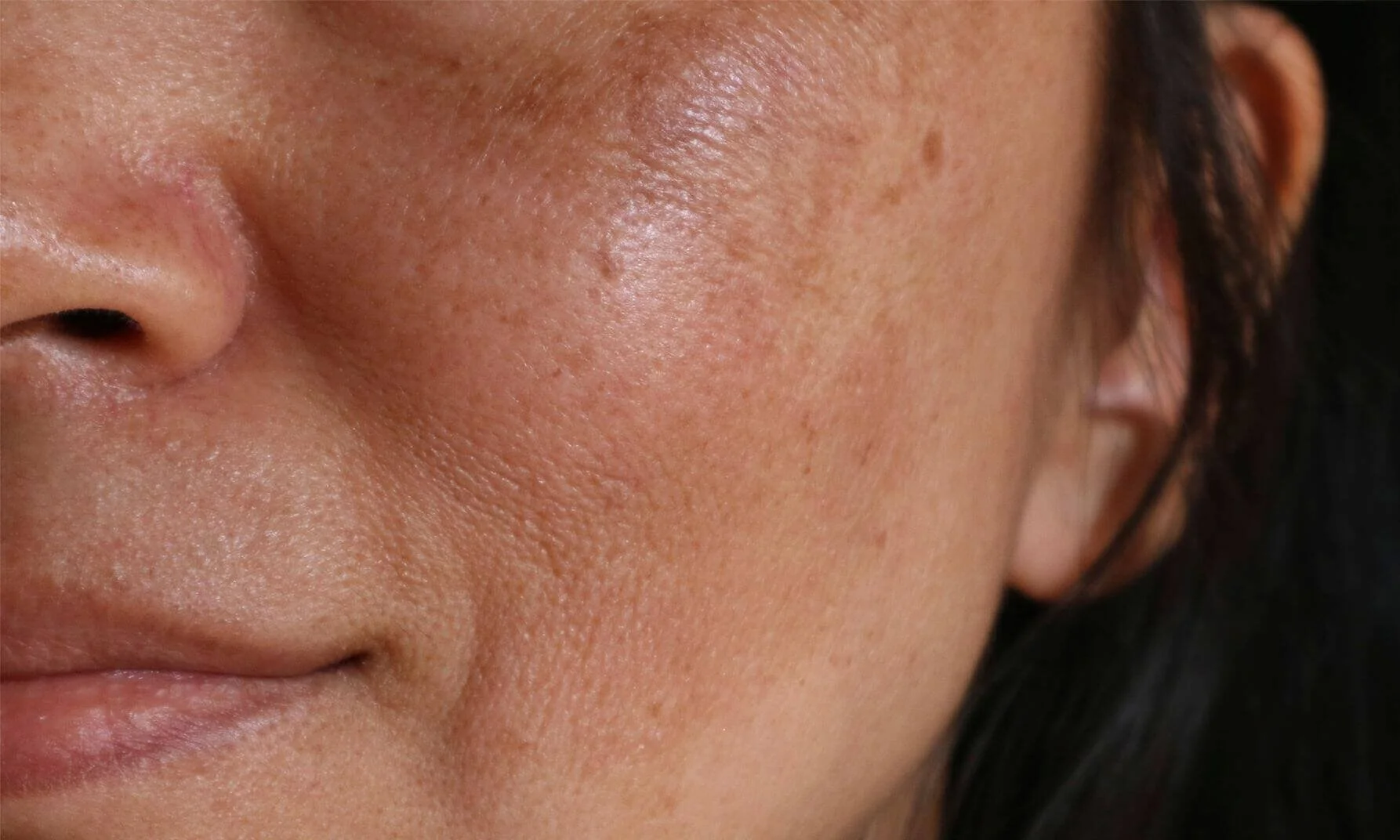
The best moisturizer for dark spots and hyperpigmentation does not necessarily need to contain several brightening ingredients. More important is choosing one that supports your skin barrier, suits your skin type, and works well alongside the treatments or active ingredients already in your routine.
If your moisturizer can also contribute ingredients that help with uneven tone, that can be useful, but it should not make the rest of your routine unnecessarily complicated or irritating.
Key Takeaways
✓ The best moisturizer for hyperpigmentation depends on the rest of your routine.
✓ If your routine is simple, a brightening moisturizer can play a larger role in fading dark spots.
✓ If you already use dedicated dark spot treatments, a barrier-supportive moisturizer is often the better choice.
✓ Overloading a routine with too many active ingredients can increase irritation and make hyperpigmentation more difficult to improve.
✓ Choosing the right texture for your skin type is just as important as choosing the right ingredients.
In This Article
This article contains affiliate links. If you purchase through these links, I may earn a small commission at no extra cost to you.
The Best Moisturizer for Hyperpigmentation Depends on Your Routine
The role of your moisturizer changes depending on what else is already in your routine. If you use a dedicated pigmentation serum, retinoid, vitamin C or exfoliant, your moisturizer may be more useful as the simple, barrier-supporting step that keeps everything else tolerable.
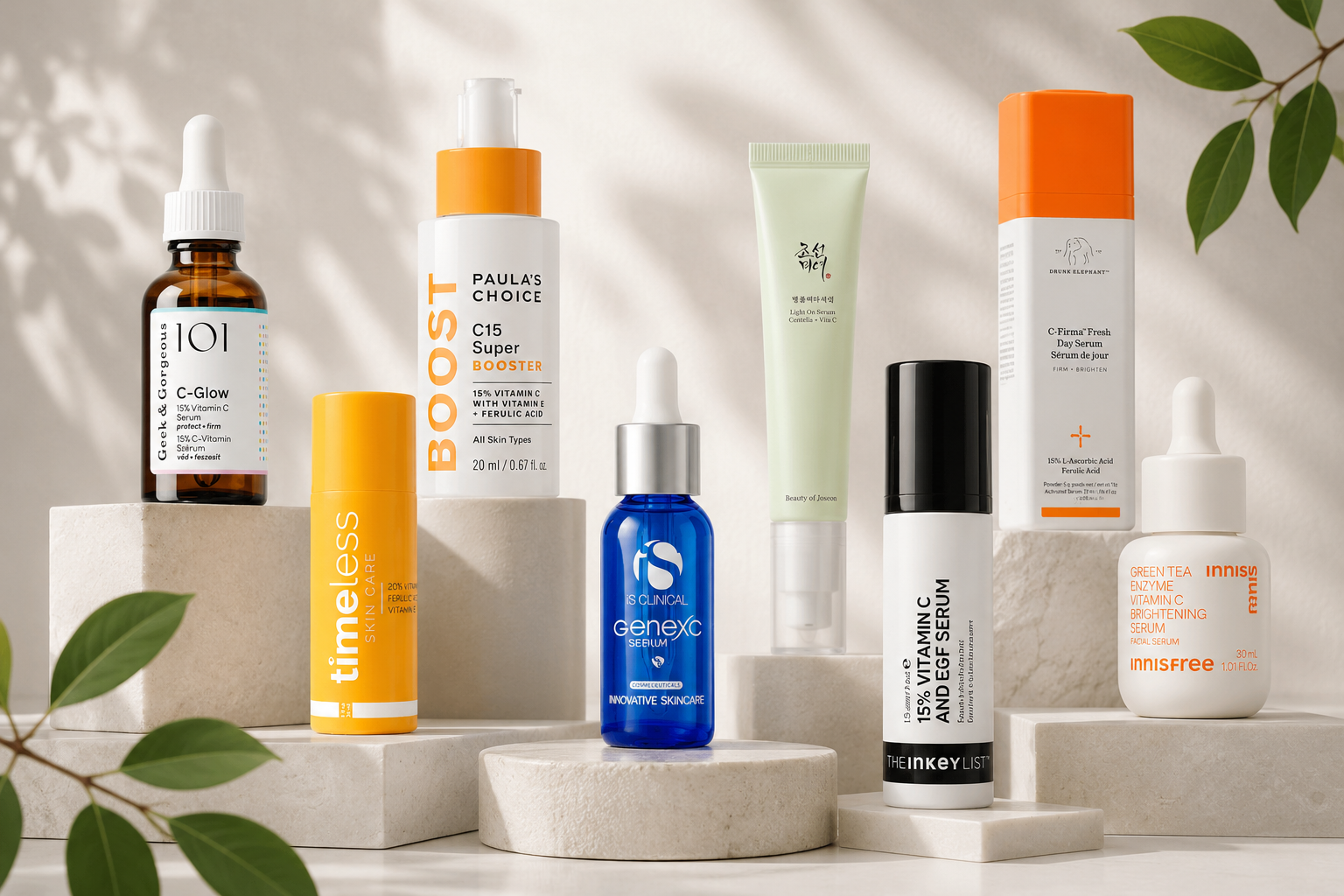
But if you prefer a shorter routine, it can make sense to choose a moisturizer that also contains ingredients such as niacinamide, tranexamic acid or licorice. That way, your moisturizer can contribute to uneven tone without adding another separate serum.
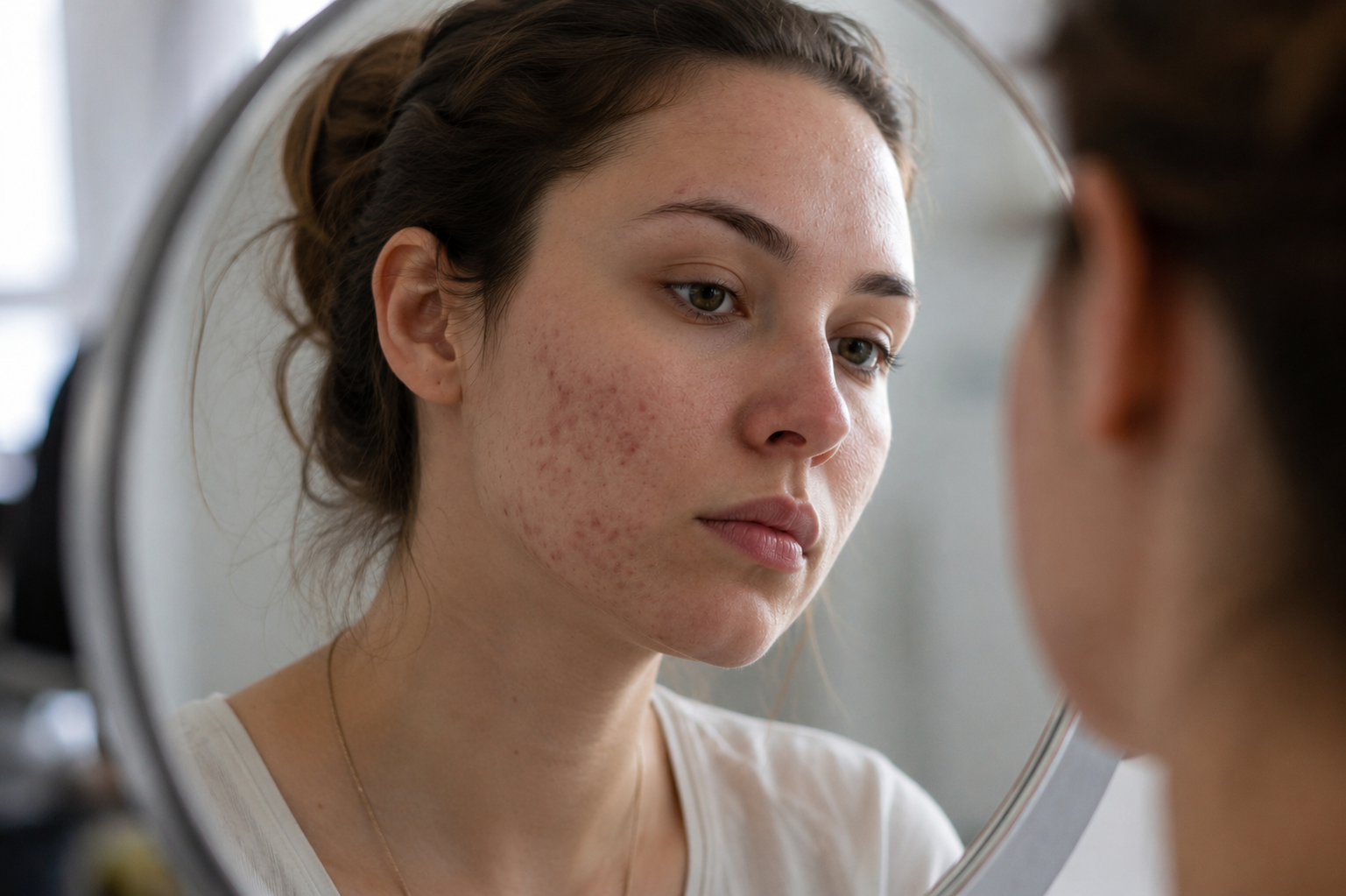
This matters because more actives do not automatically mean faster results. Irritation can actually work against you when you are trying to fade dark spots, and the American Academy of Dermatology also notes that irritating skincare products can contribute to hyperpigmentation.
So when I look for the best moisturizer for hyperpigmentation, I look less at how many brightening ingredients are packed into it and more at what job the moisturizer needs to do in the routine.
If You Have a Simple Skincare Routine
If your routine is mainly cleanser, moisturizer and sunscreen, choosing a moisturizer with brightening ingredients can make a lot of sense. It allows the moisturizer to do more than one job without adding another serum or treatment step.
In this kind of routine, ingredients such as niacinamide, tranexamic acid, alpha arbutin or licorice can give you some extra support for uneven tone while the moisturizer still takes care of hydration and the skin barrier. A recent review of topical ingredients for hyperpigmentation also discusses niacinamide, tranexamic acid, arbutin and licorice among ingredients used in modern pigmentation formulas.
This approach can also make the routine easier to stick with. You do not necessarily need several separate brightening products to build a useful routine for dark spots, especially if you are just starting out or simply prefer fewer steps.
Some ingredients to look for include:
Niacinamide
Tranexamic acid
Alpha arbutin
Licorice root extract
Ceramides and panthenol for extra barrier support
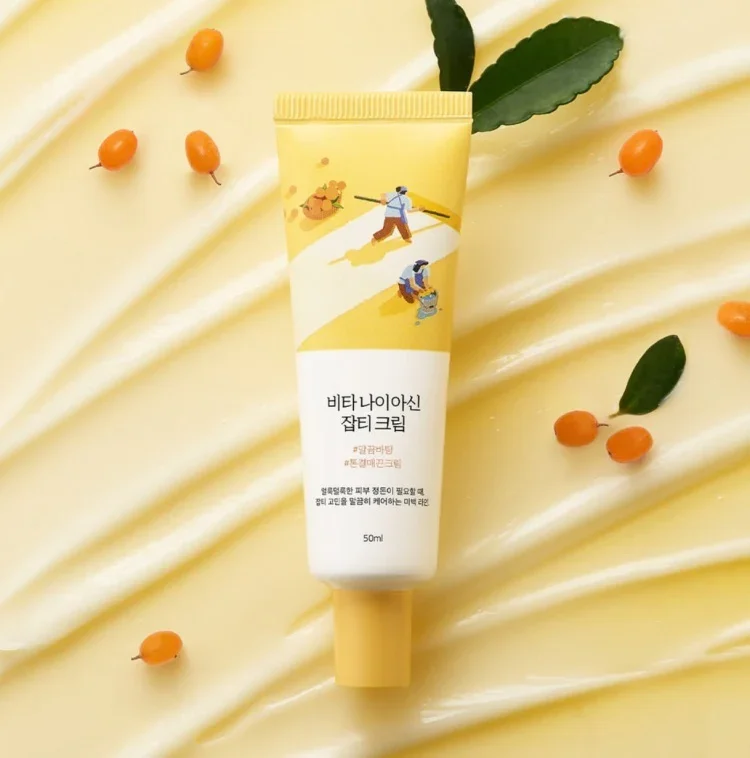
Round Lab Vita Niacinamide Dark Spot Cream
Where to buy
This is a brightening-focused moisturizer that works particularly well in simpler hyperpigmentation routines where the moisturizer itself takes on more of the treatment role. The formula combines niacinamide, tranexamic acid, glutathione, sea buckthorn, and a vitamin C derivative, making it especially suitable for post-acne marks and uneven skin tone without feeling overly aggressive overall. Panthenol and bisabolol also help add a bit more balance to the formula.
Lightweight gel-cream texture with a smooth finish
Contains mild exfoliating support from PHA and LHA
Fragrance-free and essential oil-free
Includes antioxidant-rich sea buckthorn extract
Not fungal acne safe
Best for:Oily, combination, and normal skin types with post-acne marks and uneven skin tone.
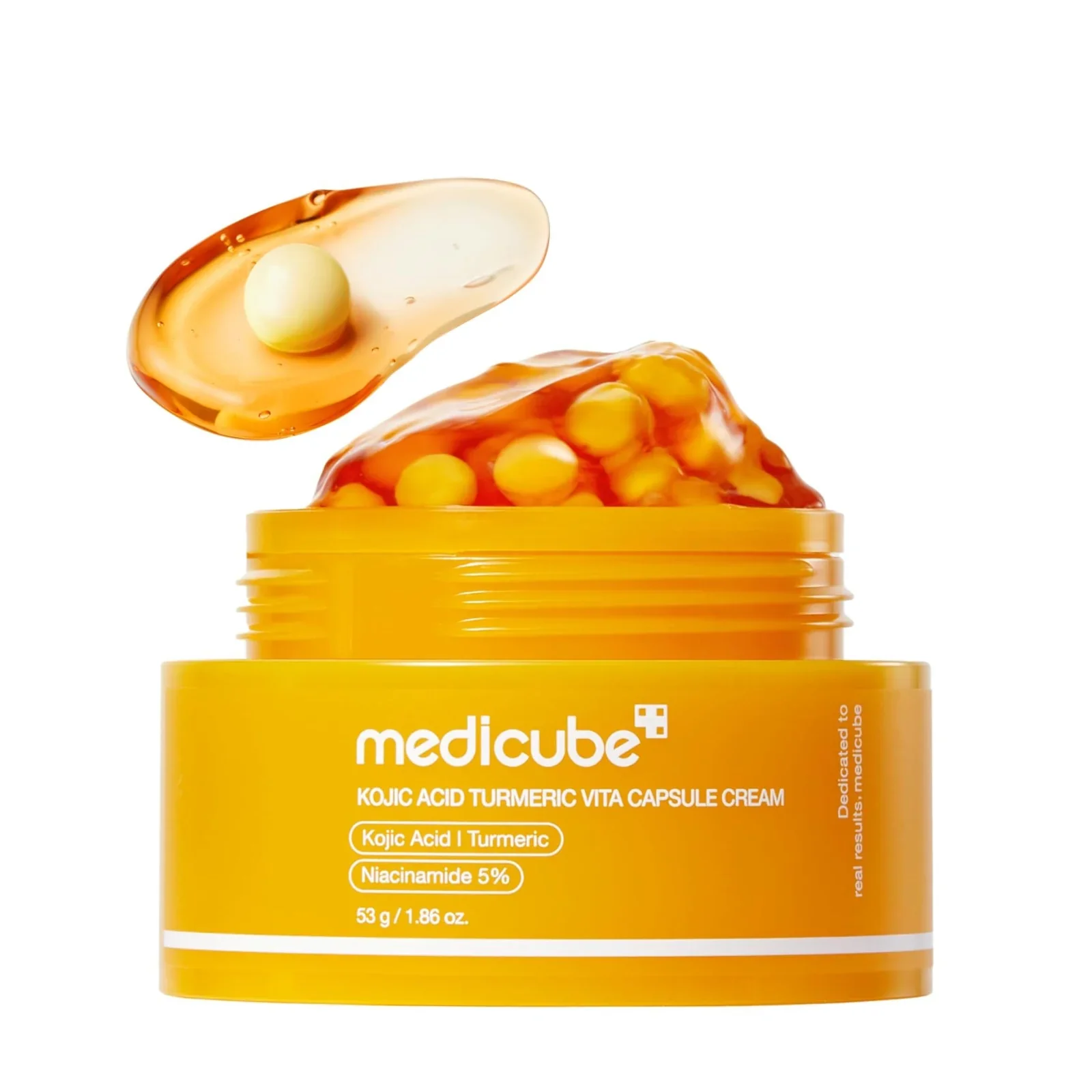
Medicube Kojic Acid Turmeric Vita Capsule Cream
Where to buy
This moisturizer combines several well-known brightening ingredients into a single formula, making it a good option for simple hyperpigmentation routines where the moisturizer itself provides much of the active treatment. Alongside a high concentration of niacinamide, it contains alpha arbutin, kojic acid, turmeric extract, and a small amount of vitamin C, while ceramide NP, multiple forms of hyaluronic acid, and allantoin help maintain hydration and support the skin barrier.
Lightweight cream texture with a hydrated, non-greasy finish
Fragrance-free and essential oil-free
Combines multiple brightening ingredients including niacinamide, alpha arbutin, kojic acid, turmeric, and vitamin C
Contains ceramide NP, peptides, and multiple forms of hyaluronic acid for added barrier support
Not fungal acne safe due to cetearyl alcohol and lipid-rich emollients
Best for: Normal, combination, and slightly dry skin types dealing with post-acne marks, uneven skin tone, and mild to moderate hyperpigmentation.
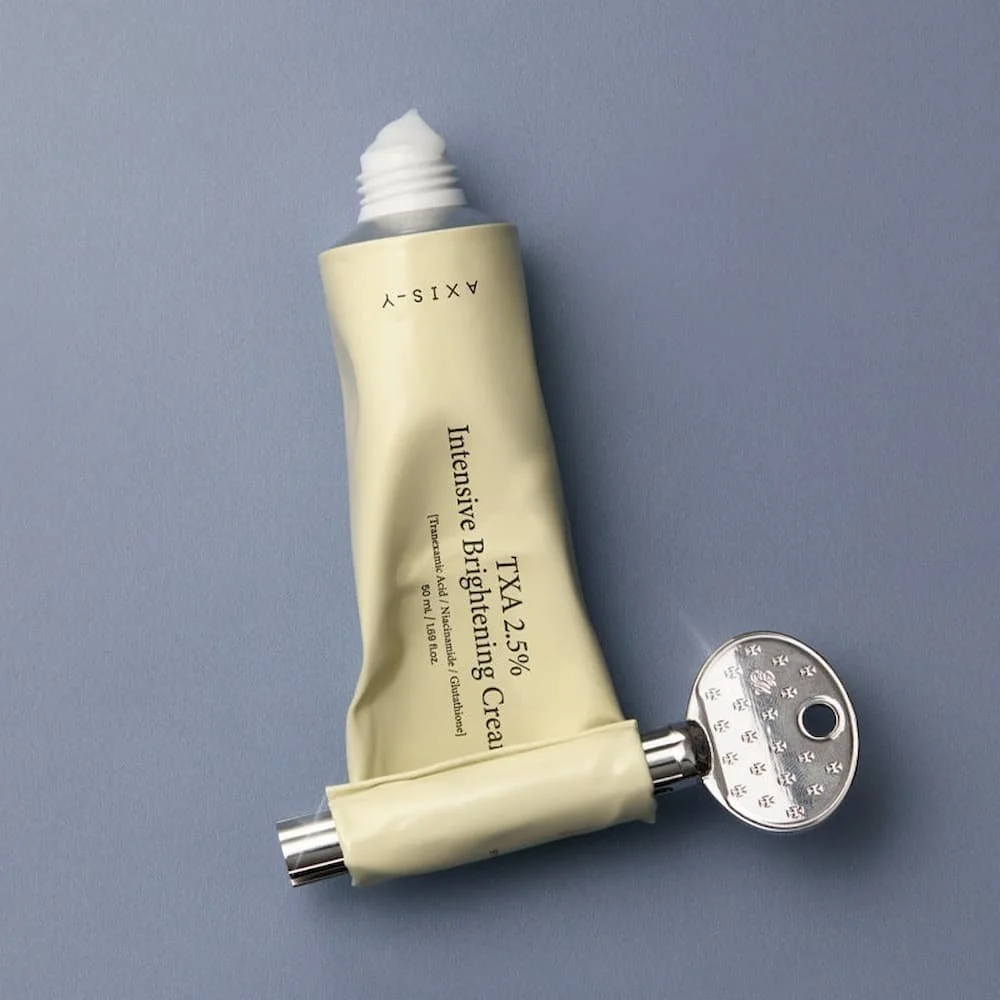
AXIS-Y TXA 2.5% Intensive Brightening Cream
Where to buy
Compared to lighter dark spot creams, this one feels noticeably more barrier-supportive. You still get niacinamide and tranexamic acid, but the formula also leans heavily into calming and hydration support with ceramide NP, centella asiatica, heartleaf, and panthenol.
Richer cream texture with a more nourishing finish
Fragrance-free and essential oil-free
Contains ceramide NP and multiple forms of hyaluronic acid
Includes calming ingredients like centella asiatica and heartleaf extract
Not fungal acne safe due to multiple fatty alcohols and shea butter
Best for: Normal, combination, dry, and slightly sensitive skin types dealing with post-acne marks and uneven skin tone.
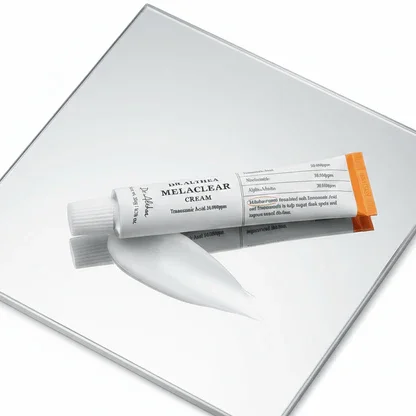
Dr. Althea Melaclear Cream
Where to buy
This formula takes a gentle and balanced approach to brightening, combining tranexamic acid, niacinamide, a stabilized alpha arbutin derivative, and licorice root water to help support a more even-looking skin tone without feeling overly aggressive on the skin. Sodium DNA (PDRN), ceramide NP, and multiple forms of hyaluronic acid also give the cream a more supportive and hydration-focused feel overall.
Lightweight lotion-cream texture with a hydrated finish
Fragrance-free and essential oil-free
Uses diethoxyethyl succinate, a stabilized alpha arbutin derivative commonly used for brightening support and considered pregnancy-safe
Not fungal acne safe
Best for: Normal, combination, dehydrated, and sensitive skin types dealing with melasma and post-inflammatory hyperpigmentation.
Dr. Melaxin TX Cream
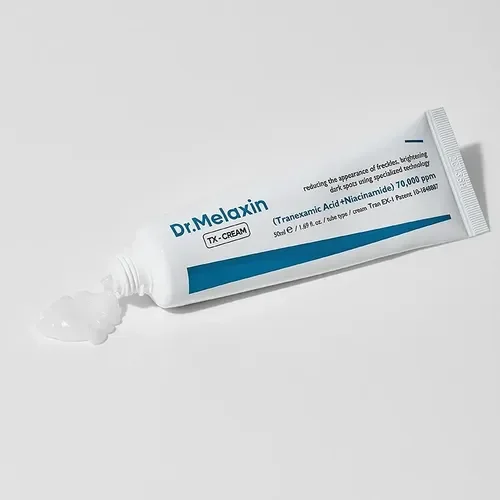
Probably the richest and most treatment-focused formula out of the four. Alongside tranexamic acid and niacinamide, you also get glutathione, acetyl glucosamine, peptides, and the same stabilized brightening molecule seen in the Melaclear Cream, making this one particularly interesting for more stubborn pigmentation concerns.
Rich cream texture with a more nourishing finish
Fragrance-free and essential oil-free
Contains Decapeptide-40, a peptide commonly used in pigmentation-focused formulations
Includes multiple antioxidant-rich botanical extracts
Not fungal acne safe due to shea butter, beeswax, and multiple lipid-rich components
Best for: Normal, combination, dry, and slightly sensitive skin types dealing with melasma and post-inflammatory hyperpigmentation.
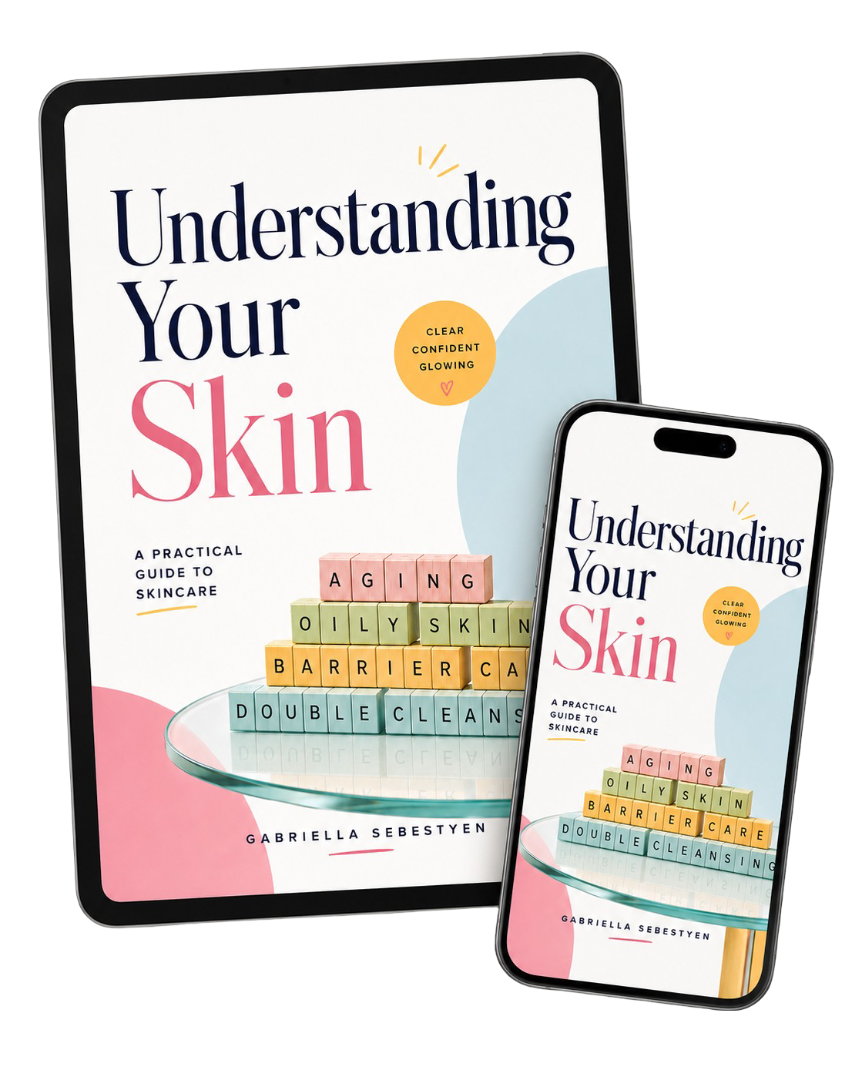
Discover My eBook
Whether you're just starting out or want to deepen your skincare knowledge, this practical guide helps you understand your skin and build a routine with confidence.
See What's Inside →If You Already Use Dedicated Dark Spot Treatments
If you already use one or two dedicated products for hyperpigmentation, your moisturizer usually does not need to be another strong brightening step. At this point, it can be more useful for keeping your skin hydrated, comfortable, and able to tolerate the rest of the routine.
This is especially relevant if you already use vitamin C, tranexamic acid, azelaic acid, retinoids, or another targeted dark spot treatment.
In this kind of routine, I would pay more attention to barrier-supporting and calming ingredients than to how many extra pigmentation actives the moisturizer contains. Ceramides, panthenol, ectoin, beta-glucan and squalane can all fit well here.
You can still have gentler brightening-supportive ingredients in the formula, such as licorice or rice-derived extracts, but they do not need to be the main reason you choose the moisturizer.
Some especially useful ingredients to look for include:
Ceramides
Panthenol
Ectoin
Beta-glucan
Squalane
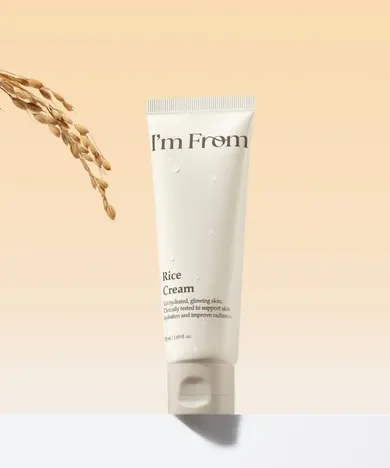
I’m From Rice Cream
Where to buy
Rice bran water and rice bran oil give this cream a softer brightening-supportive feel overall, while panthenol, ceramide NP, and phytosphingosine help keep the formula heavily focused on hydration and barrier comfort. The texture feels richer and more nourishing without becoming extremely heavy, making it especially nice for skin that easily becomes dry or irritated from stronger active routines.
Fragrance-free and essential oil-free
Contains adenosine for additional wrinkle-care support
Uses synthetic beeswax instead of traditional beeswax
Silicone-supported formula that helps create a smoother skin feel
Not fungal acne safe due to shea butter and multiple lipid-rich components
Best for: Normal, dry, dehydrated, and sensitive skin types.
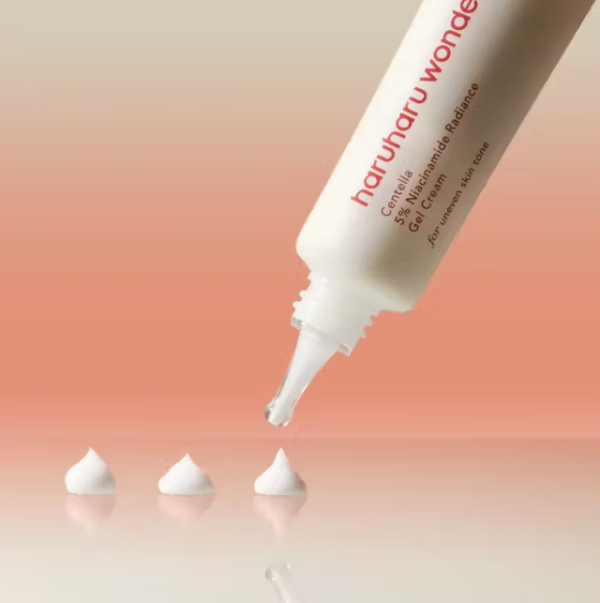
Haruharu Wonder Centella 5% Niacinamide Radiance Gel Cream
Where to buy
A very lightweight and uncomplicated option that leans more toward hydration, calming care, and barrier support while still giving a bit of extra radiance support through 5% niacinamide. Centella leaf water, panthenol, squalane, and madecassoside help keep the formula comfortable and non-aggressive overall, making it especially easy to pair with stronger pigmentation serums or exfoliating routines.
Lightweight gel-cream texture with a fresh finish
Fragrance-free and essential oil-free
Contains a small amount of pure ascorbic acid alongside niacinamide
Includes both centella leaf water and madecassoside
Not fungal acne safe
Best for:Oily, combination, dehydrated, and sensitive skin types.
If You Exfoliate Regularly
If exfoliating acids are already a regular part of your routine, I would keep the moisturizer much more focused on hydration, barrier support and keeping the skin comfortable. It does not need to add another layer of strong brightening actives.
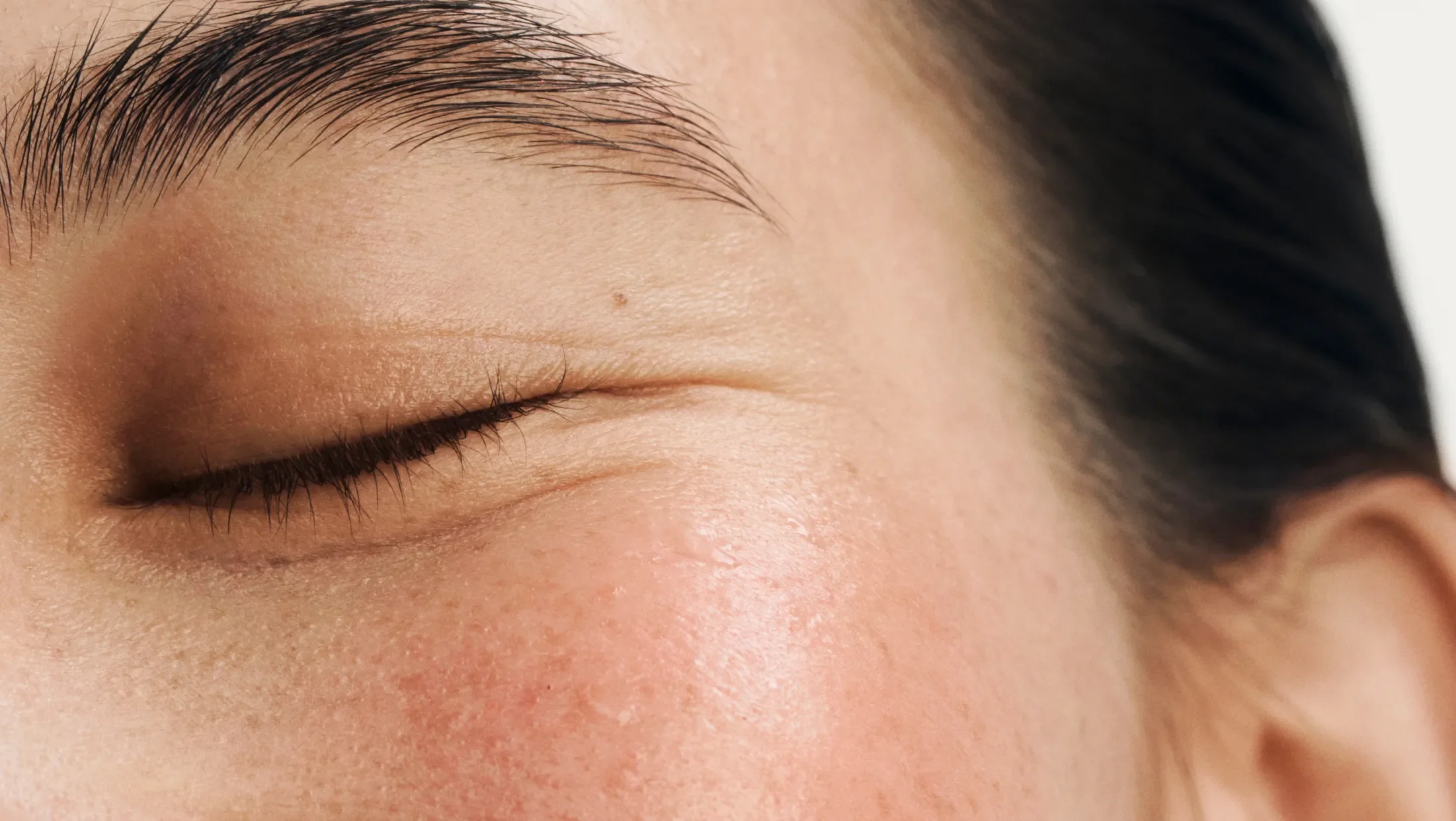
AHAs such as glycolic acid can be useful for superficial hyperpigmentation, but more exfoliation is not automatically better. The American Academy of Dermatology's 2026 exfoliation guidance specifically notes that exfoliation can dry the skin, over-exfoliation can leave it red and irritated, and more aggressive exfoliation may even contribute to increased pigmentation in some people.
This is where the moisturizer can help balance the routine. Instead of repeating the exfoliating or brightening step, look for ingredients that support hydration and help keep the barrier in good condition.
Some useful ingredients to look for include:
Centella asiatica
Panthenol
Beta-glucan
Ceramides
Colloidal oatmeal
PDRN
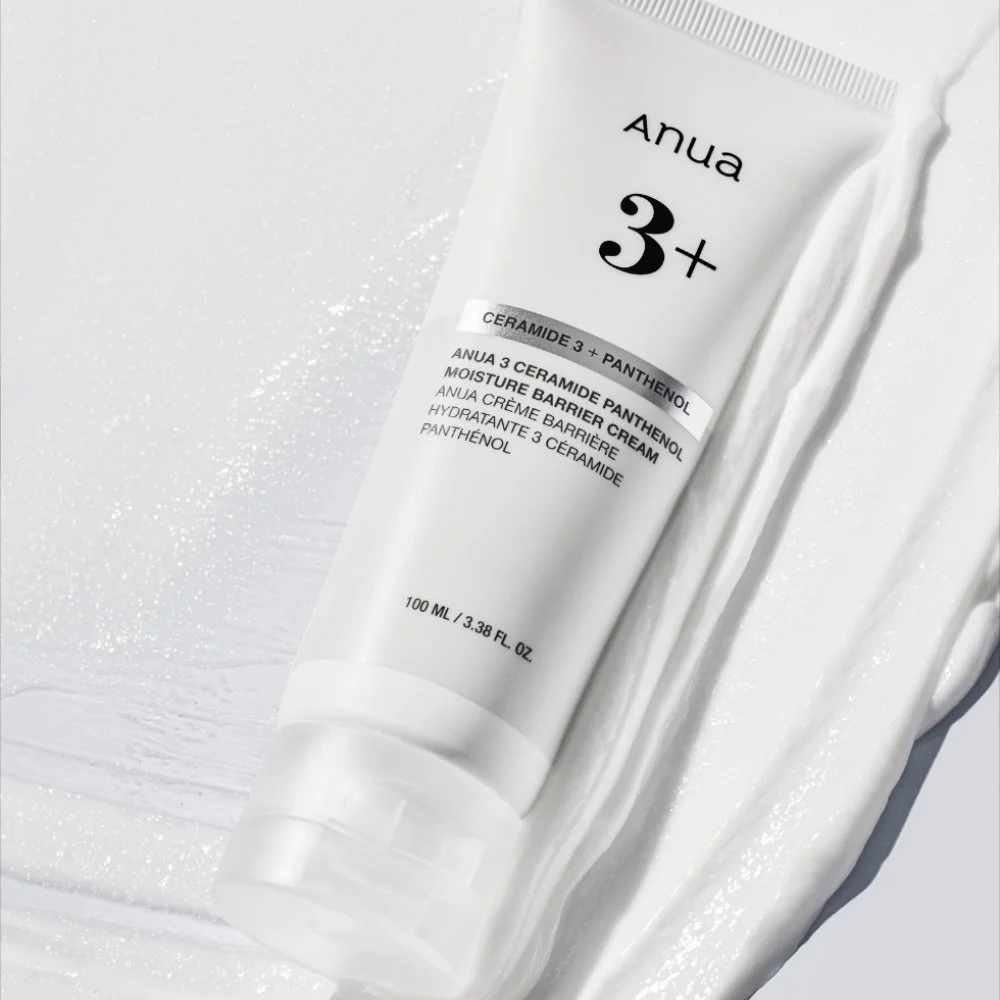
Anua 3 Ceramide Panthenol Moisture Barrier Cream
Where to buy
This is the type of moisturizer that makes a lot of sense once exfoliating acids become a regular part of the routine. With 5% panthenol, multiple ceramides, ectoin, centella asiatica, and a long list of barrier-supportive lipids, the formula feels heavily focused on reducing irritation and helping the skin stay comfortable during more treatment-focused routines.
The texture leans nourishing without becoming extremely thick, and the formula overall feels much more centered around recovery and barrier maintenance than active brightening.
Cream texture with a soft protective finish
Fragrance-free and essential oil-free
Contains three different ceramides alongside sphingolipids and phosphatidylcholine
Includes ectoin, tremella mushroom extract, and centella compounds for additional calming support
Not fungal acne safe due to multiple fatty acid esters and lipid-rich ingredients
Best for: Dry, dehydrated, sensitive, over-exfoliated, and barrier-compromised skin types.
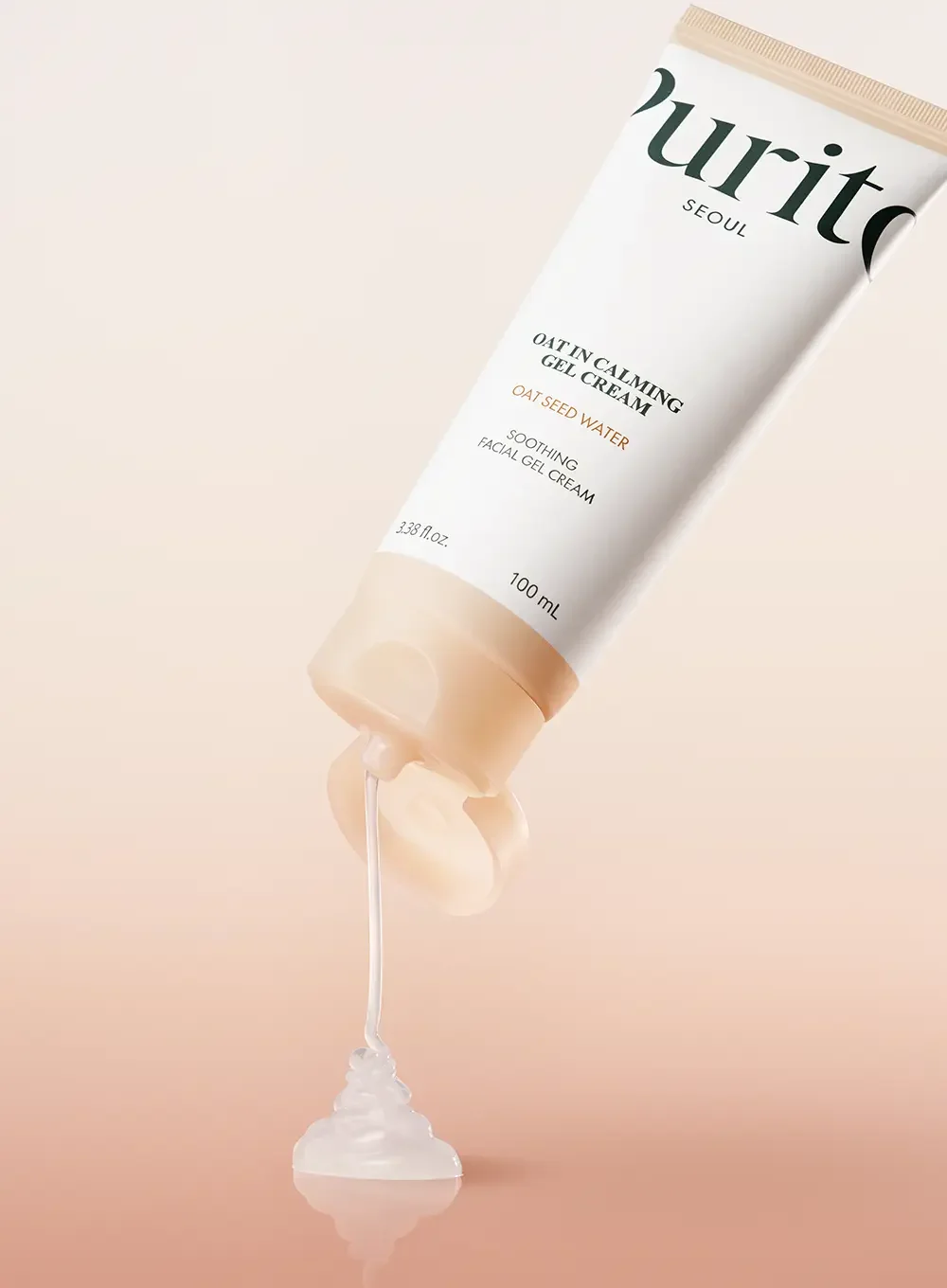
Purito Seoul Oat-In Calming Gel Cream
Where to buy
A very minimalist calming moisturizer built around 77% oat seed water, beta-glucan, panthenol, and dipotassium glycyrrhizate to help keep irritated or reactive skin feeling more comfortable overall. The formula feels lightweight, fresh, and non-heavy on the skin, making it especially appealing for people who want barrier support without rich cream textures.
Compared to more nourishing barrier creams, this one leans much more toward soothing hydration and reducing visible irritation.
Lightweight gel texture with a fresh finish
Fragrance-free and essential oil-free
Contains 77% oat seed water alongside beta-glucan
Minimalist formula with relatively low irritation potential overall
Fungal acne safe
Best for: Oily, combination, sensitive, irritated, and over-exfoliated skin types.
Texture Still Matters
The right moisturizer texture will not fade pigmentation by itself, but it can make a big difference to how comfortable and consistent your routine is. The best texture depends mainly on your skin type, how easily you become irritated, and what other products you are already using.
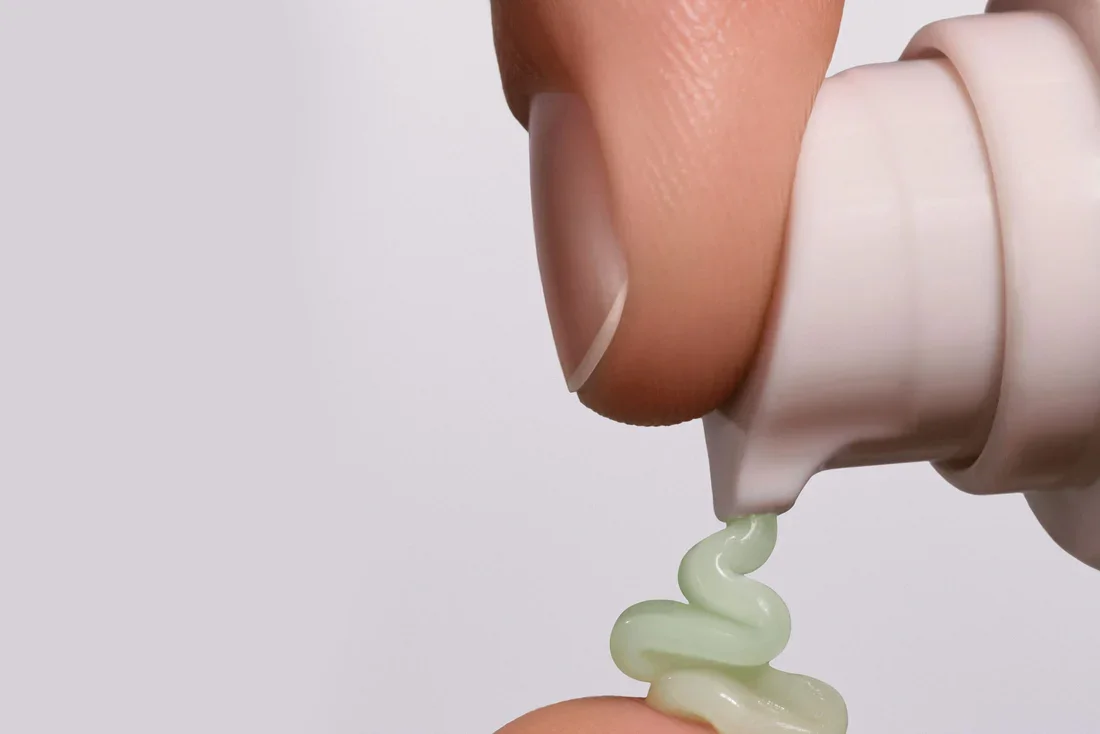
Lightweight Gel-Creams and Fluid Moisturizers
These usually make the most sense for oily or acne-prone skin, especially if your dark spots are mostly post-inflammatory marks left behind after breakouts. They also layer easily with acne or pigmentation treatments without making the routine feel too heavy. The American Academy of Dermatology recommends looking for oil-free or non-comedogenic moisturizers when breakouts are a concern.Lightweight Lotions and Emulsions
Combination skin often does well with something in the middle: enough hydration for drier areas without the richer finish of a heavy cream.Rich Cream Moisturizers
If your skin is dry, sensitive, or easily irritated by active ingredients, a richer cream can provide more emollient and occlusive support. This can be especially useful when your pigmentation routine already includes retinoids, exfoliating acids, or other products that tend to dry the skin.Hydrating, Cushiony Textures
If dehydration is your main problem, Korean gel-creams and bouncy moisturizers with humectants can give you plenty of water without necessarily feeling rich or greasy. They do not treat the pigmentation itself, but they can make dry, dull skin look smoother and keep the rest of your routine more comfortable.
There is no single moisturizer texture that is best for hyperpigmentation. Choose the texture for your skin first, then look at whether the ingredients make sense within the rest of your pigmentation routine.
Common Moisturizer Mistakes People Make With Hyperpigmentation
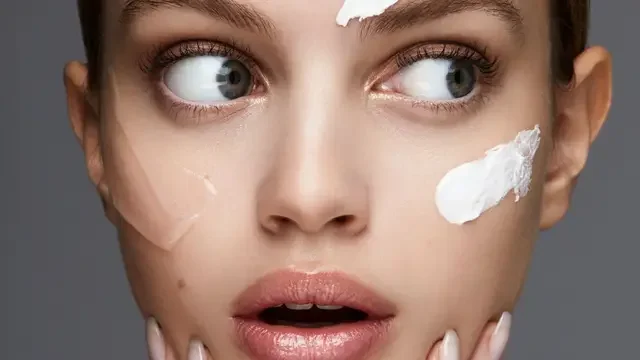
The biggest mistake is choosing your moisturizer in isolation instead of looking at what the rest of your routine is already doing. A very active brightening cream may sound ideal, but if you already use dark spot serums, exfoliants or retinoids, it can simply add more irritation without adding much value.
Other common mistakes include:
Ignoring barrier support, especially when the rest of the routine already contains stronger actives
Choosing a rich cream that feels too heavy for oily or acne-prone skin
Going too lightweight when dry or sensitive skin needs more support
Picking a moisturizer only because it contains a trendy brightening ingredient
Assuming that stronger or more complicated automatically means better for dark spots
This matters because irritation itself can contribute to hyperpigmentation. The American Academy of Dermatology specifically notes that irritating skincare products can trigger dark spots and recommends switching to gentler products when this happens.
The best moisturizer for hyperpigmentation is usually not the one with the longest active list. It is the one that fills the gap in your routine without making the rest of it harder for your skin to tolerate.
Frequently Asked Questions
Can a moisturizer fade dark spots on its own?
Sometimes it can contribute, especially if it contains ingredients such as niacinamide, tranexamic acid or arbutin, but more persistent pigmentation often benefits from a broader routine.
Do I need a brightening moisturizer if I already use a dark spot serum?
No. If your serum already contains targeted pigmentation ingredients, your moisturizer can focus mainly on hydration and barrier support.
Can the wrong moisturizer make hyperpigmentation worse?
Not directly in most cases, but a moisturizer that irritates your skin or contributes to breakouts can indirectly lead to new post-inflammatory pigmentation.
How long does a moisturizer take to help with dark spots?
There is no universal timeline because it depends on the type of pigmentation, the active ingredients in the formula, and the rest of your routine. Moisturizers should usually be thought of as one part of a longer-term pigmentation routine rather than a quick fix.
Building a More Balanced Hyperpigmentation Routine
When dealing with dark spots and hyperpigmentation, it is easy to focus only on finding stronger treatments and more powerful ingredients. But in many cases, choosing the right moisturizer is less about adding another brightening product and more about understanding what your skin and your routine actually need.
Sometimes that means a multitasking moisturizer with brightening ingredients. Sometimes it means a calmer, more barrier-focused formula that supports the rest of your routine instead of competing with it. The goal is not to make every step as “active” as possible, but to create a routine your skin can tolerate consistently long term.
If you enjoy learning more about Korean skincare, ingredients, and how to build routines more strategically, you can explore more guides and product deep dives here on the blog. And if you are not sure where to start, you can also take my Skin Type Quiz or check out my personalized skincare consultations for a fully customized routine based on your skin type, concerns, lifestyle, and goals.
Continue Reading
Understanding Your Skin
A Practical Guide to Skincare
I wrote Understanding Your Skin to help you build an effective skincare routine with confidence. This illustrated guide explains skin types, ingredients, and routines in a practical, evidence-based way that's easy to understand and apply.
- Written by a physician
- 120-page illustrated guide
- Evidence-based skincare guidance
- Sample routines & product recommendations

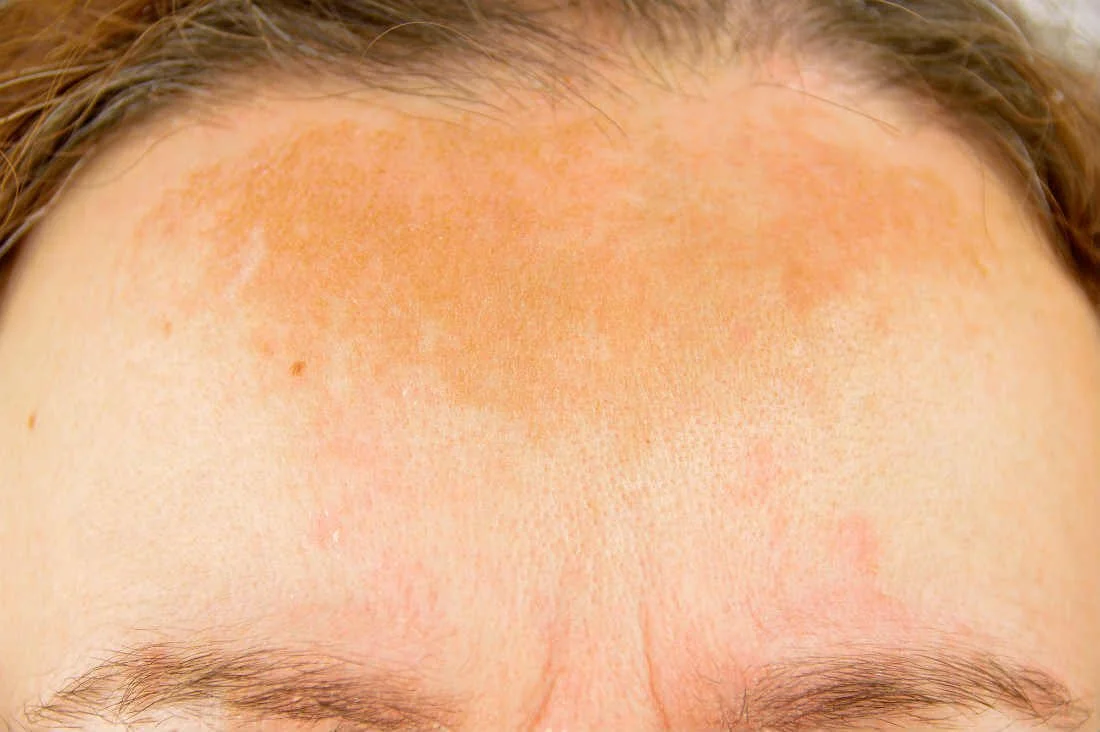
Still struggling with melasma? Here's what the science says about the ingredients that work, and the Korean skincare products built around them.