Korean Sunscreens 2026: Sun Serums, SPF Mists, and New Lightweight Textures
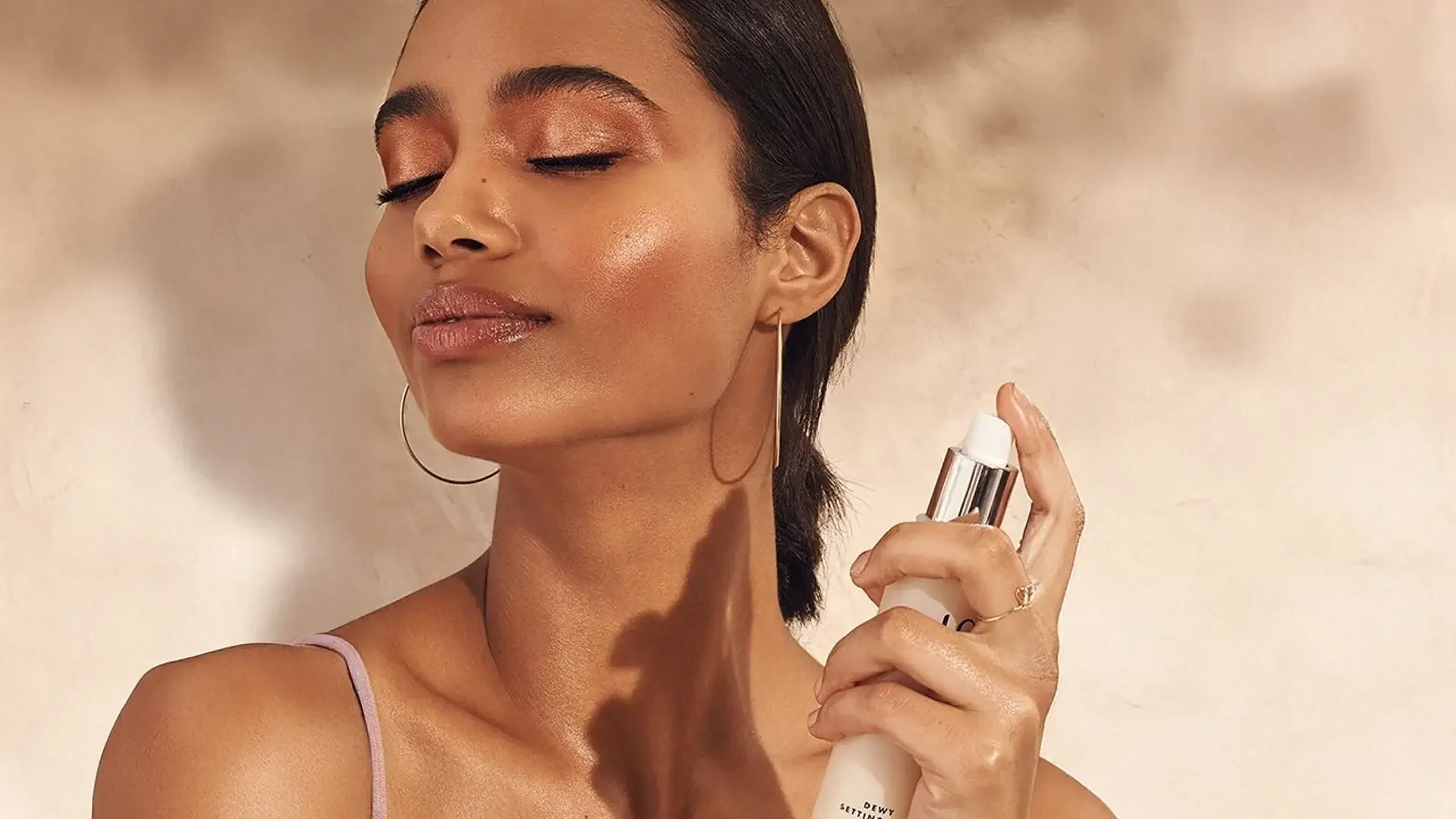
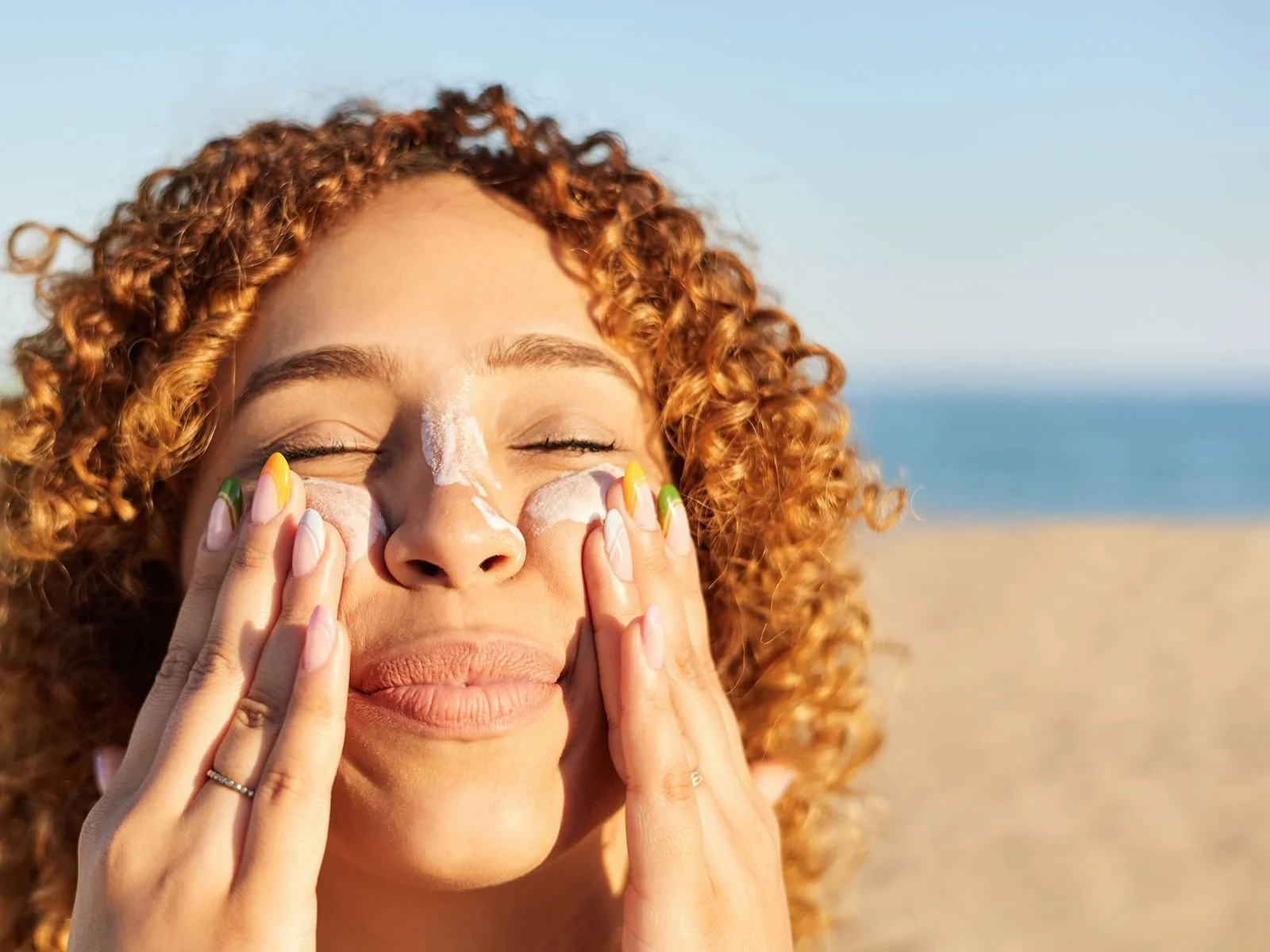
Korean sunscreens have moved far beyond traditional creams. Newer formats such as sun serums, lightweight fluids, cushions, sticks, and SPF mists are designed to make daily sun protection feel easier and more comfortable, especially for people who dislike heavy or greasy sunscreen textures.
But convenience does not always mean better protection. Some of these formats are excellent for a full morning application, while others make more sense for reapplication or touch-ups.
In this guide, I’ll explain how the newest Korean sunscreen formats differ, which ones work best for daily use, where application can become less reliable, and which products are actually worth considering.
Key Takeaways
✓ Sun serums can provide high UV protection in lightweight, serum-like textures when applied generously and evenly.
✓ Texture does not determine protection. A cream, fluid, gel, or serum can all work well if the formula is properly tested and used in the correct amount.
✓ Application amount still matters. Barely-there formulas can make underapplication easier because they disappear on the skin so quickly.
✓ SPF mists are best for convenient reapplication, especially over makeup, but they are harder to apply evenly enough to rely on as your main sunscreen layer.
✓ For prolonged outdoor exposure, prioritize adequate application, water resistance, and even coverage rather than choosing sunscreen based on texture alone.
In This Article
Some links on this page are affiliate links, which means I may earn a small commission at no extra cost to you.
The Shift Away From Traditional Sun Creams
One reason Korean sunscreens feel so different from many older formulas is the wider use of modern UV filters such as Tinosorb S, Uvinul A Plus, and Uvinul T 150. These filters offer strong UVA and UVB protection with good photostability and give formulators more flexibility when creating lighter, more elegant textures.
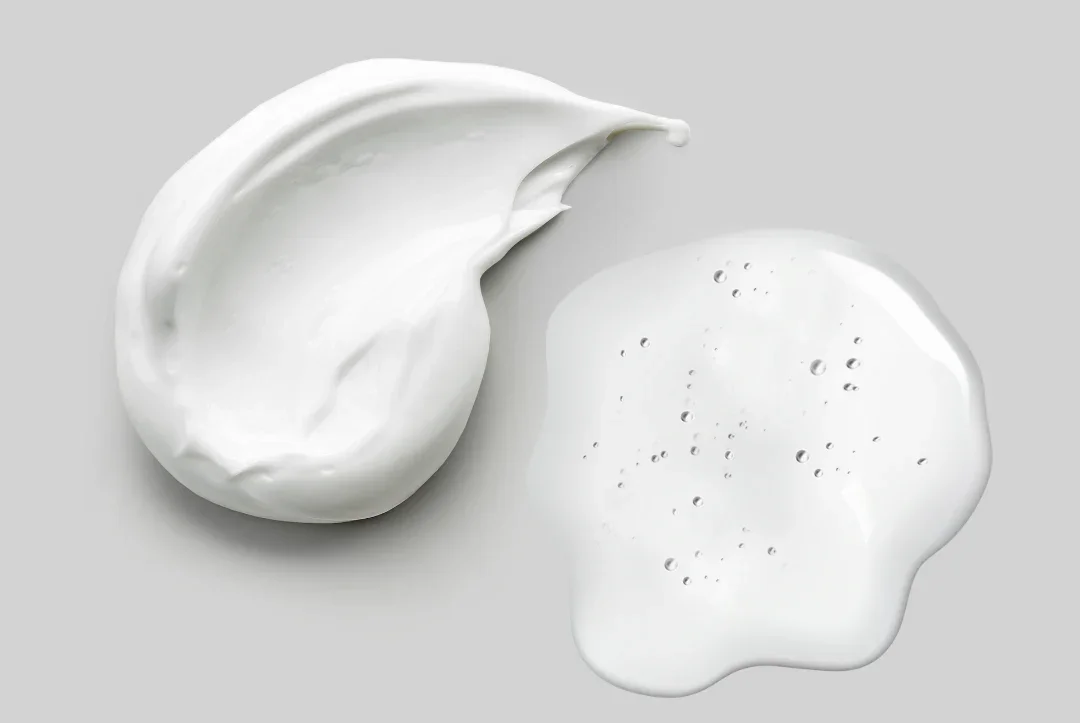
But sunscreen innovation is no longer just about avoiding a white cast or greasy finish. Newer Korean formulas increasingly focus on how sunscreen actually fits into everyday life.
That means textures that:
feel lighter in hot or humid weather
sit comfortably under makeup
dry down with less shine or stickiness
are easier to apply as part of a layered skincare routine
This has helped drive the rise of sun serums, watery fluids, gels, sticks, cushions, and mists.
The Trade-Off: Lightweight Texture vs. Staying Power
A lightweight sunscreen can provide excellent protection if it is properly formulated, tested, and applied in the correct amount. The challenge is that a barely-there texture does not automatically tell you how well the product will hold up against sweat, water, rubbing, or prolonged outdoor exposure.
For everyday wear, an elegant serum or fluid may be exactly what makes consistent sunscreen use easier. For long periods outdoors, however, I would pay more attention to water-resistance claims and application amount than to whether the formula comes in a cream or serum texture.
Some very lightweight sunscreens also use ethanol or Alcohol Denat. as part of the formulation. Alcohol can work as a solvent, improve spreadability, help create a faster dry-down, and contribute to the light finish people often associate with modern sunscreen fluids. Hydroalcoholic sunscreen vehicles can also leave a continuous film behind as the volatile components evaporate.
I am usually cautious about alcohol in skincare, particularly for dry or sensitive skin. With sunscreen, though, I judge it in the context of the finished formula rather than rejecting it automatically. A well-formulated sunscreen can balance alcohol with humectants, emollients, and soothing ingredients, while someone with a very compromised or reactive barrier may still find a high-alcohol formula uncomfortable.
What is a Sun Serum? The Hybrid Merging Skincare and SPF
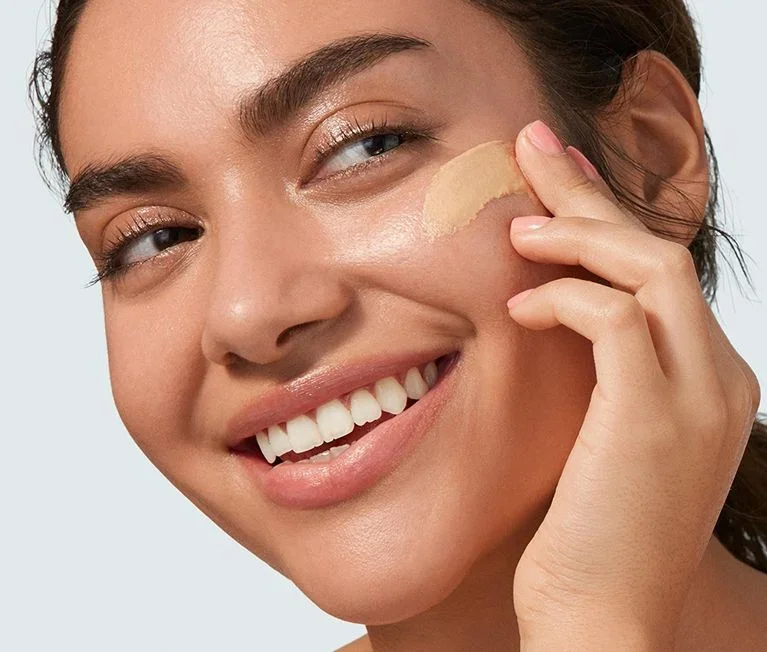
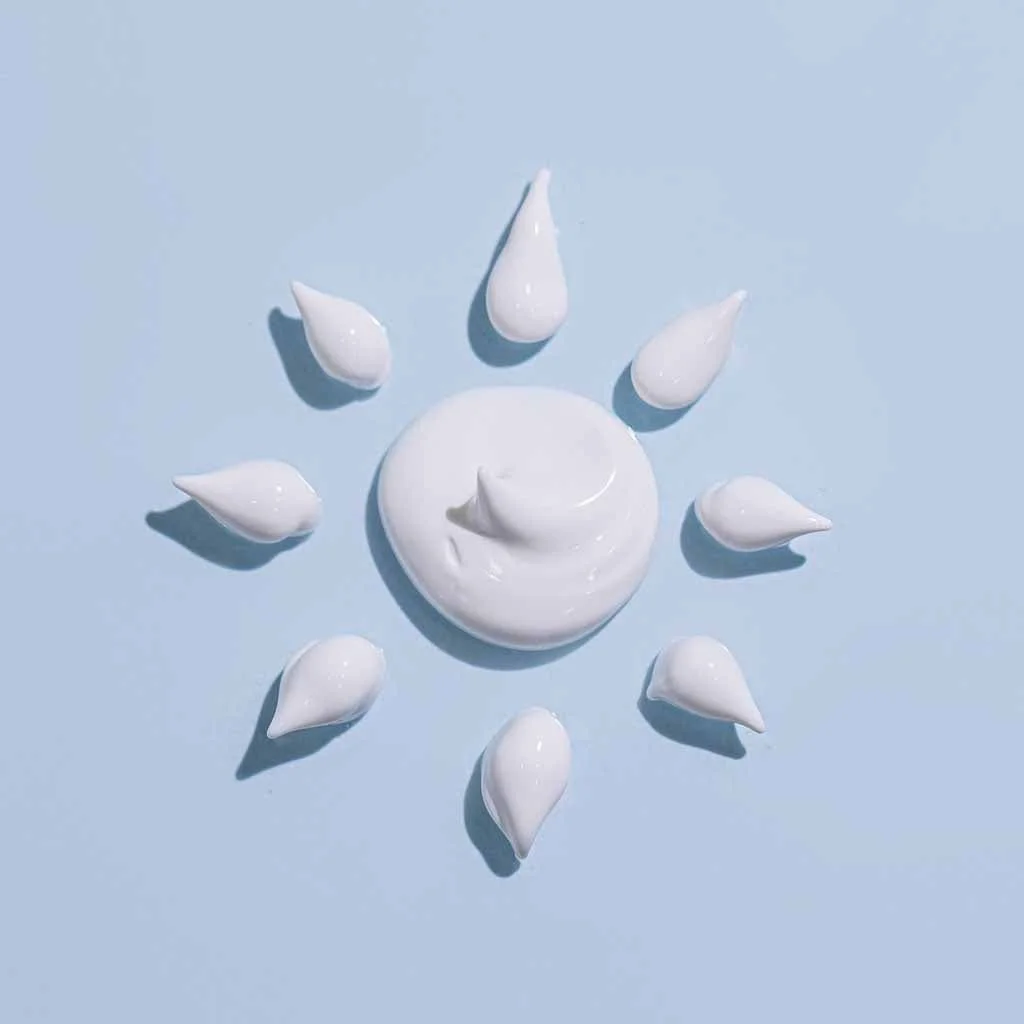
A sun serum is essentially a sunscreen formulated with a very lightweight, serum-like texture. It still has to provide the same kind of tested UV protection as other sunscreens, but the vehicle is designed to feel thinner, more fluid, and easier to layer than a traditional cream.
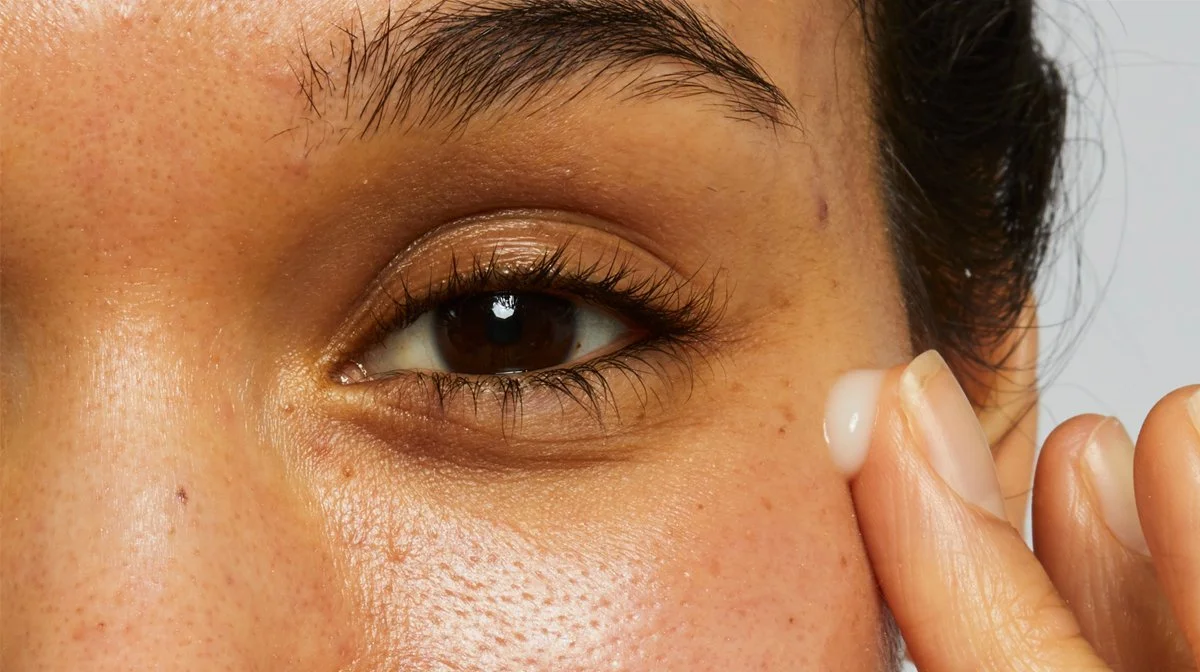
Many Korean sun serums also contain familiar skincare ingredients such as niacinamide, centella asiatica, hyaluronic acid, or panthenol, but these ingredients are not what makes a product a sun serum. The main difference is the texture and overall formulation vehicle.
Lightweight Texture: Sun serums tend to have a lower-viscosity, more fluid consistency that spreads easily across the skin.
Skincare-Like Finish: Humectants and soothing ingredients can make them feel closer to a hydrating serum than a traditional sunscreen cream.
Film Formation Still Matters: No matter how weightless the texture feels, sunscreen still needs to form an even film across the skin. Research on sunscreen vehicles shows that formulation and film thickness distribution can significantly influence UV protection.
This is why I would not think of a sun serum as “weaker” or less protective simply because it feels light. A well-formulated serum sunscreen can provide excellent protection when it is applied evenly and in sufficient quantity.
How to Apply Sun Serums Correctly
The barely-there texture is one of the biggest advantages of a sun serum, but it can also make underapplication surprisingly easy. Once the product disappears into the skin, it may feel as though you have applied enough even when the actual amount is quite small.
This matters because sunscreen SPF testing is performed at an application amount of approximately 2 mg/cm², and protection decreases when substantially less product is used.
Instead of relying on one universal number of pumps, I would use a few practical rules:
Apply Generously: The two-finger method can be a useful everyday estimate for the face, but it is still only a shortcut. Finger size, nozzle size, and product consistency all vary.
Do Not Rely on Pump Count Across Brands: Three pumps of one sun serum can be a completely different amount from three pumps of another. Follow the brand's application guidance when it provides one.
Try Two Passes With Very Watery Formulas: If applying the full amount at once feels difficult, dividing it into two applications can make coverage easier. Research has found that applying sunscreen twice can bring real-world application amounts closer to those used during SPF testing.
Cover the Skin Evenly: Amount is important, but so is distribution. Missed areas and an uneven sunscreen film can reduce the protection you actually receive.
For me, this is the main thing to remember with sun serums: their elegant texture makes sunscreen much easier to wear, but the fact that you can barely feel them should not translate into barely applying them.
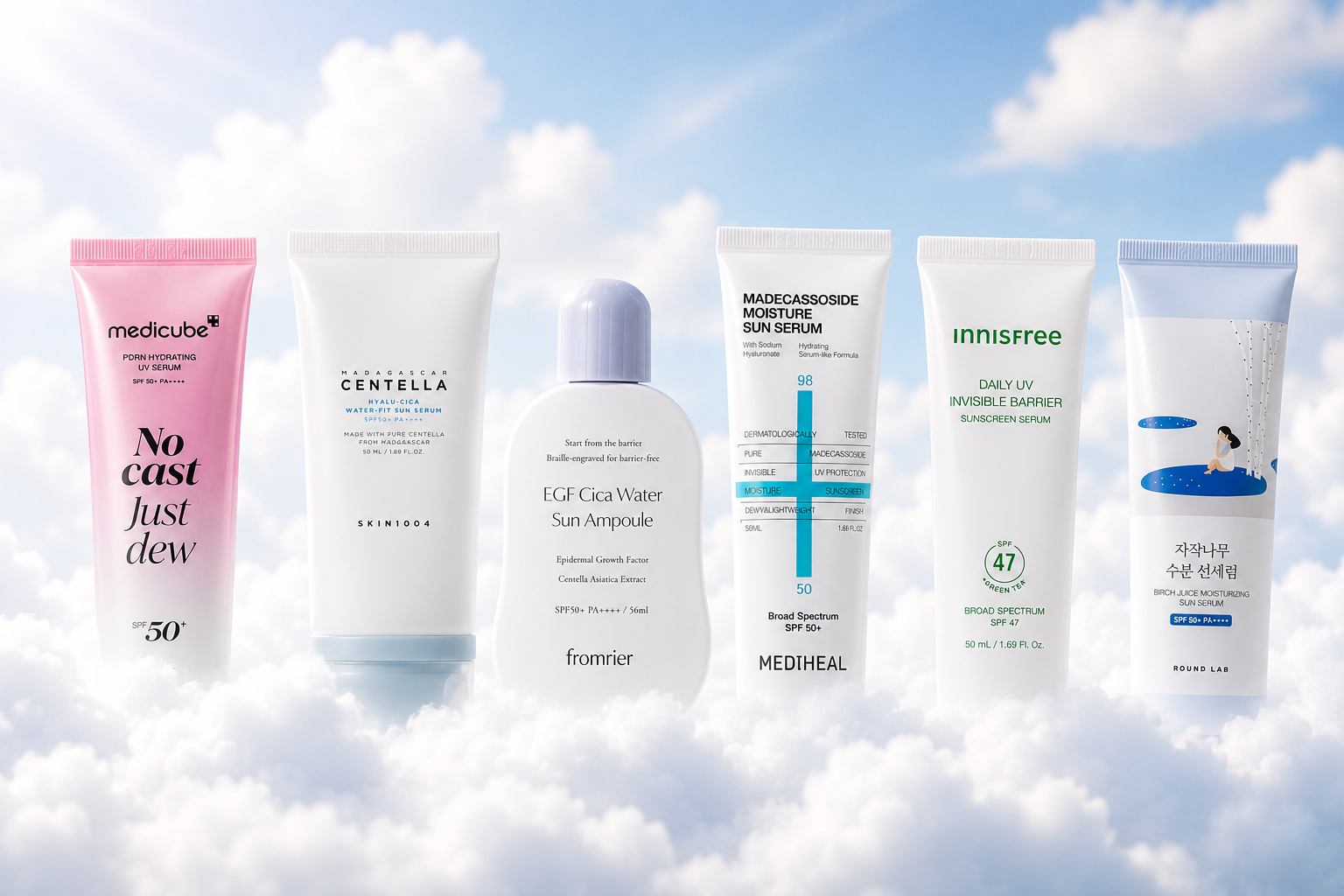
Top 4 Korean Sun Serums for Summer 2026
The following formulas represent the best of the current "weightless" movement. While they all prioritize a light skin feel, their secondary functions vary significantly based on their active ingredients.
1. The Fluid Evolution:
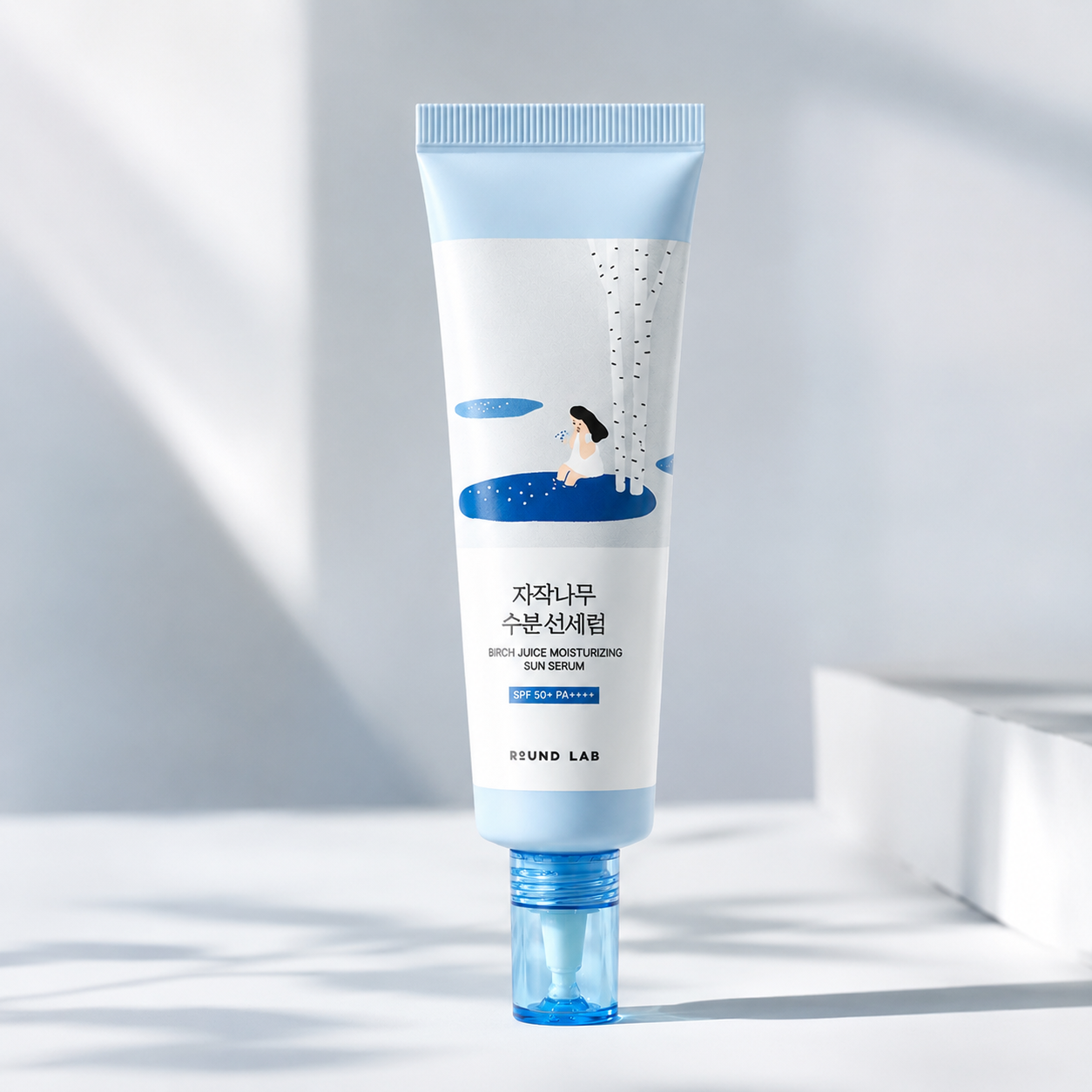
Round Lab Birch Juice Moisturizing Sun Serum
Where to buy
The original Birch Juice Moisturizing Sunscreen is a global bestseller for its cream-to-water feel. This new Sun Serum is the ultra-fluid evolution of that formula, designed for those who want the same hydration benefits in a texture that feels like a weightless essence. It utilizes a sophisticated blend of five modern filters to provide a non-greasy finish that "disappears" into the skin faster than the original version.
UV Filters: Uvinul A Plus, Uvinul T 150, Tinosorb S, Mexoryl SX, and Polysilicone-15.
Key Actives: Birch juice, niacinamide, glyceryl glucoside, and a complex of multiple hyaluronic acid weights.
The Look: A refreshing, dewy finish with zero residual weight.
Best For: Dehydrated oily skin or anyone living in extreme humidity who wants a "bare skin" sensation.
2. The Aging-Support Specialist:
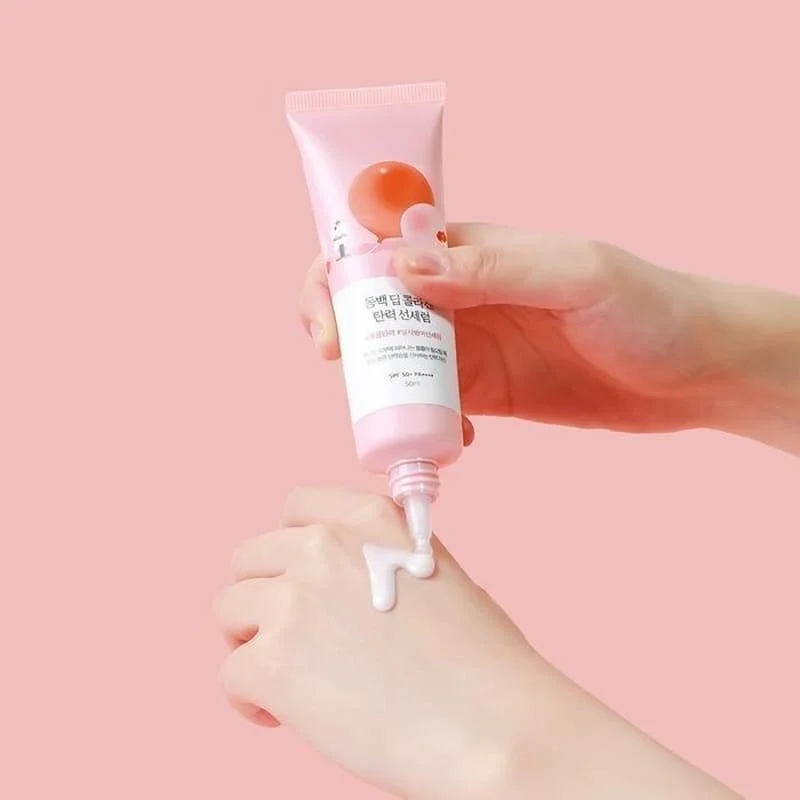
Round Lab Camellia Deep Collagen Firming Sun Serum
Where to buy
While the Birch Juice version is about hydration, the Camellia version targets elasticity and skin structure. The texture is still fluid but feels more "cushioned" on the skin. This formula notably includes Hydroxypinacolone Retinoate (HPR). Unlike traditional retinol, HPR is a stable ester that provides the benefits of Vitamin A with significantly lower irritation potential, making it a rare but effective addition to a daytime SPF.
UV Filters: Uvinul A Plus, Uvinul T 150, Tinosorb S, and Mexoryl SX.
Key Actives: Soluble collagen, camellia japonica flower extract, niacinamide, and HPR.
The Look: A bouncy, plump visual effect that acts as a smoothing primer for makeup.
Best For: Normal to dry skin types or those looking to incorporate gentle well-aging actives into their morning routine.
Note: Fragrance-free and essential oil-free.
3. The Barrier Recovery Booster:
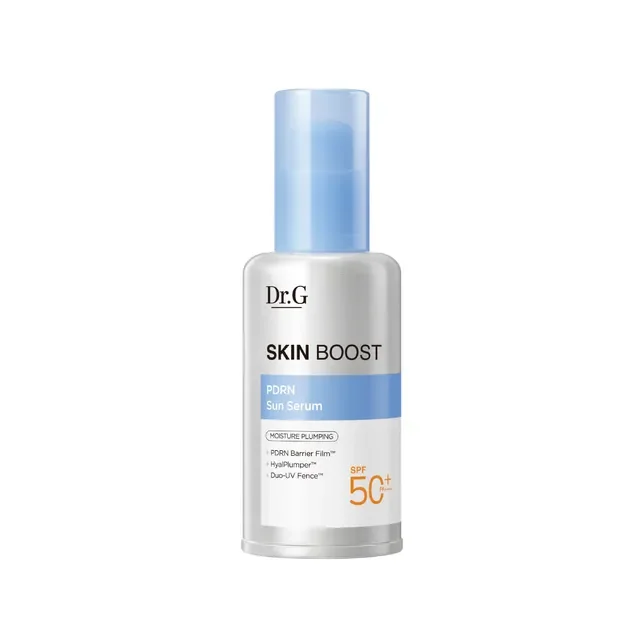
Dr.G Skin Boost PDRN Sun Serum
Where to buy
This formula targets "tired" or compromised skin. It features a high concentration of Sodium DNA (PDRN) at 55,000 ppb, which is known for its ability to support skin recovery and inflammatory balance. The inclusion of Lactobacillus Ferment Lysate further supports the microbiome. This formula uses ethanol to ensure the collagen-heavy base remains silky rather than sticky, allowing for rapid evaporation upon application.
UV Filters: Uvinul T 150, Octocrylene, Uvinul A Plus, Mexoryl SX, and Tinosorb S.
Key Actives:PDRN (Sodium DNA), fermented extracts, panthenol, and hydrolyzed collagen.
The Look: A silky, radiant glass-skin finish with a very smooth "slip" on the skin surface.
Best For: Skin that feels dull, over-exfoliated, or stressed by environmental factors.
4. The Intensive Brightening Treatment:
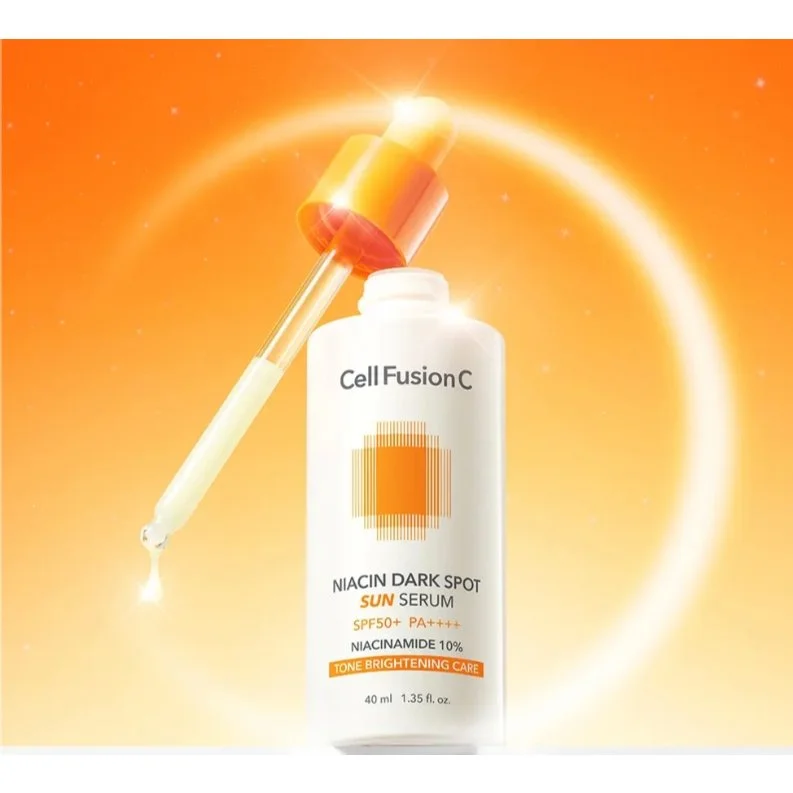
Cell Fusion C Niacin Dark Spot Sun Serum
Where to buy
This is a high-function brightening treatment disguised as a sunscreen. With a massive 10% concentration of Niacinamide, it effectively blocks melanin transfer while the UV filters prevent new spots from forming. It also includes Alpha-Arbutin and three different Vitamin C derivatives to aggressively target existing dark spots and uneven skin tone.
UV Filters: Uvinul T 150, Tinosorb S, Octocrylene, and Mexoryl SX.
Key Actives: 10% Niacinamide, Alpha-Arbutin, Vitamin C derivatives, Glutathione, and Bisabolol.
The Look: A brightening, tone-correcting finish that leaves the skin looking more even immediately.
Best For: Persistent post-acne marks, sun spots, and overall skin dullness.
Safety Note: Avoid during pregnancy or breastfeeding due to the Alpha-Arbutin content.
SPF Mists: The Korean Sunscreen Format That Makes Reapplication Easier
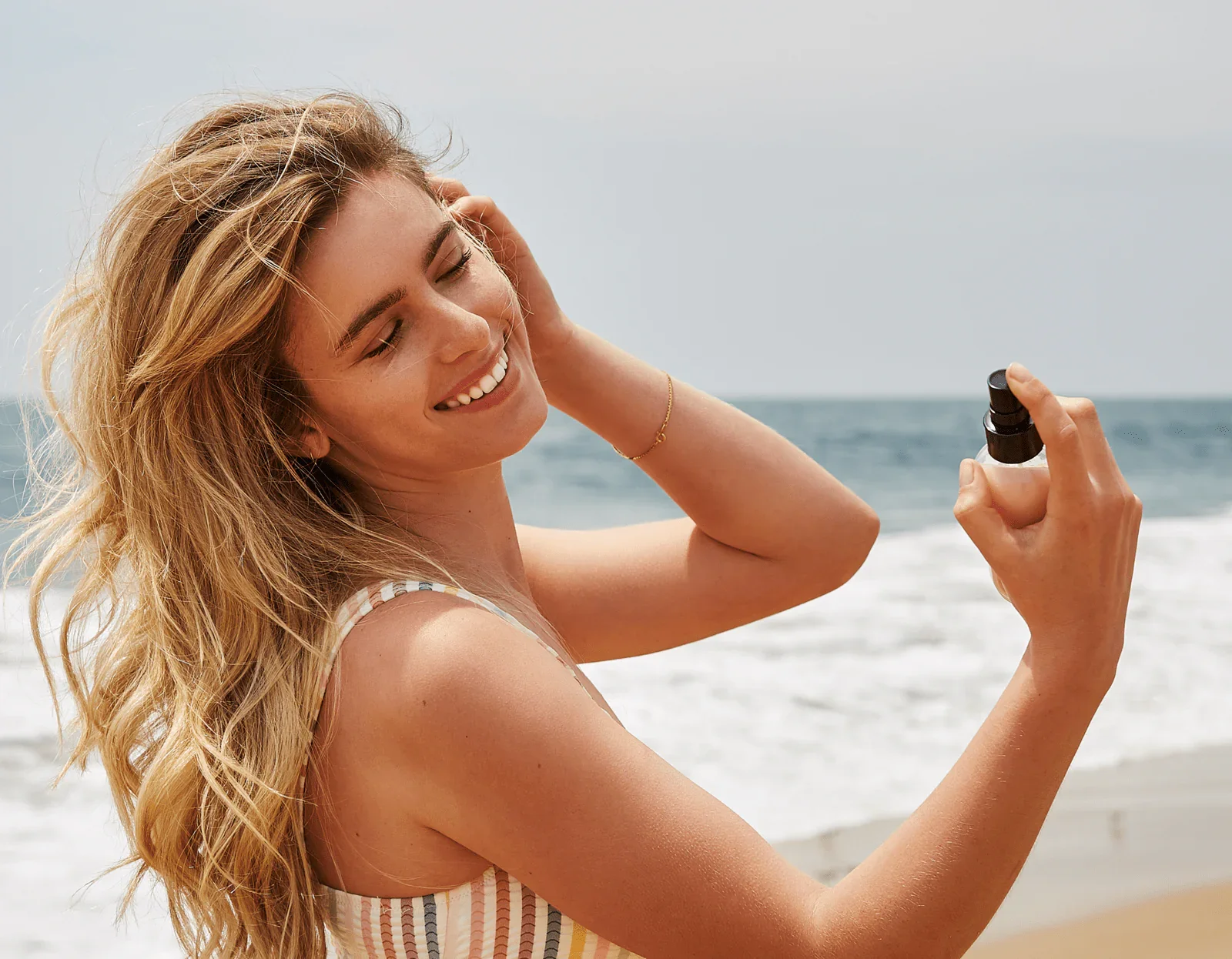
The hardest part of sunscreen use is often not the morning application, but remembering to reapply it later in the day. Once makeup is already on, adding another generous layer of cream or fluid sunscreen can disturb the base, which is where SPF mists become especially appealing.
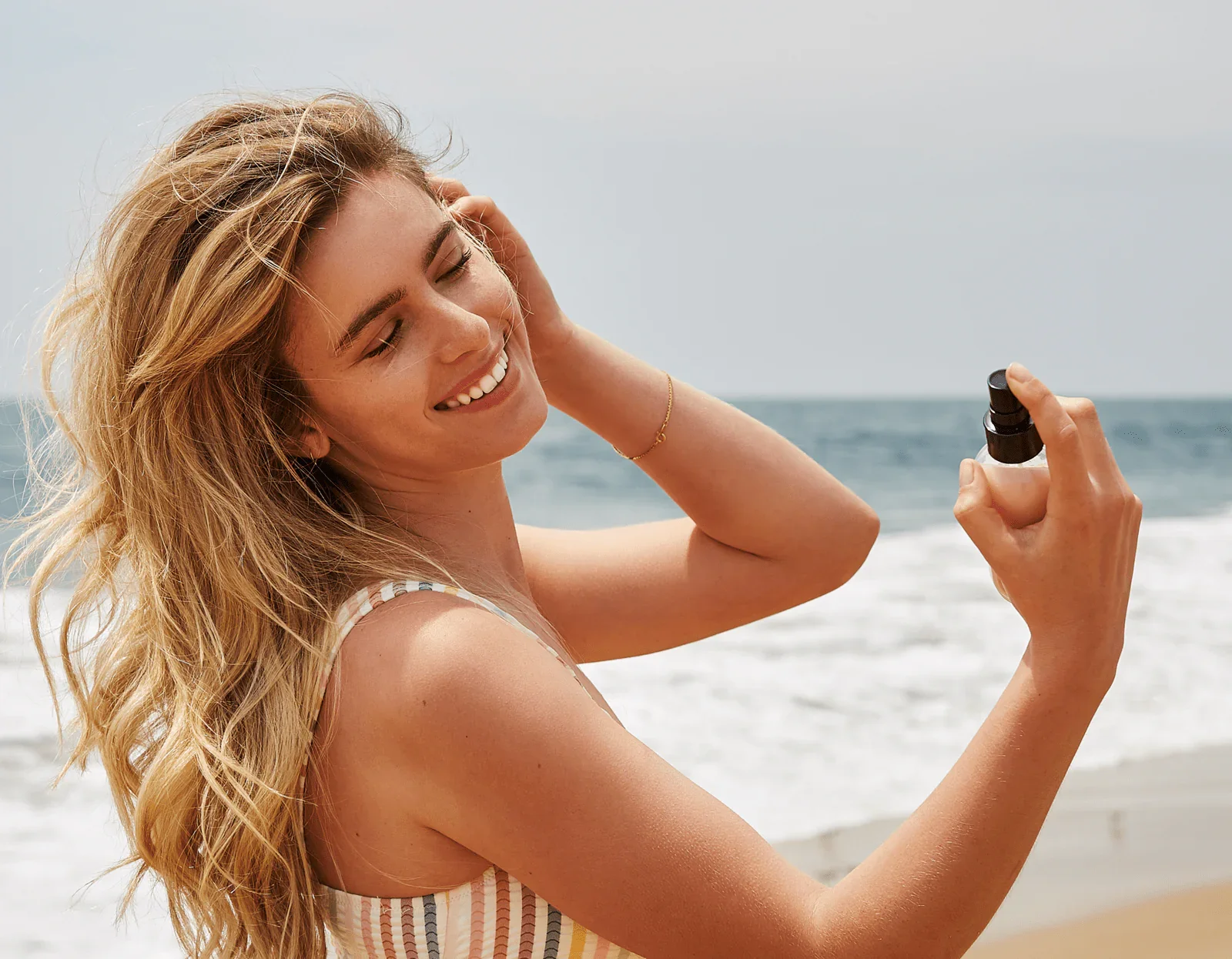
Their lightweight format makes reapplication quicker and more comfortable during commutes, outdoor lunches, travel, or humid summer days. But I would still think of them primarily as a convenient reapplication format rather than the most reliable way to apply your main layer of sunscreen.
The challenge is quantity. Sunscreen protection decreases when substantially less product is applied, and spray formats make it particularly difficult to judge how much actually reaches the skin.
If you are interested in lightweight, refreshing textures beyond sunscreen, I also recently covered the new generation of Korean face mists, including jelly mists, in my guide to Korean face mists.
How to Get Better Coverage With an SPF Mist
A few quick sprays are unlikely to provide the same protection as a properly applied layer of sunscreen. The goal is to build an even, generous layer while following the application instructions of the specific product.
Apply More Than a Light Spritz: Spray sunscreen is easy to underapply, so do not treat one quick pass across the face as a complete reapplication.
Aim for Even Coverage: Missed areas matter just as much as quantity. If the product is designed to be sprayed directly onto the face, close your eyes and mouth and avoid inhaling the mist. For aerosol sprays, FDA guidance advises against spraying directly onto the face.
Do Not Assume the Mist Preserves SPF 50: The SPF on the label reflects standardized testing conditions. Your real-world protection depends on how much product actually reaches the skin and how evenly it is distributed.
Use Mists Strategically: I find them most useful when the alternative would be skipping reapplication completely. For prolonged outdoor exposure, swimming, or heavy sweating, I would still prefer a sunscreen format that can be applied generously and evenly.
Over makeup, SPF mists are one of the most practical sunscreen formats available, but convenience is their biggest strength, not precision. I would use them as an additional tool for reapplication rather than assuming a few sprays recreate your full morning SPF layer.
Best Korean SPF Mists for Easy Sunscreen Reapplication
While creams are best for your base layer, mists are the most practical way to top up your protection throughout a humid day. They allow you to refresh your SPF without touching your face or disturbing your makeup, while simultaneously cooling down skin that has been sensitized by the heat.
1. The Hydration Shield:
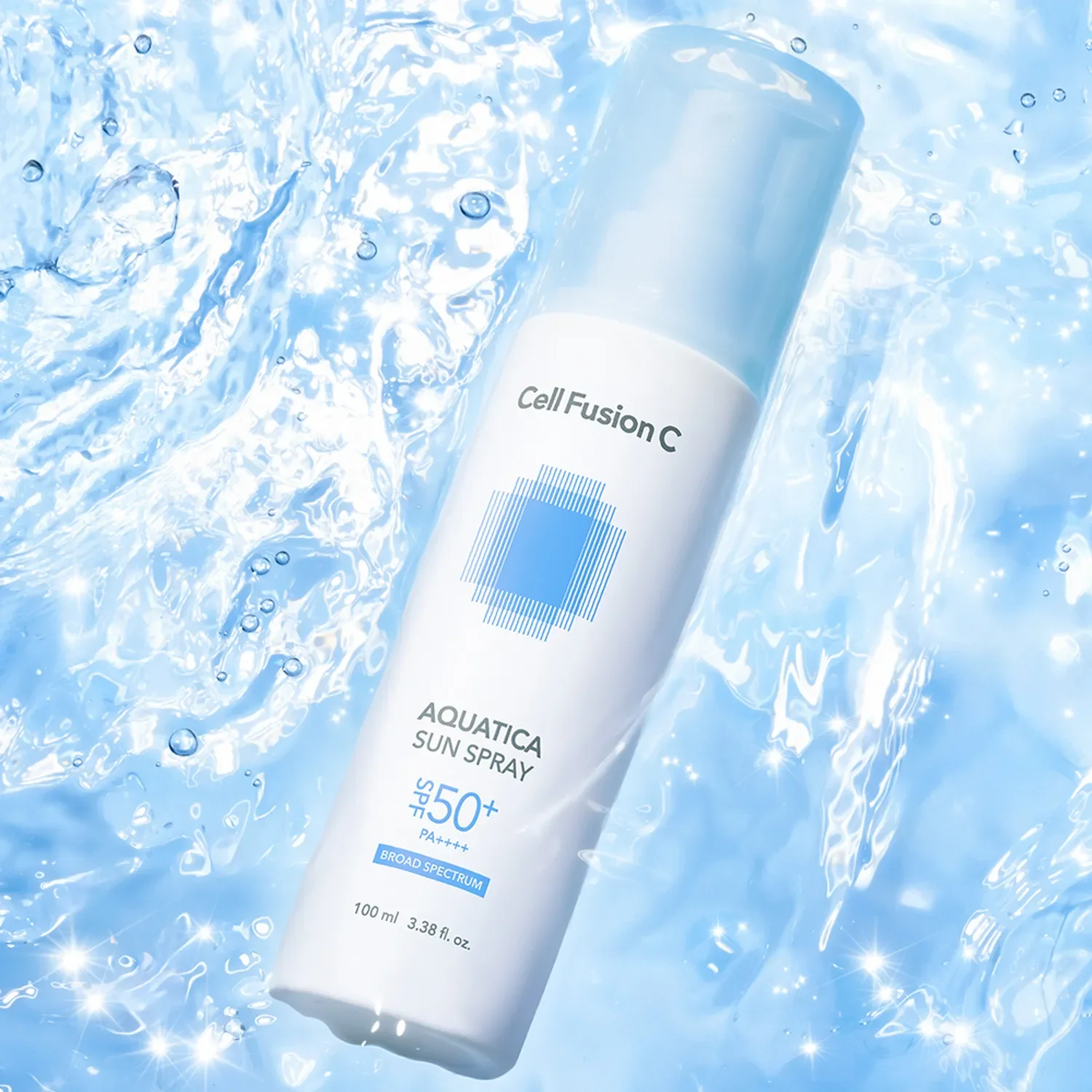
Cell Fusion C Aquatica Sun Spray
Where to buy
This is the liquid version of the brand’s popular Aquatica Sunscreen line. It functions as a moisture-intensive treatment, delivering a concentration of hydrating actives alongside a broad-spectrum filter array to prevent surface dehydration caused by rapid sweat evaporation in high heat.
UV Filters: Ethylhexyl Salicylate, Phenylbenzimidazole Sulfonic Acid, Uvinul A Plus, Tinosorb S, Homosalate, and Mexoryl SX.
Key Actives: 8 types of Hyaluronic Acid, Ceramide NP, Niacinamide, Adenosine, and Mentha Aquatica (Water Mint).
The Look: A transparent, dewy finish that refreshes the skin's appearance without a white cast or heavy residue.
Best For: Dry, dehydrated, or combination skin that looks dull or feels "tight" during humid afternoons.
2. The High-Activity Shield:
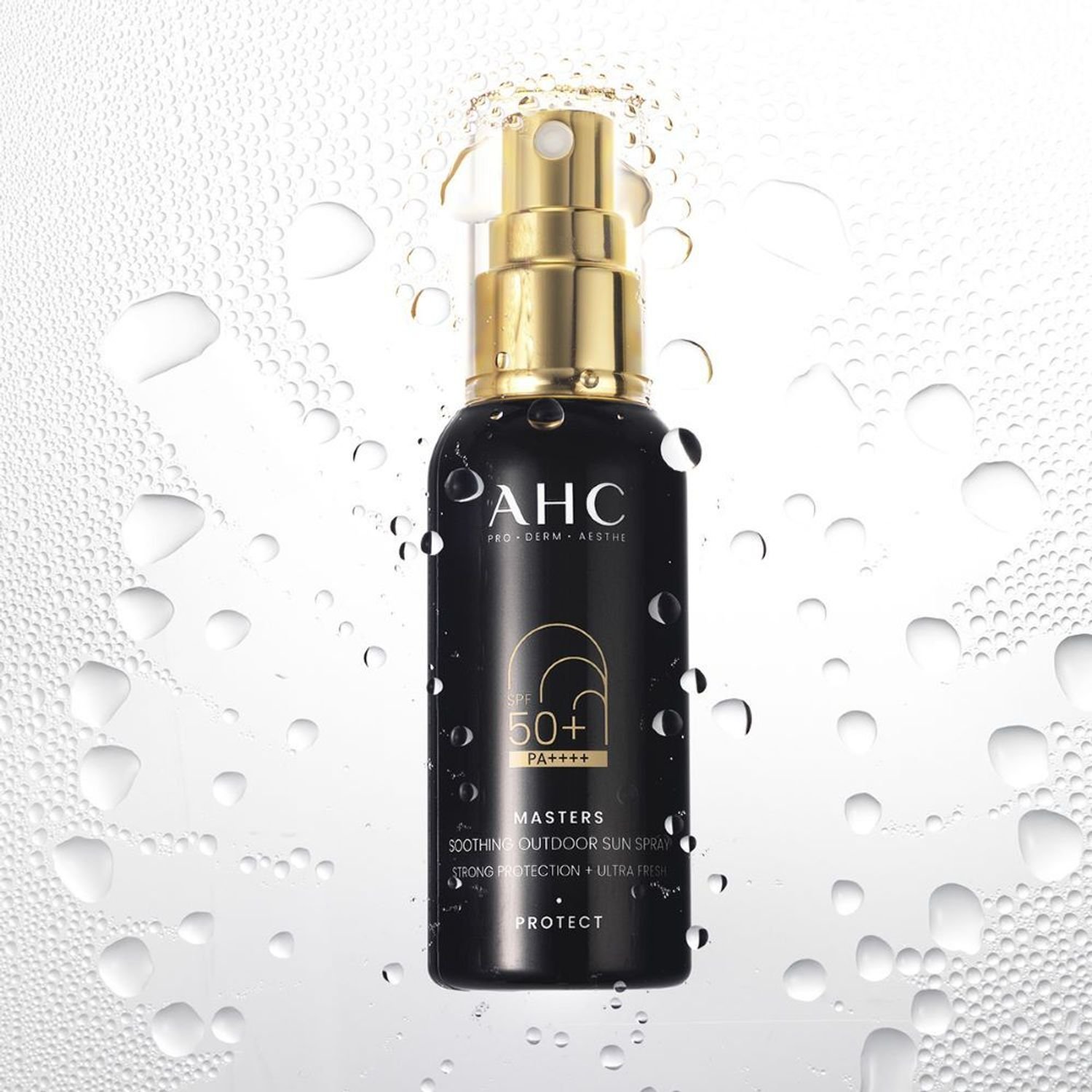
AHC Masters Soothing Outdoor Sun Spray
Where to buy
Developed for high-intensity activity, this formula focuses on durability and thermal relief. It is designed to stay effective during sweat and movement, making it a functional choice for prolonged outdoor exposure and peak summer humidity.
UV Filters: Ethylhexyl Salicylate, Phenylbenzimidazole Sulfonic Acid, Uvinul A Plus, Tinosorb S, and Homosalate.
Key Actives: Calamine, Centella Asiatica Extract, and Enantia Chlorantha (Oyster Leaf) Extract.
The Look: A weightless, matte, and dry-touch finish. The inclusion of ethanol facilitates rapid evaporation to instantly lower skin surface temperature and manage heat-redness.
Best For: Oily and congestion-prone skin, or those who need a non-sticky, sweat-resistant shield that won't feel heavy in high humidity.
Frequently Asked Questions
Can a Sun Serum Replace Your Moisturizer?
Sometimes. If your sun serum is hydrating enough and your skin feels comfortable underneath it, you may not need a separate moisturizer in the morning. Dry skin may still benefit from moisturizer first, while oily or humid-weather routines often work perfectly well with sunscreen as the final skincare step.
Can You Apply a Sun Serum Over Moisturizer?
Yes. Sunscreen should generally be the final skincare layer before makeup. Apply your moisturizer first, allow it to settle, and then spread the sun serum evenly over the skin without mixing the two products together.
Can You Mix Sun Serum With Moisturizer or Foundation?
No. If you are relying on the sunscreen for UV protection, apply it as its own even layer. Mixing it with moisturizer or foundation changes how the sunscreen is distributed across the skin and makes it much harder to know whether you have applied enough.
Are Sun Serums Good for Oily or Acne-Prone Skin?
They can be. Lightweight fluids and gel-serum textures often feel more comfortable on oily skin than richer creams, but the complete formula matters more than the words “sun serum” on the packaging. Look at the finish, emollients, fragrance, alcohol content, and how your own skin responds.
Are All Sun Serums Water Resistant?
No. A lightweight texture tells you nothing about water resistance. If you need sunscreen for exercise, swimming, or prolonged outdoor exposure, check specifically for a tested water-resistance claim rather than assuming a serum or cream will perform better. Water-resistant sunscreens are tested for a defined period of exposure to water.
Can an SPF Mist Replace Your Regular Sunscreen?
I would not use it as my main morning sunscreen. Spray formats make it much harder to judge whether enough product has reached every part of the skin, which is why I prefer a cream, fluid, or sun serum for the initial application and keep SPF mists mainly for convenient reapplication.
How Often Should You Reapply Sunscreen During the Day?
When you are outdoors, sunscreen is generally recommended to be reapplied about every two hours, and sooner after swimming or heavy sweating. In real life, the exact need also depends on your sun exposure, activity, and how much the sunscreen film has been rubbed or washed away.
The Conclusion: Balancing Convenience with Efficacy
While sun serums and mists have revolutionized how we experience sun protection—especially during a humid summer—it is important to remember their specific roles. Sun serums are ideal for a lightweight, skin-finishing base, and mists are unrivaled for reapplying over makeup.
However, for maximum UV defense during prolonged exposure, a traditional mineral or chemical sun cream remains the gold standard. These traditional formats provide the most consistent, high-density film on the skin, ensuring no areas are missed. For the best results, use a cream as your morning base and rely on serums and mists for your midday top-ups.
Ready to optimize your routine?
If you are looking for deeper ingredient insights or comprehensive guides on Korean skincare, explore the latest articles on the blog.
Not sure where to start? Take my Skin Type Quiz to identify your skin's unique needs.
Need a professional eye? Book a Personalized Consultation to receive a tailored skincare routine designed specifically for your skin goals.
Continue Exploring



Understanding Your Skin
A Practical Guide to Skincare
I wrote Understanding Your Skin to help you build an effective skincare routine with confidence. This illustrated guide explains skin types, ingredients, and routines in a practical, evidence-based way that's easy to understand and apply.
- Written by a physician
- 120-page illustrated guide
- Evidence-based skincare guidance
- Sample routines & product recommendations

Modern Korean sun serums prove that daily SPF can be lightweight, hydrating, and genuinely enjoyable to wear.