Dry Lips: How to Care for Them and the Best Korean Lip Products to Try
Dry lips need more than repeated layers of basic lip balm. The most useful formulas combine hydration with ingredients that reduce moisture loss, while avoiding common irritants that can make chapping worse.
In this guide, I’ll explain how to care for dry lips, what to look for in lip balms, serums, masks, and SPF products, and which Korean lip products are worth trying.
Key Takeaways
✓ Dry lips need more than just occlusion to stay comfortable long term.
✓ Hydration, barrier support, and protection all play a role in healthy lips.
✓ Fragrance, menthol, and strongly flavored lip products may worsen dryness for some people.
✓ Different lip products serve different purposes, from overnight repair to daily SPF protection.
✓ Consistent lip care is often more important than constantly reapplying lip balm.
Some links on this page are affiliate links, which means I may earn a small commission at no extra cost to you.
Why Your Lips Need Different Care
The skin of the lips is structurally different from the rest of the face, which helps explain why they can become dry, tight, flaky, or irritated so easily.
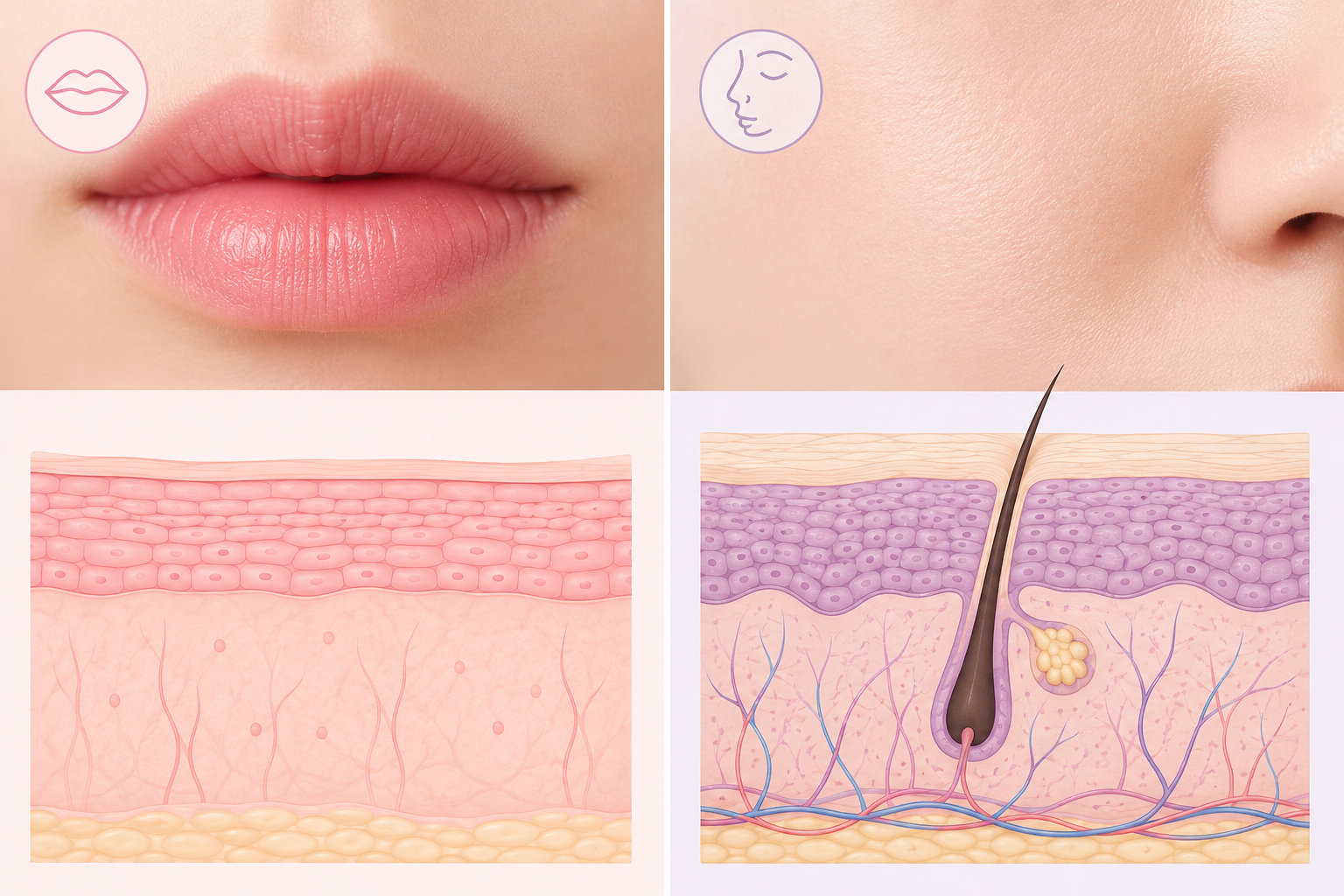
The lip vermilion has a weaker barrier and lower hydration than surrounding facial skin, making it more prone to moisture loss and environmental stress. Its outer layers are thinner and contain fewer barrier lipids than regular facial skin.
Lips also have less natural protection from UV exposure, which makes daily sun protection an important part of long-term lip care. Barrier support and UV protection are both important for maintaining healthy lip skin.
On top of that, lips are constantly exposed to saliva, food, weather, repeated movement, and lip products throughout the day.
That is why good lip care should focus on three things: hydration, reducing moisture loss, and protection from irritation and UV exposure.
Why Your Lips Become Dry, Tight, or Flaky
Because the lip barrier is already relatively fragile, it does not take much for dryness or irritation to develop. Cold weather, dry air, frequent lip licking, and irritating lip products can all contribute.
You may have heard the term “lip balm addiction.” It is not a true addiction, but some people do fall into a cycle of frequent reapplication because the lips feel dry again as soon as the product wears off. In some cases, the product itself may be contributing to the problem. Fragrance, mint or peppermint flavoring, menthol, eucalyptus, and other common lip-product ingredients can irritate already chapped lips, while allergic contact cheilitis can also be triggered by ingredients in lip balms and lipsticks.
This does not mean lip balm is bad. In fact, more occlusive lip formulas can reduce water loss and improve roughness and hydration. The key is choosing a formula that protects the lips without repeatedly irritating them.
Matte lip products can also make existing dryness much more noticeable. Because they are designed to set with less slip and shine than a balm or gloss, they may feel less comfortable on already dry lips and can cling to flaky areas.
So if your lips constantly feel dry despite frequent reapplication, it may be worth looking not only at how often you use lip products, but also at what is actually inside them.
Which Lip Care Ingredients Actually Help Your Lips
Traditional lip balms often rely heavily on waxes and occlusive ingredients to reduce moisture loss. While this approach can protect dry lips, I prefer formulas that combine hydration, emollients, and barrier-supportive ingredients rather than relying mainly on a heavy occlusive layer.
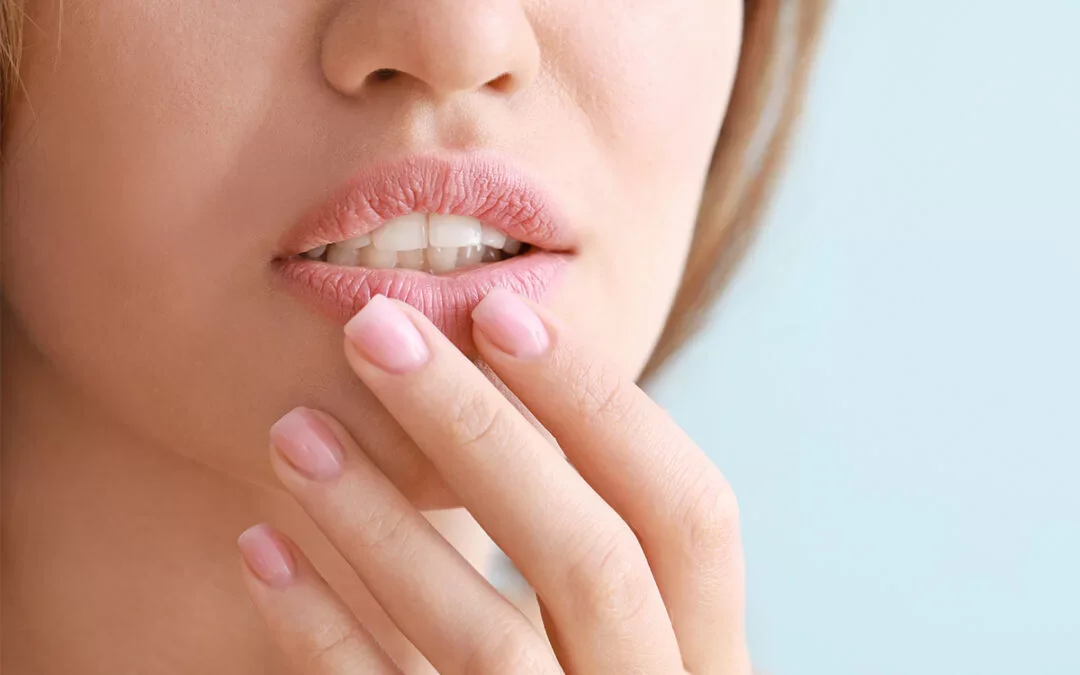
Modern Korean lip care often takes this more balanced approach, using humectants to attract water alongside ingredients that soften the lips and help maintain the barrier.
Useful ingredients to look for include:
Glycerin and hyaluronic acid: help attract and retain water in the lip surface.
Panthenol: supports hydration and helps keep dry, irritated lips more comfortable.
Ceramides: help support the lipid barrier and reduce moisture loss.
Squalane: provides lightweight emollient support without a heavy, greasy feel.
Plant oils and butters: can soften the lips and provide an additional protective layer.
Centella asiatica, oat, and allantoin: useful additions when lips feel sensitive or irritated.
The most useful lip products usually combine humectants with emollient and barrier-supportive ingredients, giving you both immediate comfort and better moisture retention rather than simply coating the lips.
How to Properly Care for Your Lips
Good lip care is mostly about keeping the lips consistently hydrated, comfortable, and protected rather than waiting until they are already dry or flaky.
A simple routine is usually enough:
During the day: Use a hydrating balm, lip serum, or lip oil as needed, and include an SPF lip product when you are outdoors. UV protection is particularly important for the lip vermilion because it has less natural photoprotection than surrounding skin.
At night: Choose a richer lip mask or treatment that combines humectants with emollients and barrier-supportive ingredients to help reduce overnight moisture loss.
Exfoliation: This is completely optional. If you have a little loose, flaky skin, very gentle exfoliation occasionally can help, but frequent scrubbing can make already dry or irritated lips worse. If your lips are cracked, sore, or inflamed, focus on hydration and barrier support instead.
The most important thing is consistency. Lips generally respond better to regular protection and hydration than to repeatedly trying to remove dryness after it appears.
The Best Korean Lip Care Products Worth Trying
Below are some Korean lip care products that stand out not only for how they feel on the lips, but also for the way their formulas approach hydration, nourishment, and overall lip comfort. Some are better for lightweight daytime wear, while others work beautifully as richer overnight lip treatments.
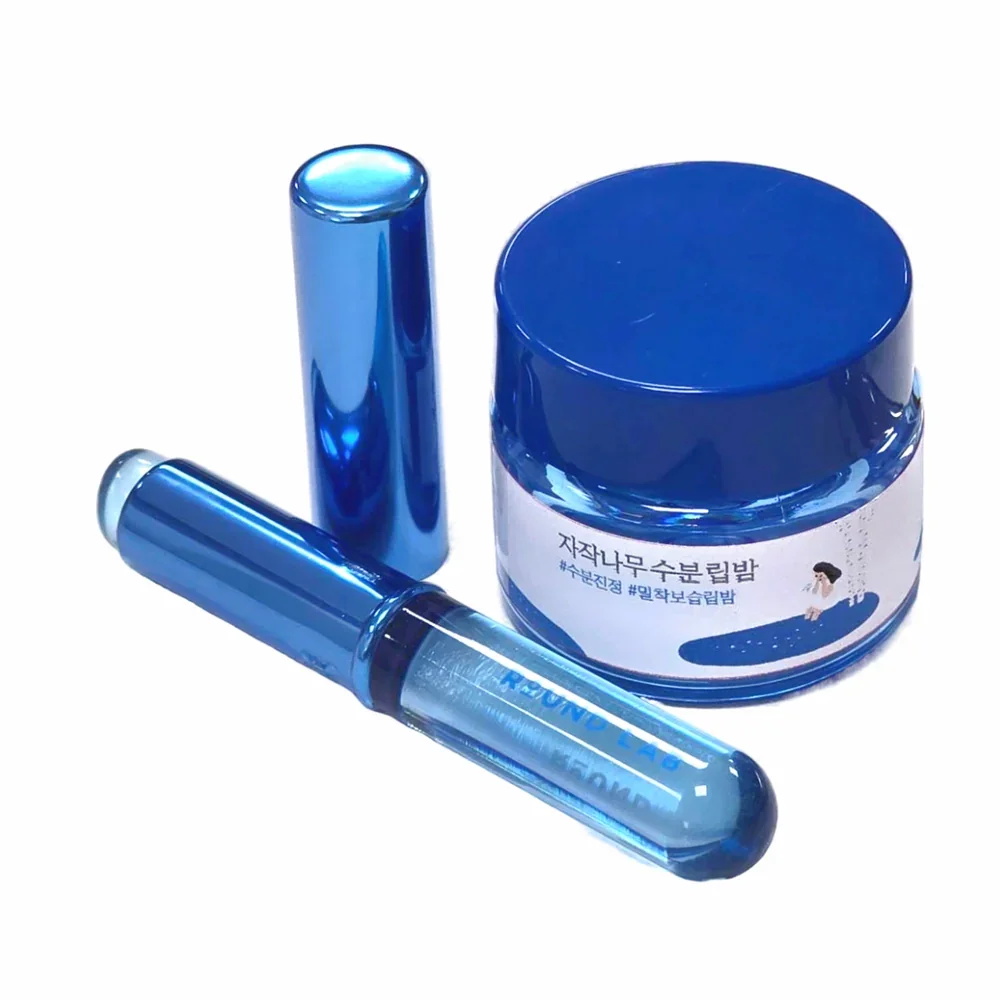
Round Lab Birch Moisturizing Lip Balm
The Barrier Comfort Lip Balm
Where to buy
This lip balm focuses more on comfort and moisture protection rather than strong shine or sensory effects. The formula combines rich emollients, waxes, and squalane to create a cushiony protective layer on the lips, while jojoba, macadamia, almond, argan, and olive oils help soften and nourish dry lips over time.
Unlike many trendy lip products, this formula avoids fragrance, menthol, peppermint, and plumping irritation, which makes it feel much gentler and more barrier-focused overall. The addition of glycerin and multiple forms of hyaluronic acid also gives the formula a little more hydration support underneath the occlusive layer.
Texture: Rich, cushiony balm with a glossy protective finish
Best for: Dry lips, winter weather, overnight use, matte lipstick prep
Standout point: Fragrance-free formula without menthol or tingling irritation
Less ideal for: People who prefer ultra-light lip oils or very thin balms
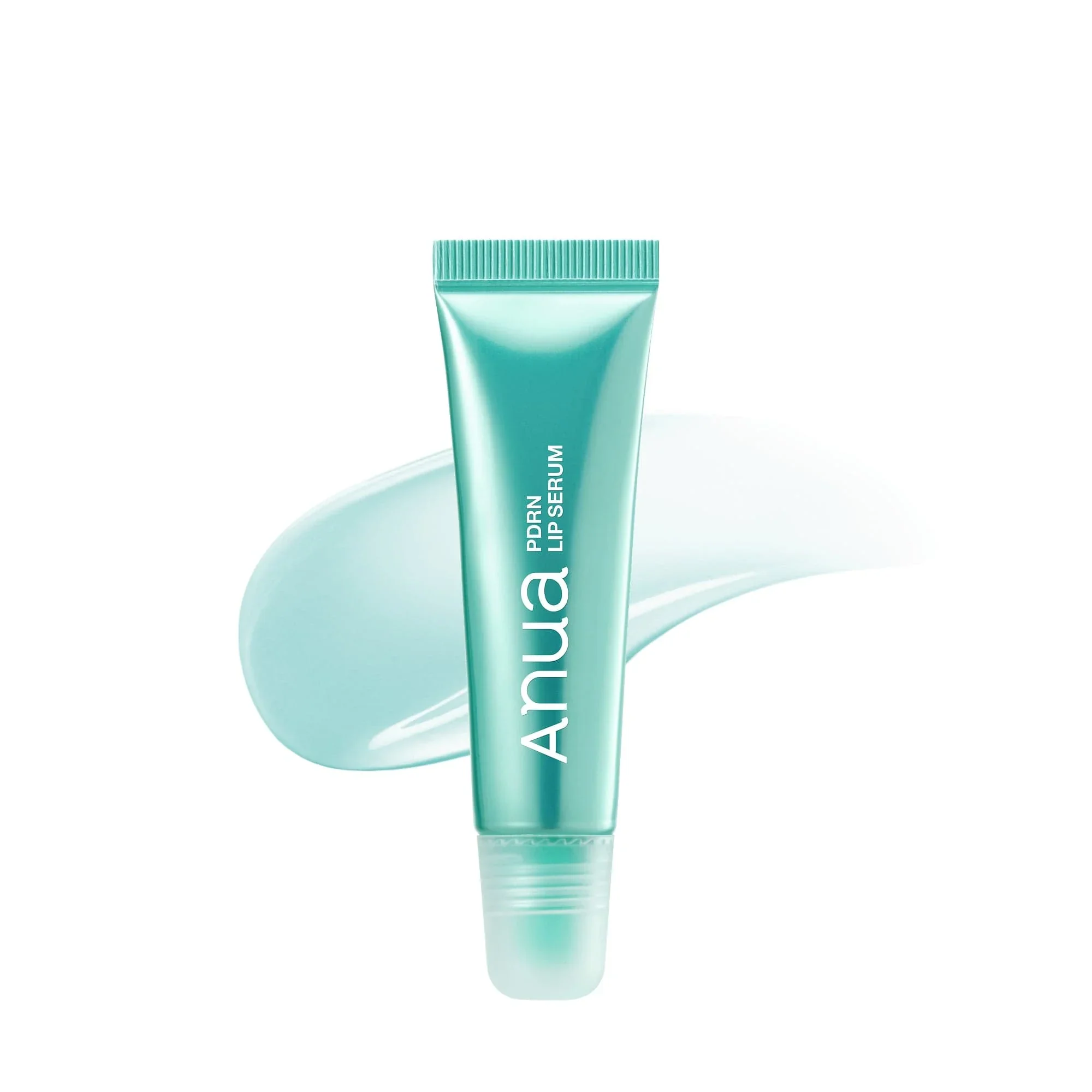
Anua PDRN Lip Serum
The Glossy Everyday Lip Treatment
Where to buy
This formula feels much more like a glossy hydrating lip treatment than a classic protective balm. The texture is likely smoother, lighter, and more flexible on the lips, making it especially nice for comfortable daytime wear.
Alongside emollients and waxes, the formula also includes panthenol, ceramide NP, glycerin, and jojoba oil to help support the lip barrier and keep the lips softer over time. The PDRN itself appears in a relatively small amount here, so the overall comfort-focused formula is realistically doing much more of the work than the PDRN marketing itself.
Texture: Glossy, smooth, serum-like finish
Best for: Comfortable daytime hydration and glossy lips
Standout point: Barrier-supportive ingredients in a lighter elegant texture
Less ideal for: Very dry lips needing heavy overnight occlusion
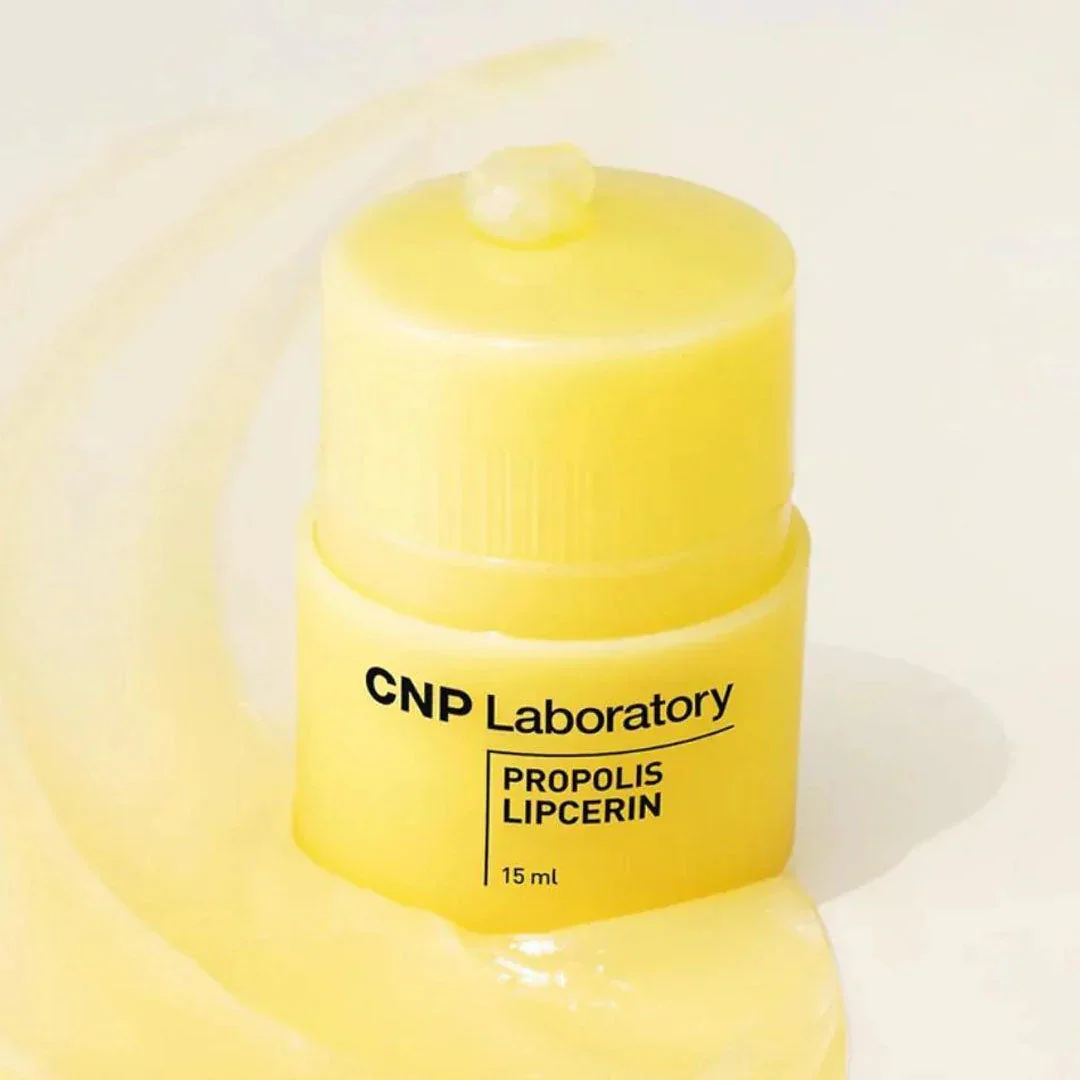
CNP Propolis Lipcerin
The Rich Overnight Comfort Balm
Where to buy
This is the type of Korean lip product that leans more into nourishment, and a richer comforting texture. The formula combines emollients, glycerin, squalane, shea butter, cholesterol, and multiple ceramides to help soften the lips and support the lip barrier while keeping the finish glossy and cushiony.
The propolis and honey themselves are present in relatively small amounts, so this is not really a deeply “propolis-focused” treatment formula despite the branding. The barrier-supportive ingredients and rich emollient structure are doing much more of the work here.
Unlike the previous two products, this formula does contain fragrance and fragrance components, which makes it less ideal for very sensitive or easily irritated lips.
Texture: Rich, glossy, nourishing balm texture
Best for: Dry lips, glossy lips, overnight comfort
Standout point: Ceramides, cholesterol, and squalane support the lip barrier nicely
Less ideal for: Very sensitive lips or fragrance-sensitive users
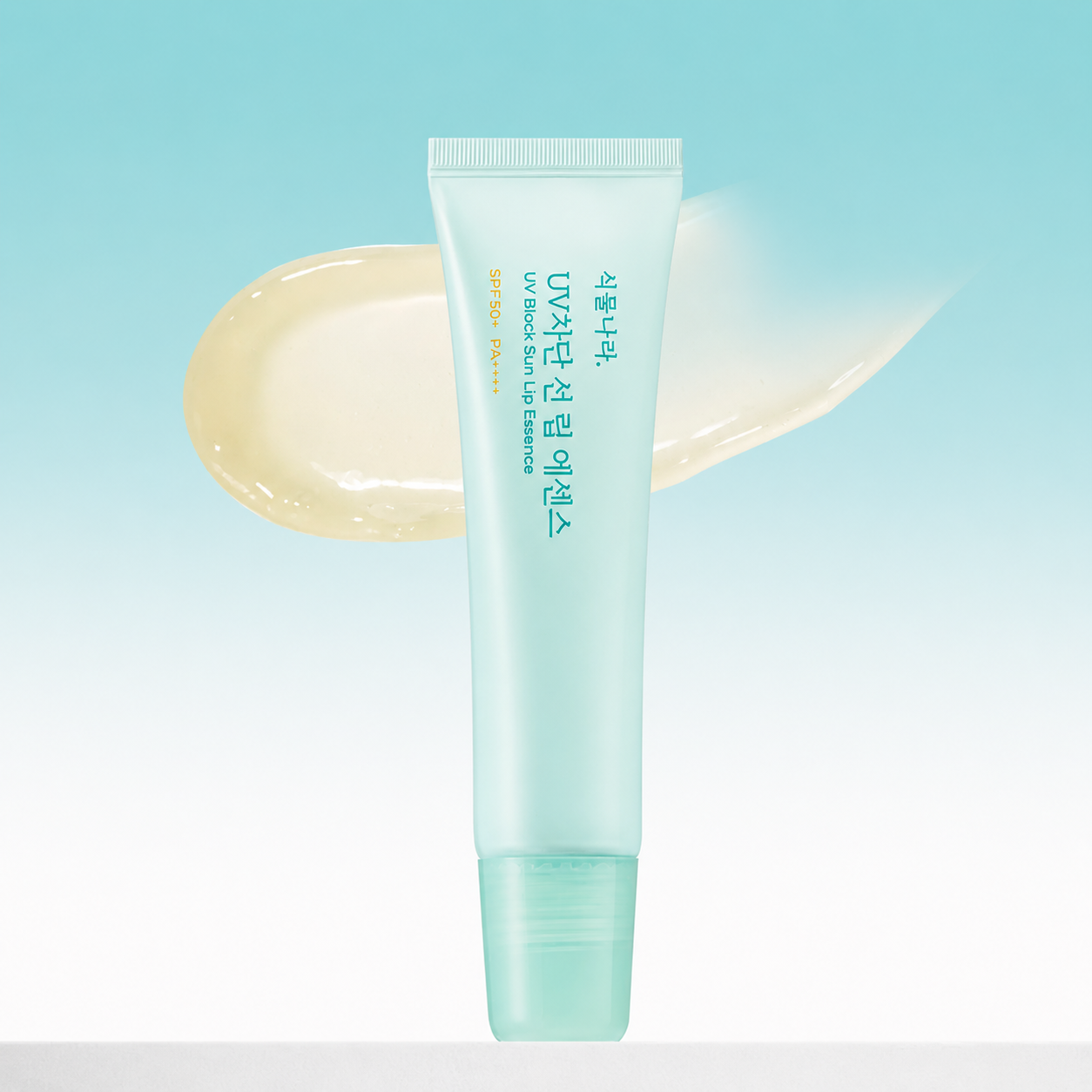
Shingmulnara UV Block Sun Lip Essence
The Everyday SPF Lip Balm
Where to buy
Lip SPF is still one of the most overlooked parts of skincare, which is why I wanted to include this product. The formula combines multiple modern UV filters with a glossy protective balm texture designed to help shield the lips from daily sun exposure while also keeping them comfortable throughout the day.
The texture itself looks more elegant and flexible than traditional heavy SPF lip products, while oils like jojoba, camellia, argan, sunflower, olive, and macadamia help soften the lips underneath the protective layer.
The formula does contain fragrance, so it may not be the best choice for very sensitive lips, but overall this is still a nice example of a more cosmetically elegant Korean SPF lip product.
Texture: Glossy, smooth protective balm
Best for: Daily lip SPF50+/PA++++ and comfortable daytime wear
Standout point: Uses multiple modern UV filters with nourishing oils
Less ideal for: Very sensitive or fragrance-reactive lips
Dr. Ceuracle Vegan Active Berry Lip Oil
The Nourishing Glossy Lip Oil
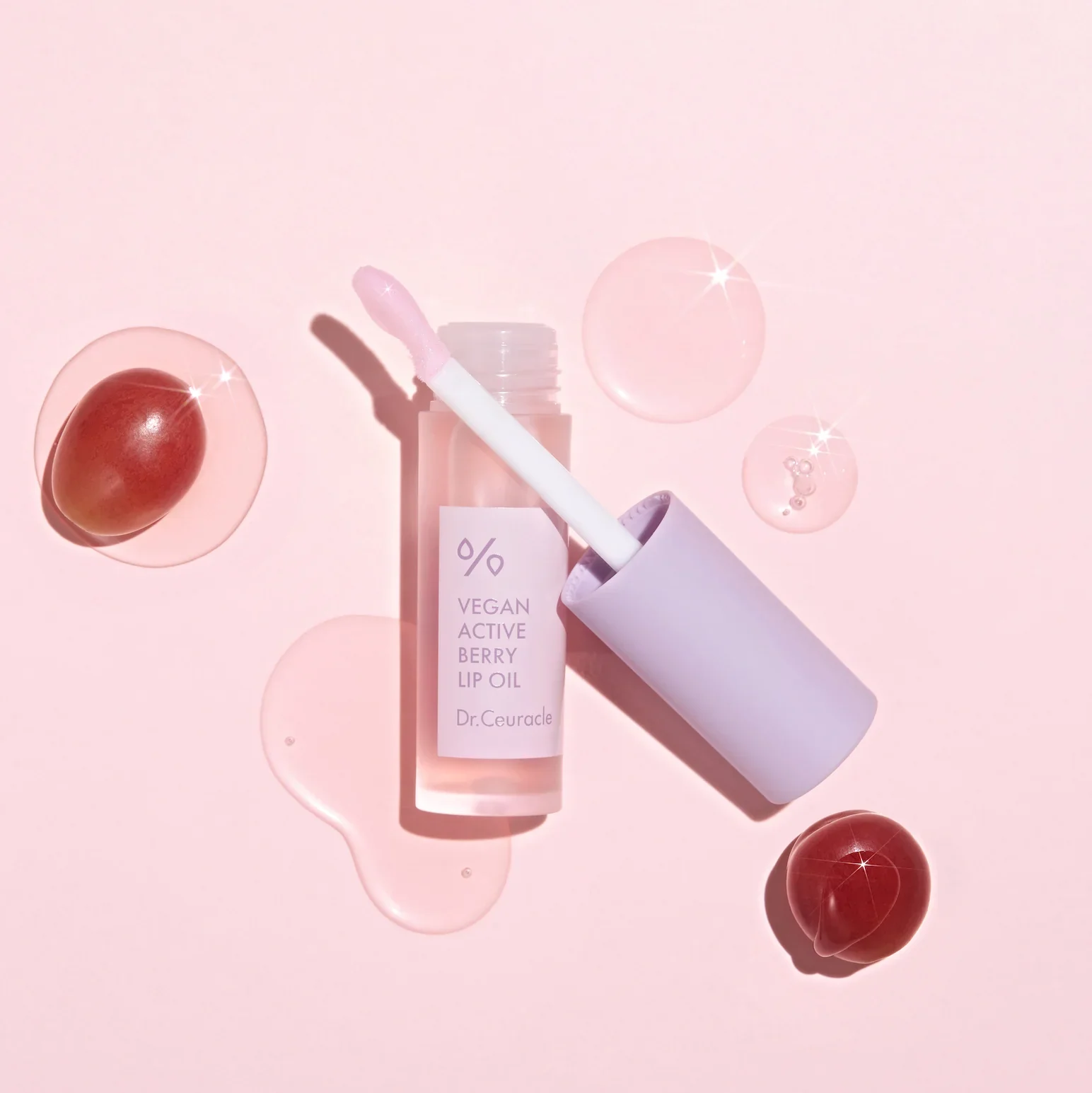
This lip oil focuses more on comfort and nourishment rather than just creating a shiny glossy finish. The formula combines jojoba oil, castor oil, grape seed oil, moringa oil, squalane, and vitamin E to help soften the lips while keeping them smooth and comfortable throughout the day.
Compared to many thinner glossy lip oils, this formula looks slightly more cushiony and protective while still feeling lighter and more flexible than a traditional wax-heavy balm. Glycerin also adds a bit of lightweight hydration support underneath the glossy layer.
Texture: Glossy, cushiony, comfortable lip oil
Best for: Daytime comfort, glossy lips, lightweight nourishment
Standout point: Nourishing oil blend with a softer less sticky feel
Less ideal for: Very dry lips needing stronger overnight protection
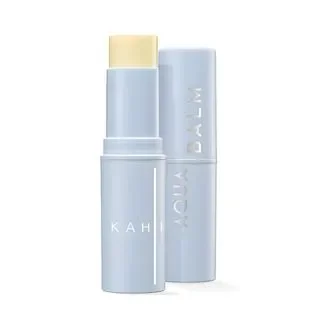
KAHI Aqua Balm Stick
The On-the-Go Glow Balm with UV Protection
Where to buy
Even though this is marketed as a multi balm stick, it actually works surprisingly nicely on the lips, especially for quick daytime reapplication. The texture looks smooth, glossy, and protective, with enough slip to make the lips feel comfortable without becoming overly thick or sticky.
The formula combines emollients, silicones, waxes, and UV filters to help reduce moisture loss while also giving some daytime sun protection. Ingredients like rice bran oil, hydrolyzed collagen, adenosine, and licorice extract add a more skincare-oriented feel underneath the glossy finish.
This is definitely more of a convenient glossy daytime touch-up product rather than a deeply nourishing overnight lip treatment, but for comfortable on-the-go lip care, the format is honestly very practical.
Texture: Smooth glossy balm stick with a lightweight protective feel
Best for: Easy daytime reapplication and glossy comfortable lips
Standout point: Convenient stick format with added SPF50+/PA++++ protection
Less ideal for: Very sensitive lips because of the fragrance content
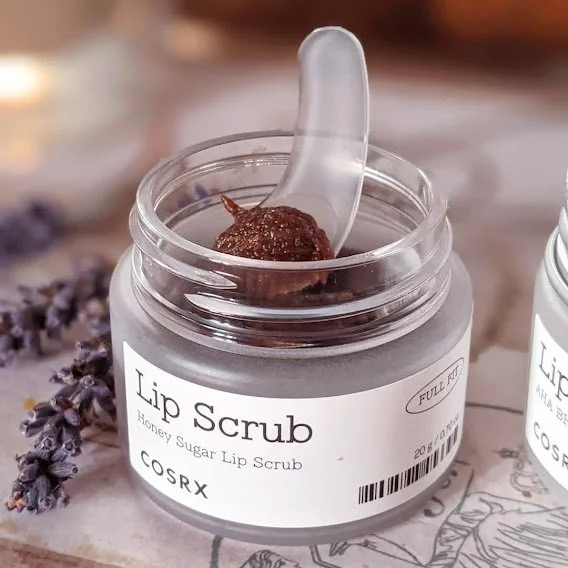
COSRX Full Fit Honey Sugar Lip Scrub
The Gentle Lip Prep Scrub
Where to buy
This is the type of lip exfoliator that works best as an occasional smoothing step rather than an everyday product. The formula uses sugar crystals to physically remove flaky skin, while ingredients like shea butter and emollients help reduce some of the rough stripped feeling harsher lip scrubs can leave behind.
Compared to aggressive scrub formulas, this one looks a little more balanced and cushioning overall, which makes it especially useful before matte lipstick or when dry flaky buildup starts becoming more noticeable on the lips.
At the same time, lip exfoliation should stay gentle and occasional. Over-exfoliating the lips can easily lead to more irritation and dryness instead of smoother lips.
Texture: Thick sugar-based scrub with a nourishing balm feel
Best for: Lip prep before lipstick and occasional smoothing
Standout point: More cushioning and less harsh than many traditional lip scrubs
Less ideal for: Very irritated or cracked lips needing barrier recovery instead of exfoliation
A Small Tip About Lip Balm Applicators
Many lip masks and richer lip balms come in small jars, which can feel a little inconvenient during the day since constantly applying lip products with your fingers is not always the most comfortable or practical option.
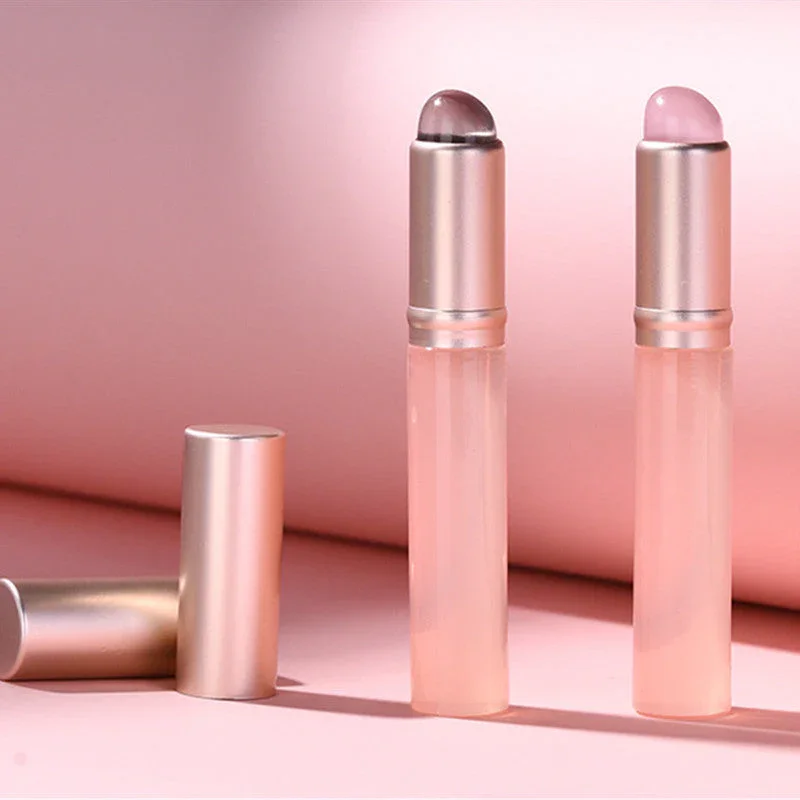
This is where silicone lip brushes can actually be surprisingly useful. They are easy to clean, easy to wipe throughout the day, and much more convenient for hygienic application on the go.
They are obviously not essential, but if you regularly use jar-style lip products, especially overnight lip masks or richer balms, they can make the whole experience feel much cleaner and more practical.
Frequently Asked Questions
Can You Use Your Face Moisturizer on Your Lips?
Yes, especially if it is a simple, fragrance-free moisturizer that your skin already tolerates. It can add hydration, although you may still prefer a dedicated lip product on top because lip formulas are usually designed to stay in place better and reduce moisture loss.
What Is the Difference Between a Lip Balm, Lip Oil, and Lip Mask?
A lip balm usually focuses on everyday protection and comfort, while a lip oil tends to feel lighter and gives more shine and emollient softness. A lip mask is usually richer and designed to stay on the lips longer, which makes it particularly useful overnight.
Can You Use a Lip Mask Every Night?
Yes, if the formula is comfortable and does not contain ingredients that irritate your lips. There is no need to reserve lip masks for emergencies; they can simply function as a richer nighttime lip moisturizer.
How Often Should You Reapply SPF Lip Balm?
When you are outdoors, SPF lip products should generally be reapplied about every two hours and after eating, drinking, swimming, or heavy sweating. The American Academy of Dermatology recommends SPF 30 or higher for the lips.
Should You Avoid Retinoids and Acids Around the Lips?
Be careful with them around the lip border. Retinoids, exfoliating acids, and other strong actives can migrate onto the lips and make already dry or sensitive lips more irritated, so I prefer keeping them away from the vermilion itself.
When Are Dry Lips More Than Just Dry Lips?
If your lips remain persistently dry, cracked, painful, or scaly despite changing irritating products and using consistent lip care, it is worth having them evaluated. The AAD recommends seeing a dermatologist when chapped lips do not improve after about two to three weeks, because allergic reactions, infection, or conditions such as actinic cheilitis can sometimes look like ordinary dryness.
Final Thoughts on Keeping Your Lips Soft and Healthy
The lips are delicate, lose hydration easily, and deal with constant environmental stress throughout the day, which is exactly why small changes in lip care can make such a noticeable difference over time. Sometimes the goal is not perfect lips, but simply keeping them consistently comfortable, smooth, hydrated, and protected.
If you enjoy this type of practical Korean skincare content, you can explore more of my blog for ingredient-focused product recommendations, Korean skincare guides, sunscreen recommendations, barrier repair tips, and deep dives into different skin concerns. You can also start with my Skin Type Quiz for personalized Korean skincare recommendations or check out my skincare consultation options for a fully personalized skincare routine.




Understanding Your Skin
A Practical Guide to Skincare
I wrote Understanding Your Skin to help you build an effective skincare routine with confidence. This illustrated guide explains skin types, ingredients, and routines in a practical, evidence-based way that's easy to understand and apply.
- Written by a physician
- 120-page illustrated guide
- Evidence-based skincare guidance
- Sample routines & product recommendations

Face oils are a simple way to give your skin a little extra softness and comfort when it needs it. Here’s how to choose the right one, plus six thoughtful picks for different skin needs.