NAD⁺ and NMN in Skincare: What They Do and What the Evidence Really Shows
NAD⁺ is a molecule involved in cellular energy production, DNA repair, and many processes linked to skin aging, while NMN is one of the compounds the body can use to make NAD⁺. That biology makes both ingredients interesting for skincare, but topical products are still far ahead of the clinical evidence in many of their anti-aging claims.
In this guide, I’ll explain what NAD⁺ and NMN actually do in the skin, what we know about using them topically, where the limitations are, and how Korean skincare brands are beginning to incorporate them into more advanced anti-aging formulas.
Key Takeaways
✓ NAD⁺ is essential for cellular energy, DNA repair, and skin resilience.
✓ NMN and niacinamide are NAD⁺ precursors that may be more relevant to skincare than topical NAD⁺ itself.
✓ Current evidence suggests topical NAD⁺ has limited skin penetration, while NMN shows greater potential.
✓ NAD-focused skincare is best suited to aging, stressed, or barrier-impaired skin rather than active acne.
✓ Korean skincare brands are combining NAD⁺ and NMN with peptides, ceramides, antioxidants, and PDRN for broader skin support.
In This Article
Some links are affiliate links. If you choose to purchase through them, it helps support my work at no extra cost to you.
What Is NAD⁺ and Why Does It Matter for Skin?
NAD⁺, or nicotinamide adenine dinucleotide, is a coenzyme found throughout the body that plays a central role in cellular energy metabolism. It is also used by enzymes involved in DNA repair, cellular stress responses, and other processes that help cells maintain normal function.
In the skin, NAD⁺ is particularly relevant to:
Cellular energy production
DNA repair
Oxidative stress regulation
Inflammatory responses
Normal cellular maintenance
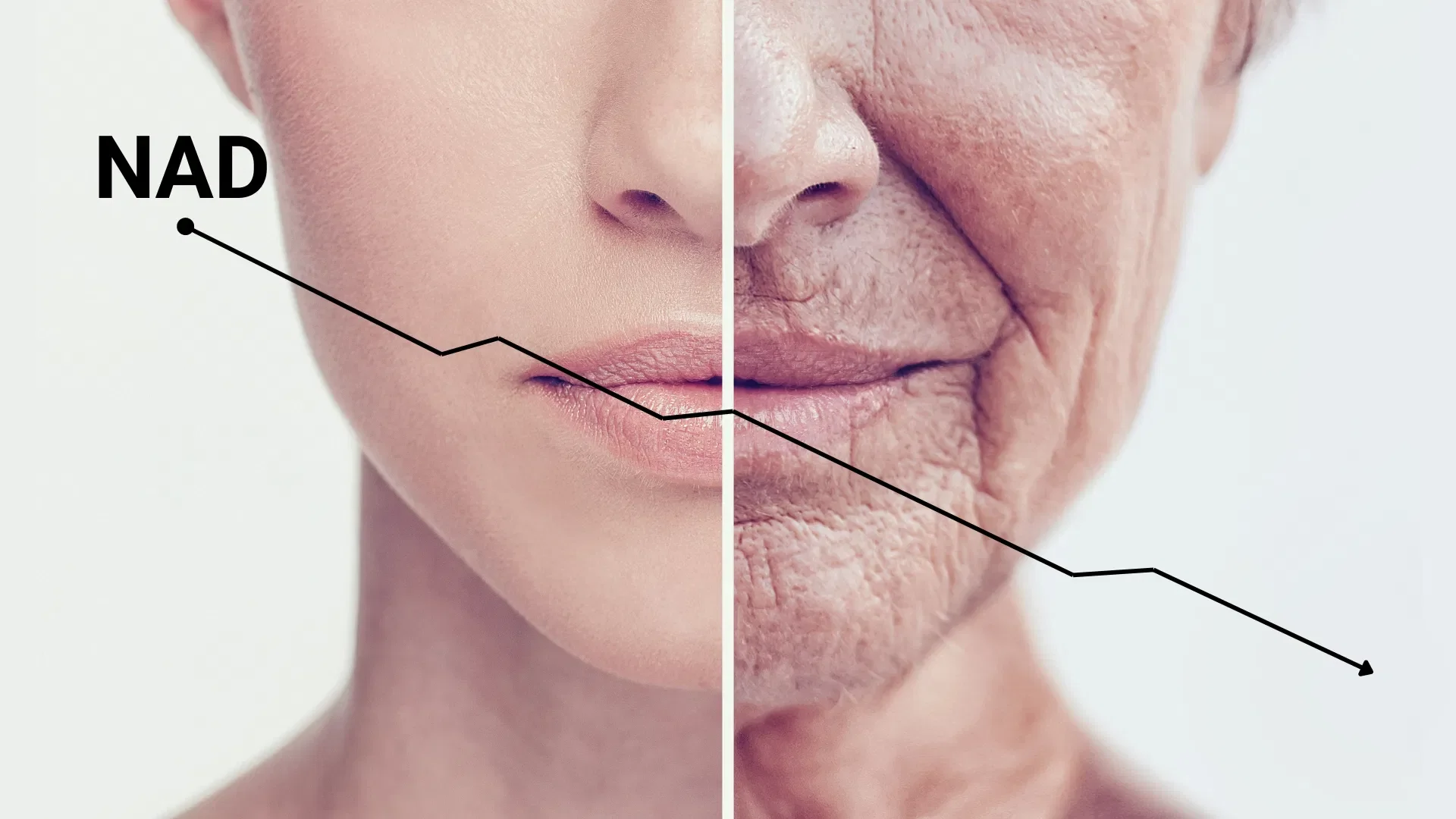
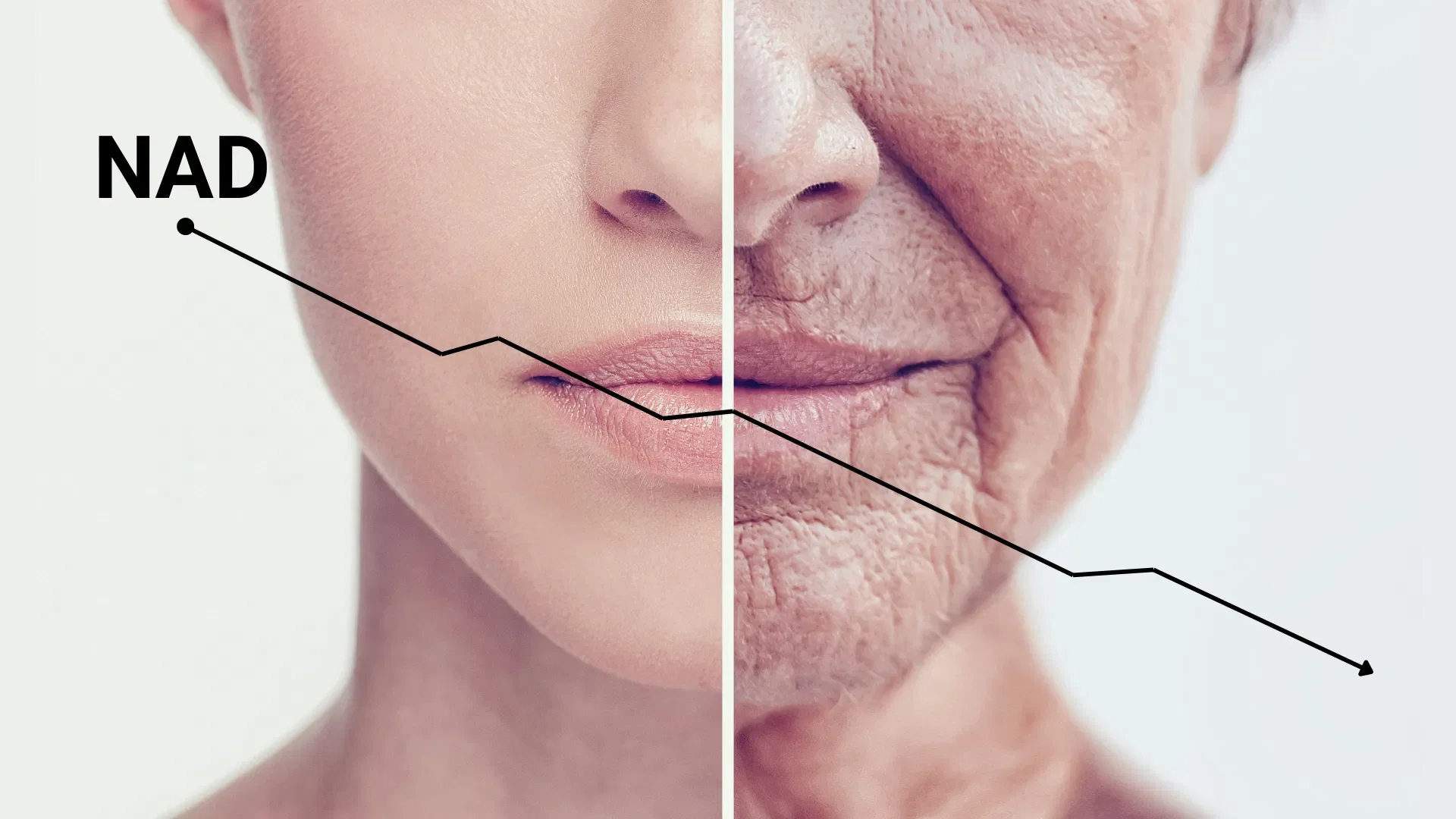
This becomes interesting in the context of aging because lower NAD⁺ levels have been reported in older human skin, while UV exposure and oxidative stress can also disrupt NAD⁺ and cellular energy metabolism.
That biological connection is why NAD⁺ has become such a major topic in longevity research and, more recently, skincare. But there is an important distinction: understanding the role of NAD⁺ inside skin cells does not automatically tell us how well topical NAD⁺ or its precursors will work when applied in a cosmetic product.
That is where the evidence becomes much more limited.




NMN, NAD⁺, and Niacinamide: What’s the Difference?
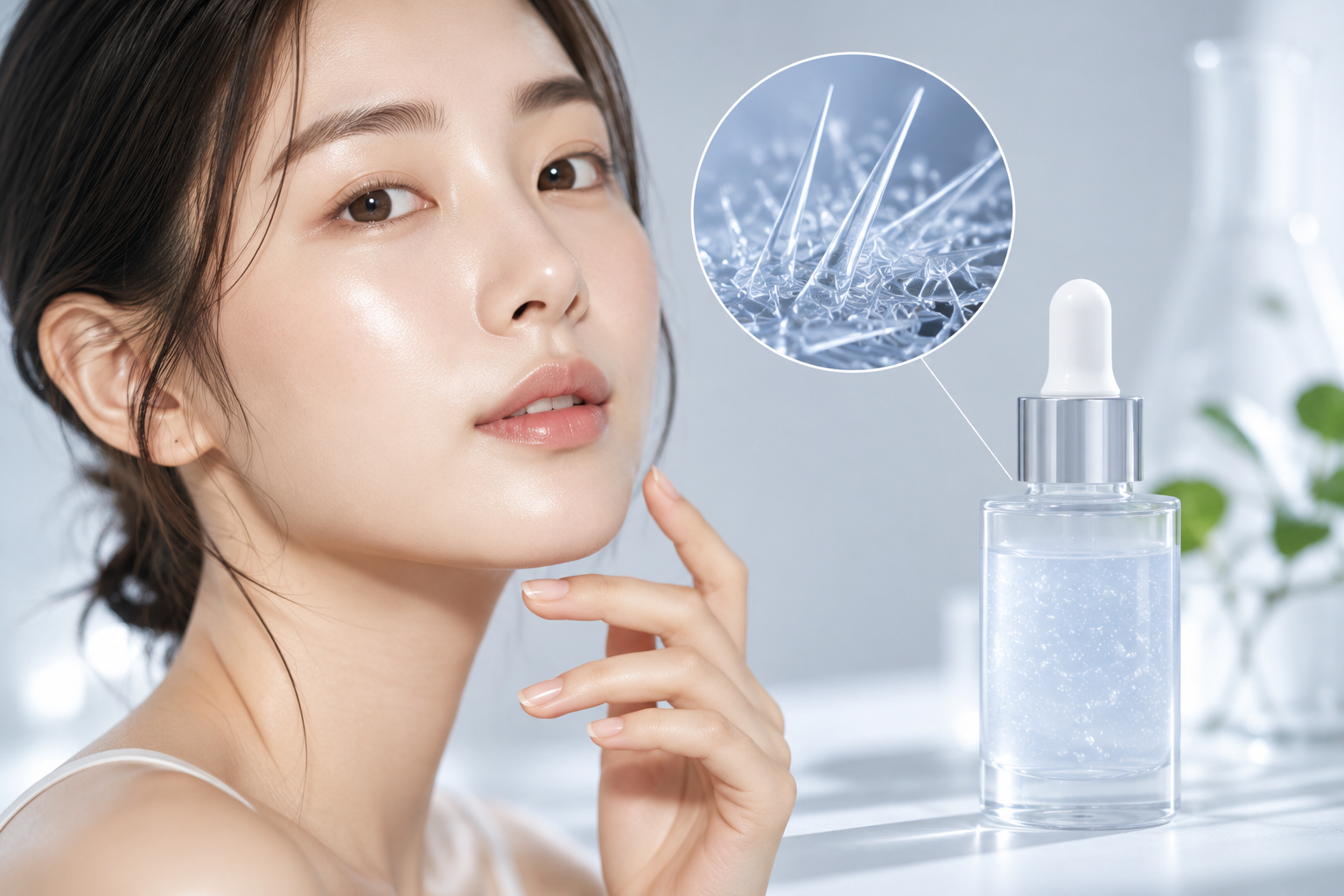
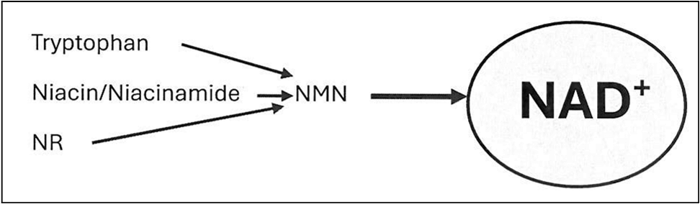
NAD⁺, NMN, and niacinamide are closely related, but they are not interchangeable. NAD⁺ is the molecule cells actually use, while NMN and niacinamide can act as precursors that feed into NAD⁺ production through different metabolic pathways.
NAD⁺
NAD⁺ is the active coenzyme involved in cellular energy metabolism, DNA repair, and stress responses. The challenge for skincare is delivery: NAD⁺ is a relatively large, water-soluble molecule, so simply applying it to the skin does not guarantee that intracellular NAD⁺ levels will increase.
NMN
NMN, or nicotinamide mononucleotide, is a direct precursor used in the NAD⁺ salvage pathway. Because it is smaller than NAD⁺, it has attracted interest as a more practical topical option. Early research is promising but still limited. In a 2025 laboratory study, NMN crossed an artificial skin membrane and increased type I collagen production in cultured human fibroblasts. However, this was not a human clinical trial, so we still do not know how much benefit topical NMN provides in real-world skincare.
Niacinamide
Niacinamide is a form of vitamin B3 and another precursor used by cells to produce NAD⁺. Unlike NMN, topical niacinamide already has substantial human clinical evidence. A 2024 review of topical niacinamide summarizes evidence for benefits including barrier support, improved uneven pigmentation, and visible signs of skin aging.
So if we are comparing these ingredients purely by the strength of current skincare evidence, niacinamide is still far ahead. NMN is scientifically interesting and worth watching, while topical NAD⁺ itself raises more questions about delivery and bioavailability.
How NAD-Related Pathways Affect Skin Aging
NAD⁺ sits at the intersection of several processes that become less efficient as skin ages, including cellular energy production, DNA repair, oxidative stress responses, and inflammatory signaling. In human skin, lower NAD⁺ levels have been associated with increasing age and greater oxidative DNA damage. Research in human skin tissue found a clear age-related decline in NAD⁺.
This is one reason NAD⁺ precursors such as NMN have attracted so much interest. In preclinical research, NMN has been associated with better preservation of collagen, reduced oxidative stress, and improved skin barrier function after UV exposure. For example, oral NMN improved hydration, elasticity, collagen preservation, and UV-related barrier changes in mice.
The important limitation is that most of these encouraging results come from laboratory or animal studies, often using oral or injected NMN rather than topical skincare. They help explain why NAD-related pathways are biologically interesting, but they do not yet prove that an NAD⁺ or NMN serum will produce the same effects on human skin.
Can NAD or NMN Actually Work Topically?
This is where things become a little more complicated. NAD⁺ is extremely important inside skin cells, but applying it on top of the skin does not automatically mean enough of it will reach those cells in a useful form.

NMN may have an advantage here because it is smaller and appears to penetrate the skin more easily. Early research also suggests that topical NMN can reach deeper skin layers and may support collagen production, which makes it one of the more interesting NAD-related ingredients to watch.
Topical NAD⁺ is less straightforward. There is some encouraging human research, but in one recent study NAD⁺ was applied after microneedling, so the skin barrier had already been bypassed. That is very different from using a normal NAD⁺ serum at home.
For now, I would think of NAD⁺ and NMN as promising emerging skincare ingredients rather than proven anti-aging essentials. The biology is interesting, but how well the formula delivers the ingredient into the skin is what really matters.
What Skin Concerns NAD-Focused Skincare Is Best For
NAD⁺ and NMN skincare makes the most sense if your goal is supporting skin that is starting to show signs of aging, dullness, or reduced resilience. These are not ingredients I would choose for a quick transformation. Their appeal is much more about supporting the cellular processes that become less efficient over time.
They may be worth considering for:
Early signs of aging
Dull or tired-looking skin
Skin exposed to regular UV and environmental stress
Routines already focused on long-term healthy aging
I would not choose an NAD⁺ or NMN serum specifically to manage acne, pigmentation, or a damaged barrier when better-established ingredients already exist for those concerns.
Sensitive or acne-prone skin can still use these ingredients, but the complete formula matters much more than the NAD label. Some products combine them with fragrance, botanical extracts, retinoids, or other actives that may not suit every skin type.
For now, I see NAD-focused skincare as an interesting addition to a well-built anti-aging routine, rather than something that needs to replace proven ingredients such as retinoids, sunscreen, niacinamide, or vitamin C.
How Korean Brands Are Using NAD Differently
Many Korean NAD-focused products do not rely on NAD⁺ or NMN as the only headline active. Instead, they build them into formulas that also target hydration, barrier support, antioxidant protection, and visible signs of aging.
Common combinations include:
NAD⁺ or NMN as the longevity-focused ingredient
Antioxidants such as resveratrol, astaxanthin, or glutathione
Barrier-supporting ingredients such as ceramides and cholesterol
Peptides and ingredients such as PDRN
Fermented ingredients for additional hydration, antioxidant, or skin-conditioning support
I actually think this approach makes more sense than building an entire product around NAD alone. The evidence for topical NAD⁺ and NMN is still developing, so combining them with better-established skincare ingredients gives the formula something useful to offer even if the NAD-related benefits turn out to be more modest than the marketing suggests.
Best Korean NAD and NMN Products
With more NAD- and NMN-labeled products entering the Korean skincare market, choosing the right one can feel overwhelming.
Not all formulas use these ingredients in the same way, and their overall effectiveness depends heavily on the surrounding formulation.
So now, let’s take a closer look at how Korean skincare brands are actually using NAD and NMN in their latest products — and what that means for your skin in real-world use.
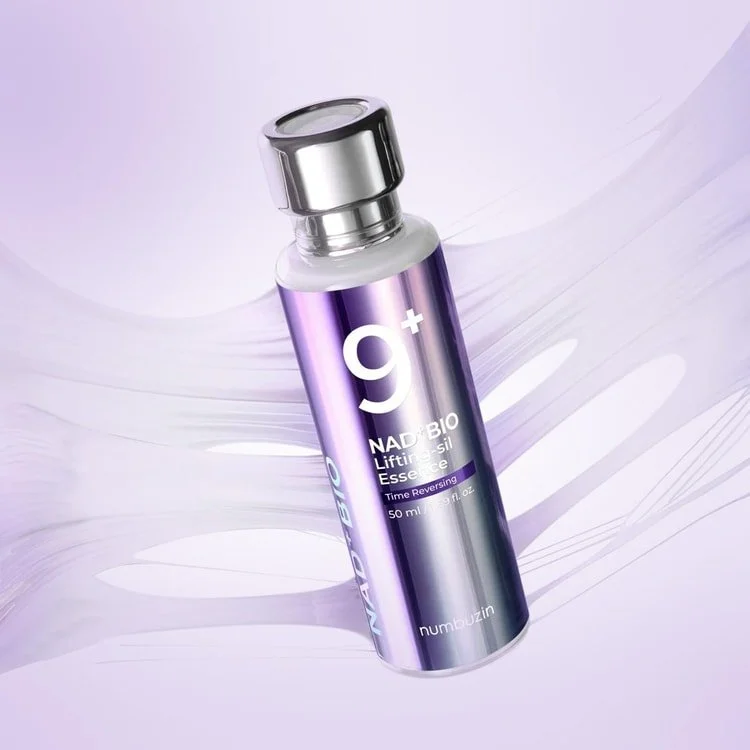
1. numbuzin No. 9 NAD Bio Lifting-sil Essence
Where to buy
This essence is often described as an NAD-focused product, but in practice it’s a rich peptide and antioxidant formula where NAD plays a minor, supportive role.
NAD / NMN in this formula
Contains NAD⁺ at a low level
No NMN included
Supports the “cell energy” concept rather than actively influencing NAD pathways
What it really targets
Firmness and elasticity
Antioxidant protection
Overall skin conditioning
Best suited for
Mature or resilient skin
Dull, tired-looking skin
Those who enjoy complex, multi-functional formulas
This works best when viewed as a luxury anti-aging essence, not a true NAD-boosting product.
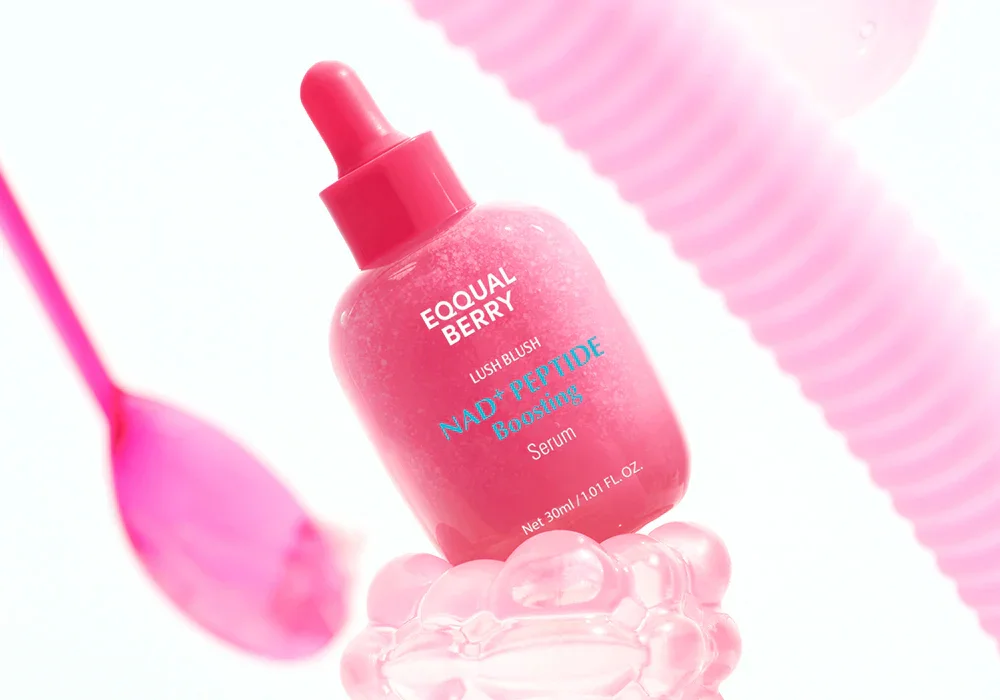
2. EQQUALBERRY NAD+ Peptide Boosting Serum
Where to buy
This serum combines NAD and NMN with a strong peptide system, ceramides, and multiple forms of hyaluronic acid.
NAD / NMN in this formula
Includes NMN alongside NAD⁺
NMN placement makes this one of the more biologically plausible options
What it really targets
Skin resilience and elasticity
Barrier support through ceramides and cholesterol
Long-term skin conditioning
Best suited for
Dry or mature skin
Preventative, long-term skin support
This is a good example of NAD skincare done with more realistic expectations.
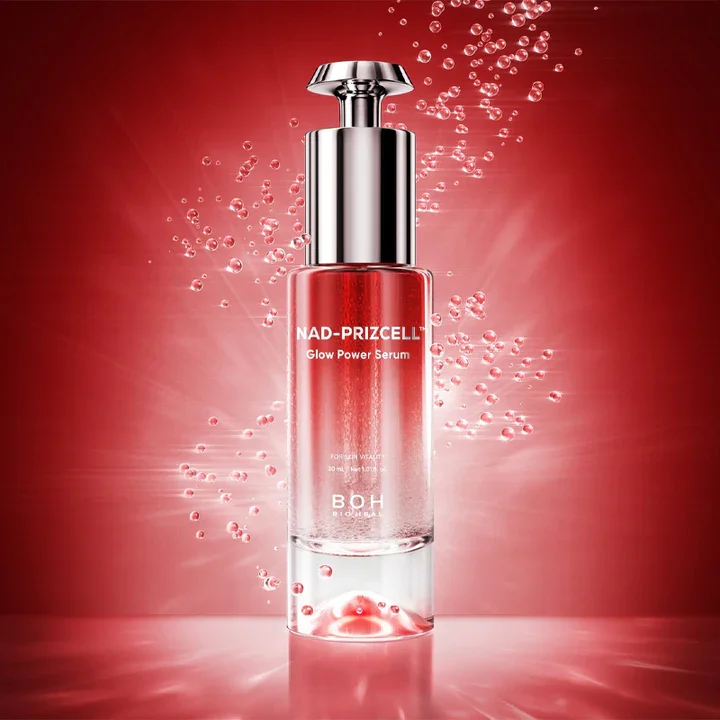
3. BIOHEAL BOH NAD-PRIZCELL Glow Power Serum
Where to buy
This serum features NAD, antioxidants, barrier lipids, and soothing botanical extracts.
NAD / NMN in this formula
Contains NAD⁺, included at a supportive level
No NMN present
What it really targets
Dullness and uneven tone
Barrier recovery through ceramides, cholesterol, and hydrogenated lecithin
Antioxidant defense, such as astaxanthin, resveratrol, and glutathione
Early texture changes, rather than deep wrinkles or loss of firmness
Best suited for
Dull or environmentally stressed skin
Those looking for glow with added barrier support
Here, NAD complements the antioxidant and barrier-focused design, but the visible benefits come mainly from hydration, soothing ingredients, and oxidative stress support.
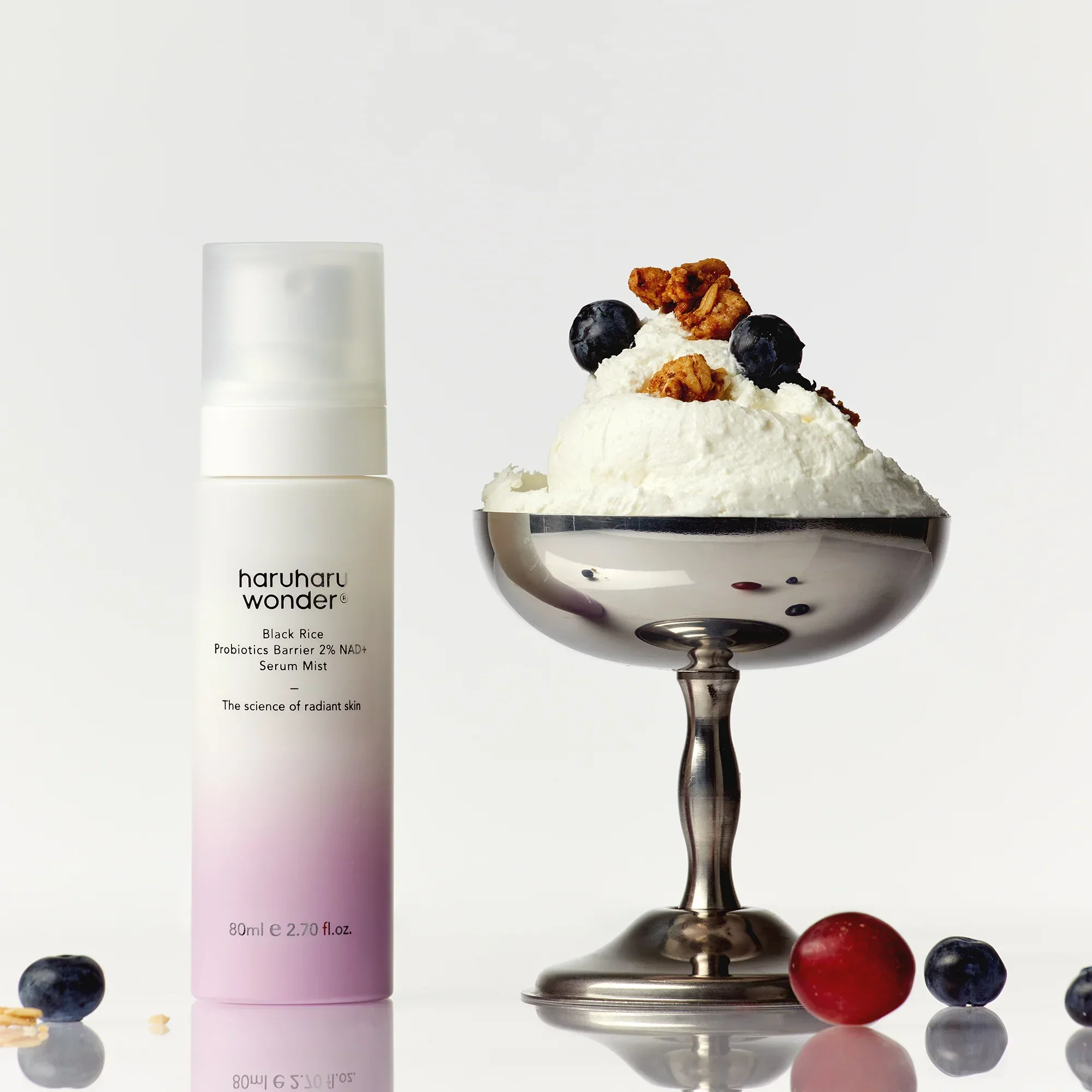
4. Haruharu Wonder Black Rice Probiotics Barrier 2% NAD+ Serum Mist
Where to buy
This mist lists 2% NAD+, which refers to a complex or solution containing NAD-related components, not pure, free NAD in its active form.
NAD / NMN in this formula
Contains NAD⁺ at a relatively high listed level
The complex includes fermented black rice, probiotics, and supportive barrier ingredients
No NMN included
What it really targets
Barrier repair and hydration
Microbiome-friendly skin conditioning
Daily comfort rather than active rejuvenation
Best suited for
Barrier-impaired or overtreated skin
Sensitive skin needing frequent hydration
This mist works best as a barrier-supporting, maintenance product, where NAD⁺ supports overall skin vitality rather than acting as a standalone active.
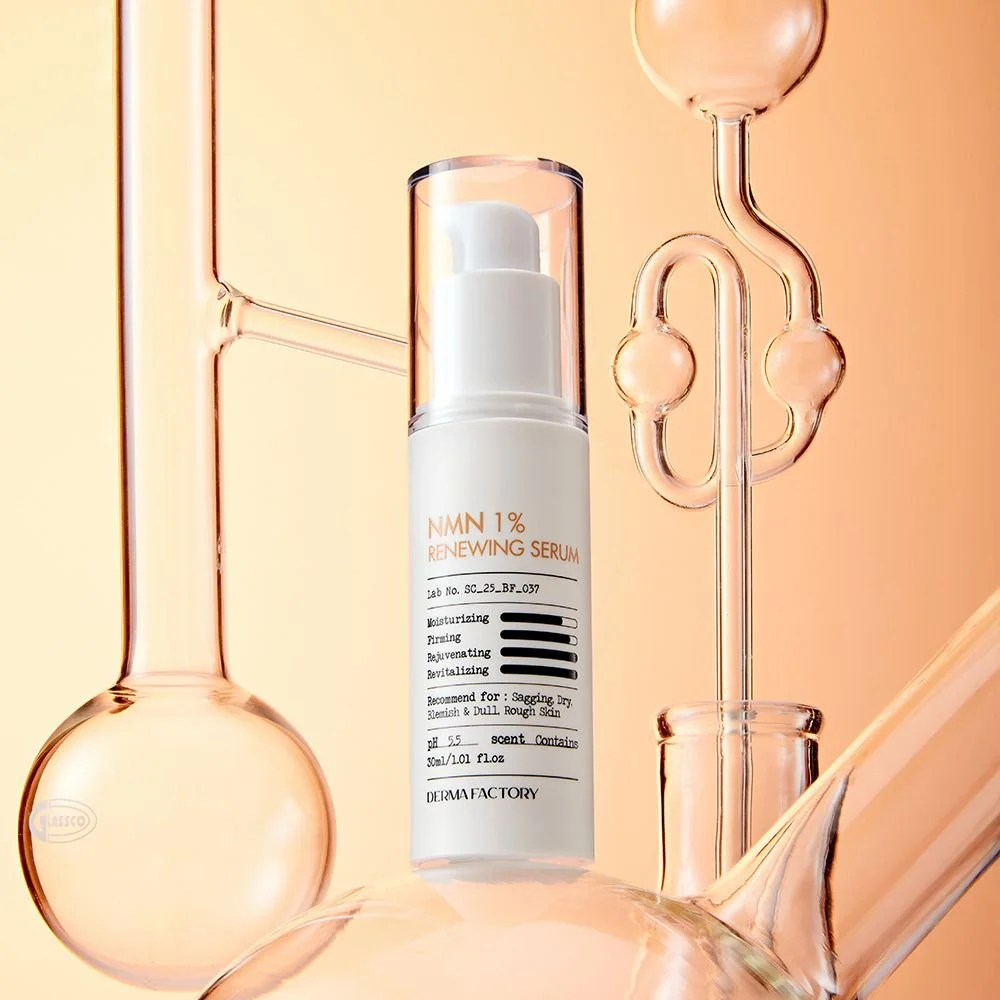
5. Derma Factory NMN 1% Renewing Serum
Where to buy
One of the most straightforward and science-aligned formulas in this category.
NAD / NMN in this formula
Clearly stated 1% NMN, which is relatively high compared to most topical NMN products
NAD⁺ included at a lower level, supporting the overall concept rather than acting as a primary active
Minimal marketing-driven complexity, with a simple, functional base
What it really targets
Skin renewal and resilience, supported by NMN alongside niacinamide
Long-term aging prevention
Barrier support and comfort, thanks to ingredients like squalane, panthenol, and humectants
Best suited for
Early to moderate aging concerns
Skin that values consistency and tolerance over strong actives
Those who prefer minimalist, ingredient-led formulas
This is one of the strongest examples of NMN used with realistic expectations, where supportive ingredients help translate the concept into a usable daily serum.
6. Sungboon Editor Green Tomato NMN Pore Hydro Soothing Toner

Where to buy
This toner includes NMN at a very low concentration, but its real value lies in a well-built hydrating and soothing formula rather than NAD-related activity.
When viewed as a pore-comfort and moisture-balancing toner, it makes much more sense.
NAD / NMN in this formula
NMN at 1,000 ppb, which is a very small amount
At this level, NMN is symbolic rather than functionally active
What it really targets
Deep hydration with 10 types of hyaluronic acid, helping skin stay plump and comfortable
Pore comfort and oil–water balance
Lightweight antioxidant support from green tomato extract
Best suited for
Sensitive or easily dehydrated skin
Oily or combination skin that still needs hydration
Daily layering routines where lightweight, calming hydration is a priority
Here, NMN is more of a trend-aligned addition than a key active, while hydration and soothing remain the main benefits.
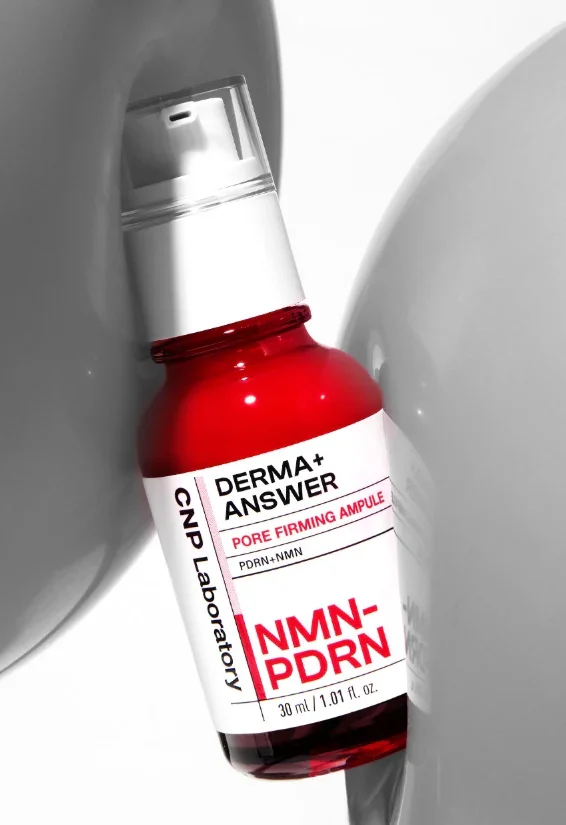
7. CNP Derma Answer Pore Firming Ampoule
Where to buy
This ampoule combines NMN, PDRN, and retinol, all used at very low, supportive levels.
Rather than acting as a targeted treatment product, it is best understood as a barrier-supporting and resilience-focused ampoule designed to gently support skin firmness and texture over time.
Important clarification on retinol
Retinol appears very low in the INCI list. At this concentration, it is not a treatment-level retinol and should not be expected to deliver classic resurfacing or corrective effects.
NAD / NMN in this formula
Contains NMN, but plays a secondary, background role
What it really targets
Firmness and skin regeneration
Pore appearance and elasticity
Hydration and resilience through PDRN, ceramides, cholesterol, panthenol, and humectants
Best suited for
Experienced skincare users
Skin already tolerant of active ingredients
Usage note
Due to the presence of retinol — even at low levels — evening use is recommended, along with daily sunscreen.
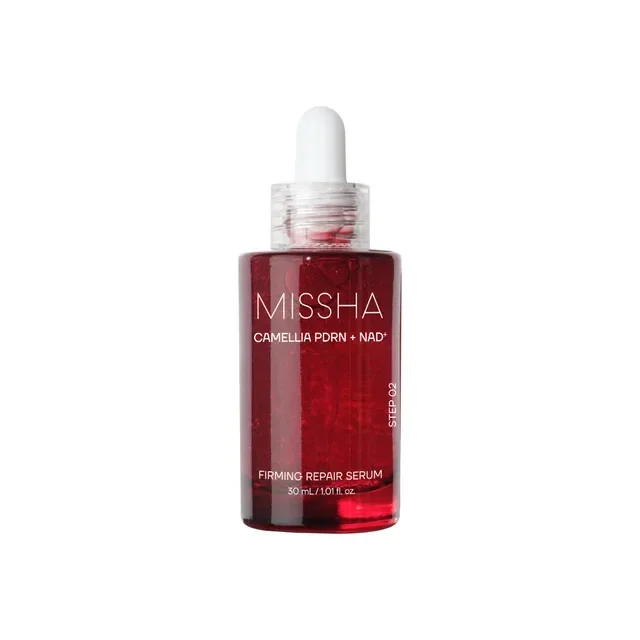
8. MISSHA Camellia PDRN + NAD+ Firming Repair Serum
Where to buy
Launched in April 2026, this serum combines Camellia-derived PDRN with NAD+, NMN, ATP, and fermented extracts. The formula also includes Guaiazulene, Panthenol, Beta-Glucan, and Allantoin for soothing benefits, alongside multiple hydrating ingredients.
NAD / NMN in this formula
Contains both NAD⁺ and its precursor NMN
Includes ATP, another molecule involved in cellular energy metabolism
Combines these ingredients with plant-derived PDRN, although their individual concentrations are not disclosed
What it really targets
Hydration and a plumper skin appearance
Skin comfort and soothing, particularly through Guaiazulene, Panthenol, and Beta-Glucan
Early signs of aging and overall skin conditioning
Best suited for
Normal, combination, or dehydrated skin
Sensitive or easily irritated skin
Those looking for NAD and NMN alongside PDRN in a formula without added fragrance, essential oils, or denatured alcohol
With its combination of NAD+, NMN, and PDRN, this serum offers a different approach from peptide-heavy NAD products. Its hydrating and soothing ingredients also make it suitable for everyday use, particularly if your skin tends to feel dehydrated or uncomfortable.
Frequently Asked Questions
Can You Use NAD⁺ or NMN With Retinol?
Yes, in most cases. NAD⁺ and NMN do not have a known incompatibility with retinoids, but always check the full formula because some NAD-focused products already contain retinol or other strong actives.
Can You Use NAD⁺ or NMN With Vitamin C?
Generally, yes. There is no good reason to routinely separate them, although sensitive skin may prefer introducing new active products one at a time.
Should You Use NAD Skincare in the Morning or at Night?
Most NAD⁺ and NMN serums can be used either morning or evening. If the formula also contains retinol, I would use that particular product at night.
Can NAD or NMN Skincare Cause Purging?
NAD⁺ and NMN themselves should not cause a classic purge because they are not known to increase epidermal cell turnover in the way retinoids can. If breakouts appear after starting a product, the more likely explanation is the complete formula or another active included alongside them.
How Long Does NAD Skincare Take to Work?
There is no established timeframe for topical NAD⁺ or NMN because human evidence is still limited. I would judge the whole formula after several weeks of consistent use rather than expecting a rapid effect from the NAD ingredient itself.
Do You Need Both NAD⁺ and NMN in the Same Product?
No. Having both does not automatically make a formula more effective. The concentration, delivery system, and supporting ingredients matter much more than simply having more NAD-related ingredients on the label.
Final Thoughts: Where NAD Skincare Is Headed
New skincare trends often come with big promises, and it’s completely normal to feel both curious and skeptical at the same time.
NAD-related skincare sits at an interesting intersection between solid biological science and still-developing cosmetic research.
Approached thoughtfully, these products can support skin resilience and aging prevention — but they work best when they’re part of a well-rounded routine, not a shortcut or replacement for proven skincare fundamentals.
If you’d like to explore skincare in a more informed and practical way, you can browse my blog for in-depth ingredient guides, honest Korean skincare product recommendations, and educational eBooks designed to help you understand your skin better.
And if you prefer personalized support, I also offer one-on-one skincare consultations, where we build a routine tailored specifically to your skin type, concerns, and lifestyle.
Latest Articles




Understanding Your Skin
A Practical Guide to Skincare
I wrote Understanding Your Skin to help you build an effective skincare routine with confidence. This illustrated guide explains skin types, ingredients, and routines in a practical, evidence-based way that's easy to understand and apply.
- Written by a physician
- 120-page illustrated guide
- Evidence-based skincare guidance
- Sample routines & product recommendations

From pure vitamin C to gentle derivatives, compare the best vitamin C serums and choose the right formula for brighter, healthier-looking skin.