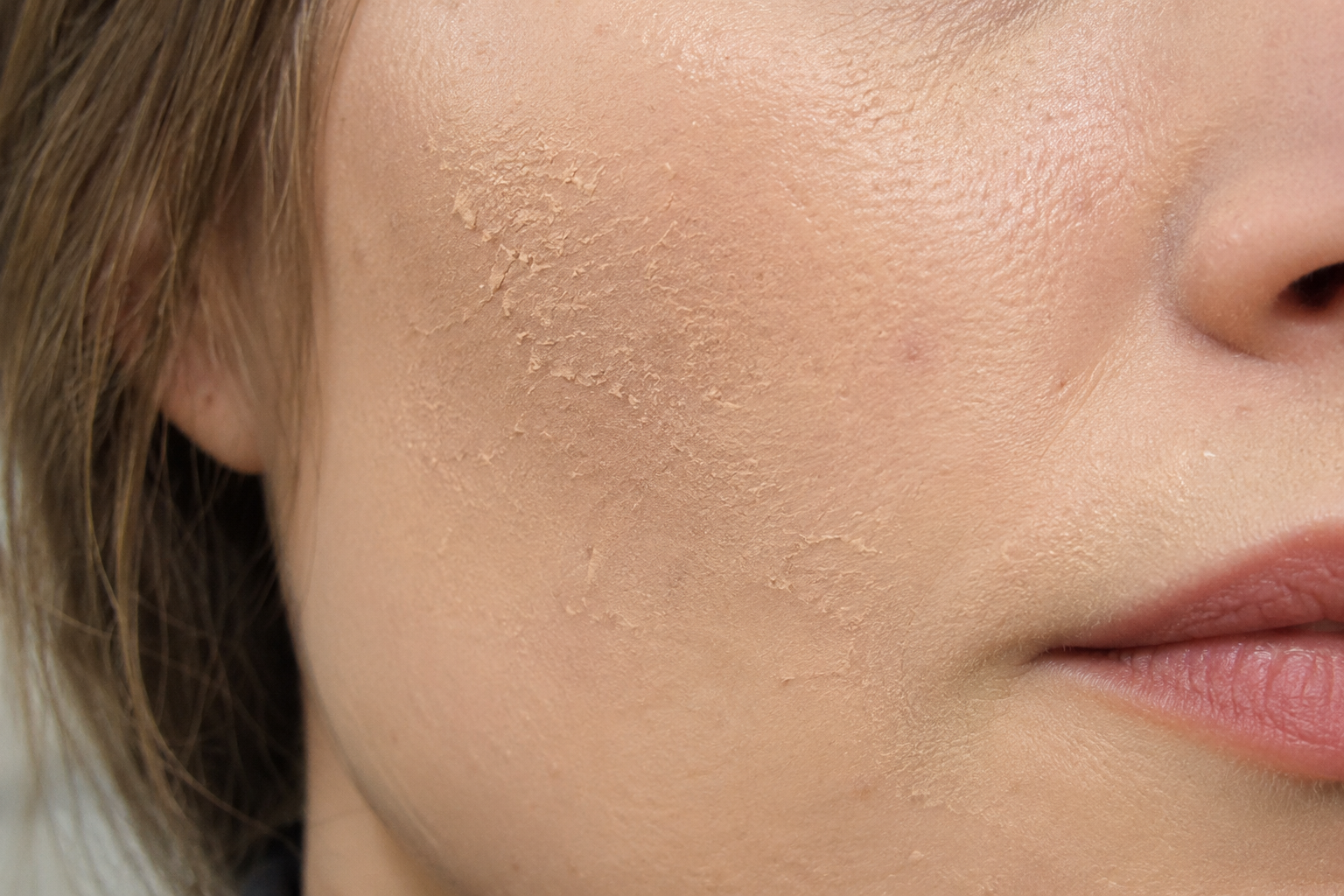
Your foundation looks dry, flaky, or patchy in winter, even though you’re using the same products that worked a few months ago? Cold weather, low humidity, and indoor heating can reduce your skin’s moisture, making foundation cling to rough patches and emphasize fine lines.
But flaky foundation isn’t always caused by dry skin, and more moisturizer isn’t always the answer. Skincare can improve the condition of the skin underneath your makeup, but it won’t fix a foundation that is incompatible with your skin or applied in a way that causes problems.
In this guide, we’ll look at what causes the issue, how to prepare your skin, and which Korean skincare products can help without overloading your routine.
Key Takeaways
✓ Flaky foundation isn’t always dry skin. Dryness, dehydration, and pilling can look alike but need different fixes.
✓ Skincare helps your skin, not your foundation formula. It can’t fix a foundation that is incompatible or poorly applied.
✓ Choose one hydrating step if you need it, rather than layering several serums and creams.
✓ Match your moisturizer to your skin type. Ceramide-rich creams suit dryness, while lighter gel-creams suit combination skin.
Some links are affiliate links. If you choose to purchase through them, it helps support my work at no extra cost to you.
In This Article
Why Does Foundation Look Flaky in Winter?
Foundation often looks dry and flaky in winter because cold weather, low humidity, and indoor heating can leave your skin dehydrated and its surface rougher than usual.
The main problem is moisture loss. Your skin’s outermost layer, the stratum corneum, acts as a protective barrier that helps retain water. When the air turns cold and dry, low temperatures and humidity can negatively affect skin barrier function, making it harder for skin to hold on to moisture. Tiny flakes and rough patches may develop that aren’t noticeable until foundation settles into them.
This isn’t exclusively a dry-skin problem. Oily and combination skin can also be dehydrated in winter, producing plenty of oil while still lacking water. The good news is that you don’t necessarily need a thicker foundation or a heavier face cream. Better hydration and skincare textures that sit well under makeup can make a noticeable difference.
Is It Dry Skin, Dehydration, or Makeup Pilling?
These three problems can look surprisingly similar, but they don’t have the same solution.
Dry skin often feels rough or tight before you apply makeup. You may notice small flakes around your nose, cheeks, or mouth, especially after cleansing.
Dehydrated skin lacks water, not necessarily oil. Your face might look shiny while still feeling tight, and fine lines can become more noticeable under foundation. Dryness and dehydration often occur together.
Makeup pilling happens when skincare or makeup forms tiny rolls or crumbs, usually while layering sunscreen or blending foundation. A 2024 study on skincare product pilling found that application technique, skin characteristics, and product formulations can all contribute.
Here’s a simple test: look at your skin before applying makeup. If flakes and rough patches are already visible, dry skin is likely involved. If your skin looks smooth but feels tight, dehydration may be contributing. If particles appear only as you layer products, pilling is more likely. These signs aren’t definitive, but they point you in the right direction.
And if foundation looks smooth at first but breaks apart later in the day, that’s usually makeup separation, which can involve excess oil, product interactions, or the foundation formula itself. More skincare won’t necessarily fix it.
How to Prep Your Skin Before Makeup in Winter
The goal is to keep skin hydrated, smooth, and comfortable without leaving too much product on the surface.
Cleanse gently. Use lukewarm water and a mild cleanser, or simply rinse if your skin doesn’t need a full morning cleanse. Don’t scrub off visible flakes, as over-exfoliation can worsen dryness and irritation.
Choose one hydrating step if needed. A lightweight toner, essence, or serum can help when skin feels tight. There’s no need to apply all three.
Keep moisturizer thin and targeted. Rich barrier creams you love at night may feel too heavy under foundation. Use a thin layer suited to your skin type, with a little extra only where you’re dry.
Finish with sunscreen in the recommended amount before makeup.
Related Article: Protect Your Skin Barrier This Winter with Korean Skincare
Choose Hydrating Toner for Winter Makeup Prep
A hydrating toner helps when your skin feels tight but you don’t want a thick moisturizer under foundation. Check the label for water-binding ingredients such as glycerin, betaine, and hyaluronic acid rather than assuming every milky toner is equally hydrating.
Related Article: Korean Milky Toners: How to Choose the Best Formula for Your Skin
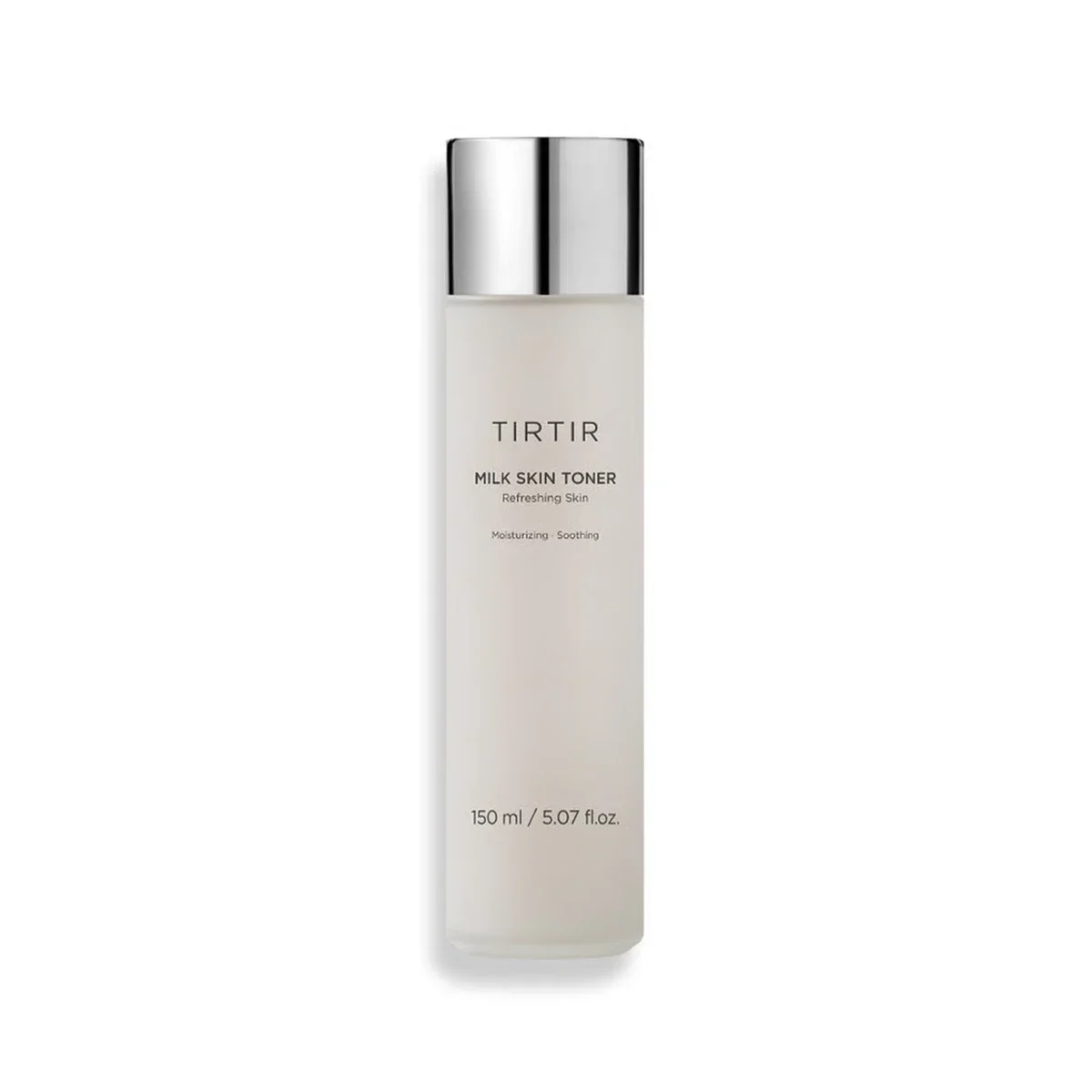
TIRTIR Milk Skin Toner
Where to buy
Key ingredients: Glycerin and butylene glycol near the top of the list, followed by niacinamide, with panthenol, betaine, sodium PCA, and sodium hyaluronate. Ceramide NP is present but far down the list, so I wouldn’t treat this as a dedicated ceramide treatment.
Best for: Dehydrated combination skin, or anyone whose foundation emphasizes tight, dry-looking areas. Despite the milky look, the formula is mainly water-based, so for winter makeup prep its main appeal is extra hydration without the richness of a barrier cream.
Limitations: It contains botanical extracts, including witch hazel and peppermint leaf, which may not suit reactive skin.
Best Korean Barrier and Hydrating Serums to Use Under Makeup
If you need more than a toner, a serum can add moisture without a heavy cream. Ceramides, cholesterol, and fatty acids are the principal lipids of the skin barrier, and a 2021 dermatology review describes how topical products containing them can support barrier restoration. Changes in these lipids and in barrier function are also involved in dry, flaky skin, which makes ceramides a reasonable ingredient to look for, though I’d treat them as supportive rather than a cure.
Texture matters most under makeup: water-based for dehydration, slightly richer for dryness.
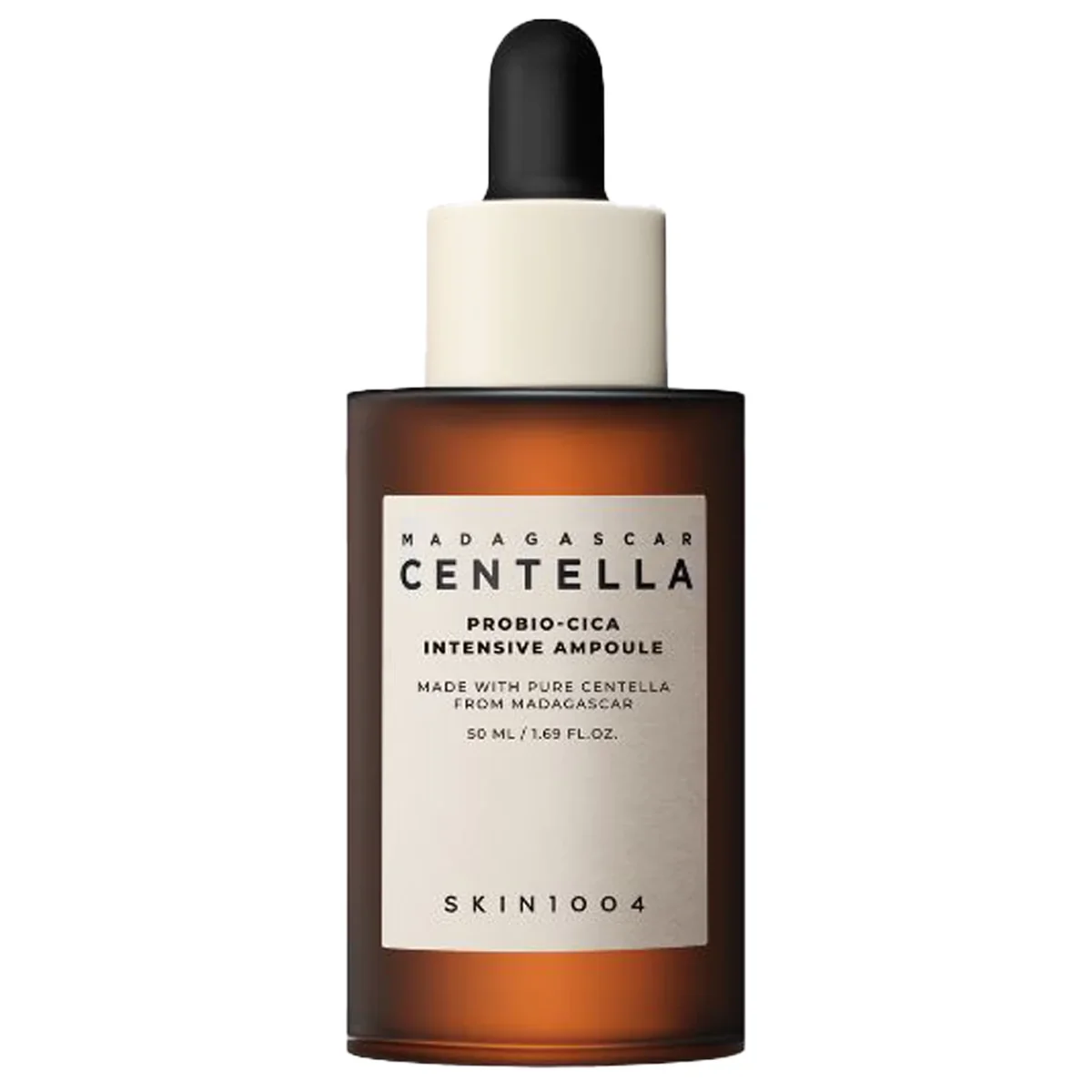
SKIN1004 Madagascar Centella Probio-Cica Intensive Ampoule
Where to buy
Key ingredients: Glycerin, niacinamide, fermented centella, panthenol, and allantoin, plus caprylic/capric triglyceride, hydrogenated lecithin, ceramide NP, fatty acids, and phytosterols.
Best for: Skin that feels dry and uncomfortable in winter. The milky, slightly viscous texture pairs humectants with emollients and lipids, so I’d consider it a good option for dry skin that needs extra comfort before foundation, and it may reduce the need for a separate heavy cream.
Limitations: The richer formula may feel too substantial for anyone who prefers a weightless base. Start with a small amount.
Related Article: Which SKIN1004 Serum Should You Use? A Skin-Type and Concern-Based Guide
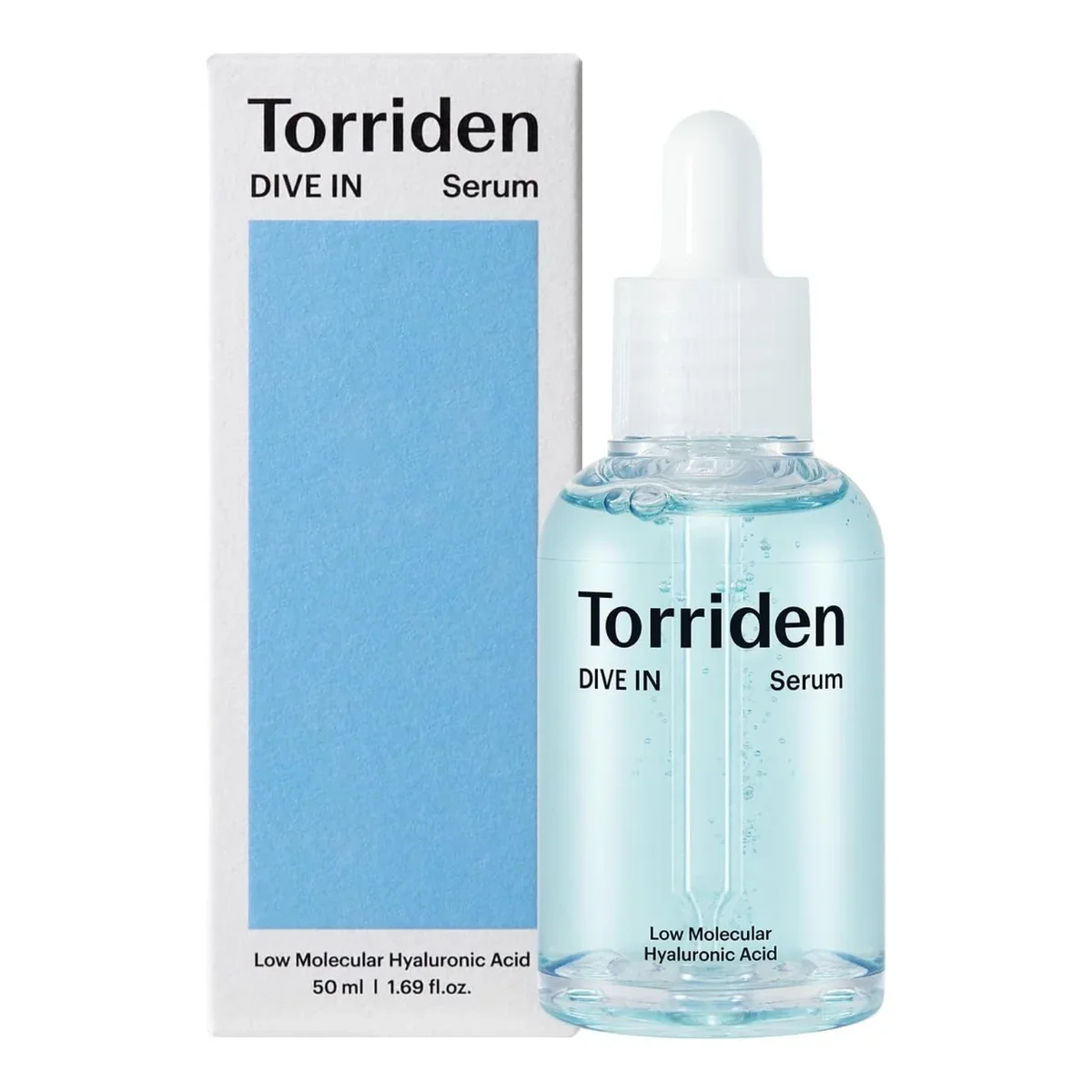
Torriden DIVE-IN Low Molecular Hyaluronic Acid Serum
Where to buy
Key ingredients: Five forms of hyaluronic acid with glycerin, panthenol, and betaine, plus allantoin and madecassoside. Ceramide NP and cholesterol are present in smaller amounts.
Best for: I’d particularly consider this for oily or combination skin that feels dehydrated but doesn’t tolerate rich skincare under foundation. Apply to slightly damp skin.
Limitations: This is primarily a hydration serum rather than a lipid-rich barrier treatment, so drier skin will likely need a moisturizer on top.
Related Article: How to Build the Perfect Oily Skin Care Routine
Best Korean Moisturizers to Wear Under Foundation in Winter
Most moisturizers combine humectants such as glycerin and panthenol, which draw in water; emollients such as squalane, which work into the skin’s surface lipids and soften; and occlusives, which sit on top and slow water loss (Harwood, 2024). The balance changes how foundation sits: lipid-rich creams comfort dry skin but can feel slippery under makeup. These three sit at different points on that spectrum.
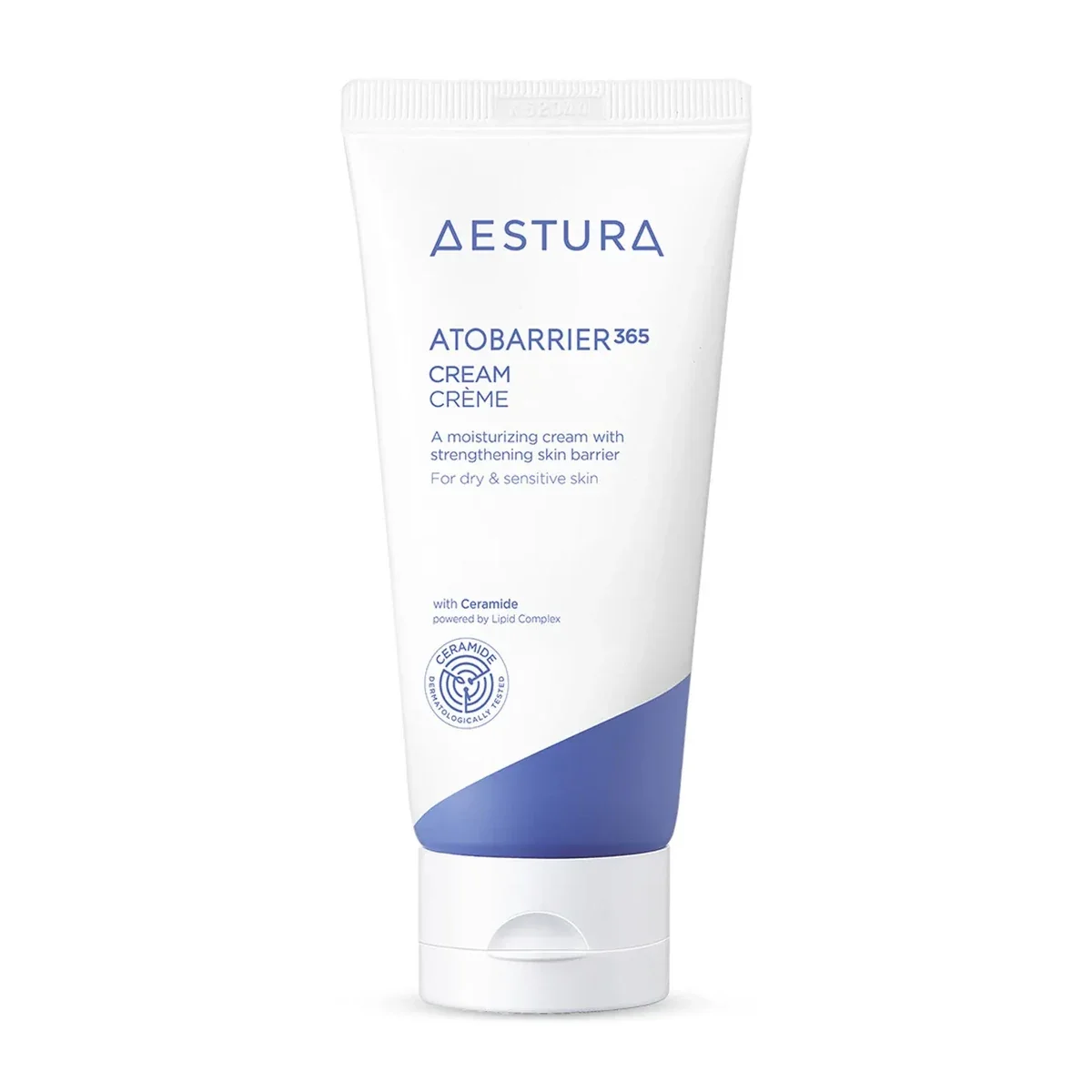
AESTURA ATOBARRIER365 Cream
Where to buy
Key ingredients: Glycerin, squalane, cholesterol, ceramides, and fatty acids, delivered partly through the brand’s ceramide capsules.
Best for: This is the cream I’d consider for genuinely dry winter skin, especially in rough patches where foundation tends to cling.
Limitations: It’s richer and more substantial than the other options here, so use a thin layer rather than a thick coat before makeup.
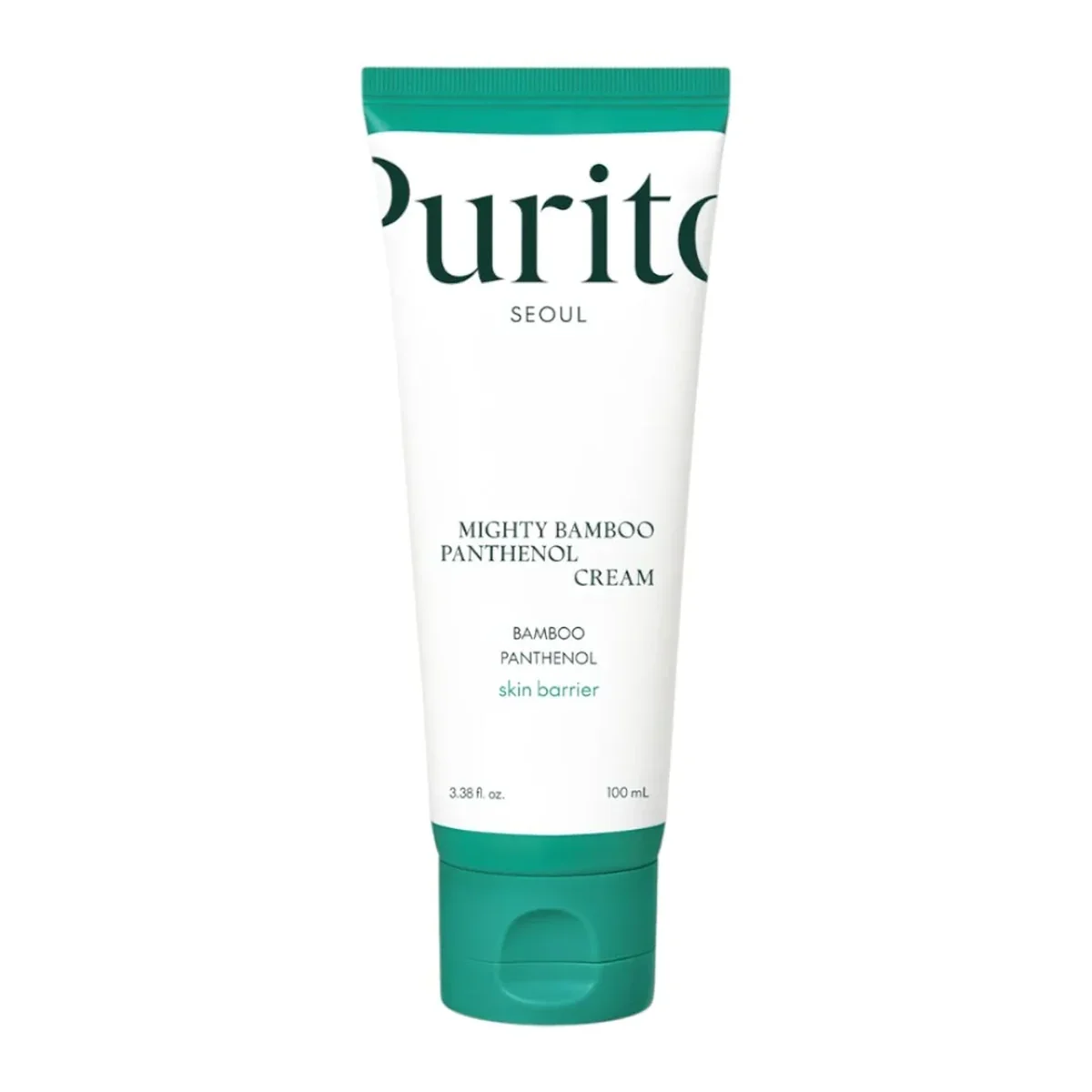
Purito SEOUL Mighty Bamboo Panthenol Cream
Where to buy
Key ingredients: 10% panthenol, squalane, niacinamide, bamboo extract, and soothing centella. It has no added fragrance or essential oils.
Best for: It’s a gel-cream with a dewy look, well suited to normal, combination, or dehydrated skin that wants moisture without a heavy finish.
Limitations: It contains no ceramides, so it’s a panthenol moisturizer rather than a ceramide cream. Very dry skin may need something richer, and if you already use a hydrating serum, start with a small amount.
Related Article: How to Build a Dry Skin Care Routine That Actually Works
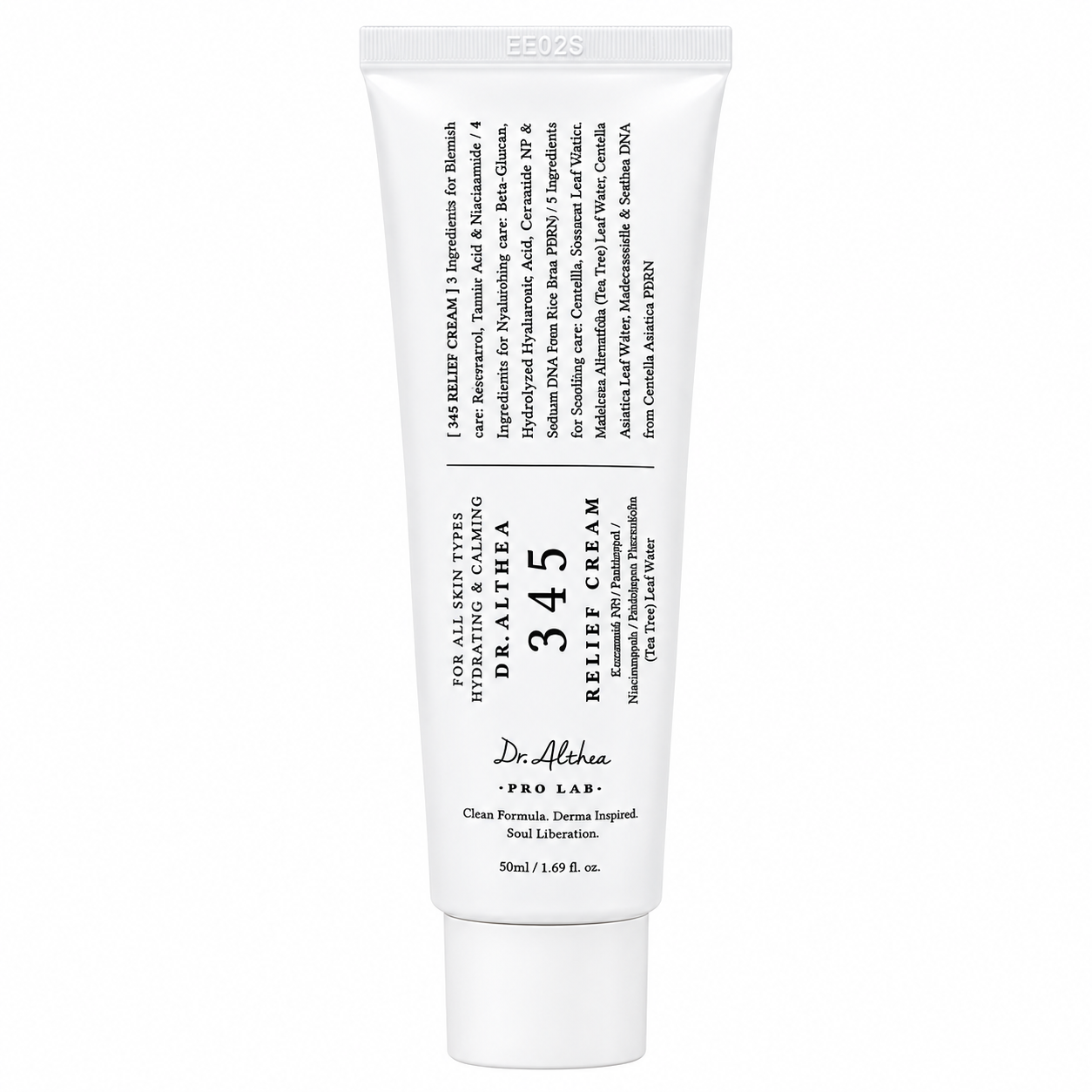
Dr. Althea 345 Relief Cream (Version 2.)
Where to buy
Key ingredients: Glycerin, niacinamide, panthenol, lightweight emollients, and silicones. Ceramide NP and sodium DNA appear near the end of the list.
Best for: Combination or slightly oily skin with occasional dry patches. It’s less lipid-heavy than AESTURA, and I’d consider the mix of hydration, lightweight emollients, and silicones more relevant to its potential as a comfortable makeup base than its small amount of ceramide.
Limitations: Tea tree leaf water is the second ingredient in this version. That isn’t the same as tea tree oil, but reactive skin should patch test. The formula changed, so check you’re buying the new version.
Can Facial Mists Help With Dry, Flaky Makeup?
Facial mists can offer a modest, temporary improvement to dry-looking makeup, but the benefit depends on the formula. A mist with humectants and lightweight emollients is likelier to help than plain water, and none replaces a moisturizer.
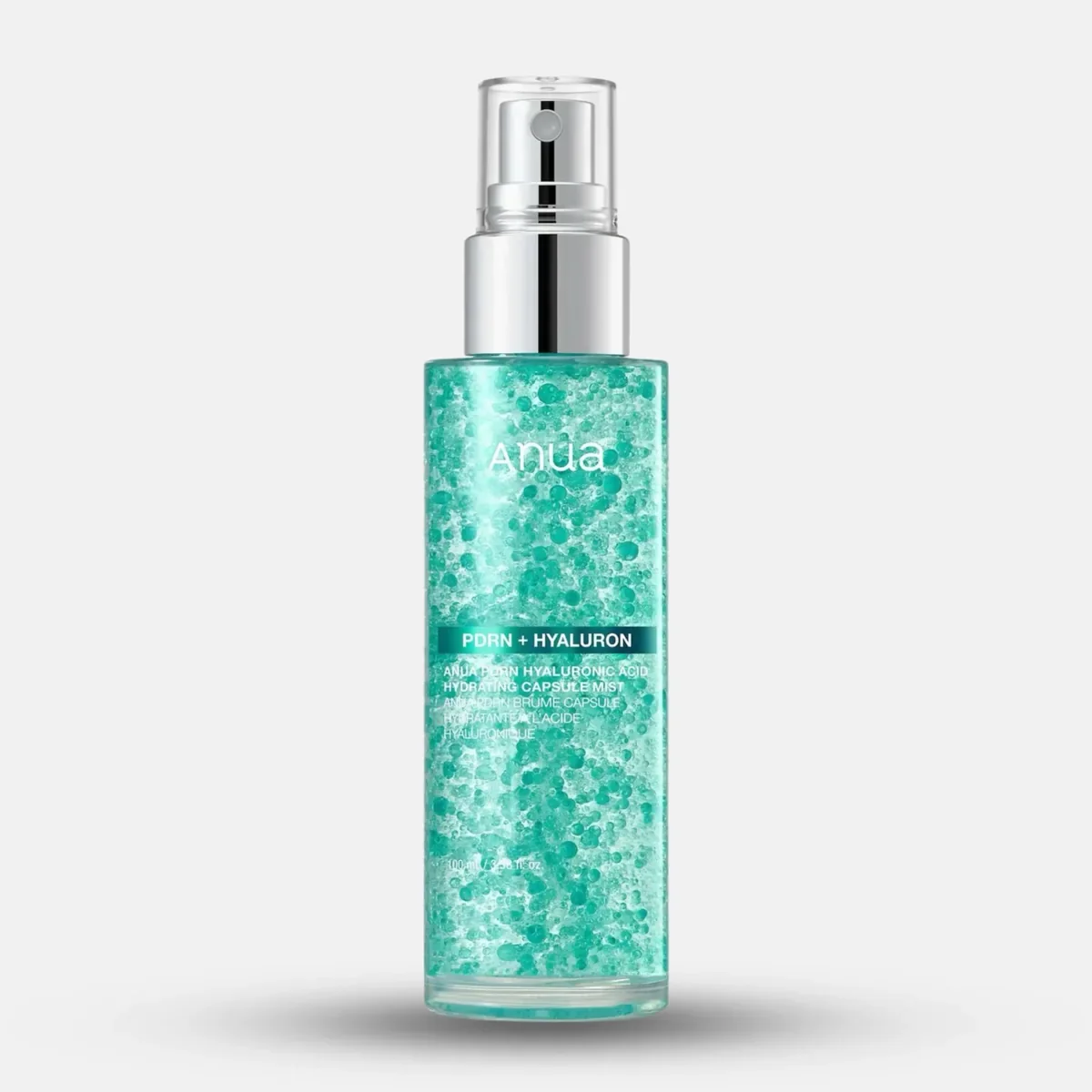
Anua PDRN Hyaluronic Acid Hydrating Capsule Mist
Where to buy
Key ingredients: Panthenol, hyaluronic acid, hydroxyethyl urea, silicones, and fine oil droplets, plus sodium DNA (PDRN) and hydrolyzed collagen. I’d consider the humectants and light emollients more relevant to winter makeup than the PDRN itself.
Best for: Refreshing makeup that looks dull or powdery by midday. It’s marketed for use before and after makeup; spray lightly from a distance.
Limitations: It won’t repair foundation that is already clinging to flakes, pilling, or separating. That needs to be addressed before makeup.
Related Article: Are Jelly Mists Worth It? The Best Korean Face Mists
How to Layer Skincare Under Foundation Without Pilling
Even good products can pill when layered together. How much you apply, how quickly you layer, and how much you rub all matter.
1. Keep layers minimal. Choose what your skin needs rather than stacking products with similar jobs.
2. Let each layer settle. Foundation over a wet or sticky moisturizer blends poorly. There’s no universal waiting time, because formulas absorb differently.
3. Use the full amount of sunscreen. Don’t cut back to prevent pilling, and don’t mix it into your moisturizer or makeup.
4. Press, don’t rub. Tap foundation on with a sponge or brush so you don’t disturb the layers underneath.
5. Watch the silicones. Dr. Althea 345 and the Anua spray both contain silicones, as do many primers. Layers like these can feel slippery, and water-based makeup over them may bead or pill, while water-based skincare underneath is usually less of an issue. If pilling persists, check for silicones in your skincare and primer (Bains, 2023).
If foundation still pills, remove one product at a time to find the culprit. Sometimes two good products simply don’t layer well together.
The Bottom Line
If your foundation suddenly looks dry or flaky in winter, don’t immediately blame your makeup. Changes in hydration, surface texture, and barrier function all affect how it wears. A lightweight hydrating step is often enough, while genuinely dry skin may benefit from a ceramide-containing moisturizer.
As a rough guide from this list: dry skin may suit SKIN1004 and AESTURA, dehydrated combination or oily skin may suit TIRTIR or Torriden with Purito or Dr. Althea, and reactive skin should check the botanical extracts in TIRTIR and the tea tree leaf water in Dr. Althea first. Whatever you choose, introduce one new product at a time so you can tell what’s working.
And if foundation still pills or separates despite good prep, the problem is more likely the combination of products or the formula than your skin.
For more practical, science-based skincare advice, explore my skincare guides and eBook, or discover my personalized skincare consultations for a routine tailored to your skin.




Even your favorite foundation can cling to dry patches in winter. Discover common makeup mistakes and simple Korean skincare fixes for a smoother finish.