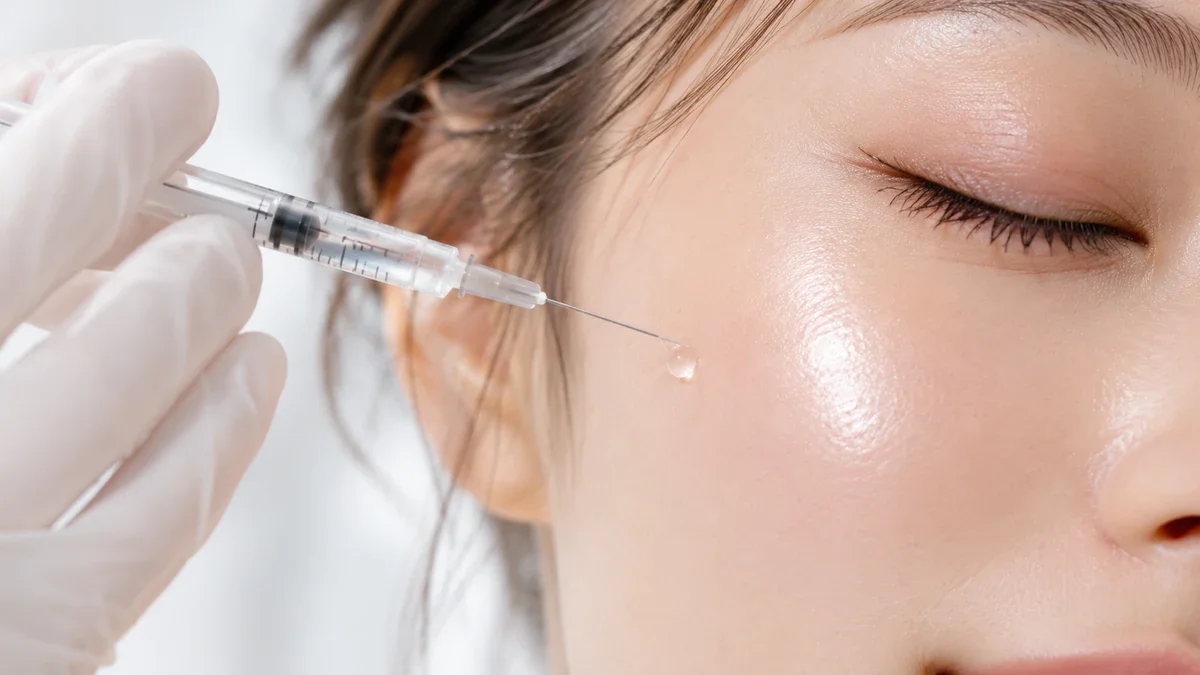
Re2O is suddenly getting a lot of attention in Korean aesthetic clinics, although it is not brand new. Launched in Korea in late 2024, the injectable has become much more visible in 2026 as its use has expanded and new versions have been introduced.
What makes Re2O unusual is what it contains: human acellular dermal matrix (hADM), derived from donated human skin tissue with the cells removed while components of the extracellular matrix remain.
And that raises an interesting question for skincare: could the extracellular-matrix concept eventually follow PDRN from the clinic into topical products?
Key Takeaways
✓ Re2O is not a PDRN or PN skin booster. It uses human acellular dermal matrix, a processed form of donated human dermal tissue that retains its extracellular matrix structure.
✓ There is currently no topical equivalent of Re2O. Much of its function depends on placing a physical ECM scaffold directly into the dermis, something a cream or serum cannot reproduce.
✓ sh-Polypeptide-121 provides a more realistic connection between ECM science and topical skincare. It is a biotechnology produced collagen related ingredient based on a human collagen sequence and is already used in several Korean skincare products.
✓ The technology is ahead of the evidence. sh-Polypeptide-121 is different from ordinary hydrolyzed collagen, but independent clinical research showing that it produces substantially better results on human skin is still limited.
Some links are affiliate links. If you choose to purchase through them, it helps support my work at no extra cost to you.
What Is Re2O and How Does It Work?
Re2O is an injectable made from human acellular dermal matrix (hADM). Donated human dermal tissue is carefully processed to remove the cells while preserving much of its extracellular matrix, the structural framework that normally surrounds and supports cells in the skin.
A simple way to picture this is to think of the extracellular matrix as the scaffolding of a building. Skin cells live and work within that supporting structure. With Re2O, part of that framework is placed directly into the dermis rather than simply giving the skin an ingredient that tells it to make more collagen.
Once injected, surrounding cells can interact with the implanted matrix. Early research suggests that fibroblasts can migrate into it and new collagen can form around it. A small 2026 clinical study also reported improvements in elasticity, wrinkles, pores and skin density, although Re2O is still relatively new and the clinical evidence remains limited.
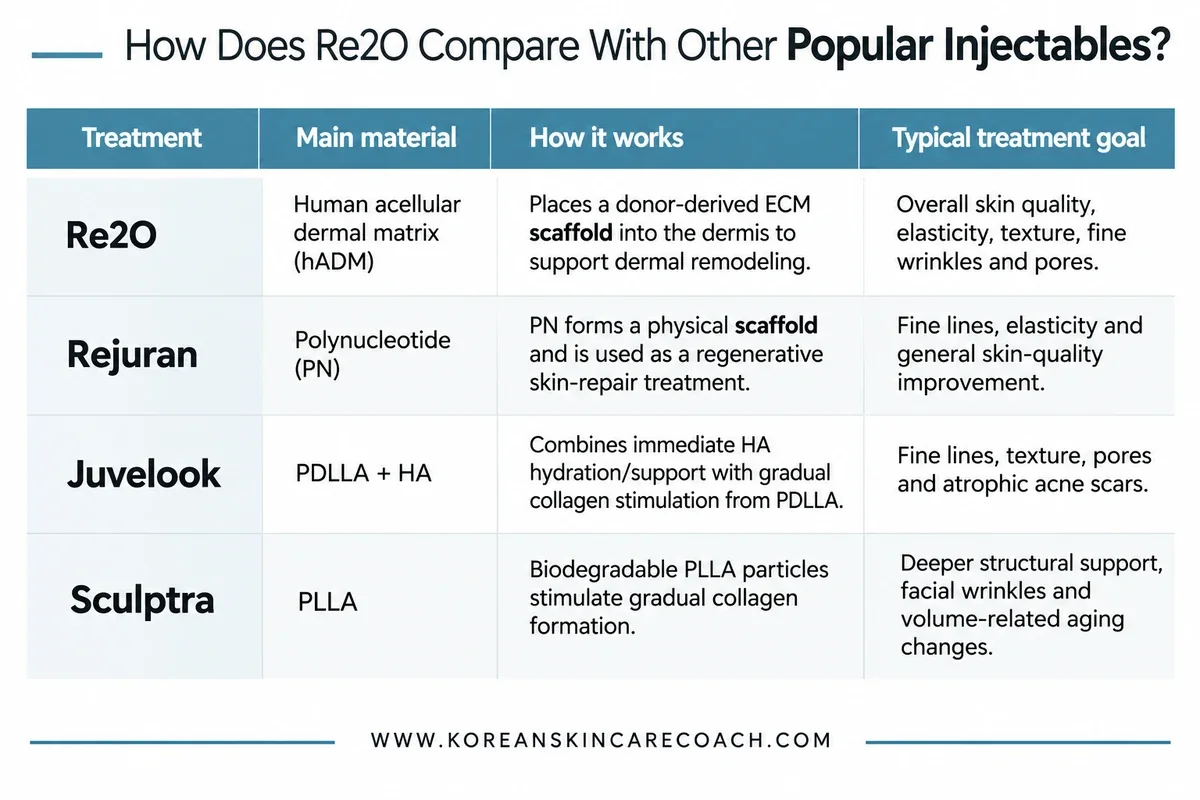
The key difference is that Re2O introduces donor derived extracellular matrix material itself. Rejuran uses polynucleotides, while Juvelook and Sculptra rely on biodegradable synthetic materials that encourage collagen production over time.
Re2O is also relatively expensive. Current Seoul clinic prices are commonly around ₩650,000 to ₩900,000 per treatment or vial, roughly US$485 to $675, although pricing varies considerably depending on the clinic, amount used and treatment area.
Note: PDRN and Rejuran are often blurred together in skincare discussions, but they are not exactly the same. Both PDRN and PN are used as injectable treatments. Rejuran specifically contains polynucleotide (PN), which consists of longer DNA chains, while PDRN contains shorter DNA fragments and is also available in injectable pharmaceutical preparations. They are closely related, but not interchangeable terms.
Could Re2O Ever Work as Topical Skincare?
Not in the same way. There is currently no topical skincare equivalent of Re2O.
Re2O is injected directly into the dermis, where its extracellular matrix can act as a physical scaffold. A cream or serum has to cross the skin barrier first. Think of it as placing scaffolding inside a building that needs repair versus leaving it outside the front door.
But what about PDRN? PDRN could move into skincare because it is made of DNA fragments that can be incorporated into cosmetic formulas. Even then, topical PDRN does not behave exactly like an injection and skin penetration remains an important limitation.
Re2O is different because much of its function depends on the three dimensional structure of the extracellular matrix itself. Breaking that structure down enough to make it suitable for topical delivery would also change what makes Re2O unique.
There is, however, another connection between ECM biology and skincare.
Collagen is one of the major structural proteins of the extracellular matrix, and biotechnology has made it possible to produce collagen related human proteins without obtaining them directly from human tissue. One of these ingredients is already used in Korean skincare: sh-Polypeptide-121, a recombinant human collagen ingredient produced through fermentation.
It is not hADM, it is not a complete extracellular matrix, and it cannot be considered topical Re2O. But it creates a clear link between the growing interest in extracellular matrix treatments and what is already possible in a skincare formula.
What Is sh-Polypeptide-121?
Sh-Polypeptide-121 is a lab made collagen related ingredient designed to mimic part of a human collagen protein. Instead of being extracted from fish, cows or other animal tissue, it is produced through biotechnology using fermentation.
A simple way to picture this is to imagine microorganisms acting like tiny factories. Scientists give them the genetic instructions for a specific human collagen related protein, and the microorganisms produce it during fermentation.
This is quite different from the hydrolyzed collagen found in many creams. Hydrolyzed collagen is regular collagen that has been broken into smaller pieces. sh-Polypeptide-121 is made specifically to resemble a human collagen related sequence from the beginning.
So where does the ECM connection come in? Collagen is one of the main building materials of the skin’s extracellular matrix. That means sh-Polypeptide-121 is not an extracellular matrix itself, but it is directly connected to one of its most important components.
Is it better than regular collagen in skincare?
Possibly, but the evidence is still limited.
Supplier studies on a commercial version called HumaColl21 have reported improvements in measures such as elasticity and wrinkles. However, most of this research comes from the ingredient manufacturer, and there is still very little independent clinical research on sh-Polypeptide-121 itself.
So the technology is clearly different from ordinary topical collagen. Whether that difference leads to noticeably better results on real skin is still an open question.
Which Korean Skincare Products Contain sh-Polypeptide-121?
Several Korean skincare products already contain sh-Polypeptide-121, although the ingredient is rarely promoted prominently on the packaging. It is more often included as part of a peptide or collagen focused formula.
The products below are currently available examples of Korean skincare containing sh-Polypeptide-121.
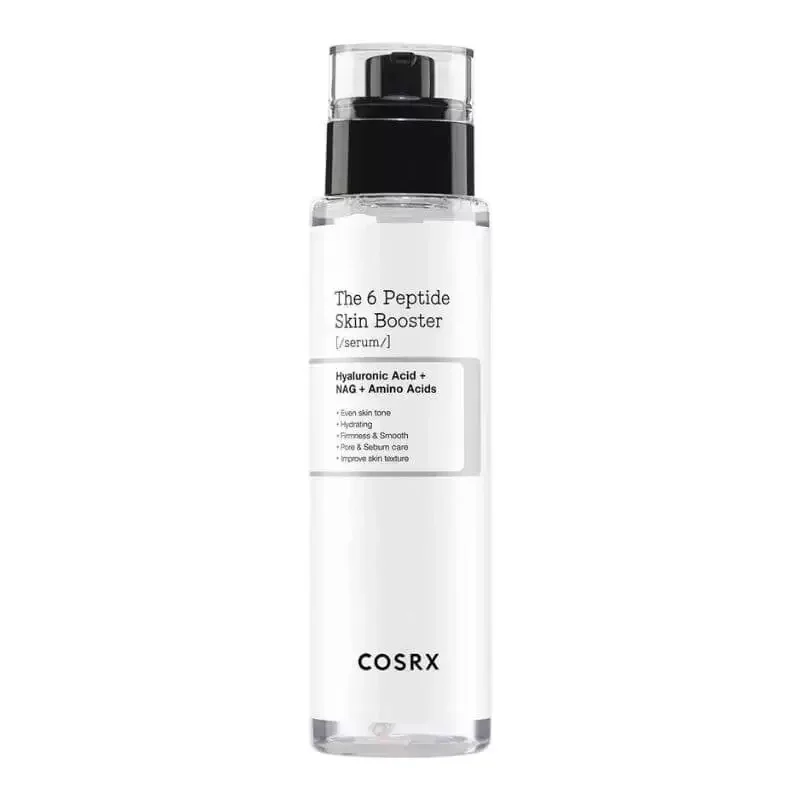
COSRX The 6 Peptide Skin Booster Serum
Where to buy
COSRX The 6 Peptide Skin Booster Serum contains sh-Polypeptide-121 alongside five other peptides, including copper tripeptide-1 and acetyl hexapeptide-8. The formula also contains niacinamide, adenosine, sodium hyaluronate, N-acetylglucosamine, allantoin and a mixture of amino acids and natural moisturizing factors.
Despite that long ingredient list, this feels much closer to a hydrating toner than a traditional serum. It is very watery, absorbs quickly and is designed to go directly after cleansing. That makes it particularly useful if you have combination or oily skin and want to add peptides without another creamy layer. Dehydrated skin also gets plenty of humectant support from glycerin, sodium PCA, sodium lactate, betaine and hyaluronic acid.
For dry skin, I would treat it as a first hydrating layer rather than the main serum or moisturizer. The formula is also fragrance free and has been tested as non-comedogenic on acne-prone skin.
Related Article: Why Are So Many Skincare Products Blue? Guaiazulene, Copper Peptides and More
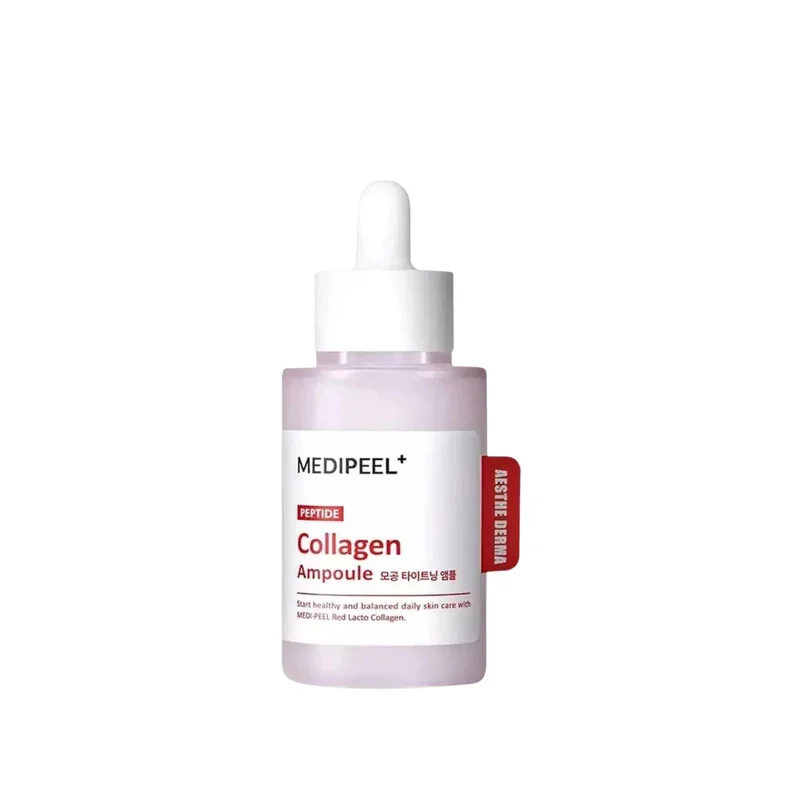
MEDI-PEEL Red Lacto Collagen Tightening Ampoule
Where to buy
MEDI-PEEL Red Lacto Collagen Tightening Ampoule contains sh-Polypeptide-121 at a disclosed 20 ppb, so it is present in a very small amount rather than being the main feature of the formula.
The rest of the formula is actually more interesting for hydration and barrier support. It contains 8,700 ppm bifida ferment lysate, niacinamide, glycerin, ectoin, eight forms of hyaluronic acid, squalane and ceramide NP, together with several additional peptides including copper tripeptide-1 and acetyl hexapeptide-8.
Compared with the watery COSRX serum, this has more emollient ingredients near the top of the list, giving it a smoother, slightly richer feel. It makes more sense for dehydrated, normal or dry skin, or for combination skin that wants something more cushioning rather than an almost toner-like serum.
One thing to note if your skin is very reactive or you avoid essential oils: the formula contains chamomile flower oil.
Related Article: How to Build an Anti-Aging Routine That Protects Your Skin Barrier
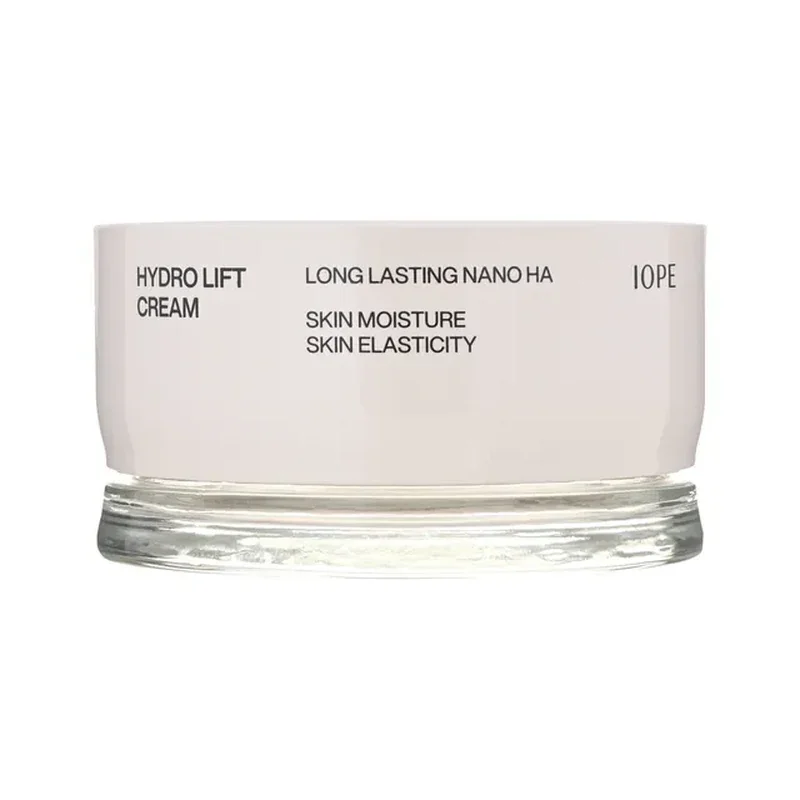
IOPE Hydro Lift Cream
Where to buy
IOPE Hydro Lift Cream comes from one of Amorepacific’s most research focused skincare brands, so it is a fitting place to find an ingredient like sh-Polypeptide-121. IOPE has long positioned itself around skin biology, functional ingredients and clinical research rather than trend driven formulas.
The cream itself is much more substantial than the COSRX serum. It is designed as a moisturizing elasticity cream, with enough emollience to leave the skin feeling cushioned rather than simply hydrated for a few minutes. That makes it more suitable for normal, dry or dehydrated skin, especially if fine lines look more noticeable when the skin is lacking moisture.
There are also two different collagen approaches in the same formula. Hydrolyzed collagen mainly contributes at the surface, where it can support hydration and smoothness, while sh-Polypeptide-121 represents the more biotechnology driven side of the formula.
If your skin is very sensitive or you prefer completely fragrance free skincare, keep in mind that this cream does contain fragrance.
SUNGBOON EDITOR Deep Collagen Silk Peptide EGF Intensive Ampoule
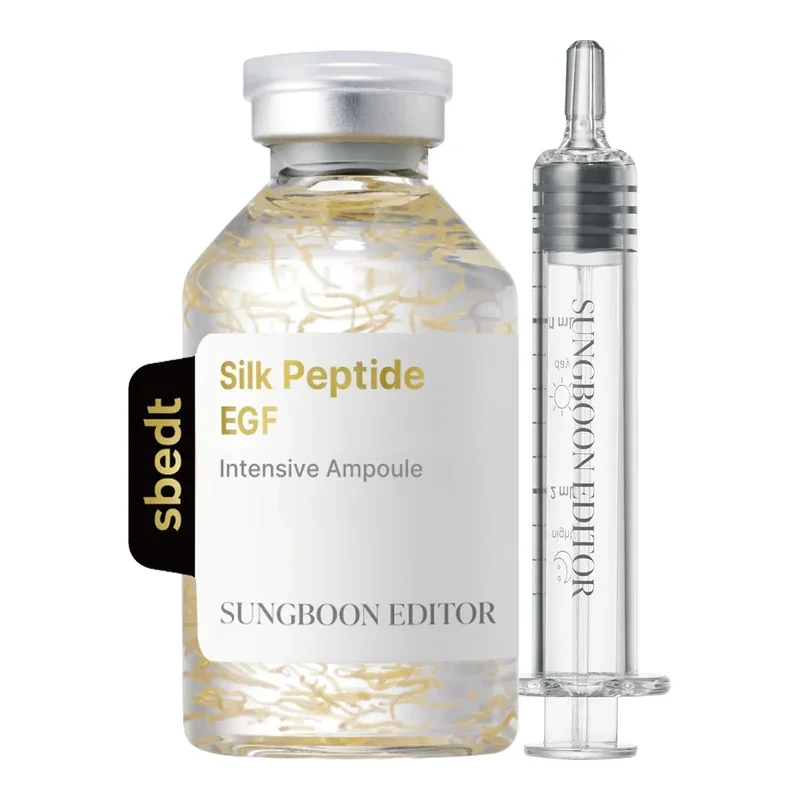
This is by far the most ingredient packed formula in the group. Instead of relying on one type of collagen or one peptide complex, SUNGBOON EDITOR combines hydrolyzed collagen, collagen, hydrolyzed elastin and several peptides, with sh-Polypeptide-121 included among them.
The formula leans heavily toward hydration and plumping. Several forms of hyaluronic acid, squalane, panthenol and niacinamide help soften and cushion dehydrated skin, while the peptide blend adds a broader firming focus. It makes the most sense for normal, dehydrated or dry skin that wants several hydration and elasticity focused ingredients in one step.
The syringe style applicator is also a fun design choice and fits the treatment inspired concept of the product.
Related Article: Exosomes vs Growth Factors vs PDRN: What They Do and How They Compare
Will ECM Skincare Be the Next PDRN Trend?
It is too early to say, but the pattern is familiar. PDRN first became well known through regenerative medicine and injectable treatments before appearing everywhere in Korean skincare. Re2O is now bringing another term into the spotlight: the extracellular matrix, or ECM.
Topical skincare cannot recreate what Re2O does inside the dermis, but biotechnology is already making individual ECM related components more practical for cosmetics. sh-Polypeptide-121 is one example. Rather than trying to put an entire dermal matrix into a cream, skincare may move toward ingredients that mimic or reproduce selected parts of that structure.
Whether this becomes the next major K beauty trend will depend on something less exciting than marketing: whether better clinical evidence follows.
Related Article: Korean Clinical Grade Skincare in 2026: Advanced Brands and Technologies You May Not Know Yet
Frequently Asked Questions
Is Re2O made from donated human skin?
Yes. Re2O is produced from donated human dermal tissue that is processed to remove the living cells while preserving parts of the extracellular matrix. The final material is therefore acellular, but it originates from human skin tissue.
How long do Re2O results last?
Re2O is still relatively new, so there is not enough long term clinical data to give a precise duration for everyone. Results are expected to develop gradually as the implanted matrix interacts with the surrounding tissue, but longevity can vary with the treatment area, amount injected and individual skin.
Does Re2O add facial volume like a filler?
Not in the same way as a traditional hyaluronic acid filler. Re2O is mainly used to improve skin quality and dermal structure rather than to create immediate contour or replace lost facial volume.
Is sh-Polypeptide-121 vegan?
It is produced through biotechnology rather than being extracted from fish, bovine collagen or donated human tissue. However, whether a finished product can be considered vegan depends on the entire formula and the manufacturer’s production process, not this ingredient alone.
Can sh-Polypeptide-121 be used with retinoids or vitamin C?
There is no known reason that sh-Polypeptide-121 needs to be separated from retinoids or vitamin C. In practice, the compatibility of a product depends much more on the rest of the formula and how sensitive your skin is to the other active ingredients in your routine.
Is sh-Polypeptide-121 safe during pregnancy?
There is no specific evidence suggesting that this cosmetic ingredient presents a pregnancy related concern when used topically. However, pregnancy safety data for individual newer cosmetic peptides are generally limited, so the rest of the formula should also be checked before choosing a product.
The Bottom Line
Re2O and topical skincare are not interchangeable, but the interest around extracellular matrix technology is already starting to overlap with what we see in K beauty. Ingredients such as sh-Polypeptide-121 show how biotechnology can bring individual parts of that story into everyday skincare, even if the evidence is still developing.
If you are not sure which ingredients or products make sense for your skin, you can start with my Skin Type Quiz or book a personalized skincare consultation for a routine built around your skin type, concerns and current products.


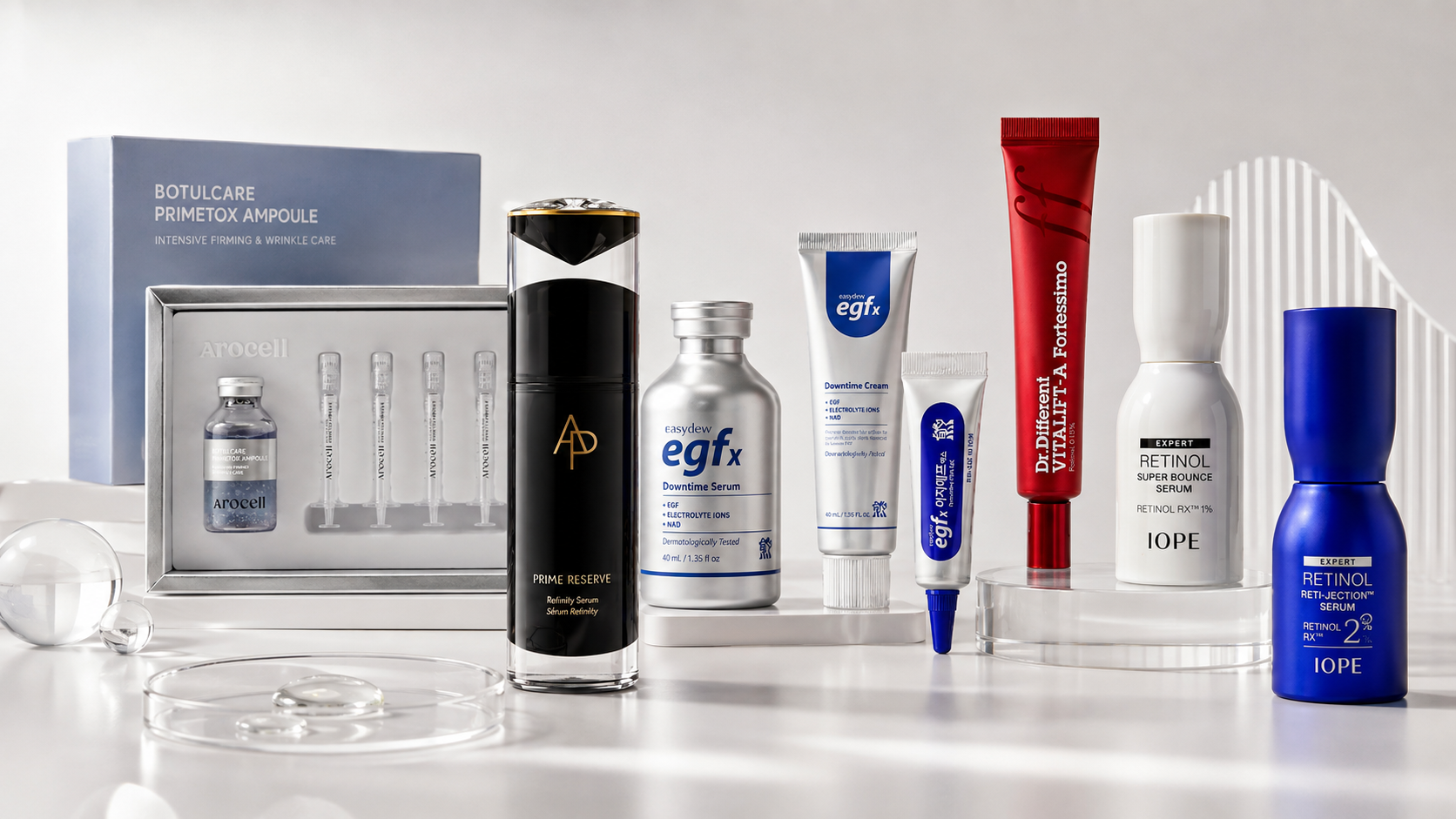


Re2O is bringing extracellular matrix technology into the spotlight. Could the same idea eventually move from injectable treatments into topical K-beauty?