Hypochlorous Acid for Acne-Prone Skin: What It Does and When It Helps
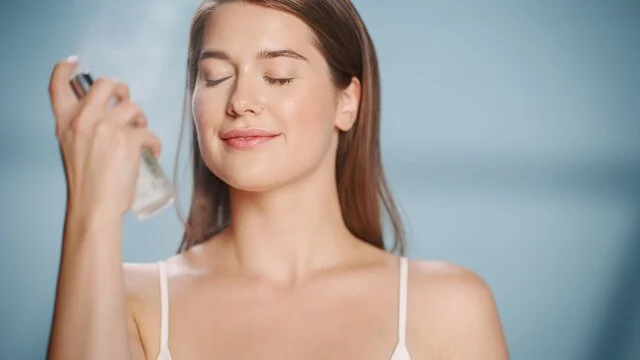
Hypochlorous acid can be a useful supportive ingredient for acne-prone skin, especially when redness, irritation, or frequent breakouts are part of the picture. It has antimicrobial and anti-inflammatory properties, but it is not a replacement for established acne ingredients such as retinoids, benzoyl peroxide, or salicylic acid.
In this guide, I’ll explain how hypochlorous acid works, what the evidence actually shows for acne-prone skin, how to use it without overcomplicating your routine, and which sprays are worth considering.
Key Takeaways
✓ Hypochlorous acid can be a useful addition for inflamed, acne-prone skin without the drying effects of many traditional acne treatments.
✓ It is often most helpful for redness, irritation, post-workout breakouts, and maskne.
✓ Most people use hypochlorous acid as a supportive step rather than a primary acne treatment.
✓ The best formulas focus on stability, packaging, and appropriate concentration rather than marketing claims.
✓ Korean brands are increasingly incorporating HOCl into barrier-friendly, sensitive-skin-focused routines.
In This Article
Some links are affiliate links. If you choose to purchase through them, it helps support my work at no extra cost to you.
What Is Hypochlorous Acid?
Hypochlorous acid (HOCl) is a molecule your immune system naturally produces as part of its defense against microbes. White blood cells generate it during the innate immune response, where it helps control bacteria and other microorganisms. A 2025 dermatology review summarizes this natural role as well as its growing use in topical skin products.
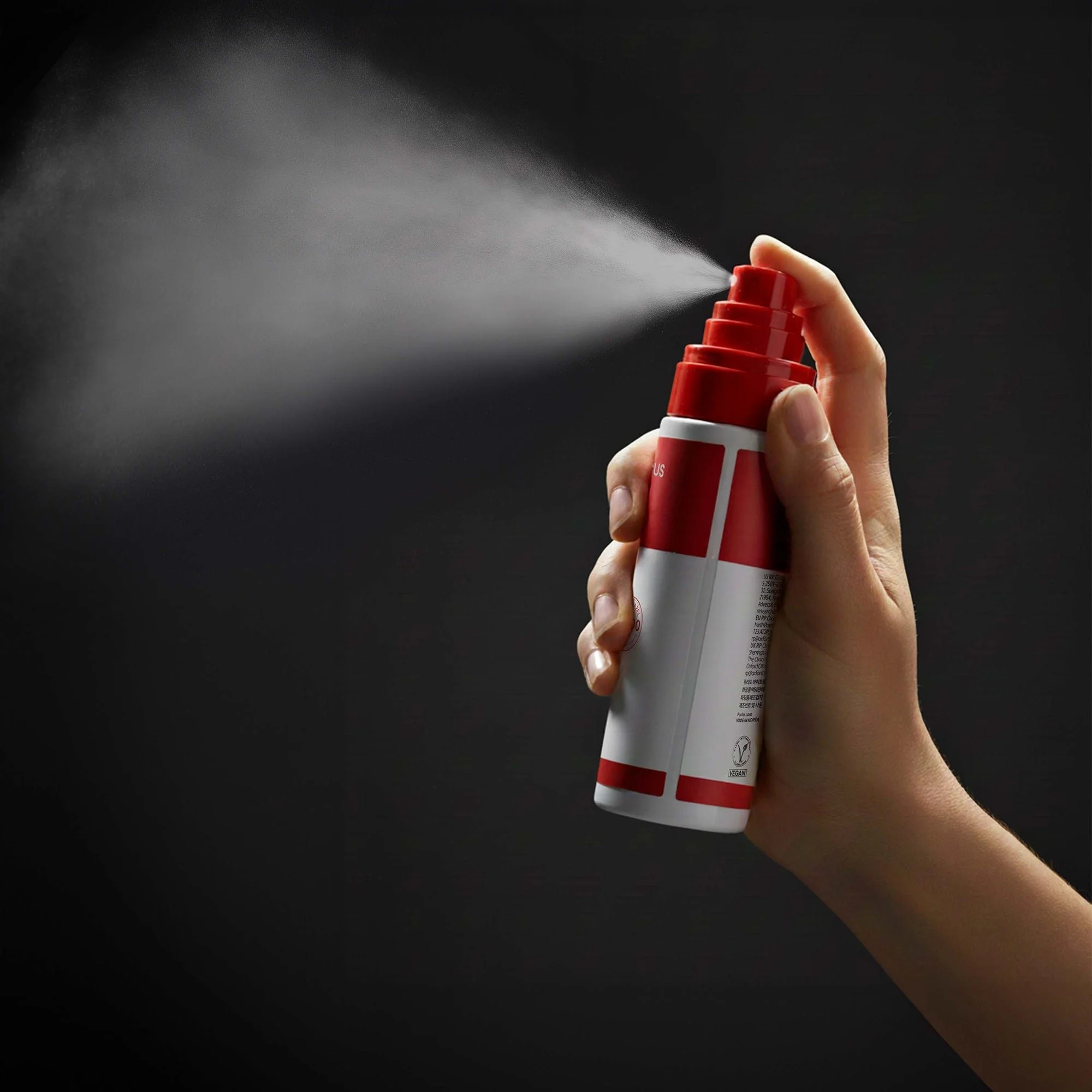
For skincare and medical use, HOCl can be produced from water and salt through electrochemical processes and then stabilized in solution. It has been used for years in wound care because of its antimicrobial activity and generally good skin tolerability. Research on topical HOCl has also looked at its anti-inflammatory properties and use in several inflammatory skin conditions.
More recently, HOCl sprays have moved into everyday skincare, especially for acne-prone, sensitive, or easily irritated skin.
Unlike exfoliating acids or traditional acne actives, HOCl is not mainly there to unclog pores or speed up skin turnover. Its role is more supportive: helping reduce microbial load and calm inflammation without adding another strong active to the routine.
Why Can Hypochlorous Acid Help Inflamed Acne-Prone Skin?
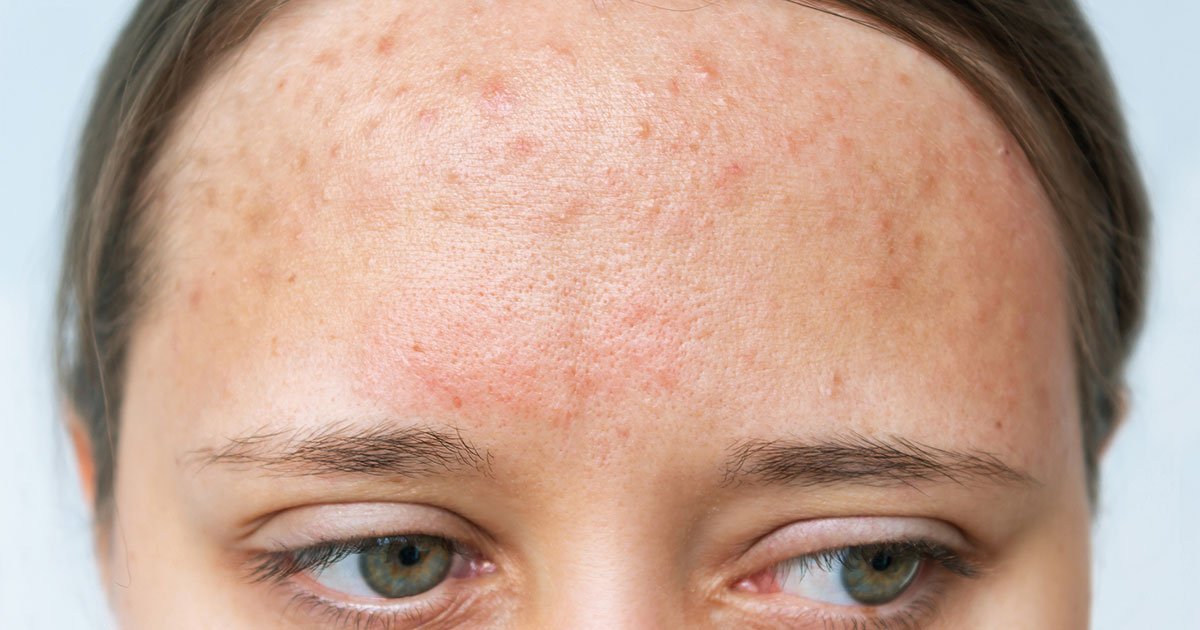
Hypochlorous acid can be useful for acne-prone skin because it combines antimicrobial activity with anti-inflammatory effects without acting like a strong exfoliant. That makes it especially appealing when breakouts are accompanied by redness, sensitivity, or irritation.
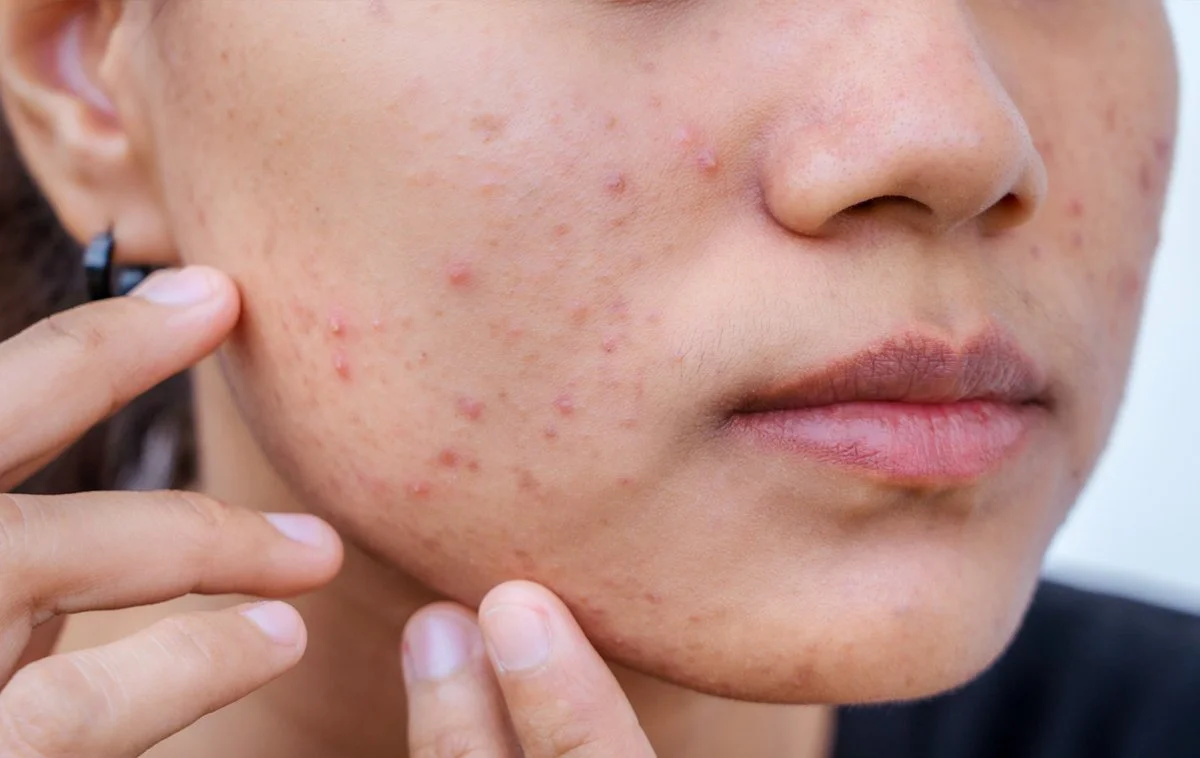
Acne is not only about clogged pores. Inflammation and changes in the skin microbiome are also part of the process. The 2025 review of topical hypochlorous acid also discusses its antimicrobial and anti-inflammatory activity, including its potential use as a supportive option for acne-prone skin.
This can make HOCl particularly practical after exercise, sweating, mask wearing, or other situations where heat, friction, and bacteria build up on the skin. Because it is usually delivered as a very light water-based spray, it can also fit into a routine without adding another heavy or potentially irritating layer.
But I would keep expectations realistic. HOCl does not unclog pores or regulate skin cell turnover, so it cannot replace ingredients such as salicylic acid, retinoids, or benzoyl peroxide when those are needed. Its role is better thought of as a gentle supporting step for inflamed, easily irritated acne-prone skin.



Who May Benefit Most From Hypochlorous Acid?
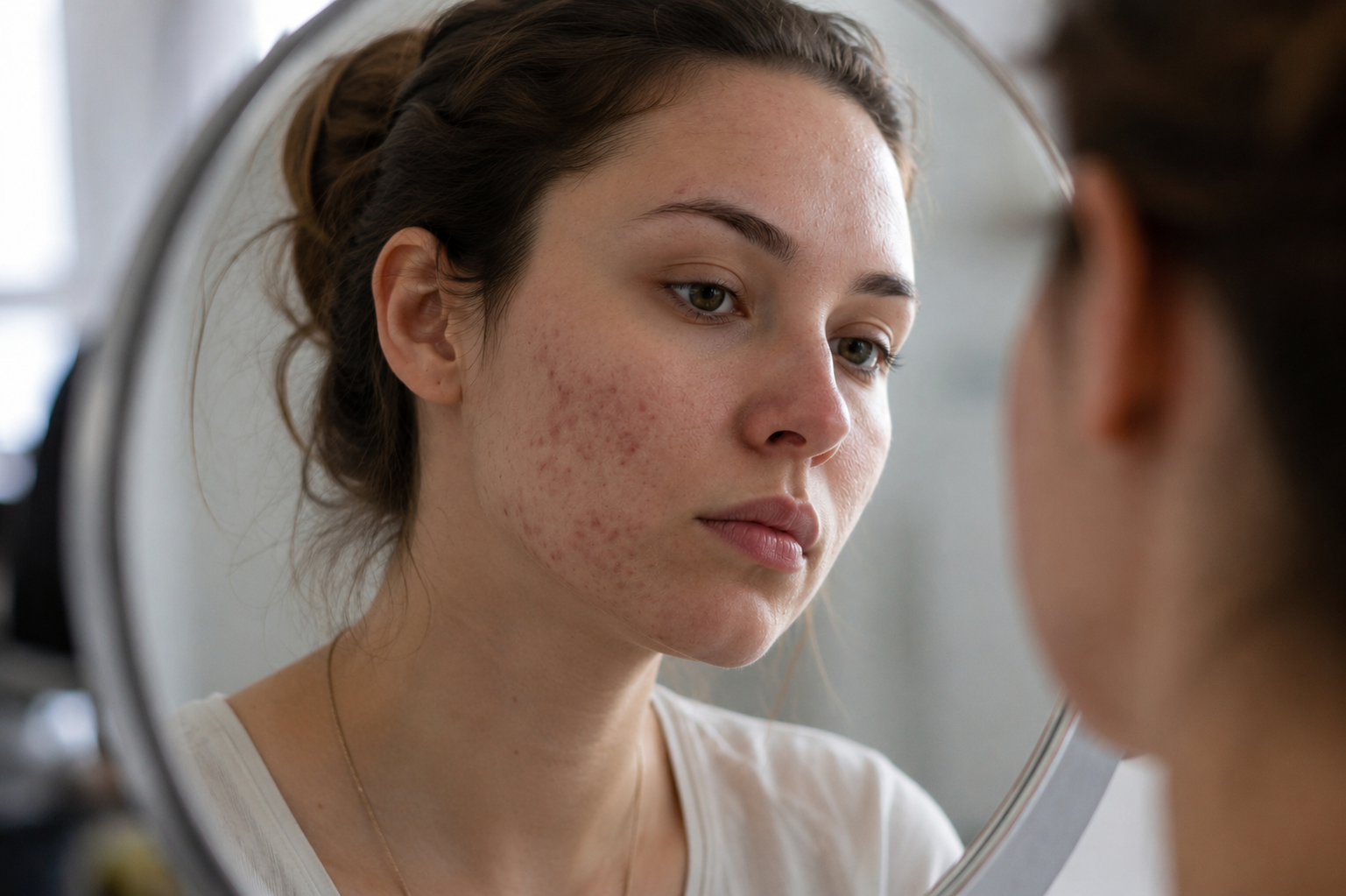
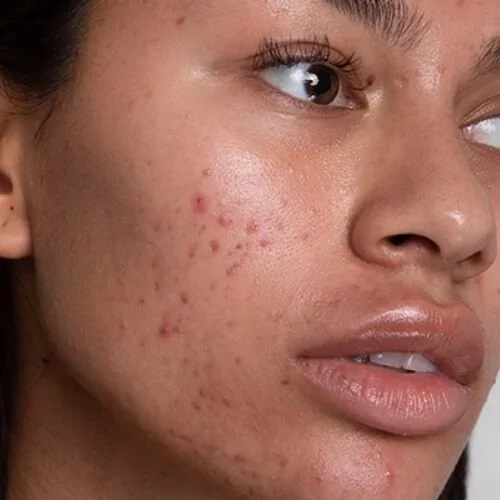
Hypochlorous acid is most useful for acne-prone skin that also tends to become red, irritated, sweaty, or easily overwhelmed by stronger actives. It can be a practical supportive step when you want antimicrobial and calming benefits without adding another exfoliating or drying product.
It may be especially useful if:
Your breakouts become more inflamed after exercise or sweating
Heat, masks, or friction tend to make your skin feel irritated
Your acne routine already contains stronger actives and you want something simple alongside them
Your skin barrier feels easily disrupted or reacts badly to more aggressive products
HOCl has also been studied beyond acne, including wound care and post-procedure skin, where its antimicrobial and anti-inflammatory properties may support recovery.
So I would think of hypochlorous acid as a calming, supportive product rather than a solution for every type of redness or breakout. Its biggest advantage is that it can add something useful without making an already complicated routine even more aggressive.
How to Use Hypochlorous Acid in Your Skincare Routine
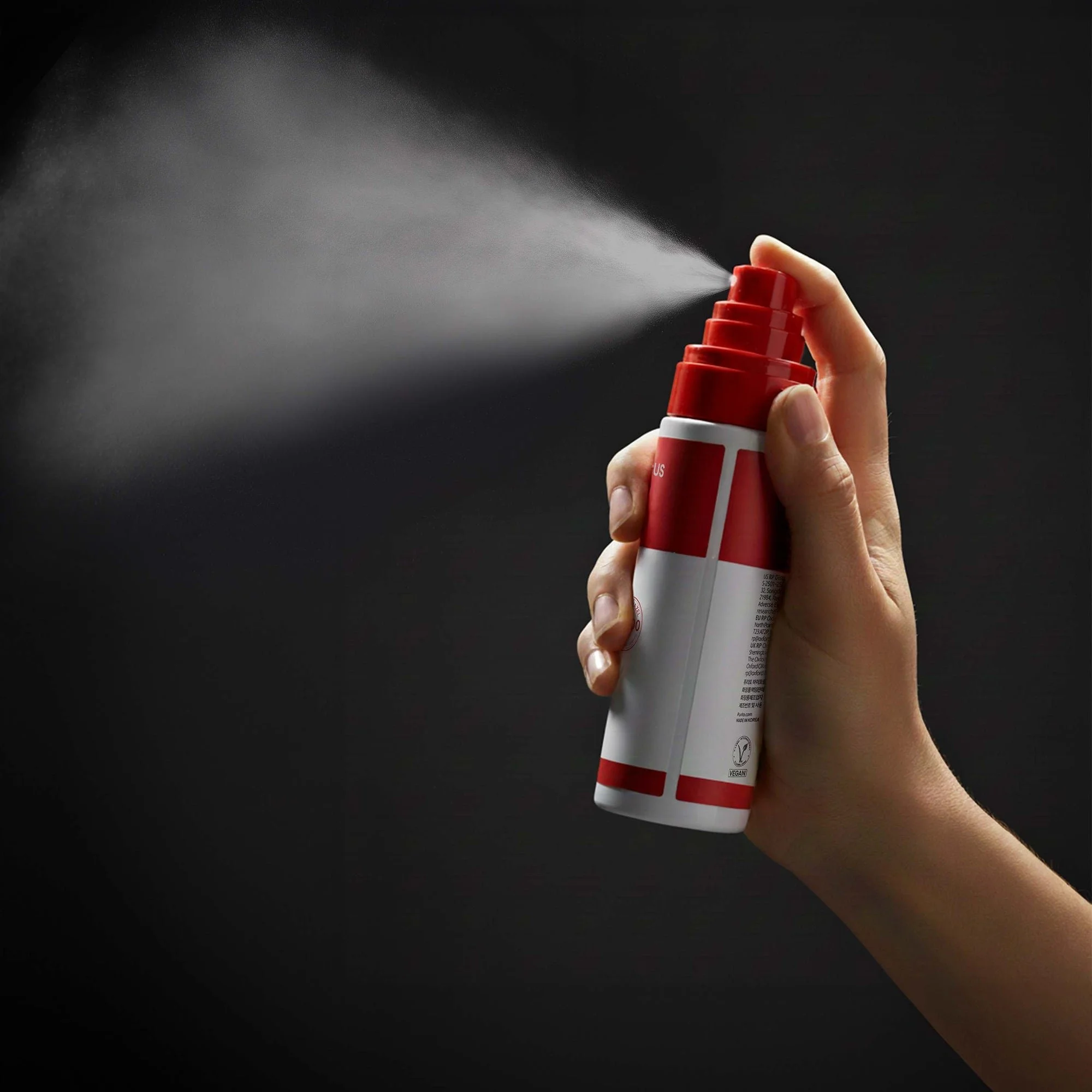
Use hypochlorous acid after cleansing and before serums, moisturizer, and sunscreen. Mist it evenly over the skin, let it air-dry, then continue with the rest of your routine.
It can also be useful after workouts, sweating, shaving, or prolonged mask wear, especially when you cannot wash your face immediately. Just remember that an HOCl spray is not a replacement for cleansing when sweat, sunscreen, makeup, or excess oil needs to be removed.
You can use it in the same routine as retinoids, benzoyl peroxide, or exfoliating acids. Since HOCl is a reactive molecule, I would let the spray dry fully before applying other active ingredients rather than layering them directly onto wet skin. A 2025 review of topical HOCl also highlights its generally good skin tolerability across dermatologic uses.
There is no need to spray it constantly throughout the day. A few well-timed applications make more sense than assuming more HOCl will give better results.
What to Look for in a Hypochlorous Acid Spray
With hypochlorous acid, stability matters just as much as the concentration on the label. HOCl can break down over time, and factors such as heat, sunlight, air exposure, and storage conditions can speed up that process.
When choosing a spray, I would look for:
A clearly stated HOCl concentration
An expiration date or shelf life
Clear storage instructions
Packaging that helps limit unnecessary light and air exposure
More concentrated does not automatically mean better. A well-made lower-strength formula that remains stable is more useful than a stronger product that degrades quickly.
Storage matters too. Research on hypochlorous acid stability found that sunlight, UV exposure, air contact, and higher temperatures can reduce stability over time. So avoid keeping the bottle in direct sun, a hot car, or anywhere it is exposed to prolonged heat.
That is why two HOCl sprays with very similar ingredient lists may not perform exactly the same. How the solution is produced, stabilized, packaged, and stored can all matter.
Best Korean Hypochlorous Acid Sprays
Korean hypochlorous acid sprays are still a fairly small category compared with the much larger selection from Western skincare and wound-care brands. But HOCl fits naturally into K-beauty’s preference for lightweight, calming products that can support irritated or acne-prone skin without adding another strong active.
The products below are the Korean options I would consider based on their HOCl concentration, formula simplicity, packaging, and how practical they are for everyday use.
Purito Seoul Hypochlorous Acid Rescue Spray
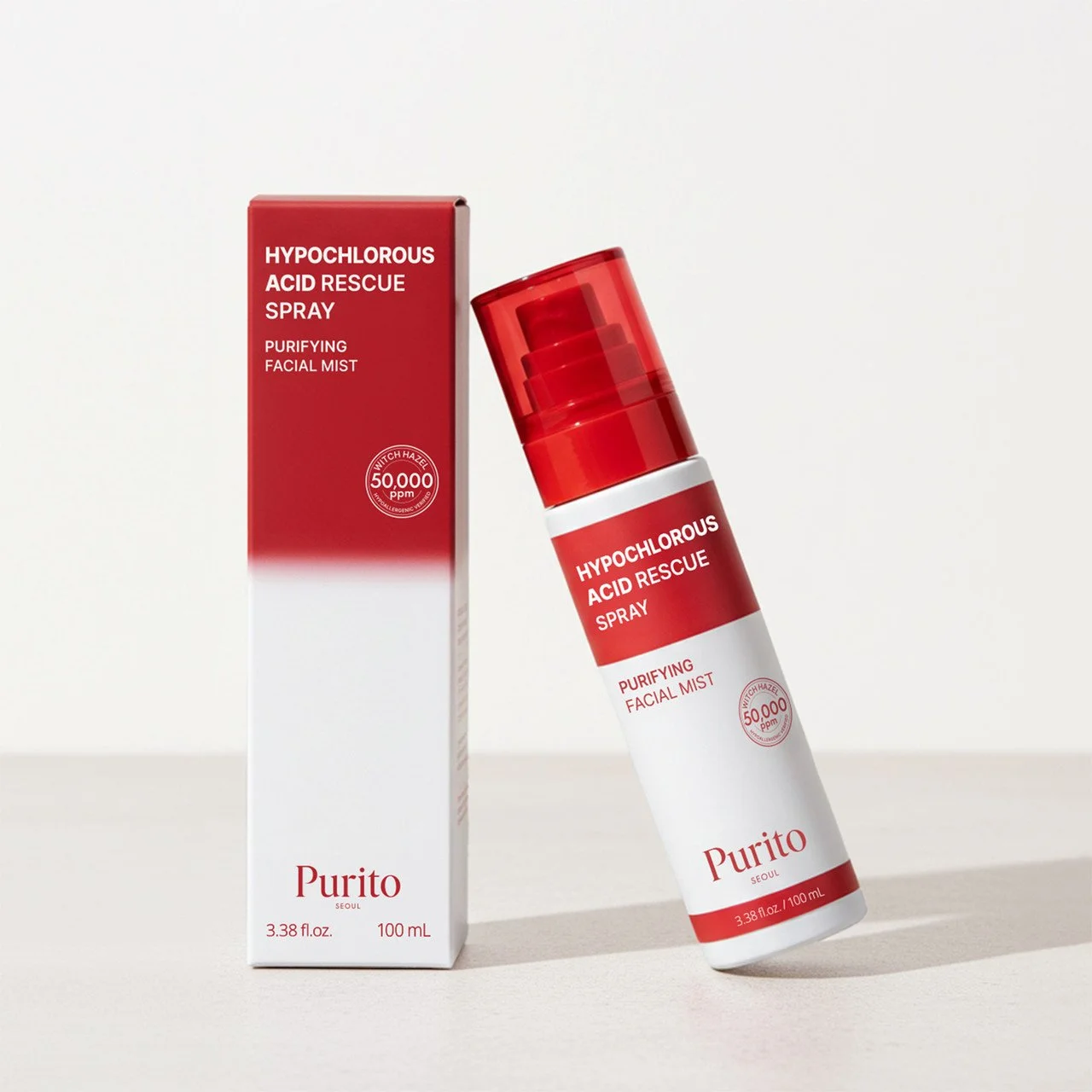
PURITO’s version feels very “K-beauty” in the way it approaches hypochlorous acid. Instead of keeping the formula ultra-clinical and minimal, it combines HOCl with witch hazel and multiple botanical waters and extracts, so the overall experience feels more like a refreshing calming mist for oily, inflamed summer skin. The witch hazel gives it a slightly more balancing, astringent direction compared to simpler hypochlorous acid sprays, which some acne-prone people may really enjoy during humid weather.
Hypochlorous Acid concentration: 104ppm
Alcohol-free
Contains rose flower water
Contains multiple plant extracts including aloe, ivy, melon, pear, and iris root
More complex formula compared to minimalist HOCl sprays
Medicube Hypochlorous Acid Daily Facial Spray
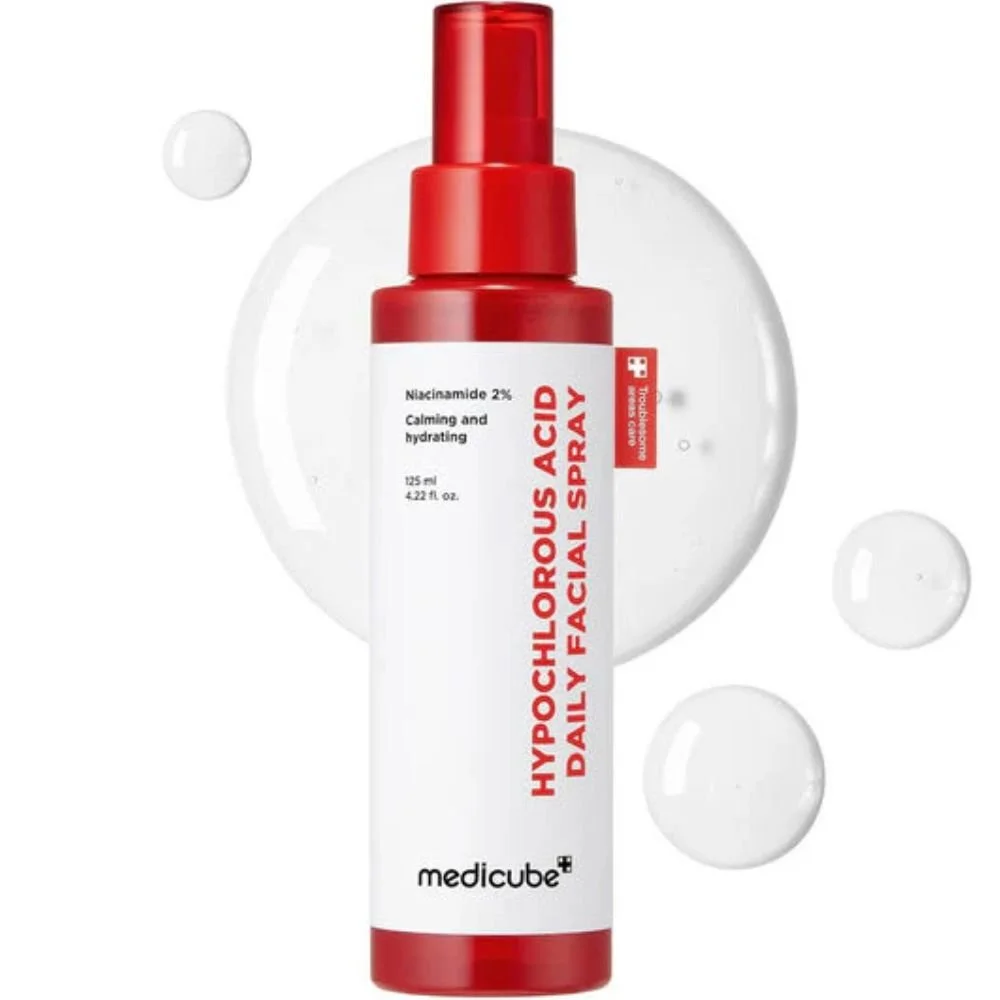
Compared to the PURITO version, medicube’s spray leans more toward a fresh, purifying facial mist. The formula still includes soothing ingredients like panthenol and allantoin, but the addition of tea tree, rosemary, and eucalyptus oils gives it a much sharper, more cooling feel overall. This one makes the most sense for oily skin types or people who enjoy that very clean, antibacterial-style summer mist feeling.
Hypochlorous Acid concentration: 150ppm
Contains essential oils
Includes panthenol and allantoin
Tea tree oil may not suit highly reactive skin
Higher HOCl concentration than the PURITO spray
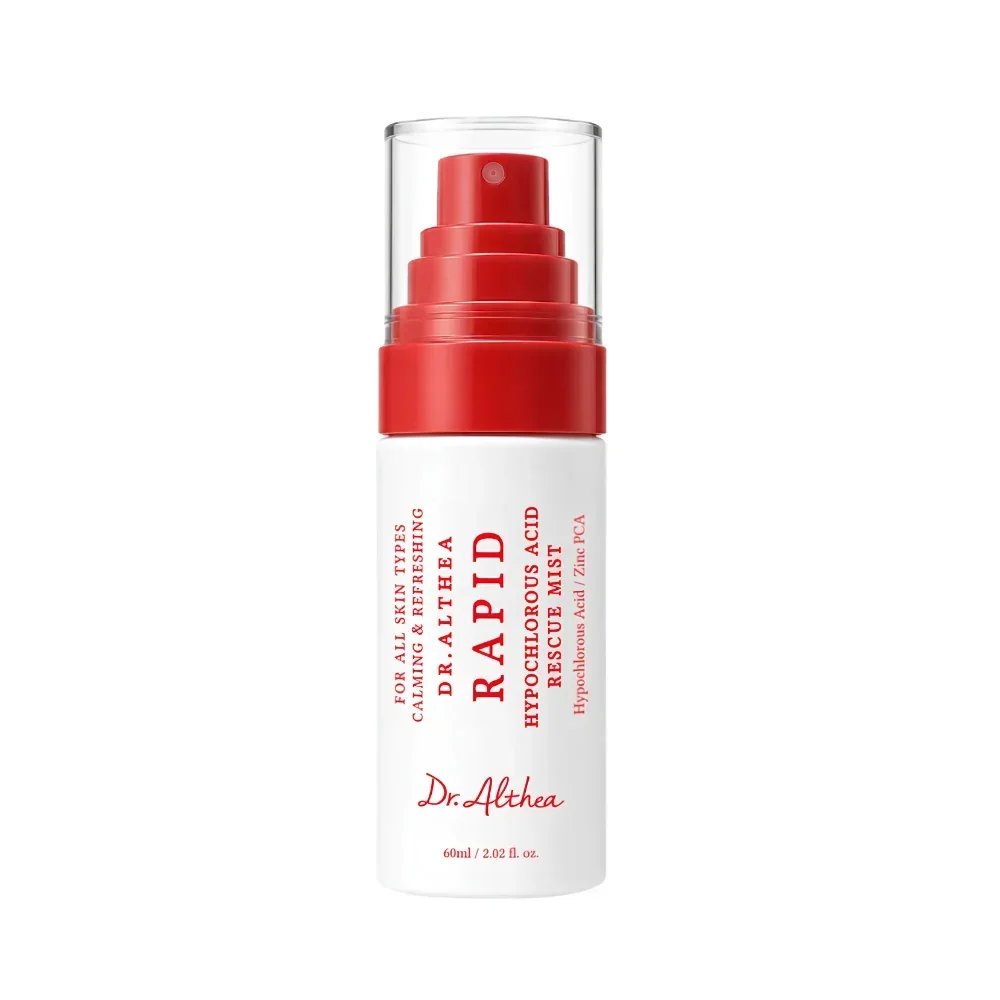
Dr. Althea Rapid Hypochlorous Acid Rescue Mist
Where to buy
This one sits somewhere between a minimalist HOCl spray and a more targeted formula for oily, breakout-prone skin. It contains the same 150 ppm hypochlorous acid concentration as the medicube spray, but pairs it with tea tree leaf water, tea tree extract, eucalyptus, and Zinc PCA. Glycerin and propanediol add some lightweight hydration, so it should still feel comfortable rather than overly drying. Overall, this makes the most sense if you want an HOCl mist with a stronger focus on excess oil and blemish-prone skin, although the eucalyptus oil makes it less ideal for very sensitive or reactive skin.
Hypochlorous Acid concentration: 150 ppm
Zinc PCA provides additional oil-balancing support
Contains eucalyptus essential oil
Best suited for combination to oily, acne-prone skin
Less suitable for very sensitive or easily irritated skin
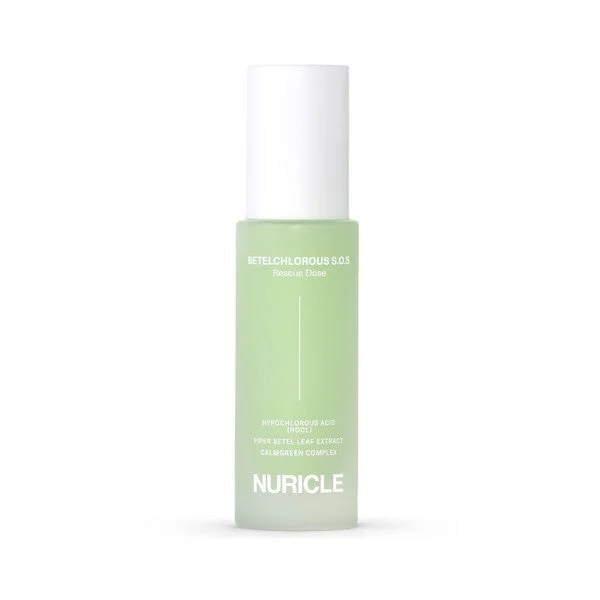
Nuricle Betlechlorous SOS Rescue Dose
Where to buy
This formula takes a completely different direction compared to traditional hypochlorous acid mists. Instead of focusing on that ultra-light refreshing spray feeling, this product is much more centered around hydration and barrier support. The texture feels more cushioning and comforting on the skin, which makes it particularly interesting for people dealing with dehydration, over-exfoliation, or a damaged barrier alongside breakouts.
Fragrance-free
Essential oil-free
Contains glycerin and allantoin
Includes green tea, cocoa extract, and betel leaf extract
Creamier, more hydrating texture compared to water-light HOCl sprays
Better suited for dry or compromised skin types
Frequently Asked Questions
Do You Need to Rinse Hypochlorous Acid Off?
No. Hypochlorous acid facial sprays are designed to be left on the skin. Let the mist dry, then continue with the rest of your skincare.
Can Hypochlorous Acid Cause Purging?
No. HOCl does not increase skin cell turnover or unclog pores in the way retinoids or exfoliating acids do, so it should not cause a true purge.
Can You Spray Hypochlorous Acid Over Makeup?
You can, although it works best on clean skin. Spraying it over makeup may still feel refreshing, but makeup, sunscreen, and oil on the surface can limit direct contact with the skin.
Can You Use Hypochlorous Acid on Body Acne?
Yes. HOCl sprays can also be used on areas such as the chest, shoulders, and back, particularly after sweating or exercise. Just remember that persistent body acne may still need ingredients that actually target clogged pores and acne formation.
Can Hypochlorous Acid Help Fungal Acne?
HOCl has broad antimicrobial activity, but it has not been well established as a treatment for Malassezia folliculitis. If you suspect fungal acne, I would consider HOCl a supportive step rather than a replacement for appropriate antifungal care.
Should You Try Hypochlorous Acid?
Hypochlorous acid is probably one of the most interesting recent additions to modern acne-focused skincare, not because it is dramatic, but because it fits so naturally into the way many people want to approach their skin today. Lightweight, calming, supportive, and easy to use without constantly overwhelming the skin barrier.
It is not a miracle replacement for properly structured acne care, but for inflamed breakouts, irritated skin, post-workout congestion, or skin that simply feels reactive and overheated too often, hypochlorous acid sprays can be a genuinely useful addition to a routine.
If you want more Korean skincare guides, ingredient-focused blog posts, and detailed product recommendations for acne-prone, sensitive, or reactive skin, explore more articles on my blog. If you are not sure where to begin, start with the Skin Type Quiz or book a personalized skincare consultation to build a routine based on your skin concerns, sensitivities, lifestyle, and budget.


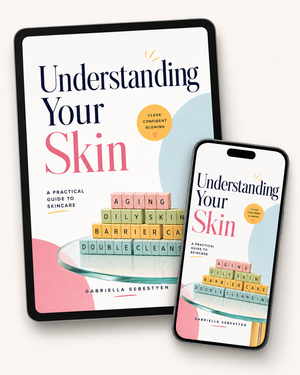
Understanding Your Skin
A Practical Guide to Skincare
I wrote Understanding Your Skin to help you build an effective skincare routine with confidence. This illustrated guide explains skin types, ingredients, and routines in a practical, evidence-based way that's easy to understand and apply.
- Written by a physician
- 120-page illustrated guide
- Evidence-based skincare guidance
- Sample routines & product recommendations

Adult acne in your 30s and 40s: what causes it, how it differs from teenage acne, and how to build a practical Korean skincare routine.