How to Exfoliate Sensitive Skin Without Damaging Your Skin Barrier
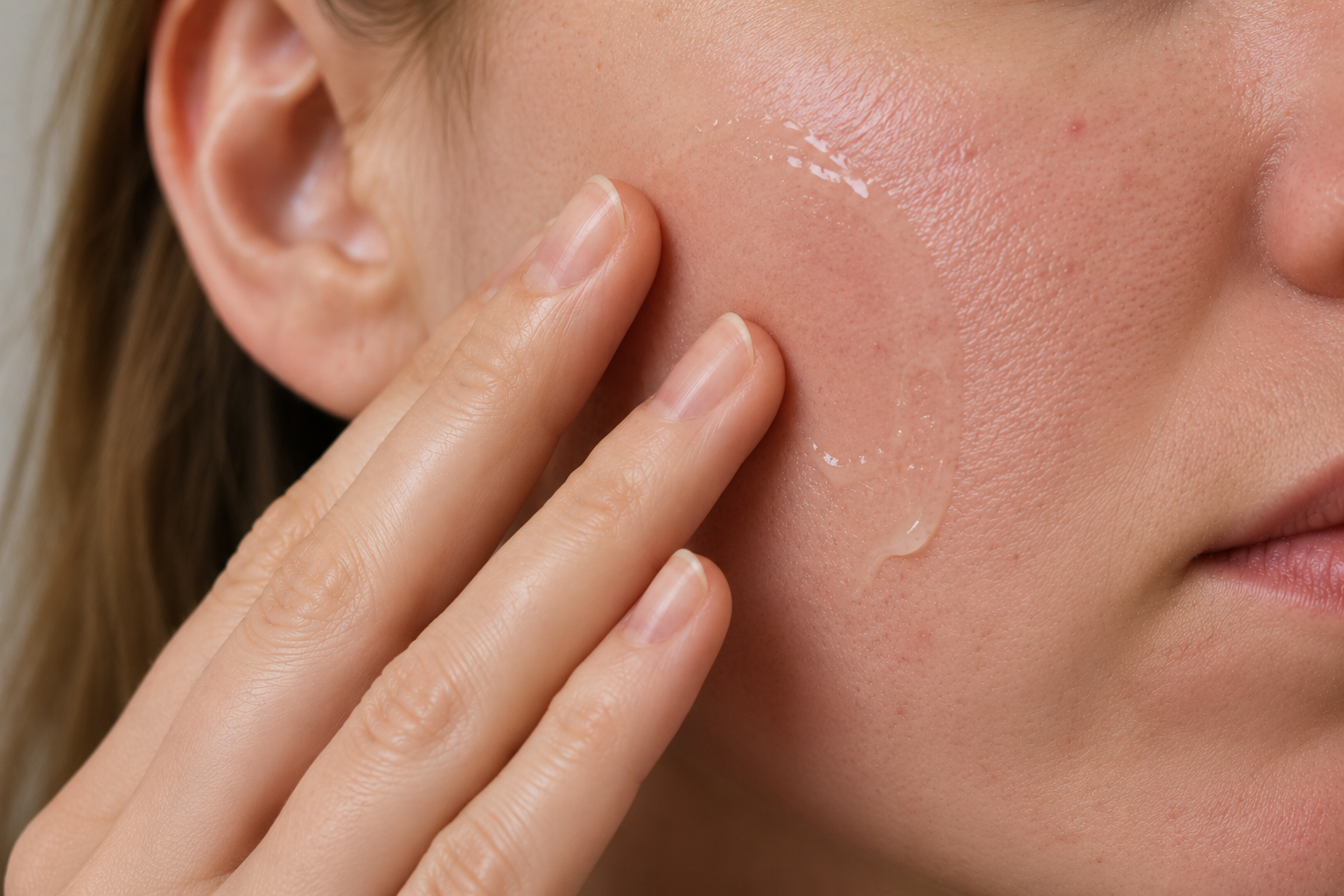
Exfoliation can help improve roughness, dullness, and uneven texture, but sensitive skin requires a more careful approach. Choosing the right exfoliant is often more important than exfoliating more frequently.
Key Takeaways
✓ New to exfoliation? PHAs are usually the gentlest place to start.
✓ If your skin is dry or dull, lactic acid may provide more noticeable smoothing and brightness.
✓ If breakouts are your main concern, mandelic acid is often a good option for acne-prone sensitive skin.
✓ If traditional acids tend to irritate your skin, enzyme exfoliants may be easier to tolerate.
✓ Start slowly. For most people with sensitive skin, once-weekly exfoliation is enough in the beginning.
In This Article
Some links are affiliate links. If you choose to purchase through them, it helps support my work at no extra cost to you.
Why Sensitive Skin Needs a Gentle Approach
Sensitive skin isn't actually a skin type. It's a condition. It simply means your skin is more likely to react to products, ingredients, or environmental changes.
Sensitivity can affect almost anyone. Dry skin often becomes sensitive because of a weakened skin barrier, while acne-prone skin may become reactive during breakouts. Even normally resilient skin can become sensitive after over-exfoliating, using strong actives, or getting too much sun exposure.
Because sensitivity has many different causes, there is no one-size-fits-all approach to exfoliation. While exfoliation can improve texture and radiance, doing too much can quickly lead to irritation and barrier damage.
That is why the goal is not stronger exfoliation. It is smarter, gentler exfoliation.
Physical vs Chemical Exfoliation
Before looking at specific exfoliating ingredients, it's helpful to understand the two main categories of exfoliants: physical and chemical.
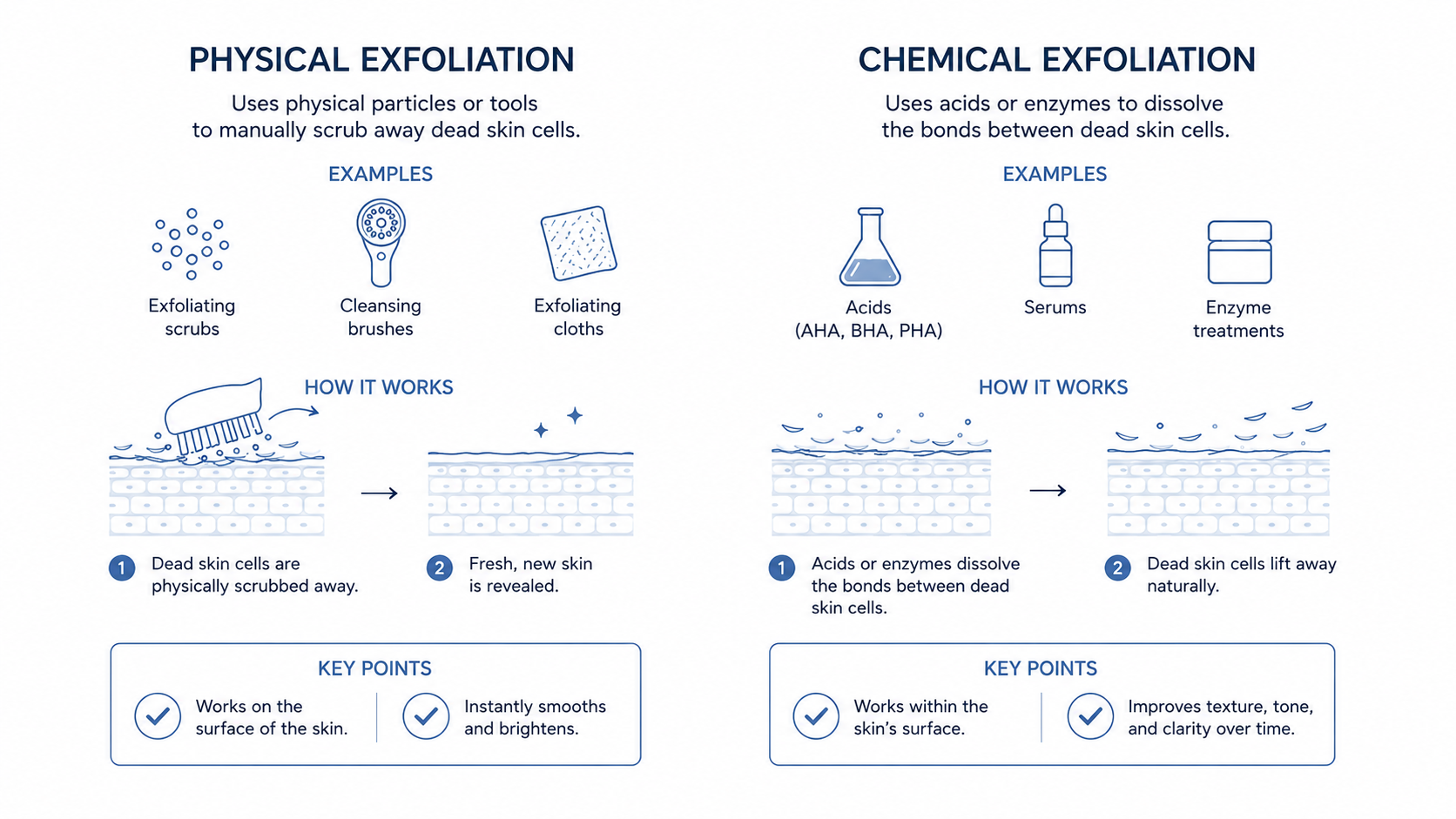
Physical exfoliants use particles, brushes, or scrubs to manually remove dead skin cells from the surface of the skin. If you have sensitive skin, this is generally the category I recommend avoiding. It's difficult to control how much exfoliation you're getting, and it's easy to accidentally overdo it through pressure, friction, or frequent use.
Chemical exfoliants, despite sounding scarier, are often the safer choice for sensitive skin. They use acids or enzymes to loosen and remove dead skin cells in a more controlled way.
PHAs: The Best Starting Point for Sensitive Skin
If you're completely new to exfoliation or your skin becomes irritated easily, PHAs (polyhydroxy acids) are usually the safest place to start.
The two most common PHAs you'll see in skincare products are gluconolactone and lactobionic acid.
What makes PHAs different from other exfoliating acids is that they work very gently on the skin's surface. They tend to cause less stinging, redness, and irritation than stronger exfoliants, making them ideal for people who are nervous about exfoliating or who have a compromised skin barrier.
PHAs can help improve mild roughness and dullness while allowing you to see how your skin responds to exfoliation before moving to more active options.
Best For
First-time exfoliant users
Easily irritated skin
Compromised skin barriers
Mild roughness
People who aren't sure where to start
Best PHA Exfoliants for Sensitive Skin
Haruharu Wonder Centella 3% PHA Gentle Liquid Exfoliating Serum
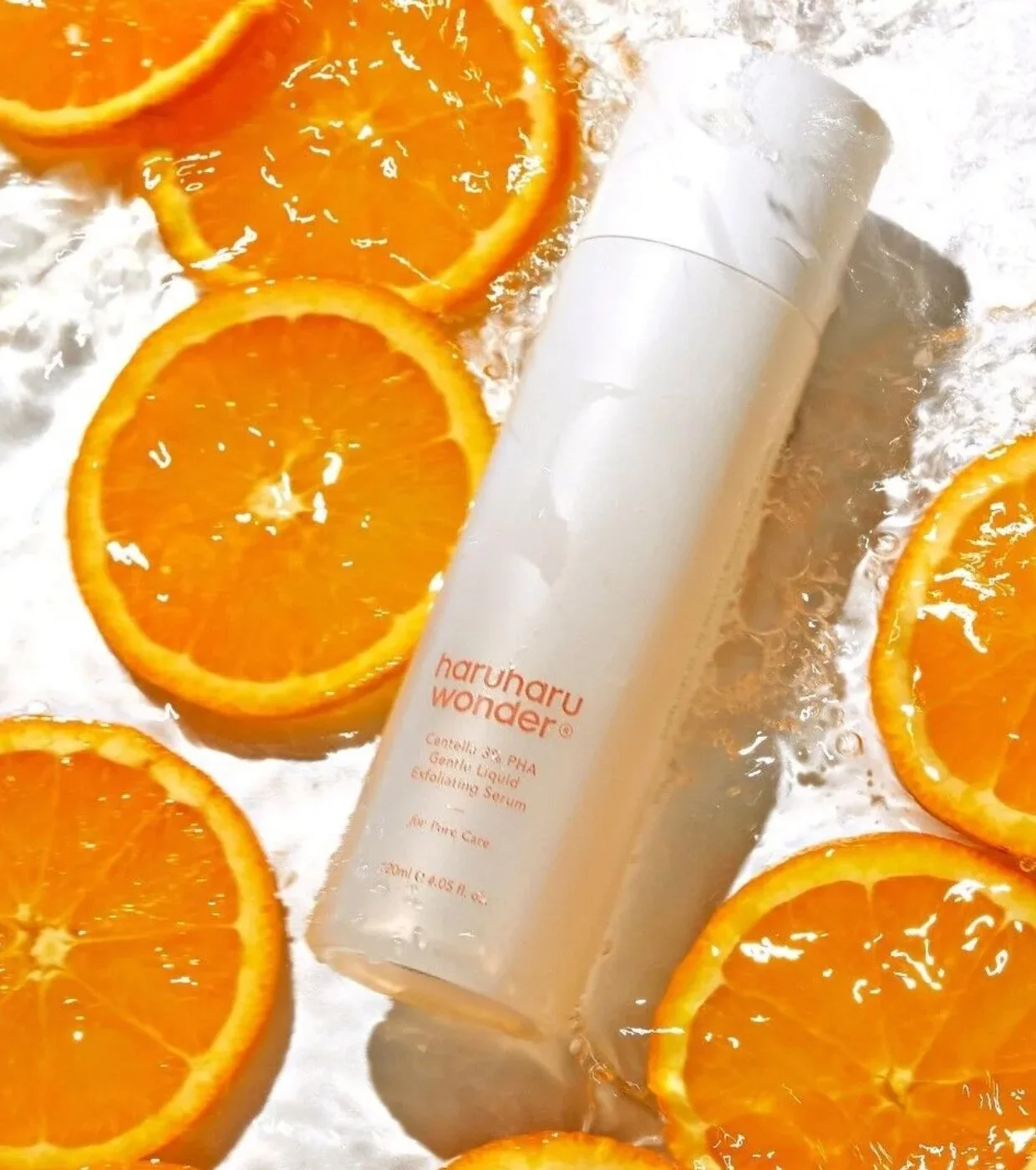
This Korean exfoliating serum contains 3% gluconolactone (PHA) in a lightweight, watery formula. In addition to gentle exfoliation, it includes centella asiatica extract, ectoin, and sodium hyaluronate to support hydration and skin comfort. The relatively low PHA concentration makes it a good option for people who are introducing exfoliation for the first time or whose skin reacts easily to stronger acids.
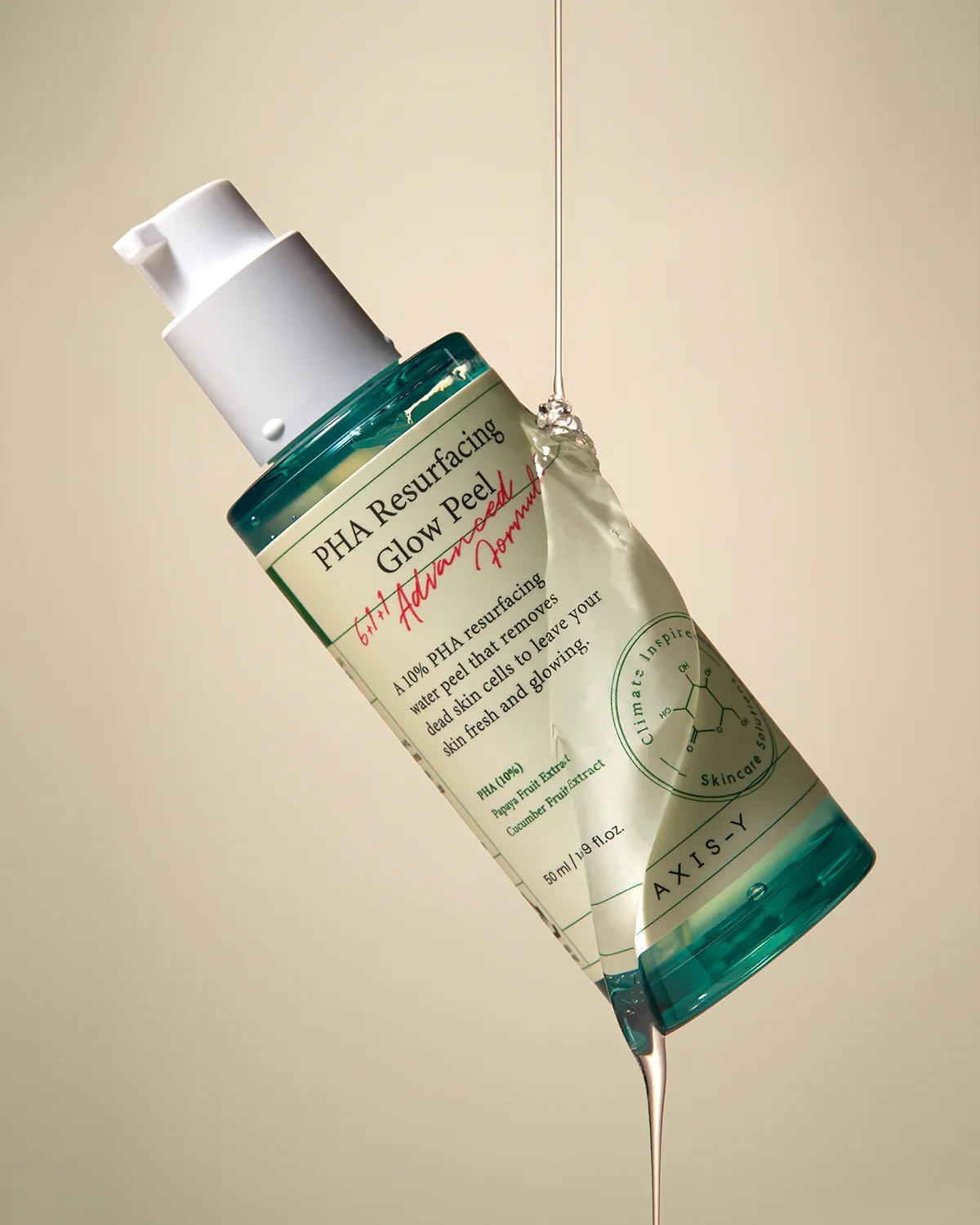
AXIS-Y PHA Resurfacing Glow Peel
Where to buy
With 10% gluconolactone, this is one of the stronger PHA options available, making it more suitable for those who already have some experience with exfoliation. The formula combines PHA with papaya extract and several fruit extracts, giving it a more active feel than many beginner-focused PHA products. Despite the higher concentration, soothing ingredients such as centella asiatica and cucumber extract help balance the formula. If your goal is to improve dullness and uneven texture while staying within the gentler PHA category, this is worth considering.
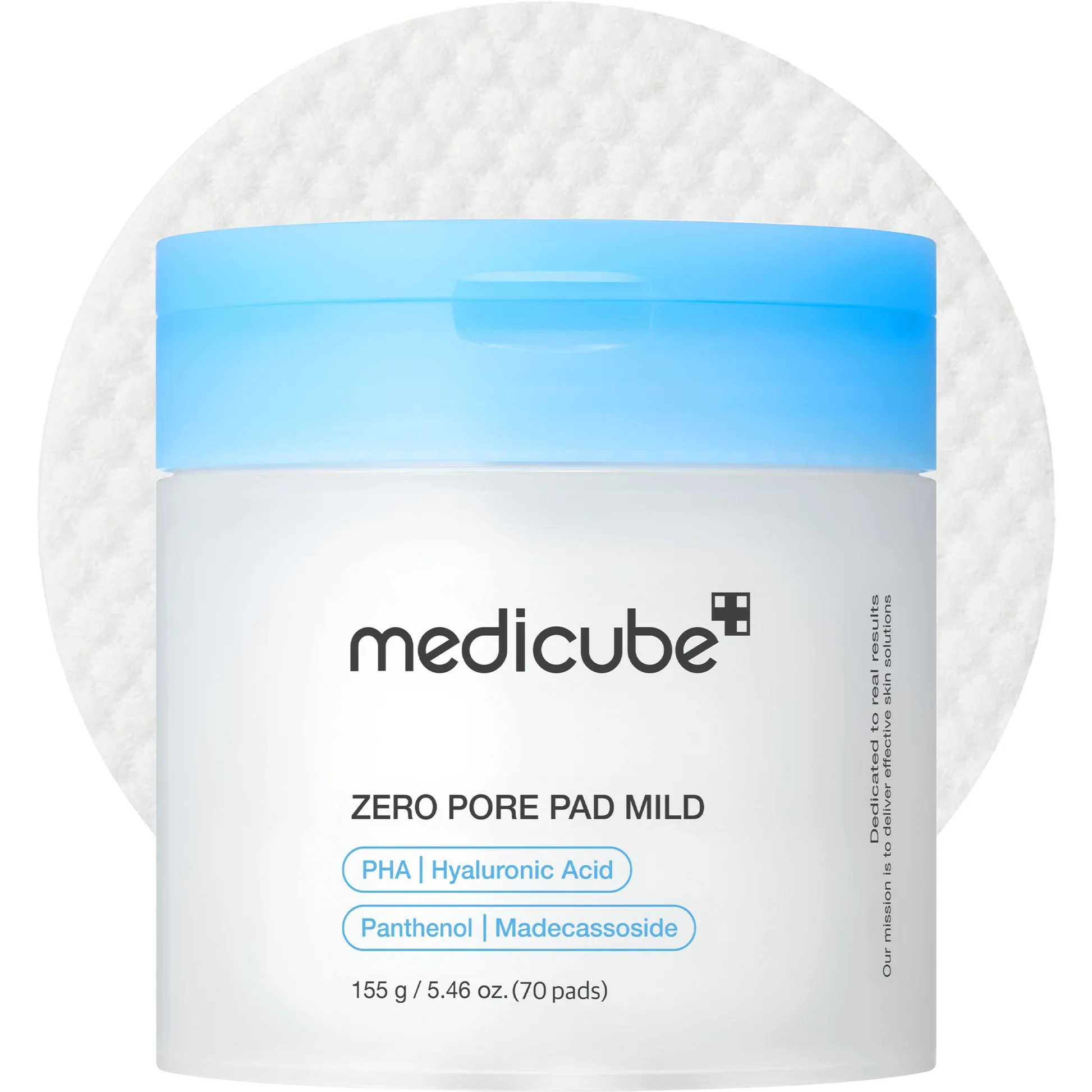
Medicube Zero Pore Madecassoside Pads (Mild)
Where to buy
These toner pads offer a very gentle introduction to chemical exfoliation, making them particularly suitable for sensitive, dry, or dehydrated skin. Instead of relying on stronger AHAs or BHAs, the formula uses gluconolactone (PHA) to gradually smooth skin texture while minimizing the risk of irritation. Madecassoside, centella asiatica, panthenol, and multiple forms of hyaluronic acid help maintain hydration and support the skin barrier throughout the exfoliation process.
This is not the best choice if your main concern is stubborn blackheads or heavy congestion, but it works very well as a beginner-friendly exfoliant or for maintaining smooth skin when stronger acids feel too harsh.
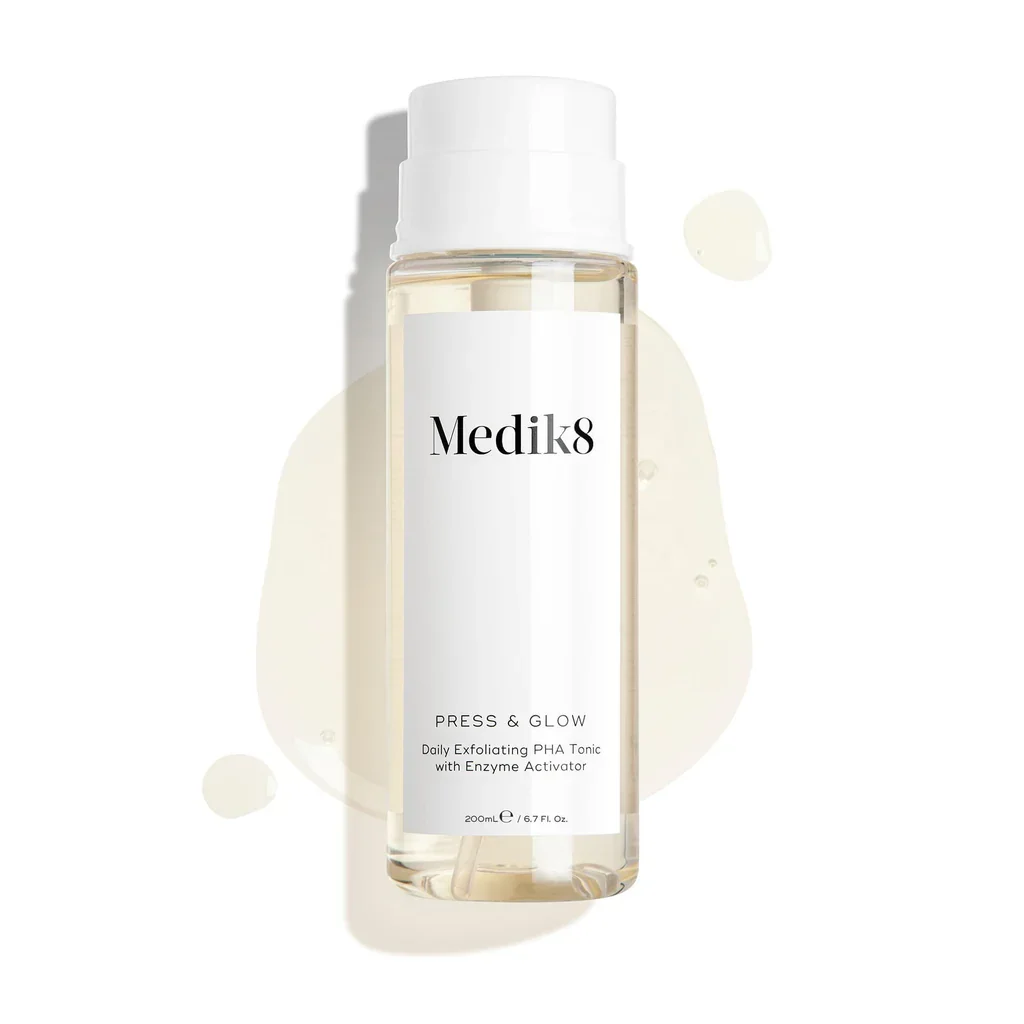
Medik8 Press & Glow
Where to buy
At 5.5% gluconolactone, Press & Glow offers more exfoliation than many entry-level PHA products while remaining suitable for regular use. Aloe vera, prickly pear extract, and acai extract help support hydration and skin comfort. The toner format makes it particularly easy to incorporate into an existing routine, especially for those who prefer uncomplicated skincare.
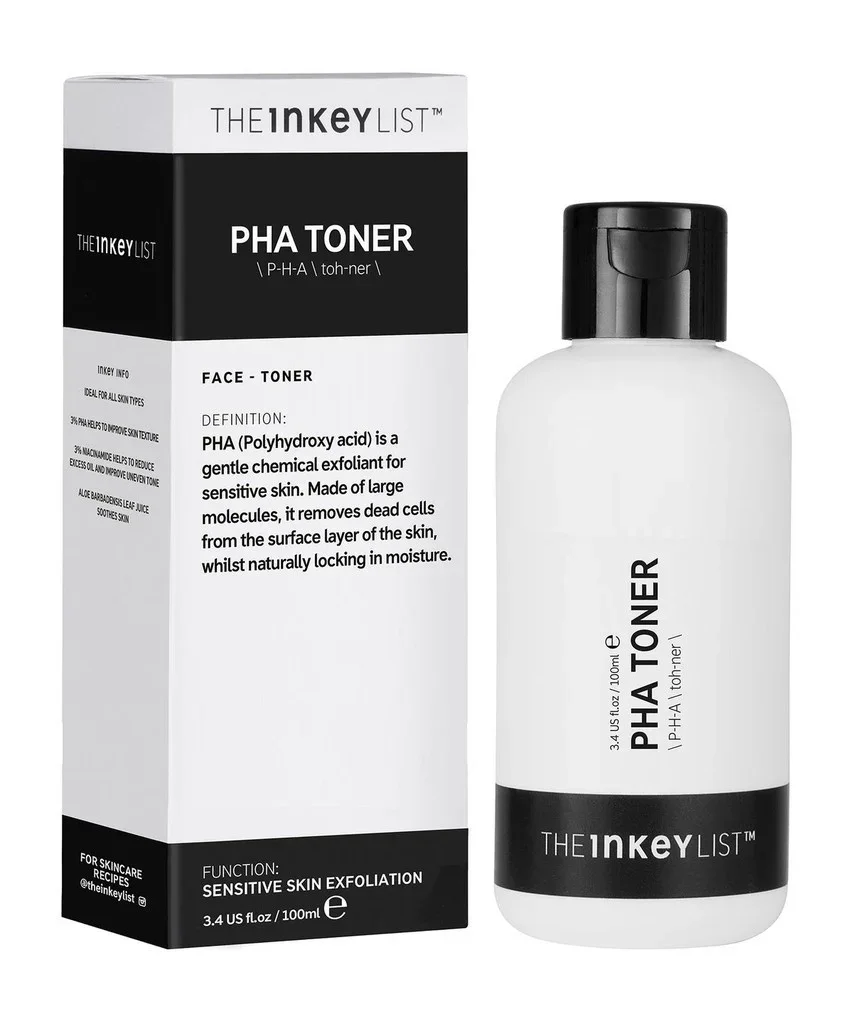
The Inkey List PHA Toner
Where to buy
The addition of 3% niacinamide gives this toner a slightly different focus than most PHA products. Alongside gentle exfoliation from 3% gluconolactone, it also targets excess oil and uneven skin tone, making it particularly appealing for combination skin that is sensitive but still prone to congestion. The formula is straightforward, affordable, and well suited to those who prefer a gradual approach to exfoliation.
Lactic Acid: For Dry, Dull Skin That Needs More Noticeable Results
Once your skin is comfortable with gentle exfoliation, lactic acid can be a great next step.
Lactic acid is an alpha hydroxy acid (AHA) that exfoliates more effectively than PHAs while still being one of the gentler options within its category. It not only removes dead skin cells but can also help improve skin texture, radiance, and flaky patches more noticeably.
Like PHAs, lactic acid also attracts moisture to the skin. The difference is that lactic acid generally delivers stronger exfoliating results, making it a better choice when dryness, dullness, or uneven texture are becoming more visible concerns.
If PHAs are for testing the waters, lactic acid is often the next step when you want more noticeable smoothing and brightening.
Best For
Flaky skin
Dull complexion
Uneven texture
Dehydrated skin
Best Lactic Acid Exfoliants for Dry, Sensitive Skin
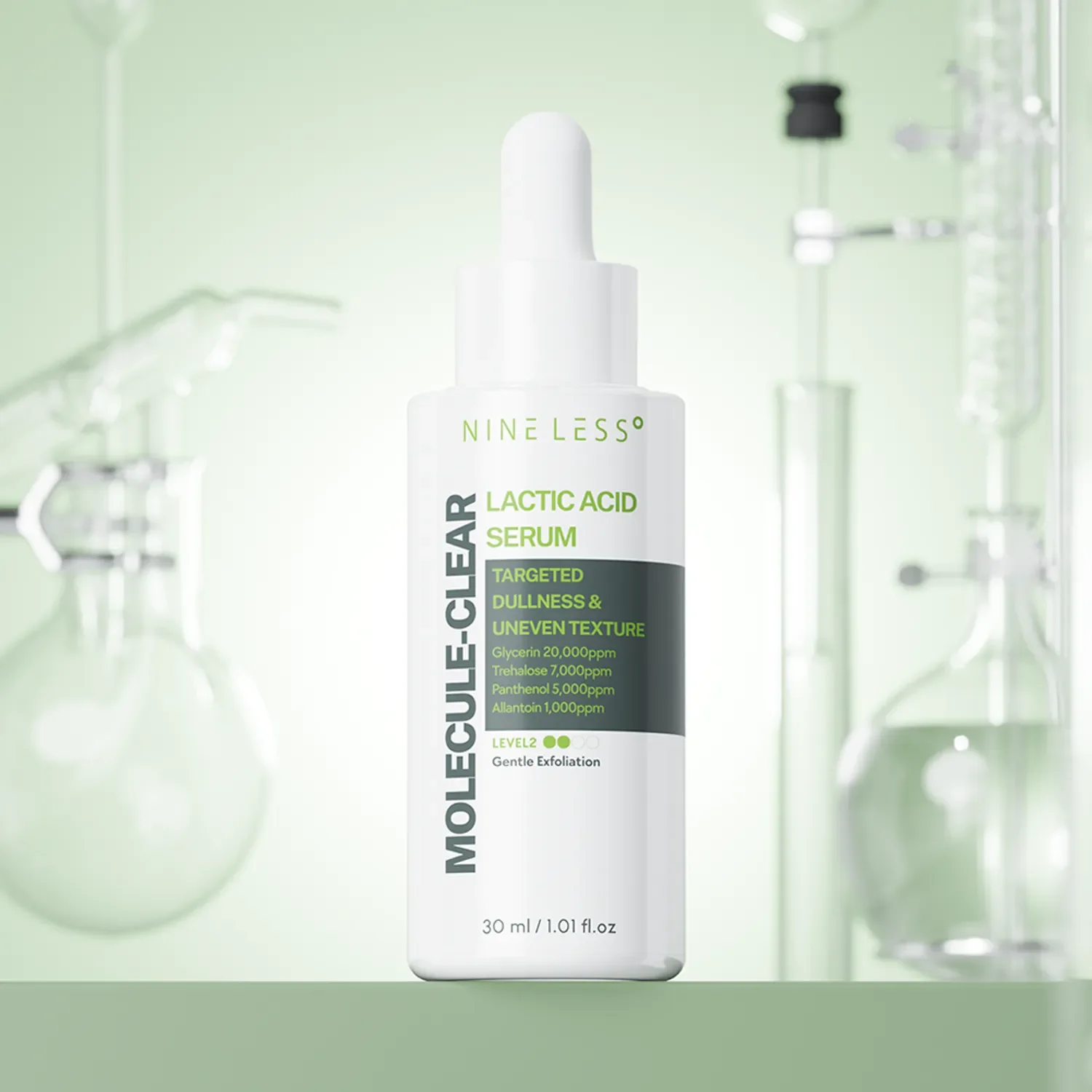
NINELESS Molecule-Clear Lactic Acid Serum
Where to buy
This serum contains 5% lactic acid, a concentration that offers noticeable exfoliation while remaining approachable for many people with sensitive skin. The formula pairs lactic acid with glycerin, trehalose, panthenol, sodium hyaluronate, and allantoin, giving it a strong focus on hydration alongside exfoliation. It is a thoughtful choice for those who want smoother skin without sacrificing comfort.
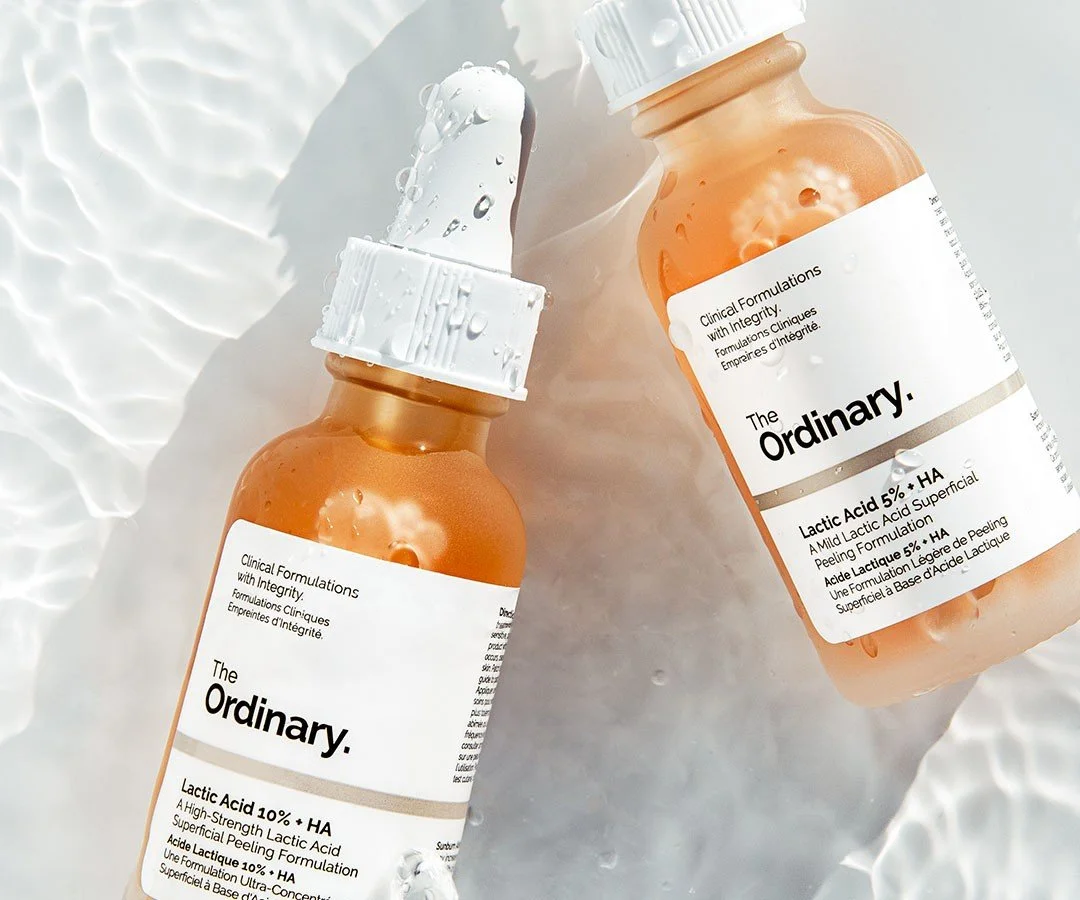
The Ordinary Lactic Acid 10% + HA
Where to buy
With 10% lactic acid, this is one of the stronger options in this category and is best suited to those who already have some experience with exfoliating acids. The formula also includes glycerin, sodium hyaluronate crosspolymer, and Tasmanian pepperberry extract to help support hydration and improve tolerability. It can help improve dullness, rough texture, and uneven skin tone more noticeably than lower-strength lactic acid products.
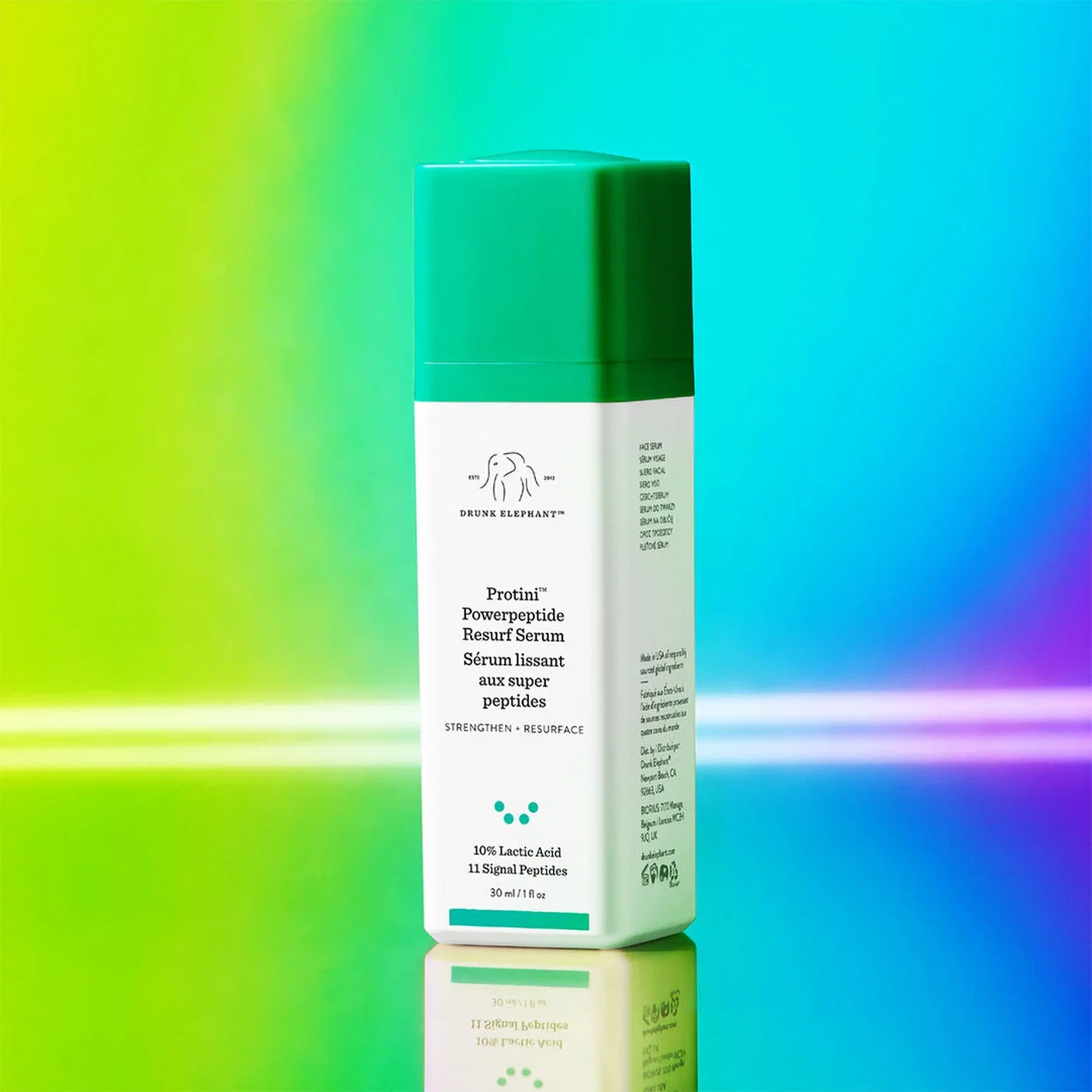
Drunk Elephant Protini™ Powerpeptide Resurfacing Serum
Where to buy
Lactic acid is rarely paired with such an extensive peptide blend. Alongside 10% lactic acid, this formula contains multiple signal peptides, copper peptides, amino acids, and moisturizing ingredients such as squalane and panthenol. The result is a product that feels less like a dedicated exfoliant and more like a treatment serum that happens to exfoliate. For readers interested in both texture improvement and healthy aging ingredients, it's one of the more distinctive options in this category.
Mandelic Acid: For Acne and Post-Acne Marks
Mandelic acid deserves special attention, particularly for people with acne-prone or combination skin.
Its standout feature is its antibacterial properties, which can help reduce breakouts and keep pores clearer. Because it penetrates the skin more slowly than many other AHAs, it is often better tolerated by people whose skin becomes irritated easily.
If your primary concern is acne, congestion, or post-inflammatory hyperpigmentation but your skin is also sensitive, mandelic acid is often one of the best places to start.
Best For
Breakouts
Congested pores
Post-acne marks
Combination skin
Mild hyperpigmentation
Best Mandelic Acid Exfoliants for Acne-Prone Sensitive Skin
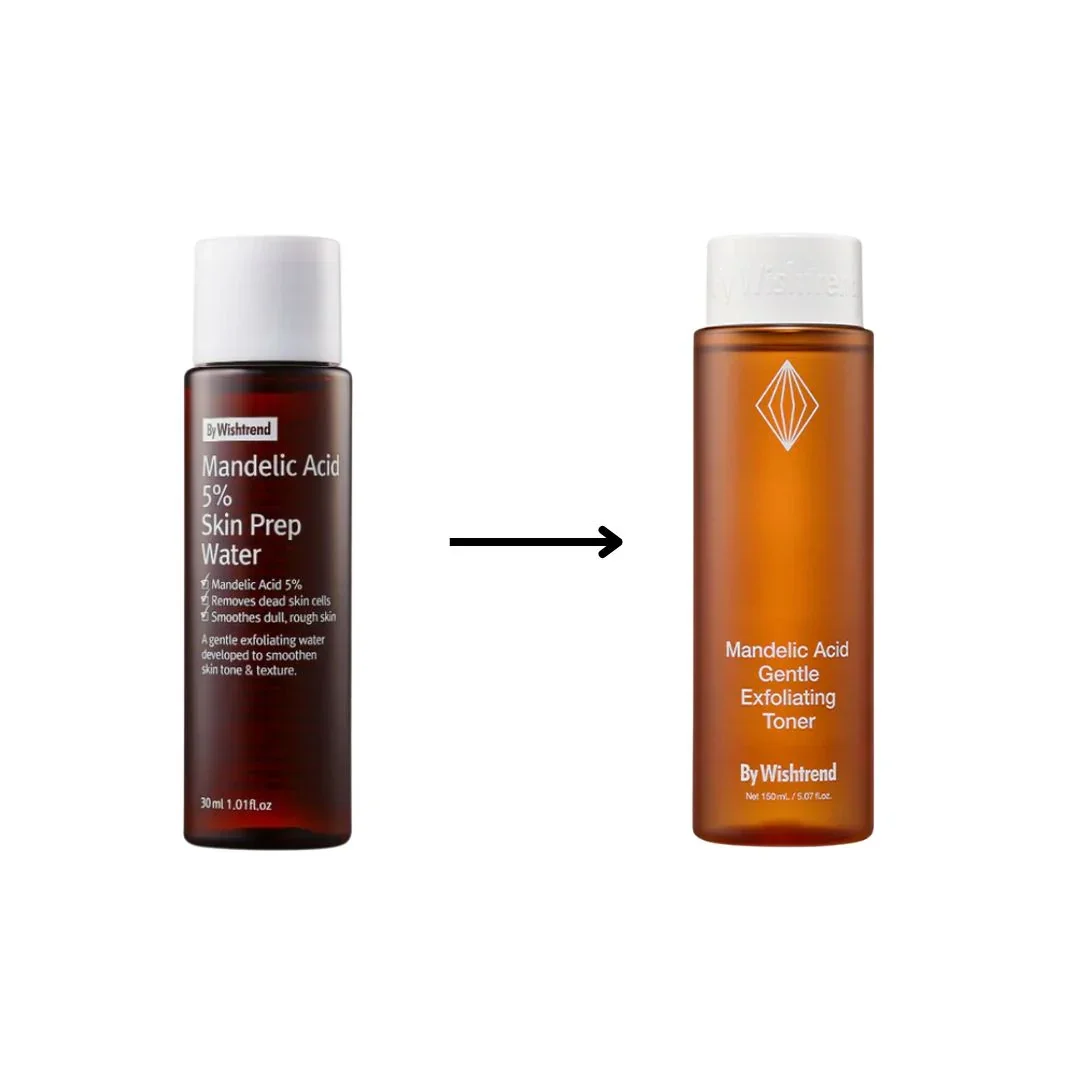
By Wishtrend Mandelic Acid 5% Skin Prep Water
Where to buy
This toner contains 5% mandelic acid, a concentration that balances effectiveness with tolerability. Alongside exfoliation, the formula includes several soothing and hydrating ingredients, including beta-glucan, panthenol, centella asiatica extract, and licorice root extract. It is particularly well suited to those looking to address breakouts, post-acne marks, and uneven texture without overwhelming their skin.
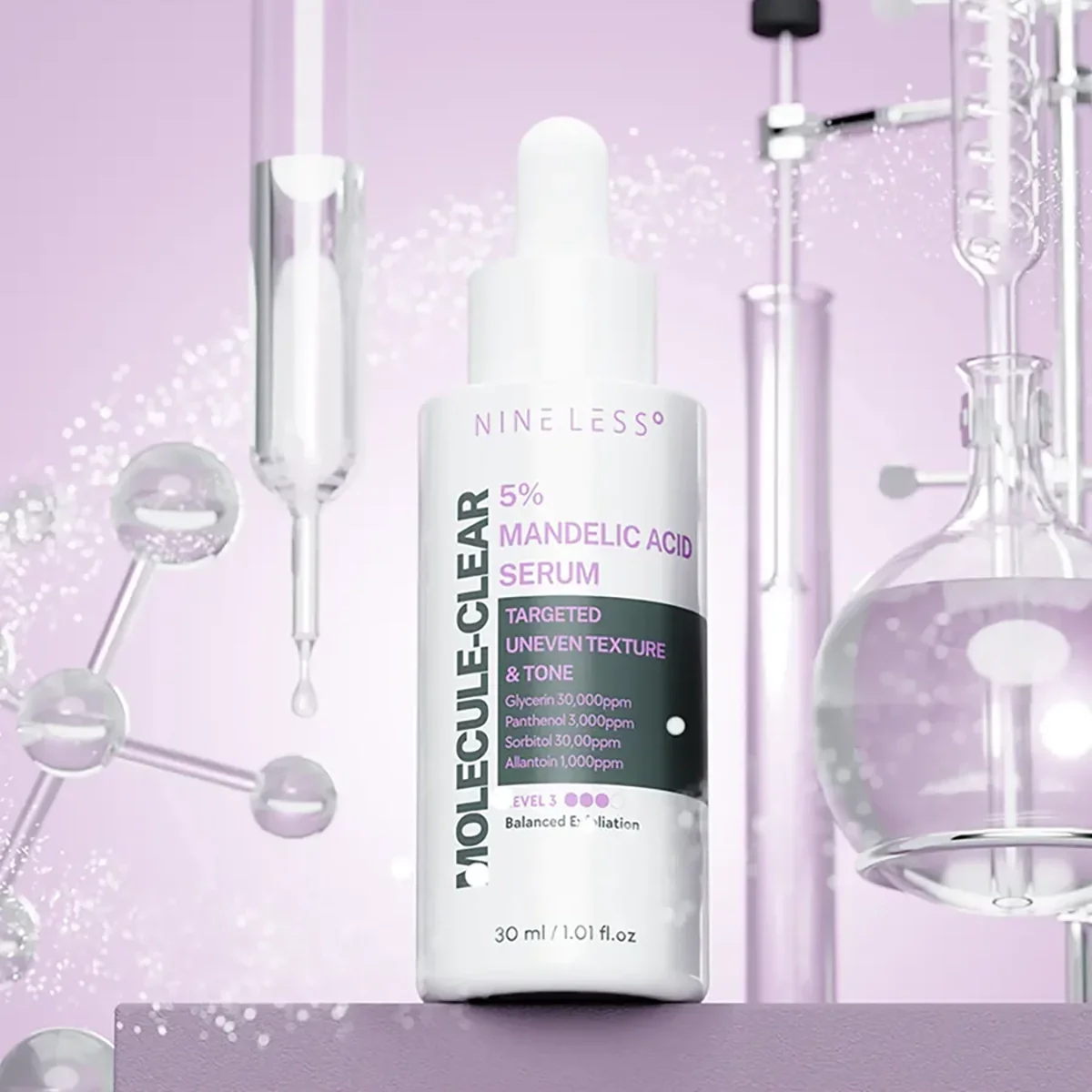
NINELESS Molecule-Clear 5% Mandelic Acid Serum
Where to buy
If you prefer simpler formulas, this serum is worth considering. Alongside 5% mandelic acid, it contains just a handful of supporting ingredients, including panthenol, allantoin, and sodium hyaluronate to help maintain hydration and reduce the risk of irritation. Its minimalist approach makes it an easy addition to routines focused on breakouts, congestion, or post-acne marks.
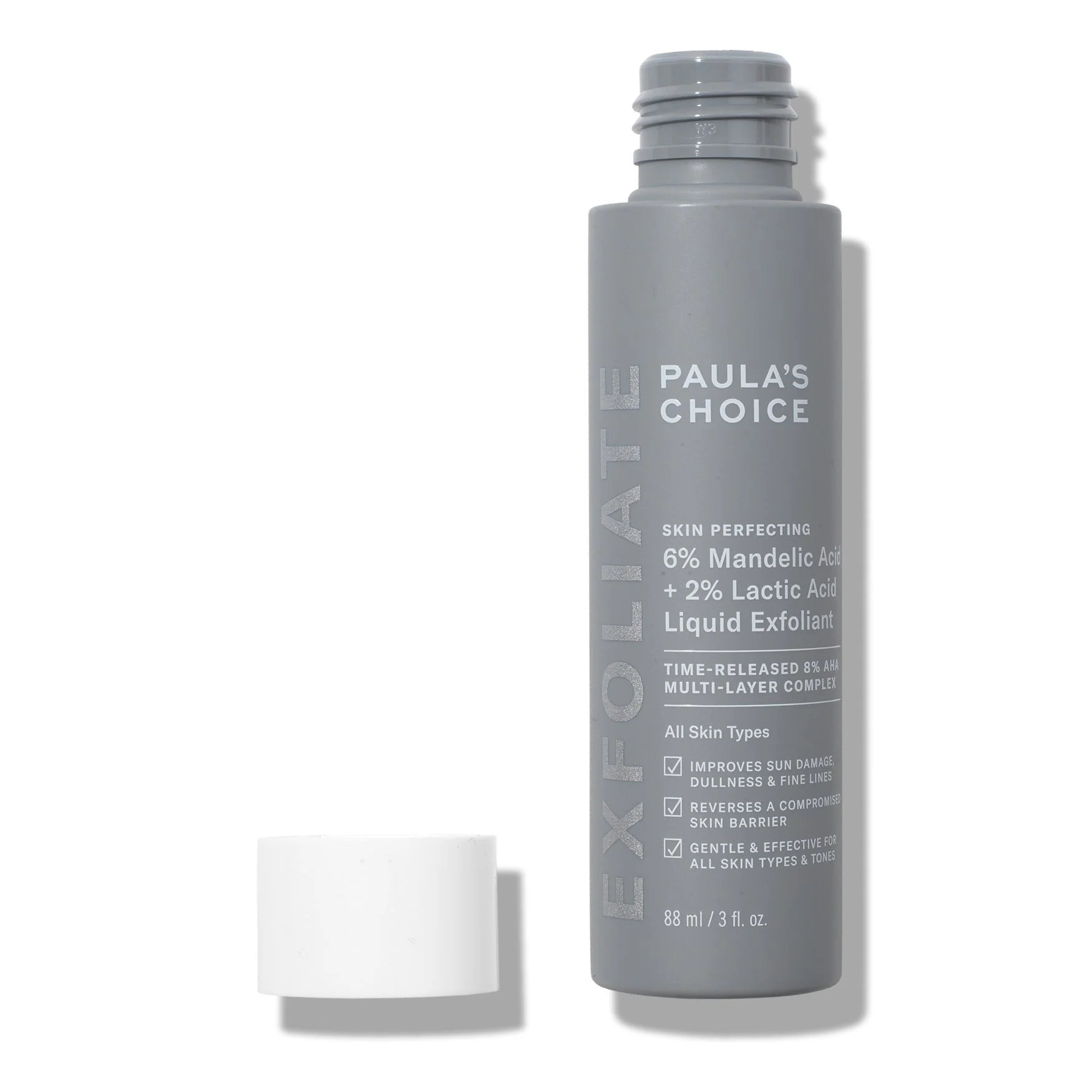
Paula's Choice 6% Mandelic Acid + 2% Lactic Acid Liquid Exfoliant
Where to buy
Unlike the other products in this category, this exfoliant combines two acids rather than relying on mandelic acid alone. The 6% mandelic acid helps target congestion, uneven texture, and post-acne marks, while 2% lactic acid provides additional exfoliation and brightening. This combination makes it a particularly interesting option for those who feel ready to move beyond a basic mandelic acid product but still want an exfoliant designed with sensitive skin in mind.
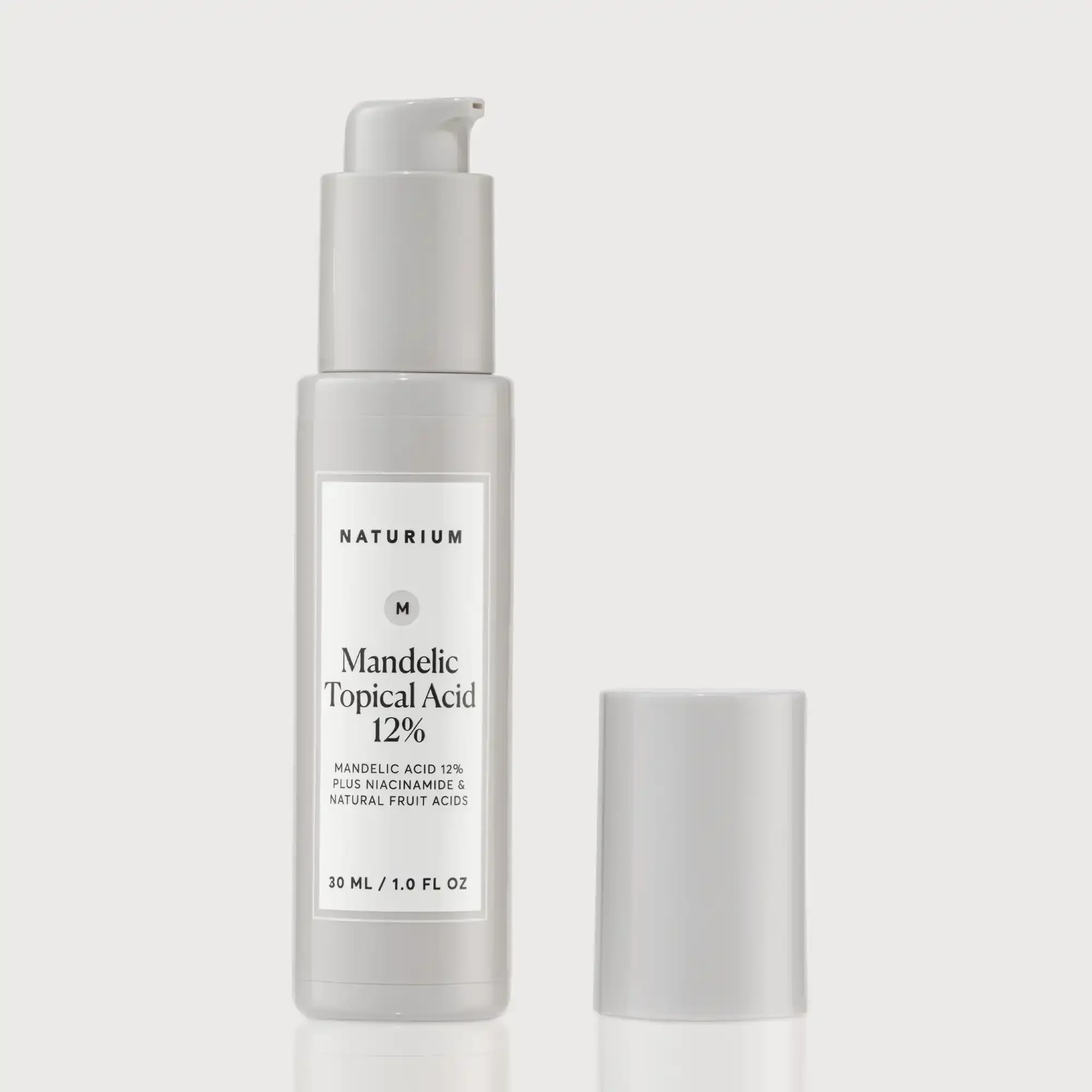
Naturium Mandelic Topical Acid 12%
Where to buy
At 12%, this is the strongest mandelic acid product in this group and is best suited to those who already have some experience with exfoliating acids. The formula also includes niacinamide, sodium hyaluronate, and a blend of fruit-derived extracts that complement its exfoliating action. If lower-strength mandelic acid products no longer feel effective, this can be a logical next step for those looking for a more intensive mandelic acid treatment.
Enzyme Exfoliants: For Extremely Reactive Skin
Enzyme exfoliants work differently from traditional acids. Instead of dissolving the bonds between dead skin cells, they use naturally occurring enzymes to help remove dead skin cells from the skin's surface.
Many people with sensitive skin find enzyme exfoliants gentler and easier to tolerate than stronger chemical exfoliants, making them a good alternative if your skin struggles with traditional acids.
Best For
Very reactive skin
People who don't tolerate acids well
Occasional exfoliation
Mild dullness
Best Enzyme Exfoliants for Reactive Skin
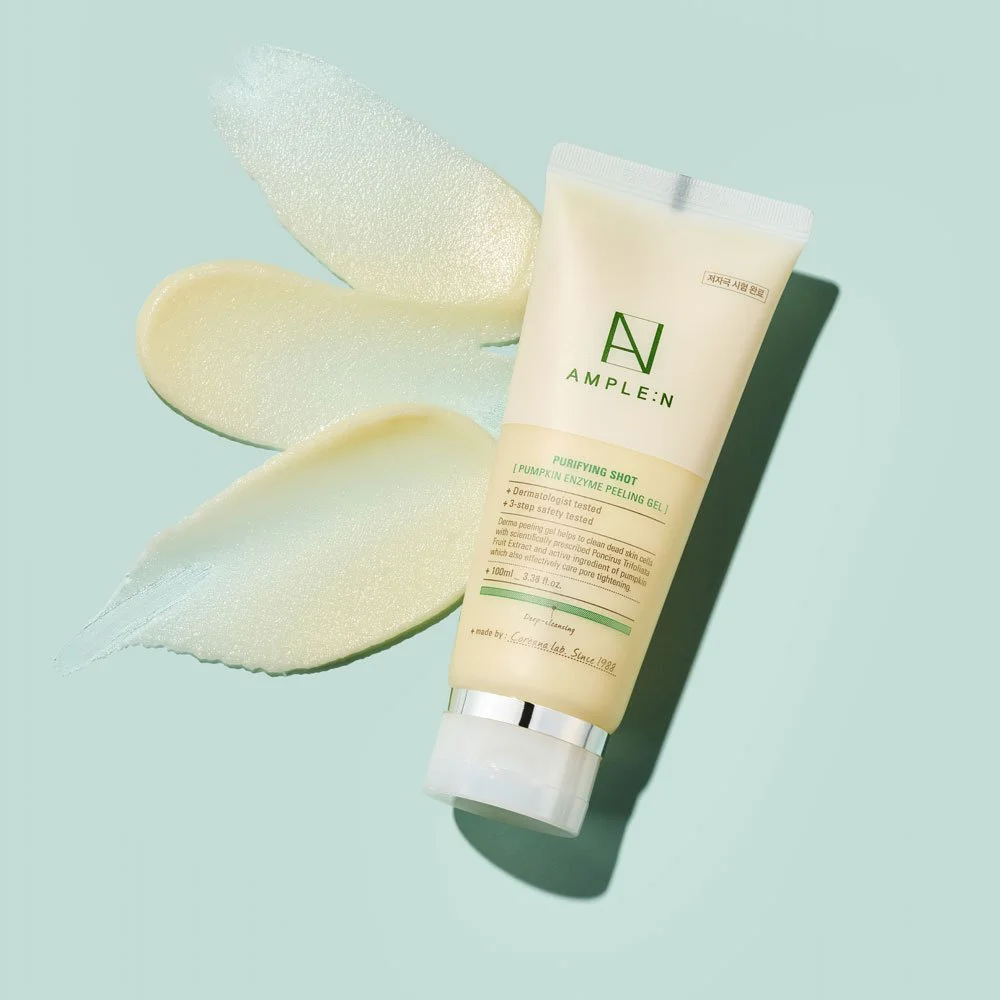
AMPLE:N Purifying Shot Pumpkin Enzyme Peeling Gel
Where to buy
Pumpkin ferment extract is the standout ingredient in this peeling gel. Combined with the cellulose-based formula, it helps remove buildup from the skin's surface while centella asiatica, chamomile, licorice root extract, and allantoin provide additional soothing support. It may appeal to those looking for a gentler exfoliating experience without incorporating leave-on acids into their routine.
EQQUALBERRY Swimming Pool Toner
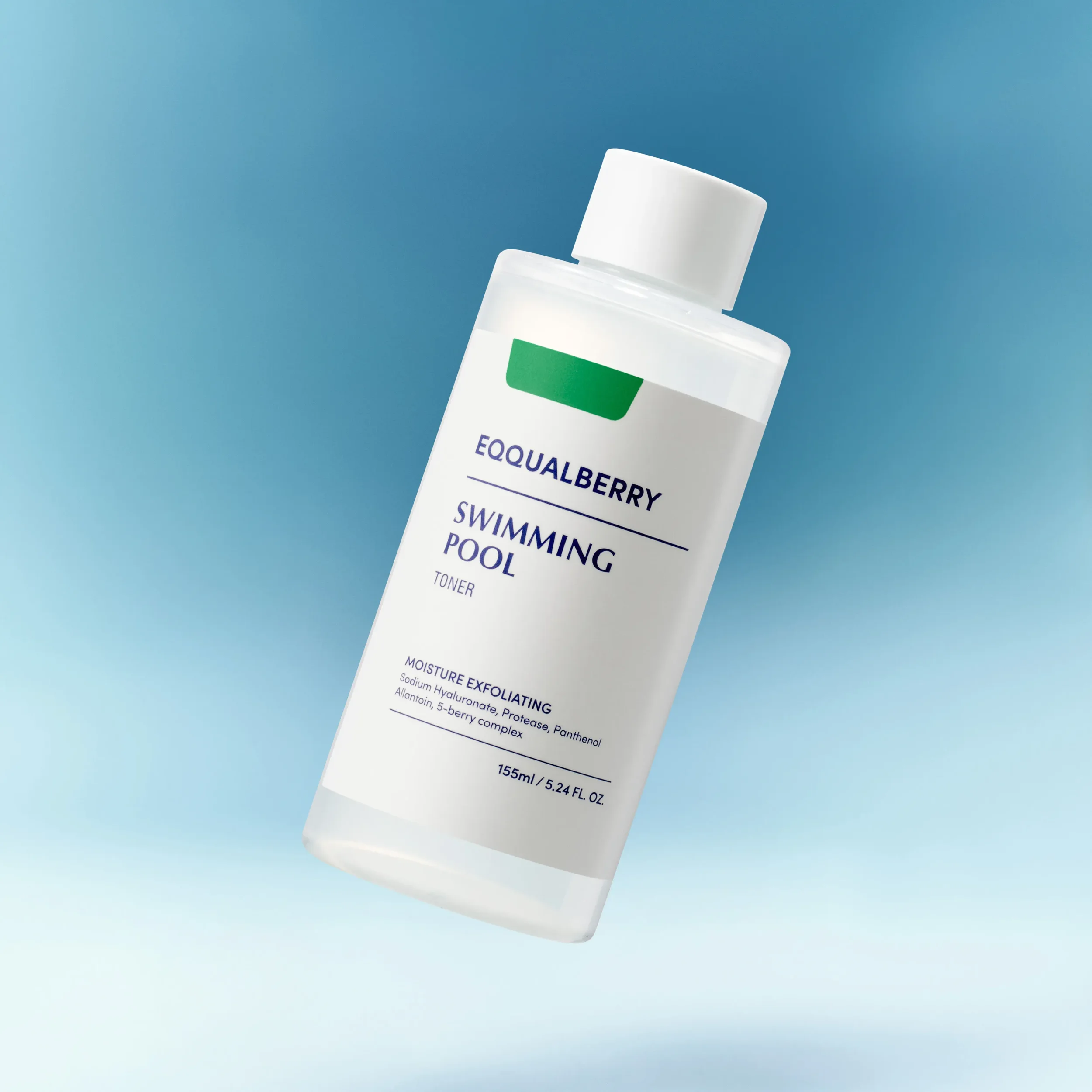
Protease is the key exfoliating ingredient in this toner, helping loosen and remove dead skin cells from the skin's surface. The formula also contains betaine, panthenol, beta-glucan, and sodium hyaluronate, ingredients commonly used to support hydration and skin comfort. Because it functions as a daily-use toner rather than a dedicated treatment product, it offers a very different approach to exfoliation than traditional acid serums.
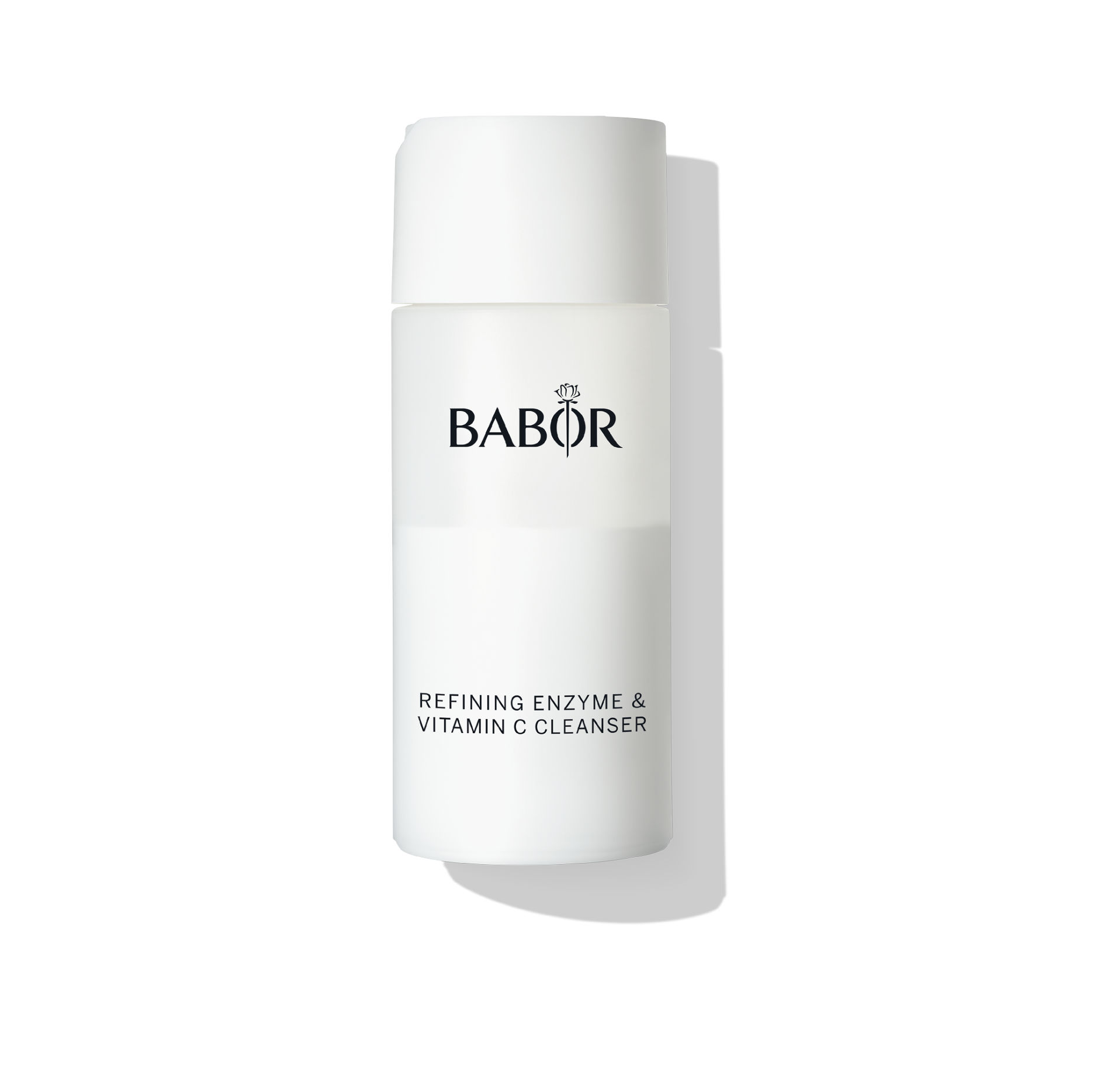
BABOR Refining Enzyme & Vitamin C Cleanser
Where to buy
This powder cleanser combines two exfoliating enzymes, papain and subtilisin, with vitamin C in a water-activated formula. Kaolin clay helps absorb excess oil and impurities, while moringa seed extract provides additional antioxidant support. Once mixed with water, the powder transforms into a light foam, making exfoliation part of the cleansing step rather than a separate treatment.
How Often Should Sensitive Skin Exfoliate?
One of the biggest mistakes I see is exfoliating too often.
For most people with sensitive skin, once a week is a reasonable starting point. If your skin remains comfortable after several weeks, you can gradually increase the frequency.
More isn't always better. Consistency is usually far more important than frequency.
Your Next Steps for Healthier, Smoother Sensitive Skin
Having sensitive skin doesn't automatically mean you should avoid exfoliation.
The key is choosing the right exfoliant for your concerns, introducing it gradually, and paying attention to how your skin responds.
When it comes to sensitive skin, gentle and consistent almost always works better than aggressive treatments.
Next steps:
Not sure which exfoliant is right for you? Check out my newly launched skincare ebook for a beginner-friendly guide to choosing ingredients and building a routine.
Explore more articles on the blog to learn about different exfoliants, skincare ingredients, and strategies for sensitive skin.
Unsure of your skin type? Take my Skin Type Quiz to get personalized recommendations tailored to your needs.
Want expert guidance? Book a Personalized Skincare Consultation for a routine designed specifically for your skin concerns.



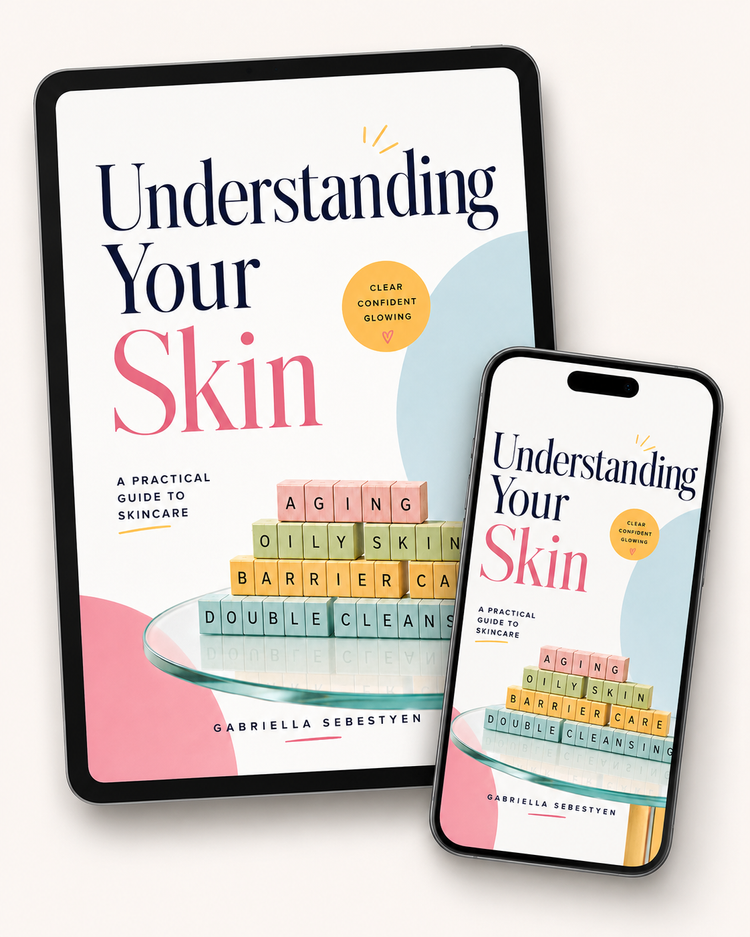
Understanding Your Skin
A Practical Guide to Skincare
I wrote Understanding Your Skin to help you build an effective skincare routine with confidence. This illustrated guide explains skin types, ingredients, and routines in a practical, evidence-based way that's easy to understand and apply.
- Written by a physician
- 120-page illustrated guide
- Evidence-based skincare guidance
- Sample routines & product recommendations

Having rosacea does not mean giving up every active ingredient. This guide looks at which actives can still fit into your routine, where the evidence is strongest, and which ones need more caution.