Best Korean Tinted Sunscreens: How to Apply Them Properly and Choose the Right One
Tinted sunscreens combine UV protection with sheer color, but they are not always as straightforward to use as regular sunscreen. The amount you apply, how evenly the tint spreads, and whether you layer it with another sunscreen can all affect how practical the product is in real life.
In this guide, I’ll explain how to use tinted sunscreen without under-applying it, when it makes sense to layer it over another SPF, and which Korean tinted sunscreens are worth considering for different skin tones, finishes, and coverage preferences.
Key Takeaways
✓ Most people do not apply enough tinted sunscreen to achieve the advertised SPF protection.
✓ Layering tinted sunscreen over a regular sunscreen is often the most practical approach.
✓ Iron oxides provide light coverage while also helping protect against visible light.
✓ Regular sunscreen is usually easier to reapply throughout the day than tinted sunscreen.
✓ The best tinted sunscreen depends on your skin type, preferred finish, and desired level of coverage.
Some links on this page are affiliate links, which means I may earn a small commission at no extra cost to you.
What Makes Tinted Sunscreens Different From Regular Sunscreens
Tinted sunscreens provide the same basic UV protection as regular sunscreens, but they also contain pigments that add sheer color and help even out the appearance of the skin. The sunscreen itself can still use mineral, chemical, or hybrid UV filters.
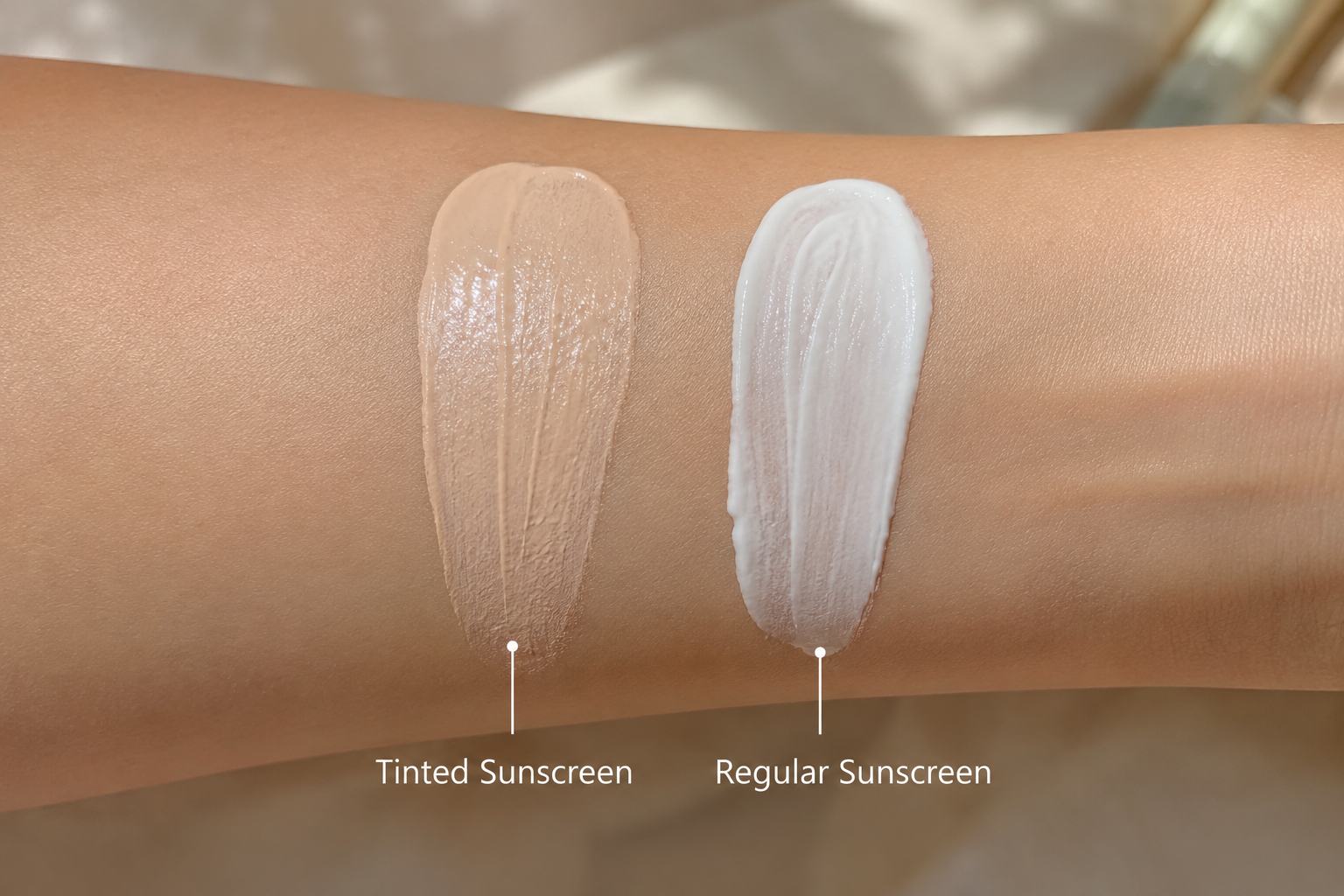
The tint often comes from iron oxides, which are especially interesting because they can also improve protection against visible light. Recent research on tinted sunscreens found that iron oxide-containing formulas provide better protection against visible-light-induced pigmentation than non-tinted sunscreens, which can be particularly relevant for concerns such as melasma and post-inflammatory hyperpigmentation.
So the main difference is not that tinted sunscreen is a completely different type of SPF. It is still sunscreen, but with added pigment that can provide light coverage, tone correction, and potentially broader protection against pigmentation caused by visible light.
The UV filter system itself may still be mineral, chemical, or hybrid, just as it is with untinted sunscreen.
Continue Learning About Sunscreen
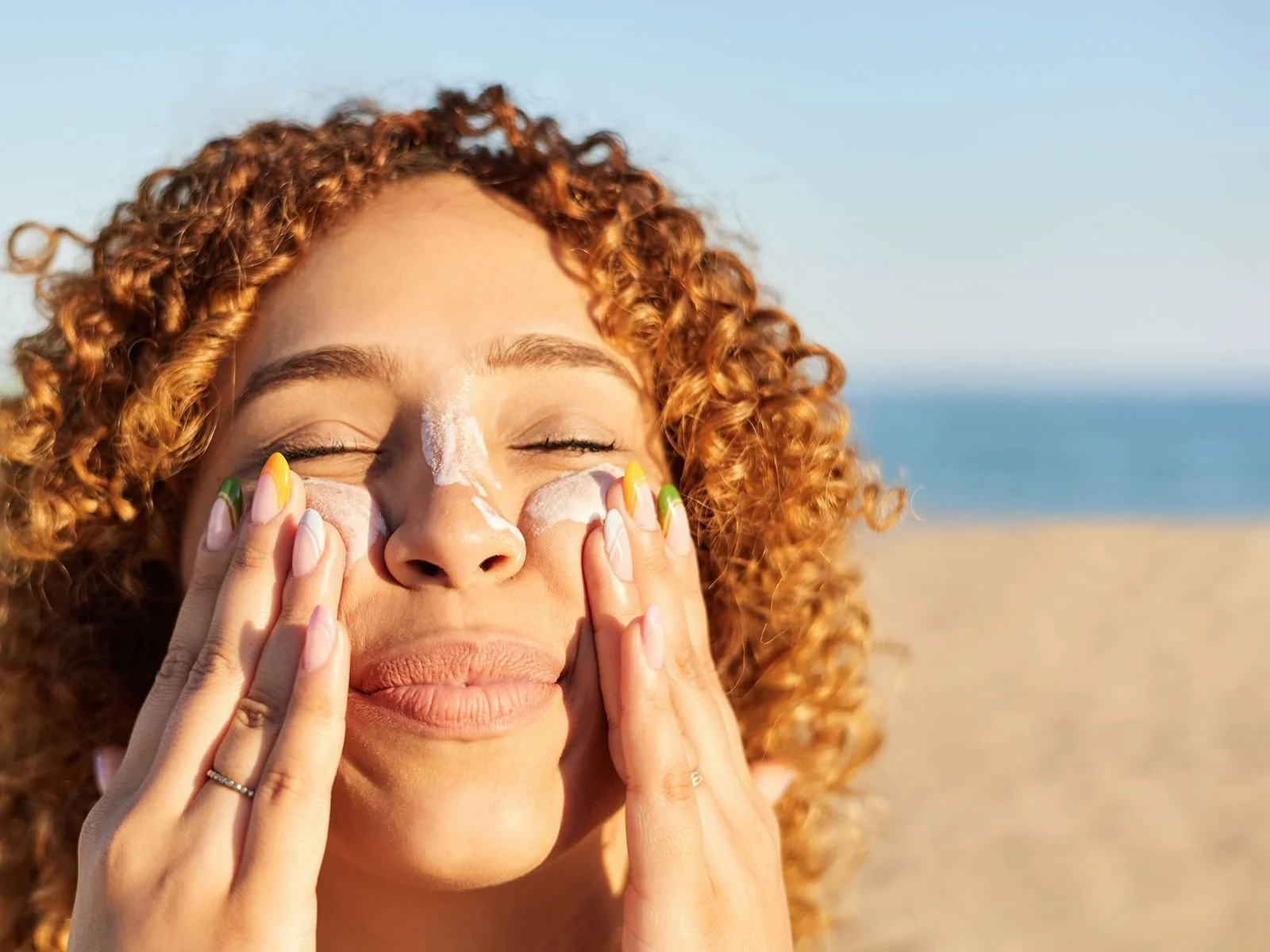
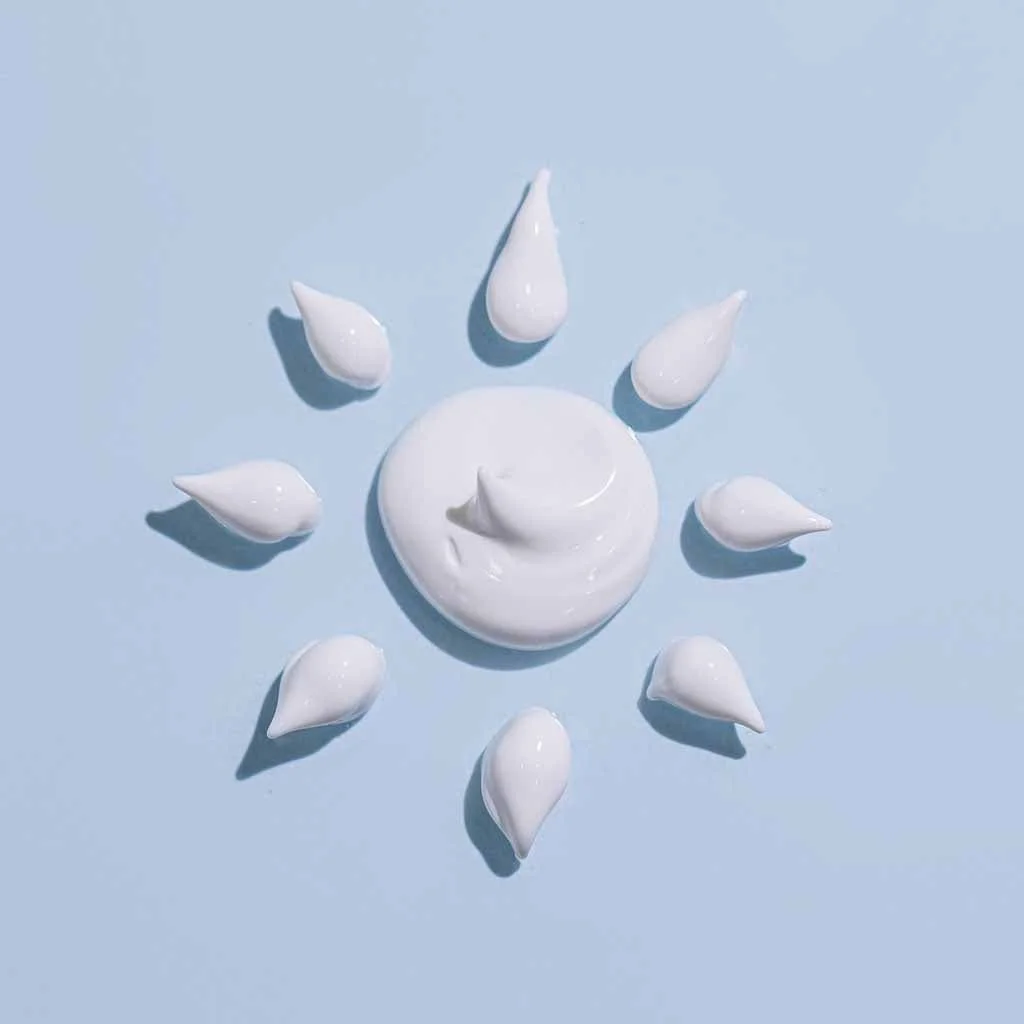
Can You Really Use Tinted Sunscreen Alone?
Yes, tinted sunscreen can be used on its own if you apply enough of it to reach the labeled level of protection. The challenge is that this can be much harder in practice once pigment and coverage are involved.
I tried applying a full sunscreen amount with tinted formulas myself, and this is where the problem becomes obvious. With some products, the color starts to build up quickly, the finish becomes much heavier, and what looked like a sheer tint at first can suddenly feel more like foundation.
The popular two-finger rule is only an application shortcut, not a precise requirement for every face or every sunscreen, but the underlying point still matters: you need a generous, even layer to get close to the tested SPF.
So tinted sunscreen absolutely can be your only sunscreen. But if you find yourself deliberately using a very thin layer because the tint becomes too heavy, layering it over a regular sunscreen may be the more practical option.
Layering Tinted Sunscreen for Better Protection and a Natural Finish
A common problem with tinted sunscreen is that the amount that looks best on the skin is not always the amount you would want to rely on for full sun protection. Once you add enough pigment to match a generous sunscreen application, some formulas can start looking heavy, overly tinted, or makeup-like.
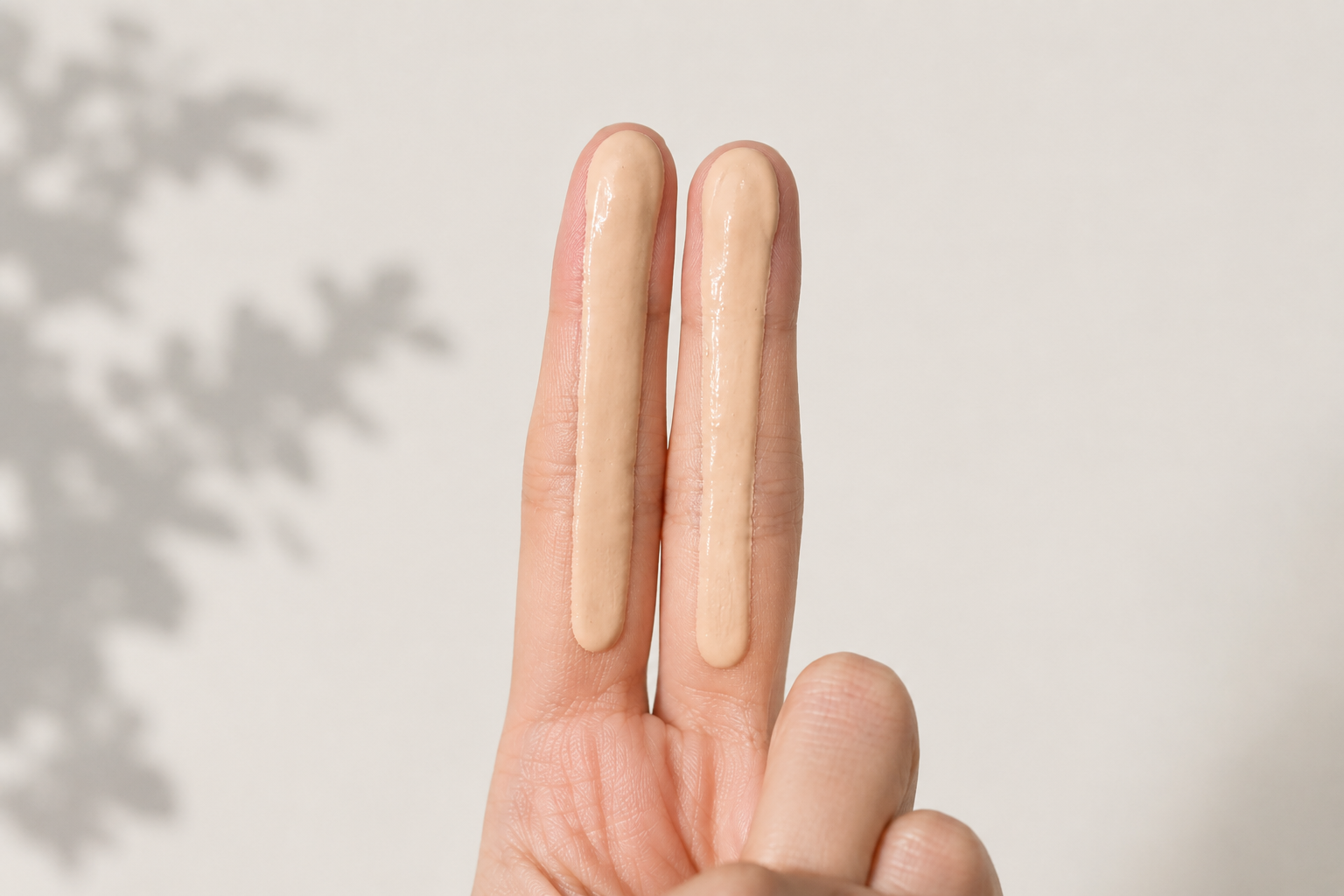
One practical solution is to use a regular sunscreen as your main SPF layer and add tinted sunscreen on top for color and coverage. This way, you can apply enough of your first sunscreen without worrying about how much pigment is building up on your face.
The important part is to apply the regular sunscreen properly first and let it settle before adding the tinted layer. I would also avoid mixing the two products together before application, since sunscreen formulas are designed to form their own even protective film.
The Method That Works Best for Me
Personally, this is how I prefer to wear tinted sunscreen. I start with a lightweight sunscreen or sun serum, apply the amount I normally use for sun protection, and then add a thinner layer of tinted sunscreen once it has set.
For me, this gives a much better balance. I still get the fresh, even finish I want from the tint without having to build up a thick layer of pigmented sunscreen.
And could you simply use foundation or BB cream on top of your regular SPF instead? Absolutely. The reason I often prefer tinted sunscreen is that it usually feels lighter and gives me that sheer, skin-like finish without looking as much like traditional base makeup.
How to Reapply Tinted Sunscreen
Reapplying tinted sunscreen can be awkward because every additional layer adds more pigment. After a few applications, the finish can start looking heavy or uneven, especially if you are already wearing makeup underneath.
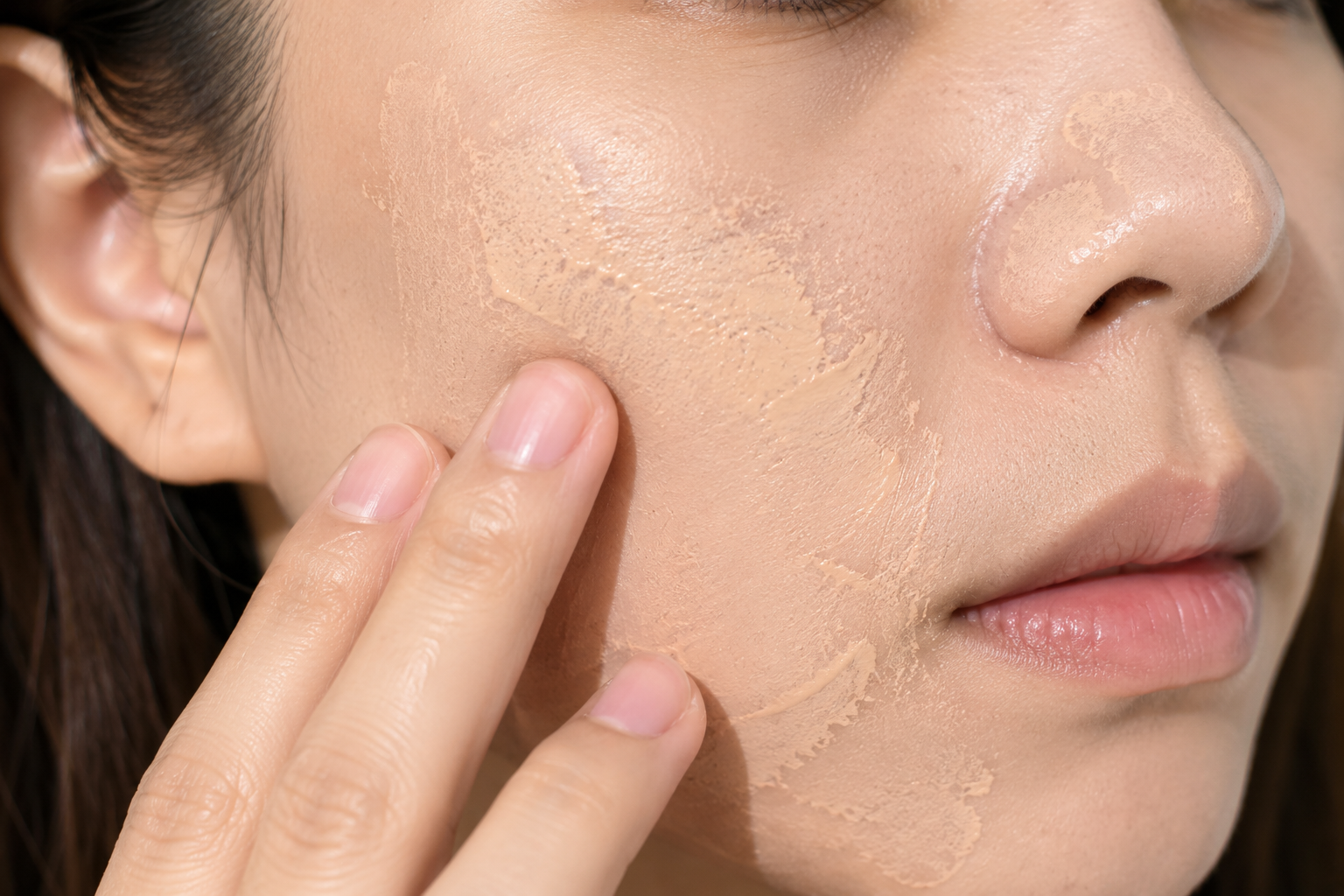
Personally, I prefer to keep the tinted layer for coverage and reapply a transparent sunscreen during the day. This lets me refresh my sun protection without continuously building more color on the skin.
A sun stick can be very convenient for this, but it still needs to be applied generously and evenly if you are relying on it for meaningful UV protection. Sunscreen protection depends strongly on how much product is actually applied, regardless of whether it comes as a lotion, spray, or stick.
If the tint itself has faded, a tinted sunscreen cushion can be useful for touching up the color at the same time. I just think of that as a coverage touch-up rather than assuming a few light taps will provide a full sunscreen reapplication.
When you are outdoors for extended periods, sunscreen should still be reapplied regularly, particularly after sweating or swimming. The American Academy of Dermatology recommends reapplying approximately every two hours outdoors
The Best Korean Tinted Sunscreens to Try
When choosing a Korean tinted sunscreen, the finish is important, but it should not be the only thing you look at. The formula still needs to make sense for your skin type, especially if you are sensitive, oily, dry, acne-prone, or easily irritated.
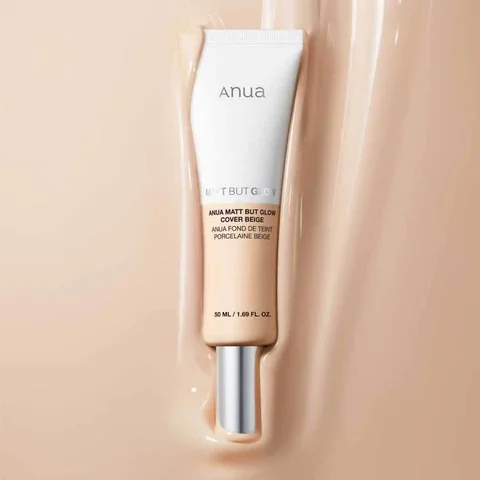
Anua Matte But Glow Cover Beige
Where to buy
This is my personal favorite and what I use daily. The formula combines lightweight emollients, niacinamide, and madecassoside, focusing on barrier support rather than a flat matte finish. Silica helps manage shine, while iron oxides provide light tone correction without a heavy makeup feel.
UV Filters: Zinc Oxide, Titanium Dioxide (Mineral)
Texture: Lightweight, comfortable, non-drying
Best For: Normal, combination, and slightly dry skin
Note: Fragrance-free and essential oil-free; available in one shade.
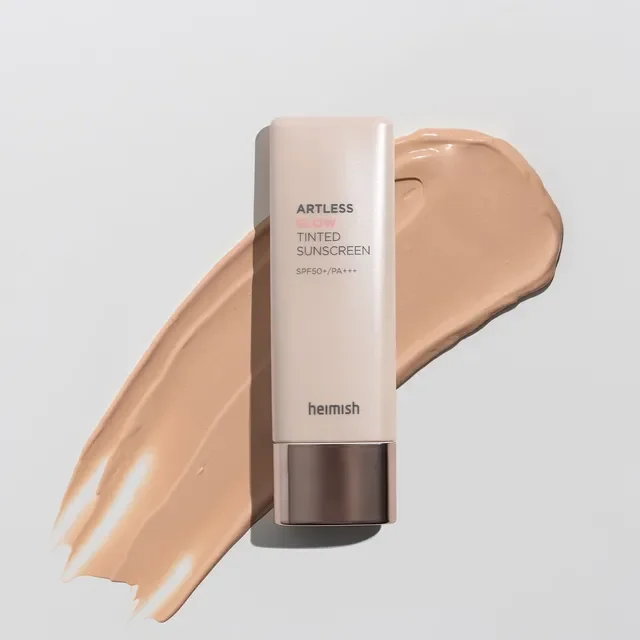
Heimish Artless Glow Tinted Sunscreen
Where to buy
This formula has a watery essence texture that sits very lightly on the skin. It uses several chemical filters paired with niacinamide and pearl extract for a luminous finish. The tint is sheer, making it better for a subtle glow than actual coverage.
UV Filters: Chemical filters plus Titanium Dioxide (Hybrid)
Texture: Fluid, watery essence
Best For:Oily and combination skin types
Note: Contains fragrance and peppermint extract; may not suit sensitive skin.
THANK YOU FARMER Be Beautiful Skin Tint
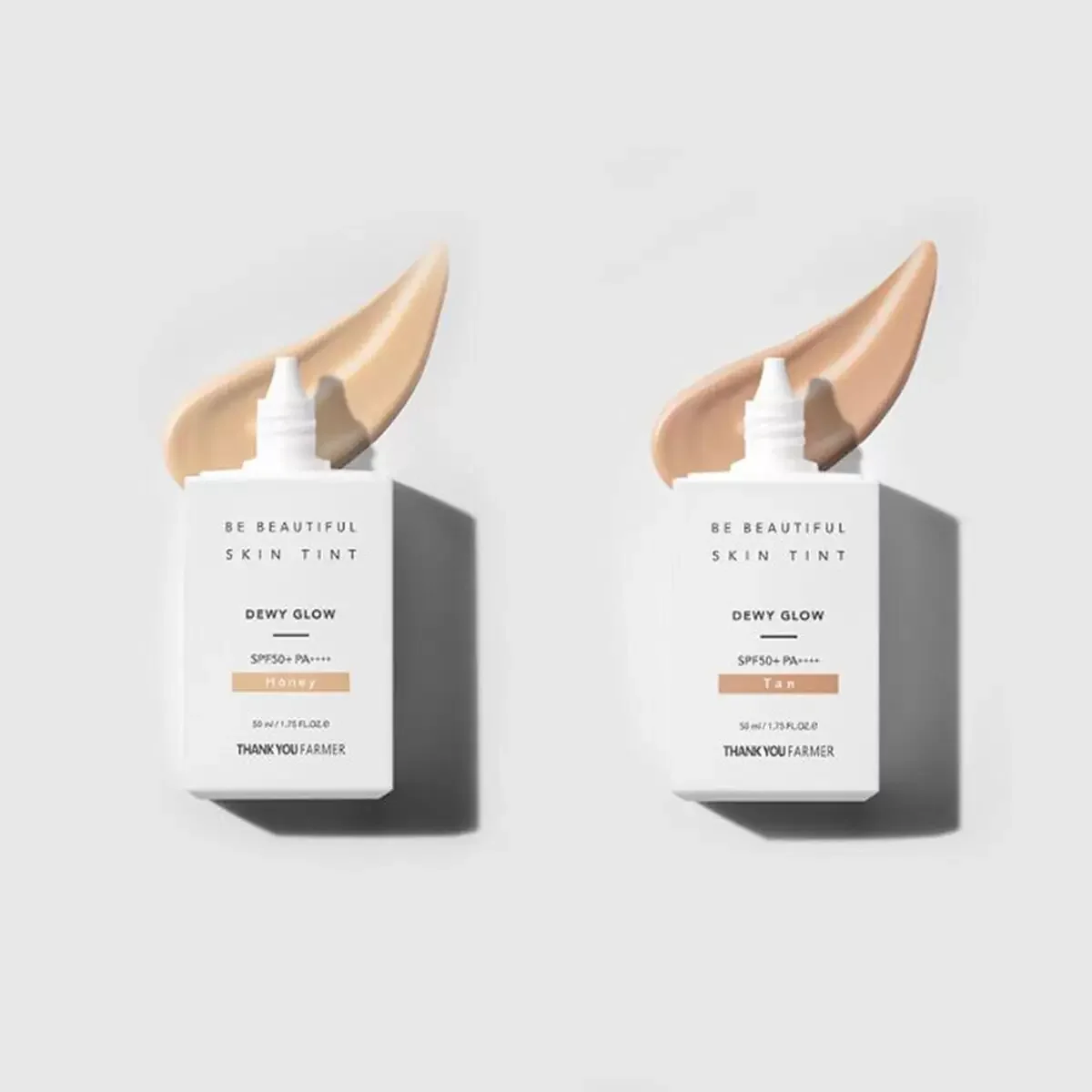
This mineral tint has a skin-like finish that avoids looking heavy. With ingredients like trehalose for hydration and tocopherol for antioxidant support, it feels comfortable on the skin. This tint often works better on warmer or slightly deeper skin tones than many other K-Beauty options.
UV Filters: Zinc Oxide, Titanium Dioxide (Mineral)
Texture: Very lightweight and watery
Best For: Normal to combination skin seeking minimal coverage
Note: Fragrance-free, essential oil-free and available in two shades.
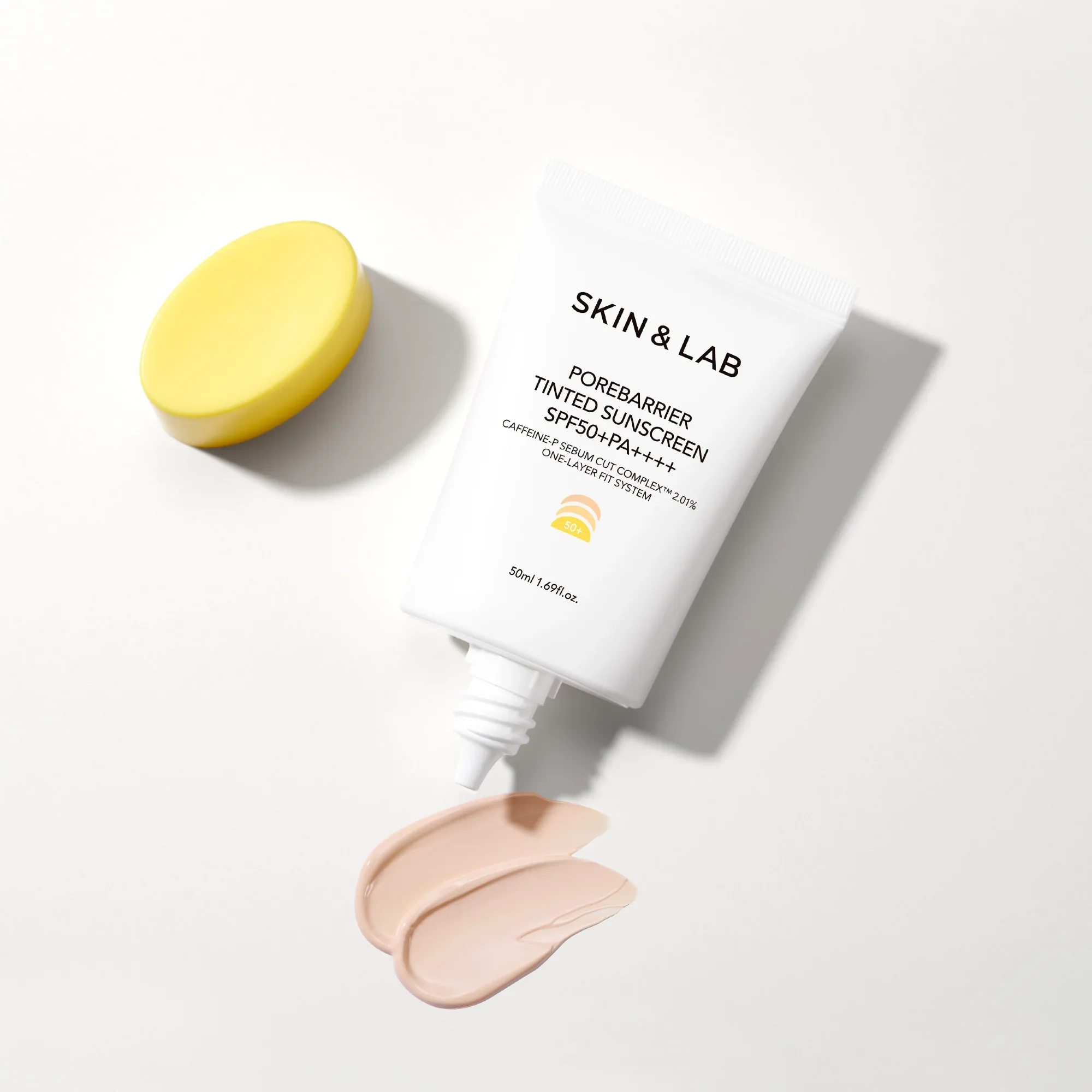
SKIN&LAB Porebarrier Tinted Sunscreen
Where to buy
If you prefer a polished, "blurred" look, this is a strong choice. It’s less about the dewy glow and more about smoothing the skin surface. The formula includes caffeine and panthenol to support the skin while providing light tone evening.
UV Filters: Zinc Oxide, Titanium Dioxide (Mineral)
Texture: Lightweight with a soft-focus finish
Best For: Combination and oily-combination skin
Note: Fragrance-free and essential oil-free.
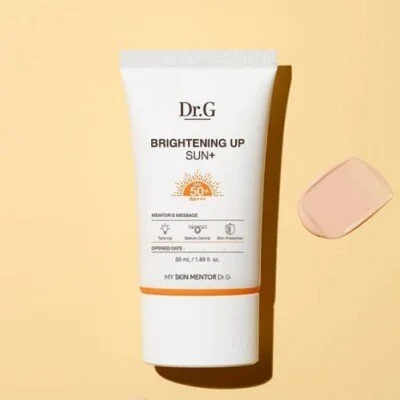
Dr.G Bright Toning Up Tinted Sunscreen
Where to buy
This sits between a tone-up cream and a tinted sunscreen. The iron oxides help the brightening effect blend more naturally than a typical white-cast tone-up. It leans toward antioxidant care with ethyl ascorbic acid and tocopherol.
UV Filters: Zinc Oxide, Octisalate, Homosalate (Hybrid)
Texture: Lightweight and silicone-based
Best For: Those who want a brightening effect with very sheer coverage
Note: Fragrance-free and essential oil-free.
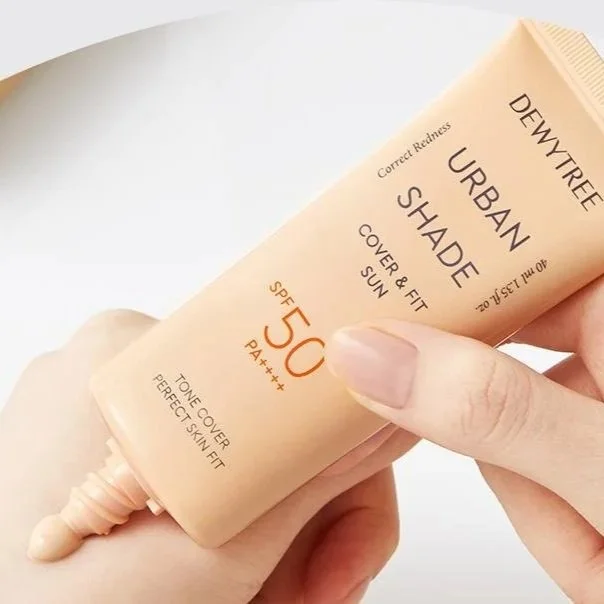
Dewytree Urban Shade Cover & Fit Sun
Where to buy
This offers the highest coverage of the group. It uses titanium dioxide and iron oxides to create a more perfected skin finish. Despite the coverage, it stays comfortable thanks to birch juice and multiple forms of hyaluronic acid for hydration.
UV Filters: Titanium Dioxide (Mineral)
Texture: Richer and more pigmented
Best For: Normal to dry skin types looking for a "foundation-lite" finish
Note: Available in one shade; contains mugwort oil, which may not be ideal for very sensitive skin.
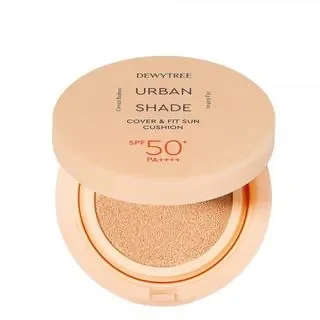
Dewytree Urban Shade Cover & Fit Sun Cushion
Where to buy
This is the cushion version of the Cover & Fit Sun, making it much easier for mess-free reapplication. It provides the same perfected finish but allows you to build up the coverage more gradually throughout the day.
UV Filters: Titanium Dioxide (Mineral)
Texture: Buildable cushion liquid
Best For: On-the-go touch-ups with a more polished look
Note: Contains mugwort oil and tea tree water, which may not be ideal for very sensitive skin.
Frequently Asked Questions
Does Tinted Sunscreen Need to Match Your Skin Tone Exactly?
Not perfectly, especially if the coverage is very sheer. But a poor shade match becomes much more noticeable when you apply a generous amount, which is one reason limited shade ranges can be a real drawback with tinted sunscreens.
Can Acne-Prone Skin Use Tinted Sunscreen?
Yes. The tint itself is not a problem for acne-prone skin, but the complete formula still matters. Look at the texture, emollients, fragrance, and other ingredients just as you would with any regular sunscreen.
Can You Mix Tinted Sunscreen With Moisturizer or Foundation?
I would not mix them together if you are relying on the tinted sunscreen for your SPF protection. Mixing can dilute the sunscreen and interfere with how evenly the protective film forms, so layering the products separately is the safer approach.
Can You Apply Tinted Sunscreen Around the Eyes?
Usually yes, as long as the product does not irritate or sting your eyes. Mineral-based tinted sunscreens can sometimes be more comfortable in this area, but individual formulas vary.
Does Tinted Sunscreen Protect Against Blue Light From Phones and Screens?
Iron oxides can help protect against visible light, but the pigmentation research mainly concerns much stronger visible-light exposure from sunlight. Everyday phone and computer screens produce far less visible-light exposure, so outdoor sun protection remains much more important.
Final Thoughts
Tinted sunscreens can be a really nice option if you prefer lighter, more natural-looking coverage during the day. The main thing is understanding that they work a little differently from regular transparent sunscreens, especially when it comes to application and reapplication.
Personally, I find they work best as a balance between SPF and complexion product rather than treating them exactly like a regular sunscreen. For me, that approach creates the most natural and wearable result in everyday life.
If you enjoy practical Korean skincare content like this, you can also explore my other blogs, where I regularly share ingredient breakdowns, honest product discussions, and Korean skincare recommendations based on real formulations rather than hype.
And if you do not know where to start, you can try my Skin Type Quiz for immediate product recommendations matched to your skin type, or book an online consultation for a fully personalized Korean skincare routine.
You May Also Enjoy


Understanding Your Skin
A Practical Guide to Skincare
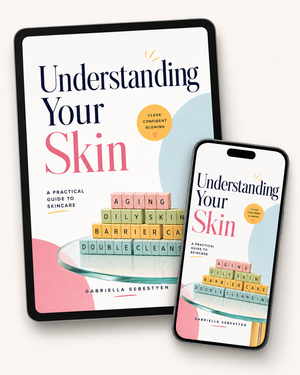
I wrote Understanding Your Skin to help you build an effective skincare routine with confidence. This illustrated guide explains skin types, ingredients, and routines in a practical, evidence-based way that's easy to understand and apply.
- Written by a physician
- 120-page illustrated guide
- Evidence-based skincare guidance
- Sample routines & product recommendations

Modern Korean sun serums prove that daily SPF can be lightweight, hydrating, and genuinely enjoyable to wear.