Best Korean Mineral Sunscreens: A Skin-Type Based Selection Guide
Mineral sunscreens are often recommended for sensitive skin, but finding one that feels comfortable and looks good can be surprisingly difficult. This guide explores what makes a mineral sunscreen effective and how to choose a formula that suits your skin type and daily routine.
Key Takeaways
✓ Mineral sunscreens can be an excellent option for sensitive, reactive, and post-procedure skin.
✓ White cast, dryness, and pilling are the most common challenges with mineral SPF.
✓ The base formula matters just as much as the UV filters themselves.
✓ Different mineral sunscreens suit different skin types and concerns.
✓ The best sunscreen is the one you will apply consistently every day.
Some links are affiliate links. If you choose to purchase through them, it helps support my work at no extra cost to you.
What Is a Mineral Sunscreen?
A mineral sunscreen is a sunscreen that uses zinc oxide, titanium dioxide, or both as its UV filters. These are inorganic filters, which is why mineral sunscreens are also commonly called physical sunscreens.
Which UV Filters Are Used in Mineral Sunscreens?
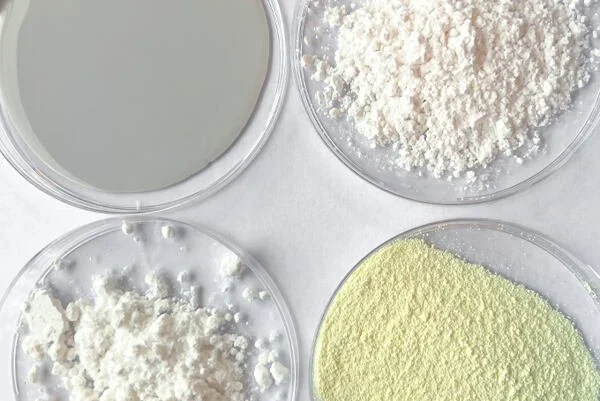
There are two filters used in mineral sunscreens:
Zinc Oxide
Provides broad UV protection across both UVA and UVB wavelengths and is often used as the main filter in fully mineral formulasTitanium Dioxide
Provides strong UVB and shorter-wave UVA protection and is often paired with zinc oxide for broader coverage
If zinc oxide and/or titanium dioxide are the only UV filters in the formula, the sunscreen is considered fully mineral. If they are combined with organic UV filters, the product is usually described as a hybrid sunscreen. The American Academy of Dermatology uses the same distinction.
Are “Physical” and “Mineral” Sunscreens the Same?
In everyday skincare language, yes. “Physical sunscreen” and “mineral sunscreen” usually refer to the same type of sunscreen, although “mineral” is the more precise term.
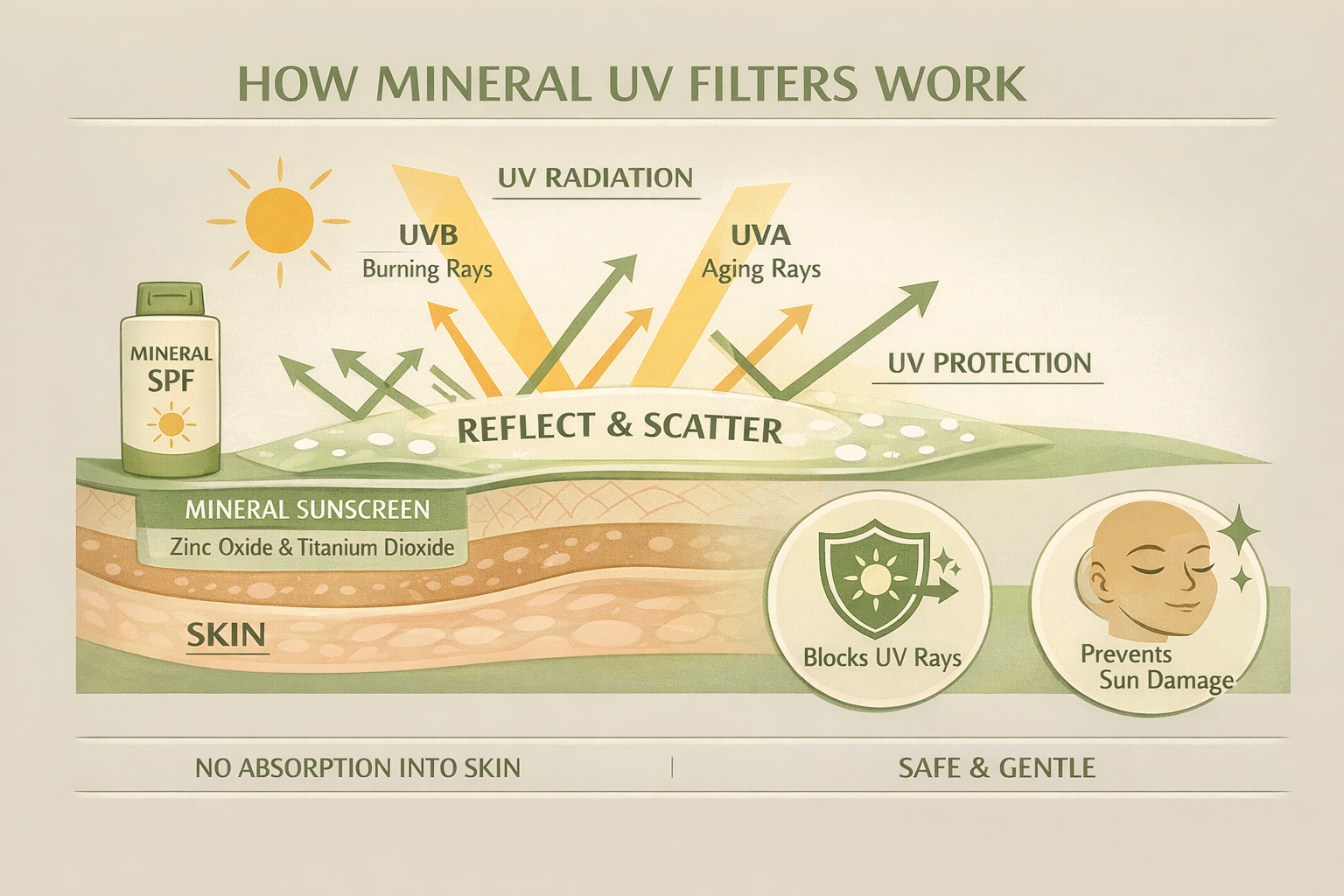
The older explanation was that mineral filters work mainly by sitting on top of the skin and reflecting UV radiation like tiny mirrors. We now know that this is too simplistic. Research shows that zinc oxide and titanium dioxide protect mainly by absorbing UV radiation, while also reflecting and scattering a smaller amount. A study measuring zinc oxide and titanium dioxide found that only a small proportion of UV protection came from reflection.
How Do Mineral Sunscreens Protect Your Skin?
Mineral sunscreens protect your skin mainly by:
absorbing UV radiation
converting that energy into a small amount of heat
reflecting and scattering part of the incoming light
Mineral sunscreens are often recommended when skin is very sensitive or easily irritated. The American Academy of Dermatology specifically suggests zinc oxide and titanium dioxide for people whose skin stings or burns with sunscreen, and also recommends them for rosacea-prone skin.
One thing I would not rely on is the old rule that mineral sunscreens provide “instant protection” while organic sunscreens need time to activate. Current dermatology guidance still recommends applying sunscreen about 15 minutes before going outdoors, regardless of sunscreen type, so the product has time to form an even protective film on the skin. AAD sunscreen application guidance recommends this for sunscreen generally.
The most important thing is still choosing a sunscreen you can apply generously and consistently, with adequate broad-spectrum protection for your daily UV exposure.

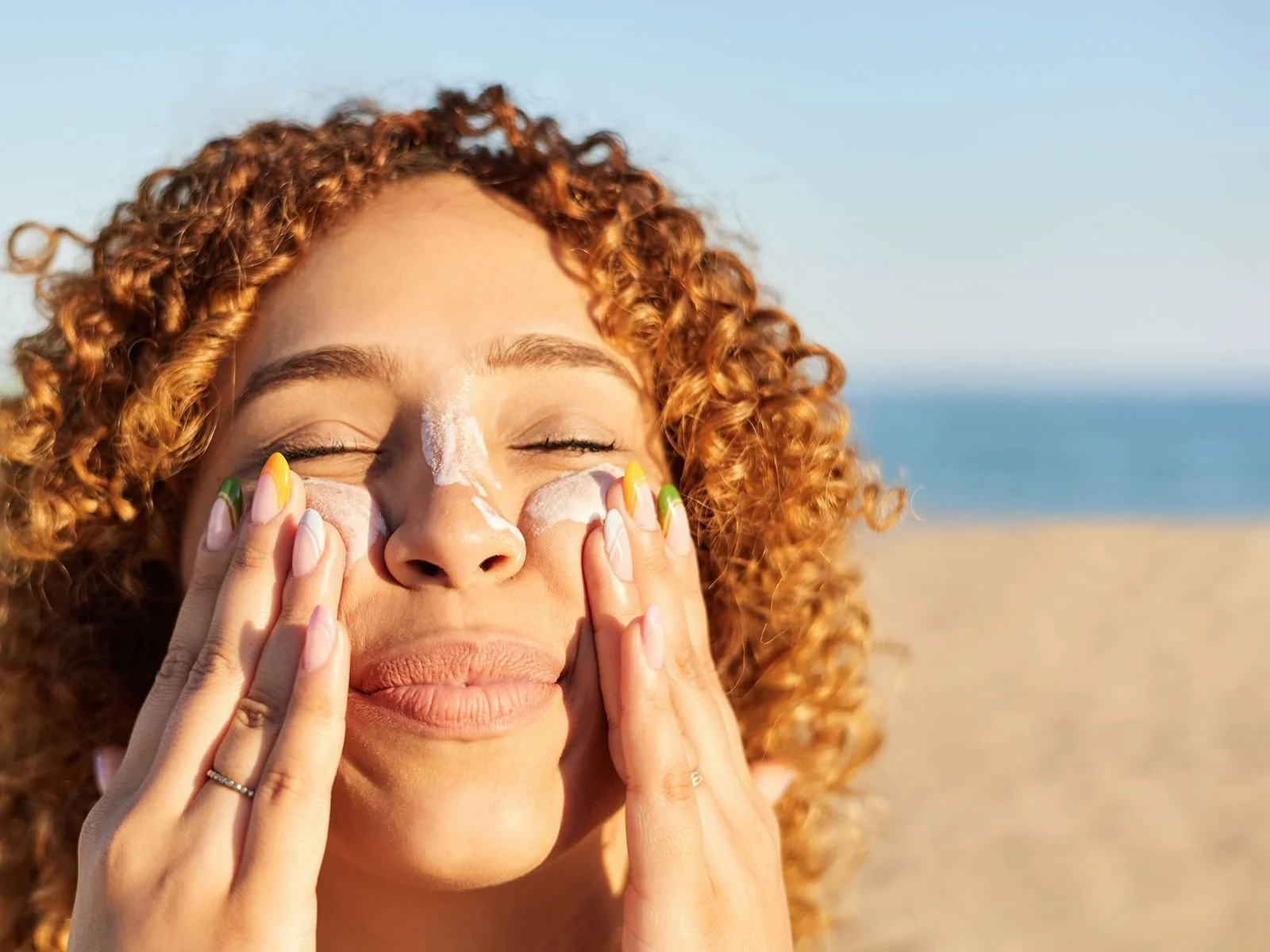

Why Mineral Sunscreens Can Be Challenging
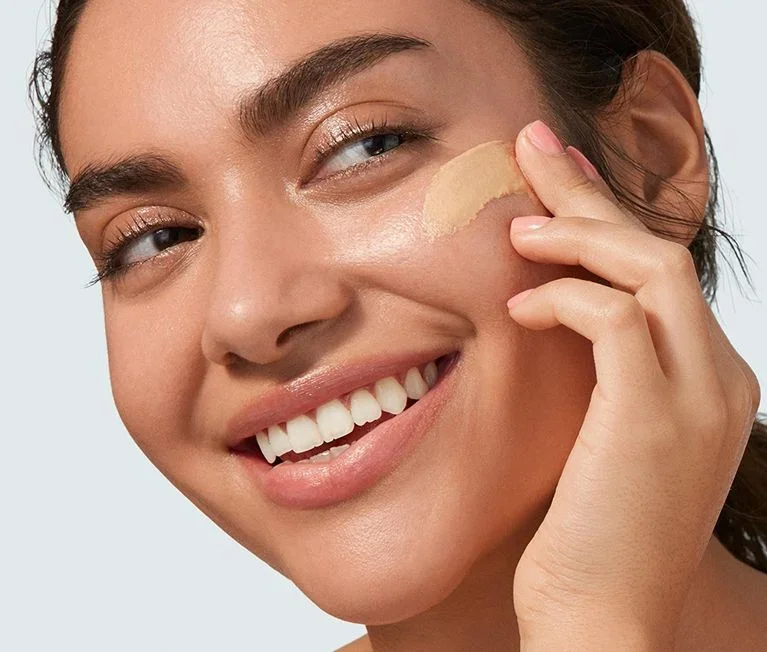
Mineral sunscreens can be harder to formulate elegantly because zinc oxide and titanium dioxide may leave a white cast, feel heavier on the skin, or be more difficult to spread evenly than many modern organic-filter sunscreens.
White cast is one of the biggest issues, especially on medium to deep skin tones. A 2025 study on mineral sunscreen white cast found that increasing zinc oxide concentrations produced progressively more visible whitening, which can affect how willing people are to apply enough sunscreen consistently.
Texture can also be a challenge. Mineral filters are particles that need to be dispersed evenly throughout the formula, and this can contribute to the thicker or more noticeable feel people often associate with mineral sunscreens. Modern formulation techniques, including smaller particle sizes and better dispersion systems, have improved this considerably, but there is still a lot of variation between products.
So if you have tried one mineral sunscreen and disliked it, that does not necessarily mean mineral sunscreens as a whole will not work for you. The formulation matters enormously, and newer Korean mineral sunscreens can feel very different from the thick, chalky formulas many people still associate with this category.
1. White Cast

White cast is the most frequently mentioned concern.
Zinc oxide and titanium dioxide are naturally white minerals. When applied to the skin, especially in higher concentrations, they can leave a visible film. This effect is more noticeable:
On deeper skin tones
With higher SPF values
In formulas using larger (non-nano) particles
When the product is not well-dispersed in the base
Modern Korean formulations have significantly improved in this area, but the risk is still higher compared to organic filter sunscreens. Choosing well-balanced textures or tinted versions can make a considerable difference.
2. Dryness or Tight Feeling
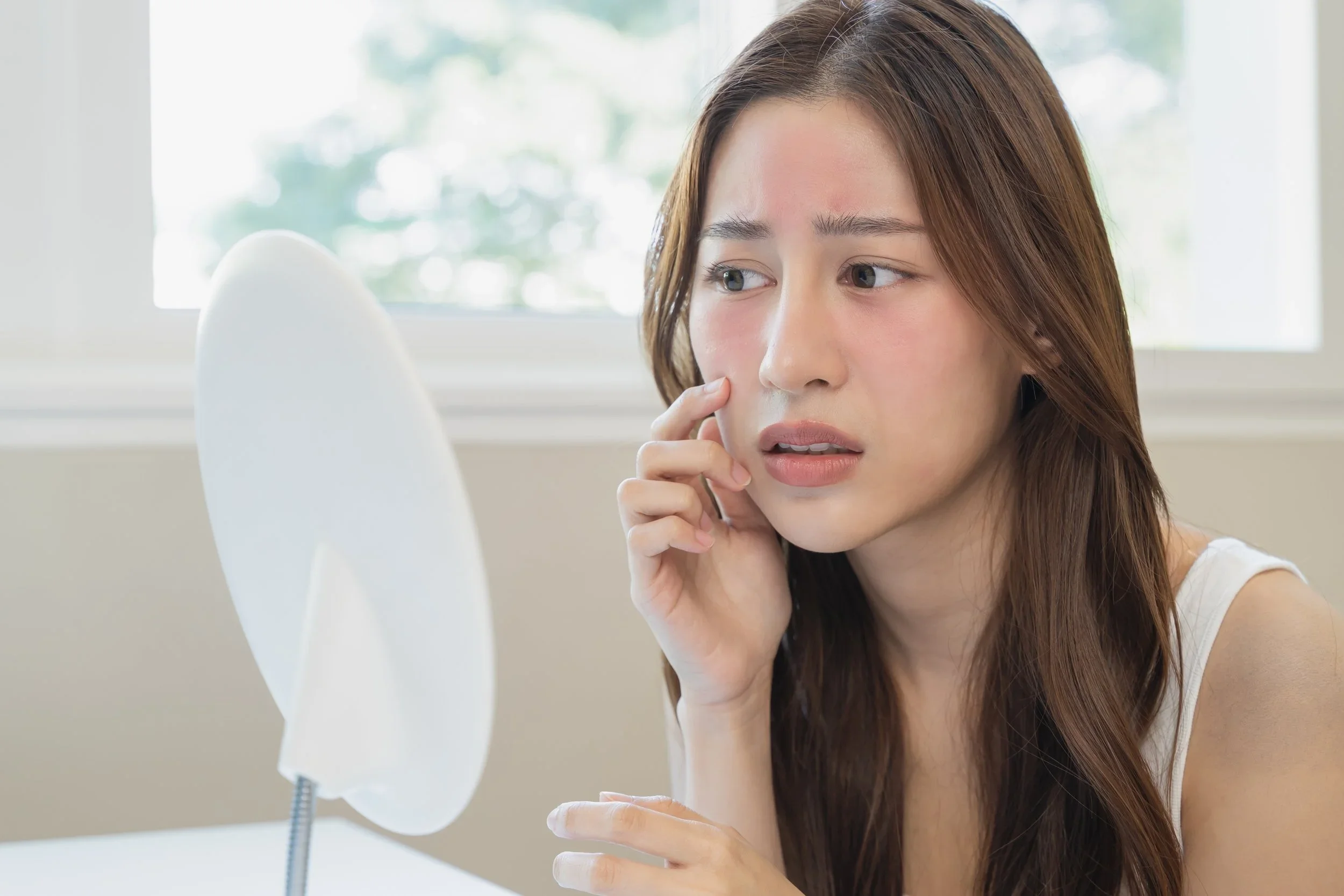
Some mineral sunscreens can feel slightly drying or heavy. This usually happens because:
The formula contains a high percentage of zinc oxide
The base is more matte or oil-absorbing
There are fewer emollients included to balance the mineral load
Zinc oxide itself is not inherently “drying,” but it can create a more matte, set finish. For oily or acne-prone skin, this may feel pleasant. For dry or barrier-compromised skin, it may feel uncomfortable.
The key is matching the base formulation to your skin type.
3. Pilling Under Makeup
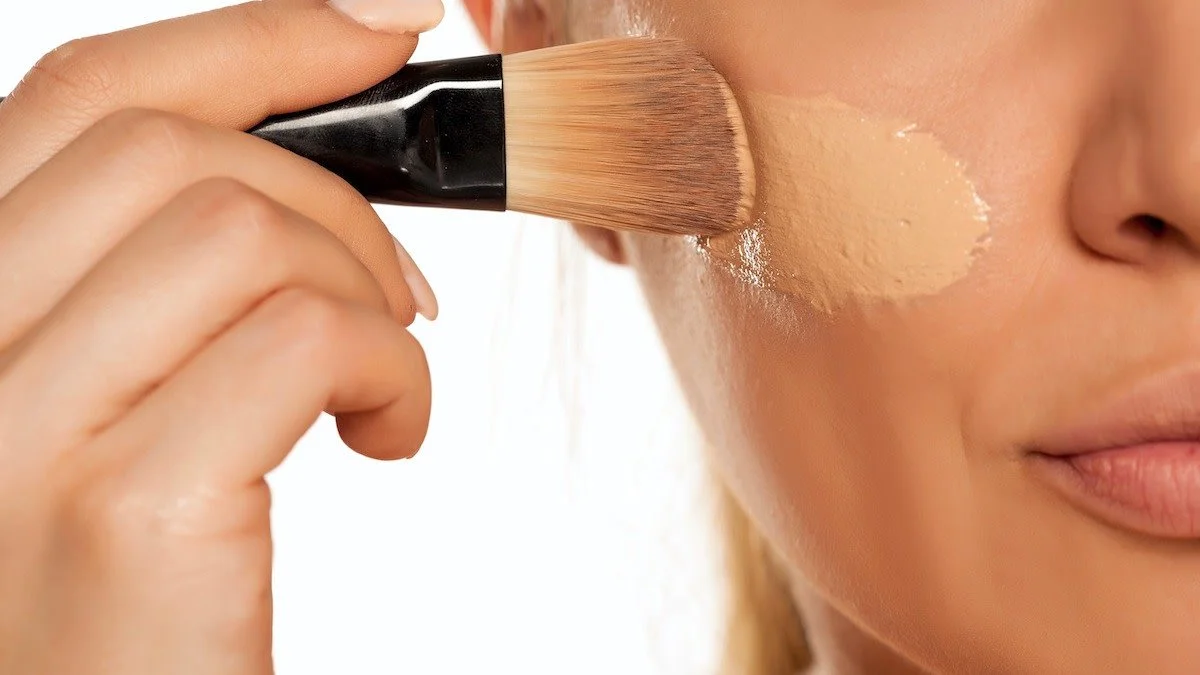
Pilling often has less to do with the mineral filters themselves and more to do with formulation structure.
It can occur when:
The sunscreen contains film-formers that do not layer well
Too many products are applied underneath
The base is silicone-heavy and not fully set before makeup
Because mineral sunscreens sit on the surface of the skin, friction during application can disturb the film more easily. Allowing the sunscreen to set properly and adjusting layering techniques can reduce this issue significantly.
4. Difficulty Reapplying

Reapplication can feel inconvenient, particularly with thicker mineral formulas. Adding another visible layer during the day may increase:
White cast
Texture buildup
Makeup disruption
This is one reason some people hesitate to rely on mineral sunscreen for daily urban wear. However, selecting lighter emulsions or tinted options can make reapplication more manageable.
It is completely reasonable to want protection that also feels comfortable. Mineral sunscreens can work beautifully, but they are not automatically effortless. The goal is not to tolerate discomfort, but to find a formula that aligns with your skin’s needs and your daily routine.
What Makes a Good Mineral Formula
Not every mineral sunscreen performs the same way. Two products may both contain zinc oxide, yet feel completely different on the skin. The difference lies in formulation logic — how the filters are balanced, how the base is built, and whether the overall design supports real-life daily use.
When evaluating a mineral sunscreen, these are the core factors I consider.
1. Filter System Transparency
A well-formulated mineral sunscreen should be clear and honest about its UV filter system.
This means:
Zinc oxide and/or titanium dioxide are clearly listed as the only active filters
The SPF and broad-spectrum claim are supported by appropriate percentages
There is no ambiguity about whether the formula is fully mineral or hybrid
Transparency is important because mineral sunscreens are often chosen deliberately — for sensitivity concerns, post-procedure care, or personal preference. The filter system should reflect that intention clearly.
2. Cosmetic Elegance and Daily Wear
Protection is essential, but wearability determines whether you will actually use the product every day.

A good mineral formula should:
Spread evenly without dragging
Set comfortably without excessive tightness
Minimise visible white cast as much as possible
Sit well under makeup
Modern Korean formulations in particular have improved significantly in creating lighter, more refined mineral bases. Daily wear comfort is not a luxury; it is what makes consistency possible.
3. Suitability for Different Skin Types
Mineral does not automatically mean “good for everyone.”
A strong formula should consider:
Oil control and non-comedogenic texture for acne-prone skin
Adequate emollients for dry or barrier-compromised skin
Low-irritation design for reactive or rosacea-prone skin
The base formulation matters just as much as the UV filters themselves. The goal is to support the skin, not simply coat it.
4. No Irritating Additions
Mineral sunscreens are often selected for sensitive skin, so the supporting ingredients should reflect that purpose.
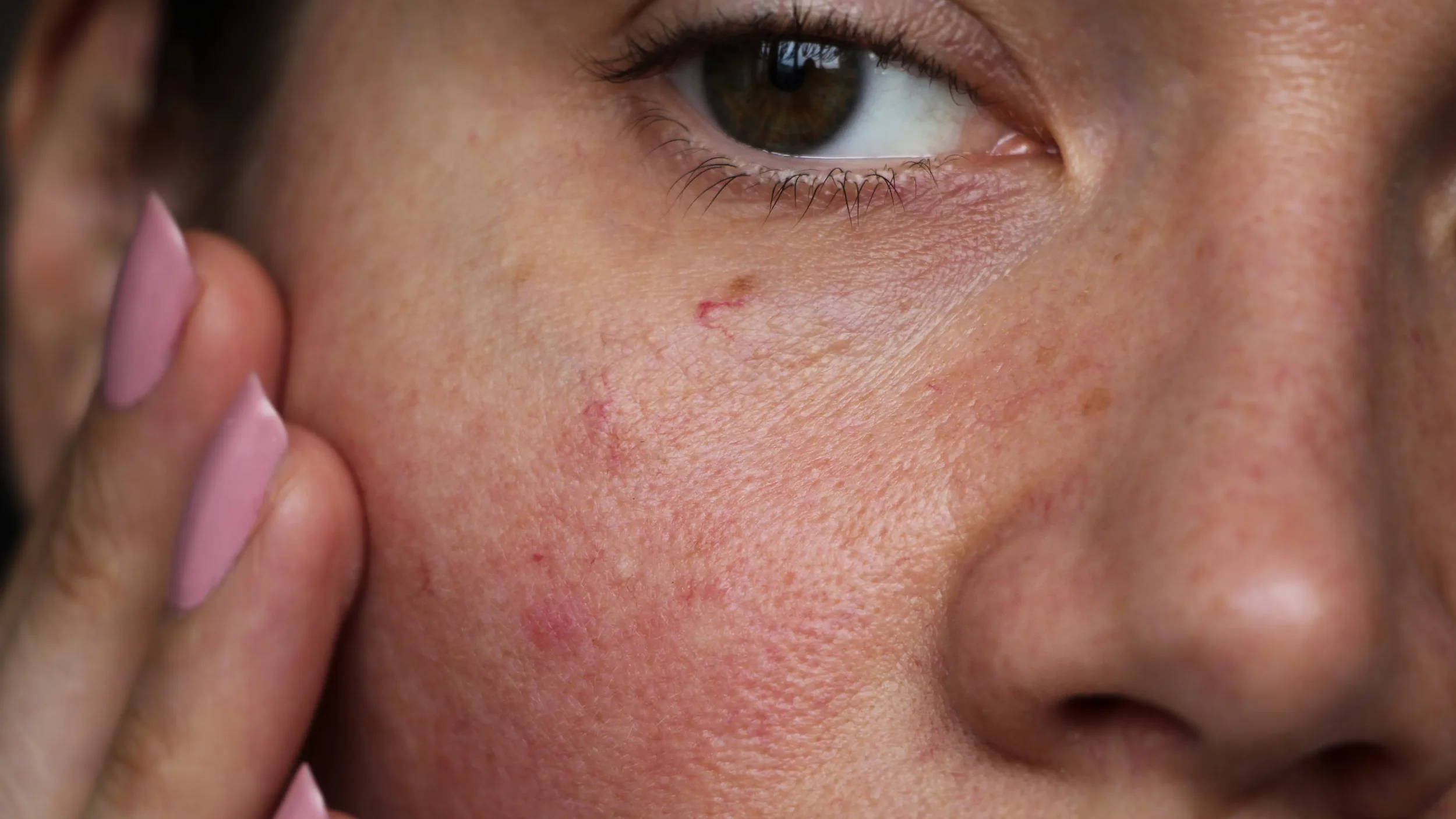
Ideally, the formula avoids:
Denatured alcohol
Strong fragrance components
Unnecessary essential oils
Excessive botanical extracts that increase irritation risk
A good mineral sunscreen is not overloaded. It is balanced, intentional, and built around protection without compromising skin comfort.
The Best Korean Mineral Sunscreens by Skin Type
One of the biggest frustrations with mineral sunscreen is that the experience can vary dramatically. A formula that controls shine beautifully on oily skin may emphasise dryness on a compromised barrier. A lightweight texture that feels perfect in summer can feel uncomfortable in colder months.
This is why skin type matters. Rather than listing products randomly, I have organised them by skin type and common concerns so you can focus directly on what is more likely to suit your skin.
Best for Oily and Acne-Prone Skin
Mineral sunscreens for oily or acne-prone skin need to balance protection with texture control. A heavy or overly emollient base can feel suffocating and may worsen congestion.
Look for formulas that:
Have a lightweight, fluid or gel-cream texture
Offer a natural or slightly matte finish
Avoid heavy occlusives and excessive butters
Are labeled non-comedogenic (though this is not an absolute guarantee)
Zinc oxide can be beneficial here, as it has mild soothing properties and often pairs well with oil-regulating bases. The goal is protection without excess shine or clogged pores.
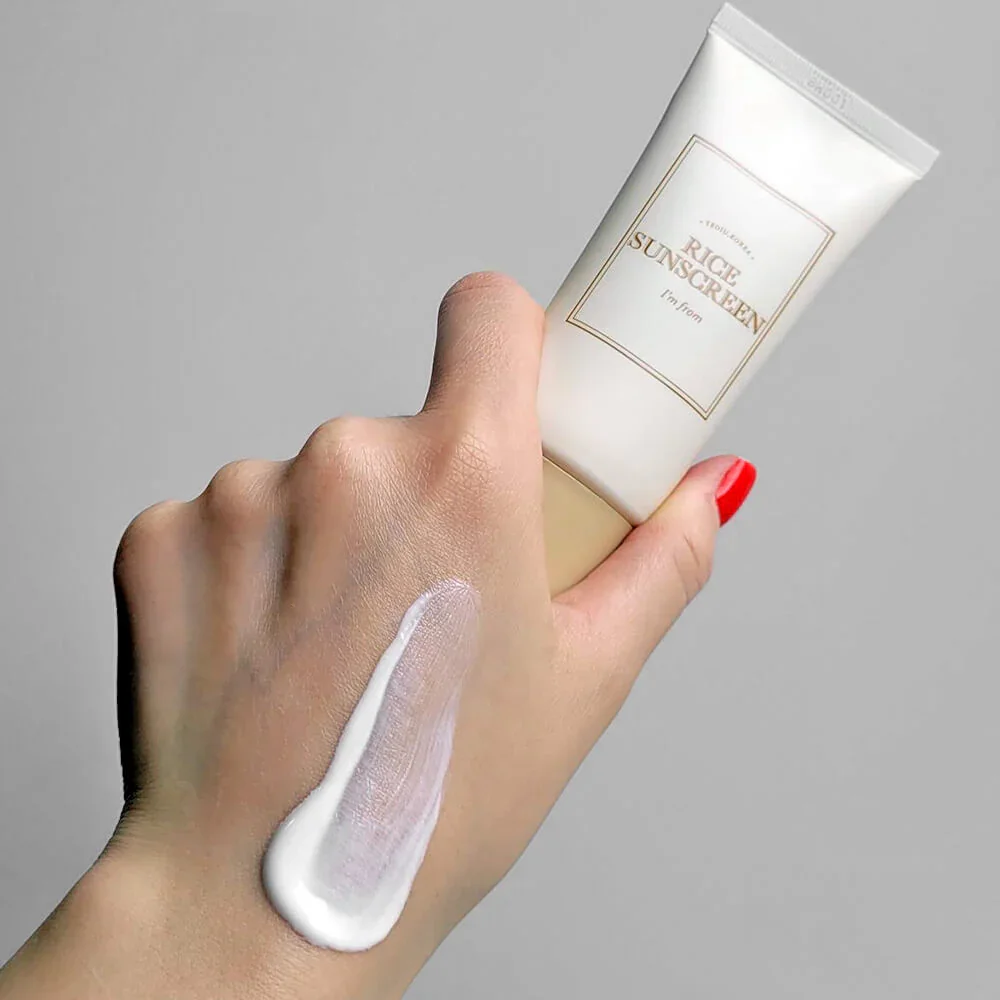
I’m From Rice Sunscreen
Where to buy
Using zinc oxide as its sole UV filter, this lightweight silicone-based formula is especially suited to oily, combination, and acne-prone skin types that prefer a non-greasy finish.
Key Features
SPF50+ PA++++ provides high broad-spectrum protection
Fluid texture that spreads easily and sets to a soft, semi-matte finish
Helps reduce visible shine throughout the day
Feels lightweight and does not leave a heavy or occlusive film
Rice extract (0.41%) and sodium hyaluronate provide light hydration without added heaviness
Contains added fragrance, which may not suit highly reactive or rosacea-prone skin
Note: The formula includes butyloctyl salicylate, a UV performance enhancer that supports SPF performance but is not an additional UV filter.
Goodal Heartleaf Calming Mineral Filter Sun Cream

Where to buy
Formulated with heartleaf extract, this sunscreen focuses on calming support while relying on zinc oxide as its only UV filter.
Key Features
SPF50+ PA++++ provides high broad-spectrum protection
Contains 3,500 ppm heartleaf extract to support soothing and redness-prone skin
Includes madecassoside and panthenol for additional barrier support
Features a multi-layer hyaluronic acid complex (10 forms) to enhance surface hydration
Zinc lactate contributes to oil-balancing support for acne-prone skin
Smooth, semi-matte finish that layers well under makeup
Note: The formula contains multiple essential oils, which may not be ideal for very sensitive or rosacea-prone skin. It also includes butyloctyl salicylate as a UV performance enhancer, not as an additional UV filter.
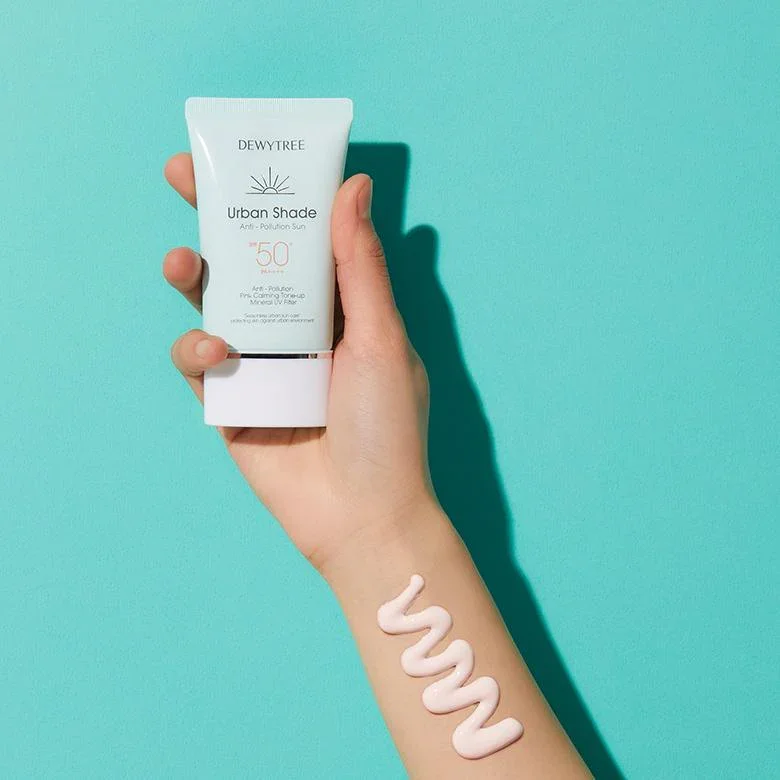
Dewytree Urban Shade Anti-Pollution Sun SPF50+ PA++++
Where to buy
This dual-filter mineral sunscreen combines zinc oxide and titanium dioxide in a semi-matte, oil-balancing base designed for urban daily wear.
Key Features
Contains calamine to help absorb excess sebum and create a subtle pink tone-up effect
Anti-pollution positioning with film-forming ingredients for urban environments
Semi-matte finish that works well for oily and combination skin
The pink tone-up effect may not blend seamlessly on medium to deeper skin tones
Note: The formula includes butyloctyl salicylate as a UV performance enhancer, not an additional UV filter.
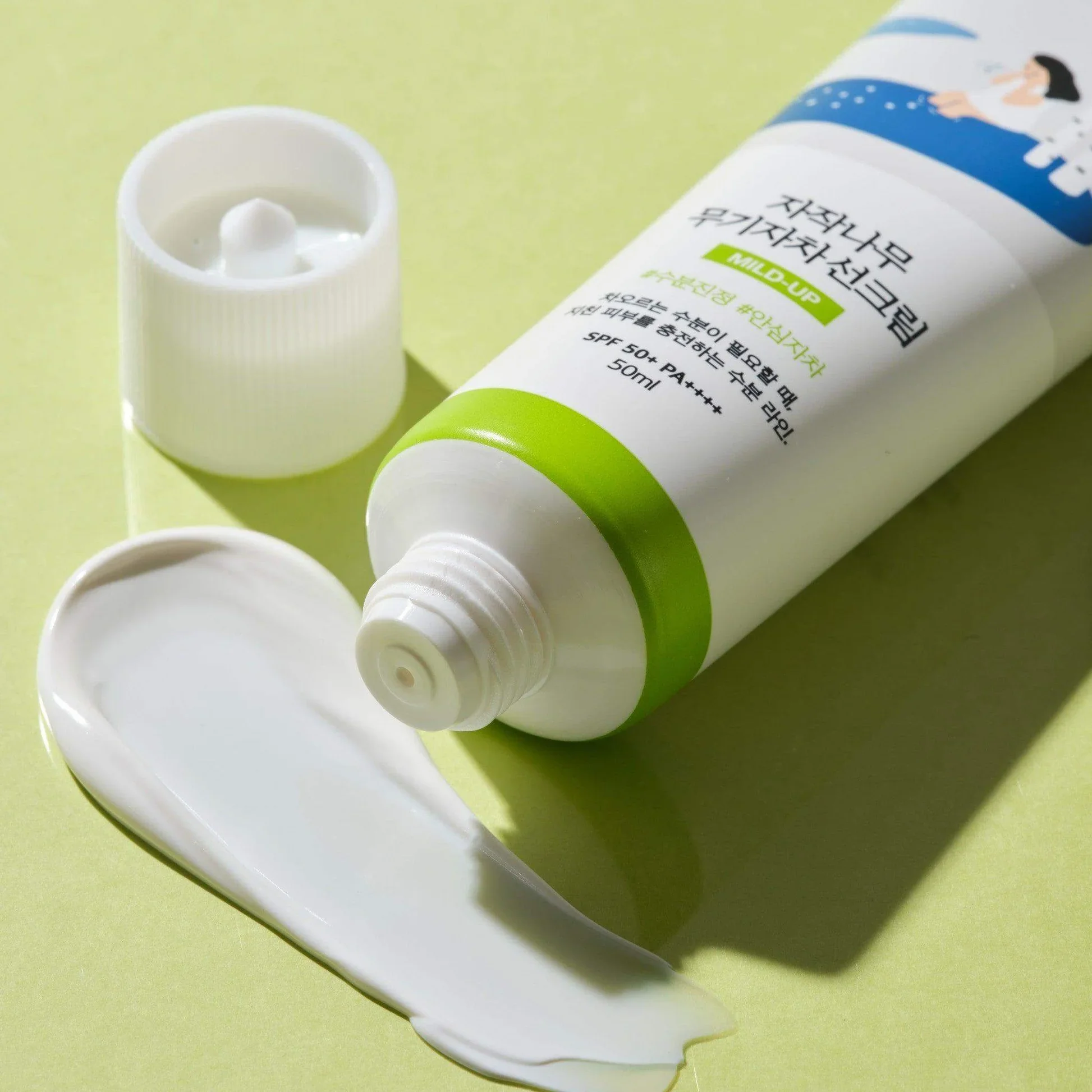
ROUND LAB Birch Juice Mild-Up Sunscreen
Where to buy
Comparing the ROUND LAB Birch Juice Mild-Up Sunscreen with the viral Birch Juice Moisturizing Sunscreen on my hand. The final finish is shown side by side, with the mineral sunscreen on the left. Its slight initial white cast fades completely within minutes.
Featuring zinc oxide as its primary filter, this formula delivers high UV protection in a lightweight, smoothing daily-wear base.
Key Features
SPF50+ PA++++ provides strong broad-spectrum protection
Lightweight silicone base that spreads easily and sets comfortably
Includes hydrating components such as glycerin and hyaluronic acid
Soft, natural finish suitable for oily and combination skin types
Contains essential oils, which may not be suitable for highly sensitive or rosacea-prone skin
Note: The formula includes butyloctyl salicylate as a UV performance enhancer, not as an additional UV filter.
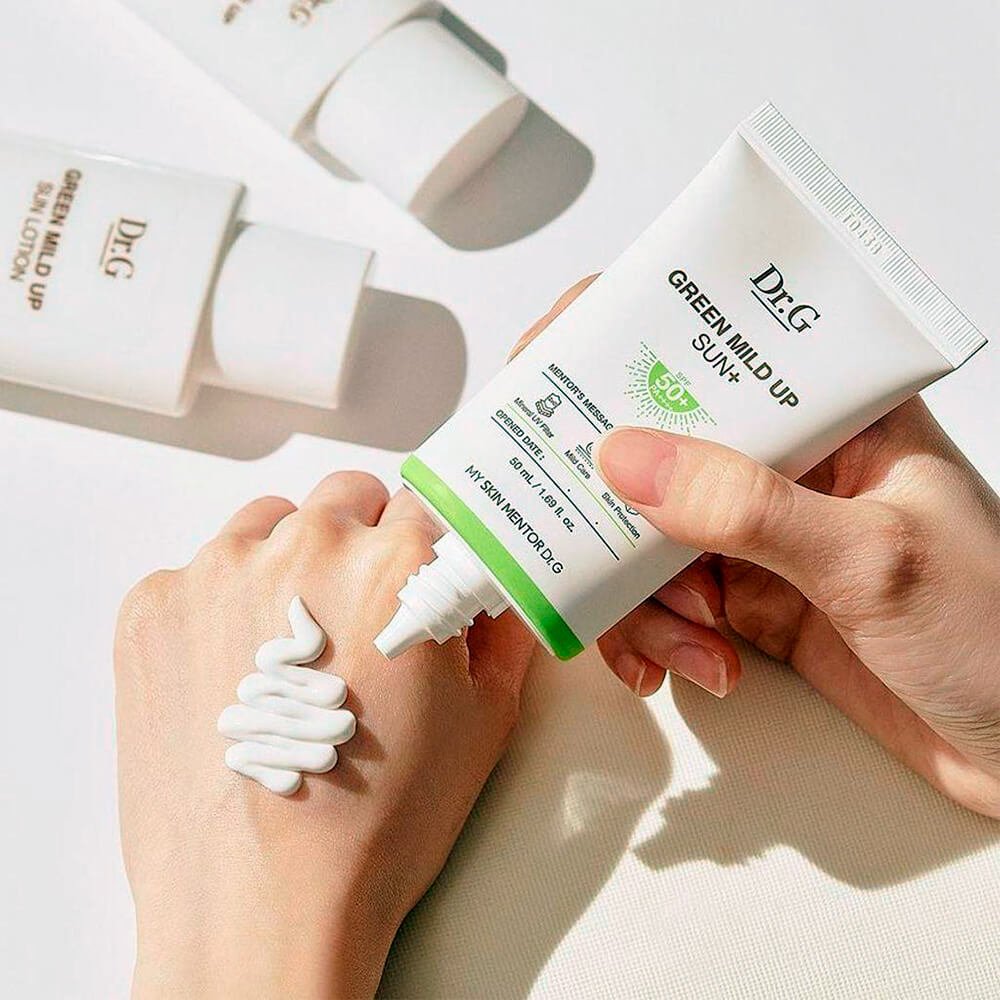
Dr.G Green Mild Up Defense Mineral Sunscreen
Where to buy
Designed for balanced and breakout-prone skin, this fragrance-free mineral sunscreen pairs daily UV protection with calming support.
Key Features
SPF50 provides strong daily UV protection
Fragrance-free formula suitable for sensitive and acne-prone skin
Contains ceramide NP and panthenol to support the skin barrier
Lightweight, soft-matte finish that works well for oily and combination skin
Includes centella and houttuynia extracts for additional calming support
Note: The formula contains butyloctyl salicylate as a UV performance enhancer, not as an additional UV filter.
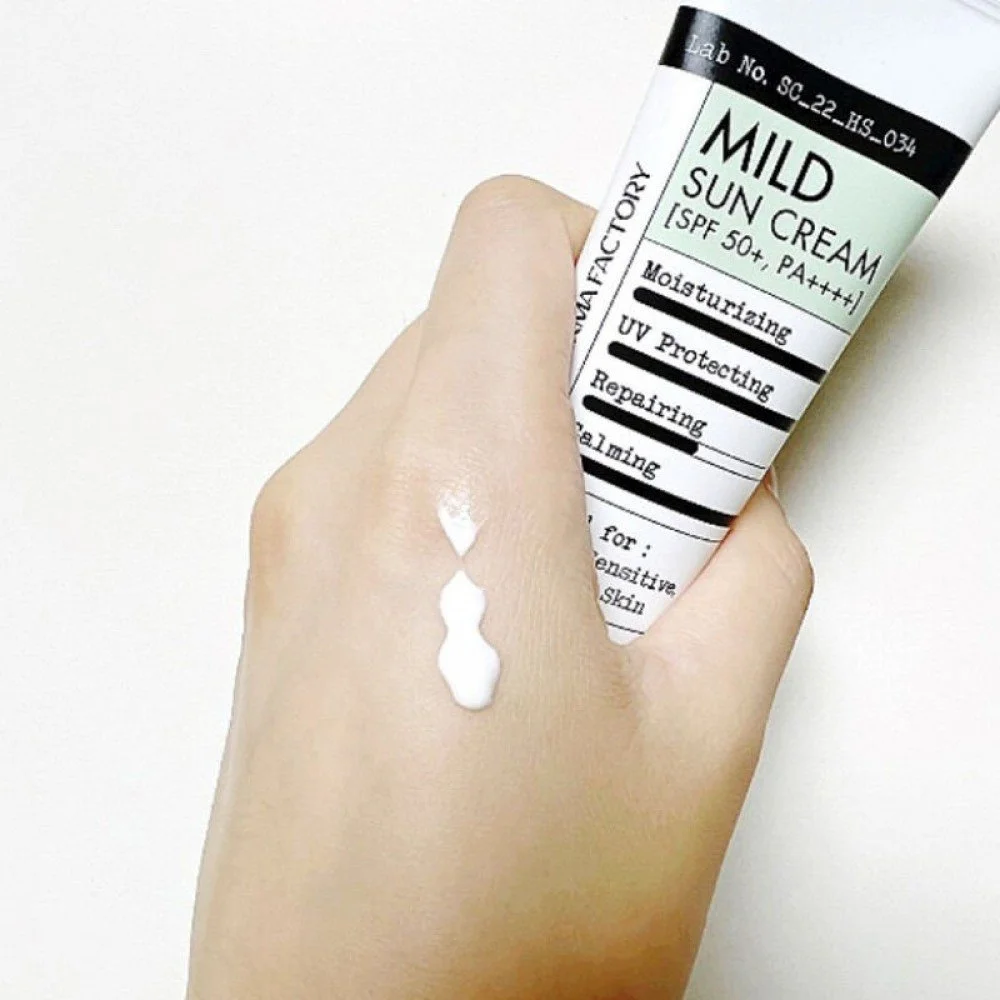
Derma Factory Mild Sun Cream
Where to buy
This dual-mineral sunscreen combines zinc oxide and titanium dioxide in a balanced daily-wear formula designed for normal to combination, and oily skin types.
Key Features
SPF50+ PA++++ offers strong broad-spectrum protection
Dual mineral filters for stable UV coverage
Niacinamide and green tea extract support skin balance and antioxidant protection
Lightweight, smooth texture suitable for combination and oil-leaning skin
Contains fragrance, which may not be ideal for highly sensitive or rosacea-prone skin
Note: The formula includes butyloctyl salicylate as a UV performance enhancer, not as an additional UV filter.
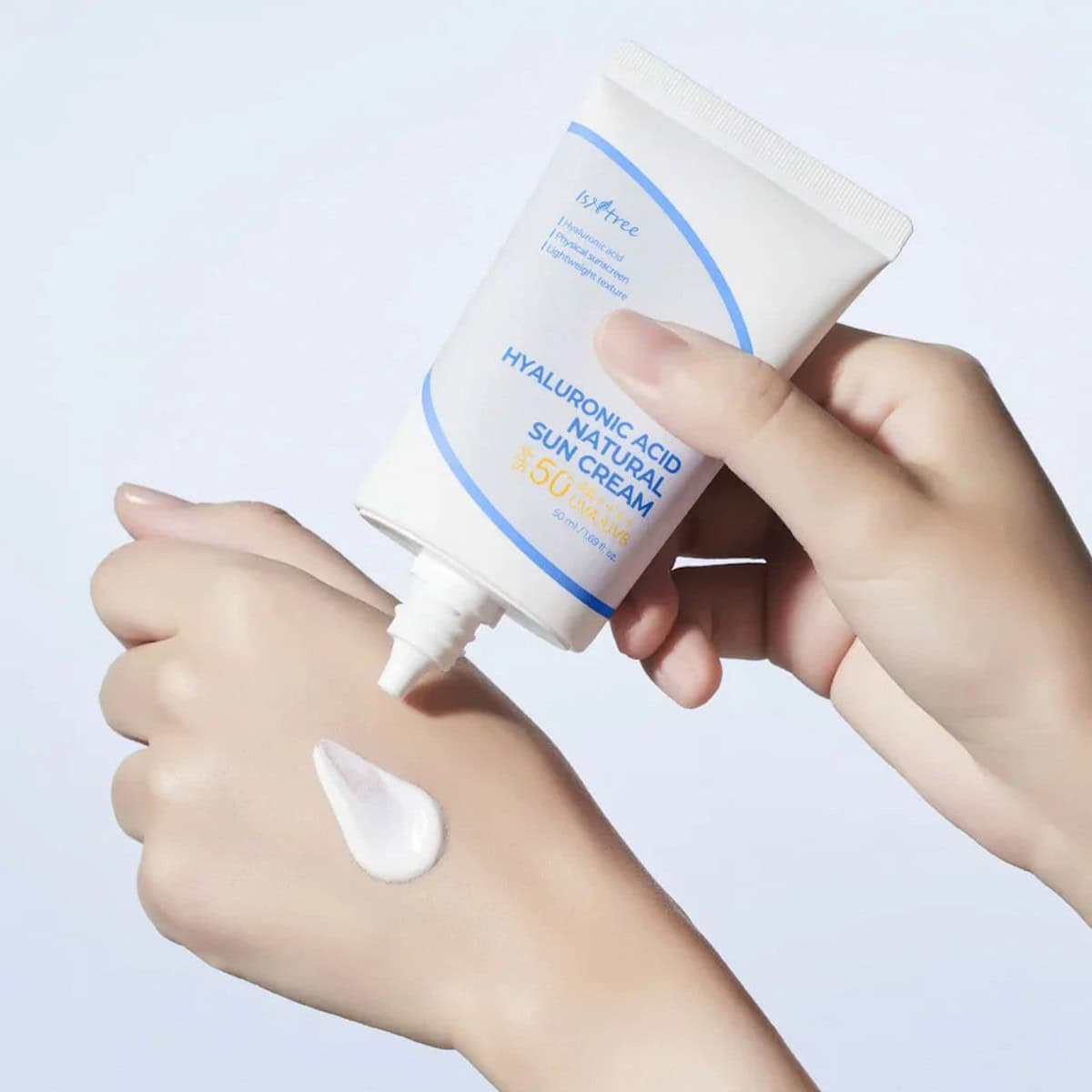
Isntree Hyaluronic Acid Natural Sun Cream
Where to buy
In a lightweight, fragrance-free base, this zinc oxide formula provides high daily protection suited to acne-prone and combination skin.
Key Features
SPF50+ PA++++ provides strong broad-spectrum coverage
Lightweight, breathable texture that does not feel heavy or greasy
Includes gentle humectants such as glycerin, betaine, and panthenol for light hydration
Free from fragrance and essential oils, making it a lower-irritation option for breakout-prone skin
Best for Dry and Dehydrated Skin
Dry or dehydrated skin often struggles with mineral sunscreens because high zinc oxide concentrations can feel tightening in a matte base.
For this skin type, look for:
Creamier emulsions rather than thin fluids
Added humectants such as glycerin or hyaluronic acid
Supporting emollients to prevent moisture loss
A natural or slightly radiant finish
The formula should feel supportive, not restrictive. Mineral sunscreen should seal in hydration rather than amplify dryness.
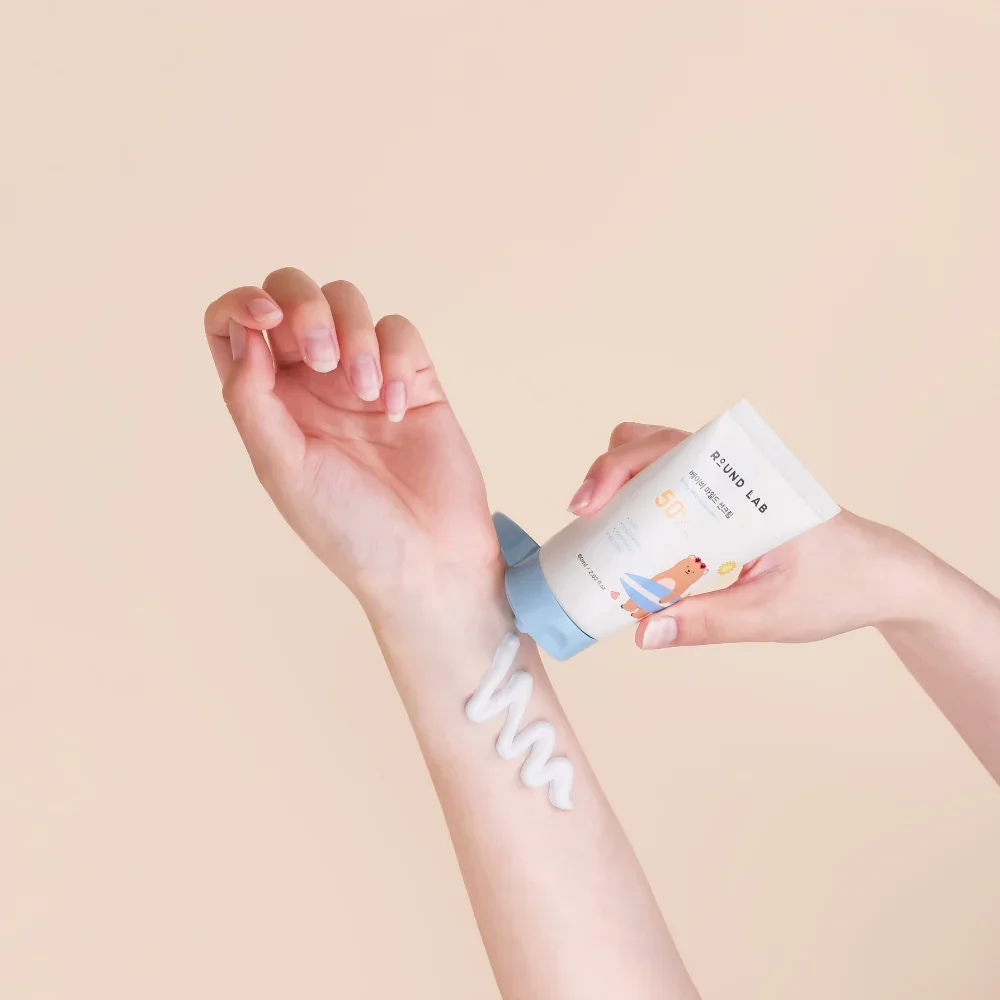
ROUND LAB Baby Mild Sunscreen
Where to buy
Built around a multi-ceramide complex, this mineral sunscreen pairs high UV protection with barrier-strengthening support.
Key Features
SPF50+ PA++++ provides strong broad-spectrum protection
Contains multiple ceramides, cholesterol, and hydrogenated lecithin to reinforce the skin barrier
Panthenol and ectoin offer additional soothing and hydration support
Slightly more nourishing base compared to ultra-light mineral formulas
Contains essential oils, which may not be suitable for very reactive or rosacea-prone skin
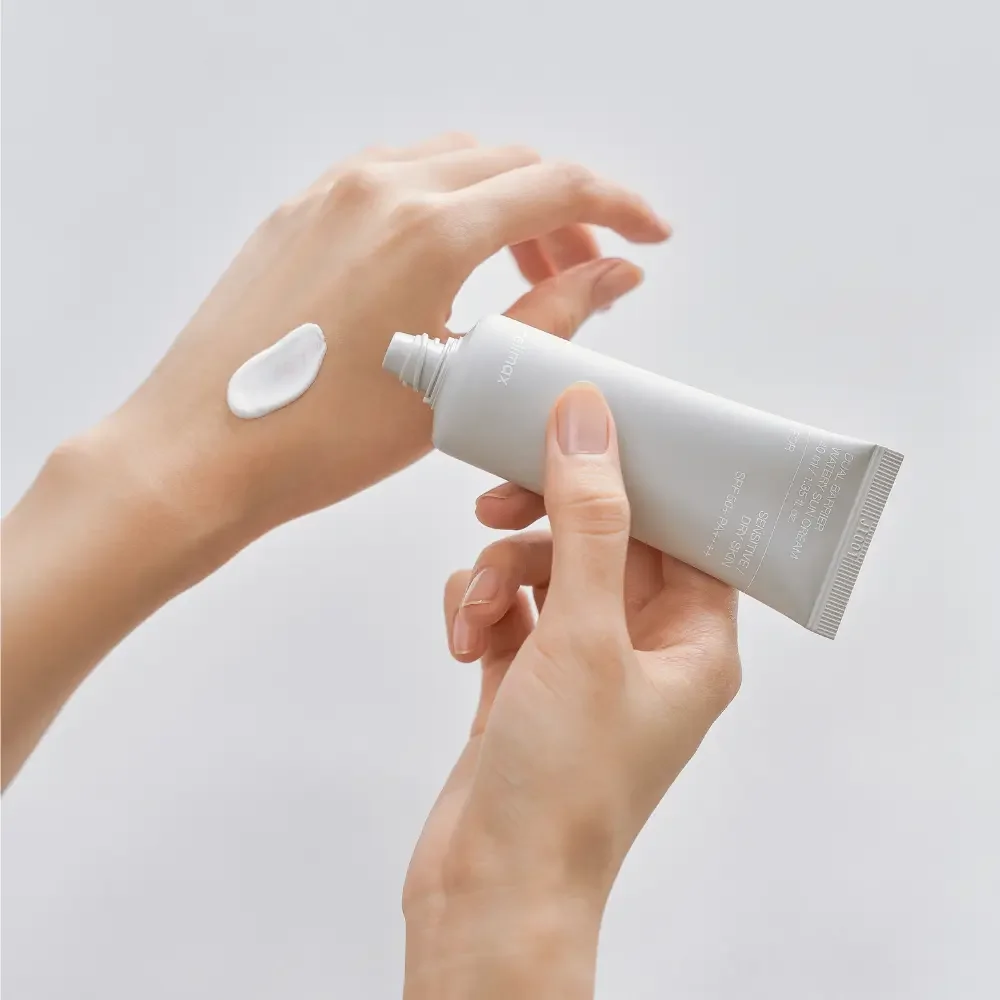
Celimax Dual Barrier Watery Sun Cream
Where to buy
Although lighter in texture, this mineral sunscreen integrates multiple ceramides and cholesterol to reinforce barrier integrity.
Key Features
SPF50+ PA++++ provides strong broad-spectrum protection
Contains multiple ceramides and cholesterol to reinforce barrier integrity
Includes sodium hyaluronate for lightweight hydration
“Watery” texture feels lighter than richer barrier-focused mineral sunscreens
Contains rosemary leaf oil, which may not suit highly reactive or rosacea-prone skin
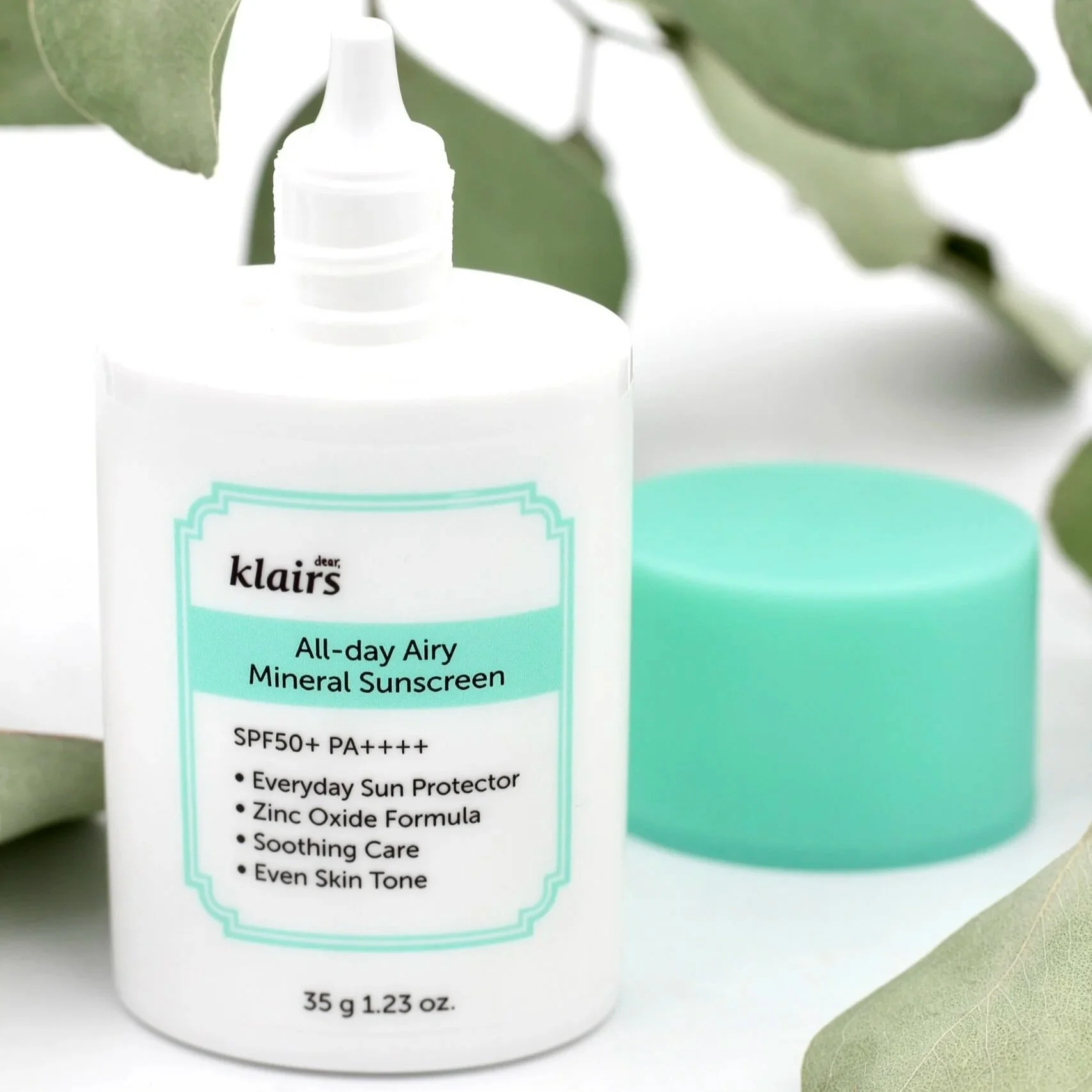
Dear, Klairs All-day Airy Mineral Sunscreen
Where to buy
Developed with a barrier-supportive focus, this zinc oxide sunscreen combines high UV protection with ingredients that reinforce skin resilience.
Key Features
SPF50+ PA++++ provides strong broad-spectrum coverage
Contains ceramide NP and phytosphingosine to support the skin barrier
Includes ectoin and panthenol to help reduce moisture loss and support barrier resilience
Fragrance-free formula with a natural finish that suits normal to dry skin types
Best for Sensitive and Rosacea-Prone Skin
Mineral sunscreens are often recommended for sensitive and rosacea-prone skin because they are less likely to cause stinging or flushing compared to some organic filters.
When selecting a formula, prioritize:
Short, simple ingredient lists
No added fragrance
Minimal essential oils and botanical extracts
A calming base with barrier-supporting ingredients
Zinc oxide is generally well tolerated, but the overall formulation still matters. The objective is stable protection without triggering irritation.
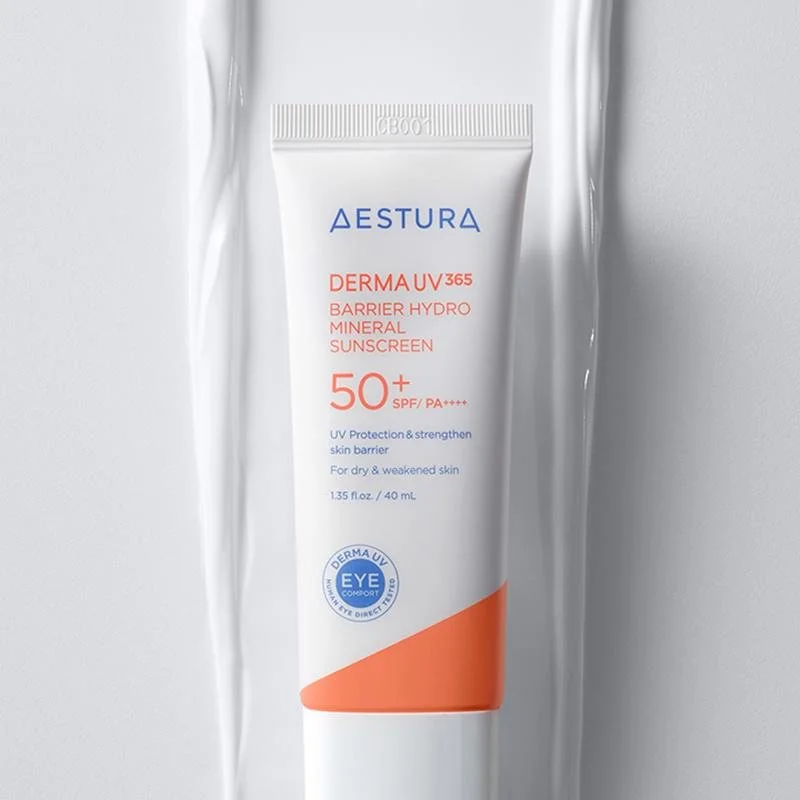
AESTURA Derma UV365 Barrier Hydro Mineral Sunscreen
Where to buy
This zinc-based mineral sunscreen is designed with a barrier-supportive focus, combining high UV protection with ingredients that reinforce skin resilience.
Key Features
SPF50+ PA++++ provides strong daily broad-spectrum protection
Contains ceramide NP to support and strengthen the skin barrier
Includes allantoin for additional soothing support
Features multiple forms of hyaluronic acid for lightweight hydration
Fragrance-free formula suitable for sensitive and reactive skin types
Note: The formula includes butyloctyl salicylate as a UV performance enhancer, not as an additional UV filter.
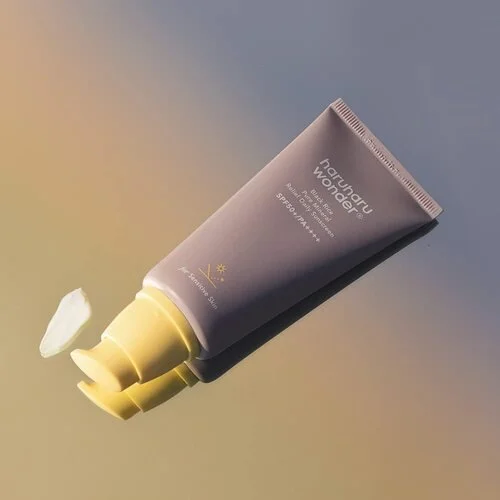
Haruharu Wonder Black Rice Pure Mineral Relief Daily Sunscreen
Where to buy
Blending antioxidant-rich black rice components with mineral UV protection, this formula prioritizes daily comfort for sensitive skin.
Key Features
SPF50+ PA++++ provides strong broad-spectrum protection
Contains ceramide NP and phytosphingosine to reinforce the skin barrier
Niacinamide supports barrier function and overall skin clarity
Rice bran oil (9,950 ppm) adds lightweight nourishment
Fragrance-free and free from essential oils, making it suitable for sensitive skin
Note: The formula includes butyloctyl salicylate as a UV performance enhancer, not as an additional UV filter.
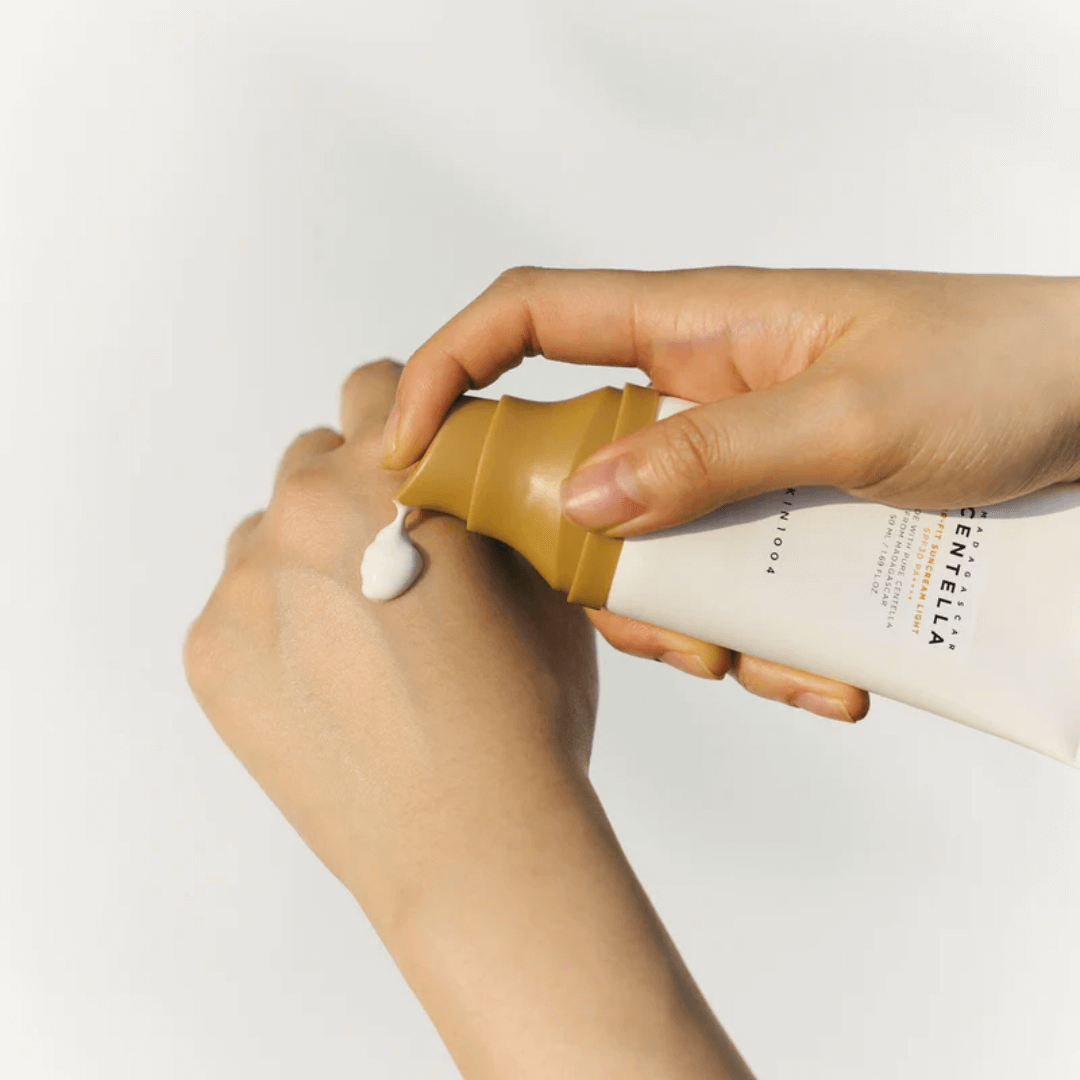
SKIN1004 Madagascar Centella Air Fit Sun Cream Light
Where to buy
Distinguished by its high centella concentration, this SPF30 mineral sunscreen offers moderate daily protection with soothing support.
Key Features
SPF30 PA++++ provides balanced daily protection with strong UVA coverage
Contains 29,400 ppm centella extract along with madecassic acid and asiaticoside for soothing support
Niacinamide contributes to barrier balance and overall skin clarity
Lightweight, comfortable texture that does not feel heavy or occlusive
Fragrance-free and free from essential oils, making it suitable for reactive skin types
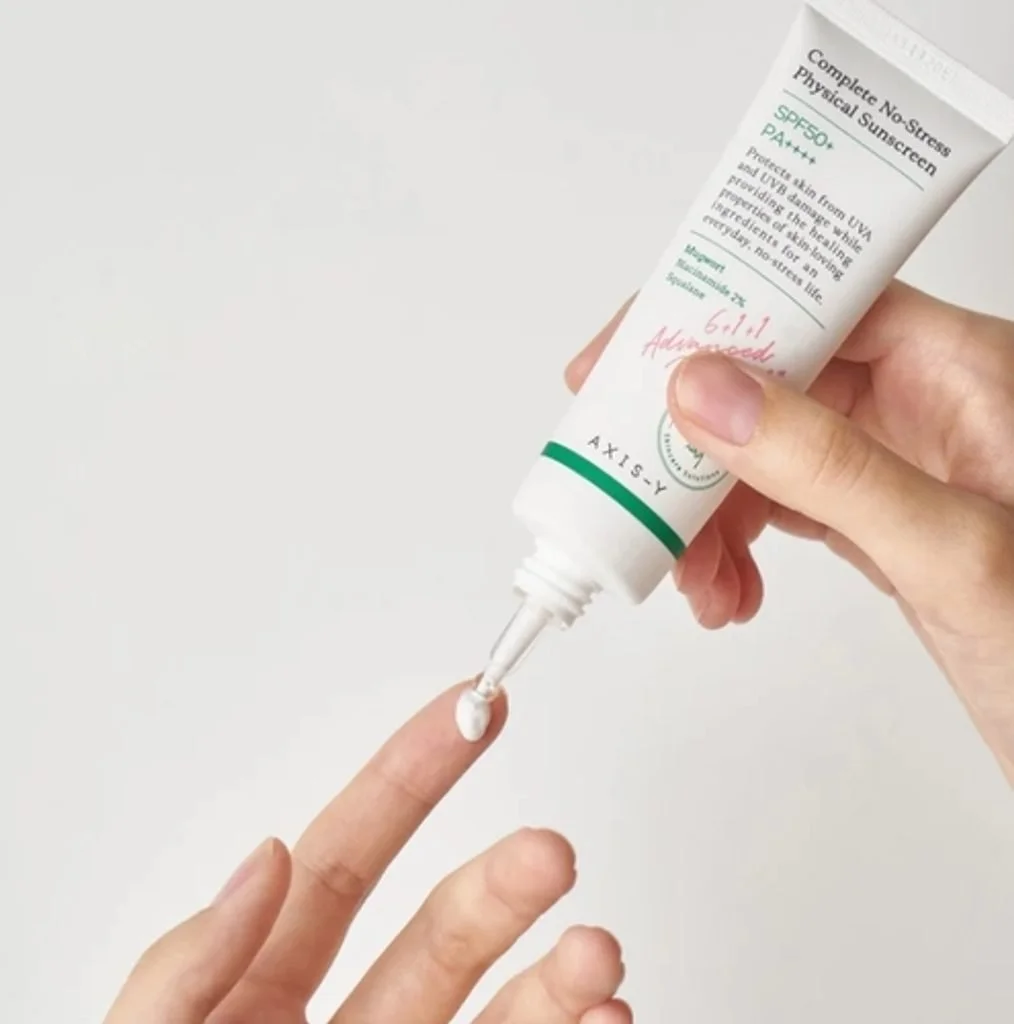
AXIS-Y Complete No-Stress Physical Sunscreen
Where to buy
Centered around 2% niacinamide, this fragrance-free mineral sunscreen provides high daily protection for sensitive and reactive skin types.
Key Features
Mineral UV protection with zinc oxide
SPF50+ PA++++ offers strong broad-spectrum daily protection
Contains 20,000 ppm (2%) niacinamide to support barrier balance
Includes calming botanicals such as calendula and green tea extract
Lightweight texture that sits comfortably without feeling heavy or occlusive
Best Mineral Sunscreen With Minimal White Cast
White cast is primarily influenced by particle size, concentration of zinc oxide, and how well the minerals are dispersed in the formula.
If white cast is a concern, look for:
Modern, well-emulsified formulations
Lighter fluid textures
Tinted versions that offset the white tone
Transparent finish claims supported by user reviews
Complete invisibility is difficult with 100% mineral filters, but a refined base can significantly reduce the visible residue.
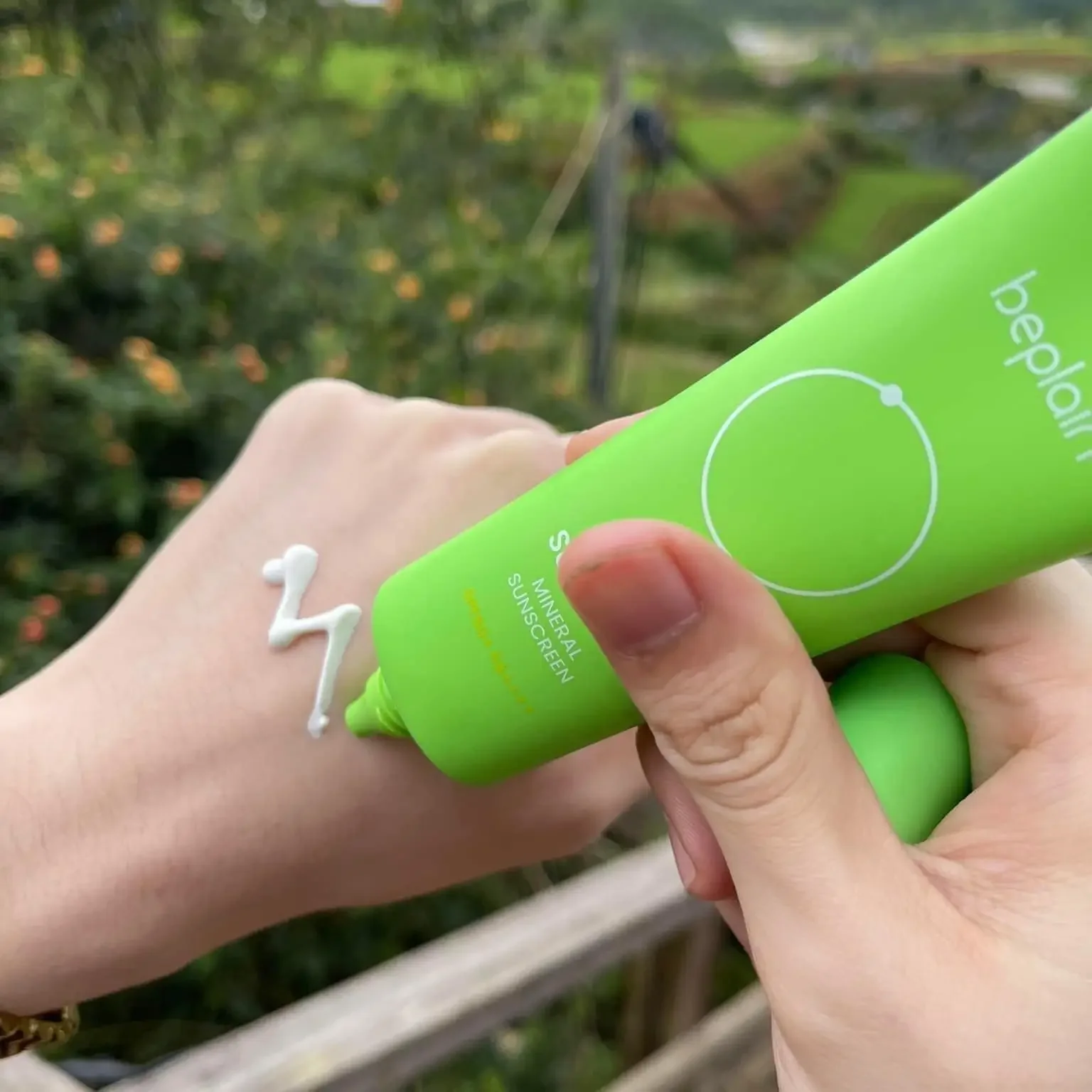
beplain Sun Muse Mineral Sunscreen
Where to buy
This zinc-based mineral sunscreen focuses on cosmetic elegance, combining high UV protection with texture-refining ingredients for a smoother-looking finish. It is clearly engineered to reduce visible cast and improve aesthetic finish.
Key Features
SPF50+ PA++++ provides strong broad-spectrum protection
Contains silica, mica, and boron nitride to help diffuse light and soften the appearance of pores
Niacinamide supports barrier function and overall skin clarity
Hydrating components such as hyaluronic acid and beta-glucan improve surface comfort
Slightly more emollient base compared to ultra-matte mineral sunscreens
Note: The formula includes butyloctyl salicylate as a UV performance enhancer, not as an additional UV filter.
Best Tinted Mineral Sunscreens
Tinted mineral sunscreens can serve two purposes: reducing white cast and evening out skin tone.
A good tinted option should:
Match your undertone as closely as possible
Blend evenly without patchiness
Maintain sufficient zinc oxide percentage for broad-spectrum coverage
Avoid feeling heavy or makeup-like
Tinted formulas are often more forgiving on deeper skin tones and may simplify the morning routine by combining light coverage with protection.
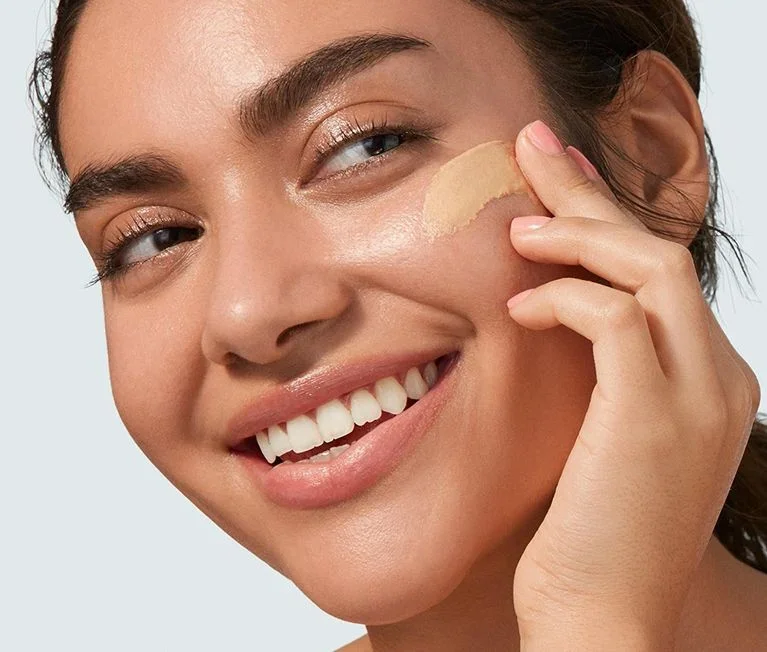
Want to learn how to apply tinted sunscreen correctly?
Learn how much to apply, when to reapply, how to layer tinted sunscreen with your skincare routine, and how tinted formulas differ from traditional sunscreens.
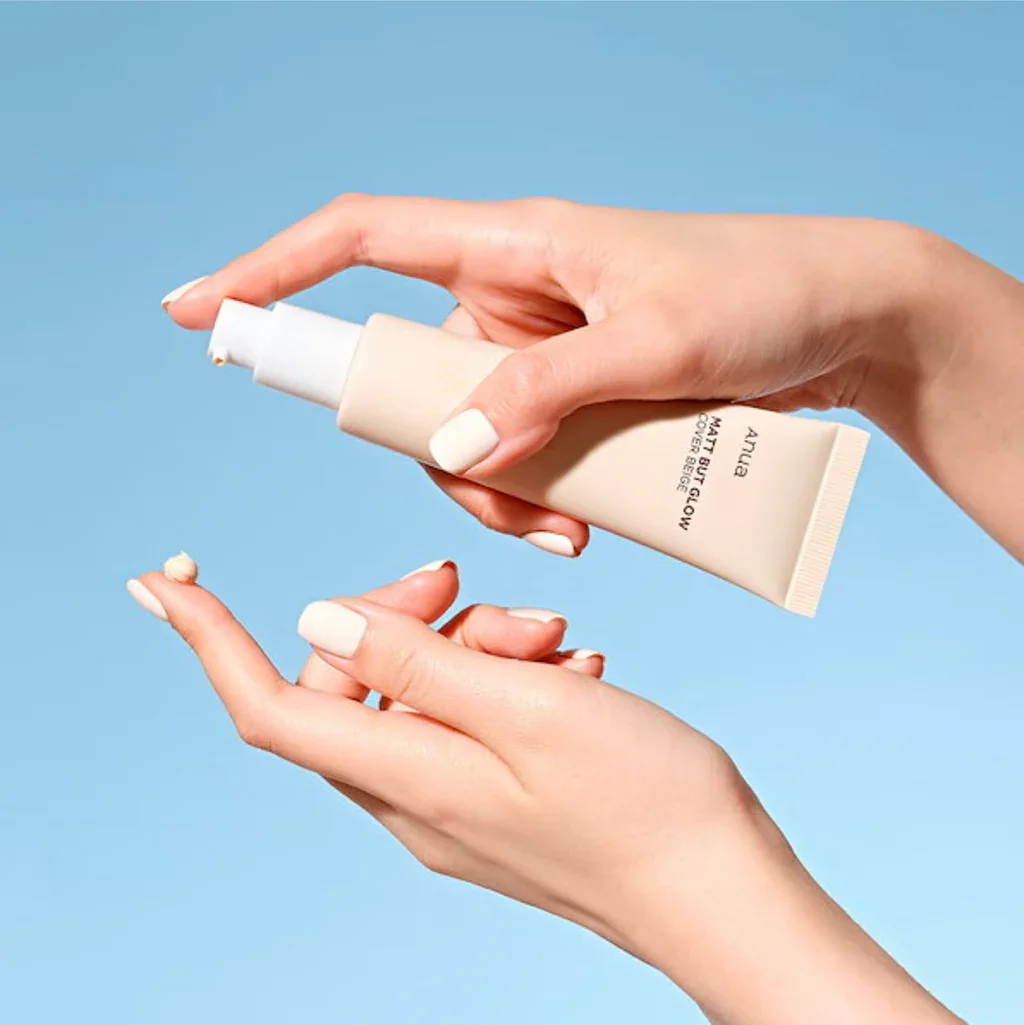
Read the guide →Anua Matt But Glow Cover Beige
Where to buy
Pairing zinc oxide and titanium dioxide with iron oxides, this tinted mineral formula offers both protection and light coverage.
Key Features
Dual mineral filters with iron oxides for tinted protection
SPF50+ PA++++ offers strong broad-spectrum daily protection
Soft-focus powders help blur pores and improve texture appearance
Niacinamide supports overall skin clarity and tone
Provides light beige coverage, making it a good base or daytime event option
Natural to semi-matte finish that generally suits normal to combination/oilier skin more comfortably than very dry skin
Note: Tinted mineral formulas with film-forming bases can be more challenging to reapply cleanly over makeup during the day, so this is especially useful when worn from the start of the day or for daytime events rather than frequent reapplication.
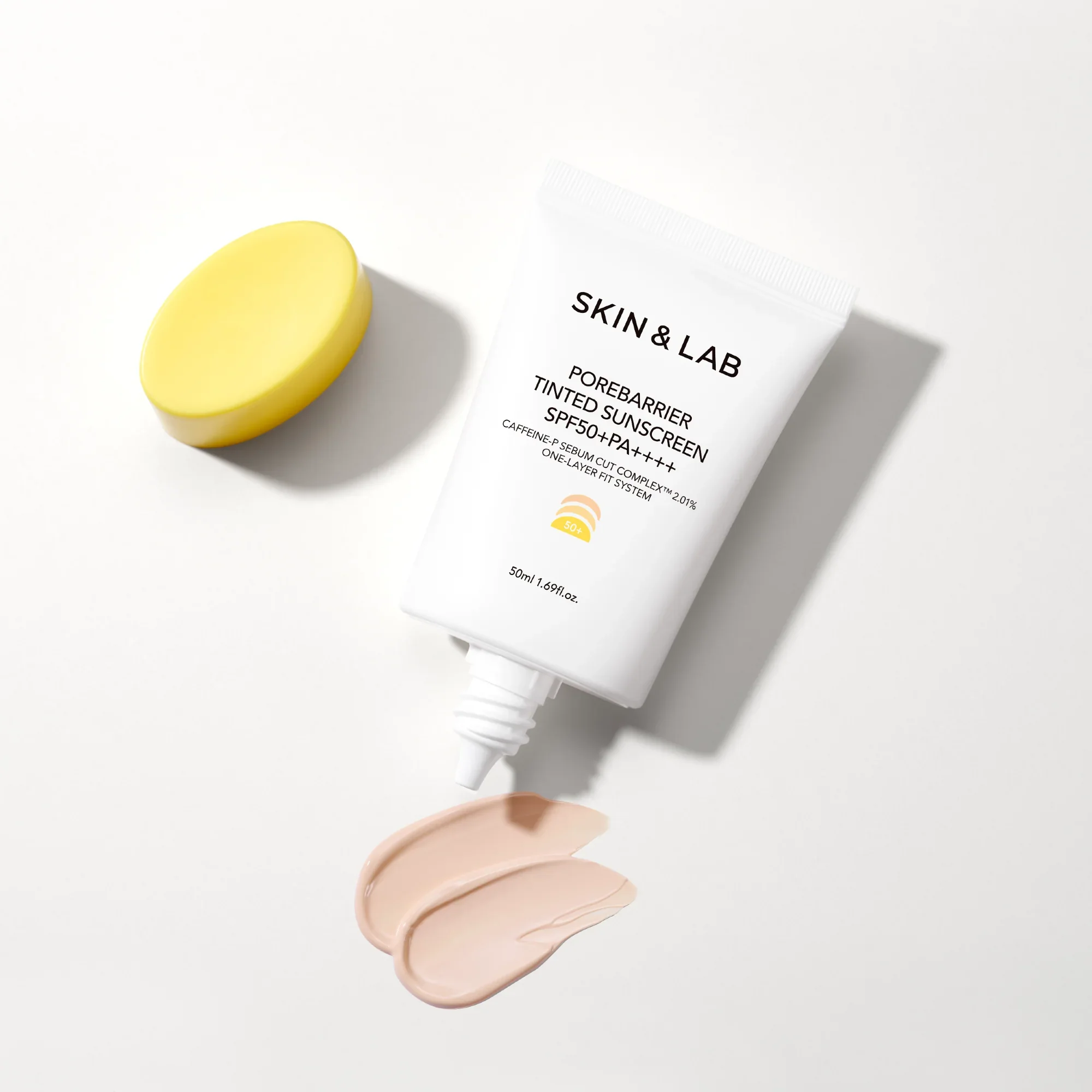
SKIN&LAB Porebarrier Tinted Sunscreen
Where to buy
With a pore-refining focus, this tinted mineral sunscreen delivers high UV protection in a more matte-finished base.
Key Features
SPF50+ PA++++ provides strong broad-spectrum coverage
Matte-enhancing polymers smooth the appearance of pores and support longer wear
Niacinamide supports oil balance and overall skin clarity
Better suited for oily and combination skin; may feel dry on very dry skin types
Note: As with most tinted mineral formulas, reapplication over makeup can be more challenging during the day.
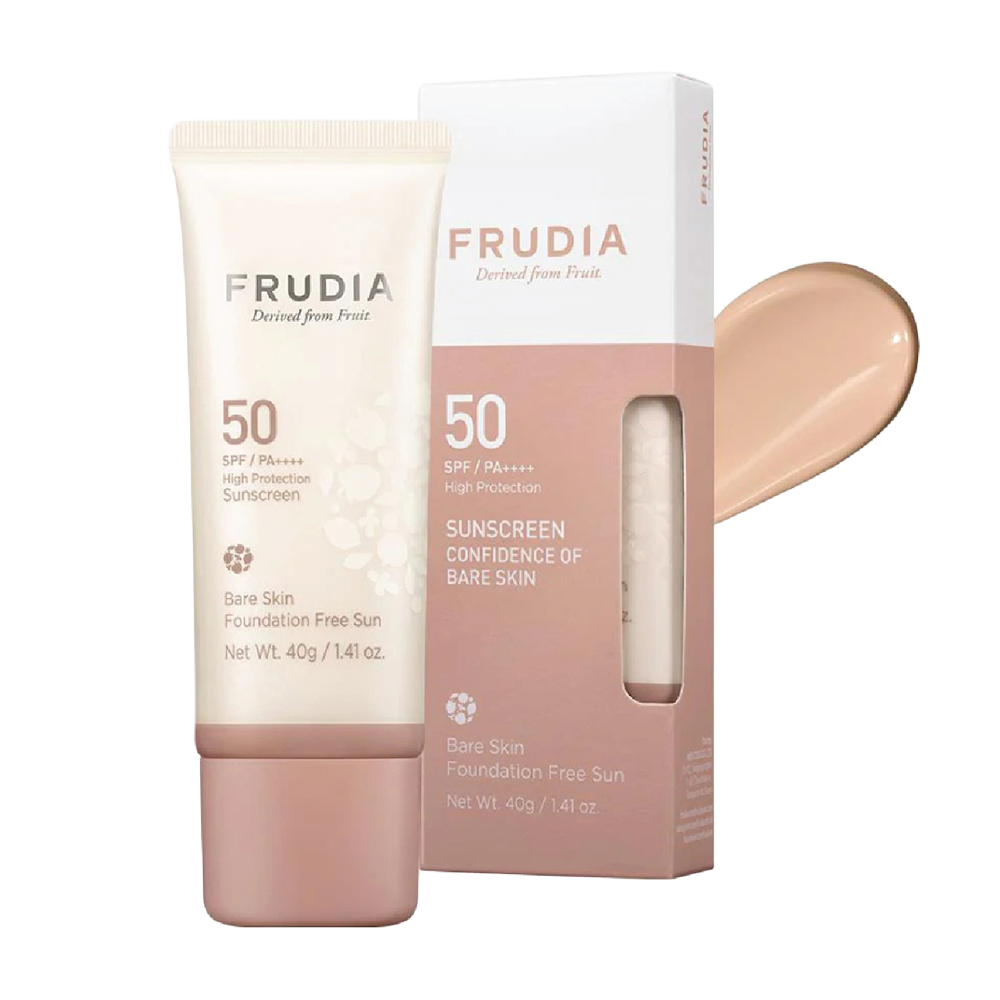
Frudia Bare Skin Foundation Free Sun SPF50+ PA++++
Where to buy
Structured to function almost like a complexion product, this tinted mineral sunscreen provides UV protection alongside visible coverage.
Key Features
Mineral UV filters provide broad-spectrum sun protection
Iron oxides contribute tone correction and additional visible light shielding
Niacinamide supports skin clarity and helps balance oil production
Peptide blend and botanical extracts offer supportive conditioning benefits
Semi-matte, coverage-focused finish better suited to normal and combination skin
Note: Contains fragrance, which may not be appropriate for highly sensitive or rosacea-prone skin.
Mineral Sunscreen Sticks and Cushions for Easy Reapplication
Sticks and cushions can offer a more convenient way to maintain protection during the day, although technique and application amount still matter.
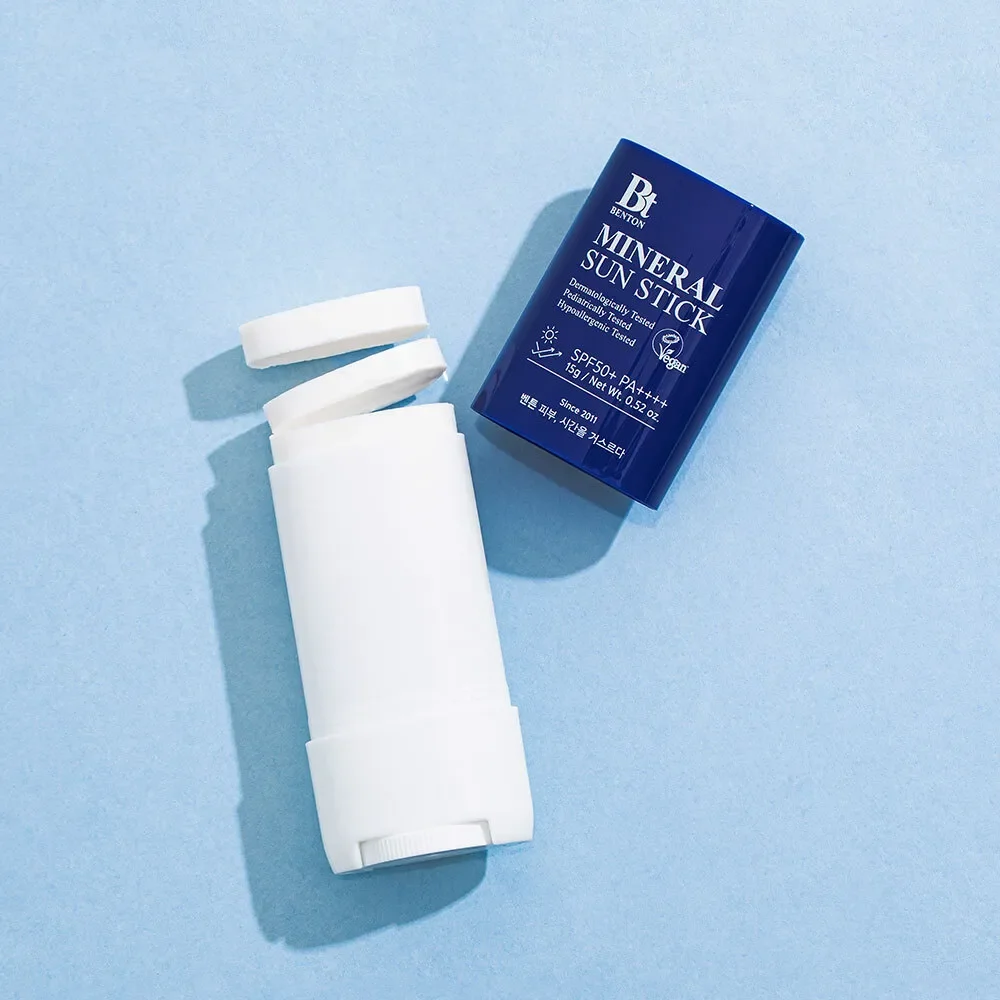
Benton Mineral Sun Stick
Where to buy
This titanium dioxide-based mineral sun stick is designed for convenient, mess-free reapplication throughout the day.
Key Features
SPF50+ PA++++ provides strong broad-spectrum protection
Solid stick format allows easy reapplication over makeup
Contains centella complex, panthenol, and allantoin for soothing support
Silica and film-forming ingredients help maintain a smooth finish
Best suited for normal, combination, and oily skin; may feel heavier on very dry skin if layered repeatedly
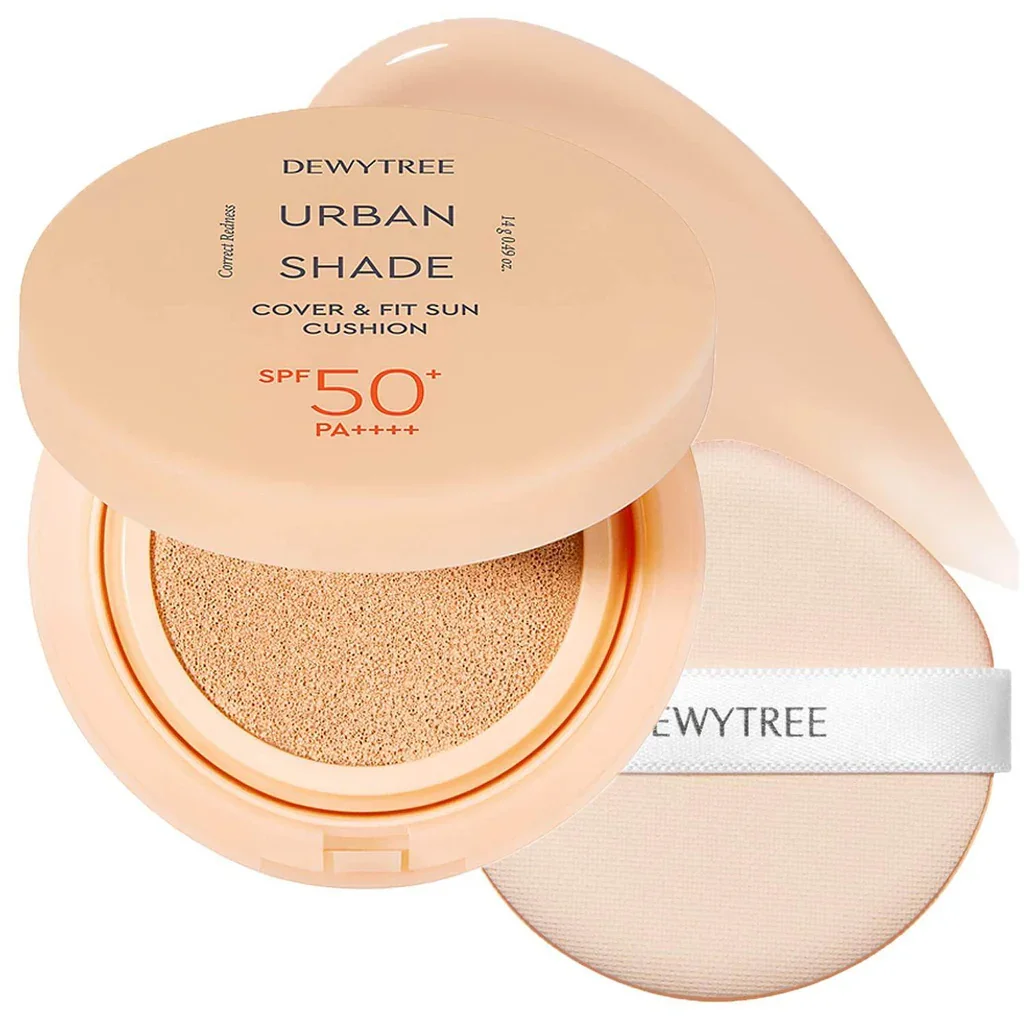
Dewytree Urban Shade Cover & Fit Sun Cushion SPF50+ PA++++
Where to buy
Combining mineral UV filters with iron oxides, this tinted cushion format offers sun protection with buildable coverage.
Key Features
Mineral-based UV protection paired with tinted iron oxides
Cushion format allows convenient touch-ups over makeup
Soft-focus powders help blur pores and improve skin texture appearance
Niacinamide and panthenol support overall skin balance
Best suited for normal to combination skin; may feel heavier on very oily or acne-prone skin
Note: Contains essential oil components and richer emollients, which may not be ideal for highly sensitive or rosacea-prone skin.
ROUND LAB Birch Juice Moisturizing Sun Cushion SPF50+ PA++++
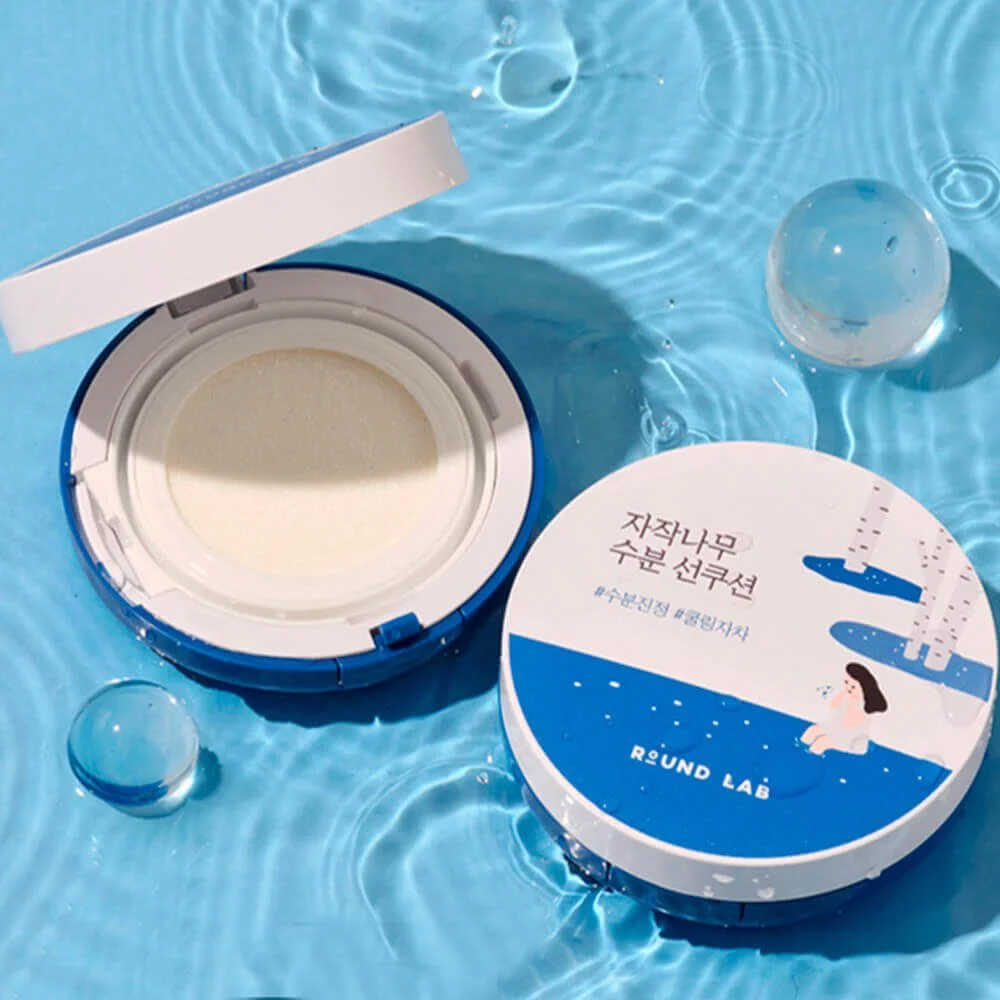
Where to buy
In a cushion format, this mineral sunscreen blends zinc oxide and titanium dioxide within a hydrating base.
Key Features
Hydrating formula with glycerin, hyaluronic acid, and birch-inspired botanical extracts
Soothing ingredients such as allantoin and dipotassium glycyrrhizate support skin comfort
Best suited for normal to combination or slightly dry skin; may feel too dewy for very oily skin types
Dr.G Green Mild Up Sun Stick SPF50+ PA++++
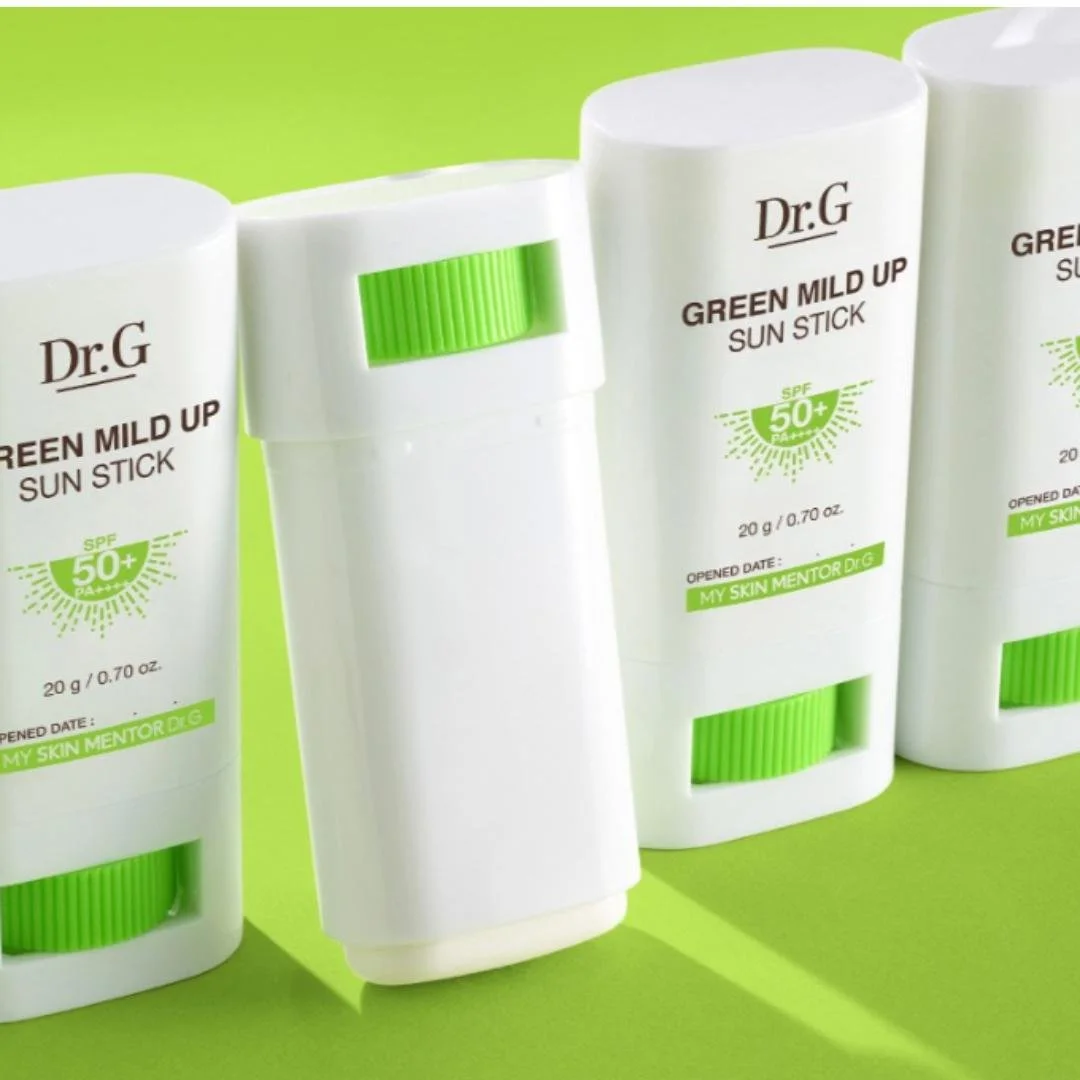
Where to buy
Compared to drier stick formats, this zinc-based mineral sunscreen features a smoother, more emollient reapplication texture.
Key Features
Smoother, more glide-focused texture due to richer emollients
Includes centella extract and ectoin, which contribute mild soothing support
Better suited for normal to combination skin; may feel heavier on very oily or acne-prone skin
Note: Contains fragrance and richer emollients, which may not be ideal for highly sensitive or breakout-prone skin.
ROUND LAB Baby Mild Sun Cushion SPF50+ PA++++
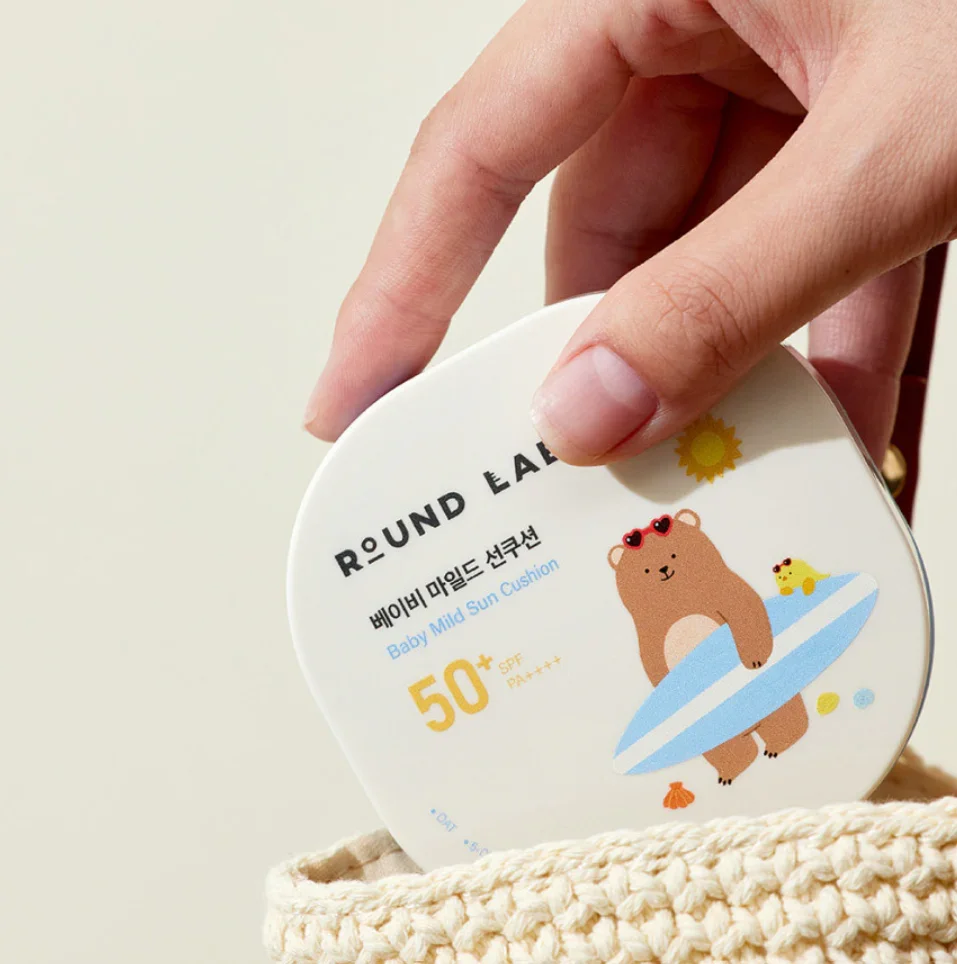
Where to buy
Built in a cushion format, this mineral sunscreen pairs strong UV protection with a barrier-supportive base.
Key Features
Contains multiple ceramides, cholesterol, and ectoin to reinforce the skin barrier
Slightly more nourishing texture compared to lighter sun cushions
Better suited for normal to dry-leaning skin; may feel heavy on very oily skin types
Note: Contains essential oil components, which may not be suitable for highly sensitive or rosacea-prone skin.
Who Should Consider Mineral SPF?
Mineral sunscreens are not automatically superior, but for certain skin types and life situations, they can be a very rational choice. The key is understanding when their characteristics become an advantage rather than a compromise.
1. Highly Sensitive Skin
If your skin reacts easily, stings with new products, or flushes quickly, a mineral sunscreen is often the safer starting point.
Zinc oxide in particular is well tolerated and has mild soothing properties. Because mineral filters sit on the surface of the skin rather than interacting with deeper layers, they tend to cause less irritation compared to some organic filters.
This does not mean every mineral formula will suit you, but from a filter perspective, they are generally lower risk for reactive skin types.
2. Post-Procedure or Barrier-Damaged Skin
After procedures such as laser treatments, chemical peels, microneedling, or during periods of barrier impairment, the skin is more vulnerable.
In these cases, mineral sunscreens are often recommended because:
They provide immediate protection after application
They are less likely to cause burning or stinging sensations
They do not rely on chemical absorption mechanisms
When the barrier is compromised, simplicity matters. A well-formulated mineral sunscreen with minimal additional irritants can be a supportive choice.
3. Pregnancy and Irritation Concerns
During pregnancy, many women prefer to simplify their routines and avoid certain active ingredients as a precaution. While most modern organic UV filters are considered safe when used as directed, mineral sunscreens are often chosen for peace of mind.
Similarly, if you have experienced irritation from multiple organic sunscreens in the past, switching to a mineral filter system may reduce the likelihood of discomfort.
In these situations, the decision is less about superiority and more about comfort, tolerance, and personal preference.
Final Thoughts: Is Mineral Always Better?
Mineral sunscreen is not automatically better. It is simply one type of UV protection that works very well for certain skin types, especially sensitive, reactive, or barrier-compromised skin. For others, a well-formulated organic or hybrid sunscreen may feel lighter and more practical for daily use.
What matters most is consistency. The best sunscreen is the one that suits your skin and that you are comfortable applying every single day.
If you would like to explore further, you will find more guides here on the site covering different skin types, common concerns, and product selection within Korean skincare. My ebooks provide a structured, step-by-step approach to building a routine, and if you prefer personalized guidance, you can book a skincare consultation where I create a routine tailored to your skin and goals.
Read Next
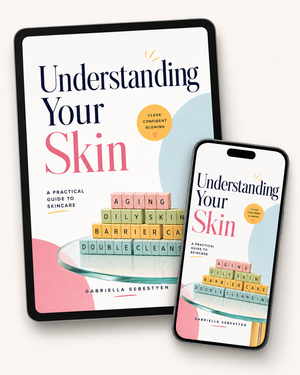
Understanding Your Skin
A Practical Guide to Skincare
I wrote Understanding Your Skin to help you build an effective skincare routine with confidence. This illustrated guide explains skin types, ingredients, and routines in a practical, evidence-based way that's easy to understand and apply.
- Written by a physician
- 120-page illustrated guide
- Evidence-based skincare guidance
- Sample routines & product recommendations

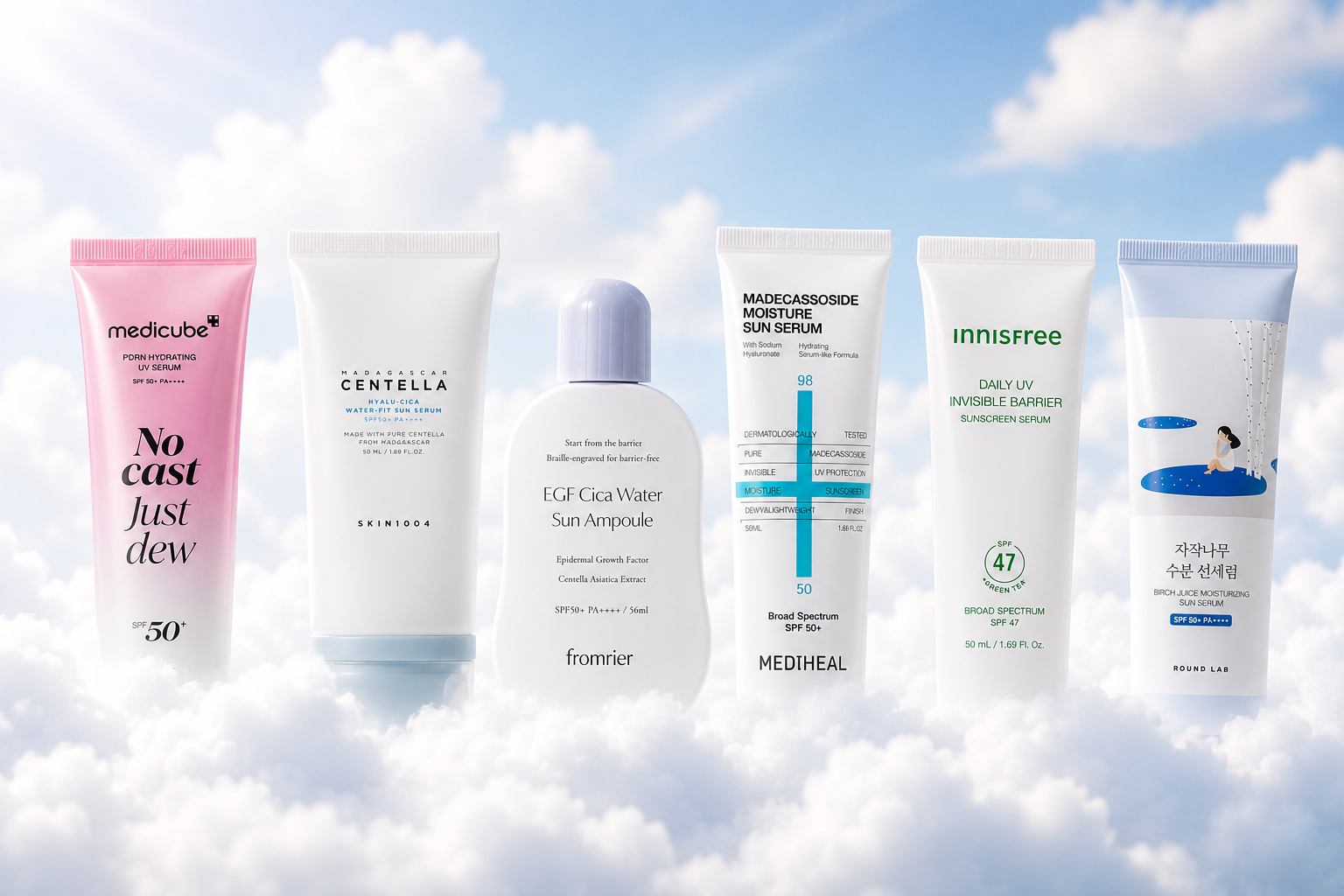
Modern Korean sun serums prove that daily SPF can be lightweight, hydrating, and genuinely enjoyable to wear.