Skincare SOS: Fast Fixes for Common Skin Emergencies
Even the best skincare routine cannot prevent every breakout, irritation flare, or unexpected skin issue. Whether you're dealing with a painful pimple, visible blackheads, puffy under-eyes, or sudden redness before an important event, the right short-term approach can help improve symptoms while protecting your skin from further damage.
Key Takeaways
✓ Different skin emergencies require different solutions, from acne patches to barrier-repair products.
✓ Hydrocolloid patches, microdart patches, and spot treatments work best for different types of acne.
✓ BHA, clay masks, and oil cleansing can temporarily improve the appearance of blackheads before important events.
✓ Under-eye patches can help reduce puffiness and dehydration-related fine lines in the short term.
✓ Sudden redness, burning, or irritation should be managed with barrier-supportive, low-irritation skincare rather than stronger actives.
Some links are affiliate links. If you choose to purchase through them, it helps support my work at no extra cost to you.
With that in mind, let’s look at some of the most common skin emergencies — and how to handle them calmly, safely, and realistically.
1. Acne Emergencies
One of the most frequent reasons people panic about their skin is sudden breakouts.
Sudden acne flares often feel urgent, especially when they are painful, red, or appear without warning. In these moments, the goal of SOS care is not to treat acne as a condition, but to reduce inflammation, protect the skin, and avoid actions that make healing slower or worse.
Acne patches and spot treatments can be extremely helpful — but only when they are matched correctly to the type of acne and used in the right way.
Acne rarely exists in isolation. Beyond treating individual breakouts, understanding the factors that contribute to acne, post-acne marks, and skin barrier health can make a significant difference in long-term skin improvement. Explore the related acne guides below for more in-depth information, product recommendations, and practical skincare strategies.

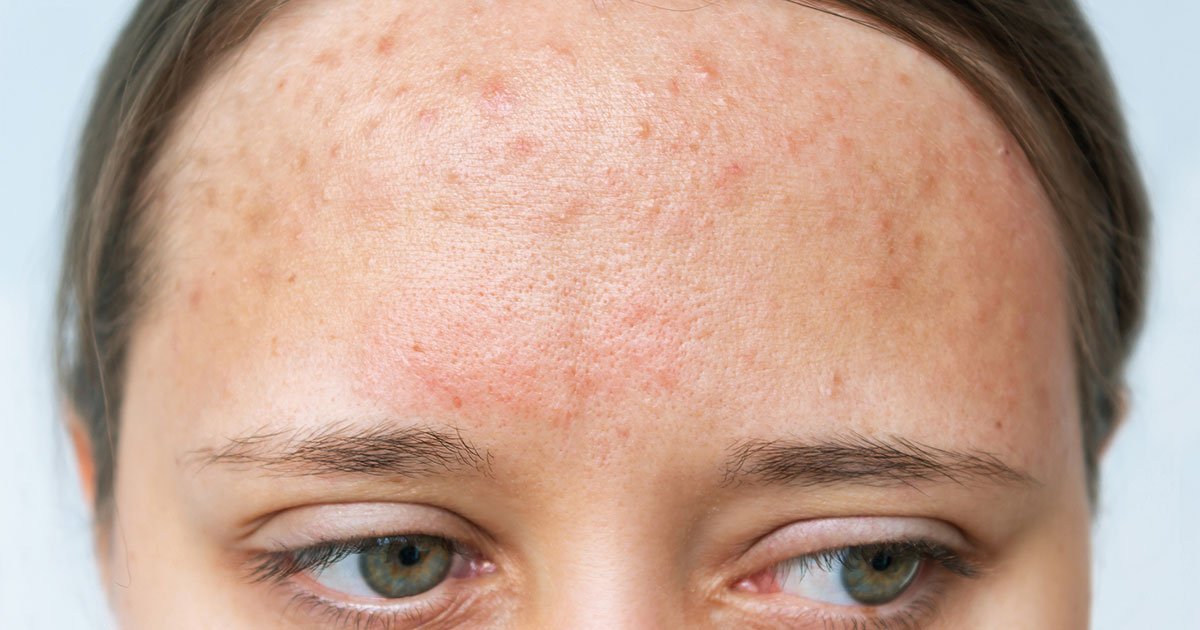

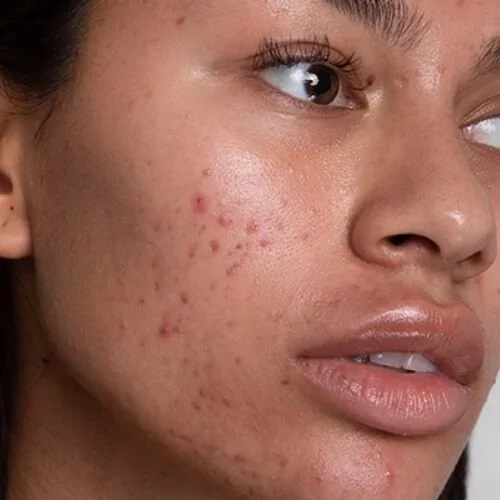


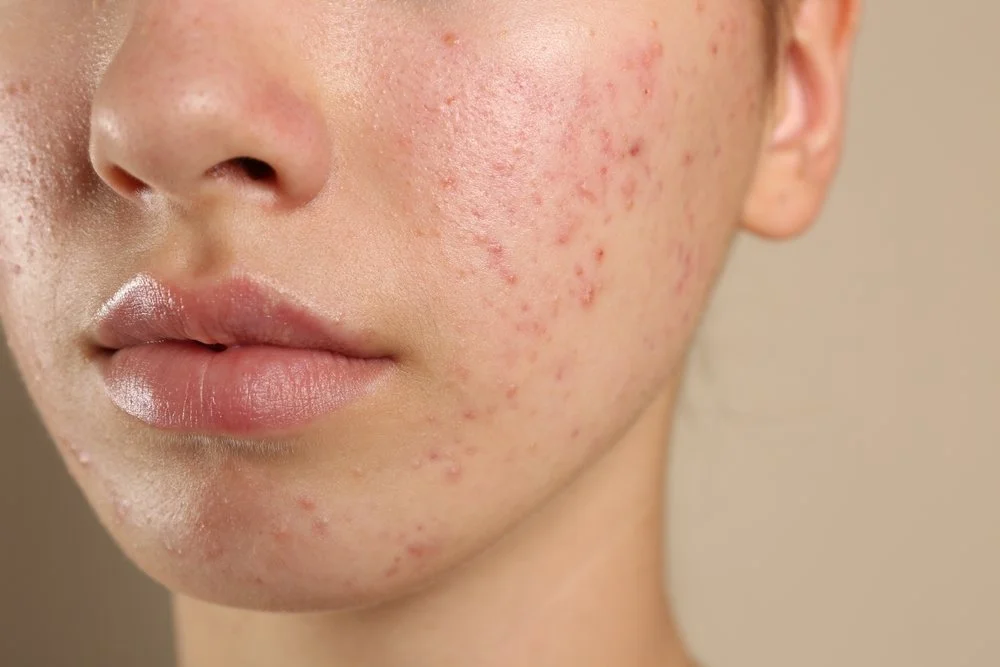
A quick rule before any acne patch
After cleansing:
do not apply toner, serum, or cream under the patch
apply the patch to clean, dry skin only
Once the patch is in place, you can continue with the rest of your routine around it if needed.
This helps the patch adhere properly and work as intended.
Hydrocolloid acne patches (plain patches)
These are the most basic type of acne patch and are often misunderstood.
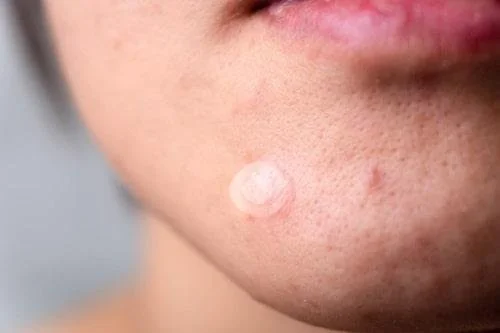
Hydrocolloid patches contain no active ingredients. They were originally designed for wound care, and their role in acne is primarily protective, not corrective.
They work by:
absorbing fluid from the surface
shielding the area from bacteria, dust, and friction
preventing touching, picking, and further irritation
They are most useful when:
a pimple has visible pus
a pimple has already opened
you picked a spot and created a small wound
In these situations, hydrocolloid patches can significantly improve healing conditions by keeping the area clean and undisturbed.
However, it is important to be realistic.
Hydrocolloid patches:
do not treat acne
do not reduce deep inflammation
do not help cystic acne
Their strength lies in protection, not active treatment.
SKIN1004 Spot Cover Patch

Where to buy
A plain hydrocolloid patch with no active ingredients. It absorbs surface fluid, protects the area from bacteria and friction, and helps prevent touching, making it ideal when the skin is already irritated or vulnerable.
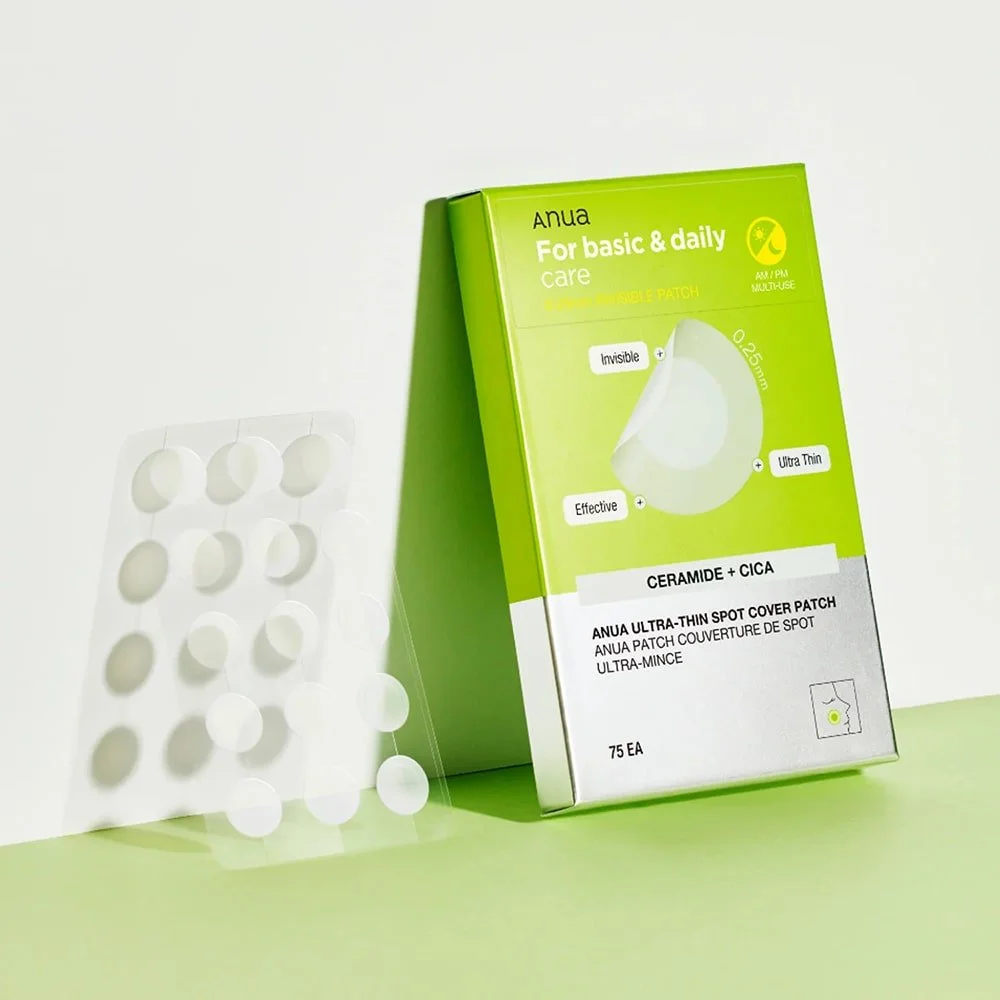
Anua Ultra-Thin Spot Cover Patch
Where to buy
A very discreet hydrocolloid patch combined with gentle soothing and barrier-supporting ingredients. It works especially well after a pimple has been drained and the skin needs calm, protected healing rather than active treatment.
Ingredient-infused acne patches
Some acne patches combine a hydrocolloid base with mild active ingredients such as:
BHA (salicylic acid)
tea tree extract
centella or other calming agents
These patches still protect the skin, but they also offer gentle, localized support for inflammation.
They can be helpful when:
inflamed acne that is more serious than a simple pustule
pimples that are red, tender, and actively inflamed
you want mild anti-inflammatory support without layering multiple products
That said, these patches are still supportive tools, not aggressive treatments. Using very strong actives under a patch can easily lead to irritation, especially on already inflamed skin.
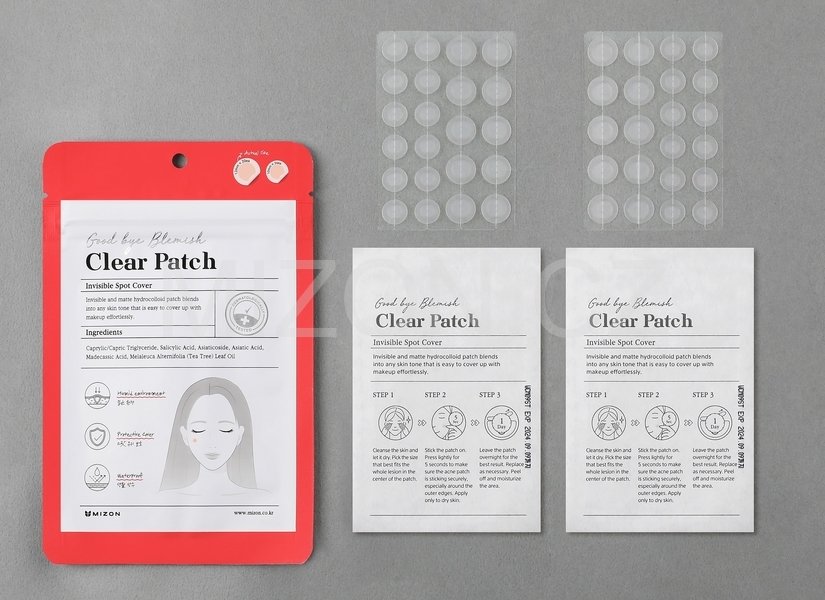
MIZON Good Bye Blemish Clear Patch
Where to buy
This patch focuses on targeted anti-inflammatory and pore-clearing support.
Why it works well in SOS situations:
Salicylic acid (BHA) helps reduce congestion locally
Centella components support calming and repair
Tea tree oil adds antibacterial support
Best suited for:
inflamed pimples without deep nodules
breakouts that feel tender and active
situations where protection alone is not enough
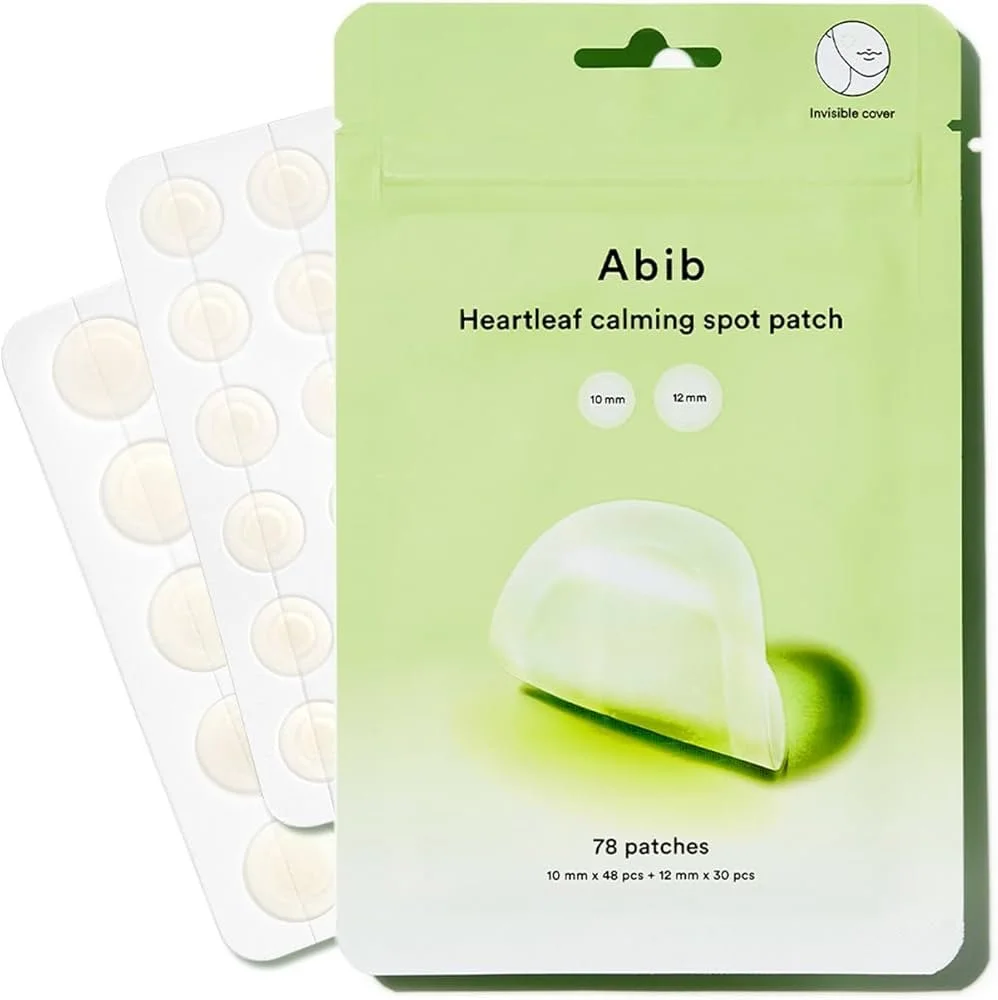
Abib Heartleaf Calming Spot Patch
Where to buy
This patch leans more toward soothing and calming.
Key features:
Heartleaf (Houttuynia cordata) to calm redness
Centella components to support recovery
Tea tree oil for gentle antibacterial action
Best suited for:
red, irritated pimples
acne flares on sensitive or reactive skin
moments when calming inflammation is the priority
Spot treatments (patch treatments in containers)
Spot treatments are different from patches, even though they are often discussed together.
These are leave-on treatments applied directly to the pimple and may contain ingredients such as:
BHA
sulfur
zinc
soothing or anti-inflammatory agents
They can help reduce:
surface bacteria
redness
inflammation
However, unlike patches, they:
do not protect the area from touching
can be irritating if overused
should not be layered excessively in emergency situations
In SOS care, less is often more.
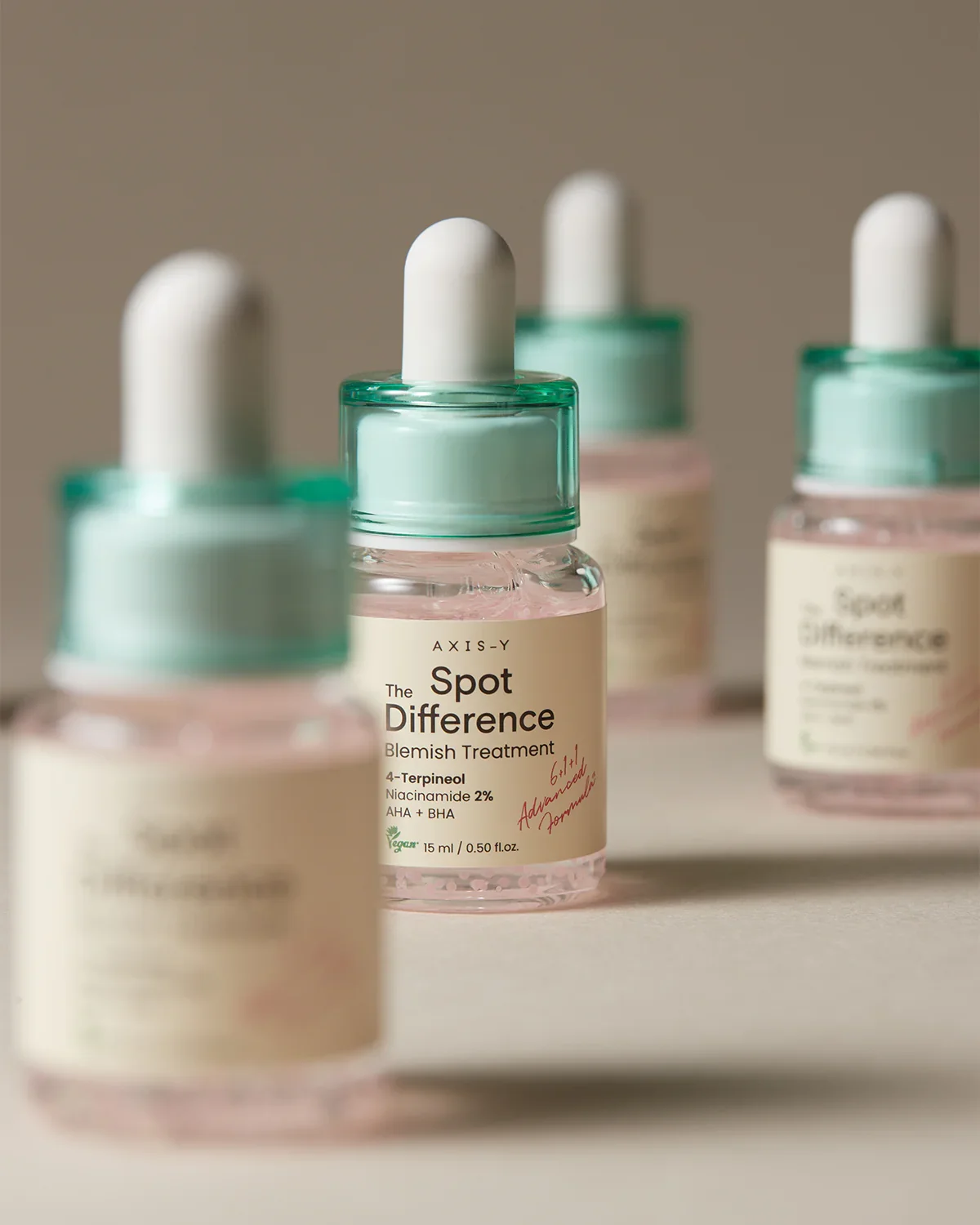
AXIS-Y Spot The Difference Blemish Treatment
Where to buy
This is a multi-ingredient, active-focused spot treatment designed to address both inflammation and post-breakout recovery.
Why it can help in SOS situations:
BHA and AHA support congestion control
2% Niacinamide and licorice help reduce redness and uneven tone
Ceramides and beta-glucan support barrier recovery
Best suited for:
inflamed pimples without broken skin
acne that needs more than calming but is not deeply nodular
short-term use, not repeated daily layering
Because this formula contains many botanical extracts, it’s best avoided on already reactive or sensitized skin.
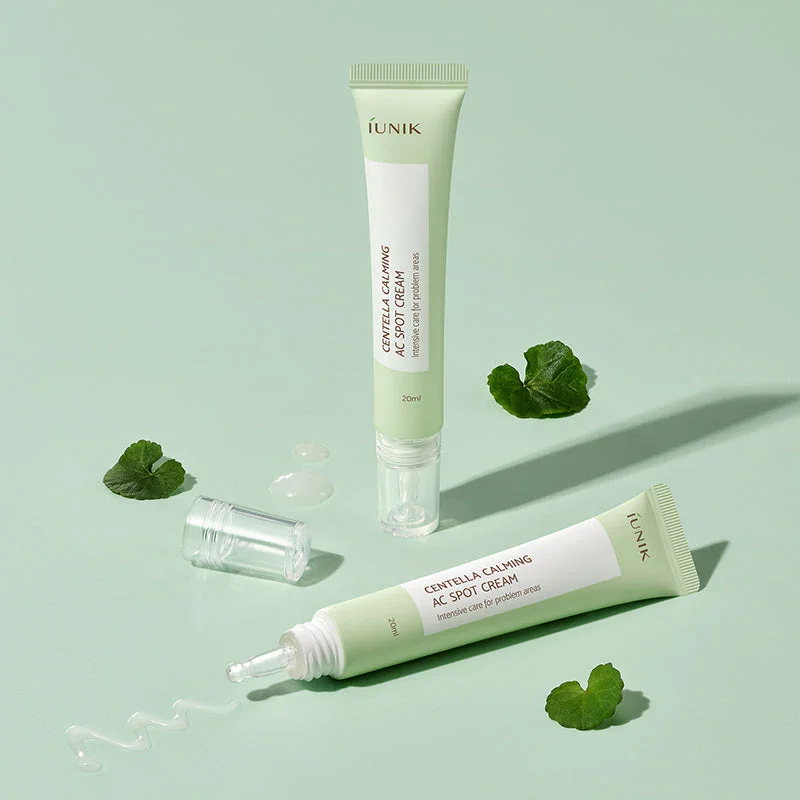
iUNIK Centella Calming AC Spot Cream
Where to buy
This spot treatment is more calming and barrier-friendly, making it a gentler SOS option.
Why it works well:
very high centella content to soothe inflammation
panthenol and allantoin for comfort and repair
low irritation approach despite mild exfoliating components
Best suited for:
red, irritated pimples
acne on sensitive or easily reactive skin
situations where calming is more important than exfoliation
This is a good choice when you want support without pushing the skin too hard.
Microcone/micropin/micro-dart acne patches
(The best SOS option for closed, painful nodular acne)
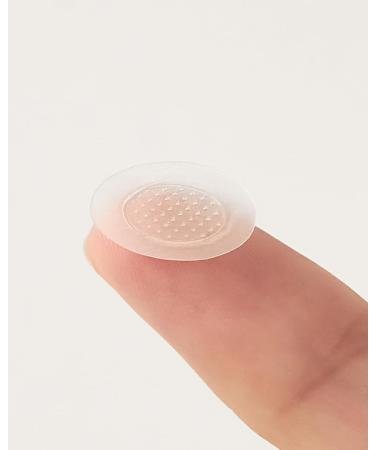
Micro-dart acne patches are often the most effective short-term option when dealing with nodular acne, the type of breakout that is painful, inflamed, and has no visible opening.
Nodular acne typically presents as:
a closed bump with no head
redness and tenderness
a firm nodule felt under the skin
discomfort that can last several days
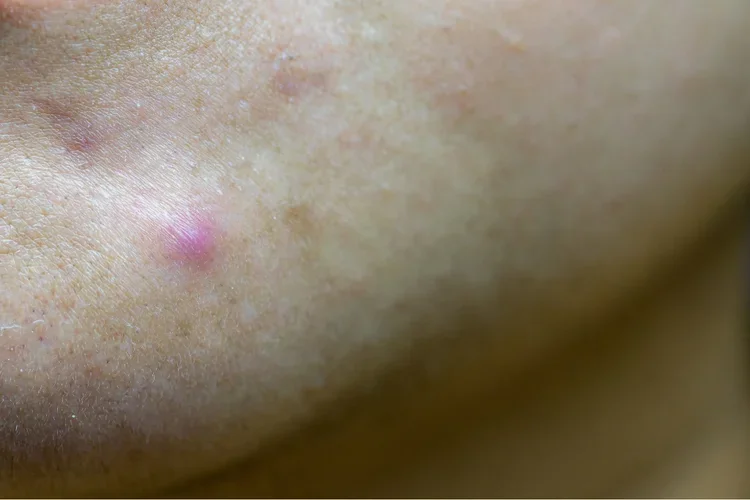
Because there is no opening, classic hydrocolloid patches are not effective in this situation. For short-term symptom relief, microneedle acne patches are often the most helpful option, as they can target inflammation below the surface while also protecting the area from friction and touching.
One important point here is timing. When you notice a nodular acne starting to form, applying a micropin patch as early as possible is usually far more effective than waiting. Once these lesions progress, they rarely “change their mind” and disappear on their own after a day or two. Early intervention can help limit how inflamed and long-lasting the breakout becomes.
For best use:
apply to clean, dry skin
avoid toner, serum, or cream underneath
if you already use a minimal, well-tolerated BHA or very simple spot treatment, it can be applied sparingly
Leave on overnight and replace daily if needed
Once applied, continue your regular routine around the patch
As with all SOS strategies, this approach focuses on short-term symptom improvement, not resolving acne as a condition. If nodular breakouts occur frequently, they signal the need for a more comprehensive, long-term acne routine tailored to your skin.
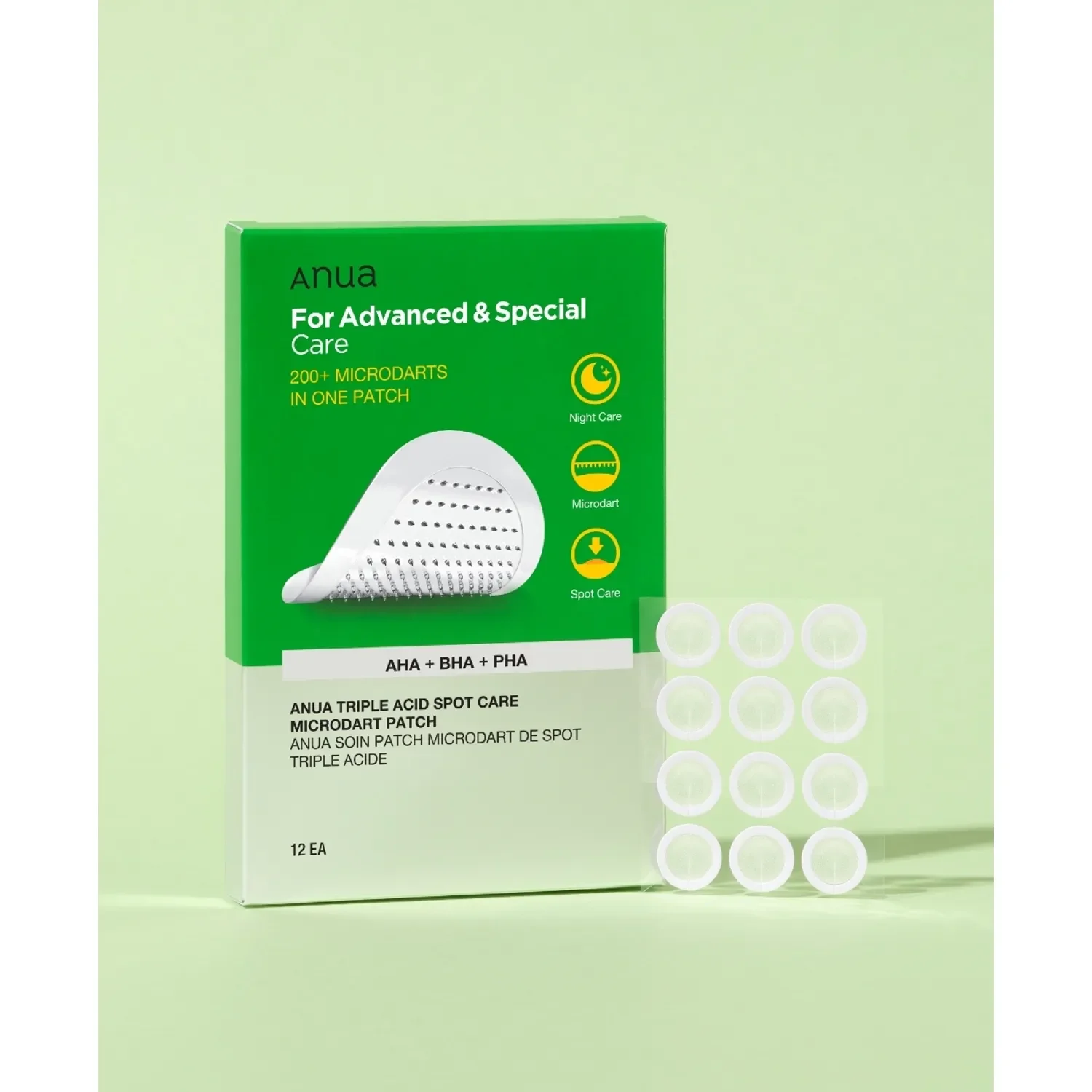
Anua Triple Acid Spot Care Microdart Patch
Where to buy
This patch combines hydration, anti-inflammatory support, and multi-acid action in a very targeted way.
Why it works well in SOS situations:
a mix of BHA, PHA, and gentle AHAs supports congestion reduction under the surface
zinc and succinic acid help calm inflamed, tender breakouts
centella and madecassoside support soothing and recovery
Best suited for:
early-stage nodular acne
painful bumps that feel “stuck” under the skin
situations where quick intervention may limit progression
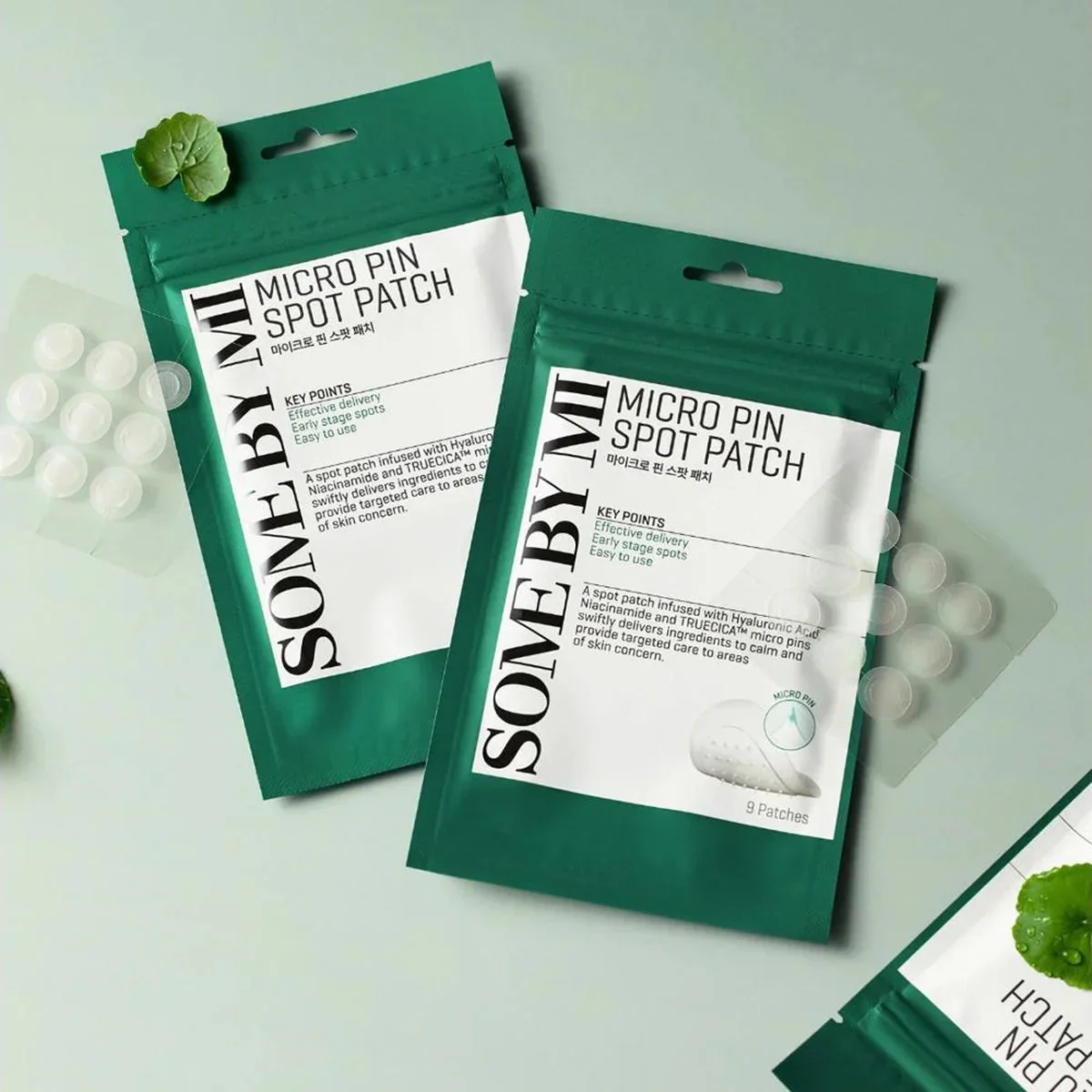
SOME BY MI Micro Pin Spot Patch
Where to buy
This patch focuses more on soothing inflammation while gently supporting acne control.
Key features:
salicylic acid for localized pore support
centella and mugwort for calming redness
hydrating ingredients to reduce irritation around the lesion
Best suited for:
nodular breakouts on more sensitive skin
inflamed bumps where barrier support matters as much as treatment
longer wear during the day or overnight
2. Blackheads and Sudden Congestion
Blackheads are a form of acne, specifically non-inflammatory comedonal acne. Like pimples, they develop when oil and dead skin cells accumulate inside the pore. The difference is that blackheads are usually not inflamed, which means they are often more about texture and appearance than pain or redness.
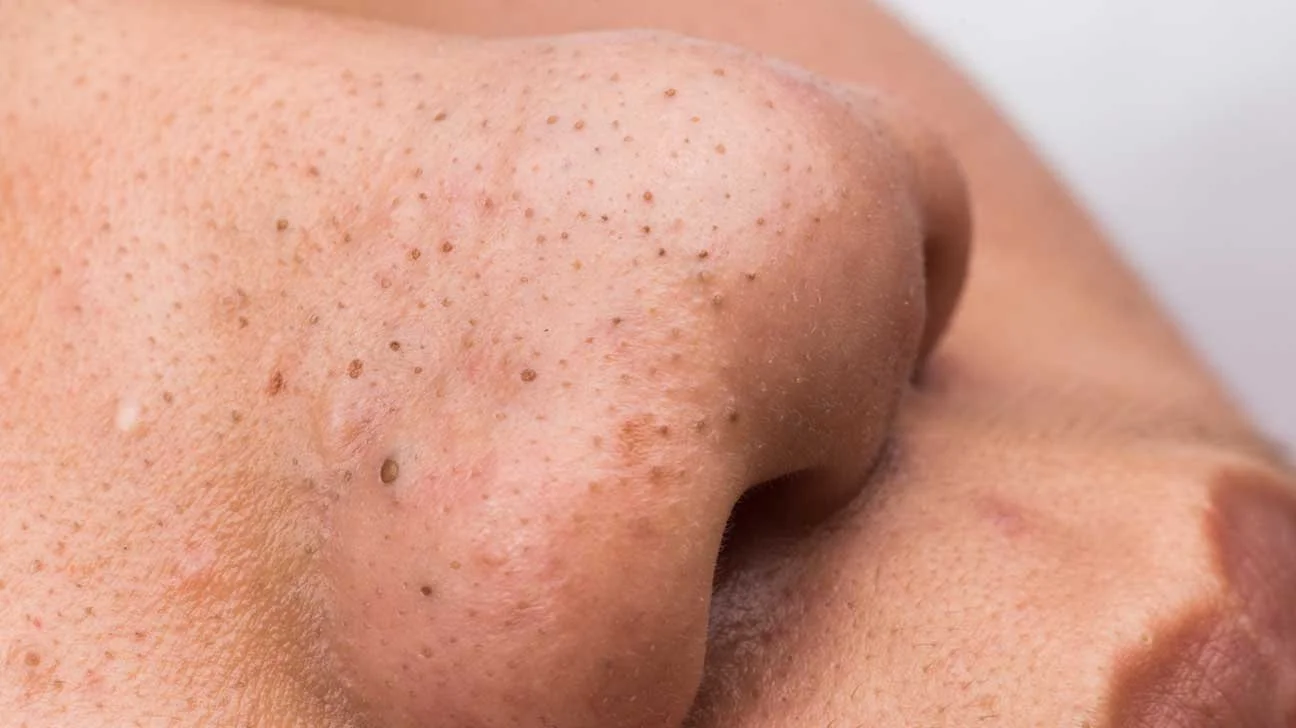
Because of this, blackheads tend to become especially stressful before important events, photos, or occasions where you want your skin to look smooth and even. While blackheads cannot be removed permanently overnight, their number and visibility can be reduced noticeably in the short term with the right approach.
This is where a targeted Skincare SOS treatment can be useful — not as a daily routine, but as an occasional, intentional intervention when you want visible improvement.
This is not maintenance care.
It is a short-term strategy for moments when you need your skin to look its best.
SOS Blackhead-Minimizing Routine (Step-by-Step)
Step 1: Start with BHA
Use a chemical exfoliant with 2% BHA (salicylic acid).
If you have a rinse-off exfoliating mask/treatment:
Apply it and leave it on for 8–10 minutes, then rinse thoroughly.If you only have your everyday leave-on BHA:
Apply a slightly more generous layer than usual, then wait 10 minutes before moving to Step 2.
This step helps loosen compacted oil and debris within the pores, preparing the skin for the next step.
Regular exfoliation can help reduce blackheads, improve skin texture, and keep pores clearer over time. The articles below take a closer look at different exfoliating acids, gentle exfoliation strategies, and how to choose the right approach for your skin.
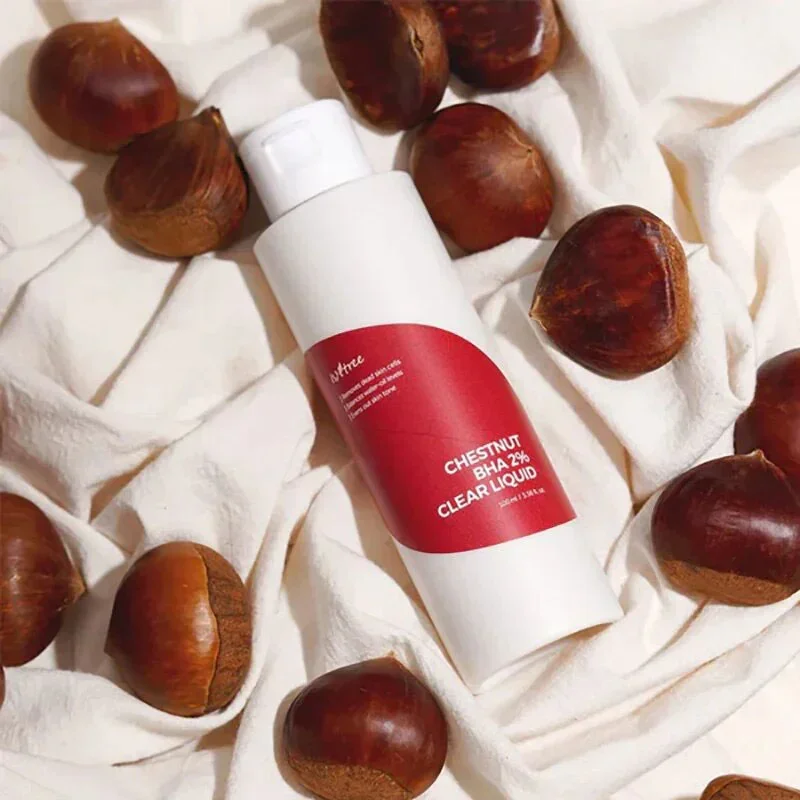
Isntree Chestnut BHA 2% Clear Liquid
Where to buy
This is one of the cleaner, more focused BHA options available in Korean skincare.
Why it works well in an SOS blackhead routine:
2% salicylic acid provides effective pore-clearing action
the formula stays relatively minimal compared to many K-beauty exfoliants
added humectants and soothing agents help reduce the risk of irritation
Best suited for:
occasional blackhead-focused treatments
users who want a stronger BHA effect without excessive fragrance or filler ingredients
This is a good choice when you want to prepare pores effectively before a clay mask.
Step 2: Follow with a clay mask
Next, apply a clay mask to help absorb oil from deeper within the pores and reduce the “congested” look.
Apply an even layer to areas where blackheads are most visible (often the nose, chin, and inner cheeks).
Leave it on for the recommended time, then remove it thoroughly.
At this stage, many people already notice a smoother feel and a cleaner-looking pore area.
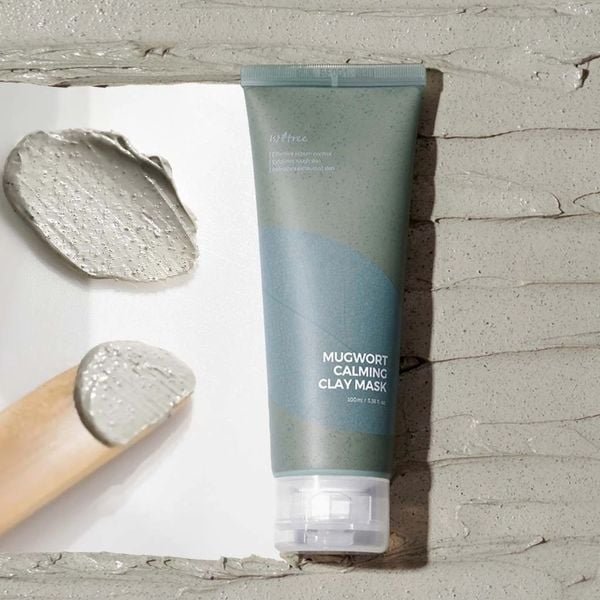
Isntree Mugwort Calming Clay Mask
Where to buy
This clay mask combines oil-absorbing clays with calming and barrier-support ingredients.
Why it works well in an SOS routine:
kaolin and bentonite help absorb excess sebum
mugwort and oat extracts support calming
panthenol and beta-glucan reduce the risk of tightness
Best suited for:
blackheads accompanied by mild redness
skin that clogs easily but also reacts quickly
SOS routines where calming is as important as oil control
This is a good choice if your skin tends to feel irritated after stronger exfoliation.
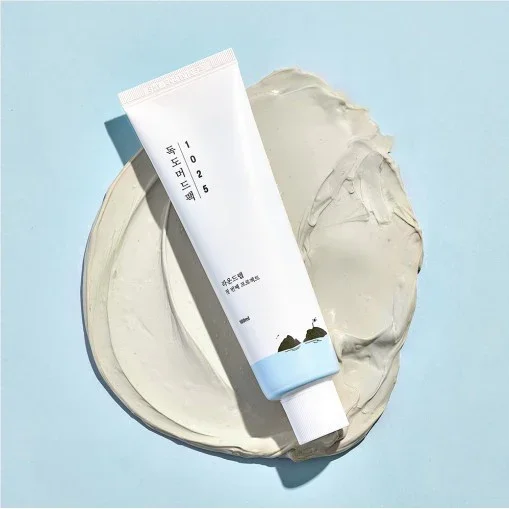
Round Lab 1025 Dokdo Mud Pack Tube
Where to buy
This is an excellent example of a minimalist, well-balanced clay mask.
Why it stands out:
very high levels of kaolin and bentonite for effective oil absorption
a short, clean ingredient list
added glycerin, trehalose, panthenol, and allantoin to maintain hydration
Best suited for:
classic blackhead-prone skin
users who want strong oil absorption without unnecessary extras
SOS use before events, when visible pore refinement matters
This formula does exactly what a clay mask should do — no more, no less.
Step 3: Finish with an oil cleanser or cleansing balm
This step sounds counterintuitive, but it’s one of the most useful parts of the routine.
Oil dissolves oil, so an oil cleanser or cleansing balm can help lift remaining residue that was loosened by the previous steps.
Massage onto dry skin gently for 1–2 minutes (no harsh rubbing).
Rinse/emulsify, then follow with your regular water-based cleanser.
This final step helps remove what was loosened, without squeezing or aggressive extraction.
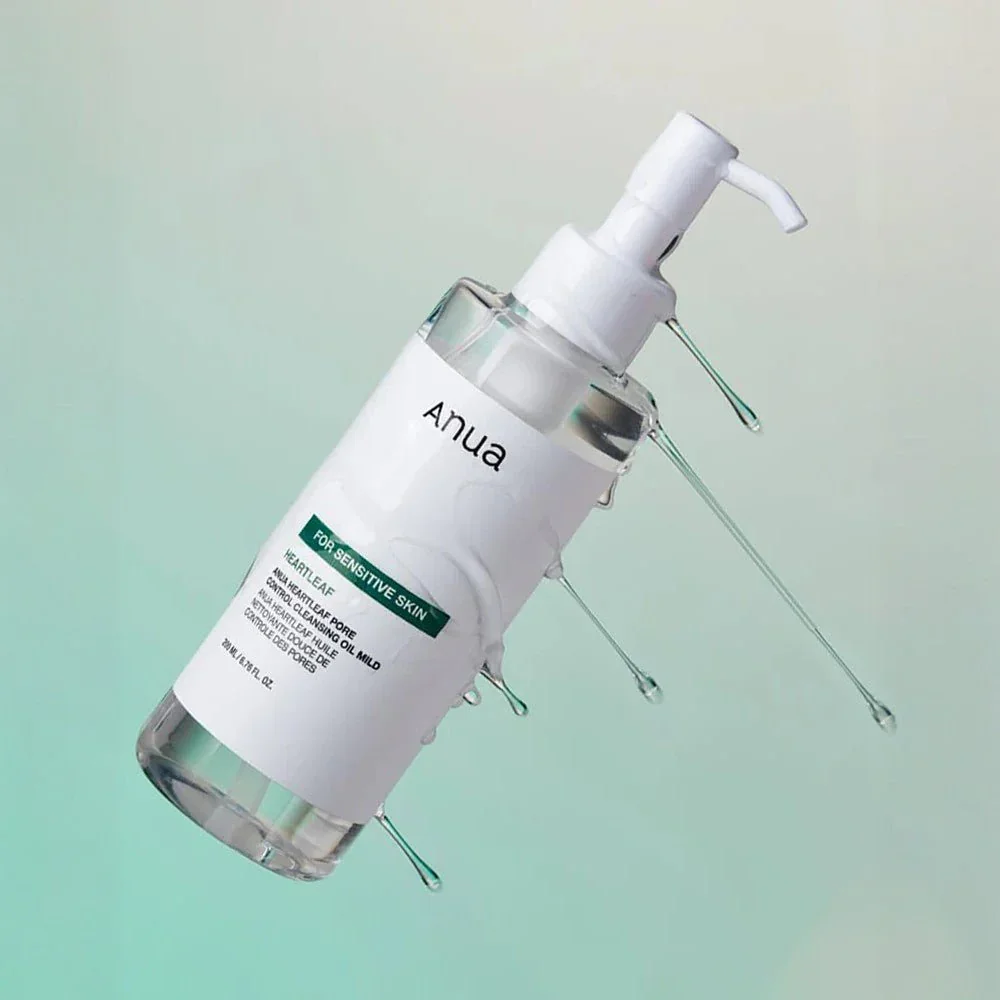
Anua Heartleaf Pore Control Cleansing Oil Mild
Where to buy
This cleansing oil focuses on gentle emulsification and calming support.
Why it works well in an SOS context:
effectively dissolves residual oil and buildup
lightweight texture that rinses cleanly
heartleaf extract supports calming after exfoliation
Best suited for:
blackhead-prone skin that is also sensitive
post-exfoliation cleansing when the skin needs restraint
users who prefer a mild, non-heavy oil cleanser
This is a good option when you want to finish the routine without overloading the skin.
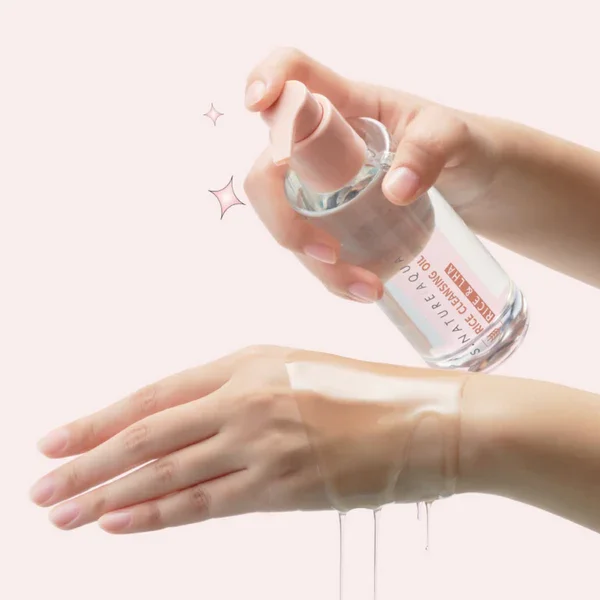
S.NATURE Aqua Rice Cleansing Oil
Where to buy
This cleansing oil offers a balanced, minimalist approach to oil cleansing, making it a very good fit for a blackhead SOS routine.
Why it works well here:
effectively dissolves loosened sebum and residue after exfoliation
lightweight oil blend that emulsifies cleanly
includes fermented rice and soy components for skin comfort
A notable feature of this formula is the inclusion of LHA (capryloyl salicylic acid) in a very gentle, supportive role. While this is not an exfoliation step on its own, it complements the SOS routine by helping keep the pore environment clean without adding irritation.
Best suited for:
blackhead-prone skin that needs thorough but gentle cleansing
post-BHA and clay mask routines
users who prefer low-fragrance, barrier-friendly formulas
This is an excellent choice when you want the benefits of oil cleansing without heaviness or unnecessary stimulation — exactly what an SOS routine calls for.
3. Eyes in Trouble: Puffy or Tired Under-Eyes
Puffy or tired-looking under-eyes tend to show up at the worst possible moments — after a restless night, during stressful periods, or right before an important event. Unlike many other skin concerns, under-eye puffiness is rarely a true skin issue. It is usually the result of temporary fluid accumulation, mild swelling, and surface dehydration, all of which can change how rested the eye area appears.
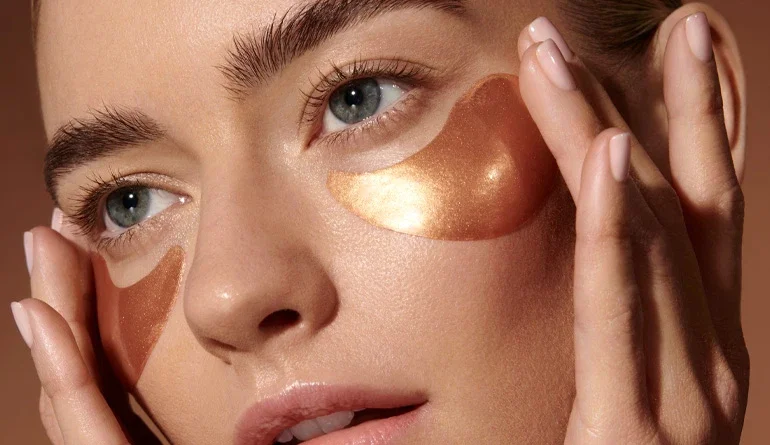
In these situations, the focus isn’t on long-term correction. Instead, the goal is to improve how the under-eye area looks and feels in a short amount of time — reducing puffiness, smoothing dehydration lines, and creating a better, more even base for makeup.
Why under-eye patches work so well as an SOS tool
Under-eye patches, especially those made from hydrocolloid or hydrogel, are excellent short-term helpers when used correctly.
They work by:
lightly occluding the skin, which improves hydration
helping draw down surface swelling
smoothing the appearance of fine dehydration lines
creating a calm, protected environment for the under-eye area
They are not meant to “treat” dark circles or structural eye bags — and they don’t need to.
Simple is better (especially around the eyes)
Under-eye patches do not need to be packed with strong actives to be effective. In fact, for this purpose, less is often more.
Look for patches that focus on:
hydration
soothing ingredients
caffeine (for temporary de-puffing)
If your goal is long-term treatment, a well-formulated eye cream is usually a better option. Under-eye patches shine as a fast, visible, pre-event solution.
The fridge trick (small step, big difference)
Keeping your under-eye patches in the fridge can noticeably improve their effect.
The cooling sensation:
enhances de-puffing
helps constrict superficial blood vessels
feels instantly refreshing on tired eyes
Use them for about 15–20 minutes, ideally while getting ready or before applying makeup.
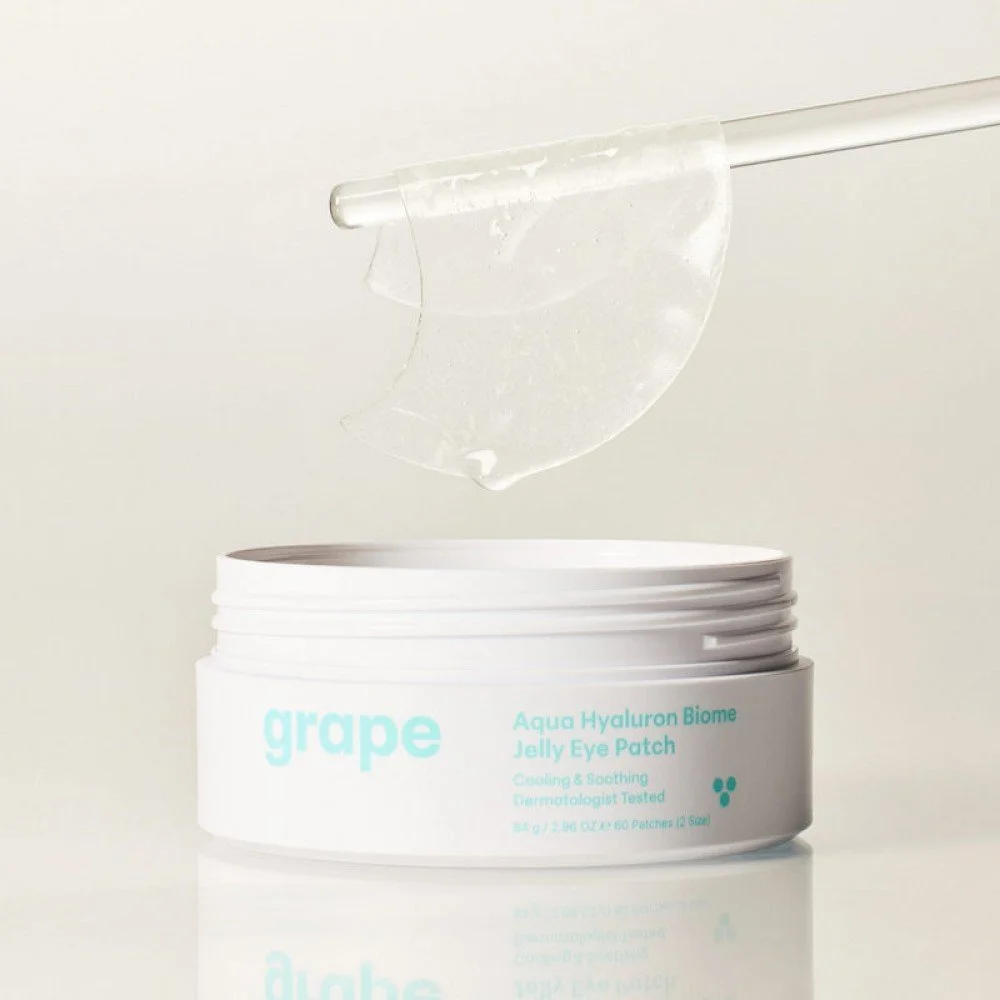
THANK YOU FARMER Grape Aqua Hyaluron Biome Jelly Eye Patch
Where to buy
This patch focuses on hydration and soothing, making it a very safe pre-event option.
Why it works well:
multiple forms of hyaluronic acid support surface hydration
allantoin and licorice derivatives help calm
lightweight jelly texture feels refreshing, especially when chilled
Best suited for:
dehydrated, tired under-eyes
mild puffiness
makeup prep when you want smoother concealer application
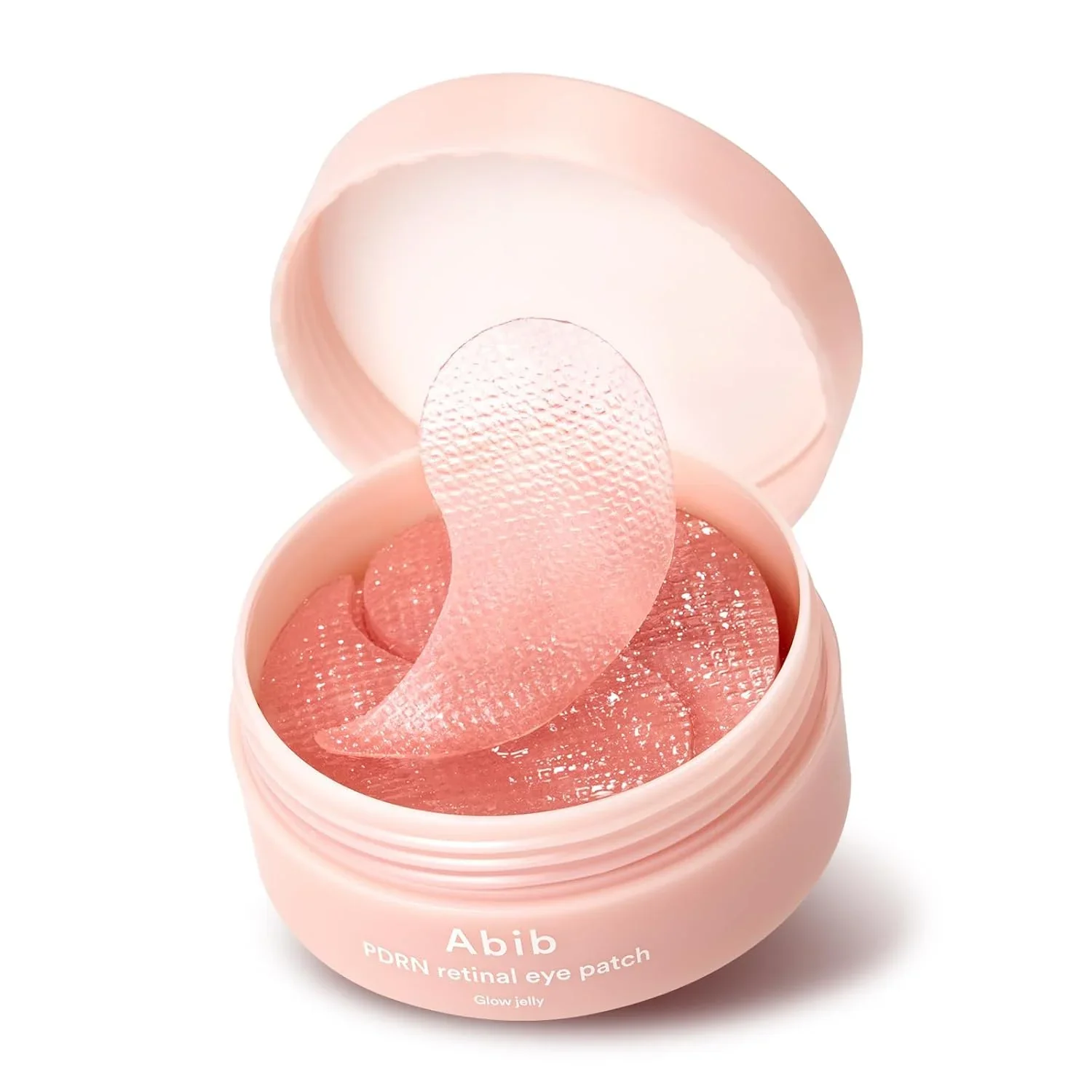
Abib PDRN Retinal Eye Patch Glow Jelly
Where to buy
This patch combines de-puffing, hydration, and subtle brightening.
Why it works in an SOS context:
caffeine helps temporarily reduce puffiness
panthenol and centella support soothing
PDRN infused jelly texture smooths the under-eye area nicely before makeup
A quick reassurance:
The retinal appears at the very end of the INCI list and is present at an extremely low concentration, so it does not function like a true retinoid treatment. This patch can be used safely in the morning without retinoid-related concerns.
Best suitedfor:
visible puffiness and fatigue
users who want instant cosmetic improvement rather than treatment
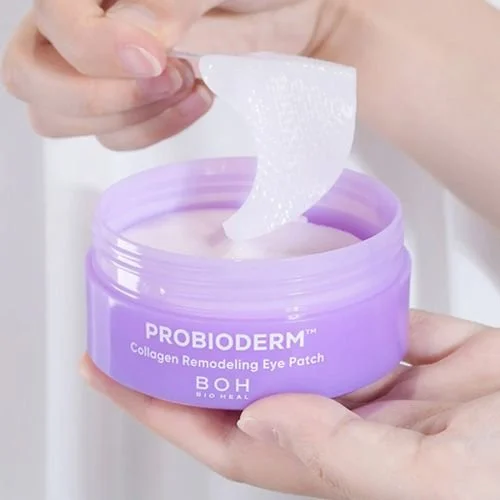
BIOHEAL BOH Probioderm Collagen Remodeling Eye Patch
Where to buy
This patch focuses on plumping, smoothing, and skin comfort.
Why it stands out:
humectants, peptides, and collagen help improve surface smoothness
panthenol and beta-glucan support barrier comfort
slightly richer feel compared to pure hydration patches
Best suited for:
under-eyes that look crepey or tired
smoothing fine dehydration lines
makeup prep when texture is the main concern
Despite the collagen and peptide focus, the effect is temporary and cosmetic (unless you use it daily), which is exactly what makes this a good SOS option.
4. Sudden Redness, Burning, or Irritation
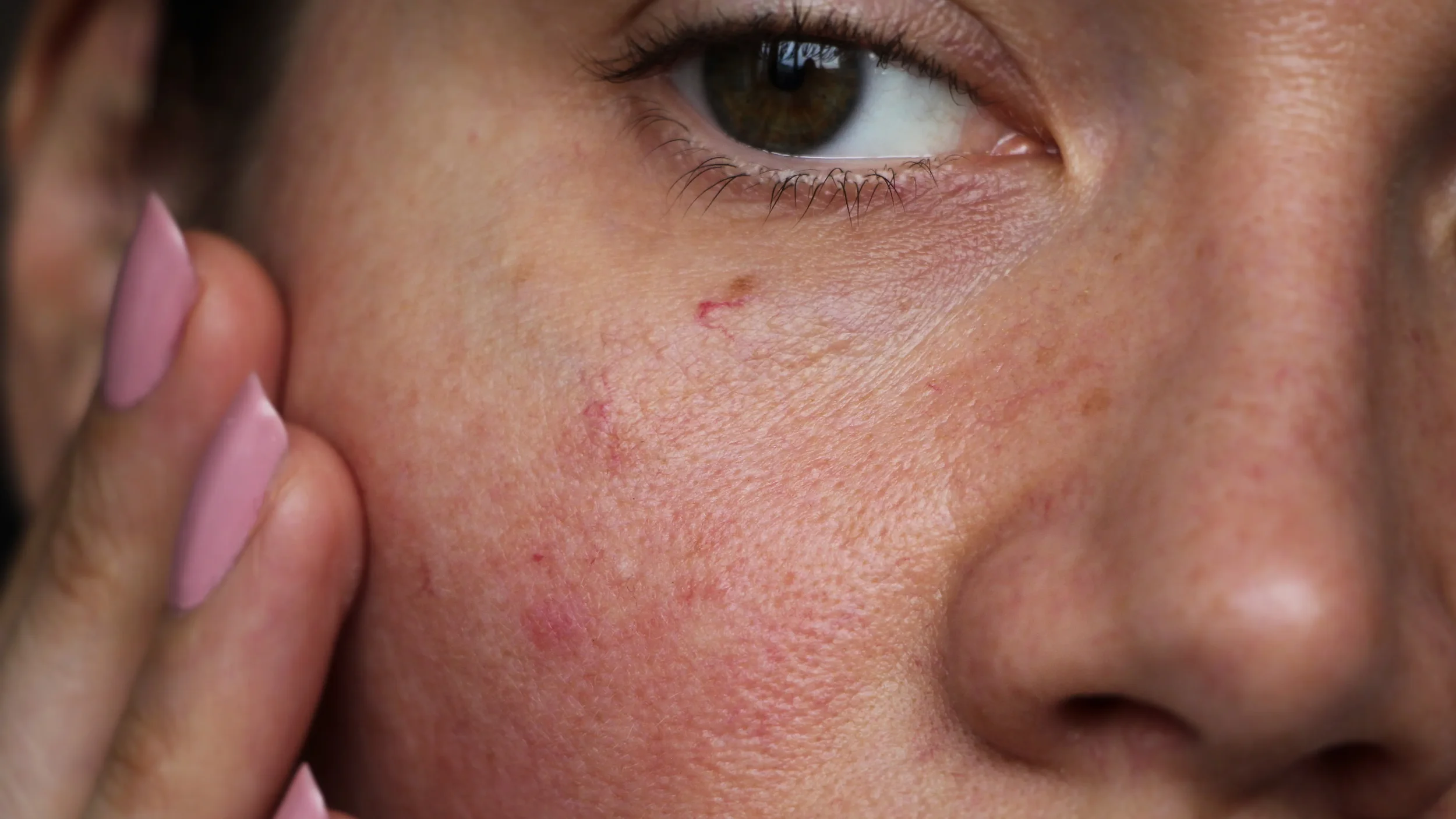
A strong skin barrier is one of the most important foundations of healthy skin. Ceramides, fatty acids, and cholesterol all play a key role in keeping the skin resilient and less reactive over time. With a well-balanced routine, many irritation issues can be prevented.
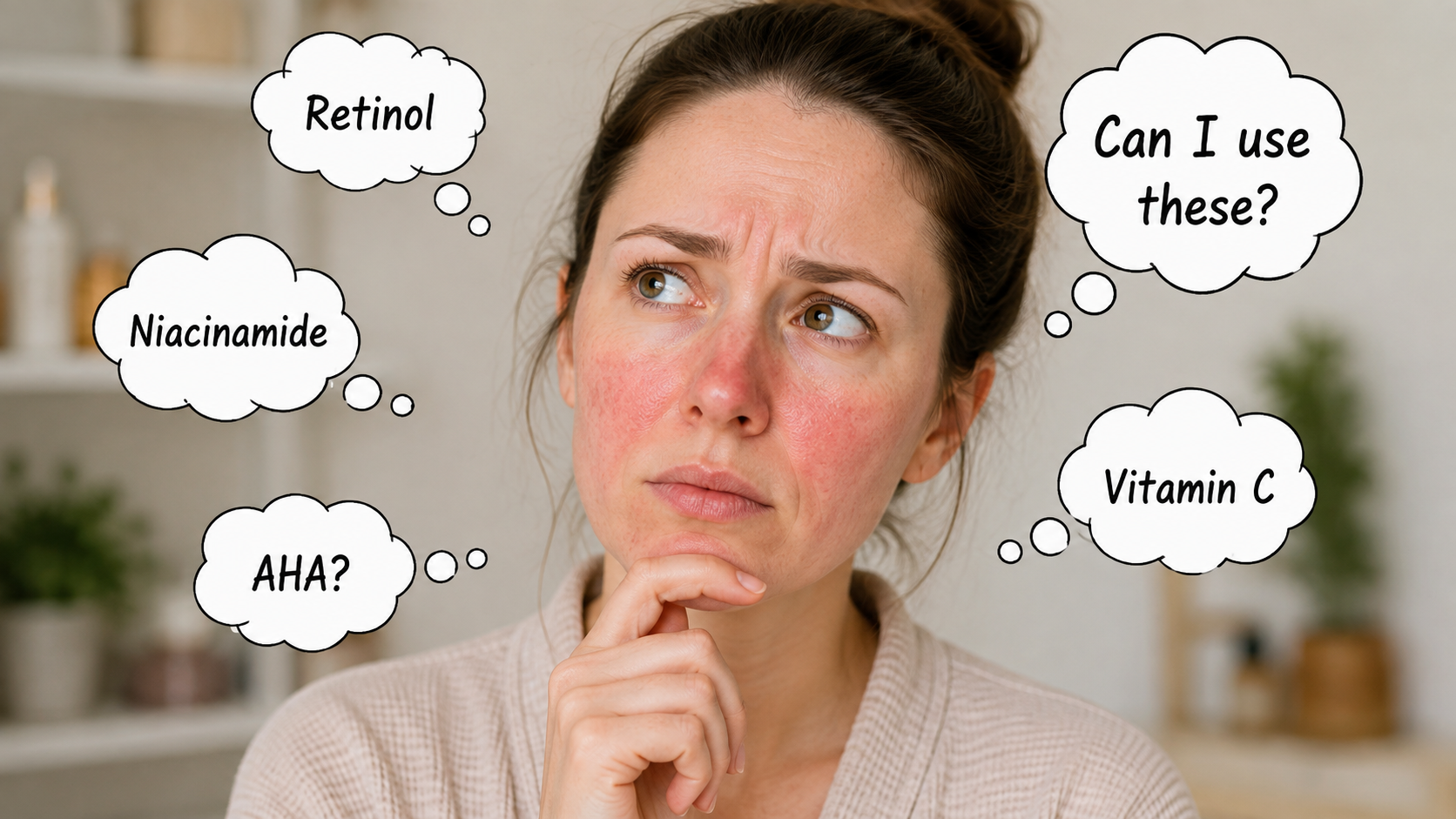

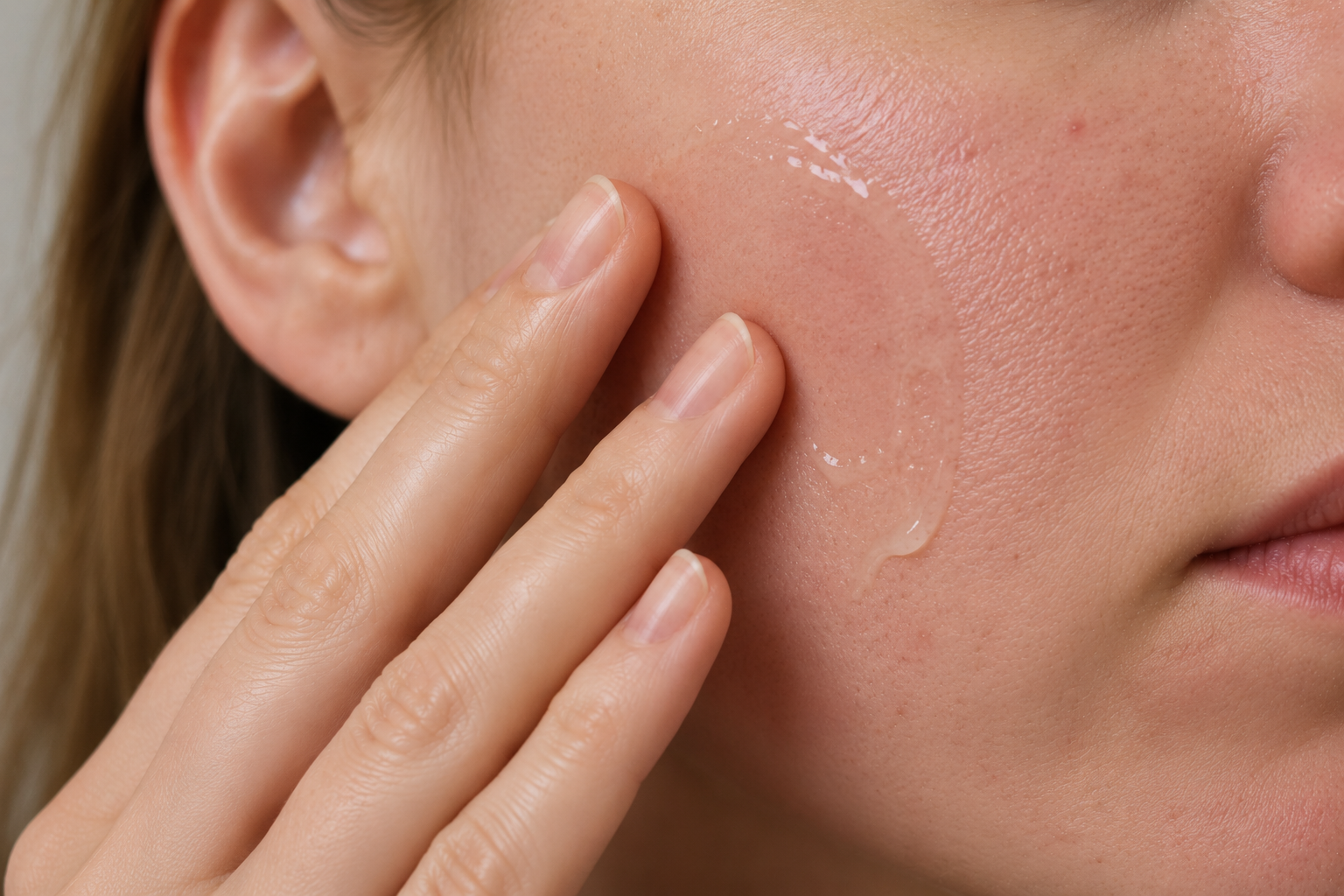

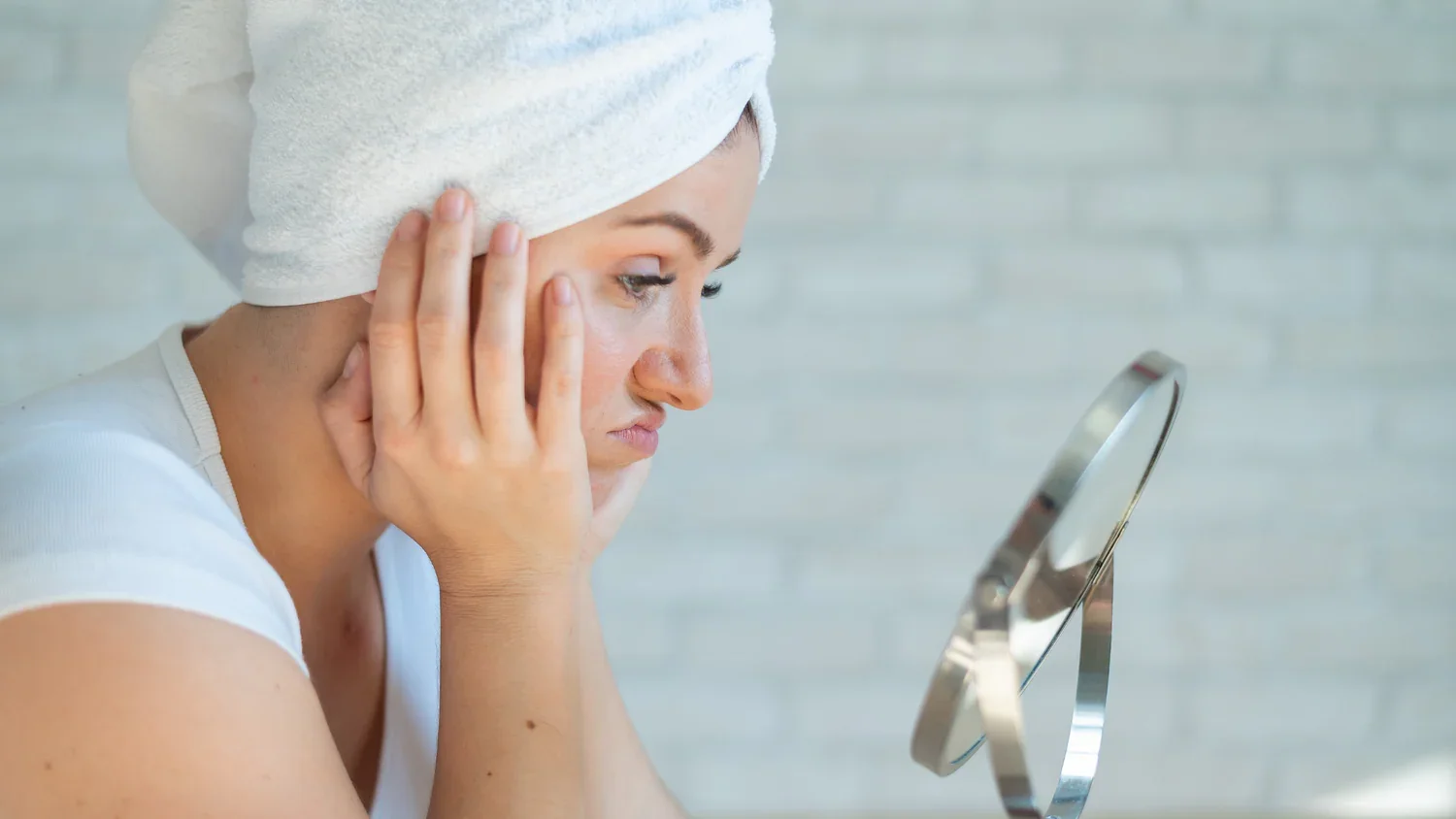

That said, let’s be honest — irritation still happens.
Sometimes it’s caused by a clear mistake, such as over-exfoliating or choosing a retinoid that is too strong. Other times, it’s unexpected: a product that didn’t cause problems before suddenly triggers redness, or prolonged sun exposure leads to burning despite using sunscreen in the morning.
When the skin is already reacting, the priority is no longer optimization.
It is damage control and calming.
If your skin tends to react easily, I recommend focusing on a minimal, low irritation routine built around barrier supporting ingredients, which I explain in more detail in my guide on gentle, low irritation skincare.
Common causes of sudden irritation
Acute redness and burning are often triggered by:
overuse of chemical exfoliants or scrubs
starting retinoids too strong or too frequently
combining multiple active ingredients
inadequate sun protection or missed reapplication
products containing potential irritants such as fragrance or essential oils
This is why, if your skin is prone to redness, carefully checking ingredient lists and avoiding products heavy in fragrance or essential oils is so important.
But what if the reaction has already started?
What to do when irritation appears
The response depends slightly on the trigger, but the core principle is always the same: stop irritation, calm inflammation, and simplify.
Irritation from exfoliants or scrubs
When irritation is caused by acids or physical exfoliation, the skin barrier is compromised.
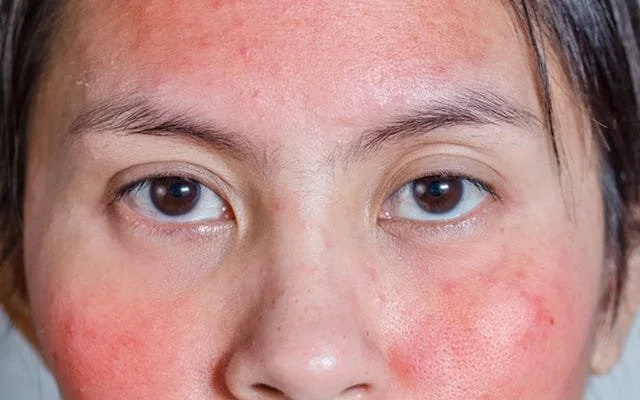
At this stage:
stop all exfoliating products immediately
avoid any active ingredients
focus exclusively on calming and barrier support
Minimalist formulas work best here. Think:
soothing serums or ampoules
barrier-focused ingredients such as ceramides, panthenol, glycerin
a simple, hydrating moisturizer without unnecessary extras
Keeping a basic soothing serum, ampoule, or sheet mask on hand specifically for SOS moments is extremely helpful.
Retinoid-induced irritation
Retinoid irritation follows the same logic.
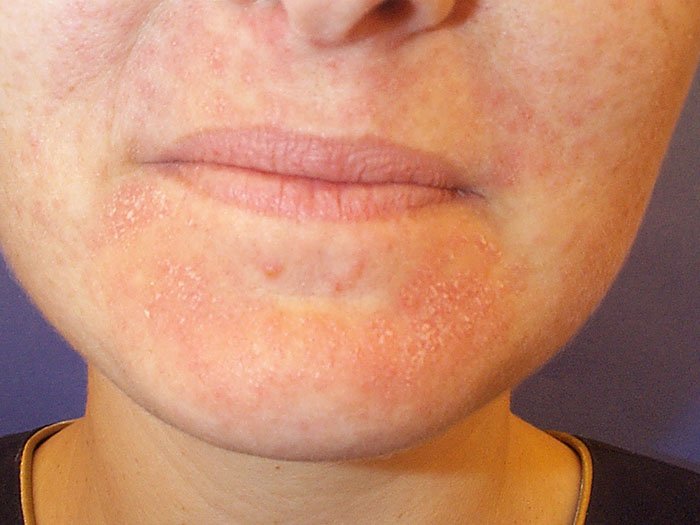
If redness, burning, or stinging develops:
pause retinoid use completely
stop exfoliants at the same time
allow the skin to calm down fully before restarting
Once the skin has recovered, retinoids should be reintroduced more cautiously:
lower strength
reduced frequency
or both
Pushing through irritation rarely leads to better results — it usually prolongs sensitivity.
Unexpected sun-related redness
This happens more often than people realize. You may apply sunscreen in the morning, but then stay outdoors longer than expected without the chance to reapply.
If the skin feels hot, red, or tight:
prioritize cooling and hydration
avoid heavy or occlusive products initially
Gel-based creams or light gel moisturizers can be very helpful, especially if kept in the fridge. Cooling alone can significantly reduce discomfort.
Be cautious with products marketed as “cooling.” Many contain menthol, mint, or eucalyptus, which feel refreshing but can be irritating on already sun-stressed skin. These are not ideal for reactive or sunburned skin.
In the evening, once the skin has cooled:
a slightly richer calming mask or overnight product with centella or panthenol can support recovery
by the next morning, redness often looks noticeably reduced
Allergic reactions (when calming is not enough)
If redness appears suddenly and intensely — especially when itching or swelling is involved — an allergic reaction should be considered.
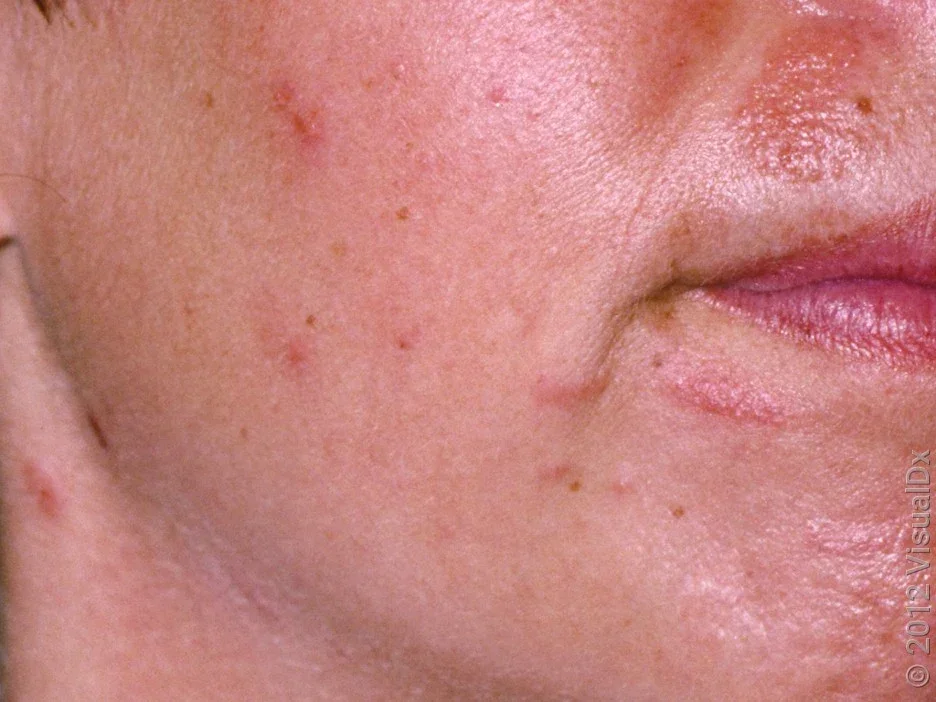
The first and most important step is immediate removal of the trigger.
As soon as you suspect a product may be causing a reaction:
wash it off gently with lukewarm water
do not leave it on the skin “to see what happens”
avoid applying additional actives to counteract it
Common cosmetic allergens include:
fragrance and parfum
essential oils
certain botanical extracts
some preservatives
Once the product is removed, focus on minimal, soothing care only. Short ingredient lists are ideal at this stage. Products containing calming, well-tolerated ingredients such as panthenol are often helpful, while formulas heavy in botanicals should be avoided, as they can further aggravate reactive skin. Fermented ingredients are often better tolerated and can support recovery with a lower risk of additional irritation.
When to seek medical help
If the reaction is:
very itchy
intensely red
flaky or oozing
accompanied by swelling
or involves blistering
do not attempt to manage it at home.
These symptoms suggest a more significant allergic response, and you should see a doctor as soon as possible. Prompt medical treatment can prevent prolonged inflammation and reduce the risk of long-term sensitivity.
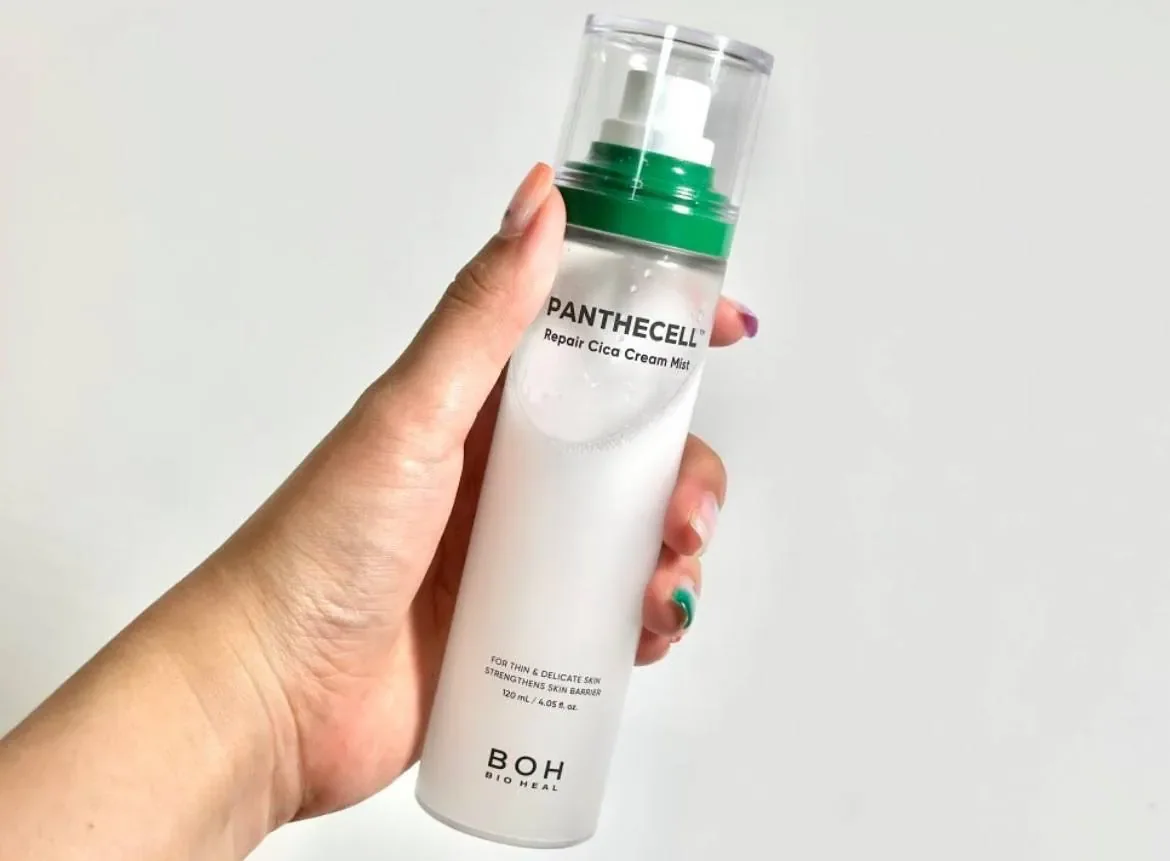
BIOHEAL BOH Panthecell Repair Cica Cream Mist
Where to buy
A very effective SOS option when the skin is actively uncomfortable and even light touch feels unpleasant.
cream-mist format allows calming without rubbing
1% panthenol + centella help reduce stinging and redness
lightweight barrier support without heaviness
Best for:
Burning / stinging, very sensitized skin
over-exfoliation
retinoid irritation
acute redness where creams feel too heavy
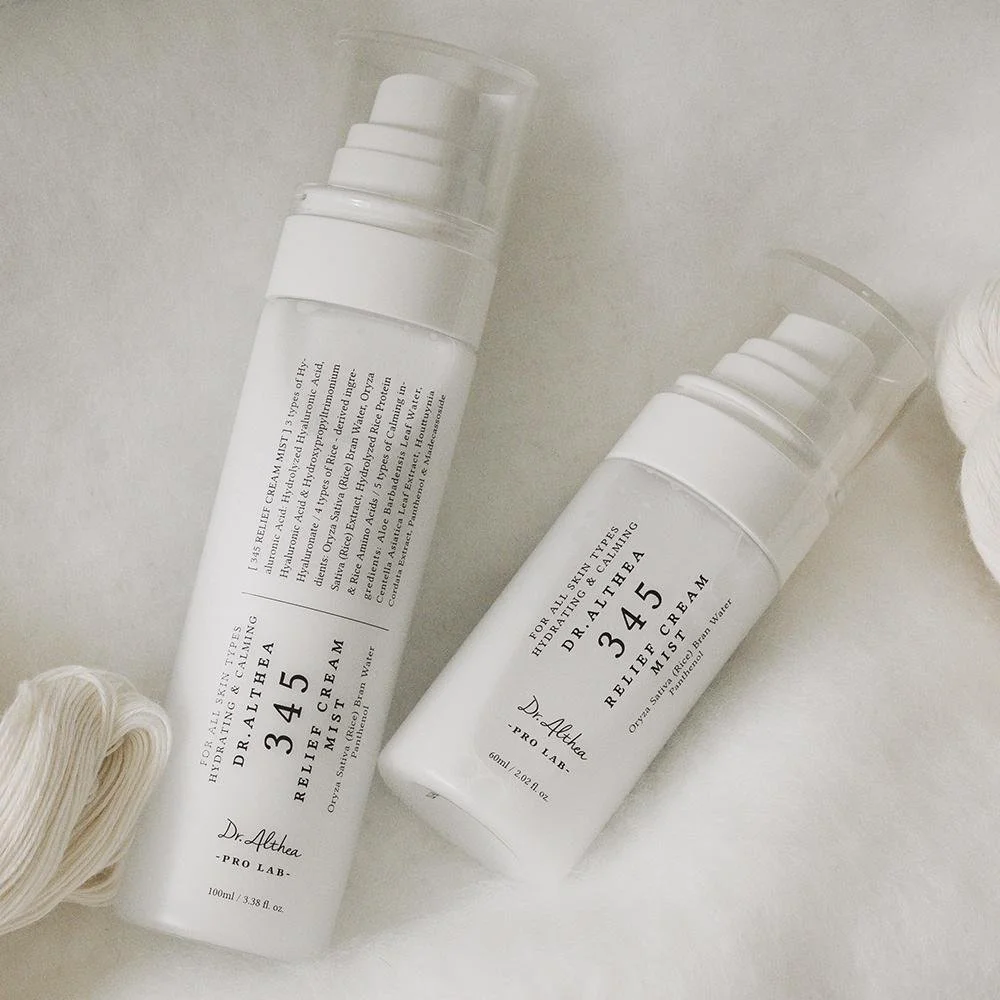
Dr. Althea 345 Relief Cream Mist
Where to buy
A hydration-focused calming mist for irritation that comes with tightness and dehydration rather than burning.
soothing extracts and ferments support comfort
hydrates without occlusion
suitable for gentle reapplication during the day
Best for:
Red but intact skin
irritation from environmental stress
dryness-related redness
post-exfoliation tightness
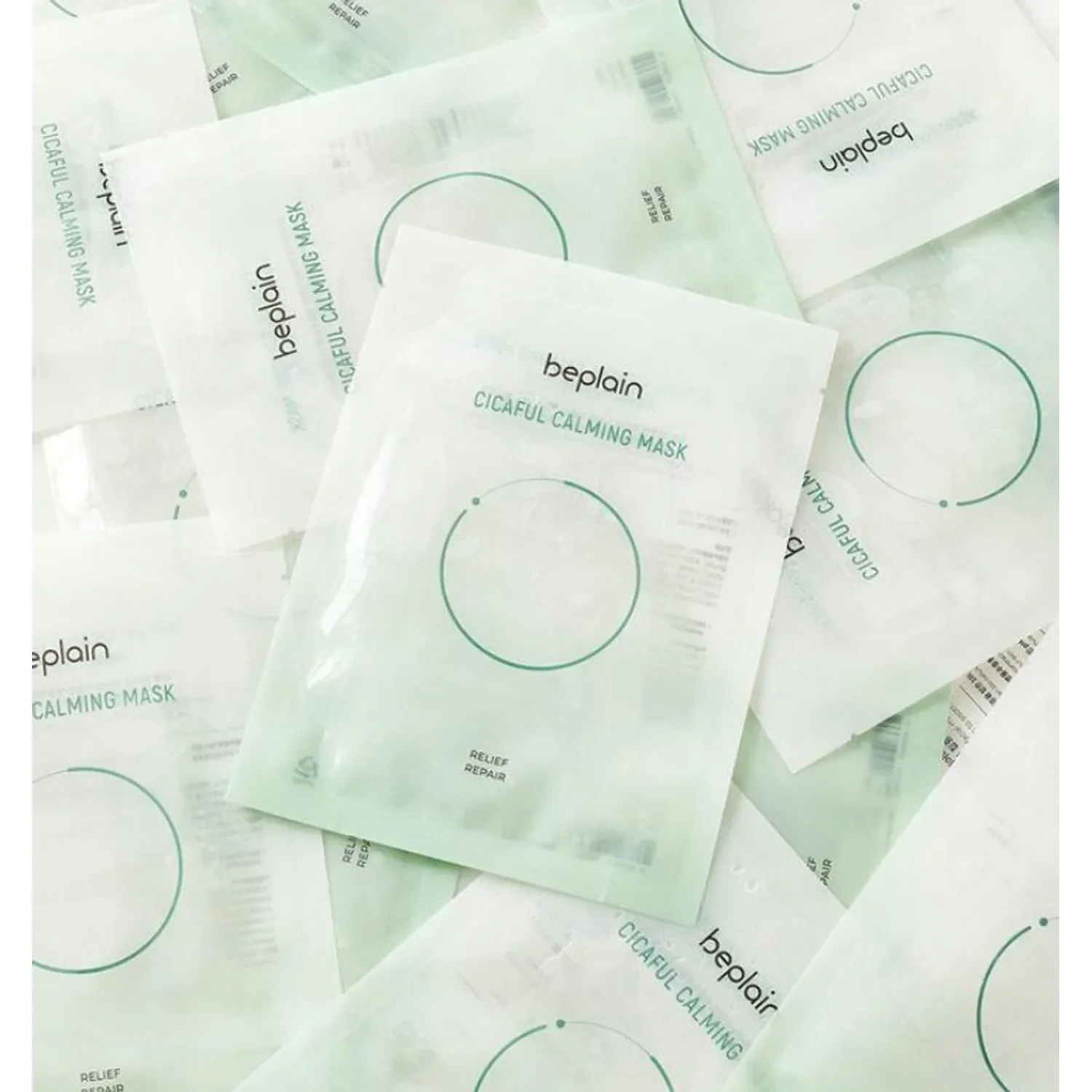
beplain Cicaful Calming Mask Set
Where to buy
A minimalist sheet mask designed for fast, no-risk calming.
centella, panthenol, and allantoin only
no unnecessary stimulation
visibly reduces redness within one use
Best for:
Red but intact skin
mild over-exfoliation
reactive skin days when “less is more”
post-procedure or post-active recovery
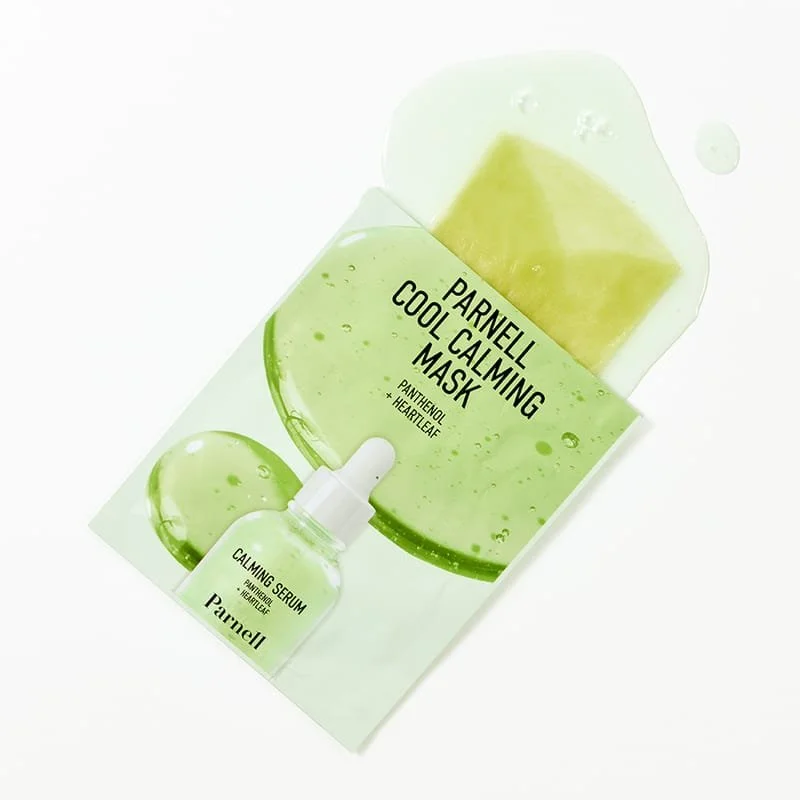
Parnell Cool Calming Mask Set
Where to buy
A cooling, calming sheet mask ideal when irritation is paired with heat or sun stress.
cooling, lightweight essence
ceramide and cholesterol help reduce tightness afterward
works especially well when stored in the fridge
Best for:
Hot / sun-stressed skin
flushing after sun exposure
redness caused by heat or prolonged outdoor time
Purito Seoul Oat-In Calming Gel Cream
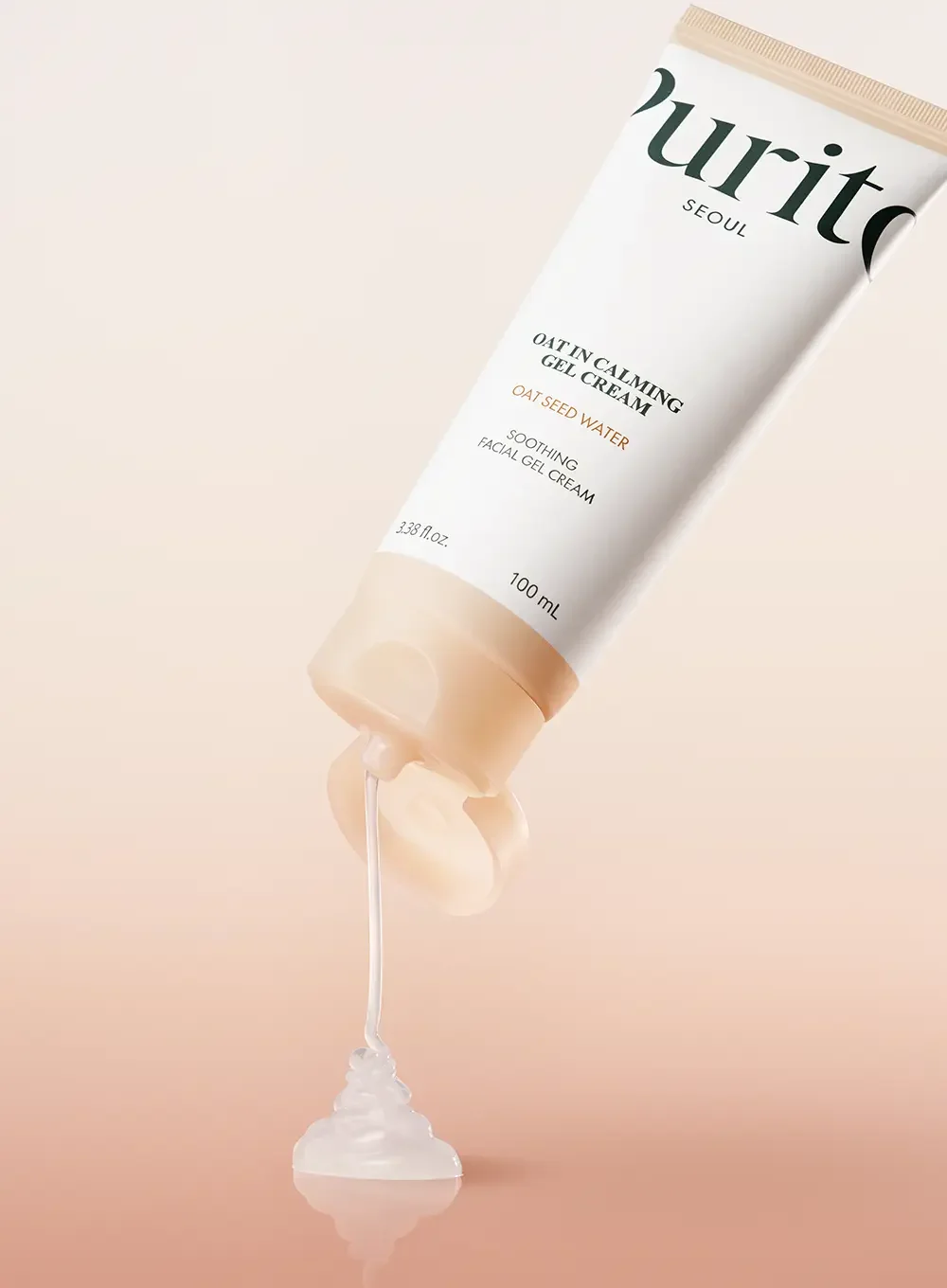
Where to buy
A lightweight moisturizer for irritated skin that still needs hydration, but cannot tolerate rich creams yet.
oat, panthenol, and beta-glucan soothe without clogging
gel-cream texture reduces tightness
layers well over calming serums or essences
Best for:
irritation with sensitivity
post-sun redness once heat has subsided
daytime calming
Pyunkang Yul Calming Moisture Barrier Cream
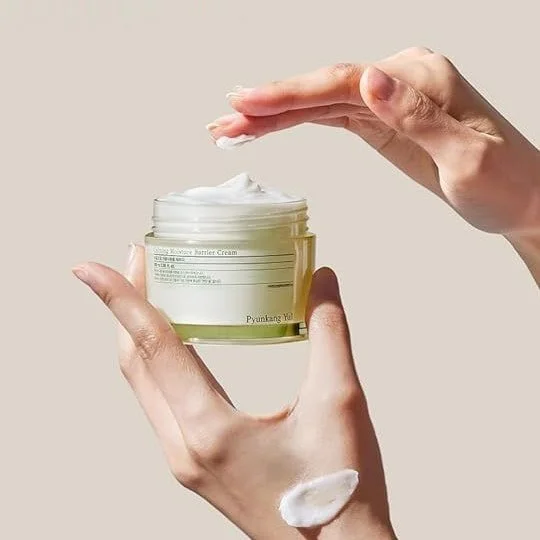
Where to buy
A more substantial cream for the recovery phase, when the skin feels dry or flaky.
ceramides, fatty acids, and centella support barrier repair
richer texture helps reduce tightness and peeling
best once acute irritation has settled
Best for:
Dry / tight / flaky recovery phase
post-retinoid recovery
barrier rebuilding after repeated irritation
mixsoon Soondy Centella Asiatica Essence
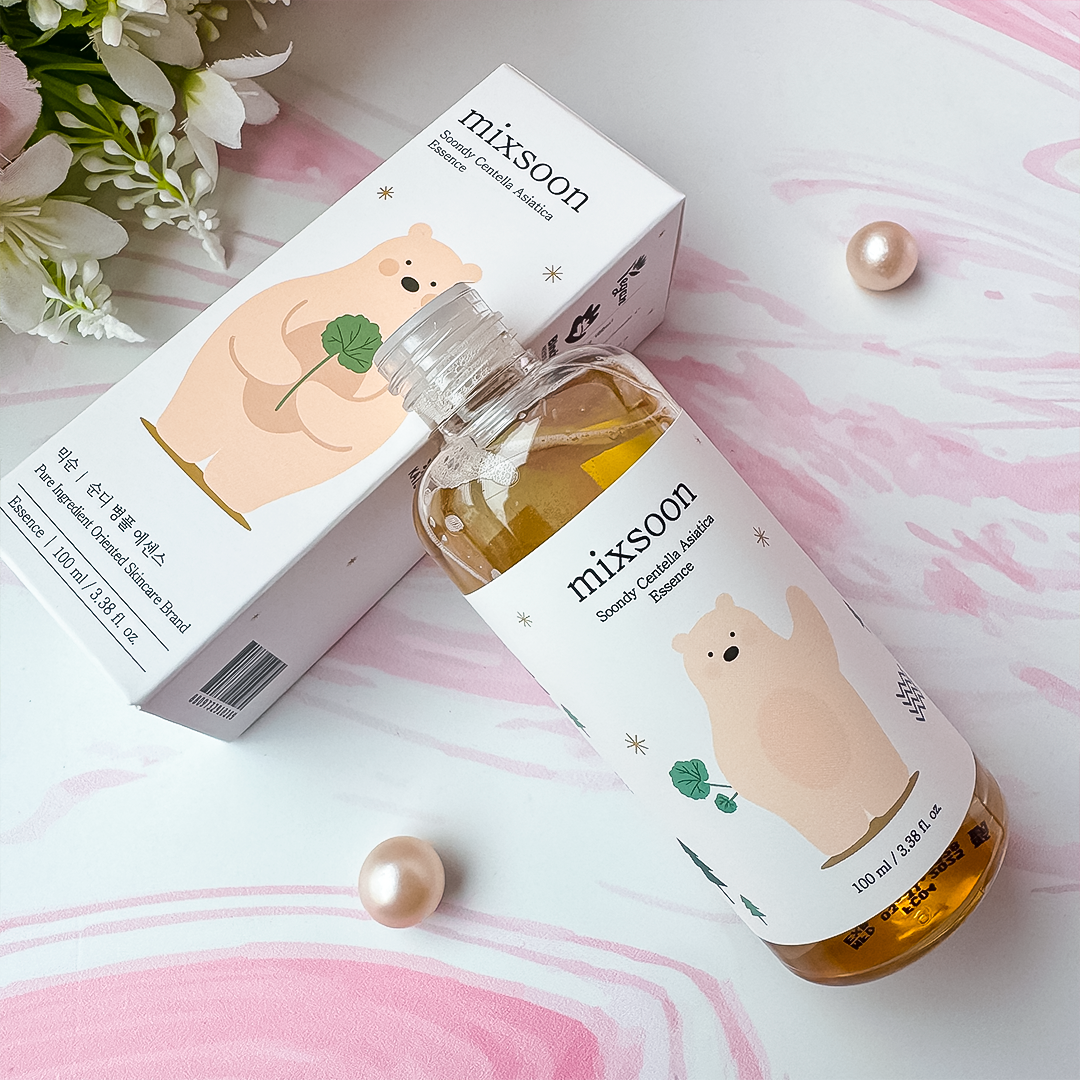
Where to buy
A true minimalist SOS option with a single ingredient only.
100% centella extract
extremely low irritation risk
easy to layer or use alone
Best for:
Burning / stinging sensitized skin
allergic-prone or highly reactive skin
moments when almost everything else feels irritating
Purito Seoul Luminous Ceramide Sleeping Pack
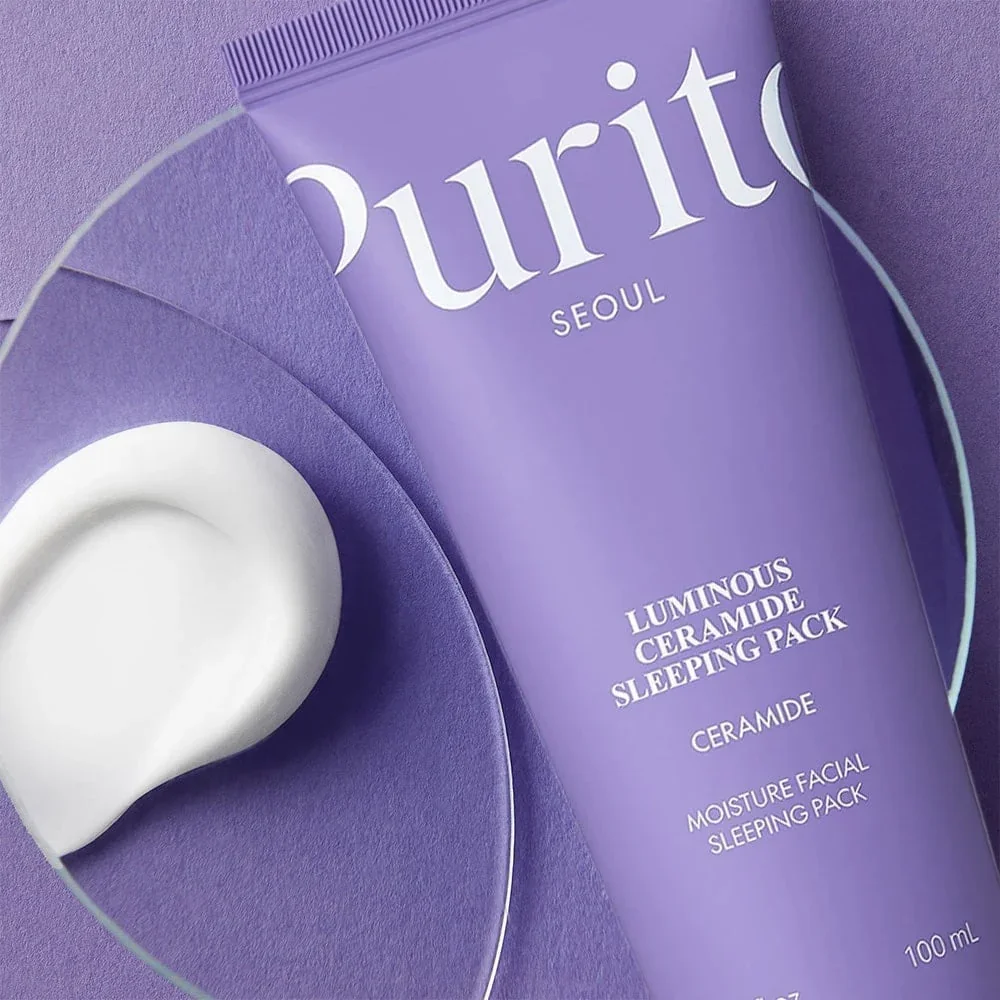
Where to buy
An overnight recovery option once redness is no longer acute.
high ceramide content supports overnight barrier repair
prevents moisture loss during sleep
helps skin feel stronger by morning
Best for:
Dry / tight / flaky recovery phase
stressed, depleted skin
post-irritation night care
A final take-home message
Skincare emergencies can feel stressful, especially when they appear at the worst possible time. The key thing to remember is that most of these situations — breakouts, congestion, puffiness, sudden redness — are temporary skin states, not permanent failures. Handled calmly and thoughtfully, they can often be improved without causing further damage.
If you’d like to learn more about ingredients, product choices, and how different skincare strategies actually work, you can explore more evidence-based skincare tips and in-depth product insights on my blog. I also share structured guides and eBooks designed to help you understand skincare more clearly, without overwhelm.
And if you’re tired of guessing and want a routine that truly fits your skin, I offer personalized skincare consultations where I build a routine tailored to your skin type, concerns, lifestyle, and tolerance — so you can focus less on emergency fixes and more on long-term skin health.



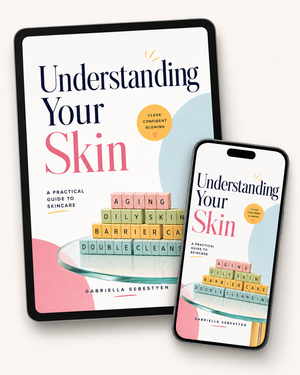
Understanding Your Skin
A Practical Guide to Skincare
I wrote Understanding Your Skin to help you build an effective skincare routine with confidence. This illustrated guide explains skin types, ingredients, and routines in a practical, evidence-based way that's easy to understand and apply.
- Written by a physician
- 120-page illustrated guide
- Evidence-based skincare guidance
- Sample routines & product recommendations

Adult acne in your 30s and 40s: what causes it, how it differs from teenage acne, and how to build a practical Korean skincare routine.