Topical Collagen and the Limits of Skincare
Collagen is one of the most popular anti-aging skincare ingredients, yet it is also one of the most misunderstood. While collagen products can make skin look smoother, plumper, and more hydrated, their benefits are very different from the wrinkle-reversing claims often used in skincare marketing.
Key Takeaways
✓ Topical collagen does not penetrate deeply enough to rebuild collagen in the skin.
✓ Collagen skincare products work primarily by improving hydration, smoothness, and skin comfort.
✓ Hydrolyzed collagen and marine collagen still provide mostly surface-level benefits.
✓ Collagen masks, eye patches, and hydrating treatments are often the most effective collagen formats.
✓ Sunscreen, retinoids, and vitamin C are more important for long-term collagen support than topical collagen itself.
In This Article
Some links are affiliate links. If you choose to purchase through them, it helps support my work at no extra cost to you.
Collagen’s Anti Aging Popularity
Collagen has become a skincare “hero” largely because marketing simplifies a complex biological process into a familiar message: collagen equals youthful skin.
If wrinkles appear as collagen declines with age, it’s easy to believe that applying collagen directly could reverse those visible signs.
That idea is further reinforced by how collagen products feel on the skin.
Many formulas deliver immediate smoothness and hydration, which makes the promise sound convincing, and helps explain why collagen has remained so popular in anti-aging skincare for so long.
What Collagen Really Does in the Skin
Collagen isn’t just a skincare buzzword. It’s one of the most important structural proteins in your body, helping hold tissues together and giving them strength and resilience. You’ll find collagen in your skin, bones, joints, muscles, tendons, and even blood vessels.
That said, not all collagen is the same — and not all types are relevant to skin.
Different types of collagen
There are many types of collagen in the body, but these are the most commonly mentioned:
Type I collagen
The most abundant type. It’s the main form found in your skin and is responsible for firmness and structural support.Type II collagen
Primarily found in cartilage and joints. Important for movement, but not directly related to skin structure.Type III collagen
Works alongside Type I, especially in younger skin. It contributes to skin elasticity and flexibility.
For skincare purposes, Type I (and to some extent Type III) is what actually matters.
Where collagen lives in the skin
This is a key point that often gets overlooked.
Collagen is located mainly in the dermis, the deeper layer of the skin. This is where skin strength, firmness, and elasticity are determined. The surface layer you apply skincare to—the epidermis—does not naturally contain collagen in the same structural way. This separation becomes very important when we later talk about topical collagen products.
How your skin produces collagen
Your skin doesn’t absorb collagen to build itself. Instead, it produces its own collagen.
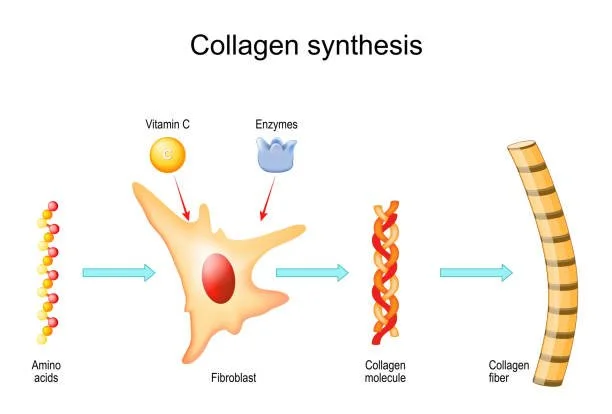
Collagen is made by specialized skin cells called fibroblasts
These cells use amino acids as building blocks
Collagen production is most active when you’re young
Over time, this process naturally slows down.
Why collagen levels decline
Collagen levels naturally decline with age, but aging itself is only part of the story. Daily UV exposure, chronic inflammation, environmental stress, and lifestyle factors such as poor sleep, smoking, and nutrition all contribute to both reduced collagen production and faster collagen breakdown. Over time, this imbalance, where the skin produces less collagen while losing more of it, is what leads to visible signs of skin aging such as reduced firmness, fine lines, and loss of elasticity.
Can Topical Collagen Penetrate the Skin?
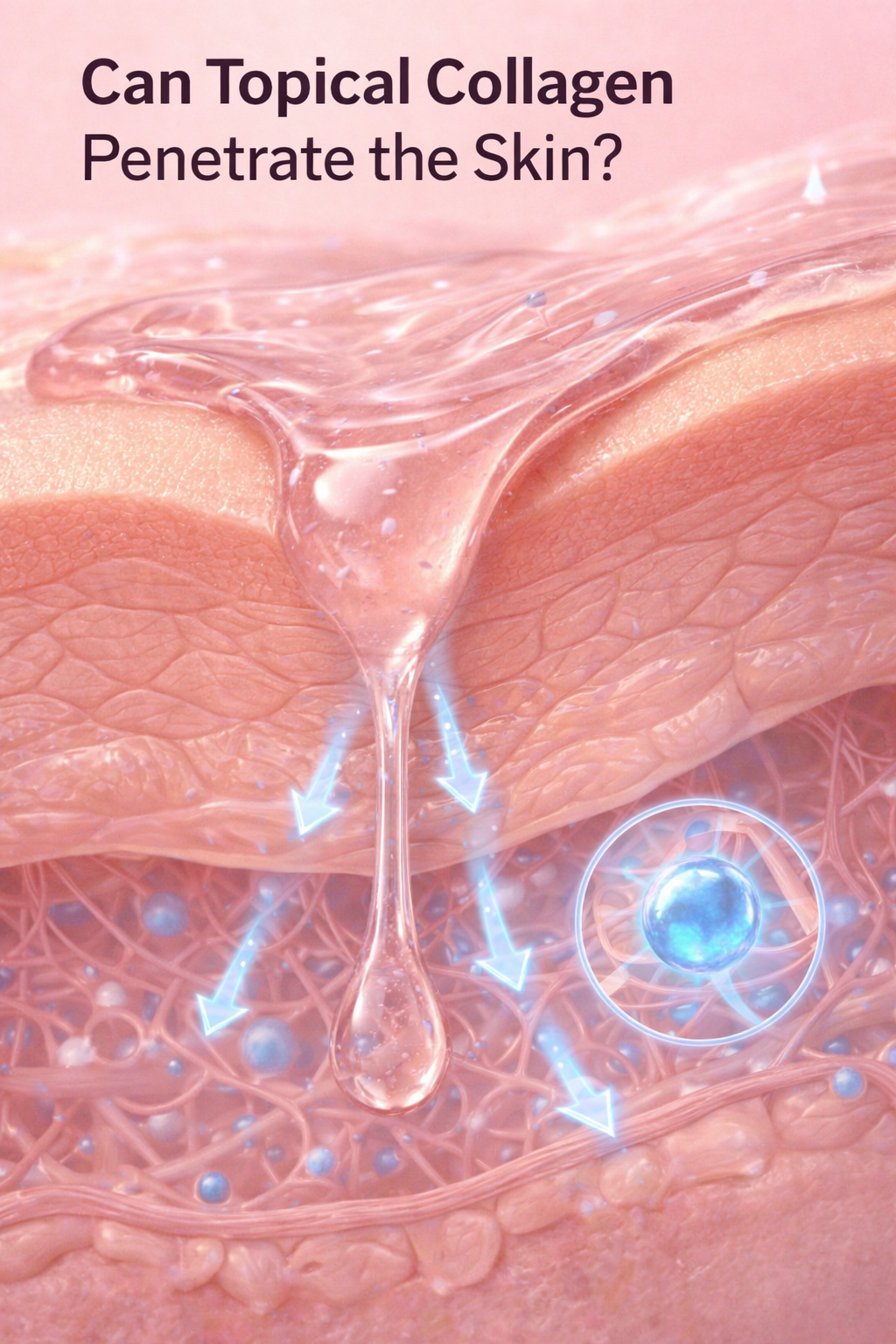
This is the key question most people never get a clear answer to.
To understand it, you don’t need advanced science, just a basic idea of how the skin barrier works.
Why molecular size matters
Collagen is a very large protein molecule. In its natural form, it’s far too big to pass through the skin’s outer barrier. Your skin is designed to be selective. Its top layer, the stratum corneum, acts as a protective shield that blocks large molecules from entering deeper layers.
This is essential for keeping irritants, bacteria, and allergens out, but it also means that many ingredients simply cannot penetrate deeply, no matter how beneficial they are in theory.
Where the limitation really is
Collagen lives in the dermis, but skincare products are applied to the epidermis.
Even well-formulated topical products are limited to acting on the skin’s surface or upper layers.
Scientific research consistently shows that intact collagen molecules do not penetrate through the skin barrier to reach the dermis, where structural collagen actually exists.
This isn’t a formulation issue.
It’s a biological limitation.
What about hydrolyzed collagen?
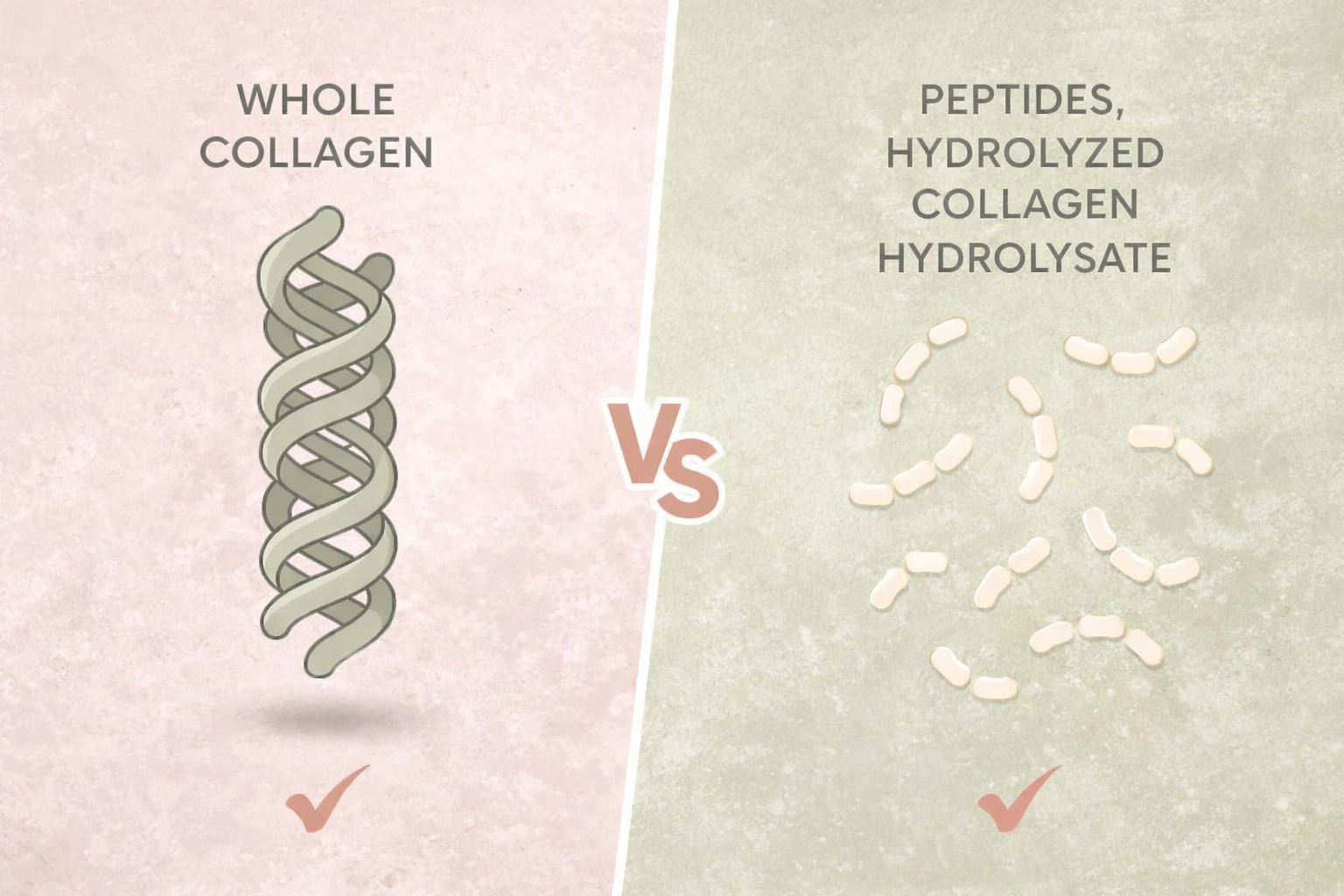
You’ll often see claims that hydrolyzed collagen penetrates better because it’s broken down into smaller fragments.
It’s true that hydrolyzed collagen has a lower molecular weight, but even then, penetration into the dermis remains extremely limited.
These smaller fragments may interact with the skin’s surface or contribute to hydration, but they do not rebuild collagen structures inside the skin.
This distinction is important, because “smaller” does not automatically mean “able to reach the dermis.”
So what does this mean for your routine?
If collagen can’t reach the dermis, then its role in skincare cannot be about rebuilding or replacing lost collagen.
But that doesn’t make collagen useless.
It just means its value lies elsewhere—which is exactly what we’ll explore next.
What Actually Happens When You Apply Collagen to Your Skin

So if collagen doesn’t penetrate into the dermis, what does it do when you apply it to your skin?
Quite a lot, actually—just not in the way anti-aging marketing usually suggests.
Collagen works on the surface of your skin
When you apply a collagen-based product, collagen stays on thesurface and upper layers of your skin. There, it acts mainly as a film-forming and water-binding ingredient.
This means collagen helps:
Reduce moisture loss from the skin
Attract and hold water at the surface
Create a smoother skin feel
That’s why collagen products often make your skin feel instantly softer and more comfortable.
Why your skin looks plumper and smoother
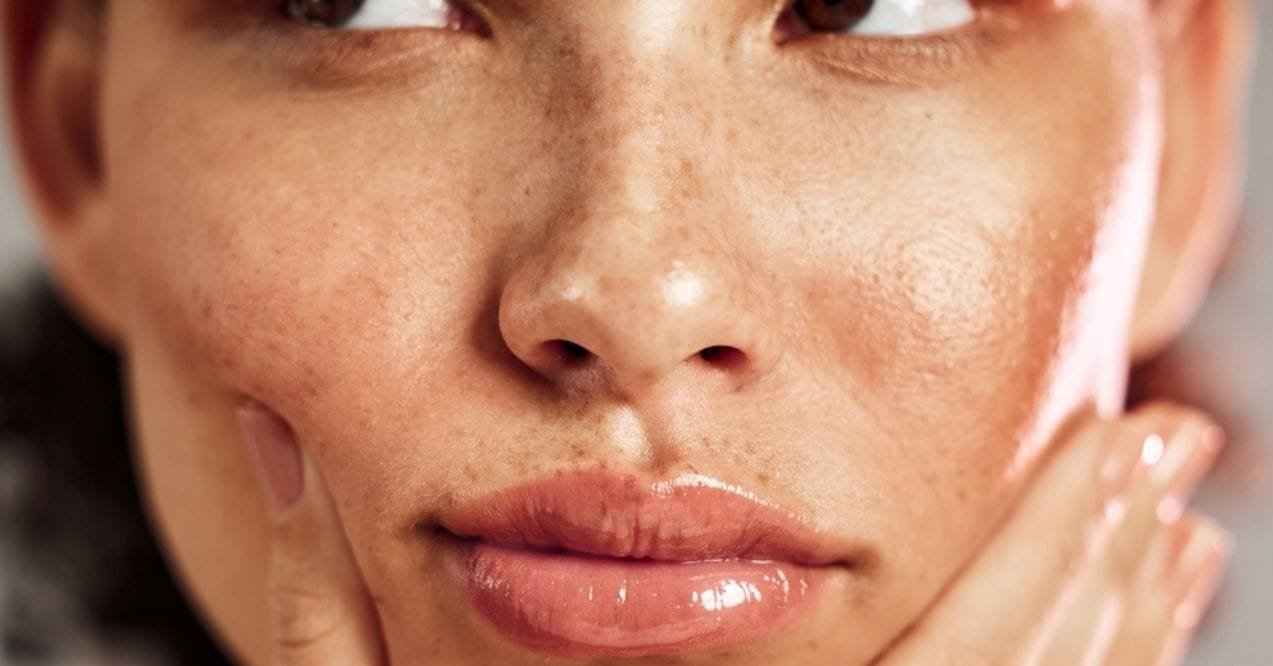
Collagen can temporarily improve how your skin looks by:
Filling in tiny surface irregularities
Softening the appearance of fine lines caused by dehydration
Giving the skin a smoother, more even finish
This is a real, visible effect, and it’s not imaginary.
It’s just important to understand that this plumpness comes from hydration and surface smoothing, not from rebuilding collagen inside the skin.
For the same reason, collagen in rinse-off products like cleansers doesn’t add meaningful value, as there isn’t enough contact time for even collagen’s surface benefits to matter.
In the next section, we’ll clear up one more major source of confusion: the different types of collagen you see on ingredient lists and what those names really mean.
Types of Collagen in Skincare: What Label Claims Really Mean
If you’ve ever looked closely at collagen products, you’ve probably noticed how many different terms are used on labels. This alone can make collagen sound far more advanced or powerful than it really is.
In reality, many of these names describe the source, texture, or processing method of collagen rather than fundamentally changing what it does on the skin. Let’s simplify the most common terms you’ll see in skincare.
“Collagen” or “Soluble Collagen”
This usually refers to intact collagen that has been processed for use in cosmetic formulas. On the skin, it mainly works as a surface conditioning ingredient. It helps attract and retain moisture while creating a soft, smoothing film that can temporarily make the skin feel more supple and comfortable.
Hydrolyzed Collagen
Hydrolyzed collagen is collagen that has been broken down into smaller fragments. Because of this, it is often marketed as “better absorbing,” “low molecular weight,” or more effective than standard collagen.
While the smaller size can slightly change the texture and feel on the skin, it does not mean the collagen can rebuild collagen deep within the dermis. In practice, hydrolyzed collagen still functions primarily as a hydrating and conditioning ingredient. It can improve softness, smoothness, and overall skin feel, but its effects remain largely surface level.
Marine Collagen or Fish Collagen
Marine collagen refers to where the collagen comes from rather than how it functions in skincare. It is often positioned as more premium, cleaner, or more advanced in marketing, which is one reason it has become so popular in modern beauty products.
Once applied to the skin, however, marine collagen behaves similarly to other forms of topical collagen. Its primary benefits are still hydration, softness, and temporary smoothing effects. The source itself does not change how deeply collagen penetrates or how it functions within the skin.
“Collagen Water,” “Collagen Complex,” and Similar Terms
Terms such as collagen water, collagen complex, or collagen essence are mostly marketing language rather than scientific categories. They often describe the way a product is formulated, whether collagen is dissolved in water, paired with humectants, or designed to create a certain lightweight or hydrating texture.
These names can sound highly technical, but they do not indicate deeper penetration or dramatically stronger anti aging effects.
Remember:
Different collagen names can sound impressive, but they do not change the fundamental role of topical collagen in skincare. No matter how it is labeled, topical collagen mainly works at the surface of the skin, where it helps support hydration, smoothness, and a softer skin feel while offering temporary cosmetic benefits.
Understanding this makes it much easier to evaluate collagen products based on what they realistically deliver rather than what the marketing language suggests.
When Collagen Makes Sense in Skincare
Now that you know how topical collagen actually works, it becomes much easier to use it well—and avoid disappointment.
Collagen isn’t about long-term skin rebuilding. Its strength lies in hydration, surface smoothing, and instant skin comfort. Used with that goal in mind, it makes a lot of sense.
When collagen works best in skincare
Collagen shines in situations where immediate results matter more than long-term change.
It works especially well in:
Sheet masks and gel masks
Occlusion helps lock moisture into the skin, making collagen’s hydrating effect more noticeable.Eye patches
The thin skin under the eyes benefits quickly from surface hydration and smoothing.Pre-event skincare
Before makeup, photos, or special occasions.Dehydrated, tired-looking skin
Travel, stress, lack of sleep, or seasonal dryness.
In these situations, collagen can visibly improve how your skin looks and feels—smooth, plump, and comfortable.
Why masks and eye patches are ideal formats
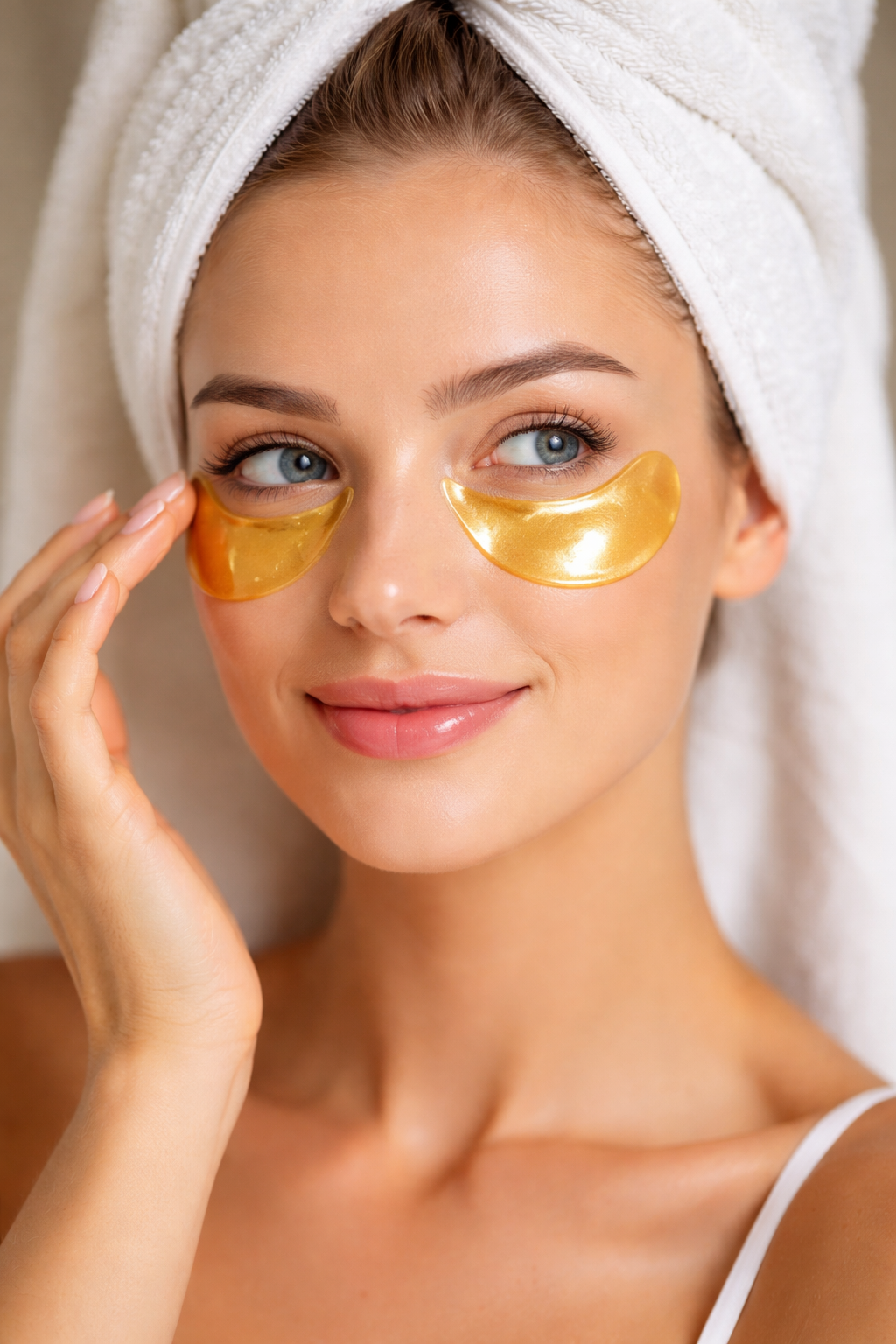
Collagen performs best in products that maximize hydration and keep the skin moist for longer periods of time. This is why sheet masks and eye patches are such popular formats for collagen skincare.
These products combine collagen with occlusion, intensive hydration, and longer contact time, helping the skin look smoother, softer, and temporarily more plump.
In other words, they maximize the exact surface level benefits collagen is best at delivering. This is also why so many people genuinely enjoy collagen masks and eye patches because the hydrating and smoothing effects can feel immediately visible on the skin.
When collagen products are not the best choice
Collagen products are not the most effective option if your main goal is long term wrinkle reduction, deeper skin firming, or rebuilding lost collagen within the dermis. In those cases, ingredients that stimulate your skin’s own collagen production tend to deliver far more meaningful long term results.
My honest professional advice
There’s no need to overpay for collagen serums or creams that promise dramatic deep anti aging results. Topical collagen works best as a skin conditioning ingredient rather than a true long term remodeling treatment.
That does not make collagen useless. Temporary hydration, softness, and smoothing effects are still valuable, especially when the skin looks tired, dehydrated, or dull.
A helpful way to think about it is this: collagen is more about skin styling than skin remodeling.
Once expectations are realistic, collagen products become much easier to appreciate for what they actually do well: delivering comfort, hydration, and an immediate healthier looking finish to the skin.
What Truly Supports Collagen Production Long Term
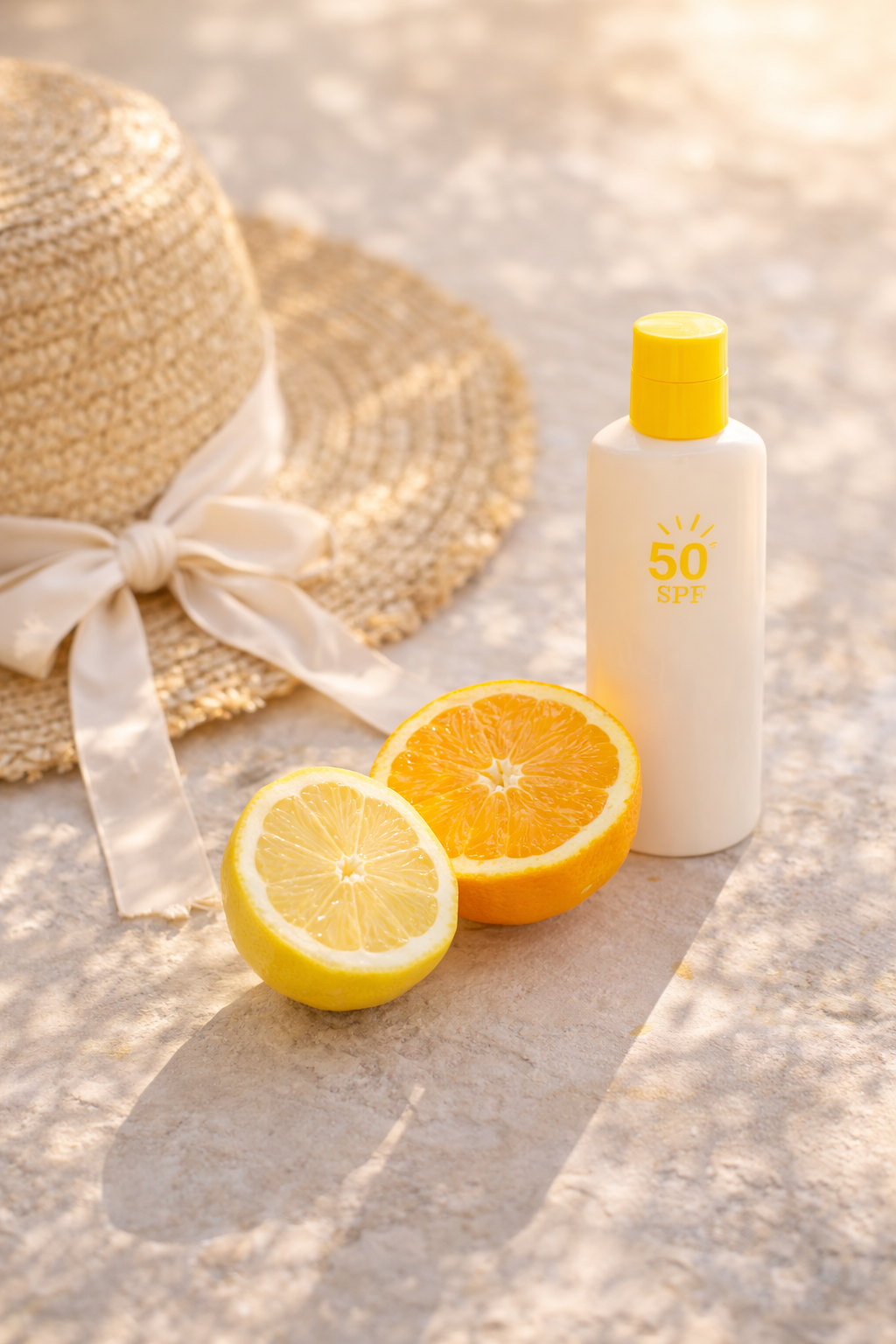
If your goal is to support collagen in the skin long term, the focus has to shift from replacing collagen to protecting and stimulating your skin’s own collagen production.
Your skin knows how to make collagen. The key is creating the right conditions for it.
The most important factors for long-term collagen support
Daily sunscreen
UV exposure is one of the biggest causes of collagen breakdown. Protecting your skin from the sun does more for collagen than almost any topical “anti-aging” product.
Retinoids
These help stimulate collagen production in the skin over time and improve skin texture and firmness with consistent use.
Vitamin C
Essential for collagen synthesis and helps protect existing collagen from oxidative damage.
Healthy skin barrier
Well-hydrated, balanced skin functions better overall, including collagen production. Over-exfoliation and irritation work against this.
Korean Collagen Skincare Products That Are Actually Worth Using
Now that expectations are clear, choosing collagen products becomes much easier.
In Korean skincare, collagen works best in formats designed for hydration, surface smoothing, and instant skin comfort.
Below, I’ll share Korean collagen products that are specifically marketed ascollagen-focused products—where collagen is the main ingredient or central concept, rather than just one of many added ingredients.
1. Round Lab Camellia Deep Collagen Firming Gel Mask

Where to buy
A hydrogel mask designed to support surface hydration and skin smoothness. The formula combines collagen with humectants and soothing ingredients, which explains the immediate plumping and comfortable skin feel after use.
Hydrolyzed collagen (3,010 ppm) – supports surface hydration and temporary plumpness
Hydrogel mask format – helps limit moisture loss during use
Camellia japonica flower extract (1,010 ppm) – offers antioxidant and soothing support
Barrier-friendly formula – includes panthenol, sodium hyaluronate, betaine, and allantoin
Best for: Dehydrated skin with surface roughness or dehydration-related fine lines, especially normal to dry skin types.
Use with caution: Very oily, congestion-prone, or acne-prone skin may find the richer emollients and occlusive-supporting ingredients,such as shea butter too heavy.
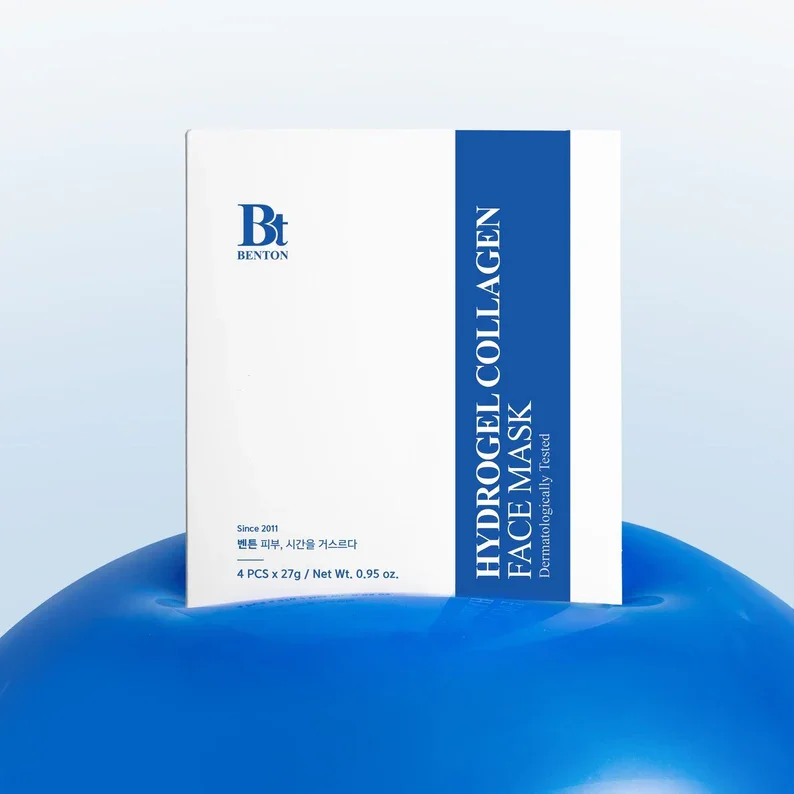
2. Benton Hydrogel Collagen Face Mask
Where to buy
A hydrogel mask focused on hydration, surface smoothing, and skin-conditioning, with a higher overall collagen presence combined with humectants, peptides, and barrier-supportive ingredients.
The formula is designed to leave the skin looking smoother, more hydrated, and well-rested after use.
Collagen blend (4,750 ppm collagen solution + hydrolyzed collagen + collagen extract) – supports surface hydration and temporary plumpness
Hydrogel mask format – helps limit moisture loss and improves skin comfort during wear
Multi-humectant system – glycerin, betaine, and multiple forms of hyaluronic acid
Peptides and skin conditioners – copper tripeptide-1, palmitoyl peptides, adenosine, panthenol
Barrier-friendly support – allantoin, hydrogenated lecithin, amino acids
Best for: Dehydrated skin with surface fine lines, dullness, or loss of smoothness, especially normal to dry or balanced skin types.
Use with caution: Highly sensitive or reactive skin may find the formula overwhelming due to the high number of active components (niacinamide, peptides, bakuchiol), even though it is fragrance-free.
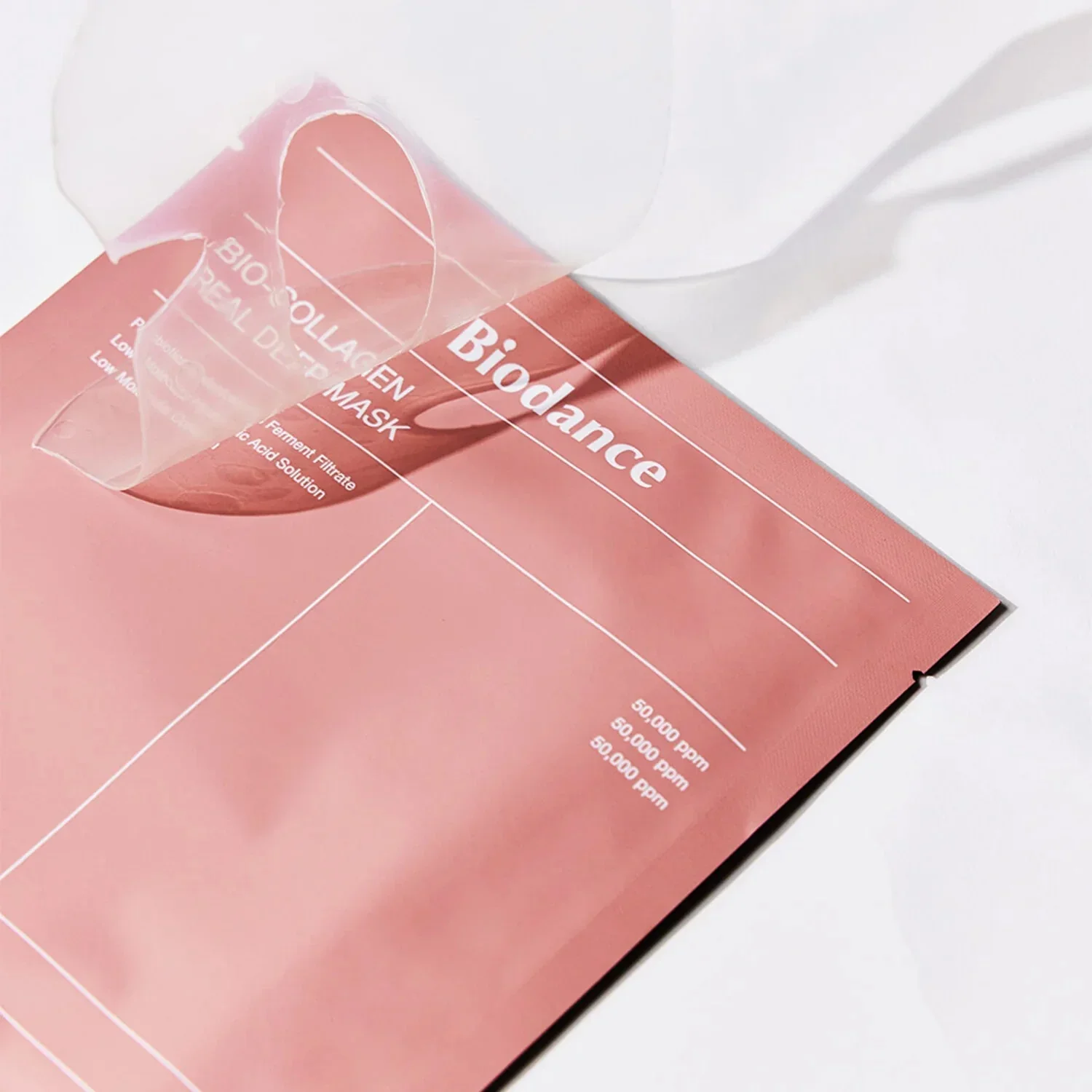
3. Biodance Bio Collagen Real Deep Mask
Where to buy
This hydrogel mask became widely popular online, and in this case, the results generally match the attention it received. The formula focuses on surface hydration, smoothing, and skin comfort, using collagen alongside ferments and humectants to give the skin a visibly fresher, more even look after use.
Collagen extract (high on the INCI list) – supports surface hydration and temporary plumpness
Hydrogel mask format – helps minimize moisture loss during wear
Fermented ingredients– galactomyces, bifida ferment, and lactobacillus ferment for skin-conditioning support
Hydration-focused base – glycerin, betaine, algin, agar, and hyaluronic acid
Soothing support – allantoin, dipotassium glycyrrhizate, adenosine
Best for: Dehydrated or dull skin that lacks surface smoothness and benefits from intensive hydration and a more even-looking texture.
Use with caution: Very sensitive or rosacea-prone skin may not tolerate the combination of ferments, botanical extracts, and rose flower water well, despite the formula being free from added fragrance.
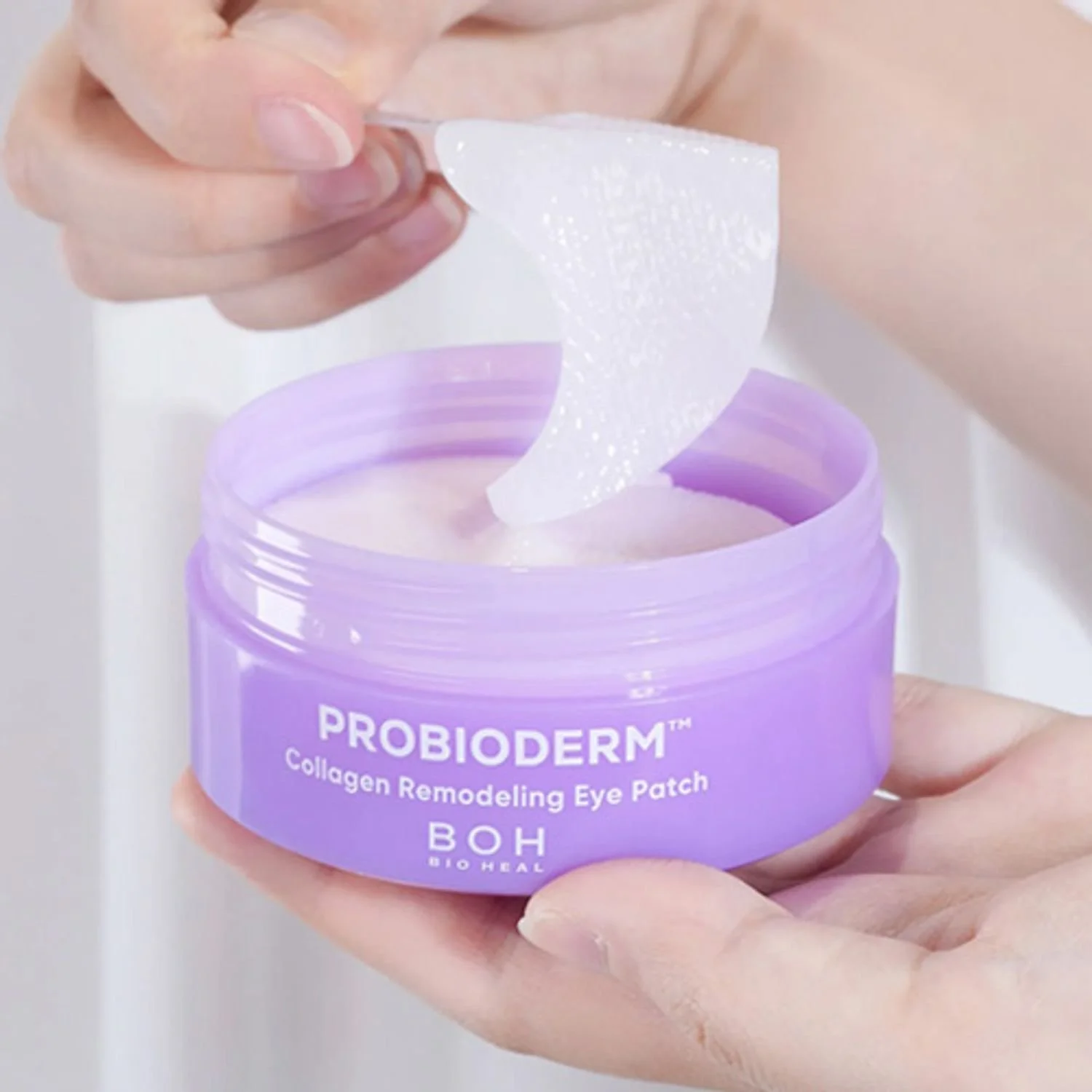
4. BIOHEAL BOH Probioderm Collagen Remodeling Eye Patch
Where to buy
These eye patches focus on improving comfort and surface texture in the under-eye area, where skin is thin and dehydration shows quickly.
The formula brings together several forms of collagen, humectants, and a notably complex peptide blend, which explains the smoother, more rested appearance many people notice after use.
Multiple collagen forms – collagen, collagen extract, and water-soluble collagen for surface hydration
Peptide-dense formula – includes copper tripeptide-1, palmitoyl peptides, and multiple acetyl peptides
Hydration and cushioning support – glycerin, betaine, sodium hyaluronate, glycogen
Soothing components – panthenol, allantoin, beta-glucan, dipotassium glycyrrhizate
Ferment support – lactobacillus ferment and prebiotic ingredients
Best for: Under-eye skin affected by dehydration-related fine lines, dryness, or a tired, less smooth look.
Use with caution: Very reactive or sensitized under-eye skin may find the high number of peptides and active components too stimulating, despite the formula being fragrance-free.
5. K-SECRET SEOUL 1988 Boosting Ball: Collagen 100%
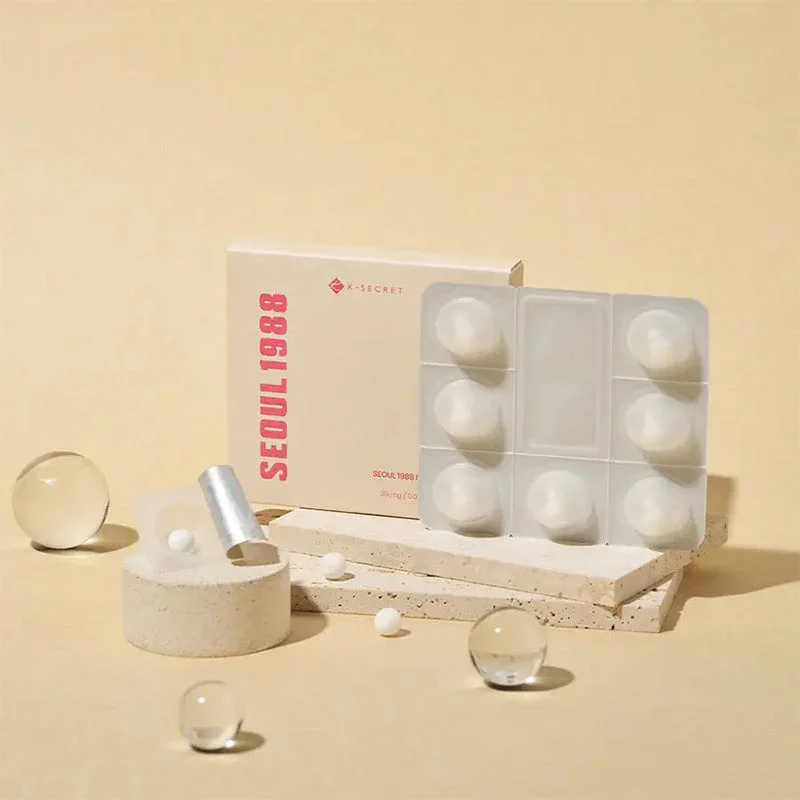
A freeze-dried collagen capsule designed to be mixed into a serum. The formula contains only hydrolyzed collagen and is intended to boost surface hydration and skin comfort without altering the rest of your routine.
100% hydrolyzed collagen – focused on surface hydration and temporary plumpness
Freeze-dried format (35 mg) – keeps the ingredient stable until activation
Add-in design – dissolves directly into an existing serum
Minimal formula – no added actives, fragrance, or fillers
Best for: Dehydrated skin that benefits from additional surface hydration when your existing routine already works well.
How to use it best: Mix into a serum before application. Light, watery serums work best, as thicker formulas may prevent even dissolution.
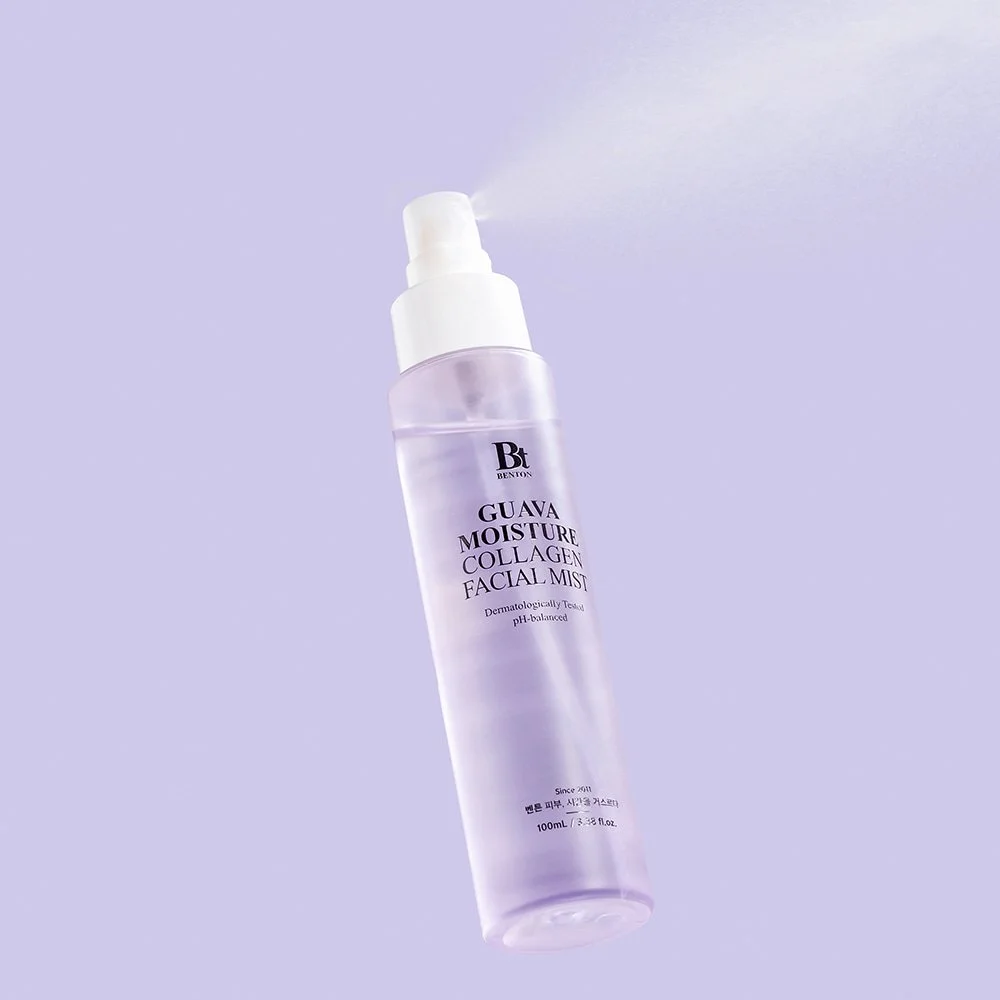
6. Benton Guava Moisture Collagen Facial Mist
Where to buy
A lightweight facial mist designed for quick hydration and surface plumping, suitable for use throughout the day.
The formula is water-based and humectant-rich, with collagen included at a low level alongside multiple forms of hyaluronic acid and skin-soothing ingredients.
Guava leaf water (51,150 ppm) – provides antioxidant and skin-conditioning support
Hydrolyzed collagen (1,000 ppb) – contributes to light surface hydration
Multi-humectant system – glycerin, sodium PCA, beta-glucan, amino acids
Soothing and barrier-supporting ingredients – panthenol, allantoin, aloe, ectoin
Fine mist format – easy to reapply without disturbing makeup
Best for: Skin prone to dehydration or tightness during the day, especially normal, combination, or dehydrated skin that benefits from light, repeatable hydration.
Use with caution: Very oily skin may find frequent misting unnecessary, especially in humid environments.
7. Mary&May Marine Collagen Serum
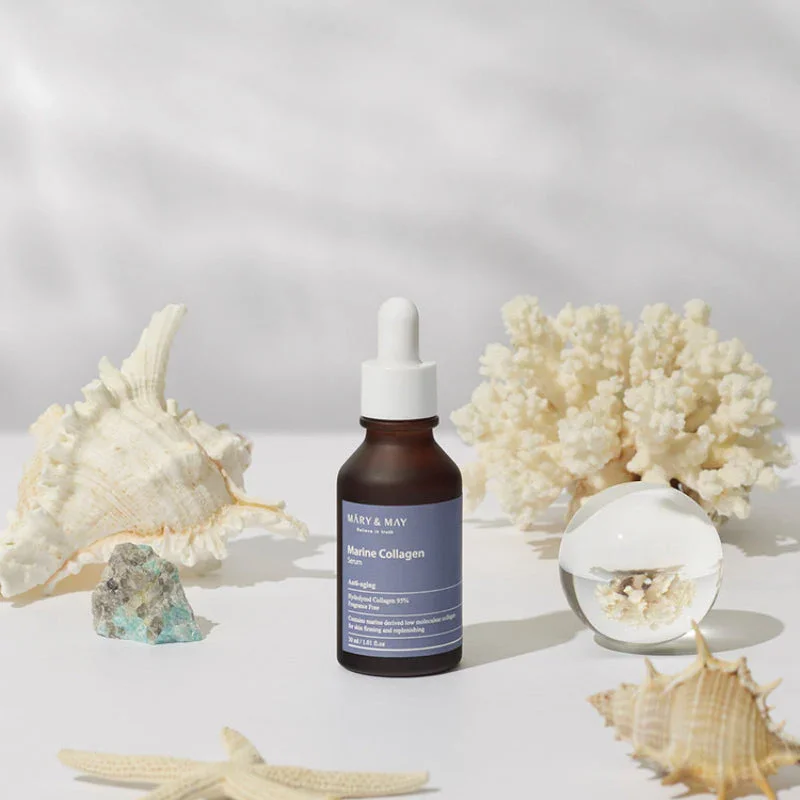
A very minimalist collagen serum focused on hydration and skin comfort, without added fragrance, oils, or unnecessary extras. The formula relies mainly on hydrolyzed collagen and humectants, making it easy to layer and suitable for a wide range of skin types.
Hydrolyzed collagen (main component) – supports surface hydration and temporary plumpness
“95% small molecule collagen” – refers to collagen being extensively hydrolyzed into smaller fragments; this improves skin feel and hydration but does not mean deeper skin penetration
Simple, low-risk formula – no fragrance, essential oils, or mineral oils
Light serum texture – layers easily and doesn’t feel occlusive
Best for: Dehydrated skin that prefers lightweight textures, including oily or acne-prone skin that doesn’t tolerate heavier collagen products well.
Use with caution: Very dry skin may find it too lightweight on its own and may need an additional moisturizer on top.
Final Thoughts: Using Collagen the Smart Way
Collagen isn’t a miracle ingredient, and it doesn’t need to be. When you understand how topical collagen actually works, it becomes much easier to use it in a way that makes sense and delivers real, visible benefits. Collagen can hydrate, smooth, and instantly improve how your skin looks and feels. It just isn’t designed to rebuild lost collagen or reverse aging from within.
The disappointment around collagen usually comes from expectation, not from the ingredient itself. Once expectations are realistic, collagen earns its place as a useful, enjoyable part of skincare, especially when chosen in the right format and for the right purpose.
If you’d like to learn more about skincare ingredients, product formulation, and how to build routines that actually work with your skin, you’ll find in-depth guides and honest product insights on my blog. I also share downloadable eBooks that break down key skincare topics in a clear, practical way.
And if you want personalized guidance, you can book a skincare consultation where I help you build a routine tailored to your skin type, concerns, lifestyle, and goals, without unnecessary steps or unrealistic promises.



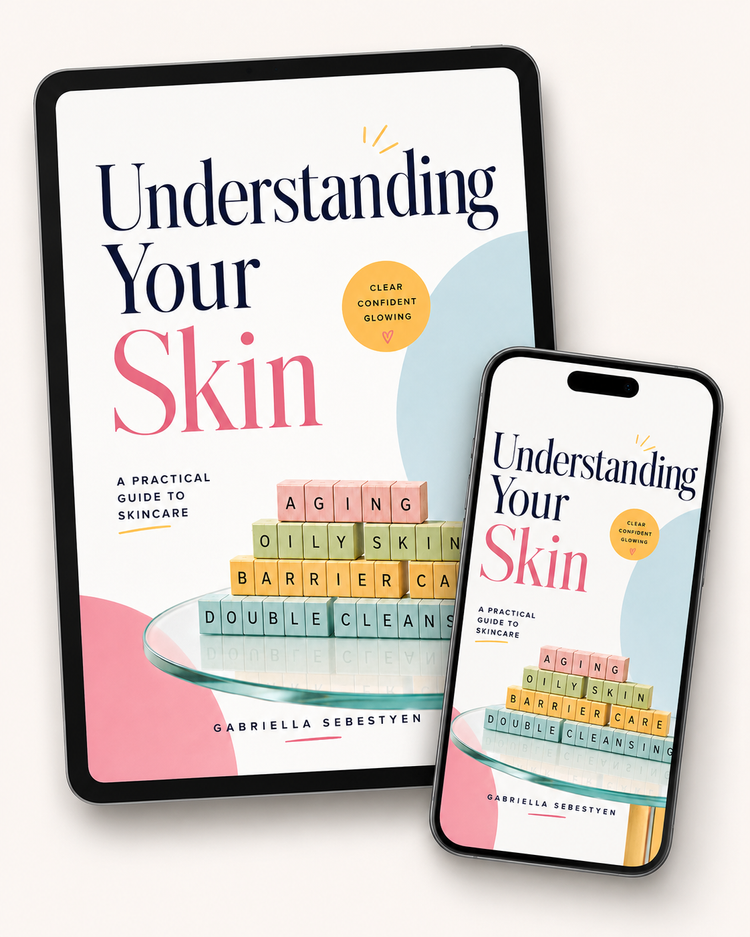
Understanding Your Skin
A Practical Guide to Skincare
I wrote Understanding Your Skin to help you build an effective skincare routine with confidence. This illustrated guide explains skin types, ingredients, and routines in a practical, evidence-based way that's easy to understand and apply.
- Written by a physician
- 120-page illustrated guide
- Evidence-based skincare guidance
- Sample routines & product recommendations

Why does your vitamin C serum sting? Learn the most common causes, how to make vitamin C easier to tolerate, and which gentler Korean serums may be worth trying.