Are Jelly Mists Worth It? The Best Korean Face Mists for a Fresh Summer Routine
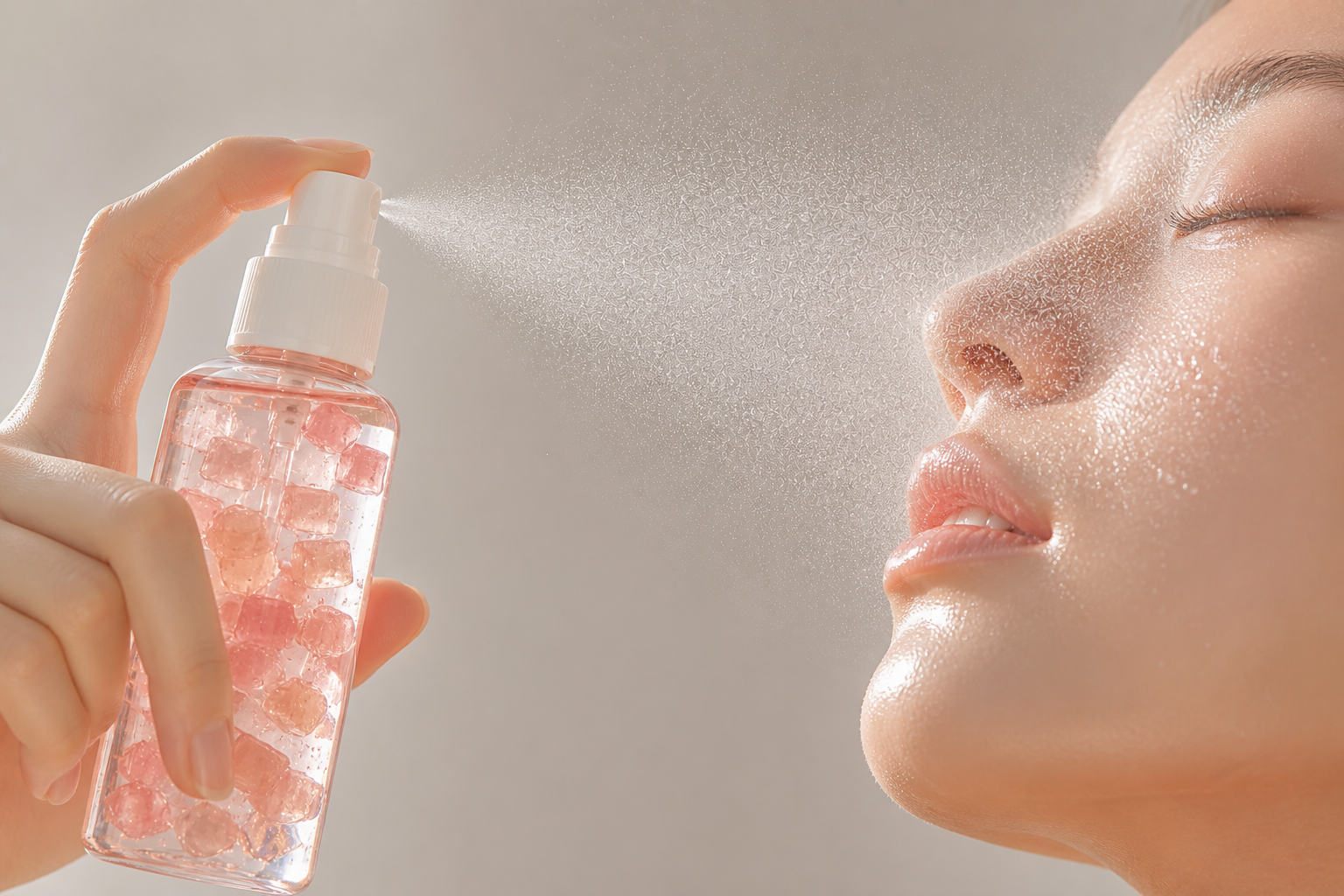
Jelly mists can be worth it if you want more lasting hydration than a traditional watery face mist without adding another heavy skincare layer. Their slightly thicker, gel-like formulas are designed to disperse as a fine mist but leave more hydrating ingredients behind on the skin.
They are especially appealing in summer, when creams and multiple serum layers can start feeling uncomfortable. But not every jelly mist is automatically more hydrating or better formulated simply because of the texture.
In this guide, I’ll explain what jelly mists are, how they differ from regular face mists, when they are actually useful, and which Korean face mists are worth trying for a lightweight summer routine.
Key Takeaways
✓ Jelly mists feel different, but they do not fundamentally hydrate better than traditional face mists.
✓ The main advantage is a slightly more dewy, film-forming finish that stays on the skin longer.
✓ Regular face mists often provide the same hydration with a lighter, less noticeable feel.
✓ The best choice depends more on your texture preferences than your skin type.
✓ A well-formulated mist can be a useful way to add hydration and comfort during hot weather.
Some links on this page are affiliate links, which means I may earn a small commission at no extra cost to you.
What Does a Face Mist Actually Do?
A face mist mainly provides quick, lightweight hydration and refreshment at the skin surface. How long that hydration lasts depends much more on the formula than on the spray format itself.
A simple water-heavy mist may feel refreshing but evaporate fairly quickly. Formulas containing humectants such as glycerin, hyaluronic acid, or beta-glucan can help hold more water in the stratum corneum, while richer mist formulas may also include emollients or barrier-supportive ingredients. Humectants such as glycerin are well established for improving hydration.
In practice, face mists can:
add a quick layer of lightweight hydration
reduce the temporary feeling of tightness or dryness
refresh the skin without adding another heavy cream
provide an easy extra hydration step during the day
They are best viewed as supportive hydration rather than a replacement for moisturizer when your skin actually needs help preventing water loss.
Face Mist vs. Toner: The Difference
The distinction is less about completely different ingredients and more about how the products are designed to be used.
A toner is usually applied after cleansing as part of your regular skincare routine. A mist can serve the same purpose, but its spray format also makes it easy to use later in the day or whenever your skin feels dry.
So there can be plenty of overlap:
Toner: Usually used after cleansing and applied with your hands or a cotton pad.
Face Mist: Sprayed directly onto the skin and easy to use both within your routine and throughout the day.
You certainly do not need both. If your mist already gives you the hydration you want after cleansing, it can easily take the place of a separate hydrating toner.
If you are unsure whether a toner adds anything useful to your routine, I explain the category in more detail in my guide to whether you really need a facial toner.
Where a Mist Fits in Your Routine
There is no single correct place for a mist, which is part of its appeal.
You can use one:
After cleansing as your first lightweight hydrating layer.
Before moisturizer when you want to add hydration without another full serum step.
During the day when your skin starts feeling dry or tight.
Over makeup if the mist has a fine spray and does not disturb your base.
In a minimal summer routine when you want fewer layers on the skin.
If your skin is genuinely dry, however, repeatedly spraying it with a watery mist is unlikely to replace a good moisturizer. Longer-lasting hydration generally depends on a combination of humectants, emollients, and ingredients that help reduce water loss.
Why Face Mists Work So Well in Summer
Face mists make especially good sense in summer because they give you hydration and refreshment without adding another heavy layer to the skin.
You know that feeling when the temperature is rising, there is no shade, and your face starts to feel uncomfortably warm? A cool mist can make an immediate difference to how the skin feels. Some of that refreshing effect comes simply from water evaporating from the surface, which temporarily helps cool the skin.
They are also useful when a full layered routine starts feeling like too much. In hot, humid weather, you may simply prefer fewer products sitting on the skin, especially underneath sunscreen and makeup.
This is where a mist fits in nicely. You can add a light layer of hydration without automatically reaching for another toner or serum, then follow with a lightweight gel cream or sunscreen depending on what your skin needs.
And summer does not always mean your skin is well hydrated. Air conditioning can create a very different environment indoors, and low-humidity air-conditioned spaces have been associated with changes in skin hydration and dry-skin symptoms.
So for me, a face mist is less about building another complicated skincare step and more about making summer skincare feel easier, lighter, and more comfortable throughout the day.
What Is a Jelly Mist and Why Is It Trending?
A jelly mist is essentially a face mist with a slightly thicker, gel-like formula that becomes much more fluid as it is sprayed onto the skin. It is more of a texture innovation than a completely new skincare category.
And yes, part of the appeal is simply that they are fun to use. The jelly texture, the fine spray, and the way the formula seems to transform as it leaves the bottle make the experience feel different from a basic watery mist.
On the skin, the difference is usually subtle:
the formula may stay on the skin a little longer instead of disappearing immediately
it can leave a slightly more noticeable hydrating layer
the finish is often dewier than a very watery mist
some formulas feel closer to a lightweight essence than plain face water
That does not automatically mean a jelly mist is more hydrating or more effective. The actual result still depends on ingredients such as glycerin, hyaluronic acid, beta-glucan, panthenol, emollients, and other components that help attract or retain water.
So the main reason jelly mists are interesting is not that they completely change what a face mist can do. They sit somewhere between the freshness of a mist and the slightly more substantial feel of a hydrating essence.
Who Will Most Likely Like It
This is less about strict skin-type rules and more about how much texture you like to feel on your skin.
Dry or dehydrated skin: Often a good match if you prefer a mist that leaves a little more hydration behind instead of disappearing immediately.
Normal to combination skin: Usually works well, particularly if you like a soft, dewy finish.
Oily skin: Still completely possible. If you love extremely watery, invisible textures, a classic mist may feel better. If you do not mind a slightly more noticeable hydrating layer, a jelly mist can work just as well.
So I would not divide jelly mists into “good for dry skin, bad for oily skin.” The deciding factor is usually the individual formula and how much finish you personally want to feel on your skin.
Best Korean Jelly Mists to Try
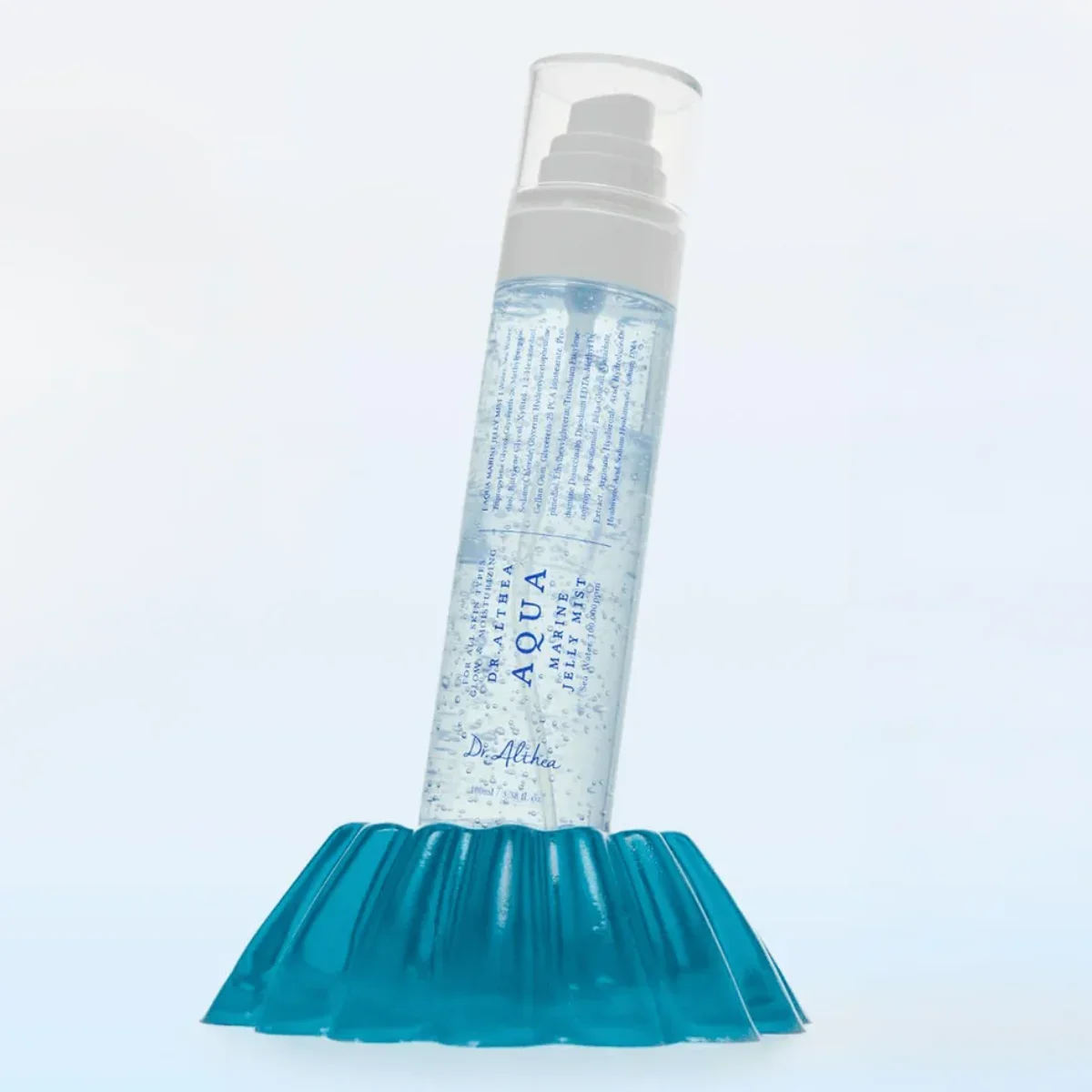
1. Dr. Althea Aqua Marine Jelly Mist
Where to buy
A straightforward hydrating formula built around multiple humectants, with added PDRN for light conditioning.
glycerin + triple hyaluronic acid → main hydration drivers
sodium DNA (PDRN) → present, not at treatment level
no added fragrance or essential oils
not fungal acne–safe
Best for: Dry, dehydrated, or normal skin lacking hydration
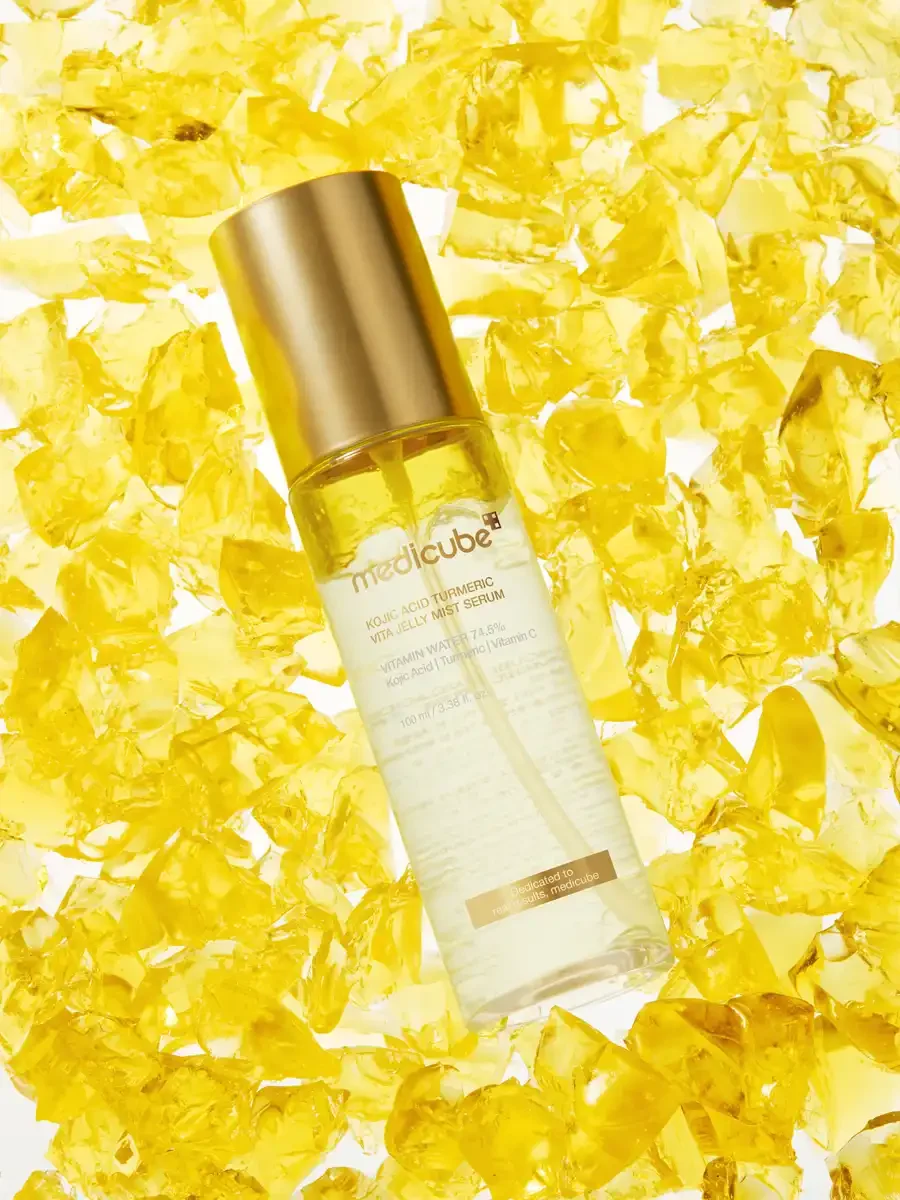
2. Medicube Kojic Acid Turmeric Vita Jelly Mist Serum
Where to buy
A brightening-focused mist with a clear oil component, combining pigment-targeting ingredients with emollients.
niacinamide + kojic acid + vitamin C derivatives→ core brightening system
turmeric extract → supports tone-evening, more supportive than primary
sea buckthorn water + oil → adds antioxidants + color tone effect
1:9 oil-to-jelly ratio + isopropyl myristate + squalane → noticeable emollient layer
essential oils present (lemon, orange peel oil) → potential irritation for sensitive skin
not fungal acne–safe
Best for: Normal to dry skin with dullness or uneven tone, not ideal for oily, acne-prone, or sensitive skin
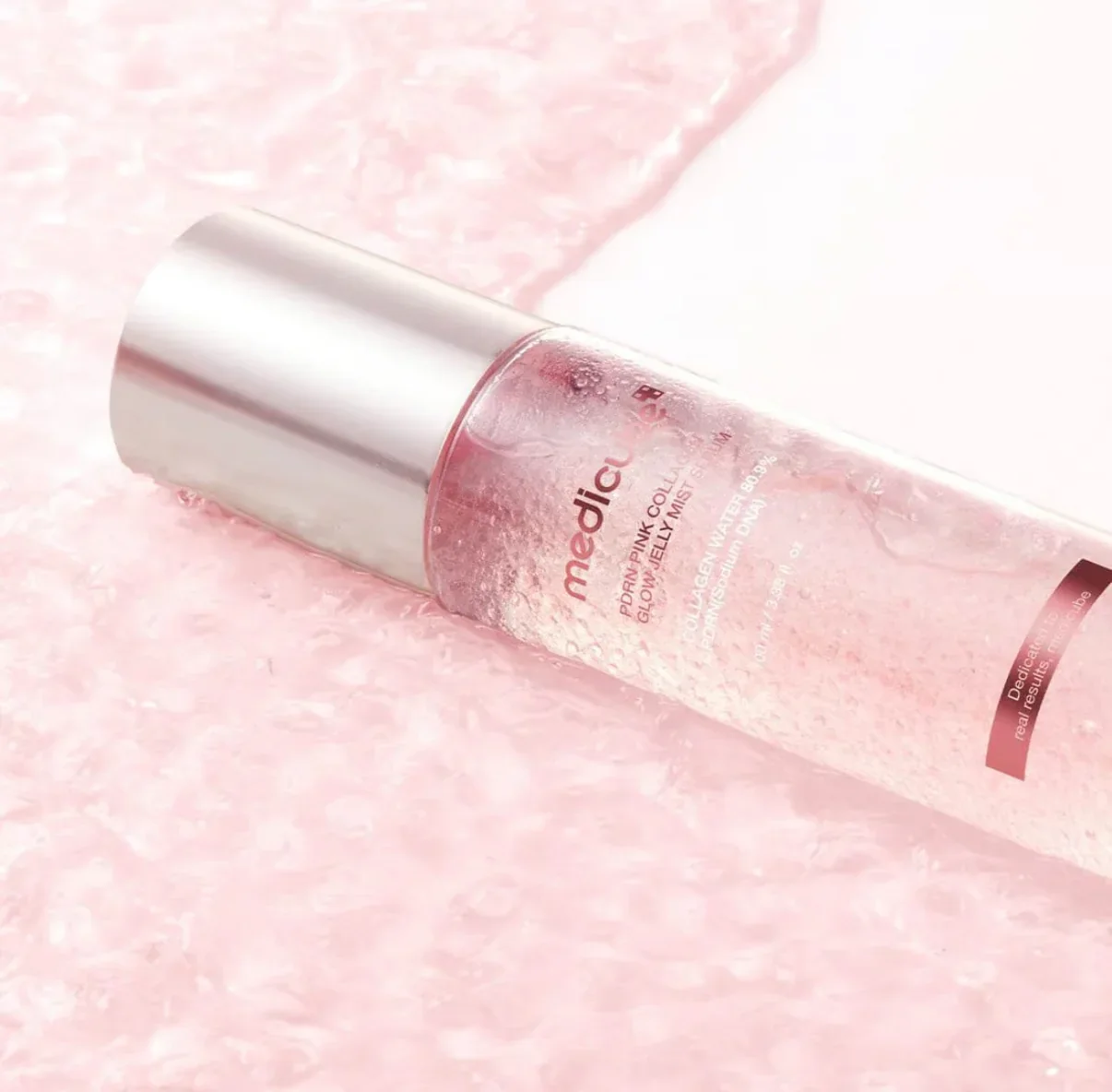
3. Medicube PDRN Pink Collagen Glow Jelly Mist Serum
Where to buy
A glow-focused mist with a stronger lipid phase, designed to leave a visible, dewy film on the skin rather than just hydration.
collagen water + glycerin + HA complex → base hydration
multiple oils(meadowfoam, sunflower, castor) + squalane → creates a clear emollient layer
niacinamide + glutathione → mild tone-evening support, not the main focus
PDRN + growth factor (sh-Oligopeptide-1) → present, but not at treatment level
essential oils present (lemongrass, anise) → higher irritation potential
not fungal acne–safe
Best for: Dry skin or anyone wanting a strong dewy/glow finish; likely too heavy for oily or acne-prone skin
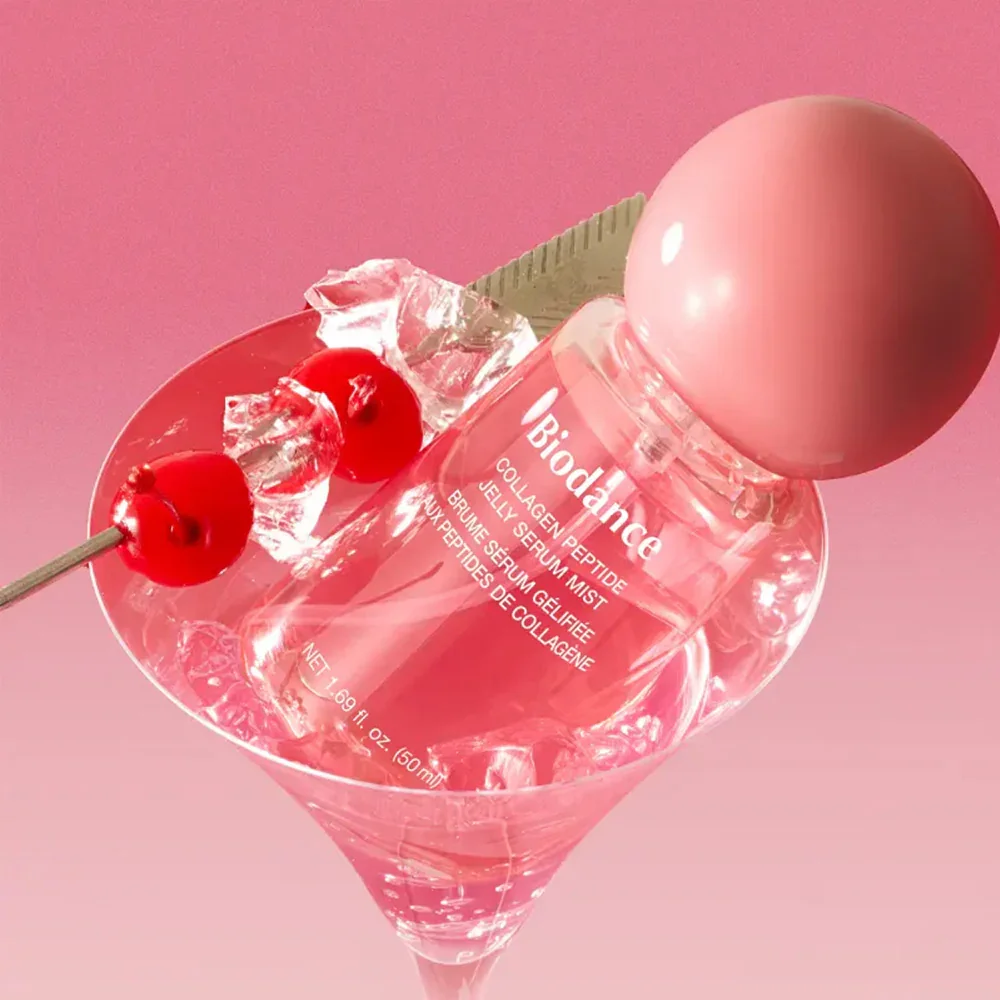
4. Biodance Collagen Peptide Jelly Serum Mist
Where to buy
A water-based mist focused on hydration and peptides, without the heavy lipid layer seen in some other jelly mists.
collagen water(high base) + glycerin → primary hydration system
multiple peptides (copper peptide, Matrixyl-type, EGF) → present, but at mist-level concentrations
niacinamide + galactomyces ferment→ mild support for tone and skin condition
no added fragrance or essential oils
fungal acne–safe
Best for: All skin types, including oily and acne-prone, especially if you want a lightweight hydrating mist without an oily finish
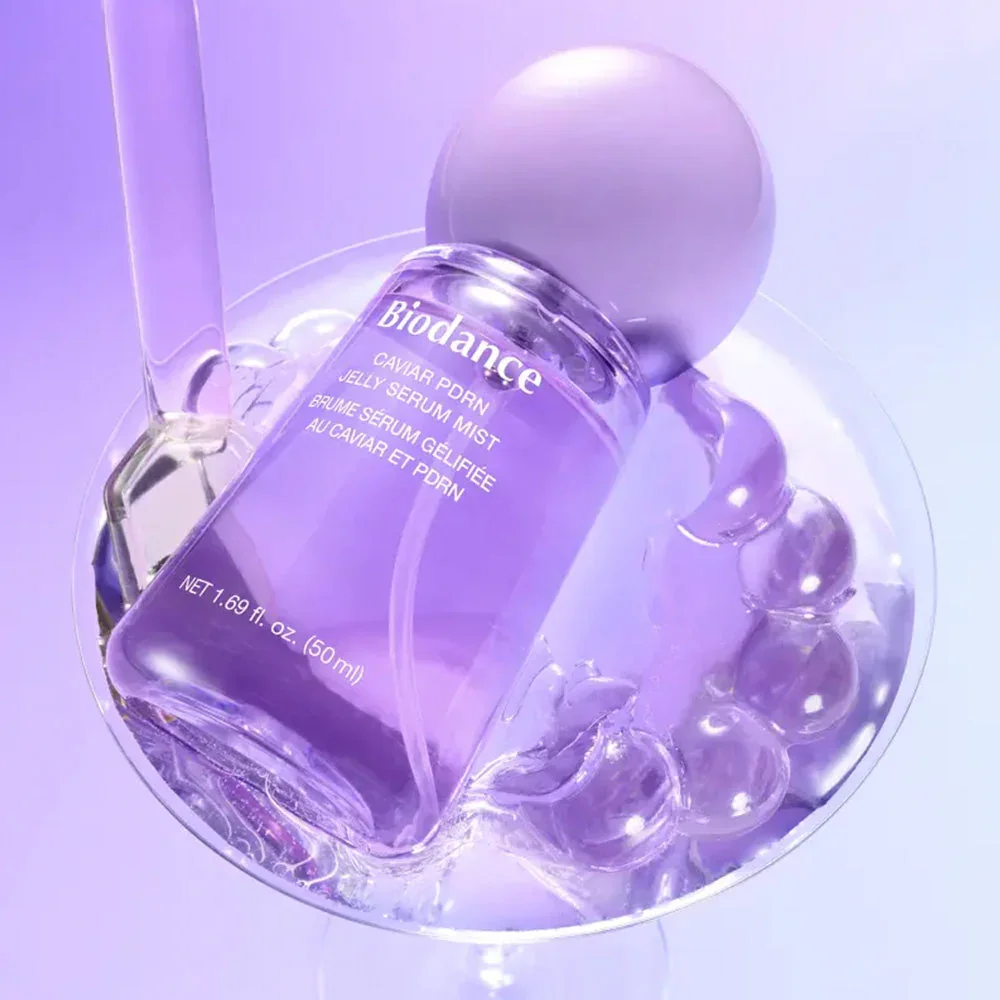
5. Biodance Caviar PDRN Jelly Serum Mist
Where to buy
Compared to the peptide version, this one leans more into PDRN and hydration, still without any added oils.
glycerin + multi-level hyaluronic acid complex → main hydration system
sodium DNA (PDRN ~1,000 ppm) → relatively higher than typical mist levels
niacinamide→ mild tone support
caviar water base + caviar extract + salmon egg extract → mostly supportive, not primary actives
no added fragrance or essential oils
fungal acne–safe
Best for: All skin types, including oily and acne-prone, especially if you want a lightweight, non-oily mist with a bit more focus on PDRN
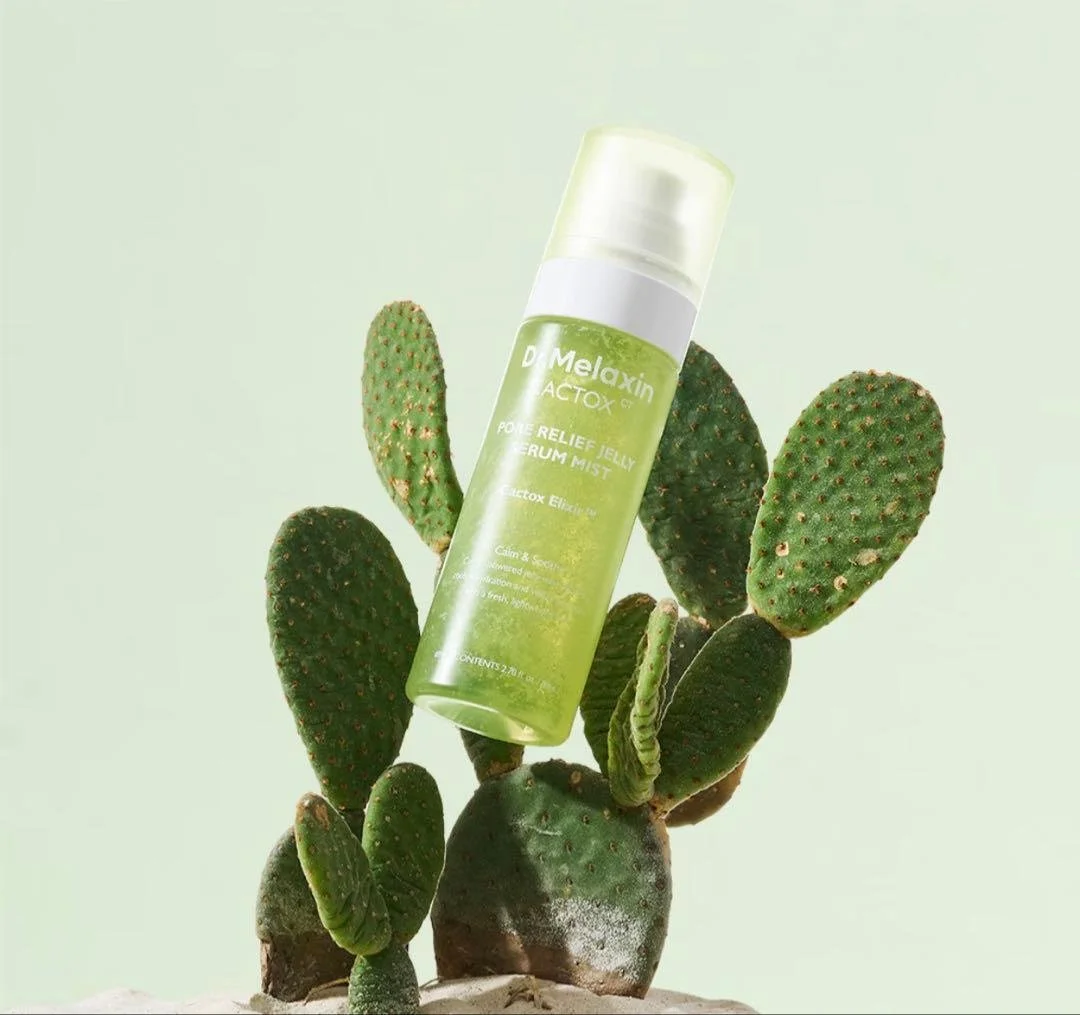
6. Dr. Melaxin Cactox Pore Relief Jelly Serum Mist
Where to buy
This one tries to do a bit of everything, but the base is still hydration with a noticeable mix of emollients and cooling extracts.
niacinamide + humectants (glycols, glycerin, HA forms) → core hydration
multiple oils + squalane → adds a light emollient layer
fragrance + cooling plant extracts (mint, eucalyptus, lemongrass) → gives that fresh, “pore-tightening” feel, but can irritate
very long ingredient list with peptides, retinol, vitamin C → present, but not meaningful at mist level
not fungal acne–safe
Best for: Normal to combination skin that likes a refreshing, cooling feel; not ideal for oily, sensitive or acne-prone skin
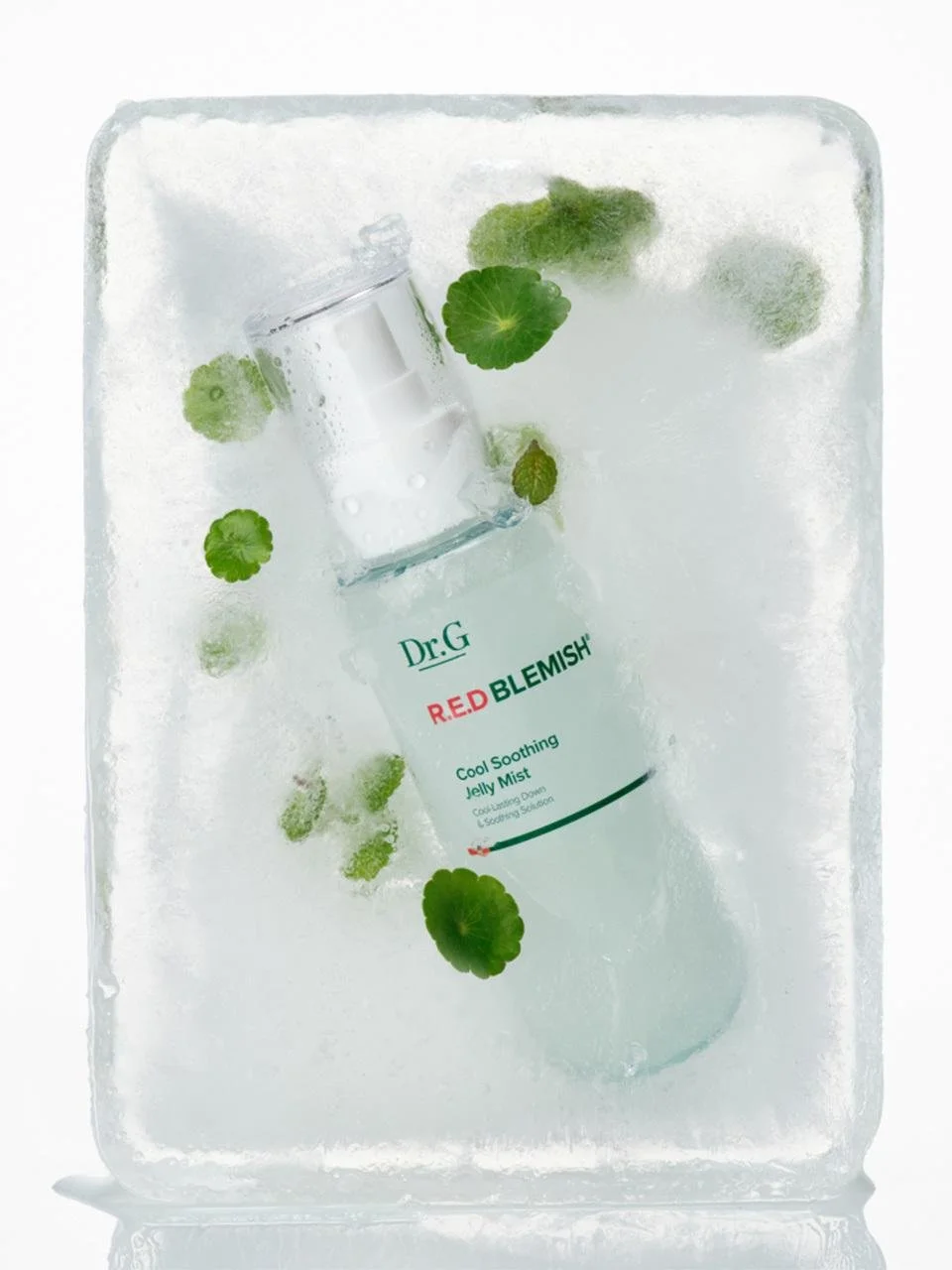
7. Dr. G Red Blemish Cool Soothing Jelly Mist
Where to buy
Much more focused on calming and barrier support, with a fully water-based formula and no added oils.
glycerin + sugar humectants → main hydration system
centella complex + madecassoside + ectoin + beta-glucan → strong soothing/barrier support
ferments (bifida, lactobacillus, yeast) → slight support for hydration and barrier
no added fragrance or essential oils
contains ferments → not ideal for fungal acne-prone skin
includes mandelic acid (very low position) → negligible exfoliation effect
Best for: Sensitive, irritated, or acne-prone skin needing hydration with calming support
Other Face Mists Worth Trying (If Jelly Textures Are Not for You)
The jelly texture is definitely interesting. It looks good, feels different, and naturally gets attention. K-beauty is very good at this, introducing something new, making it desirable, and then we see how long it actually stays.
But if you put the texture aside, a mist is still a mist. And some of the best ones are still the simple, well-formulated versions that focus on hydration and skin comfort without trying to do too much.
So before getting carried away with trends, it’s worth looking at a few “regular” mists that I genuinely think are among the best. Straightforward formulas, nothing flashy, just products that do exactly what they should.
1. Dear, Klairs Fundamental Ampule Mist
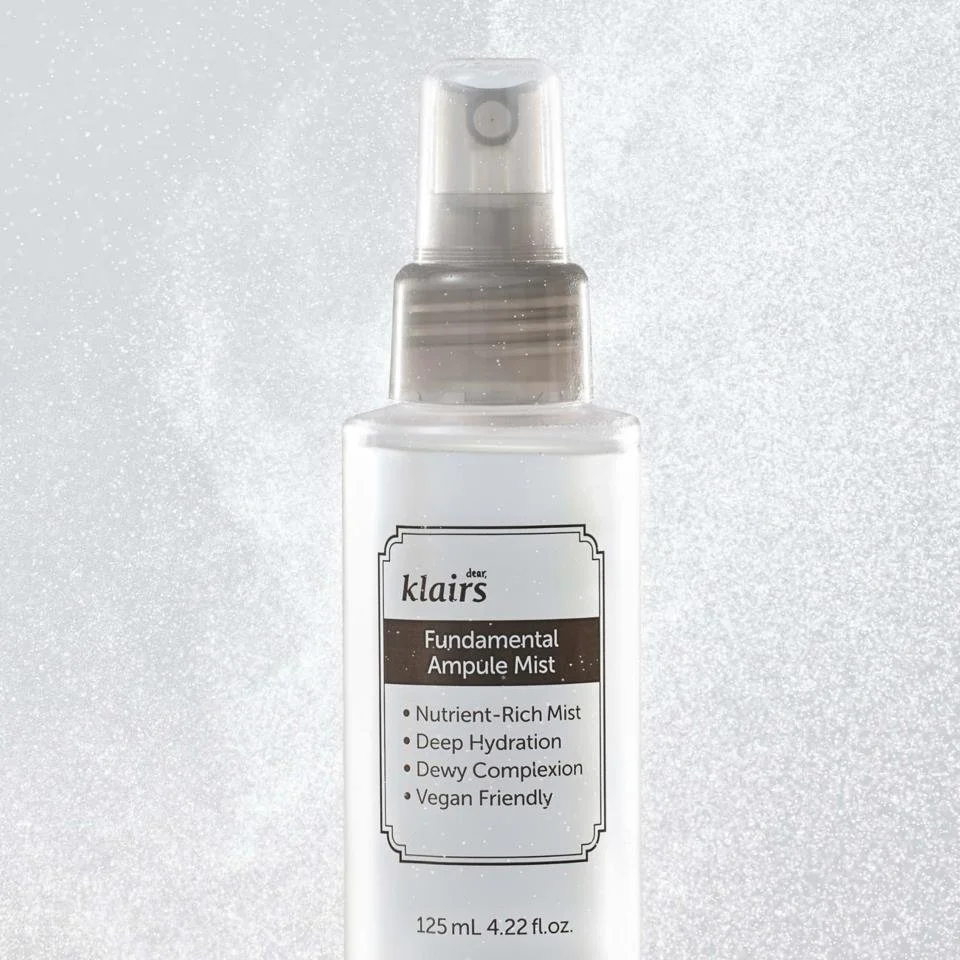
A straightforward hydrating mist built on a tea water base, with a balanced mix of humectants and light barrier-support ingredients.
green tea water → antioxidant base, replaces plain water
glycerin, betaine, trehalose → core hydration system
panthenol + ceramide NP + hydrogenated lecithin → light barrier support
plant extracts (rice, mugwort, algae) → supportive, not primary drivers
no added fragrance or essential oils
fungal acne–safe
Best for: All skin types, especially sensitive or dehydrated skin looking for a simple, reliable hydrating mist without irritation
2. Pyunkang Yul Calming Moisture Mist
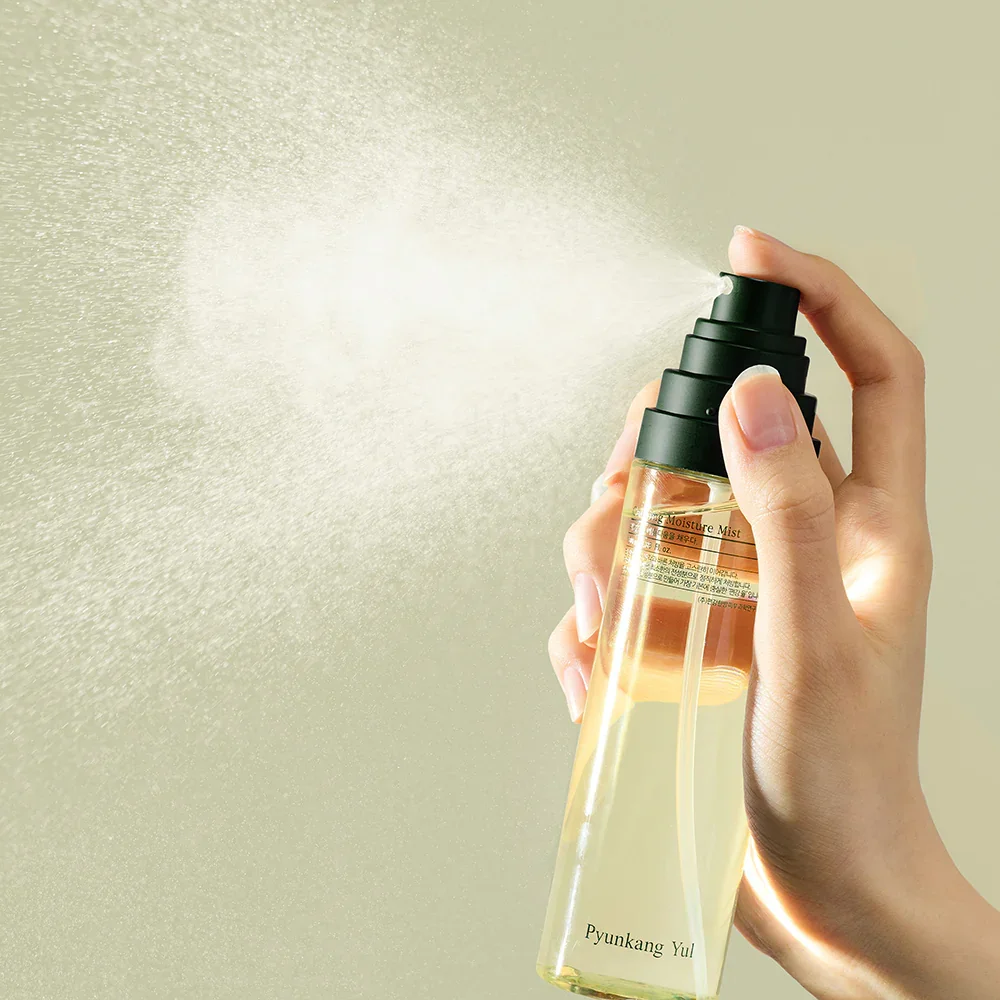
A calming-focused mist built around humectants and soothing extracts, with a slightly more complex lipid profile than a typical watery formula.
trehalose + panthenol → main hydration system
centella + allantoin + gluconolactone (PHA) → calming + very mild exfoliation support
tea tree + willow bark + witch hazel → acne-focused, but can be sensitizing for some
contains fatty esters + triglycerides → adds a light emollient layer
no added fragrance, but includes multiple potentially reactive plant extracts
not fungal acne–safe
Best for: Combination or acne-prone skin that tolerates tea tree and plant extracts; not ideal for very sensitive or fungal acne–prone skin
3. S. NATURE Aqua Squalane Mist
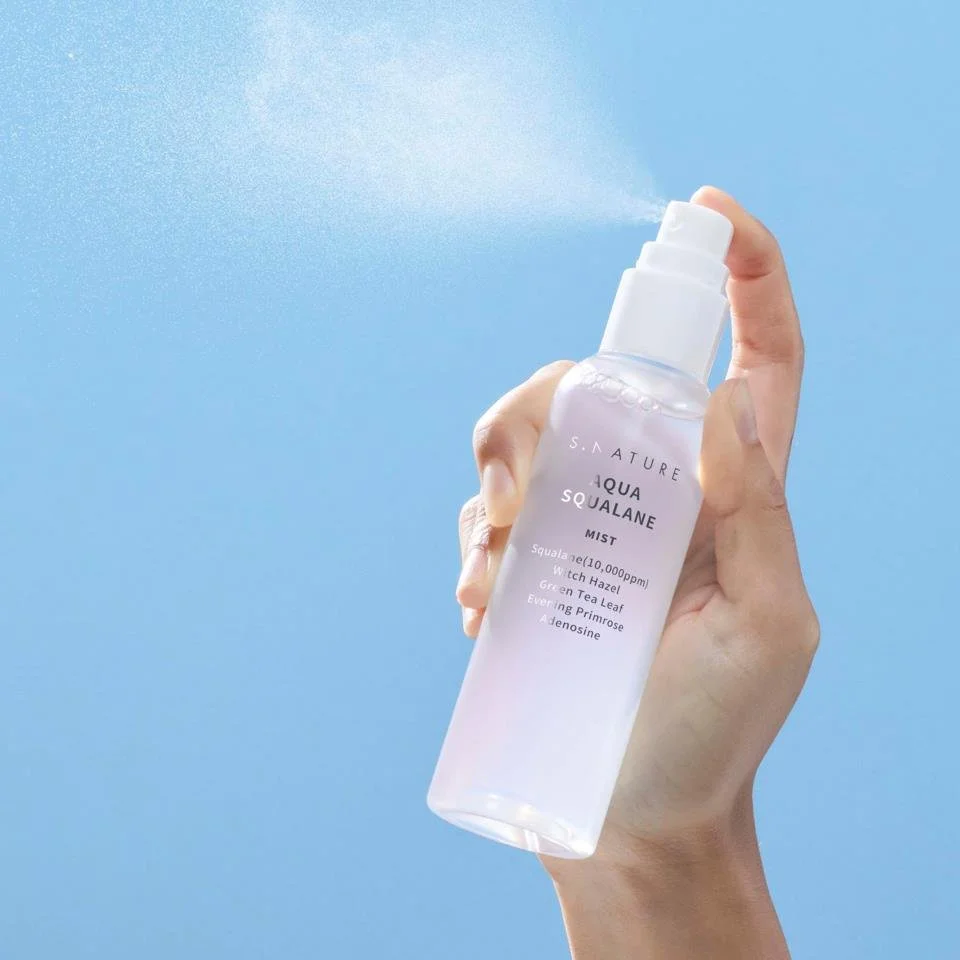
Where to buy
A simple hydrating mist with added squalane, giving a slightly more conditioned feel than a purely water-based formula.
glycerin → main hydration
squalane (10,000 ppm ~1%) → light emollient support, not heavy
green tea + evening primrose + witch hazel → supportive extracts, not dominant
no added fragrance or essential oils
not fungal acne–safe
Best for: Normal to slightly dry skin that wants a bit more comfort than a basic mist, without a heavy or oily finish
Frequently Asked Questions
Can You Use a Face Mist Over Makeup?
Yes, as long as the spray is fine enough not to disturb your makeup. Mist lightly from a distance and let it settle naturally rather than rubbing or pressing the skin afterward.
Should You Use a Face Mist Before or After Sunscreen?
Use a hydrating mist before sunscreen as part of your skincare routine, then allow it to settle before applying SPF. I would avoid repeatedly wetting or rubbing the skin after sunscreen because you do not want to disturb the protective film.
Can a Jelly Mist Replace Moisturizer?
Sometimes, particularly if you have oily or combination skin and the weather is humid. If your skin is dry, tight, or prone to moisture loss, a mist usually works better underneath a moisturizer than as a complete replacement.
How Often Can You Use a Face Mist?
There is no fixed limit for a simple hydrating mist. You can use it whenever your skin feels dry or uncomfortable, although needing to spray constantly may be a sign that your routine needs more lasting hydration or barrier support.
Can Face Mists Make Your Skin Drier?
A basic water-heavy mist can feel hydrating at first but may not provide much lasting benefit once the water evaporates. Formulas with humectants, emollients, or barrier-supportive ingredients tend to provide more useful hydration than repeatedly spraying plain water onto dry skin.
Do You Need to Pat a Jelly Mist Into the Skin?
Usually no. A good jelly mist should disperse evenly enough to settle on its own. If the droplets are larger or the finish feels too wet, you can gently press the product in, but rubbing is unnecessary.
Are Jelly Mists Worth It?
The "jelly" phenomenon is a perfect example of K-beauty innovation: it is effective, it is sensorial, and it looks great on a shelf. But as we have seen, the texture is a delivery system, not a miracle cure.
If you enjoy a dewy, film-forming finish that stays "set" on the skin, a jelly mist is a fantastic summer upgrade. If you prefer weightless, invisible hydration, the classics are still classics for a reason.
Ultimately, the best mist is not the one that is trending. It is the one that matches your skin’s barrier needs and the humidity of your environment.
Want to stop guessing?
Take the Skin Type Quiz to find your baseline.
Explore my Guides for deeper ingredient deep-dives.
Get a Personalized Routine to cut through the trends and get exactly what your skin needs.




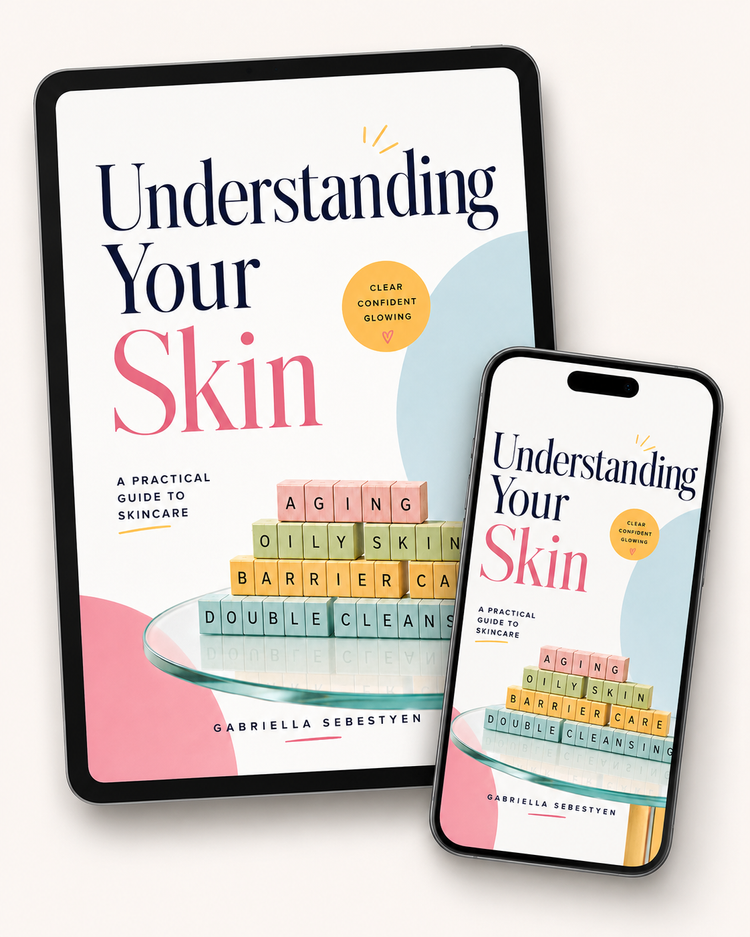
Understanding Your Skin
A Practical Guide to Skincare
I wrote Understanding Your Skin to help you build an effective skincare routine with confidence. This illustrated guide explains skin types, ingredients, and routines in a practical, evidence-based way that's easy to understand and apply.
- Written by a physician
- 120-page illustrated guide
- Evidence-based skincare guidance
- Sample routines & product recommendations

Why does your vitamin C serum sting? Learn the most common causes, how to make vitamin C easier to tolerate, and which gentler Korean serums may be worth trying.