Skincare Beyond Products: The Daily Habits That Affect Your Skin
Some links on this page are affiliate links, which means I may earn a small commission at no extra cost to you.

Skincare is about more than cleansers, serums, and moisturizers. Everyday habits such as sleep, hydration, hygiene, and even the way you sleep can influence how your skin behaves and how well your skincare routine performs.
Key Takeaways
✓ Daily habits can influence your skin just as much as your skincare products.
✓ Hydration, sleep, and barrier health are closely connected.
✓ Friction, dirty surfaces, and skin picking can contribute to irritation and breakouts.
✓ Diet and blood sugar spikes may affect inflammation and long-term skin aging.
✓ Small lifestyle changes can improve your results without adding more products.
1. Systemic Hydration and Skin Turgor

It is common for people to overlook basic water intake while relying heavily on hydrating topicals like hyaluronic acid. However, topical hydration and systemic hydration serve different purposes.
Skin turgor refers to the skin's elasticity and its ability to change shape and return to normal. This is largely influenced by the fluid status of the dermis. When systemic hydration is low, turgor decreases.
If your skin often feels tight or looks dull, this is usually a sign of dehydration rather than dryness. I explain the difference in more detail here.
What this means for your skin:
Visible Texture: Dehydration can make fine lines appear more pronounced and the skin look "flat."
Barrier Efficiency: The skin barrier requires water to function correctly. If the body is dehydrated, the barrier may become less resilient, leading to increased sensitivity.
How to Check for Deep Layer Dehydration
Here, I’m showing you how to self-check.
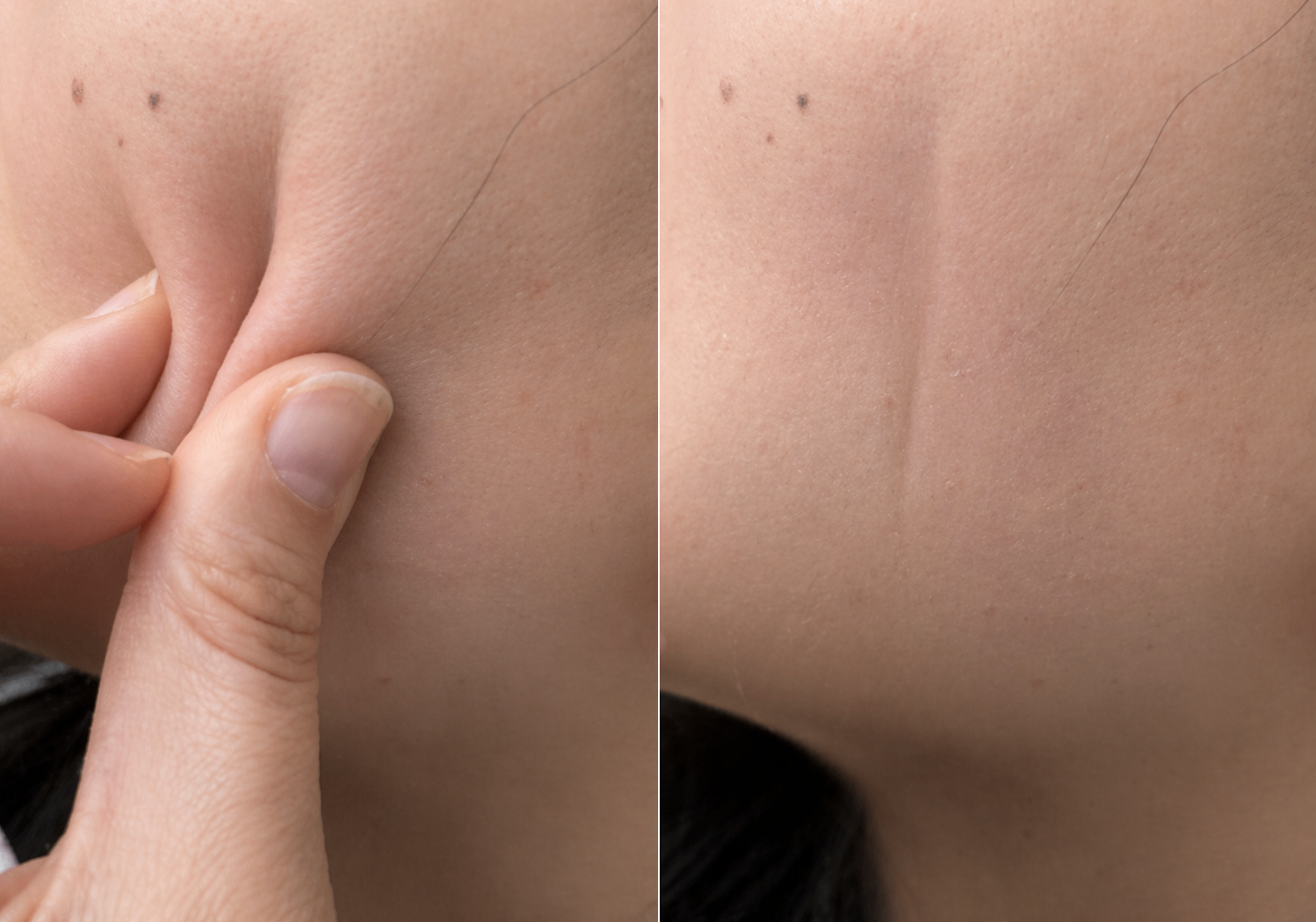
Gently pinch your cheek to create a small skin fold and hold it for 2–3 seconds, then release.
If your skin smooths out immediately, hydration is likely adequate. If a fine line remains visible for more than 10 seconds, it can indicate deep layer dehydration.
What you can do:
Baseline Intake: Aim for 1.5 to 2 liters of water daily. Increase this if you consume high amounts of caffeine or live in a dry environment.
Consistent Sips: Rather than drinking large amounts of water at once, consistent intake throughout the day supports better cellular absorption.
2. Sleep and Circadian Repair

Sleep is a physiological necessity for skin health. During rest, the body’s blood flow to the skin increases, and the organ undergoes repair processes to address damage from UV exposure and environmental pollutants.
Poor sleep triggers a stress response in the body, leading to increased cortisol levels. Elevated cortisol can contribute to the breakdown of collagen and may exacerbate inflammatory conditions like acne or eczema.
What to focus on:
Maintain a Schedule: Aim for a consistent sleep-wake cycle. This helps regulate the skin’s natural repair window.
Temperature Control: Keeping your sleeping environment cool can prevent trans-epidermal water loss (TEWL) caused by overheating during the night.
3. Physical Friction and Sleeping Position

The way you sleep can have long-term effects on the skin’s appearance, particularly regarding "sleep lines." These are not the same as expression lines; they are caused by mechanical pressure.
The Side-Sleeper Effect: When you sleep on your side, your face and chest are compressed against the pillow for hours. Over time, this repeated friction and pressure can contribute to persistent lines. The chest area is particularly vulnerable, as side sleeping causes the skin to fold and compress.
Simple adjustments:
Pillow Choice: If you cannot sleep on your back, consider a silk or satin pillowcase. These materials have a lower coefficient of friction than cotton, reducing the "pull" on the skin.
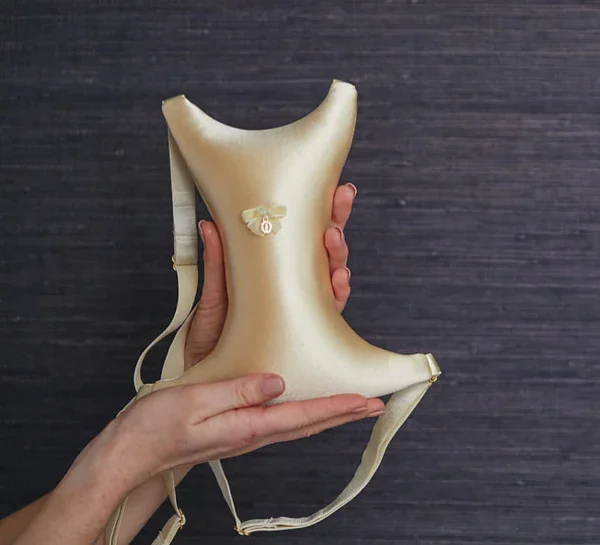
Chest Support: For those concerned with chest lines, using a small pillow between the breasts can prevent the skin from folding during the night. If a regular pillow feels uncomfortable or moves too much, a small dedicated option like the Intimia Breast Pillow(affiliate link) can make this easier to maintain.
4. Contact Hygiene: Phones and Linens
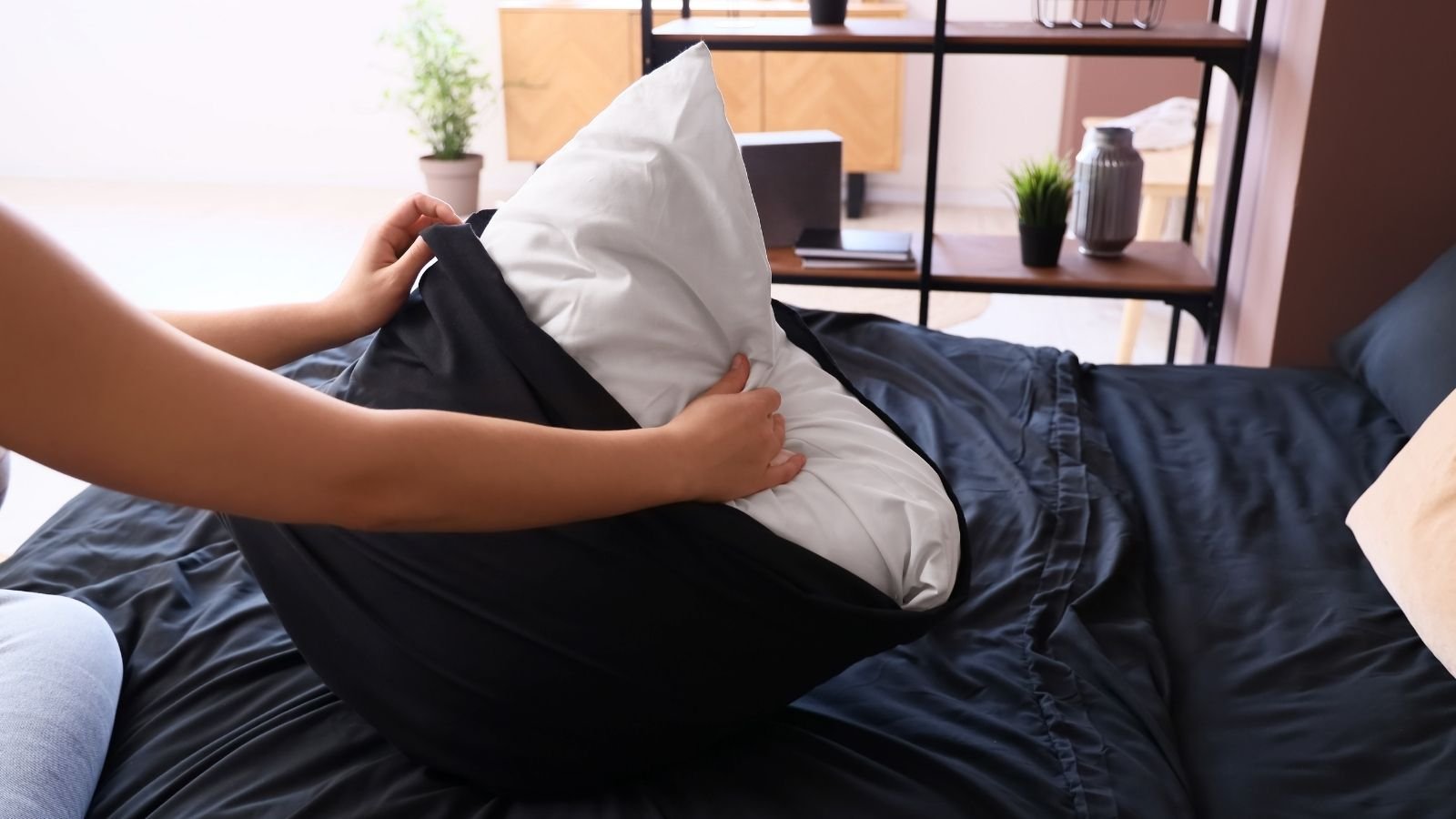
We often reintroduce bacteria and oils to the skin throughout the day without realizing it.
Smartphones: Mobile screens harbor significant amounts of bacteria. Placing the phone against your cheek can lead to localized breakouts. Use headphones or clean your screen daily with a microfiber cloth and an appropriate sanitizer.
Pillowcases: Oils, sweat, and hair products accumulate on your pillowcase every night. Changing your pillowcase at least once a week is a basic hygiene requirement. If your skin is oily, increase this to every two or three days.
Face Towels: Using the same towel for your body and your face can transfer bacteria and heavy body lotions to your facial skin. Use a dedicated, clean towel for your face and change it frequently.
If you’re dealing with recurring breakouts in specific areas, this often overlaps with external triggers like this. I break this down further in my acne guide.
5. Dietary Glycation and Inflammation
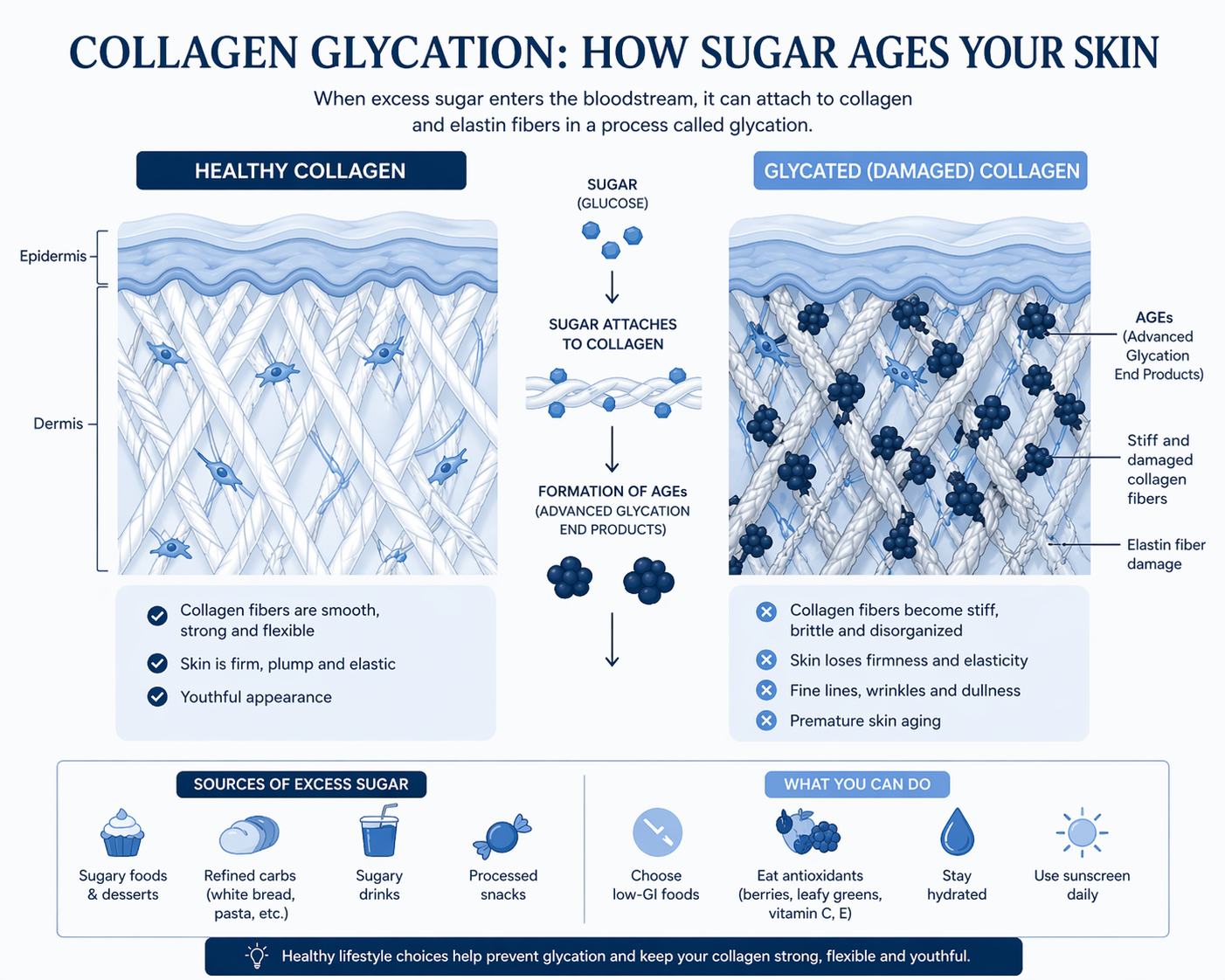
Dietary choices influence skin aging and inflammation through a process called glycation. This occurs when excess sugar molecules attach to proteins like collagen and elastin, forming "Advanced Glycation End Products" (AGEs). This process makes collagen fibers stiff and less flexible.
Practical Adjustments:
Manage Glucose Spikes: High-glycemic foods (sugary snacks, white bread) cause rapid spikes in blood sugar, which can accelerate glycation and trigger oil production.
Stable Fats: Diets high in processed vegetable oils can be pro-inflammatory. Prioritize stable fats like olive oil and foods rich in Omega-3 fatty acids (like salmon or walnuts) to support the skin's lipid barrier.
6. The Impact of Skin Picking
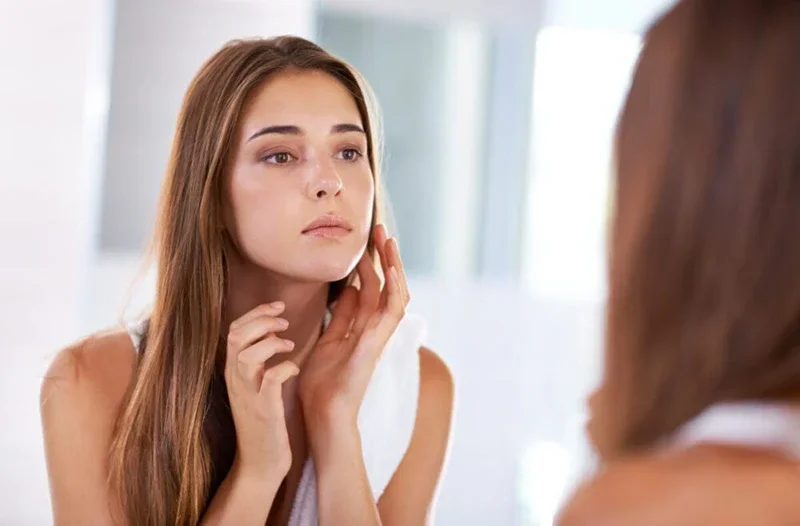
Picking at the skin is a common habit that often leads to unnecessary damage. When you squeeze a blemish, you risk pushing the inflammation deeper into the tissue. This increases the likelihood of:
Post-Inflammatory Hyperpigmentation (PIH): The dark marks left behind after a spot heals.
Scarring: Permanent changes in skin texture.
What helps instead:
Use Pimple Patches: These physical barriers prevent you from touching the area and create a controlled environment for healing.
Lighting: Avoid using magnifying mirrors or harsh lighting, which often trigger the urge to pick at minor imperfections that are not visible to others.
This is one of the main causes of post-inflammatory hyperpigmentation, which I explain in detail in this guide on PIH and how to improve it.
Summary of Daily Practices
Skin health is the result of consistent, practical habits. While products are essential for targeted treatment, your daily environment and behaviors provide the foundation.
If you want to move beyond the basics:
Read the Guides: My blog contains technical breakdowns of ingredients and routine structures.
Identify Your Skin Type: Use my skin type quiz to ensure your product choices align with your actual needs.
Professional Consultation: For a routine tailored to your specific skin concerns and lifestyle habits, I offer personalized consultations.
Better habits, better skin. It really is that straightforward.
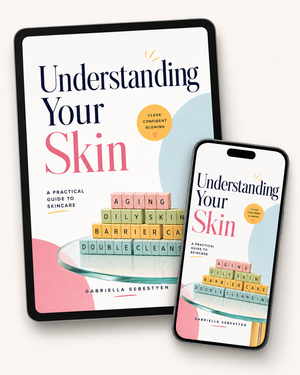
Understanding Your Skin
A Practical Guide to Skincare
I wrote Understanding Your Skin to help you build an effective skincare routine with confidence. This illustrated guide explains skin types, ingredients, and routines in a practical, evidence-based way that's easy to understand and apply.
- Written by a physician
- 120-page illustrated guide
- Evidence-based skincare guidance
- Sample routines & product recommendations
