How to Get Rid of Blackheads: Skincare Routine for a Clearer Face

Blackheads are one of the most common skincare concerns, especially for people with oily or combination skin. Understanding how blackheads form and choosing ingredients that target excess oil, clogged pores, and pore congestion can help create a more effective routine for smoother, clearer-looking skin.
Key Takeaways
✓ Blackheads are clogged pores caused by excess sebum and dead skin cells, not dirt trapped in the skin.
✓ Salicylic acid (BHA) is one of the most effective ingredients for reducing blackheads and keeping pores clear.
✓ Niacinamide, zinc, and clay masks can help control oil production and minimize pore congestion.
✓ Pore strips, aggressive scrubbing, and harsh soaps can worsen irritation and make blackheads more difficult to manage.
✓ Consistent exfoliation, gentle cleansing, and oil control are the foundations of long-term blackhead prevention.
Some links are affiliate links. If you choose to purchase through them, it helps support my work at no extra cost to you.
What Are Blackheads and Why Do They Appear?
Blackheads are those small, dark, bump-like spots that most people notice on their nose, chin, or forehead. They’re open clogged pores caused by a mix of excess oil and dead skin cells—not dirt. While they don’t cause redness or pus like pimples, they can be frustrating and make your skin look uneven.
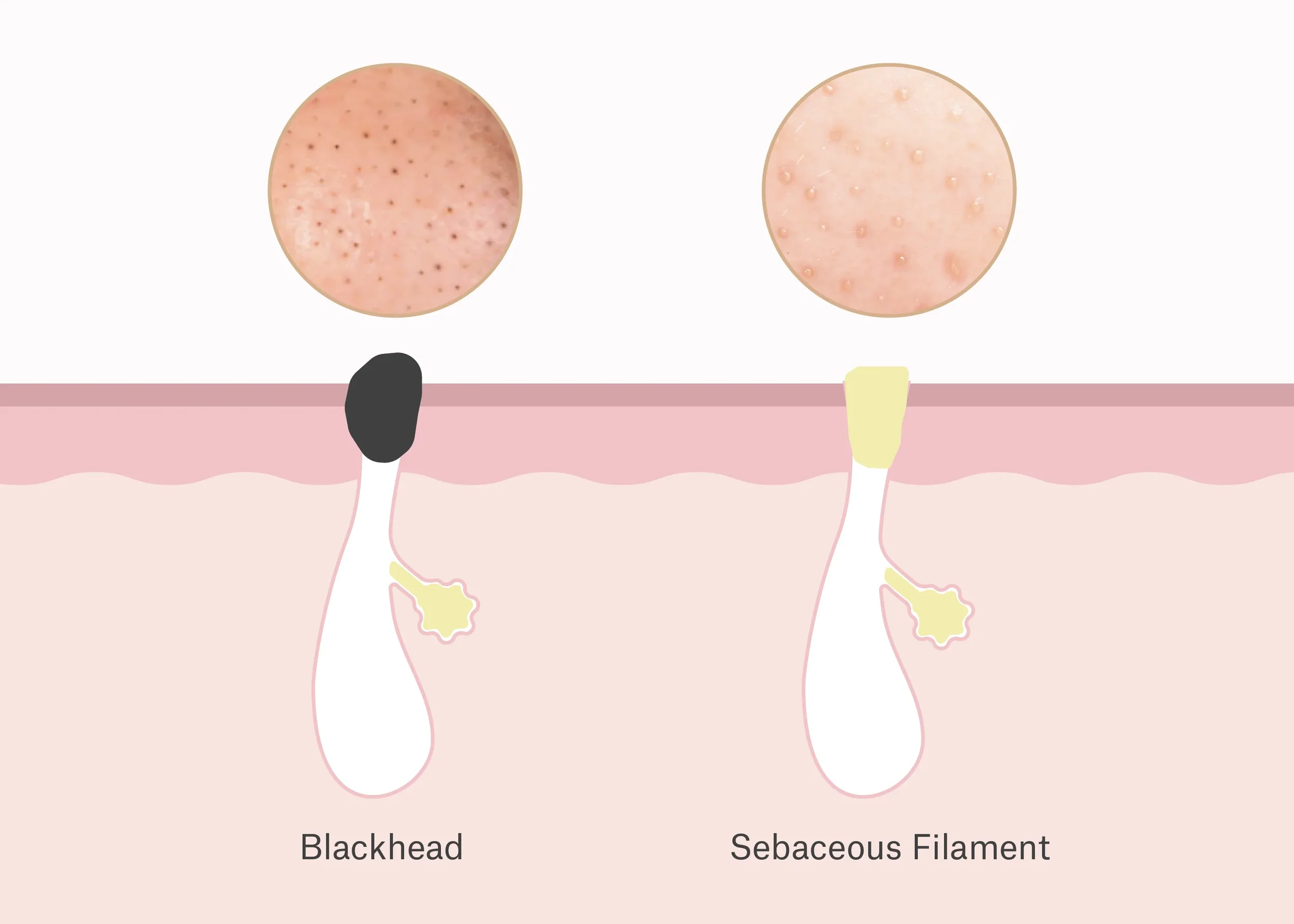
The main culprit is often overactive sebaceous glands, triggered by genetics, hormones, or persistent irritation. As oil moves toward the skin’s surface, it mixes with dead skin cells. If this mixture gets trapped in your pores, it forms a plug (comedone) that darkens when exposed to air—the classic blackhead.
You might notice tiny dark dots on your nose and immediately think they’re blackheads—but here’s the important part: not all of them are actually blackheads. Many of these are sebaceous filaments. Unlike blackheads, which are a type of acne and come out as firm, dark plugs, sebaceous filaments are a normal part of your pores. They appear as small, lighter-colored dots or lines and feel soft or waxy if gently squeezed. While they can be more noticeable on oily skin, they’re harmless.
The best part? Even though they’re not technically blackheads, the same gentle skincare habits that help with blackheads—like proper cleansing and exfoliation—can help your skin look smoother and cleaner.
Common Mistakes That Make Blackheads Worse
Blackheads are stubborn little blemishes, but the good news is you can reduce them significantly—even clear them from your skin with a consistent routine. That said, it’s important to be realistic: with a dedicated skincare routine, most people see around an 80–90% improvement. The first step is knowing what not to do, and what common habits or products might actually make things worse.
Avoid Irritating Ingredients
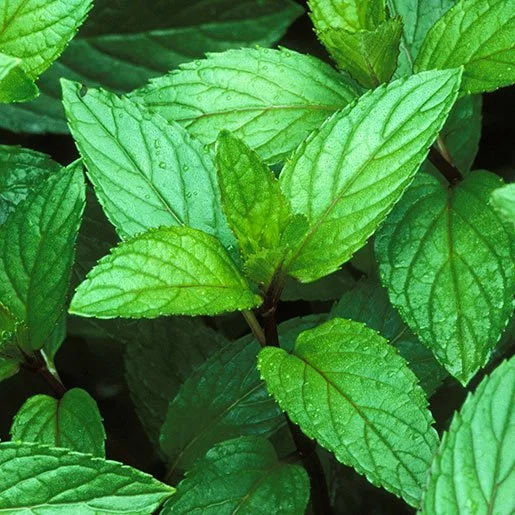

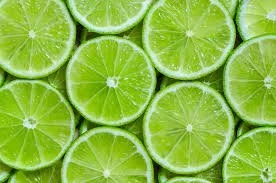
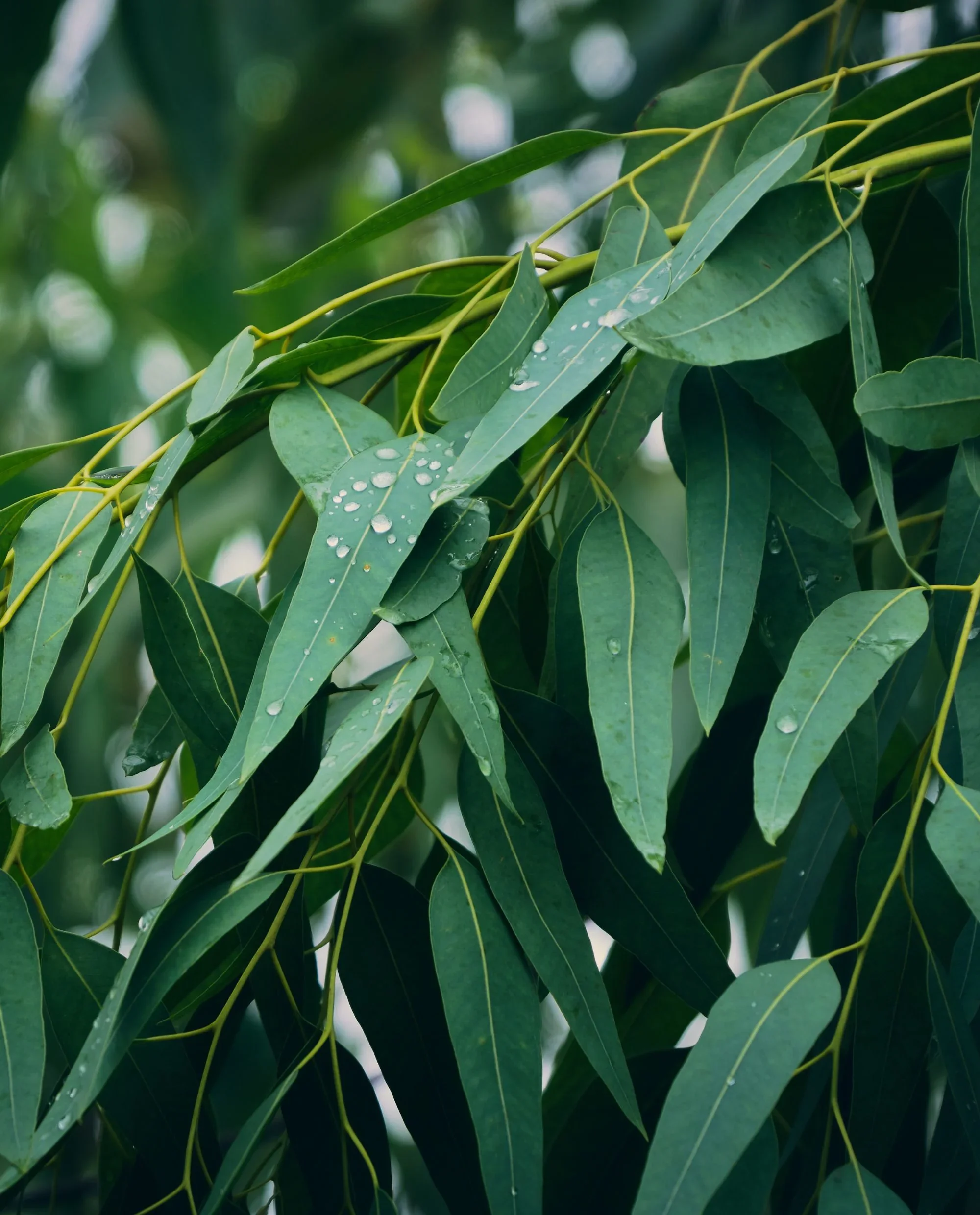
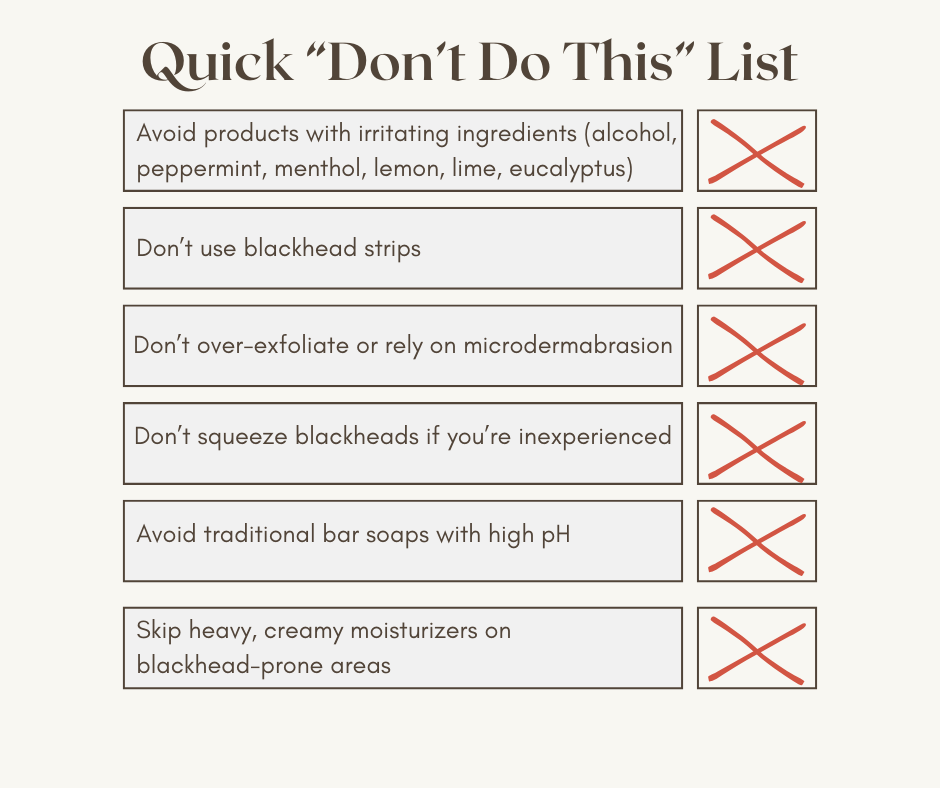
Many skincare products contain ingredients that feel great in the short term but can increase oil production over time. Irritation can trigger your skin’s nerve endings, leading to hormone release and more oil—a vicious cycle that worsens blackheads. Avoid products with alcohol, peppermint, menthol, lemon, lime, or eucalyptus.
Skip Blackhead Removal Strips
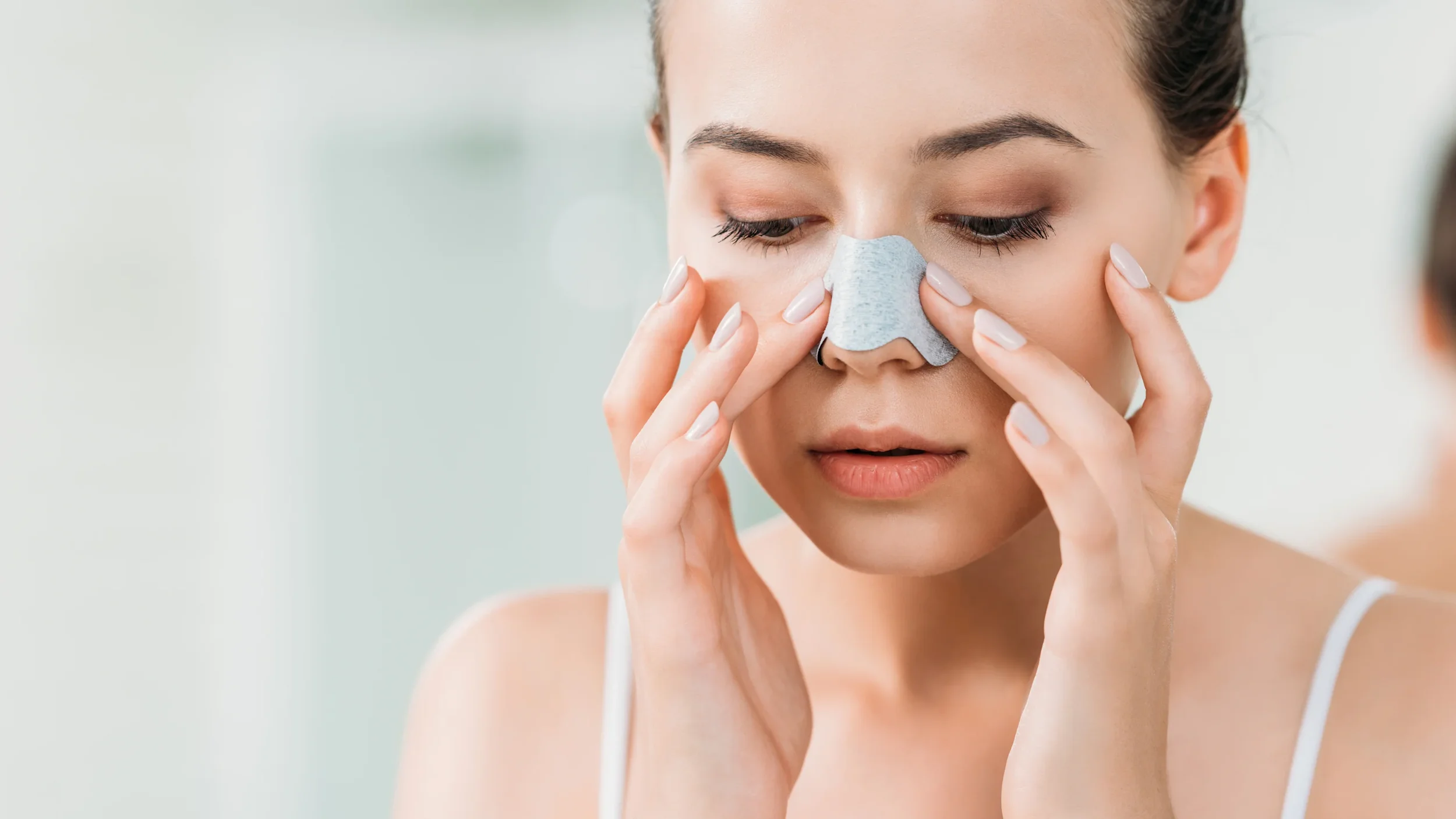
Using strips might seem like a quick fix, but they only remove the very top layer of the plug. They don’t reach deep inside the pores, so blackheads often return quickly. Frequent use can stretch out pore walls or even cause broken capillaries.
Don’t Over-Exfoliate
Scrubbing aggressively won’t solve the problem because blackheads form inside the pores. Over-exfoliation or treatments like microdermabrasion can irritate your skin, which may actually increase oil production and make blackheads worse.
Be Careful With Extraction
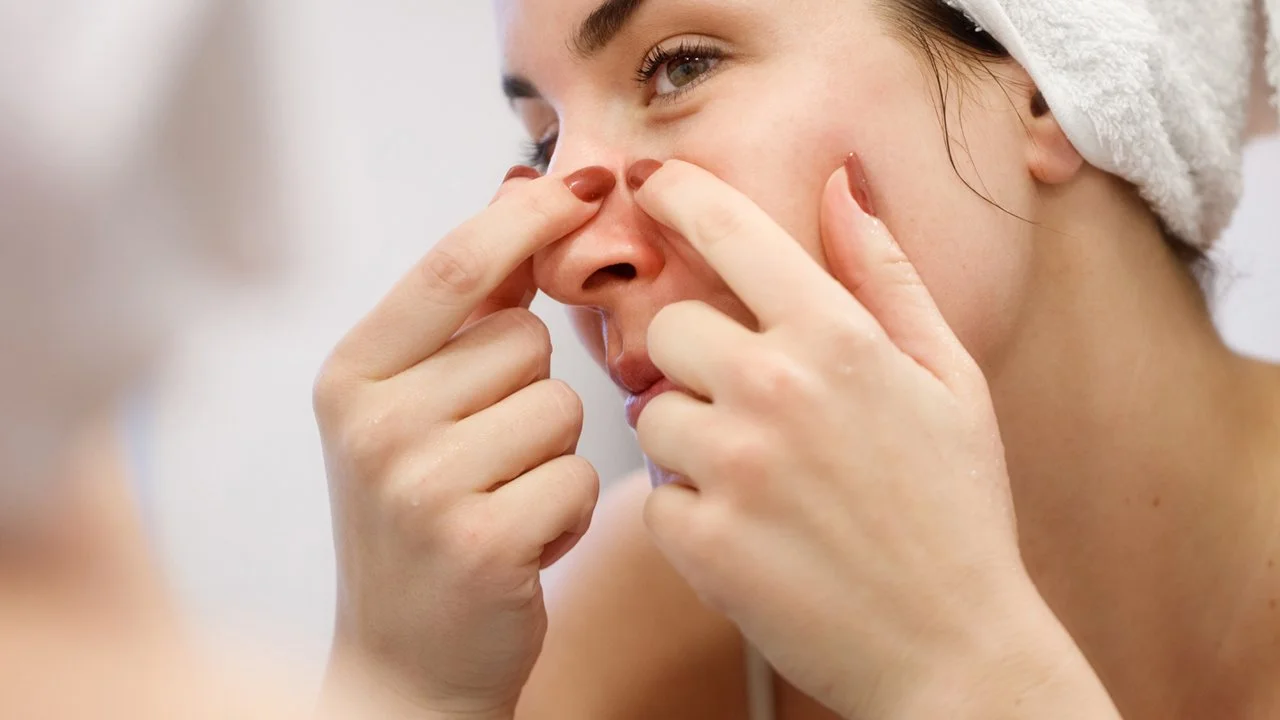
Squeezing blackheads yourself is risky if you’re inexperienced. You can easily damage your skin, push debris deeper, or introduce bacteria that trigger inflammation. If you want to extract safely, learn the proper technique first.
Avoid Harsh Soaps and Heavy Creams
Solid bar soaps often have high pH and ingredients that can clog pores, disrupting your skin’s natural balance and causing dryness, irritation, or even more oil. Similarly, skip rich, heavy creams on blackhead-prone areas. For dry areas like the cheeks, it’s fine to use richer moisturizers only where needed.
Long-Term Solutions for Blackhead-Free Skin
Now that you know what not to do, it’s time to focus on what you can do to tackle blackheads effectively. These tips are designed to help you reduce blackheads over time and improve your overall skin health.
Use a BHA (Salicylic Acid) Exfoliant
A BHA exfoliant is a key step in clearing blackheads. Salicylic acid penetrates deep into the pores and helps regulate the natural shedding process of your pore walls, removing excess oil and dead skin cells. Over time, this can help normalize oil flow and keep pores clear.
Look for products with a known BHA concentration (1–2% is ideal) and avoid formulas with irritating ingredients. For example:
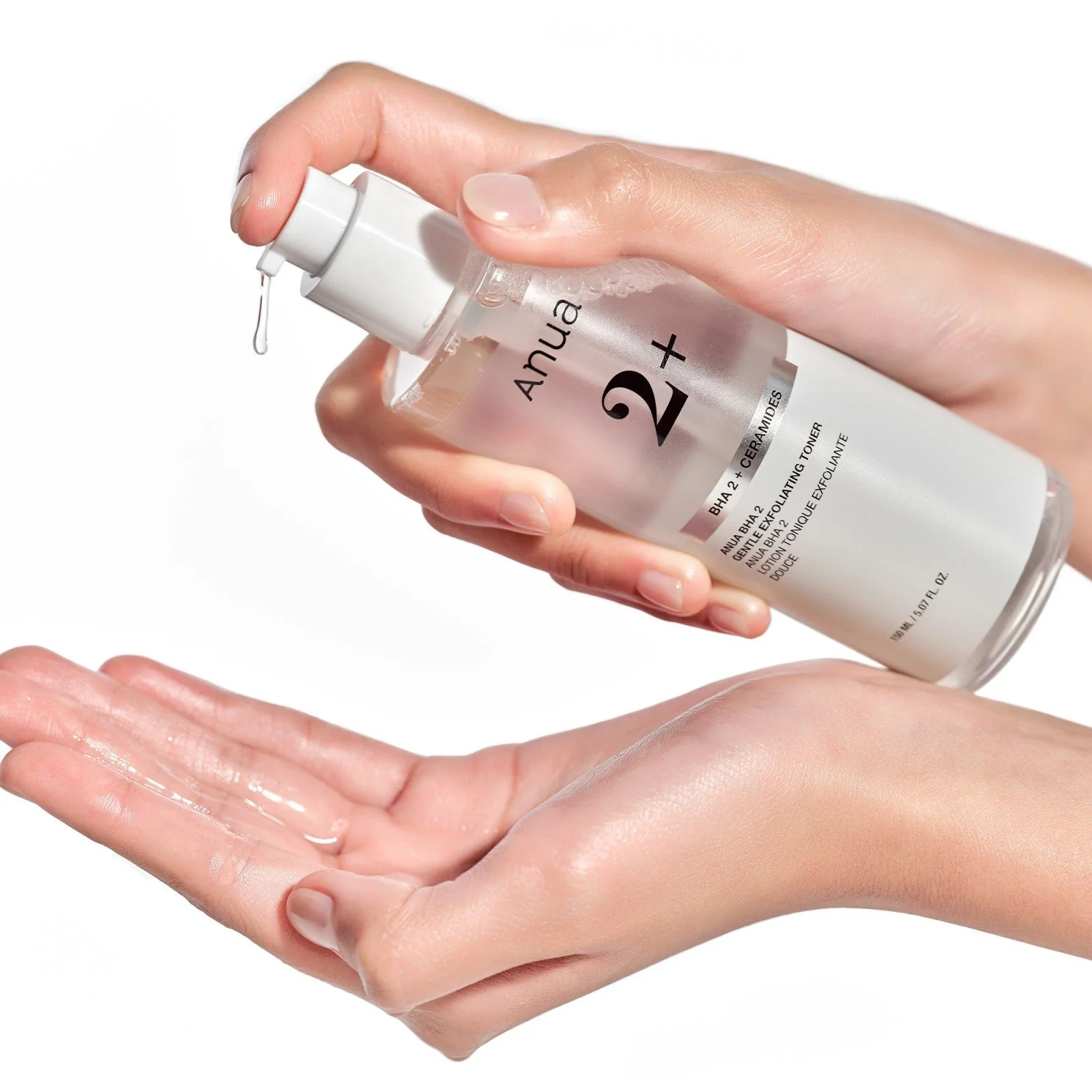
Anua BHA 2% Gentle Exfoliating Toner
Where to buy
A 2% BHA toner that pairs pore exfoliation with significant barrier support.
2% salicylic acid to reduce pore congestion and excess sebum
Multi-ceramide complex with cholesterol and phytosphingosine to reinforce the skin barrier
Panthenol and Centella Asiatica to lower irritation risk
Multi-weight hyaluronic acid complex for compensatory hydration
Best for: Combination or oily skin that needs exfoliation but is also barrier-compromised or dehydration-prone.
Isntree Chestnut BHA 2% Clear Liquid
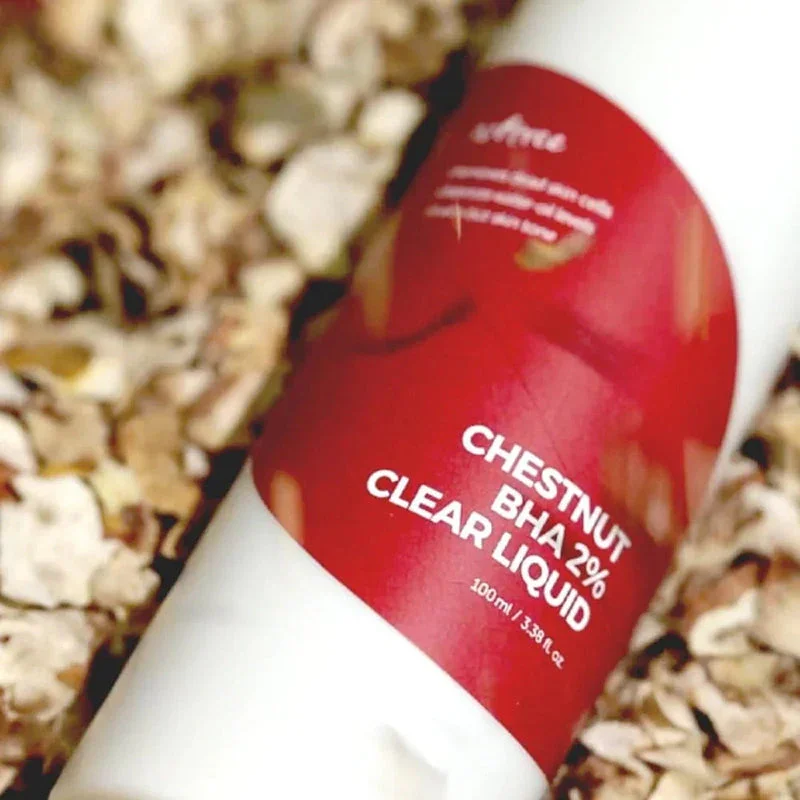
A minimal 2% BHA liquid focused primarily on pore purification.
2% salicylic acid for blackheads and clogged pores
Chestnut shell extract with mild astringent effect
Dipotassium glycyrrhizate and allantoin for basic soothing support
Lightweight, low-viscosity formula without added barrier lipids
Best for: Oily, congestion-prone skin with good acid tolerance and no significant barrier impairment.
Incorporate Oil-Regulating Ingredients
Ingredients like Niacinamide and Zinc help normalize excess oil production. You can find these in serums like:
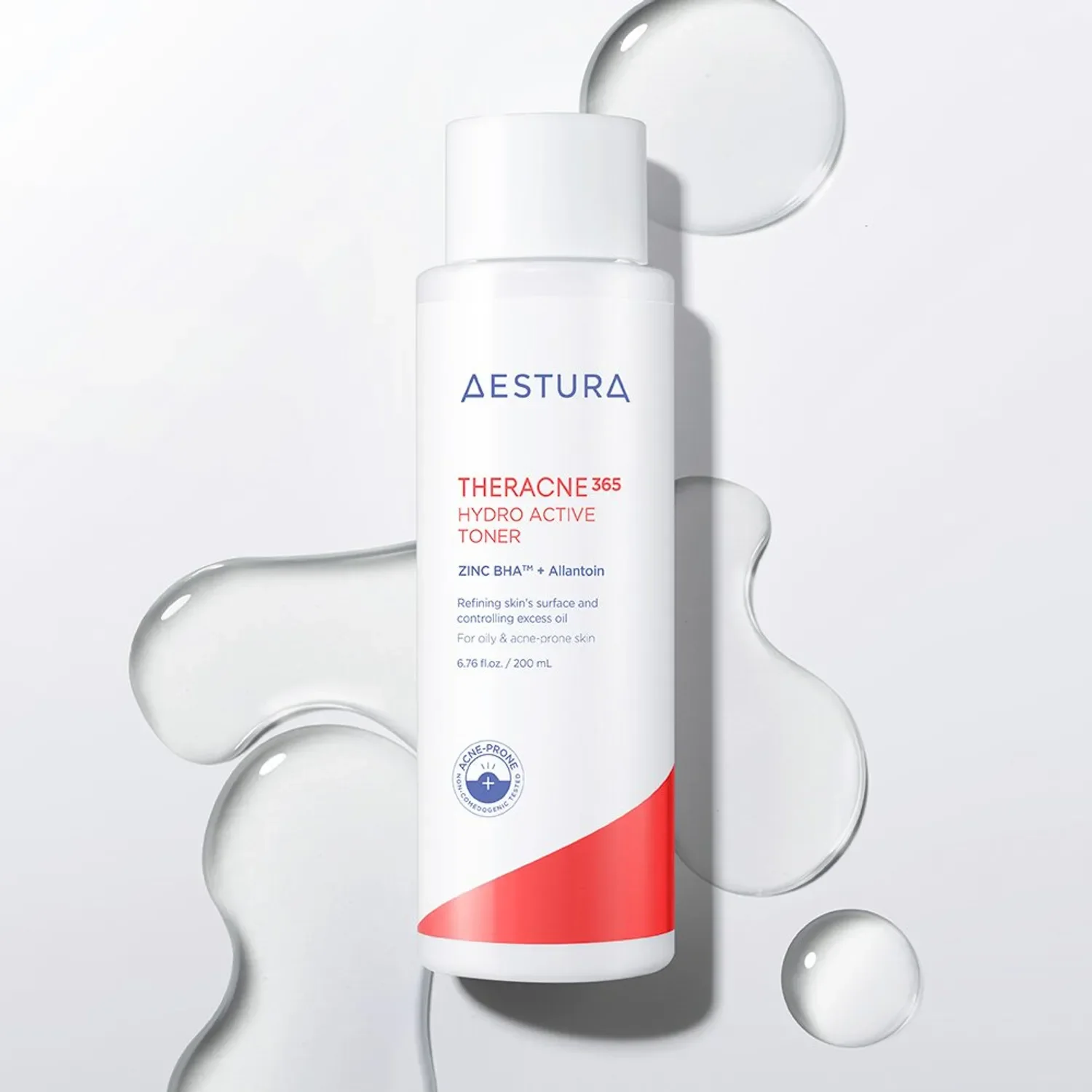
Aestura THERACNE365 HYDRO ACTIVE TONER
Where to buy
A hydrating acne-support toner that combines barrier-friendly humectants with mild oil-control actives.
Niacinamide to help regulate sebum production and support post-inflammatory mark management
Low-level salicylic acid for gentle pore clarification
Panthenol, allantoin, and dipotassium glycyrrhizate to reduce irritation and reinforce barrier comfort
Zinc chloride to assist with oil control and breakout-prone skin balance
Best for: Oily, acne-prone skin that needs light exfoliation and sebum regulation without aggressive stripping.
APLB Zinc Niacinamide Ampoule Serum
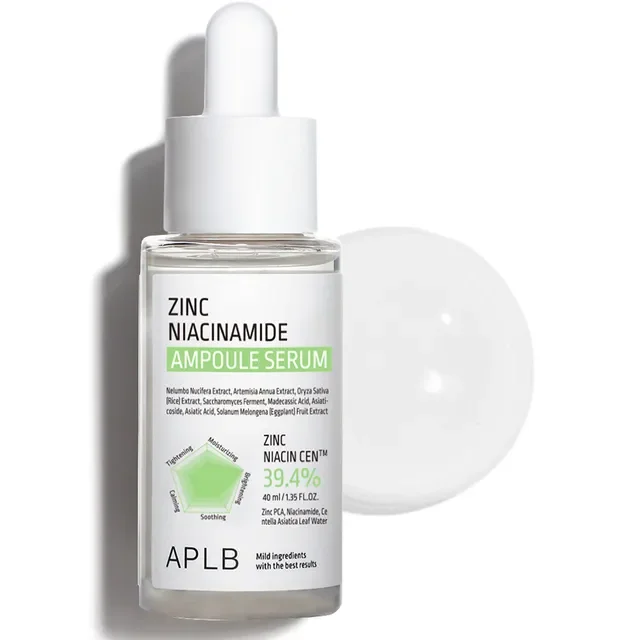
A sebum-regulating and calming serum built around niacinamide, zinc PCA, and Centella derivatives.
Niacinamide and zinc PCA to help control excess oil and reduce the appearance of enlarged pores
Centella components (madecassic acid, asiaticoside, asiatic acid) for anti-inflammatory support
Beta-glucan, panthenol, and allantoin to reinforce barrier recovery and reduce irritation
Lightweight humectant base with glycerin and sodium hyaluronate for non-greasy hydration
Best for: Oily, breakout-prone or reactive skin that needs sebum control with simultaneous calming support.
Use Niacinamide Products for Pore Care
Niacinamide is versatile—it not only regulates oil production but also helps tighten pore walls, making pores appear smaller. Pair a niacinamide serum with a niacinamide toner for the best effect. Don’t forget daily sun protection, as UV damage can weaken pore structure and contribute to enlarged pores.
Purito Seoul Galacto Niacin 97 Power Essence
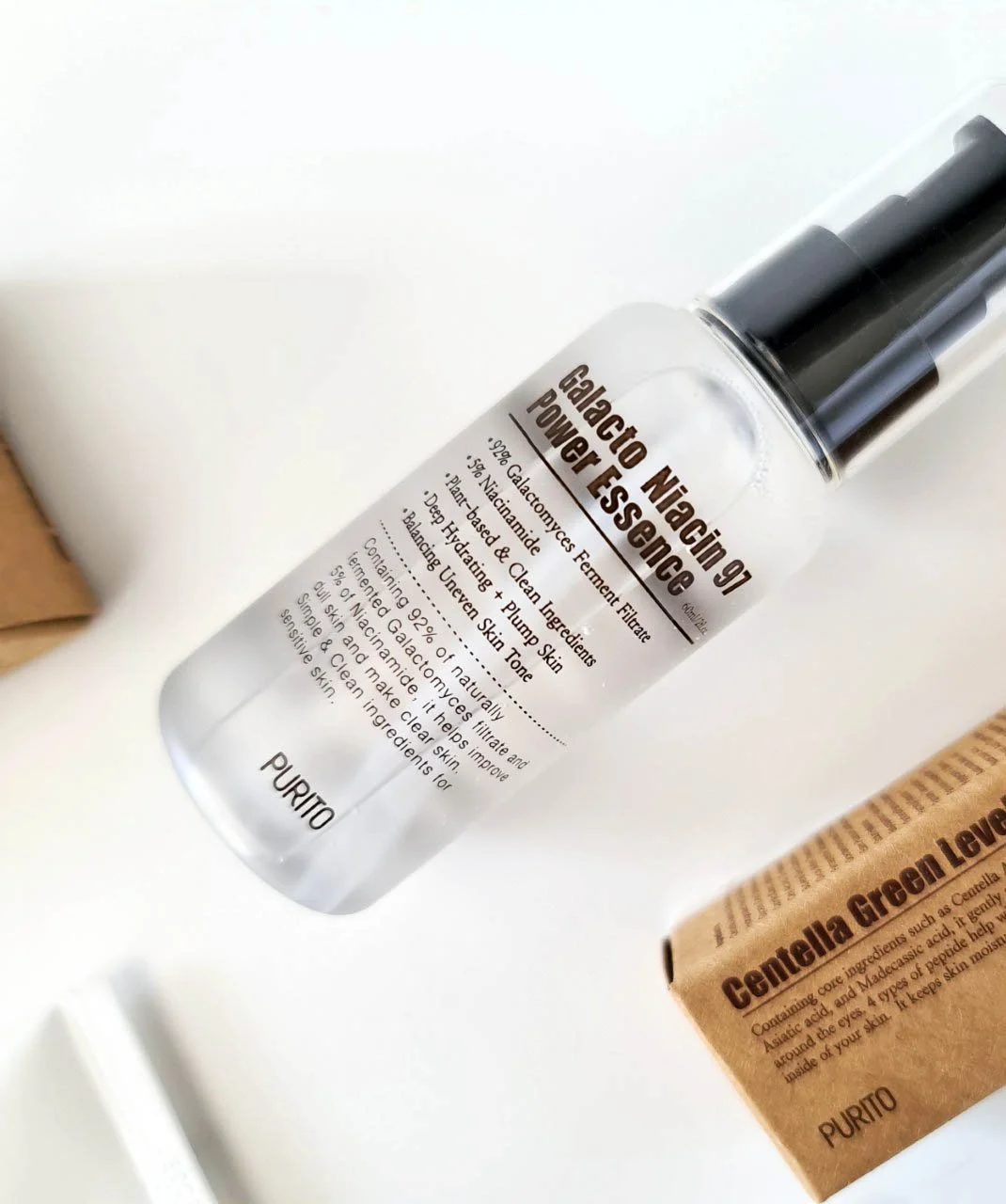
A high-ferment brightening essence centered on galactomyces and 5% niacinamide for tone and barrier support.
High concentration of Galactomyces ferment to improve radiance and overall skin texture
5% niacinamide to support pigmentation balance and regulate sebum
Ferments such as bifida and lactobacillus (old version) to reinforce barrier resilience
Adenosine and allantoin for mild anti-aging and soothing support
Best for: Dull, uneven skin tone with enlarged pores, especially in combination or normal skin types tolerating ferments well.
COSRX The Niacinamide 15 Serum

Where to buy
A high-strength niacinamide serum formulated primarily for sebum regulation and post-acne mark support.
15% niacinamide to reduce excess oil production and improve the appearance of enlarged pores
Acetyl glucosamine to support brightening and complement niacinamide in pigment regulation
Zinc PCA for additional sebum-balancing and breakout-prone skin support
Allantoin and trehalose to help minimize irritation and maintain hydration balance
Best for: Oily, acne-prone skin with visible pores and post-inflammatory hyperpigmentation that tolerates higher niacinamide concentrations.
Apply Clay Masks Weekly
Clay masks are a great complement to your routine. Ingredients like kaolin, bentonite, and illite absorb oil both from the skin surface and from deep within pores, helping keep them clean. My favorites include:
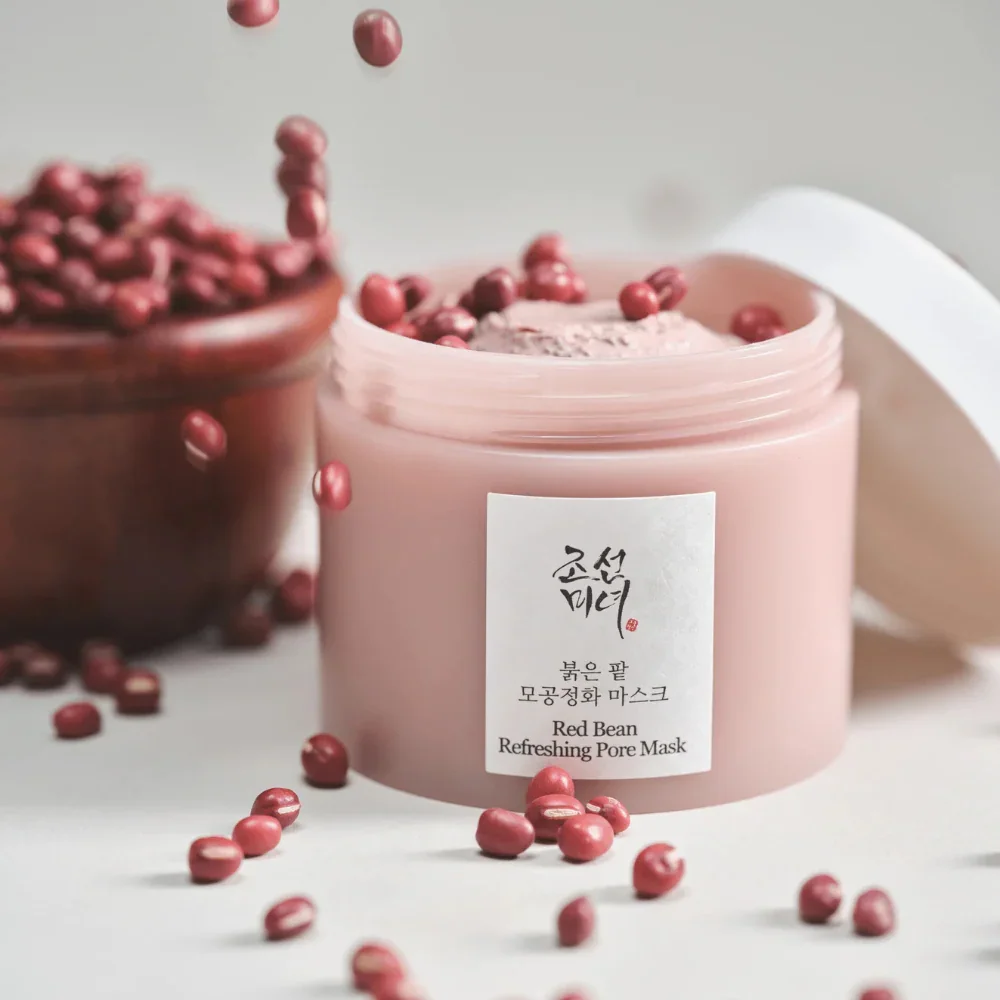
Beauty of Joseon Red Bean Refreshing Pore Mask
Where to buy
A wash-off clay mask combining kaolin with red bean extract for oil absorption and gentle physical exfoliation.
Kaolin to absorb excess sebum and reduce surface shine
Red bean extract and powder for mild exfoliation and texture refinement
Glycerin and emollients to prevent excessive post-mask dryness
Short-contact formula designed for periodic deep cleansing without aggressive actives
Best for: Oily or combination skin with visible pores and surface congestion that benefits from occasional oil-absorbing masks.
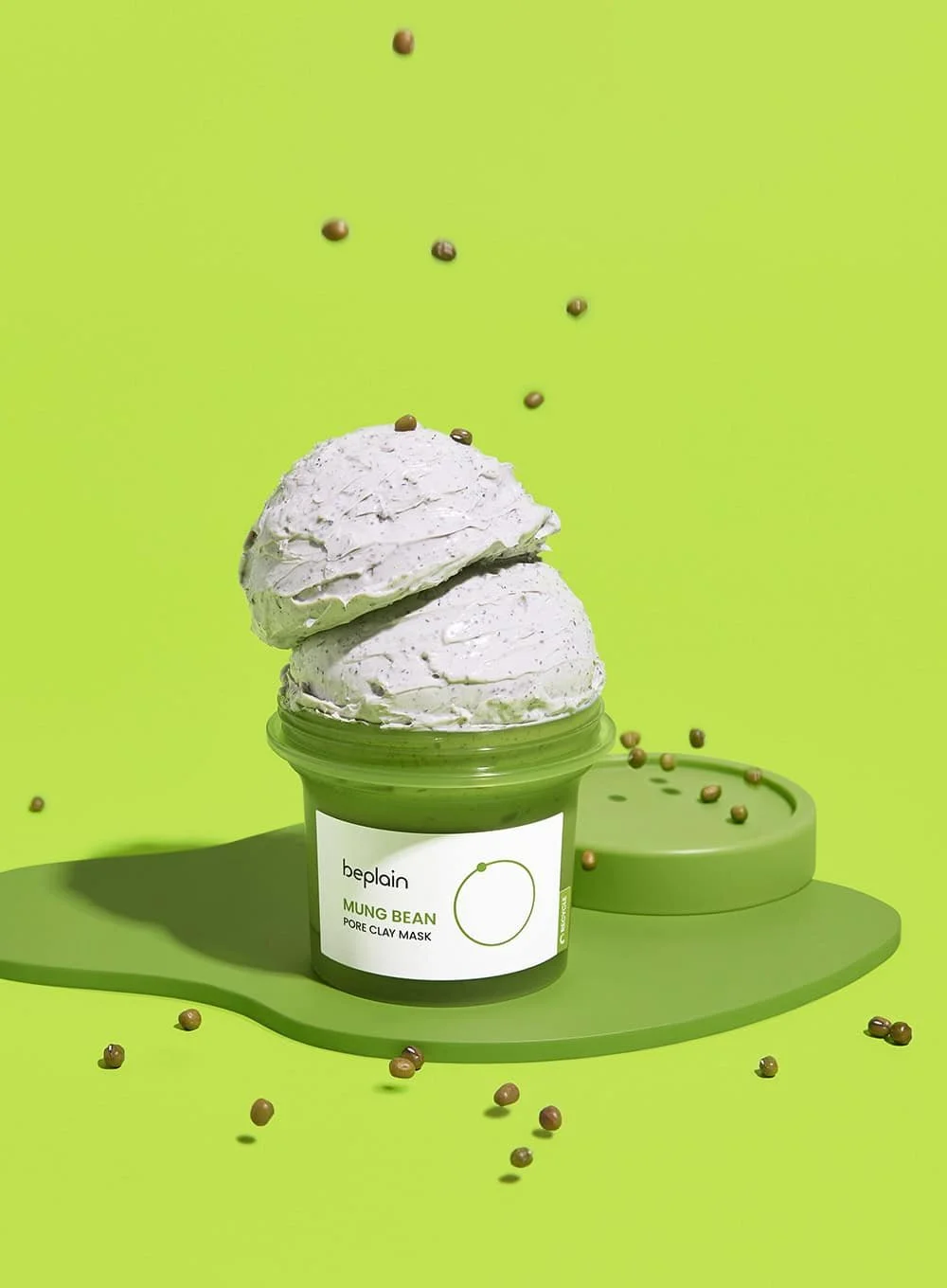
Beplain Mung Bean Pore Clay Mask
Where to buy
A multi-clay wash-off mask combining mung bean derivatives with strong oil-absorbing clays.
Kaolin, bentonite, illite, montmorillonite, and Canadian colloidal clays for intensive sebum absorption
Mung bean powder and extracts to support gentle exfoliation and pore refinement
Calamine and allantoin to reduce redness and calm irritated areas
Niacinamide for additional oil regulation and tone-balancing support
Best for: Oily, seborrheic, or congestion-prone skin that tolerates stronger clay masks and needs deeper sebum control.

General Tip: Choose gentle, non-irritating skincare. For blackhead-prone areas, opt for gels and lightweight products rather than heavy creams, as dense formulations can clog pores.
Fast-Acting Treatments for Blackheads
Sometimes you want a quick, visible reduction in blackheads—a mini “at-home spa” treatment that works especially well on lazy weekends or before a big event. Here’s how to do it in three simple steps:
Step 1: BHA Exfoliant
Start with a BHA exfoliant (2% salicylic acid) to target blackheads at the source. Options include:
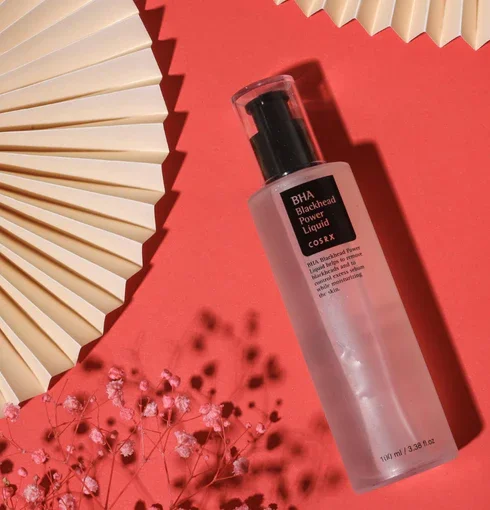
COSRX BHA Blackhead Power Liquid
Where to buy
A betaine salicylate-based exfoliating liquid designed primarily for blackhead and pore management.
4% betaine salicylate (a BHA derivative) for pore decongestion and reduction of blackheads
67.8% willow bark water as a soothing base with mild exfoliating support
Niacinamide to assist with oil regulation and post-acne mark improvement
Betaine and panthenol to help offset dryness and reduce irritation risk
Best for: Oily or combination skin with blackheads and clogged pores that prefers a gentler BHA alternative to pure salicylic acid.
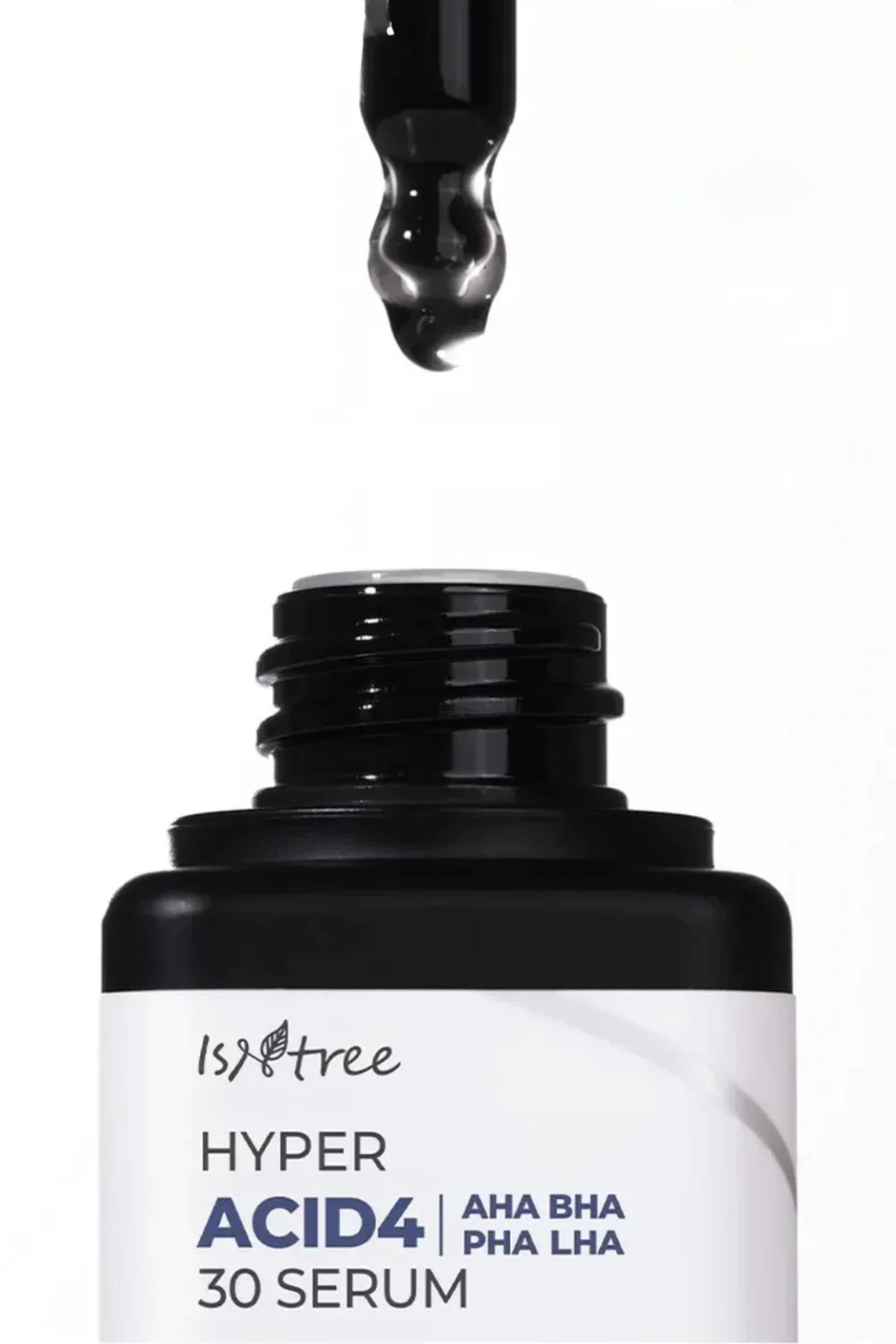
Isntree Hyper Acid 4 AHA BHA PHA LHA 30 Serum
Where to buy
A high-strength, multi-acid wash-off exfoliant combining AHA, PHA, BHA, and LHA for intensive resurfacing.
15.3% AHA (glycolic, lactic, citric acids) for strong surface exfoliation and texture smoothing
14.61% PHA (gluconolactone) for larger-molecule exfoliation with slightly lower irritation potential
0.1% BHA plus 0.01% LHA for additional pore-focused exfoliation
Includes niacinamide and allantoin to provide minimal soothing support within a high-acid formula
Best for: Thickened, congested, or acne-prone skin with good acid tolerance seeking periodic intensive exfoliation rather than daily use.
Apply the exfoliant and leave it on for 1–2 minutes, then rinse thoroughly. If using your daily BHA instead, apply slightly more than usual and wait about 10 minutes before moving to the next step.
Step 2: Clay Mask
Next, use a clay mask to draw out oil from deep within your pores. Great options include:
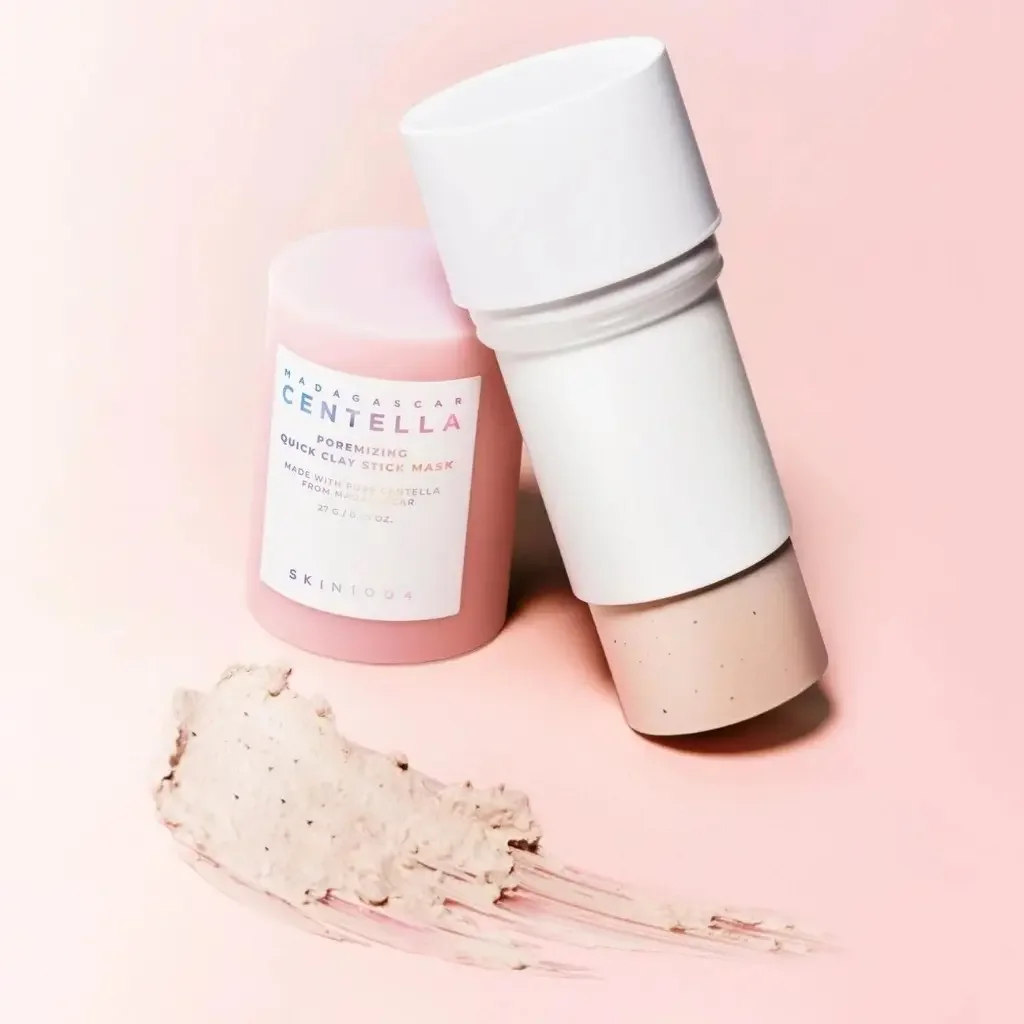
SKIN1004 Madagascar Centella Poremizing Quick Clay Stick Mask
Where to buy
A stick-format clay mask combining oil-absorbing clays with Centella for convenient pore care.
8% kaolin with bentonite, illite, and montmorillonite for sebum absorption and surface detoxification
4.9% Centella Asiatica extract to reduce irritation and support barrier comfort
Calamine to help calm redness and control shine
Solid stick format for targeted, mess-free application
Best for: Oily or combination skin needing quick, localized oil control with lower irritation risk compared to traditional clay masks.
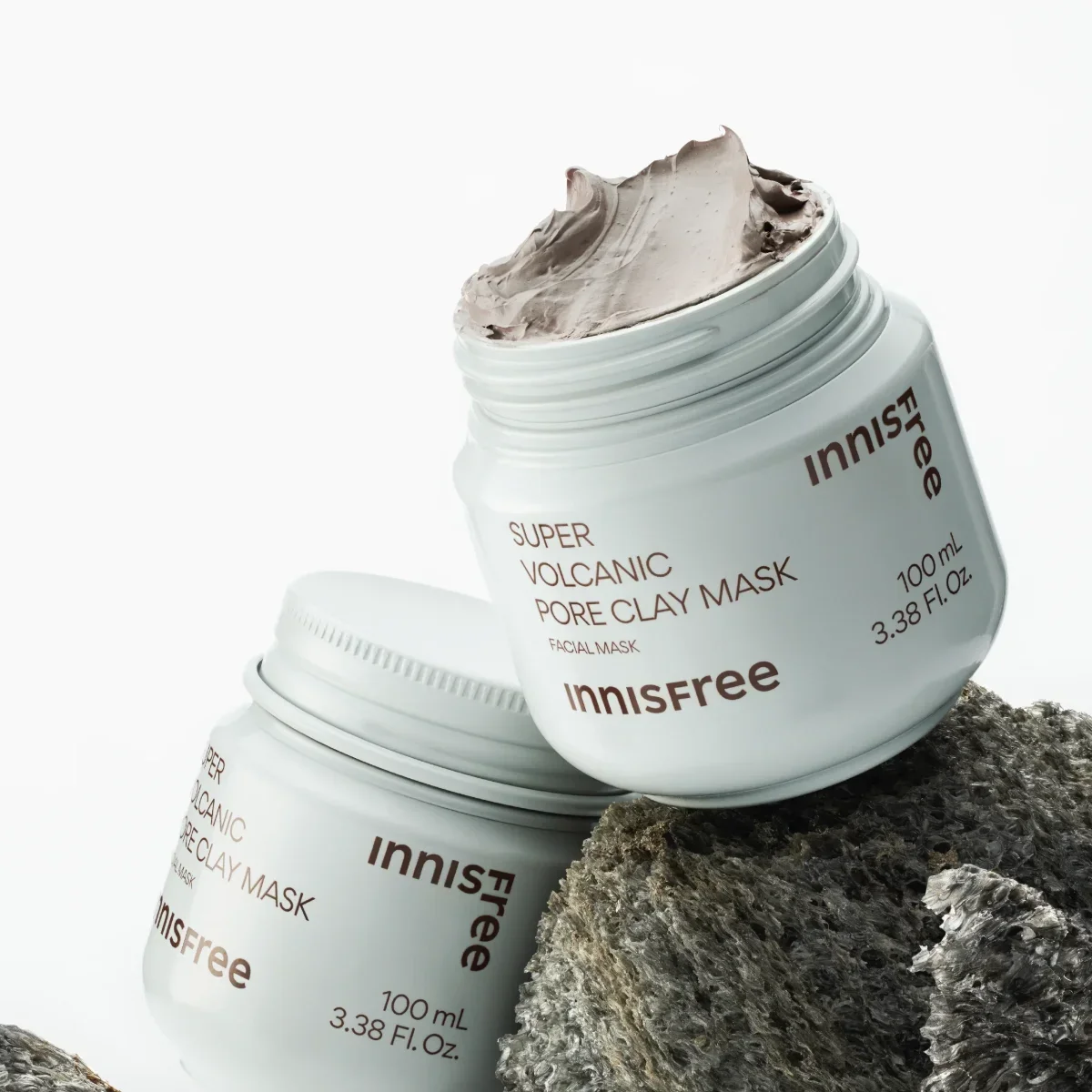
INNISFREE Super Volcanic Pore Clay Mask
Where to buy
A high-absorption clay mask centered on volcanic ash and multiple sebum-binding agents.
Volcanic ash (20,540 ppm), kaolin, and bentonite for intensive sebum absorption and pore purification
Silica and walnut shell powder for additional oil control and mild physical exfoliation
Contains lactic acid for light surface smoothing support
Film-forming base (polyvinyl alcohol) contributing to the tightening effect during drying
Best for: Oily, seborrheic, and congestion-prone skin that tolerates stronger, more absorbent clay masks.
Leave on according to instructions, then rinse off (or peel off if it’s a peelable mask). Clay helps keep your pores clear and supports overall skin balance.
Step 3: Oil Cleanser or Cleansing Balm
Finally, finish with an oil cleanser or cleansing balm. Oil dissolves oil, so this step removes any remaining sebum from your pores. Recommended options:
Medicube Zero Pore Blackhead Deep Cleansing Oil

Where to buy
A plant-oil based cleansing oil formulated for makeup removal with added pore-focused actives.
Blend of soybean, grape seed, olive, jojoba, and other botanical oils for effective sebum and sunscreen dissolution
Contains LHA (capryloyl salicylic acid) and willow bark extract for mild pore-targeted exfoliation support
Niacinamide and Centella derivatives for additional soothing and tone support
Includes fragrance and multiple botanical extracts, which may increase irritation risk in sensitive skin
Best for: Oily or congestion-prone skin looking for a first cleanse with added mild exfoliating support, provided fragrance tolerance is good.
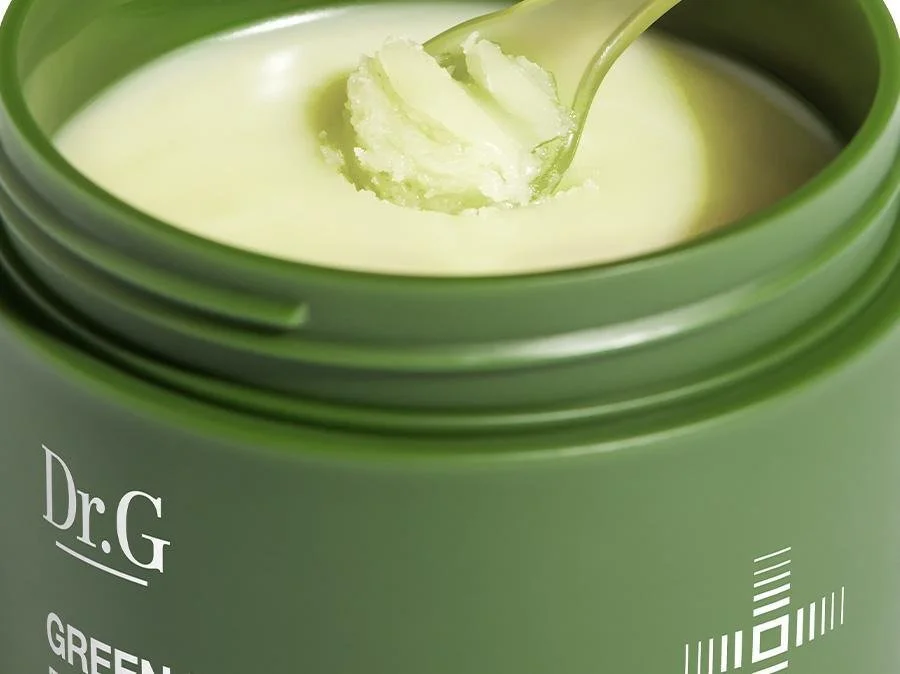
Dr.G Green Deep Pore Cleansing Balm
Where to buy
An emollient-based cleansing balm formulated to dissolve makeup and excess sebum with a rinse-off finish.
Ester-rich base (cetyl ethylhexanoate, ethylhexyl palmitate) for efficient breakdown of sunscreen and long-wear makeup
Emulsifiers allow thorough rinsing without heavy residue
Contains grape seed oil and tocopherol for mild antioxidant support
Includes fragrance and multiple botanical extracts, which may not suit highly sensitive skin
Best for: Normal to oily skin types seeking a thorough first cleanse, provided there is no sensitivity to fragrance.
Gently massage for 1–2 minutes, then rinse with your regular cleanser.
Quick SOS “Spa at Home” Summary:
BHA exfoliant
Clay mask
Oil cleanser
This three-step routine is a fast, effective way to reduce blackheads and give your skin a visible refresh, while still being gentle and safe.
Final Thoughts: Take the Next Step in Your Skincare Journey
Blackheads don’t have to control your skin. With the right approach, gentle Korean skincare, and a little consistency, clearer and smoother skin is absolutely achievable.
For more skincare tips and inspiration, explore my other blogs or follow me on Instagram for daily guidance. And if you’d like personalized help, I offer one-on-one skincare consultations designed around your skin type, concerns, and goals.

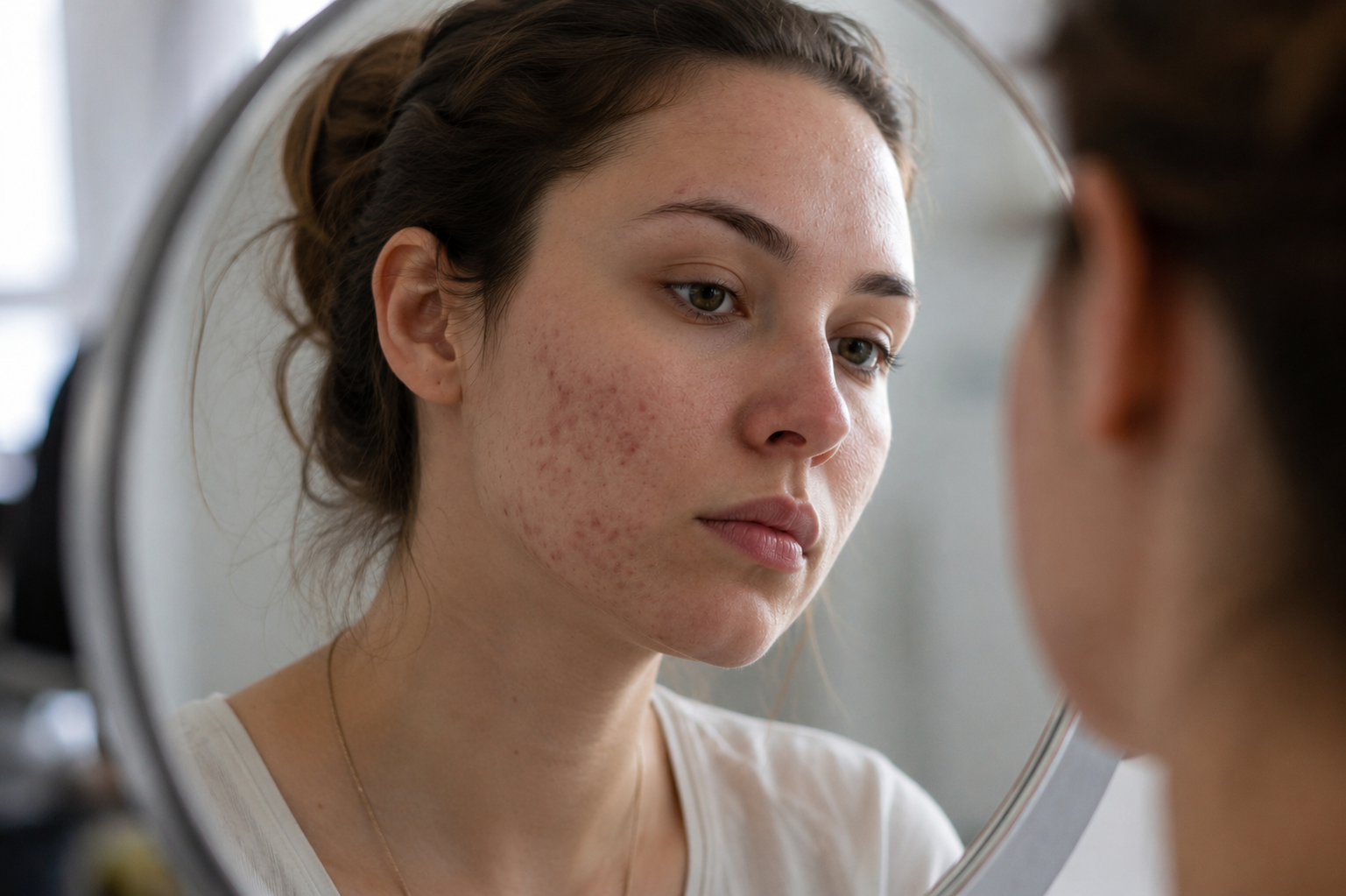


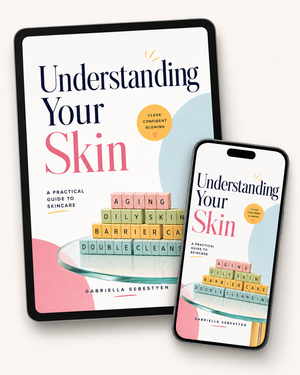
Understanding Your Skin
A Practical Guide to Skincare
I wrote Understanding Your Skin to help you build an effective skincare routine with confidence. This illustrated guide explains skin types, ingredients, and routines in a practical, evidence-based way that's easy to understand and apply.
- Written by a physician
- 120-page illustrated guide
- Evidence-based skincare guidance
- Sample routines & product recommendations

Adult acne in your 30s and 40s: what causes it, how it differs from teenage acne, and how to build a practical Korean skincare routine.