Top Skincare Trends for 2026 and the Ingredients Driving the Shift
Skincare trends in 2026 are moving away from stronger acids and quick-fix routines toward skin longevity, barrier resilience, regenerative ingredients, and smarter delivery systems. Korean skincare is playing a major role in this shift, with growing interest in ingredients such as PDRN, peptides, growth factors, exosomes, NAD⁺, and advanced retinoids.
In this guide, I’ll look at the biggest skincare trends shaping 2026, the ingredients behind them, and which innovations are genuinely worth paying attention to.
Key Takeaways
✓ Skincare trends for 2026 focus on skin longevity, barrier repair, and regenerative ingredients.
✓ PDRN, NAD+, peptides, and growth factor technologies continue to gain momentum in Korean skincare.
✓ Multi-ceramide systems, ectoin, and postbiotics reflect the growing emphasis on barrier resilience.
✓ Modern skincare is shifting away from aggressive correction and toward long-term skin health.
✓ The most promising ingredients support recovery, hydration, and cellular communication rather than rapid exfoliation.
Some links are affiliate links. If you choose to purchase through them, it helps support my work at no extra cost to you.
Three Core Directions Defining 2026
Longevity-Focused Skincare and Cellular Support
NAD+ and NMN
PDRN
Functional Peptides
Skin Barrier Repair and Resilience
Ectoin
Multi-Ceramide Lipid Systems
Postbiotics
Polyglutamic Acid (PGA)
Regenerative Signaling and Controlled Renewal
Growth Factor Mimetics
Exosome-Inspired Complexes
Hypochlorous Acid (HOCl)
1. Longevity-Focused Skincare and Cellular Support
Traditional anti-aging skincare mostly focuses on visible changes such as wrinkles, pigmentation, texture, and loss of firmness. Longevity-focused skincare looks a little deeper at the biological processes that contribute to those changes over time.
Research on the hallmarks of skin aging includes processes such as mitochondrial dysfunction, cellular senescence, altered communication between cells, and reduced ability to respond to damage.
As these changes accumulate, the skin may show:
Slower Recovery: Skin can take longer to recover from irritation or environmental stress.
Structural Changes: Collagen and other components of the extracellular matrix gradually decline.
Reduced Resilience: Barrier function and the ability to cope with external stress can become less efficient.
The "Smart-Aging" Approach
Instead of focusing only on correcting visible damage, smart aging also aims to maintain skin function and resilience for as long as possible.
This is where ingredients such as NAD⁺-related compounds, PDRN, peptides, and other regenerative-focused technologies are becoming increasingly interesting. The evidence behind them varies considerably, so they should still be viewed as supportive additions rather than replacements for established ingredients such as retinoids, antioxidants, and sunscreen.
The articles below explore these different approaches to skin longevity, from barrier protection and cellular support to some of the newer ingredients appearing in modern anti-aging skincare.




NAD+ and NAD-Boosters
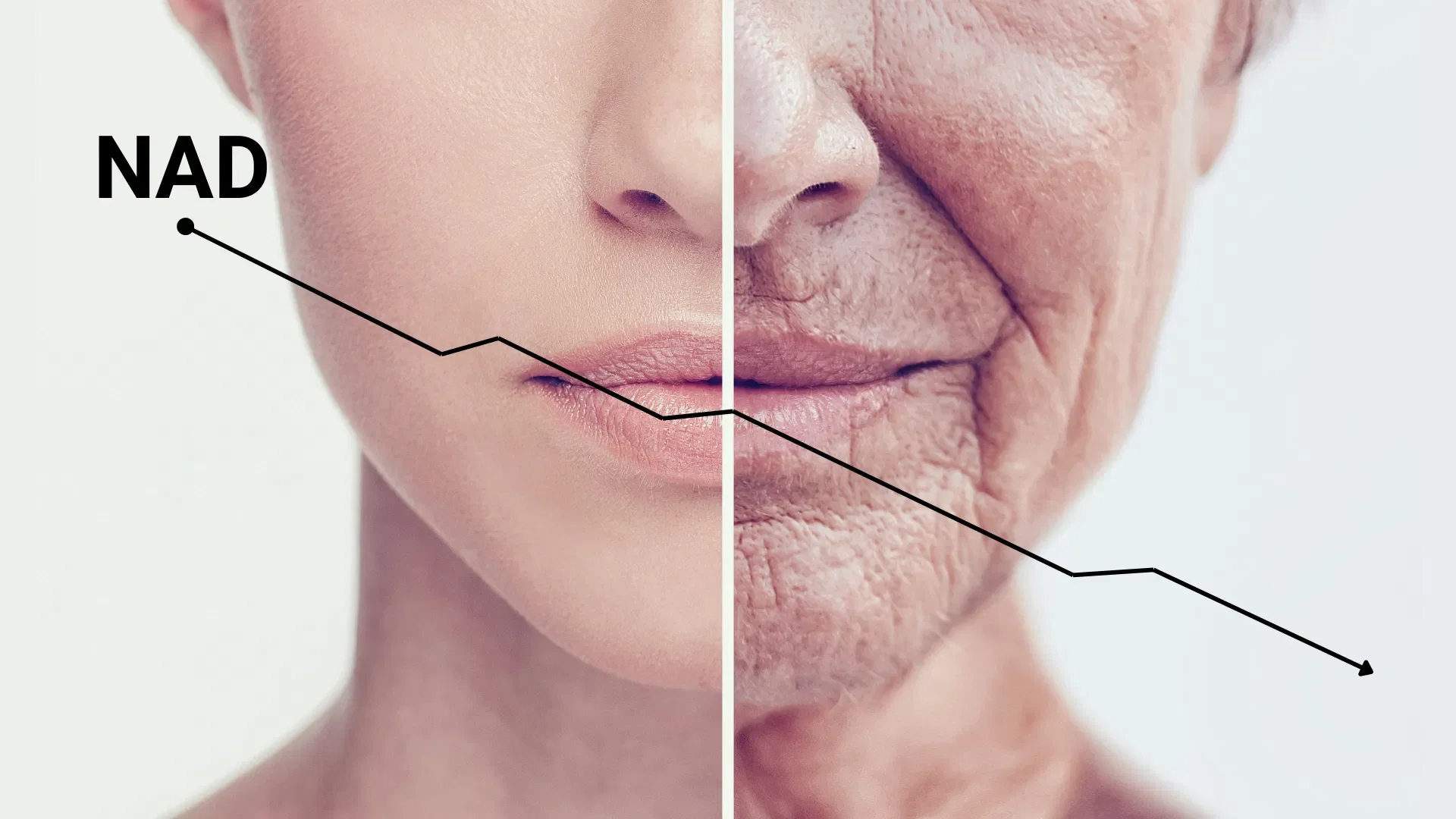
NAD⁺ is a coenzyme involved in cellular energy metabolism, DNA repair, and other processes linked to skin aging. NAD⁺ levels appear to decline in some aging tissues, although human evidence is still more limited and tissue-specific than marketing often suggests.
Why It Is Interesting for Skincare
Cellular Energy: NAD⁺ is essential for metabolic reactions that allow cells to produce and use energy.
DNA Repair: NAD⁺ is required by several enzymes involved in responding to cellular and UV-related damage.
Skin Aging Research: The NAD⁺ pathway is increasingly being explored as a target for maintaining cellular function with age.
What to Look For
Topical NAD⁺ is difficult to formulate because stability and skin delivery remain challenges, so brands are experimenting with several approaches:
NMN (Nicotinamide Mononucleotide): A direct NAD⁺ precursor. Early 2025 research found that NMN could permeate an artificial skin membrane and increased type I collagen production in cultured fibroblasts, although this is not yet proof of visible benefits in human skin.
Niacinamide: A well-established vitamin B3 ingredient that also contributes to NAD⁺ metabolism and has much stronger human topical evidence for barrier support, pigmentation, and signs of aging. Topical niacinamide has been studied extensively in skincare.
Liposomal NAD⁺: Encapsulation is being investigated as a way to improve NAD⁺ stability and delivery, but the evidence is still largely experimental rather than clinical.
For a more detailed explanation of what the evidence actually shows, see my guide to NAD⁺ and NMN in skincare.
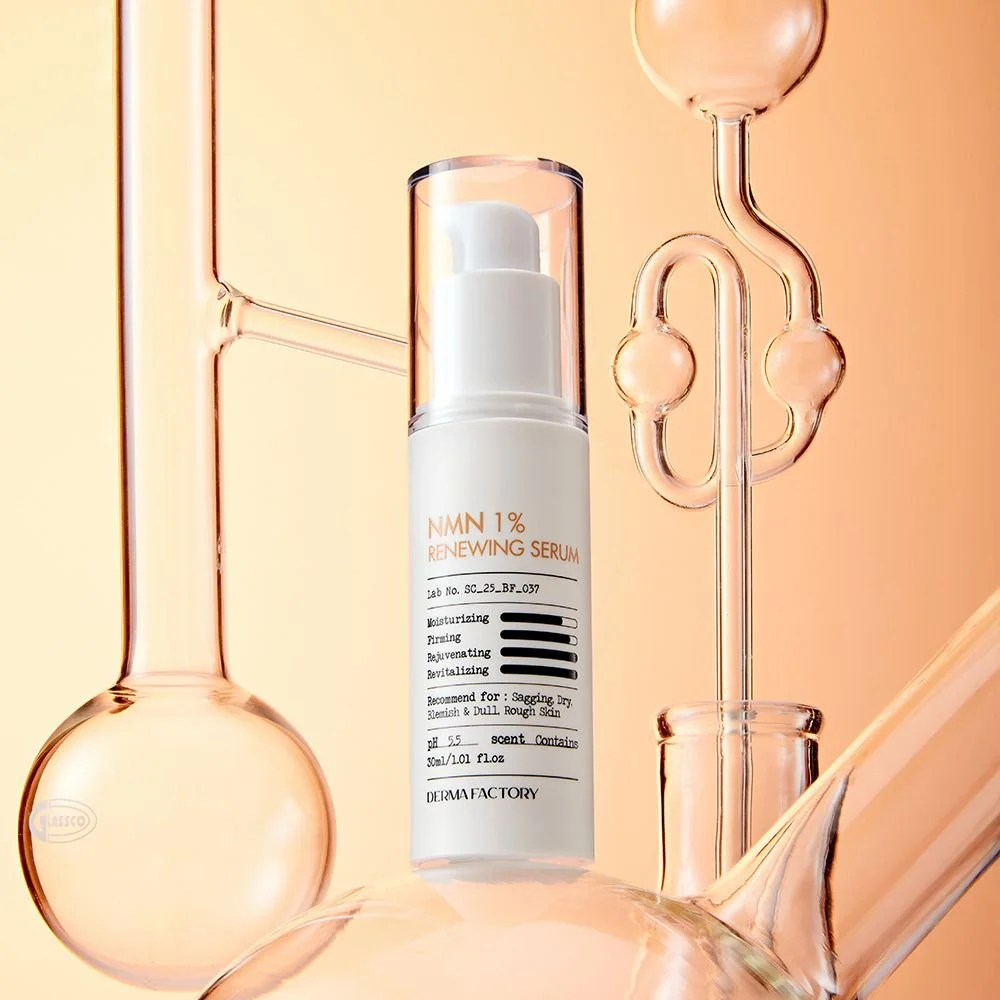
Derma Factory NMN 1% Renewing Serum
Where to buy
Contains 1% NMN and 0.1% NAD, both clearly listed in the INCI. The formula pairs these with niacinamide and resveratrol, creating a coherent antioxidant and barrier-support structure.
Additional benefits include:
Squalane for lightweight lipid support
Panthenol and Allantoin to calm irritation
Multiple forms of hyaluronic acid for hydration
Niacinamide to support tone and barrier function
The texture is emulsion-based with moderate richness.
Best for: Normal to dry skin or combination skin leaning dry. May feel slightly rich for very oily skin types.
Cos De BAHA 10% NAD+ & Matrixyl 3000 & EGF & FGF Serum

NAD sits high in the INCI, so it’s clearly included in a meaningful amount. The “10% NAD+” claim likely doesn’t refer to pure NAD, but the placement still suggests a relatively high concentration.
Additional benefits include:
Matrixyl 3000 to help support skin firmness over time
Growth factor–related peptides that assist skin repair processes
Niacinamide to strengthen the barrier and regulate oil production
Panthenol and Allantoin to calm and reduce visible irritation
Hyaluronic acid to maintain surface hydration
Lightweight, water-based texture without added lipids.
Best for: Normal, combination, and oily skin types seeking NAD support in a lighter format.
PDRN
PDRN is a mixture of DNA fragments, traditionally derived from salmon, with a much longer history in regenerative medicine than in topical skincare.
Topical Application vs. Injectable Reality
Injectable PDRN delivers the material directly into tissue, while topical products first have to overcome the skin barrier. This is why we should not assume that a PDRN serum will reproduce the effects seen with injections.
However, topical research is beginning to move forward. A 2026 study found that a specifically formulated medium-length PDRN reached viable epidermal layers and, in a small human trial, improved several measures of periocular photoaging. This is encouraging, but it was one specialized 0.1% PDRN formulation, so the results cannot automatically be applied to every PDRN serum on the market.
For now, topical PDRN is most interesting for:
Skin Recovery: Emerging research suggests potential effects on pathways involved in tissue repair and extracellular matrix support.
Barrier Support: Early topical studies, including research on low-molecular-weight PDRN, suggest possible improvements in barrier recovery.
Healthy Aging: PDRN is increasingly being incorporated into formulas designed around resilience, hydration, and overall skin quality rather than aggressive resurfacing.
So I would still keep expectations realistic. Topical PDRN is a promising emerging ingredient, not a topical equivalent of injectable PDRN, and formulation, molecular size, concentration, and delivery system may all influence what it can actually do.
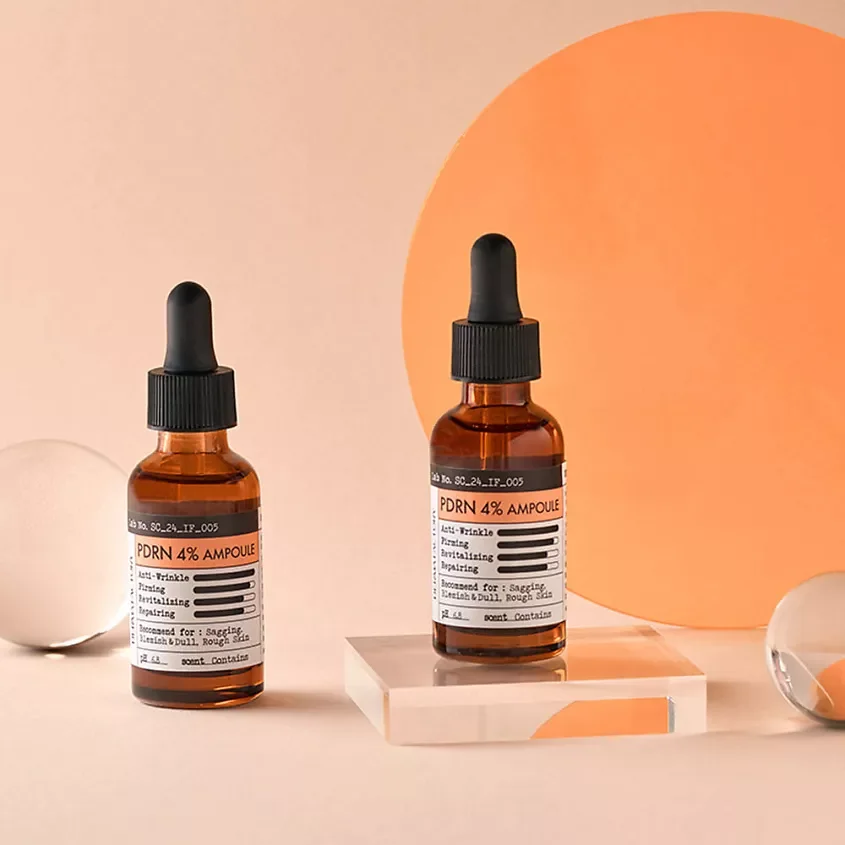
Derma Factory PDRN 4% Ampoule
Where to buy
Contains 4% PDRN (Sodium DNA), positioned high in the formula, along with a structured hydration base.
Additional benefits include:
Panthenol 1% to support barrier recovery
Hydrolyzed Wheat Protein 0.1% for surface conditioning
Proteoglycan complex 0.01% to enhance moisture retention
Niacinamide for tone support and barrier reinforcement
The texture is viscous and slightly dense, forming a noticeable hydration layer.
Best for:Dry, dehydrated, or compromised skin types. May feel heavy for very oily skin.
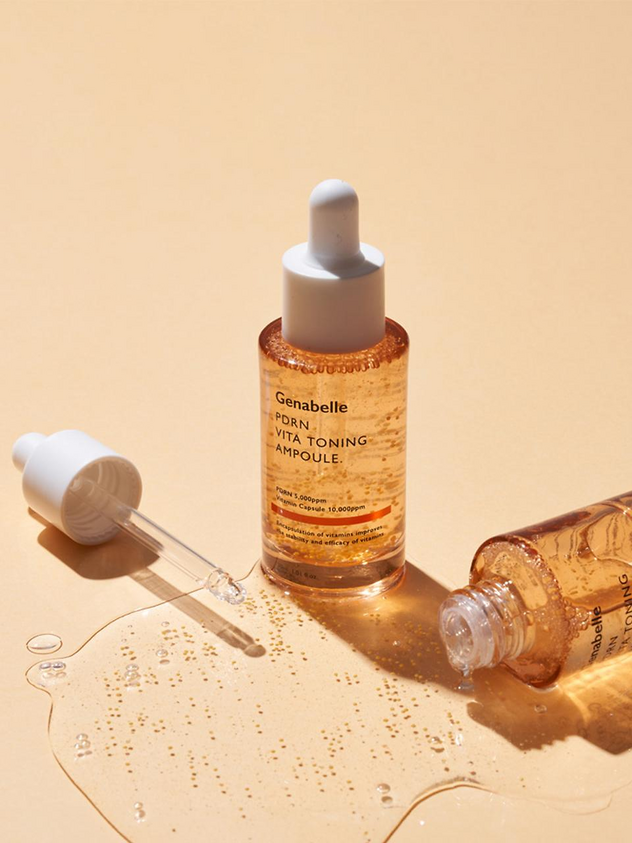
Genabelle PDRN Vita Toning Ampoule
Where to buy
Contains 5,000 ppm PDRN (0.5%) within a tone-focused formulation that incorporates encapsulated high-content vitamin complexes (10,000 ppm of stabilized B, C, and E derivatives).
Additional benefits include:
Niacinamide and Tranexamic Acid for tone improvement
Multiple forms of Hyaluronic Acid for layered hydration
Tripeptide-1 and Acetyl Hexapeptide-8 for structural support
Allantoin for calming
Lightweight texture with visible encapsulated vitamin particles.
Best for: Normal, combination, or dull skin types seeking tone support with added hydration. Suitable for most skin types except fragrance-sensitive individuals.
Peptides Supporting Cellular Function
Peptides are short chains of amino acids that can influence different biological processes in the skin. Depending on the peptide, they may support extracellular matrix production, antioxidant defenses, or cellular repair pathways without relying on exfoliation.
Peptides to Look for on the Label
Copper Tripeptide-1 (GHK-Cu): One of the most interesting regenerative peptides. Research suggests effects on collagen and extracellular matrix production, antioxidant activity, and tissue repair, although a recent systematic review found that human clinical evidence is still relatively limited compared with the amount of preclinical research.
Hexapeptide-11: Rather than specifically boosting mitochondria, research in human fibroblasts found effects on proteostasis, autophagy, antioxidant responses, and protection against oxidative-stress-induced cellular senescence. A small human assessment also reported improved skin elasticity.
Palmitoyl Tripeptide-1 + Palmitoyl Tetrapeptide-7: Often used together as Matrixyl 3000, these signal peptides are designed to support extracellular matrix components such as collagen. Clinical studies of peptide-containing formulas have reported improvements in wrinkles and skin elasticity, although results still depend heavily on the complete formulation.
For longevity-focused skincare, peptides are interesting because they offer supportive signaling rather than aggressive resurfacing, but they still belong alongside established anti-aging ingredients rather than replacing them.
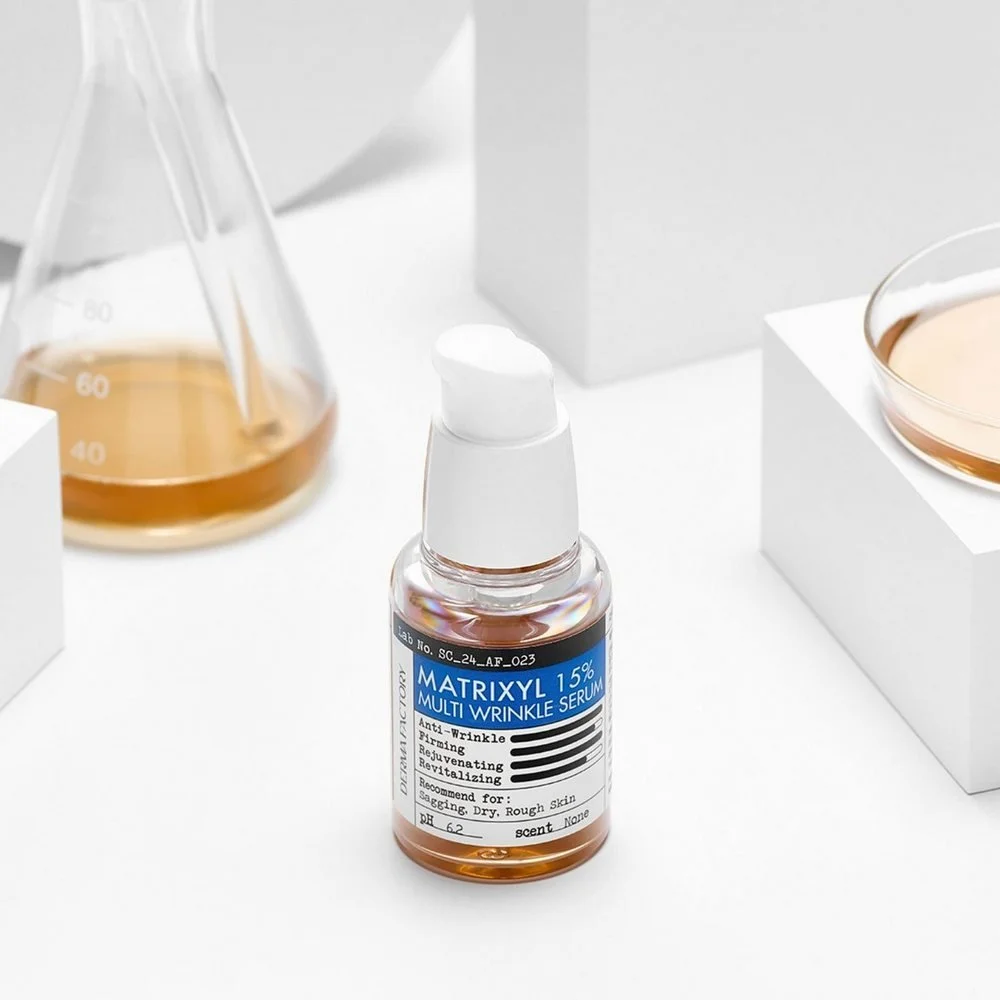
Derma Factory Matrixyl 15% Multi Wrinkle Serum
Where to buy
Highlights a 15% Matrixyl complex, combining Palmitoyl Tripeptide-1 and Palmitoyl Tetrapeptide-7, along with Acetyl Hexapeptide-8.
Additional benefits include:
Carnosine for antioxidant support
Niacinamide to support barrier function and tone
Adenosine to assist with wrinkle appearance
Glycerin and Hyaluronic Acid for hydration
Betaine for moisture balance
The formula is lightweight and water-based without heavy lipids.
Best for: Normal, combination, and oily skin types looking for peptide-focused support in a non-rich texture.
Mizon Peptide 500 Serum
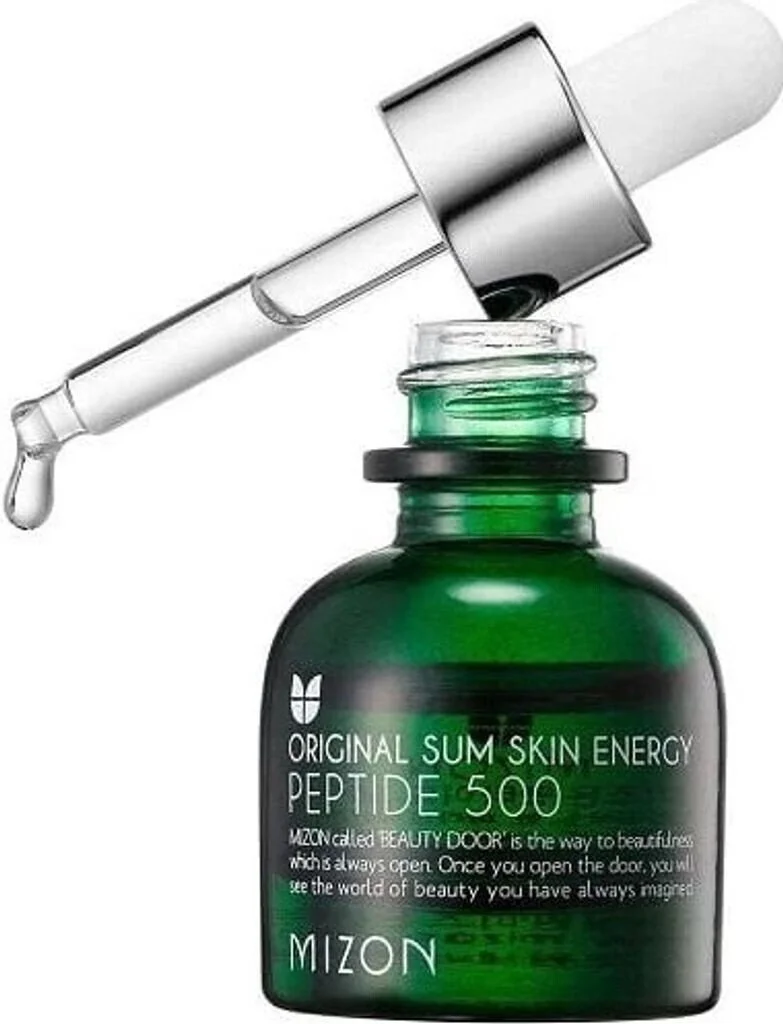
This formula combines Copper Tripeptide-1 (450 ppm) and Acetyl Hexapeptide-8 (0.05 ppm), focusing on peptide-based signaling rather than high-percentage actives.
Additional benefits include:
Adenosine to support wrinkle improvement
Beta-glucan for calming and moisture support
Hyaluronic acid for surface hydration
Centella asiatica extract for soothing
The texture is lightweight and water-based, absorbing quickly without residue.
Best for: Normal, combination, and mildly sensitive skin types looking for peptide support in a light, non-heavy serum. Suitable for oily skin due to the absence of added lipids.
2. Skin Barrier Repair and Resilience
The skin barrier is much more than a simple protective seal. It helps regulate water loss, interacts with immune and inflammatory pathways, and supports the environment in which the skin microbiome lives.
Barrier resilience describes how well the skin maintains these functions under stress and how efficiently it recovers afterward. Barrier dysfunction can contribute to chronic low-grade inflammation, which is one of the processes associated with skin inflammaging.
Signs Your Skin Barrier May Be Struggling
Common clues include:
Increased Water Loss: Skin becomes persistently dry, tight, or dehydrated as barrier function declines.
Stinging or Burning: Products that were previously comfortable may suddenly start to sting.
Persistent Redness or Irritation: Barrier disruption can make skin more reactive to environmental and cosmetic triggers.
Lower Active Tolerance: Retinoids, acids, or L-ascorbic acid may become much harder to use comfortably.
This is why barrier-focused skincare in 2026 is moving beyond simple moisturization. The goal is to support the lipid matrix, hydration, and recovery processes that help the skin remain stable under everyday stress.
Ectoin: The Biological Stress-Shield
Ectoin is an extremolyte, a small molecule produced by microorganisms to help them survive conditions such as high salinity, heat, and dryness. In skincare, it is interesting because it can help stabilize proteins and cell membranes while supporting hydration and barrier function.
The Hydration-Shell Mechanism
Ectoin works through a process known as preferential hydration. Rather than simply attracting water like a traditional humectant, it influences the organization of water around proteins and membranes, helping them maintain their structure under stress.
This may provide several useful effects:
Barrier Support: Topical ectoin has been associated with improved skin barrier function and reduced transepidermal water loss.
Environmental Stress Protection: Experimental research suggests ectoin can help protect cellular membranes and proteins from physical and chemical stress.
Sensitive-Skin Support: Clinical research with ectoin-containing formulas has found improvements in dryness and symptoms associated with compromised skin barriers, with generally good tolerability.
This makes ectoin particularly interesting for the 2026 barrier-resilience trend: it combines hydration with protection against environmental stress without relying on aggressive active ingredients.
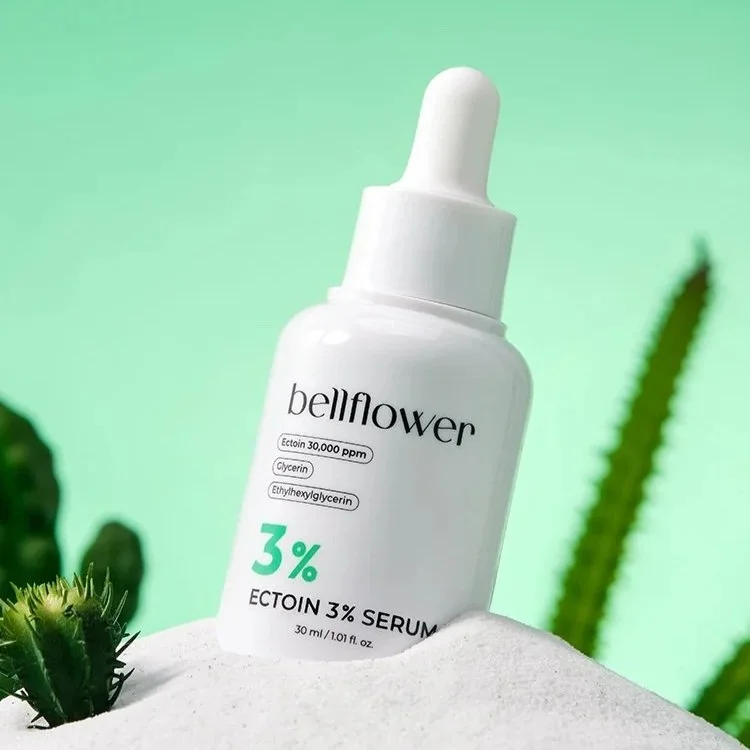
Bellflower Ectoin 3% Serum
Where to buy
Contains 3% Ectoin (30,000 ppm) in a minimal, water-based formula. At this concentration, ectoin functions as the clear central ingredient, focusing on cellular stabilization and hydration support without added lipids or heavy occlusives.
Additional benefits include:
Glycerin for humectant hydration
Dipropylene Glycol for moisture retention and spreadability
Simple stabilizing base without fragrance
The texture is lightweight and slightly viscous, absorbing quickly without residue.
Best for: Oily, combination, and sensitive skin types seeking ectoin in a minimalist format. Also suitable for layering in barrier-focused routines.
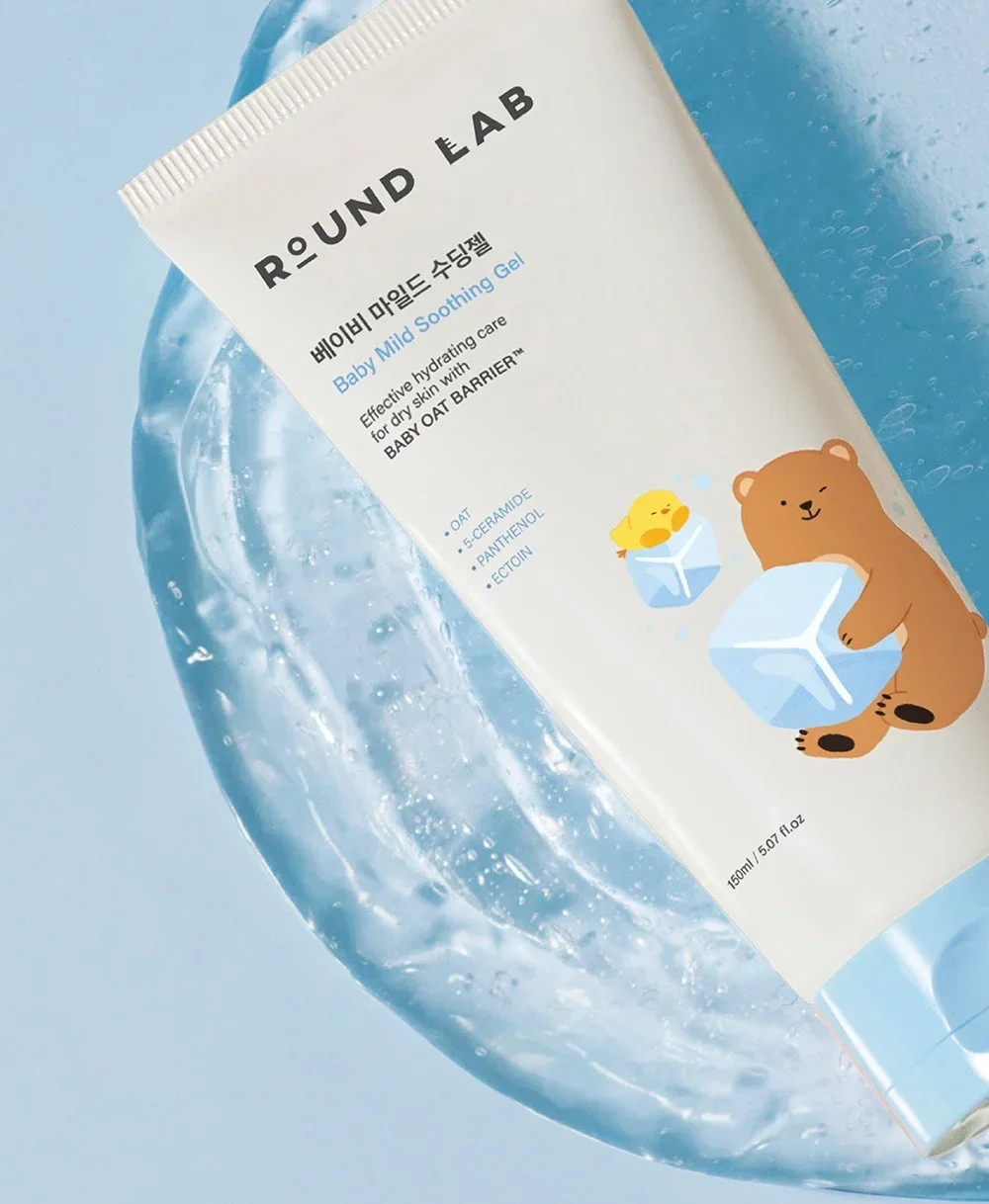
ROUND LAB Baby Mild Soothing Gel
Where to buy
Contains Ectoin within a multi-layered barrier-support formulation that combines Ceramide NP, AS, AP, NS, and EOP, along with cholesterol and fatty acids to support lipid structure.
Additional benefits include:
Panthenol and Beta-glucan for soothing
Oat extract and botanical complexes for calming support
Hydrogenated lecithin to assist lipid organization
The texture is gel-based but melts into a watery finish upon application, leaving hydration without heaviness.
Best for: Dry, sensitive, or barrier-compromised skin that needs structured lipid support in a lightweight-feeling format. May also suit combination skin when applied in moderate amounts.
Multi-Ceramide Lipid Matrices
Ceramides make up roughly 50% of the lipids in the stratum corneum and work alongside cholesterol and free fatty acids to form the organized lipid layers responsible for limiting water loss and protecting the skin from the outside environment. Research on epidermal lipids describes this combination as central to normal barrier function.
The skin also contains many different ceramide species, which is why newer barrier formulas increasingly use multiple ceramide types rather than relying on Ceramide NP alone.
Why the Lipid Ratio Matters
Barrier repair depends on more than simply adding ceramides. Experimental research found that ceramides, cholesterol, and free fatty acids work best when supplied together in appropriate proportions.
Ceramide Diversity: Different ceramide subclasses contribute to the complex organization of the stratum corneum lipid matrix.
Physiological Lipid Blends: Combining ceramides with cholesterol and fatty acids more closely reflects the skin’s natural barrier composition.
Formulation Matters: Simply listing ceramides on an ingredient list is not enough. A 2024 review emphasizes that proper incorporation and organization of ceramides within the finished formula are important for barrier-repair performance.
The Structural Shift
This is why modern barrier skincare increasingly treats ceramides as part of a structured lipid system rather than just another moisturizing ingredient. The goal is to support the organization of the stratum corneum and improve its ability to retain water and resist environmental stress.
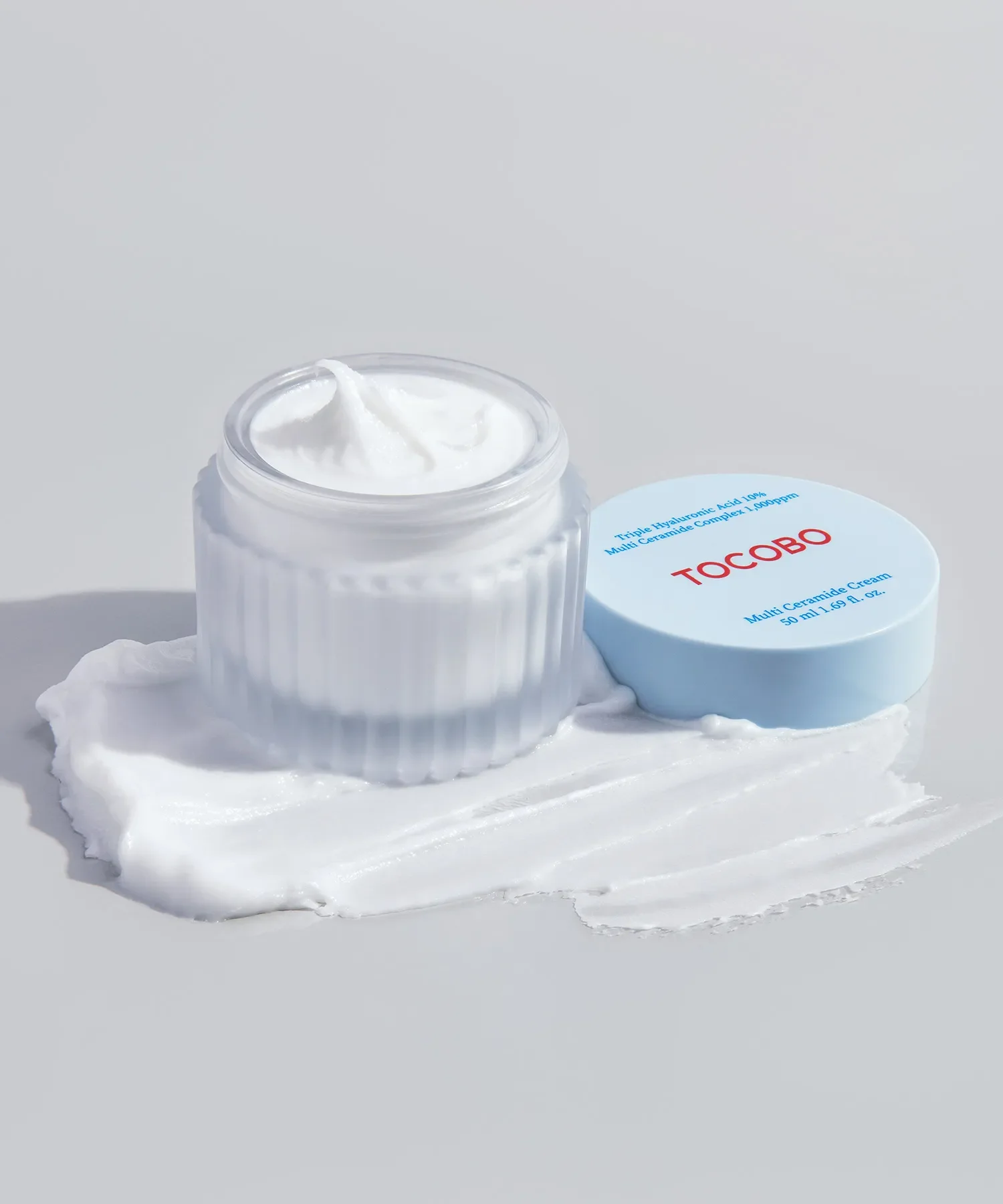
TOCOBO Multi Ceramide Cream
Where to buy
This cream combines Ceramide NP, NS, AP, AS, and EOP, alongside cholesterol and phytosphingosine, forming a structured multi-ceramide lipid matrix. The inclusion of all five ceramide types reflects a barrier-reinforcement approach rather than relying on ceramide NP alone.
Additional benefits include:
Shea butter for added occlusive support
Hydrogenated lecithin to assist lipid organization
Panthenol and Beta-glucan for soothing
Multiple forms of hyaluronic acid for hydration
The texture is creamy with noticeable richness due to shea butter and triglycerides, forming a protective lipid layer.
Best for: Dry, barrier-compromised, or mature skin. Likely too heavy for oily or acne-prone skin unless used sparingly at night.
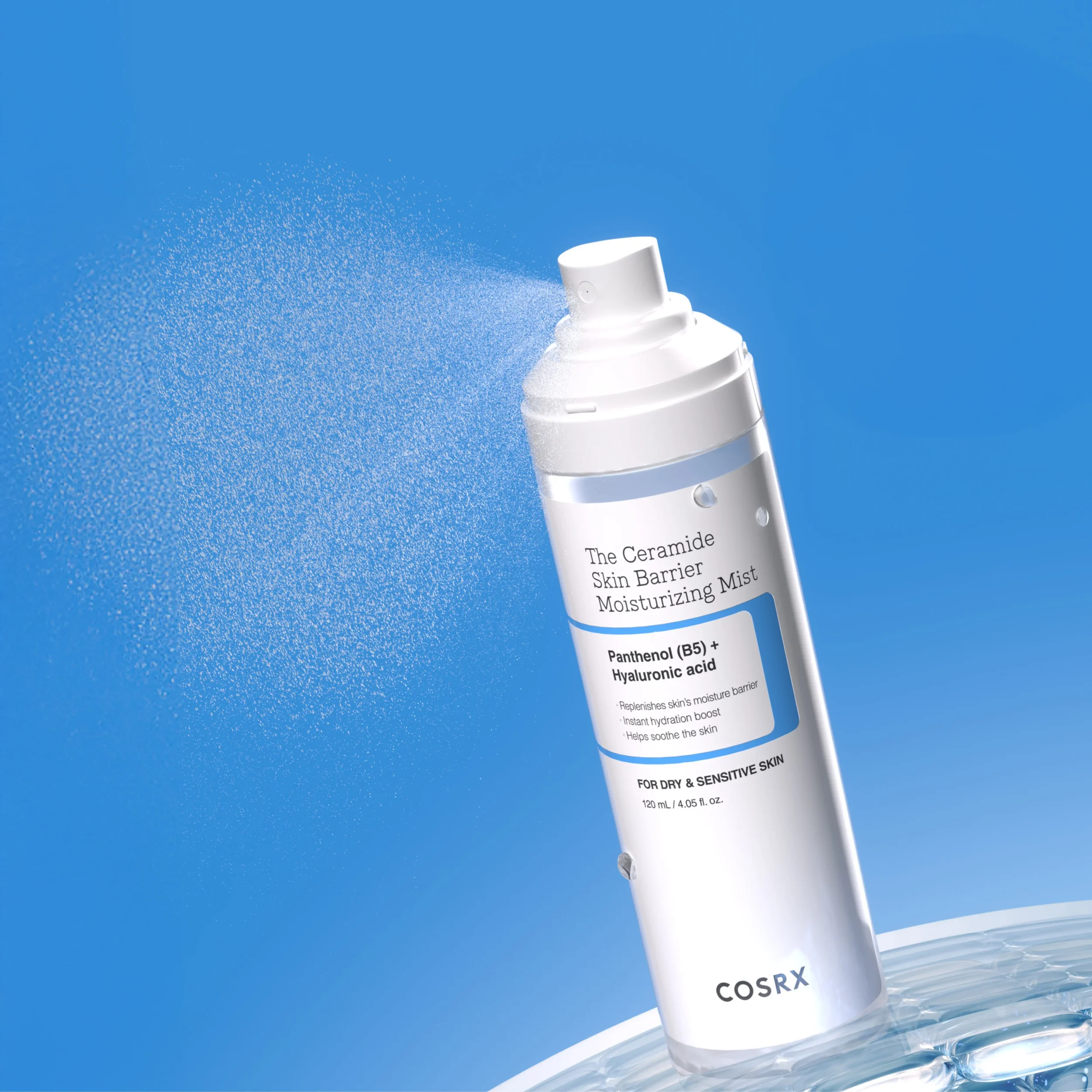
COSRX The Ceramide Skin Barrier Moisturizing Mist
Where to buy
Contains Ceramide NP, NS, AP, AS, and EOP, combined with cholesterol and phytosphingosine in a lighter, emulsion-type mist format. This allows for barrier lipid support in a more flexible delivery system.
Additional benefits include:
Squalane and triglycerides for lightweight lipid reinforcement
Panthenol and Allantoin for calming
Amino acids and PCA components for natural moisturizing factor support
Multiple forms of hyaluronic acid for layered hydration
The texture is a fine mist that distributes a light emulsion, leaving hydration without heaviness. It can be reapplied throughout the day without disrupting makeup.
Best for: Normal, combination, and dehydrated skin types that want barrier support in a lightweight, reapplicable format. Suitable even for oilier skin due to the mist delivery.
Postbiotics and Fermentation Byproducts
Postbiotics are non-living microorganisms, microbial components, or metabolites produced during fermentation that may still have biological activity when added to skincare. They are increasingly used because live probiotics are technically difficult to keep stable in conventional cosmetic formulations.
Postbiotics vs. Fermented Ingredients
These categories overlap, but they are not exactly the same:
Fermented Ingredients: Plant or other raw materials are fermented by microorganisms, which can change their chemical composition and generate new metabolites.
Postbiotics: Non-living microbial cells, lysates, cell components, or metabolites derived from microorganisms. Ingredients such as Bifida Ferment Lysate fall broadly into this microbiome-focused category.
Why They Are Interesting for Barrier Resilience
Research is still developing, but certain postbiotic ingredients show promising effects on the skin barrier and inflammatory pathways.
Barrier Support: In laboratory research, Bifida Ferment Lysate increased the expression of barrier-related proteins including filaggrin, loricrin, and involucrin.
Inflammatory Support: The same research found effects on inflammatory mediators and oxidative stress, although these results came from cell models rather than human clinical trials.
Microbiome-Focused Skincare: Clinical and experimental research suggests that some prebiotic and postbiotic formulas may influence skin hydration, barrier function, and microbiome composition, but benefits depend heavily on the specific strain-derived ingredient and finished formula.
This makes postbiotics an interesting part of the 2026 barrier trend, but “postbiotic” alone does not guarantee microbiome repair or better skin. The specific microbial derivative, concentration, formulation, and supporting evidence still matter.
For a deeper look at how fermentation changes skincare ingredients, see my guide to fermented ingredients in Korean skincare.
Ma:nyo Factory Bifida Biome Complex Ampoule

Where to buy
Centers around a multi-ferment postbiotic system, including Bifida Ferment Lysate, Bifida Ferment Filtrate, Lactobacillus Ferment Lysate, Lactococcus Ferment Lysate, and Saccharomyces Ferment (Kombucha).
Additional benefits include:
Multiple forms of hyaluronic acid for layered hydration
Squalane for lightweight lipid support
Centella-derived compounds for calming
Copper tripeptide-1 and Acetyl Hexapeptide-8 for added signaling support
Antioxidants such as green tea extract
The texture is slightly viscous but absorbs well, leaving a hydrated finish without heaviness.
Best for: Normal to dry skin and combination skin seeking microbiome-focused support. May be too layered for very oily skin in humid climates.
Benton Fermentation Essence
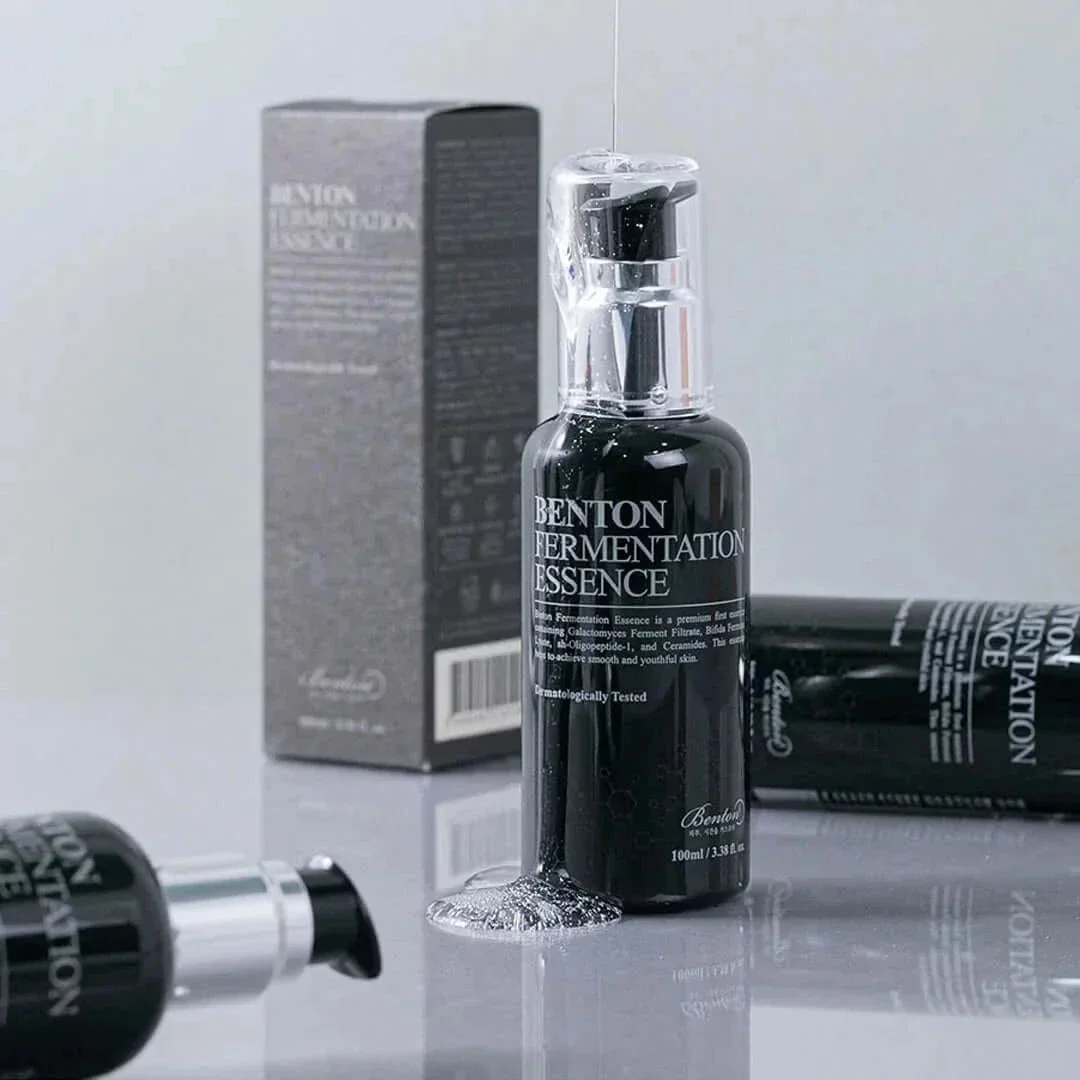
Built around Bifida Ferment Lysate and Galactomyces Ferment Filtrate, focusing on barrier-supportive fermentation rather than a high-density multi-ferment blend.
Additional benefits include:
Ceramide NP for barrier reinforcement
Panthenol and Allantoin for calming
Hyaluronic acid for hydration
Multiple peptides for structural support
Aloe for soothing
The texture is lightweight and essence-like, absorbing quickly without residue.
Best for: Normal, combination, and slightly sensitive skin types that want postbiotic support in a lighter format. Suitable for oily skin due to its minimal lipid load.
Polyglutamic Acid (PGA): The Moisture Sealant
Polyglutamic acid is a water-binding biopolymer produced through bacterial fermentation. Higher-molecular-weight forms can create a light film on the skin surface, helping reduce moisture loss and keep the skin feeling hydrated for longer.
Beyond Surface Hydration
What makes PGA particularly interesting for barrier-focused skincare is that its effects may extend beyond simple water binding:
Moisture Retention: Human testing summarized in a recent review found that PGA-containing formulas improved skin water retention and hydration.
Barrier Support: Newer laboratory research found that γ-PGA increased several barrier-related proteins, including filaggrin and involucrin, while also increasing hyaluronic acid synthesis. These findings come from keratinocytes and reconstructed skin rather than a large human trial.
NMF Support: Research suggests PGA may influence the production of natural moisturizing factors such as PCA, lactic acid, and urocanic acid, although this area still needs stronger clinical confirmation.
Dewy Finish: Its film-forming properties can leave the surface looking smoother and more hydrated, which helps explain why PGA appears frequently in “glass skin” formulas.
PGA is therefore most useful as an additional hydration and barrier-support ingredient, especially when skin feels dehydrated despite using lightweight humectants. It does not replace ceramides or a good moisturizer, but it can help make hydration last longer without adding a heavy occlusive layer.
Isntree Aloe Soothing Gel (Moisture)
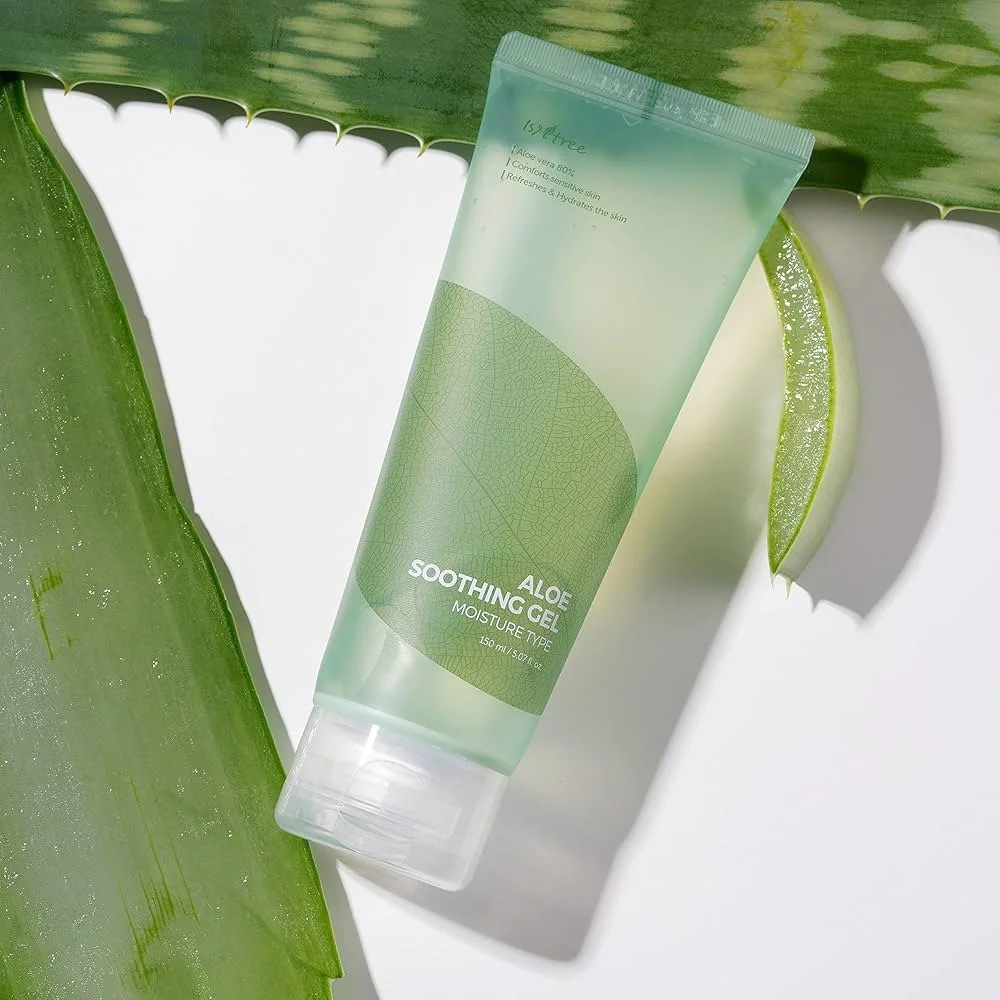
Contains Polyglutamic Acid within a high-aloe base, where it functions as an additional surface-level moisture-binding ingredient. Here, PGA supports hydration retention rather than acting as the primary structural component.
Additional benefits include:
Aloe leaf juice for soothing hydration
Glycerin and Butylene Glycol for humectant support
Panthenol and Allantoin for calming
Green tea, licorice, and centella extracts for antioxidant and soothing effects
Sodium Hyaluronate for added hydration layering
The texture is lightweight gel-based, absorbing quickly without residue.
Best for: Oily, combination, and sensitive skin types seeking light hydration. Suitable for layering in hot or humid climates.
Bonajour Peptide Water Cream
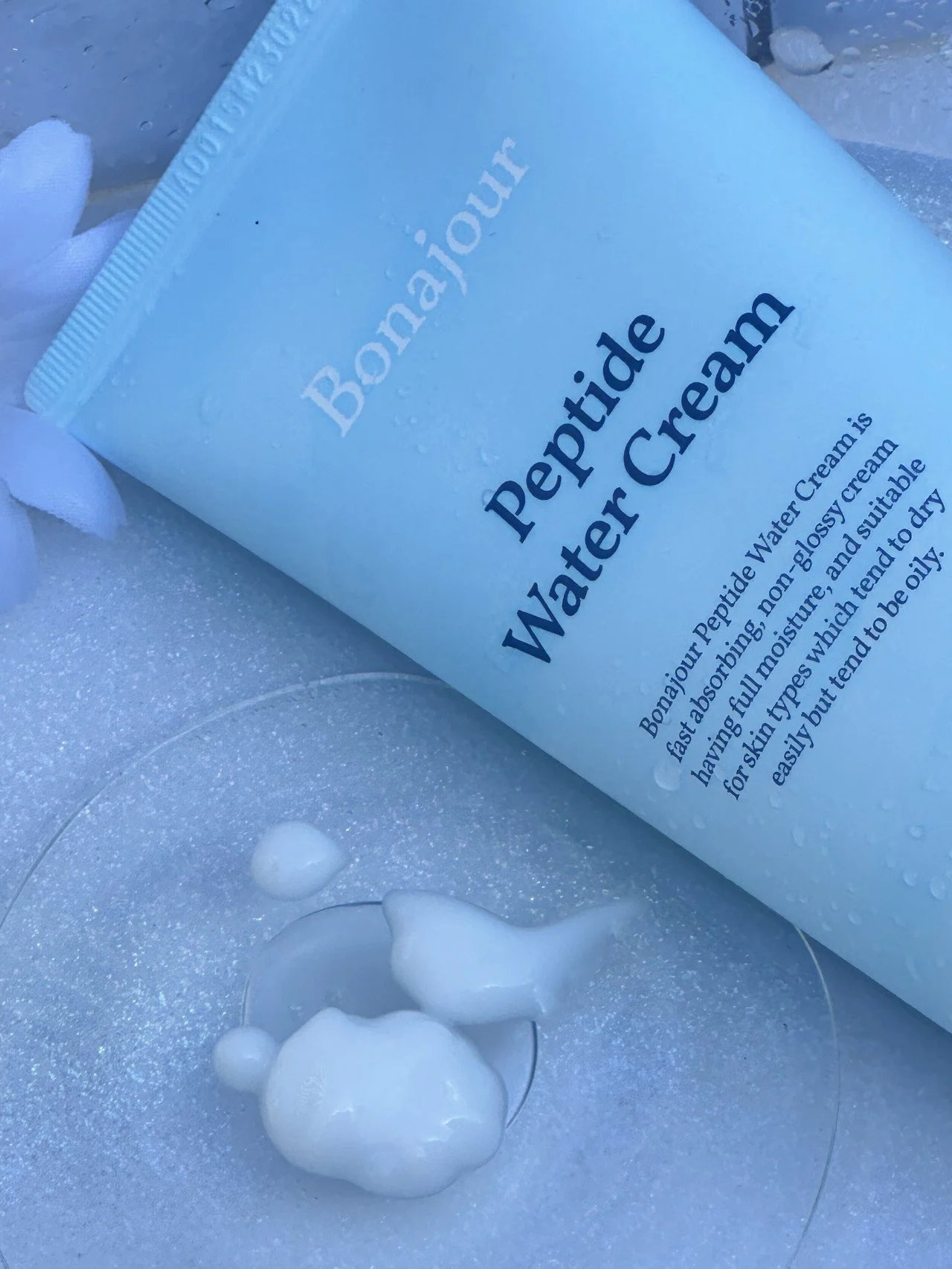
Includes Polyglutamic Acid alongside hyaluronic acid, positioning PGA within a structured hydration system rather than a simple gel formula.
Additional benefits include:
Squalane and sunflower seed oil for lightweight lipid support
Sodium Hyaluronate for hydration
Nicotinoyl Dipeptide-23 and Acetyl Hexapeptide-8 for peptide-based support
Panthenol and Allantoin for calming
Witch Hazel water for mild astringent effect
The texture is cream-to-water, offering more emollience than a gel but still relatively lightweight.
Best for: Normal to combination skin needing hydration with slight lipid support. May not suit very sensitive skin due to witch hazel content.
3. Regenerative Signaling and Controlled Renewal
While barrier-focused skincare mainly supports hydration and lipid structure, regenerative skincare looks at cellular communication, repair pathways, and extracellular matrix maintenance.
This is relevant because aging changes how keratinocytes, fibroblasts, immune cells, and other skin cells communicate with each other. A 2024 review on aging and skin cell communication describes alterations in signaling pathways involved in inflammation, collagen regulation, and responses to environmental stress.
Quality Over Speed
The goal is not simply to accelerate turnover. Instead, newer ingredients aim to influence processes involved in maintaining healthy skin structure and recovery.
Support Repair Signaling: Growth factors, peptides, and other signaling molecules may influence pathways involved in collagen production and tissue repair.
Improve Cell Communication: Extracellular vesicles such as exosomes are being studied because they carry proteins, lipids, and nucleic acids between cells.
Modulate the Skin Environment: Some emerging ingredients may influence inflammatory signaling, oxidative stress, or extracellular matrix remodeling.
This is one of the most interesting areas of modern skincare, but biological potential does not automatically translate into an effective topical product. Delivery, stability, concentration, and human clinical evidence still determine how meaningful these technologies actually are on the skin.
Growth Factors and Growth Factor Mimetics: The Repair Messengers
Growth factors are signaling proteins involved in cell growth, differentiation, repair, and extracellular matrix regulation. Topical use is challenging because these proteins are relatively large and can be unstable in cosmetic formulas, which is why delivery systems and smaller growth factor-like peptides are being explored.
Important Growth Factor Signals
EGF (Epidermal Growth Factor): Primarily acts on epidermal cells and is involved in proliferation and wound repair. Topical EGF has been studied for skin rejuvenation and repair, although the quality of clinical evidence varies.
FGF (Fibroblast Growth Factor): FGFs influence fibroblast activity and pathways involved in collagen, elastin, and dermal remodeling. Their role in skin aging and repair has been studied extensively at the cellular level.
IGF-1: Participates in cell growth, survival, and tissue homeostasis, but it has far less direct evidence as a topical cosmetic ingredient.
TGF-β: Plays an important role in extracellular matrix regulation and collagen signaling, but it is also a complex biological pathway rather than a straightforward “more collagen is better” target.
Some cosmetic peptides, often called matrikines or growth factor mimetics, are designed to reproduce parts of these signaling effects while being smaller and potentially easier to formulate and deliver. Matrikine-like peptides have been investigated as cosmetic alternatives to full-length growth factors.
Overall, topical growth-factor products are promising but still much less established than retinoids or sunscreen. A systematic review of 33 studies found modest improvements in fine lines, texture, and overall appearance, while also highlighting substantial differences between formulas and study quality.
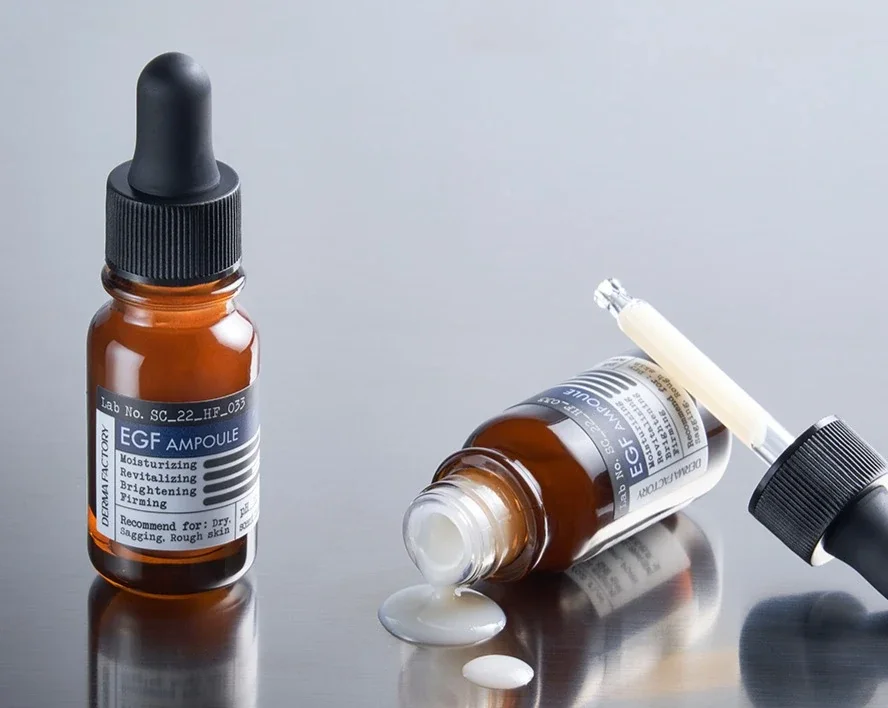
Derma Factory EGF Ampoule
Where to buy
Contains sh-Oligopeptide-1 (EGF) delivered in a liposomal format, along with 1% PDRN. The brand specifies 50 ppm EGF within an 18% liposome complex, indicating a structured delivery approach rather than simple free peptide inclusion.
Additional benefits include:
Panthenol and Niacinamide to support barrier strength and tone
Hydrogenated Lecithin to assist lipid organization
Betaine and humectants for hydration
Adenosine for wrinkle-support indication
The texture is lightweight with moderate slip from silicone derivatives.
Best for: Normal to combination skin types seeking peptide-based support in a balanced ampoule. May not suit fragrance-sensitive skin.
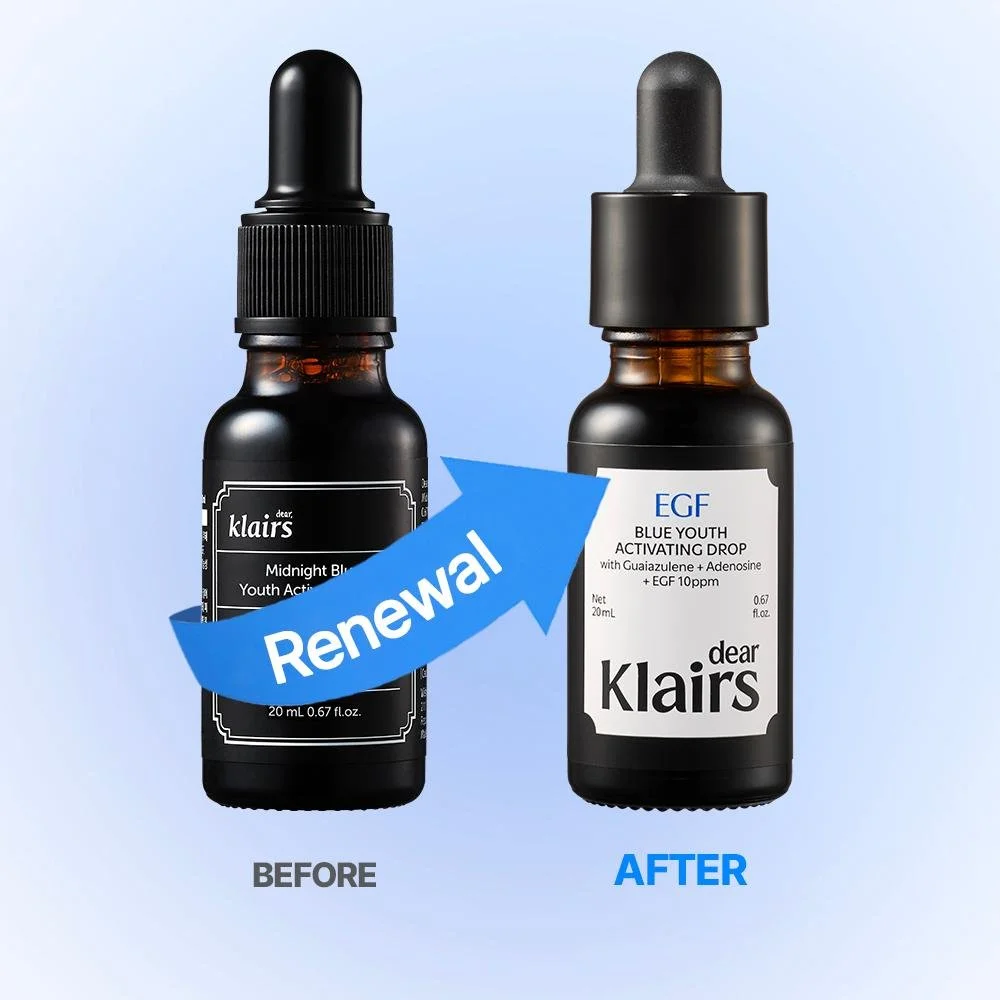
dear, Klairs Midnight Blue Youth Activating Drop
Where to buy
Centers on sh-Oligopeptide-1 and sh-Polypeptide-1, functioning as growth factor–related peptides in a very minimal base formula.
Additional benefits include:
Blueberry extract for antioxidant support
Guaiazulene for calming and visible redness reduction
Adenosine for wrinkle-related support
The texture is watery and very lightweight, layering easily under other products.
Best for: Normal, combination, and mildly sensitive skin types that prefer minimal formulas without added lipids. Suitable for layering in more complex routines.
Exosomes: The Cellular Postmen
Exosomes are tiny extracellular vesicles that cells naturally use for communication. They can carry proteins, lipids, and nucleic acids between cells, which is why they have become such an interesting area of regenerative and aesthetic research. Recent reviews describe their potential effects on collagen production, inflammatory signaling, pigmentation, and tissue repair.
Exosomes can interact with recipient cells through several mechanisms, including receptor signaling and cellular uptake. But translating this biology into a topical skincare product is much more complicated because source, purification, stability, concentration, and skin delivery all matter.
Skin Rejuvenation: Human studies have reported improvements in hydration, elasticity, wrinkles, pigmentation, and texture, but most of the current evidence is still based on relatively small and heterogeneous studies.
Post-Procedure Use: Exosome products are increasingly paired with microneedling, lasers, and other procedures, which may also improve their access to the skin. A 2026 review found that more than half of the topical studies used exosomes alongside a delivery procedure.
Daily Topical Skincare: Evidence for ordinary exosome serums used on intact skin is much less established, and commercially available products vary considerably in their source and manufacturing.
So exosomes are one of the most interesting regenerative technologies appearing in skincare, but they are still an emerging category rather than a proven shortcut to faster skin repair.
For a deeper look at how this technology is moving from aesthetic procedures into cosmetics, see my guide to exosomes in Korean beauty.
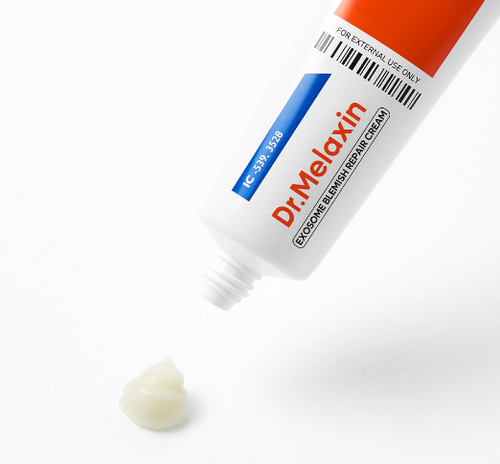
Dr. Melaxin Exosome Repair Cream
Where to buy
Highlights Cicasome 10,000 ppm, an exosome-inspired complex combined with Niacinamide for tone and barrier support.
Additional benefits include:
0,5% Panthenol and Allantoin for calming
Centella derivatives (Madecassoside, Asiaticoside, Asiatic Acid) for barrier support
Ceramide NP for lipid reinforcement
Multiple forms of hyaluronic acid for hydration
Hydrogenated lecithin to assist lipid organization
The texture is a cream with noticeable emollience due to triglycerides and fatty acids, forming a more protective layer compared to a serum format.
Best for: Normal to dry skin types, especially those with compromised or stressed barriers. May feel too rich for very oily skin.
Hypochlorous Acid (HOCl): The Surface Reset
Hypochlorous acid is a molecule produced naturally as part of the innate immune response. In skincare, stabilized HOCl solutions are mainly used for their antimicrobial and anti-inflammatory properties, which makes them useful when skin feels reactive, breakout-prone, or easily irritated. A 2025 dermatology review describes HOCl as an endogenous molecule with antimicrobial, anti-inflammatory, and wound-supportive activity.
Why It Is Useful for Blemish-Prone or Reactive Skin
Antimicrobial Support: HOCl can reduce microbial burden on the skin surface without acting like an exfoliating acne ingredient.
Inflammatory Support: Topical HOCl has been studied for inflammatory skin conditions, pruritus, wound care, and acne, although the strength of evidence varies by condition.
Low-Irritation Format: Well-formulated HOCl sprays are generally easy to tolerate, which makes them useful when stronger actives feel like too much.
For this reason, I see HOCl as supportive skincare rather than a primary acne active. It does not unclog pores or increase cell turnover, but it can be a useful addition when breakouts occur alongside irritation or sensitivity.
How to Use Hypochlorous Acid
Apply HOCl after cleansing and allow it to air dry before continuing with serums or moisturizer.
Because HOCl is chemically reactive, I prefer letting it dry fully before applying ingredients such as pure vitamin C rather than layering everything together while the skin is still wet. There is no need to separate HOCl and peptides into completely different routines.
It can be used once or twice daily if your skin tolerates it, or simply when you want an extra low-irritation step after exercise, shaving, or during periods when your skin feels more reactive.
Purito SEOUL Hypochlorous Acid Rescue Spray
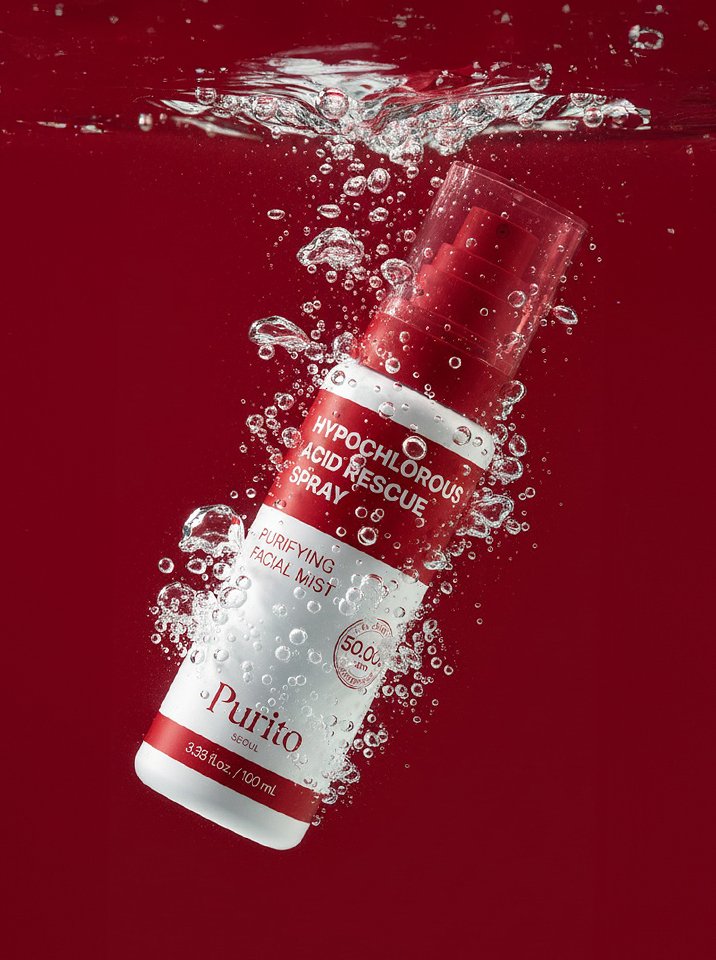
Contains Hypochlorous Acid at 104 ppm, positioned toward the end of the formula, indicating a mild concentration suitable for frequent use.
Additional benefits include:
Aloe and chamomile flower water for soothing
Witch hazel water for mild astringent support
Centella and botanical extracts for calming
Pear and melon extracts for light antioxidant support
The texture is a fine mist with a refreshing, watery finish. It absorbs quickly without residue.
Best for: Oily, acne-prone, and combination skin types seeking gentle daily calming. May not suit very sensitive skin due to witch hazel and fragrant plant extracts.
medicube Hypochlorous Acid Daily Facial Spray
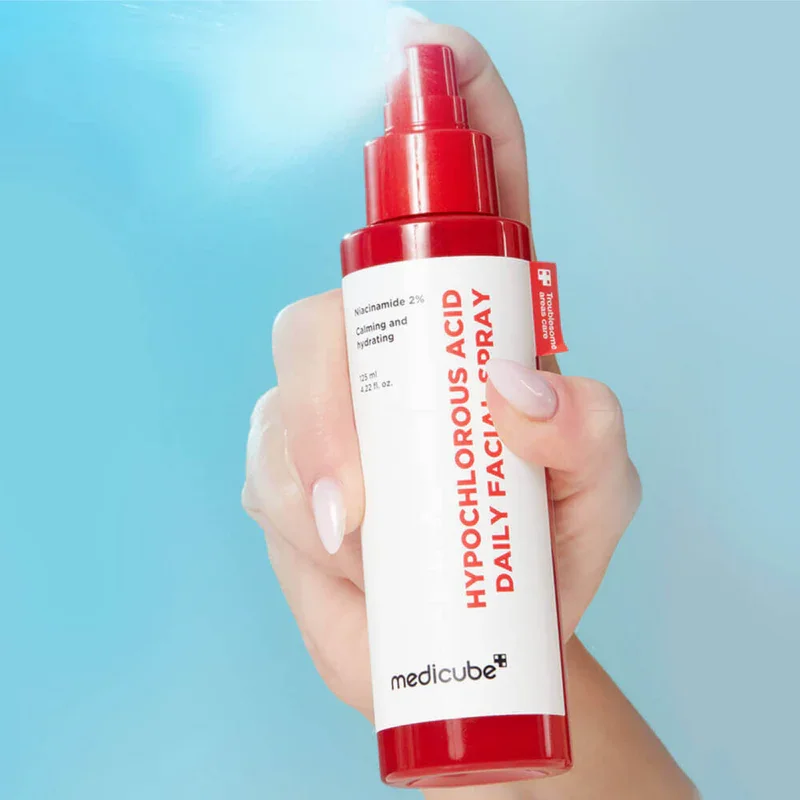
Contains Hypochlorous Acid at 150 ppm, a slightly higher concentration than many over-the-counter mists, combined with barrier-supportive ingredients.
Additional benefits include:
2% Niacinamide for sebum regulation and tone support
Panthenol and Allantoin for soothing
Minimal humectant base for lightweight hydration
However, the formula includes essential oils such as eucalyptus, rosemary, and tea tree, which may increase irritation risk for sensitive skin.
The texture is lightweight and refreshing, designed for daily application.
Best for: Oily, acne-prone, or congestion-prone skin that tolerates essential oils. Not ideal for reactive or rosacea-prone skin.
The New Standard for 2026
The ingredients we've discussed—from Exosomes to Hypochlorous Acid—show that skincare is becoming more about biological support and less about surface-level fixes. We are now using tools that actually help the skin function better on its own. Whether you are looking for faster recovery, deeper hydration, or better skin density, these 2026 trends offer a much more intelligent way to handle your routine.
More Resources & Consultations
If you want to move beyond the trends and find what works for your specific skin, here is how I can help:
Further Reading: My blog has more detailed articles on Korean skincare technology and product deep-dives.
Guides & eBooks: I have written several eBooks for those who want a structured look at building a professional-grade routine at home.
Personalized Routine: If you want a direct answer to your skin concerns, you can book a skincare consultation with me. I’ll look at your current products and create a customized routine based on your goals.



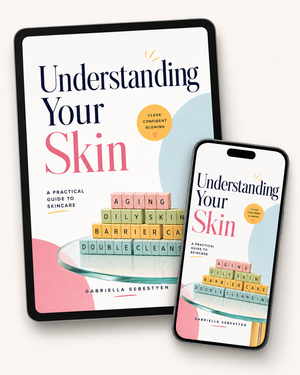
Understanding Your Skin
A Practical Guide to Skincare
I wrote Understanding Your Skin to help you build an effective skincare routine with confidence. This illustrated guide explains skin types, ingredients, and routines in a practical, evidence-based way that's easy to understand and apply.
- Written by a physician
- 120-page illustrated guide
- Evidence-based skincare guidance
- Sample routines & product recommendations

From pure vitamin C to gentle derivatives, compare the best vitamin C serums and choose the right formula for brighter, healthier-looking skin.