Fall Skincare Routine: 6 Tips to Transition Your Skin From Summer to Autumn





A fall skincare routine should focus on maintaining hydration and barrier support as temperatures and humidity begin to drop. Skin that felt comfortable during summer may start becoming drier, tighter, or more sensitive, so small adjustments can help without rebuilding your entire routine.
In this guide, I’ll cover five practical ways to transition your skincare routine from summer to fall, including cleansing, hydration, moisturizers, exfoliation, and sunscreen.
Key Takeaways
✓ A fall skincare routine should prioritize hydration and barrier support as cooler temperatures and lower humidity increase skin dryness.
✓ Switch to a gentler cleanser if your summer cleanser begins to leave your skin tight or uncomfortable.
✓ Add humectants such as glycerin, panthenol, and hyaluronic acid when your skin needs more hydration.
✓ Keep exfoliation gentle and reduce frequency if your skin becomes drier or more sensitive.
✓ Continue daily sunscreen and switch to a richer moisturizer only when your skin needs the additional barrier support.
In This Article
Some links are affiliate links. If you choose to purchase through them, it helps support my work at no extra cost to you.
Tip 1: Make Cleansing Gentler as the Weather Gets Drier
As temperatures and humidity begin to fall, skin can become drier and more reactive. Low humidity and cooler temperatures can reduce skin barrier function and increase susceptibility to irritation, so a cleanser that felt perfect in summer may suddenly start leaving your skin tight.
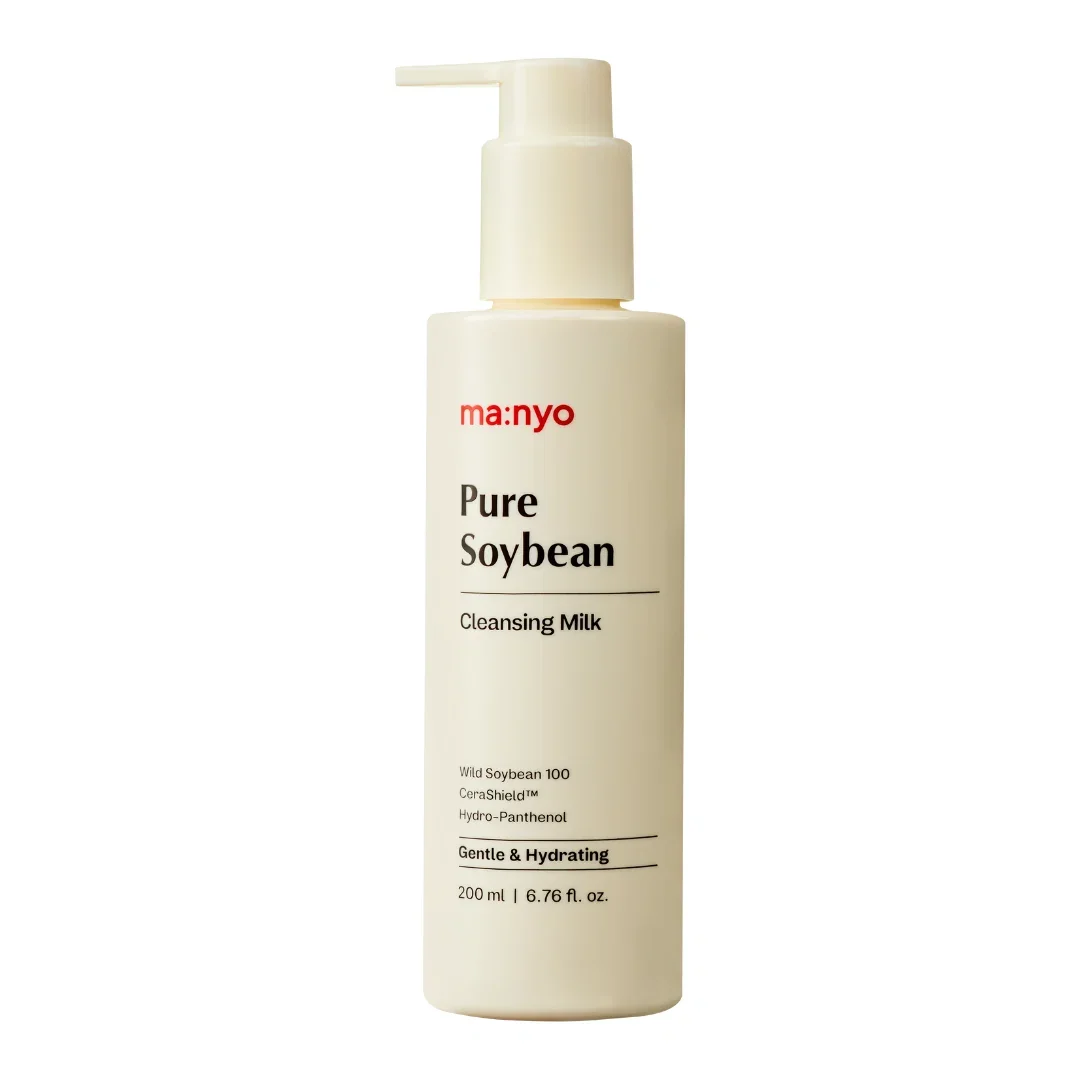
You do not necessarily need to stop using a foaming cleanser, but this is a good time to switch if yours feels stripping. A creamy or milk cleanser such as the ma:nyo Pure Soybean Cleansing Milk can be a more comfortable option for dry or easily irritated skin.
Tip 2. Keep Exfoliation Gentle, Not More Frequent
Fall is not the time to automatically increase exfoliation. If your skin is becoming drier, over-exfoliating can make tightness and sensitivity worse.
A mild exfoliant once or twice a week may be enough to help with rough texture and dullness. The Medi-Peel Red Lacto Collagen Konjac Peeling Gel is one option if you prefer a gentle resurfacing step, but frequency should always depend on how your skin responds.
The goal is to smooth the surface without compromising the barrier just as the environment is becoming less forgiving.

Tip 3: Boost Hydration as Humidity Drops

Even when early fall still feels warm, lower humidity can make skin lose water more easily and start feeling tighter or less comfortable. Adding a hydrating serum or ampoule can help support moisture levels without making the routine feel heavy.
Look for ingredients such as glycerin, panthenol, hyaluronic acid, ceramides, and niacinamide to support hydration and barrier function.
The ROUND LAB Soybean Panthenol Ampoule is a good example of this approach, combining panthenol with barrier-supportive ingredients in a lightweight formula that fits easily into a fall routine.
Tip 4: Keep Sunscreen in Your Fall Routine

Shorter days do not mean UV protection stops mattering. Sun protection is still recommended year-round, including on cold or cloudy days,and a broad-spectrum SPF 30 or higher remains a good daily baseline.
For fall, you may simply prefer a sunscreen that feels a little more hydrating than your summer option.
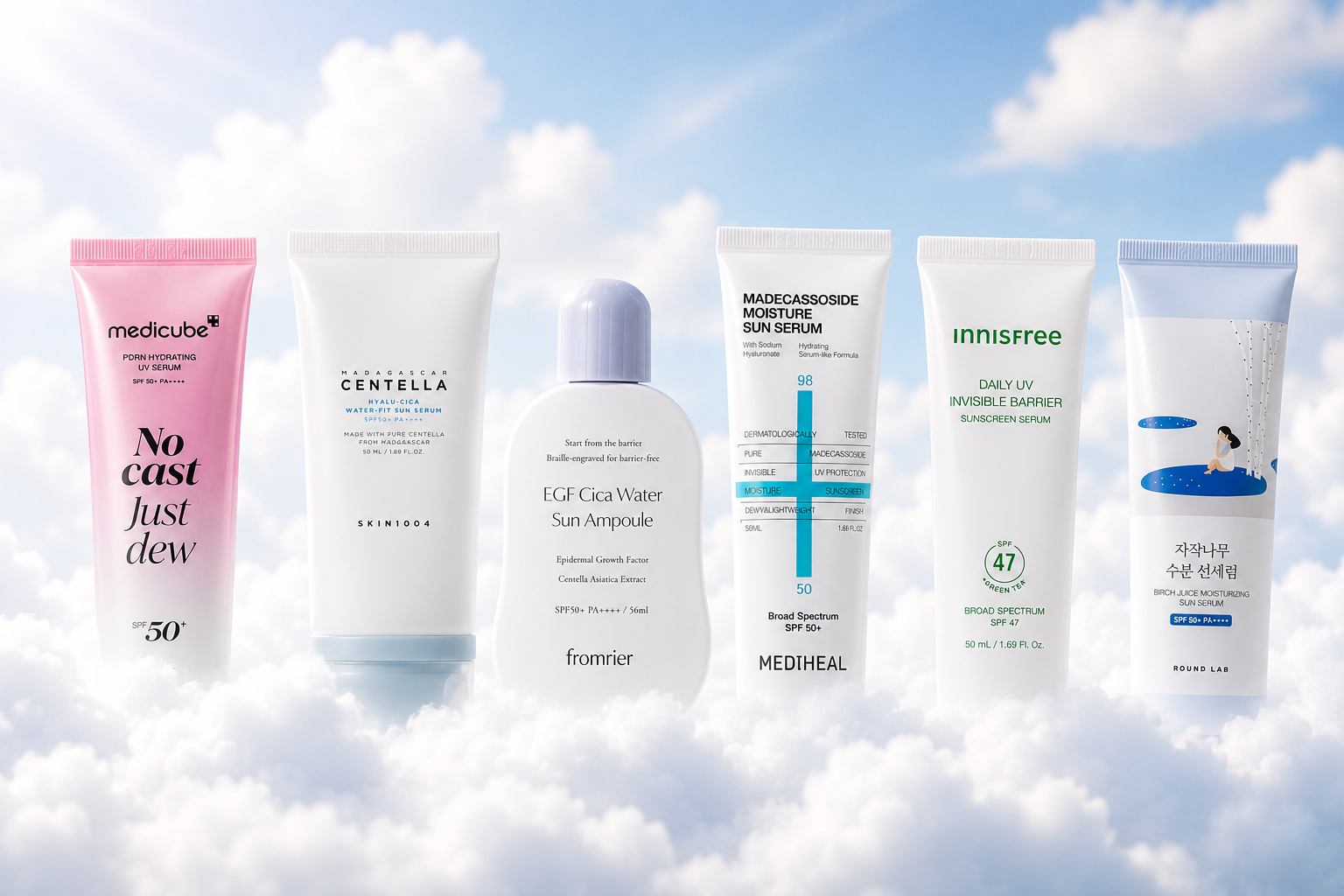
The SKIN1004 Madagascar Centella Hyalu-Cica Water-Fit Sun Serum is a lightweight choice that combines daily UV protection with a hydrating, comfortable finish that works well as the final step of a cooler-weather routine.
Tip 5: Add Antioxidant Support
Antioxidants are useful year-round, not just during seasonal transitions. Vitamin C is especially well studied for helping protect against oxidative stress while also supporting collagen and improving uneven pigmentation. A 2023 systematic review found benefits for photoaging and pigmentation with topical vitamin C.
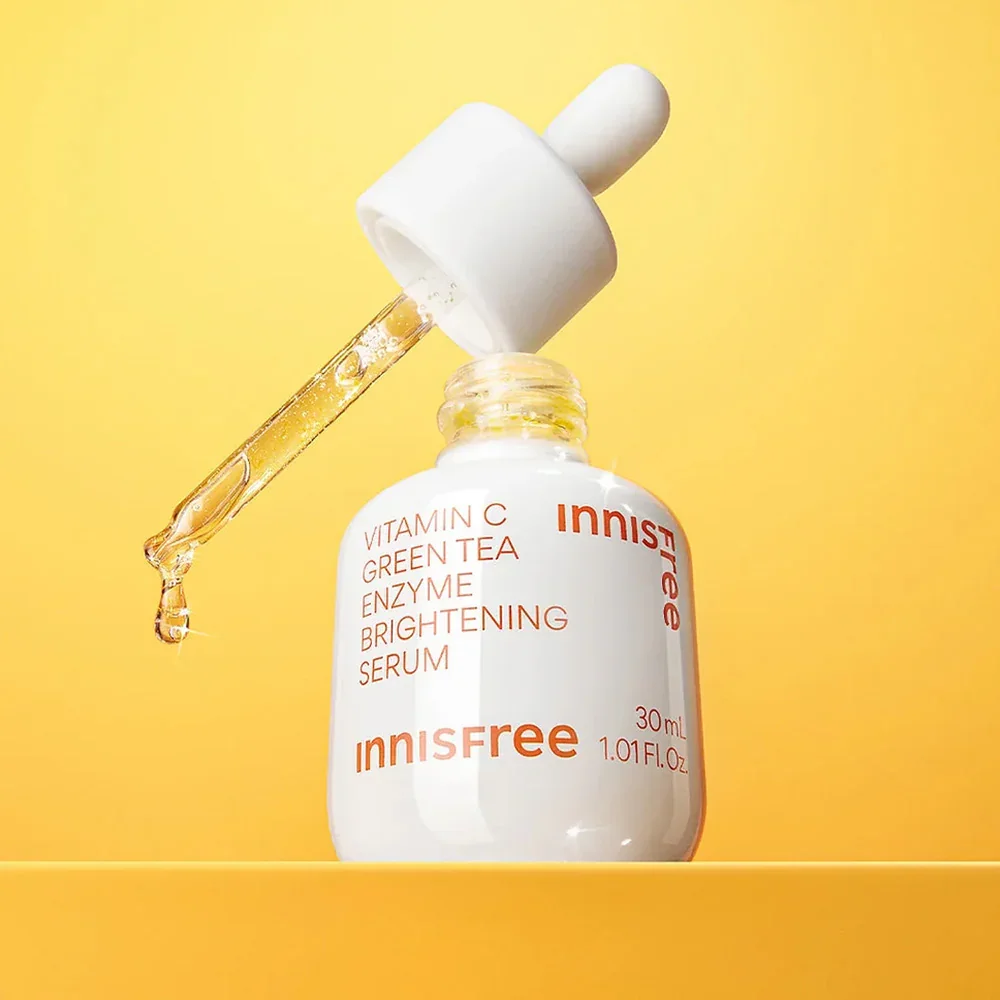
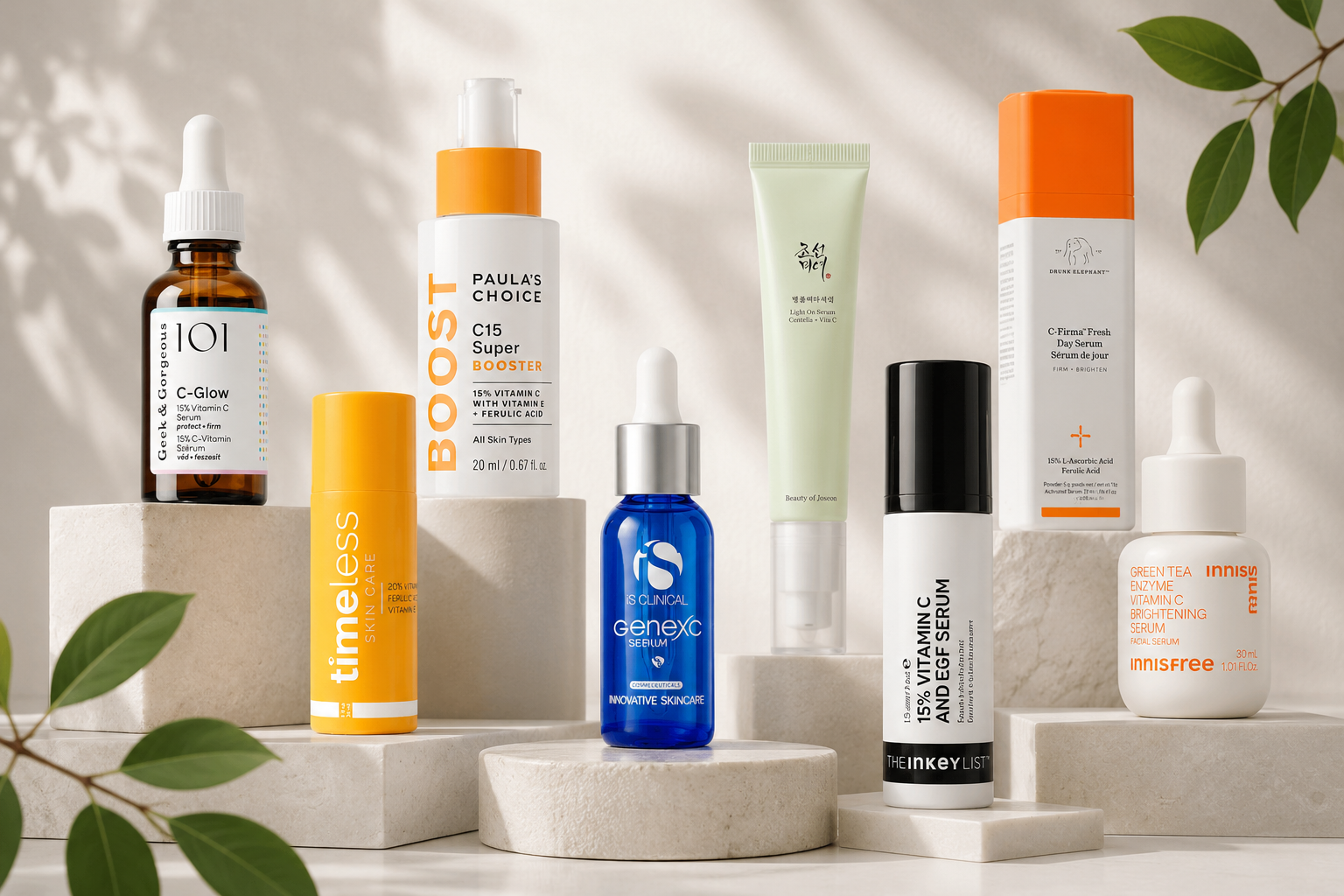
The Innisfree Vitamin C Green Tea Enzyme Brightening Serum is a good option if you want to add antioxidant and brightening support without making your fall routine feel much heavier.
Tip 6: Switch to a Richer Moisturizer If Your Skin Needs It
As the weather becomes cooler and drier, a lightweight summer moisturizer may no longer feel sufficient. Richer creams can help reduce water loss by adding more emollients and barrier-supportive lipids.
Look for ingredients such as ceramides, cholesterol, fatty acids, squalane, and glycerin. Ceramides are especially useful because they are a major part of the stratum corneum lipid barrier and help maintain water retention. Research on ceramide-containing moisturizers supports their role in improving hydration and barrier function.
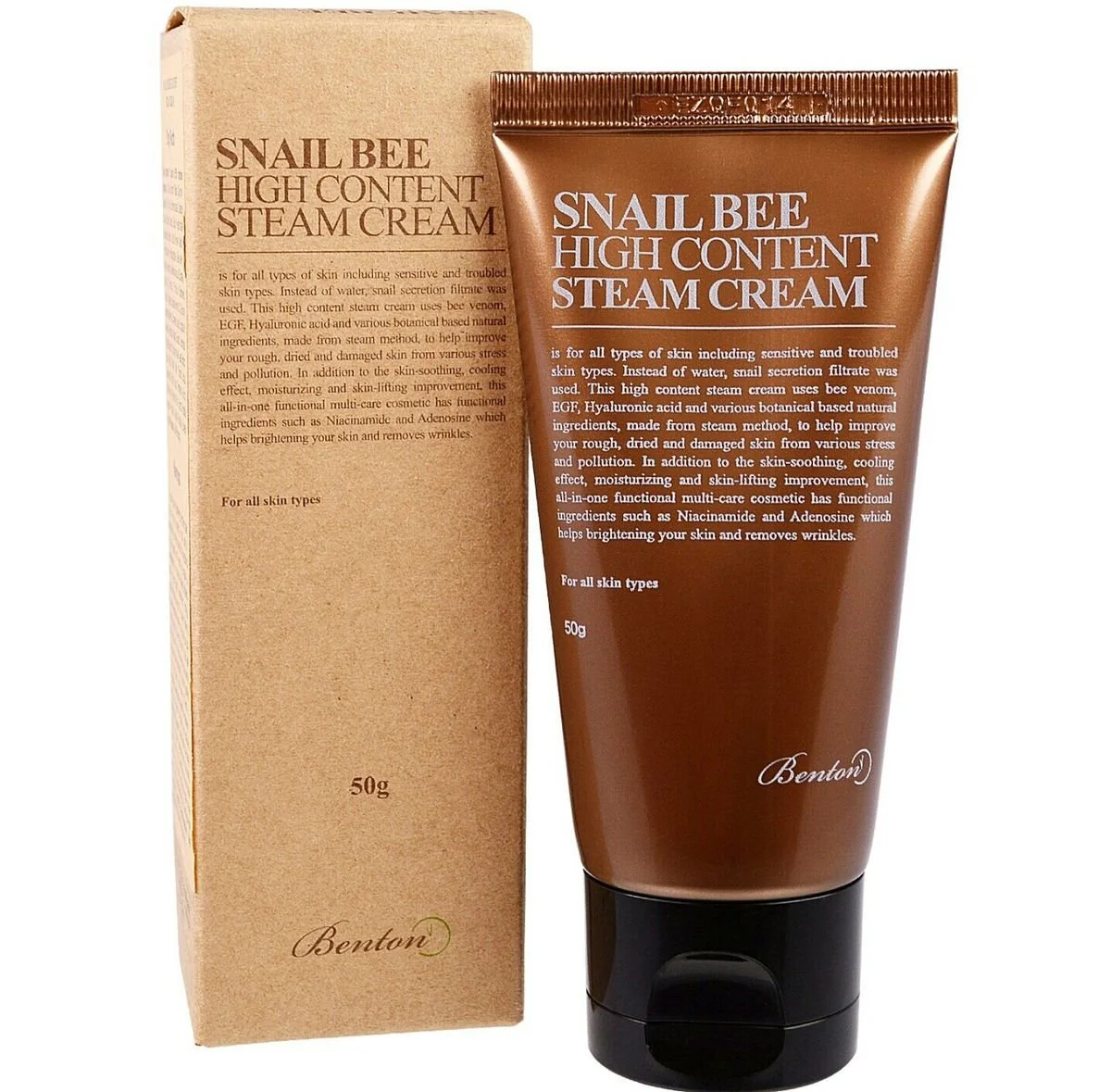
The Benton Snail Bee High Content Steam Cream is one option if you want a more nourishing texture for cooler weather.
You do not need to switch automatically, though. If your current moisturizer still keeps your skin comfortable, there is no reason to replace it just because the season changed.
Frequently Asked Questions About Fall Skincare
When Should I Start Changing My Skincare Routine for Fall?
There is no specific date when you need to switch to a fall skincare routine. A better approach is to watch for changes in your skin and environment.
If your skin starts feeling tighter after cleansing, becomes rougher, feels less comfortable by the end of the day, or needs moisturizer more frequently, it may be time to adjust your routine. Research has found that lower temperatures and humidity can affect skin hydration and transepidermal water loss, although the degree of seasonal change varies from person to person.
Can Indoor Heating Make Your Skin Drier in Fall?
Yes. Indoor heating can lower the humidity of your environment, which may contribute to increased skin dryness as the weather gets colder.
This means your skin may begin feeling dry even if you are spending most of your day indoors. The American Academy of Dermatology notes that heated indoor environments can contribute to dry, chapped skin, while a Korean study also found measurable changes in skin hydration during exposure to heated indoor environments in winter.
Should I Use a Humidifier for Dry Skin in Fall?
A humidifier can be useful if the air inside your home becomes very dry, particularly once heating is turned on. Increasing indoor humidity can reduce one of the environmental factors that contributes to moisture loss from the skin.
The American Academy of Dermatology specifically recommends considering a cool-mist humidifier when dry indoor air is contributing to skin dryness. It is an optional addition rather than a required skincare step, so you may not need one if your skin remains comfortable.
Should I Use Retinol or Retinoids Less Often in Fall?
You do not automatically need to reduce retinol or retinoid use just because fall begins. However, if cooler, drier weather makes your skin more sensitive, the same retinoid routine that worked during summer may start causing more dryness, peeling, or irritation.
If irritation develops, reducing frequency, using a smaller amount, or adjusting how moisturizer is used may improve tolerability. Prescription retinoids should be adjusted according to the advice of your dermatologist or prescribing clinician rather than changing the regimen on your own.
Can Oily or Acne-Prone Skin Become Dehydrated in Fall?
Yes. Having oily skin does not prevent the skin from becoming dry or dehydrated when humidity drops. Acne-prone skin may also become more easily irritated if you use ingredients such as salicylic acid, benzoyl peroxide, or retinoids.
The American Academy of Dermatology notes that several common acne treatments can dry and irritate the skin and that moisturizer can help improve tolerability. For fall, the goal is not necessarily to use a very heavy cream, but to maintain enough hydration and barrier support without choosing products that feel unnecessarily occlusive for your skin.
Why Does My Skin Suddenly Sting or Feel More Sensitive in Colder Weather?
Cold temperatures and lower humidity can change skin hydration and barrier function, which may make skin less tolerant of products that previously felt comfortable. Seasonal studies have also found changes in transepidermal water loss and greater susceptibility to certain irritants during colder conditions.
If several products suddenly sting, simplify your routine temporarily rather than adding more active ingredients. Persistent burning, significant redness, cracking, itching, or a recurring rash should be assessed by a dermatologist because these symptoms may involve more than ordinary seasonal dryness.
Is Fall a Good Time to Start Stronger Skincare Actives?
Not necessarily. Cooler weather does not automatically make fall the ideal time to start retinoids, stronger exfoliating acids, or several new active ingredients at once.
In fact, lower humidity can make already dry or sensitive skin less tolerant of irritation. If you want to introduce a new active, start gradually and change one important step at a time so you can see how your skin responds. Retinoids in particular are generally introduced progressively because using them too frequently at the beginning can cause excessive dryness and irritation.
How to Keep Your Fall Skincare Routine Simple
Transitioning from summer to fall does not mean rebuilding your entire routine. In most cases, a few small changes, such as gentler cleansing, more hydration, and a richer moisturizer when needed, are enough to keep your skin comfortable as the weather changes.
If you want to explore specific concerns in more detail, browse my skincare guides for ingredient breakdowns, seasonal routines, and Korean product recommendations.
Not sure where to start? Take my Skin Type Quiz to better understand what your skin actually needs.
And if you want a routine built completely around your skin type, concerns, current products, and tolerance, you can book a Personalized Skincare Routine for a fully tailored approach.





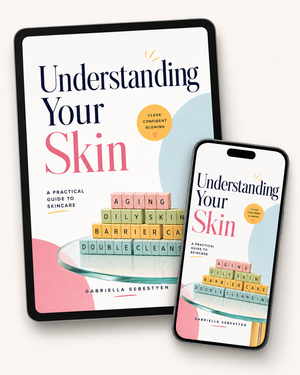
Understanding Your Skin
A Practical Guide to Skincare
I wrote Understanding Your Skin to help you build an effective skincare routine with confidence. This illustrated guide explains skin types, ingredients, and routines in a practical, evidence-based way that's easy to understand and apply.
- Written by a physician
- 120-page illustrated guide
- Evidence-based skincare guidance
- Sample routines & product recommendations

Think you know The Ordinary? These five lesser-known formulas might surprise you. Discover intriguing ingredients, unexpected benefits, and products you may have overlooked.